One call and we take it all
Categories
Rubbish Recycling

Rubbish & Our Waterways – Why Recycling Is So Important

Rubbish in our waterways is serious – it impacts the water quality, habitat and the wildlife. From cigarette butts thrown out a car window, to plastic straws blowing in the wind, even the smallest piece of rubbish can have a huge impact. Once this rubbish hits the waterways, it can be hard to remove and once caught in an ocean current, it can float thousands of kilometres. Your plastic bottle lid that hits the water today could be shark food in New Zealand in future. 

And it joins some 12.7 million tonnes of litter that ends up in the ocean every year. Sydney Water alone is removing more than one million plastic bottles from Sydney waterways each year.

According to the World Wildlife Fund, 80 per cent of marine pollution is generated by land-based activities and it’s having a devastating effect on our oceans. If we want to protect the environment, and our future, we need to start by taking care of our waterways – and we can all play a part.

Why Rubbish In Our Waterways Is Bad 

The biggest problem with trash in the waterways is that it can harm and kill wildlife. Every year, it accounts for the death of at least 100,000 marine mammals – turtles and whales – and around one million seabirds worldwide. There are two main issues – wildlife becomes entangled in the trash or mistakes it for food. 

Entanglement can lead mammals and birds to become severely injured, even resulting in death. Seabirds commonly become entangled in fishing lines or nets, losing their ability to move and catch prey. Mammals can receive cuts from debris, and it can lead to amputation. The fact is, if animals can’t fly, swim or hunt properly – they die. 

Ingestion, on the other hand, occurs when a marine animal mistakes plastic bags, rubber, balloons, and so on, for prey and swallows them. Turtles often mistake plastic bags for jellyfish, while birds will mistake polystyrene balls for fish eggs. This can block their digestive system – making it impossible for the animals to feed property and again, they die. 

It’s not just about the wildlife though. Rubbish also makes the waterways dirty and turns tourists away – no one wants to go kayaking or snorkeling in waters that are covered in junk. 

What You Can Do If You See Rubbish 

Every little bit counts. 

If you’re spending time at the local waterways or a day on the beach, you need to start by taking care of your own. If you’ve made a mess, clean it up. Be extra careful to not leave any stray bottles or cans lying around, pick up napkins and bags – lightweight rubbish can easily be picked up by the winds or tide and make its way into a bird’s line of sight. 

If you see rubbish on the beach that hasn’t been left there by you, it doesn’t do any harm to pick it up and bin it. Consider the impact it will have on the environment if you do that – you could be saving the life of a dolphin or turtle. 

Get involved in organised clean-up events and don’t be afraid to report instances of illegal dumping to your local city council. 

How We Can Stop Rubbish Getting Into Waterways 

If you see rubbish on the ground, pick it up – that’s great. But essentially you want to avoid getting rubbish there in the first place. There are things you can do yourself to stop rubbish from spreading to stormwater drains and beaches and it starts in the home. 

Have you heard of the five Rs? 

Refuse is the first R and it’s the most important one – when you’re offered a plastic bag to carry your items, say no. Refuse to buy wasteful products. Refuse anything that isn’t recyclable. 

Reduce the amount of harmful, wasteful, non-recyclable products. Start by reducing the packet foods you buy, buy in bulk to reduce wrapping, and reduce paper waste with a No Junk Mail sticker on your mailbox. 

Re-use your water bottle – BPA Free is best. And re-use other items you may generally throw away. Forget single-use plastics – these are a major killer of marine wildlife. 

Repurpose. If you can’t reuse it, try repurposing it. Get creative. For example, rather than throwing away old cardboard boxes, keep them for crafts for the kids. Coffee mugs can become plant holders. And so on. 

Recycle as much household waste as possible. You can do this by ensuring your waste is put into the correct bin at collection time. If it doesn’t fit in the bin, you can look into getting a rubbish removal company to come and take everything away to the local recycle centre. 

Here’s our top tips: 

  1. Use your own reusable shopping bags and if you’re buying fruit and vegetables at your local supermarket, ignore the plastic bags that are provided to bunch them in. While you’re at the store, you can also choose loose veggies and fruit rather than packaged.
  2. Avoid buying bottled water – take your own out with you instead. And rather than accepting a disposable cup at your favourite café, take your own travel mug instead and ask them to fill that up.
  3. Don’t buy glitter. This can be hard if you have a little girl who loves fairy-land, but did you know glitter is made from plastic? And because the particles are so small, you can’t filter it out of wastewater.
  4. When you’re out boating, remember to bin your rubbish properly. The bins located at most ramps are for general rubbish only – which means your recyclables are going to the wrong place. Take your trash home with you, where possible, and sort it there. Just make sure you keep it secure in the trash bags so it doesn’t blow away and isn’t accessible by hungry Ibis.

By taking care of your rubbish and recyclables, you’ll be limiting the amount of waste you’re putting into the environment and as such, reducing the impact you make on the waterways. If you need assistance for rubbish removal Sydney, get in touch with our team today!

Categories
Rubbish Recycling

What Should You Do With Things That Can’t Be Recycled

To recycle, or not to recycle? That is the question – and it’s a pretty confusing one. While many recyclables are obvious, like soft drink cans and cardboard boxes, there are other items that you might throw in the recycle bin, when you shouldn’t. Or visa versa – you toss them in the regular bin when they should be sent to recycling. 

In a bid to clear things up, we’re delving deep into the world of recycling – what can’t be recycled, and what you can do with the non-recyclables. Here goes. 

What Are Non-Recyclables?

These are items that you can’t recycle in the traditional way – that’s not the say they can’t be recycled at all though. Many of the things people toss in their yellow-lid bin are actually contaminating the other items – which means, the entire bin is now non-recyclable. The following are non-recyclables: 

Plastic bags and wraps: While these can be recycled, they can’t go into your yellow bin. Instead, you need to take them to your local supermarket and dispose of them in the Redcycle bins. 

Cans, cardboard, etc – within plastic bags: Although it’s much easier to transport your recyclables to your yellow bin from the house in a garbage bag, you can’t put the garbage bag in the bin as well. If you do, you’re wasting your recycling efforts. 

Nappies: Too many people put dirty nappies into the recycle bin – which contaminates the entire bin. Not only that, but they make their way into the recycle plant and contaminate everything there as well. Bin them properly. 

Food and soils: Got some pizza boxes you need to bin? You can only put them into the yellow bin if they don’t have any pizza leftovers inside, and if they aren’t TOO greasy or cheesy. Small amounts of residue are fine in your recyclables – a bit of sauce left in the jar. But big chunks of food should be binned separately. 

Cords and string: If you have anything that can get tangled around other items in the bin, you shouldn’t be putting it in there. That includes Christmas lights and headphones, garden hoses and wires. They actually cause the equipment at the recycle centre to snag, shutting down operations. 

Toxic materials: Anything that is ignitable, toxic or corrosive should not be recycled. This includes things like oil paint and motor oil, poisons and petrol. If the bottle is empty that’s been holding these, throw it in the trash – not the recycling. If you have large amounts, you might consider a rubbish removal company to take them away for you safely. 

Cleaning products: Like the above, you should also not recycle your cleaning products and containers. Check the label and if they are water-soluble, you can generally wash it down the drain. If it’s solid, such as sponges, bin it. And anything containing bleach should be flushed in small amounts. 

Batteries: These are corrosive by nature and the ingredients in batteries are hazardous, so it’s important that you dispose of them properly. You shouldn’t put these in your general trash either, but rather take them to a recycling facility where they can be disposed of properly. 

Chip packets: This might surprise you, but any type of multi-layer bag cannot be recycled. That means, any bags or packets that you can roll up into a ball should not be put in your recyclables. That even includes baby food pouches and chocolate wrappers. 

Electronics: Computers, TVs, phones, keyboards, even your smoke detectors – these are all unsuitable for your yellow bin and need to be disposed of properly. Take them to the local recycle centre yourself or have a rubbish removal company pick them up for you. 

Clothing: If you have clothes you’re not wearing anymore, rather than putting them in the yellow bin or the general trash, consider donating them instead. There are people in need all over the country and if they’re in good condition, you’ll be helping someone else with your unwanted goods. 

Wood: It might surprise you, but wood is actually not recyclable and shouldn’t be put in your recycle bin. That includes paddle pop sticks! If you have a large number of wood items you want to recycle, see if your local community has a program for timber recycling. 

Light bulbs: If you put light bulbs into your recycle bin, you risk them cracking and glass contaminating the other items in there. You can either take them to your local recycle centre, or dispose of them in your regular rubbish – just be sure to wrap them in paper first. 

Our top tip: when in doubt, leave it out. 

What To Do With Your Non-Recyclables 

So, what can you do with all those non-recyclables? There are a few options. 

Try to salvage as much of the item as possible and repurpose them. For example, if your pizza box has too much grease for recycling, see if you can pull it apart, get rid of the bits that still have food on them, and use the scraps for crafts instead. 

Get your creativity hat on. If you have broken glass, learn how to make a mosaic decoration and design your own photo frames or Christmas decorations. If you have Styrofoam, cut it into egg shapes and get the kids to paint it for Easter – it’ll save a bundle on Easter decorations. 

Other creative ideas include reusing paper coffee cups for growing plants! Poke a hole in the bottom, fill it with soil, add a seed and watch it grow! And using old milk or water bottles for creating ice packs. Simply clean them out, fill them with water, and freeze them. They’re perfect to put in your esky for a summer barbecue at the beach. 

When it comes to repurposing, the options are only limited by your imagination. If you prefer to get rid of all your rubbish, however, that’s where a rubbish removal specialist can help. 

Rubbish removal Sydney, and beyond 

Rubbish removal companies are there to do the dirty work for you. It doesn’t matter if you have a large amount of recyclables you need taken away, or a small box, rubbish removalists are trained to deal with it. They’ll come to your house and pick up anything you don’t want anymore, then they’ll take it straight to the local recycle centre. If it’s donatable, such as furniture, they’ll instead take it to a local charity. With rubbish removal services, you can rest assured your recyclables are going to the right place. And there’ll be no mess left behind. 

Cheapest Load of Rubbish are your rubbish removal Sydney specialists so if you need advice or to make a booking, get in touch today.

Categories
Rubbish Recycling

Fighting Your Homes War On Waste and How To Win

Australia is, unfortunately, one of the most wasteful countries anywhere in the developed world, but it’s not just us down under. The entire population of our planet is actually responsible for discarding a container ship full of rubbish every couple of hours. Just thinking about all that trash is disheartening in itself because the vast majority of it will end up in landfill.

Thankfully, it’s not all bad news. Australians everywhere who are passionate about protecting our beautiful country have already started signing up to fight in the war on waste. As a nation we need to come together as one and truly understand the negative effect that our excess rubbish has been having on the environment.

You too can help create a cleaner and greener community from the comfort of your home. It’s all about learning the 4 Rs of Reduce, Reuse, Repurpose, and Recycle. Now’s the time for all proud Australians to get the whole family involved. Start by reflecting on how we manage our waste, learning what goes in each bin, understanding where our trash goes, and teaching ourselves new green habits.

How To Clean Out Your House Room By Room

Clutter is a problem for us all. In fact, you don’t even need to be moving out or planning a renovation to notice too much of your stuff is cluttering up your house. Even larger size properties can still fill up with possessions and heaps of other stuff. Having all that extra mess around your home can very quickly become a very frustrating issue, especially when it comes to going through the mess to organise and remove it all.

That’s why as daunting as it may seem, regularly cleaning out your house room by room can have a massive impact on reducing the build-up of clutter. Before you start going through all the junk in each room, it’s always a good idea to take a step back first and figure out a plan of attack. Look at all of the items you have in each room and take note of what you want to keep and which items you’re most likely going to get rid of. Then you’ll need to think about how you’re going to discard the excess junk.

There are a number of different disposal options available, from normal wheelie bins, to council curb-side pick-up, to collection from a professional service like Cheapest Load Of Rubbish. In order to decide which one of these options will be most suitable for you is going to depend on how much junk you need discarded and whether you want it gone today, or you are okay waiting until your local council decides to arrange it.

No matter what rubbish collection method you decide to use, the first thing you need to do when you start cleaning out each room is to move everything you want to keep to another room. Then move anything that is obviously broken, damaged, and other junk outside to wherever your trash collection point is going to be. This includes throwing out all faulty furniture, broken appliances, junk accessories, and unsalvageable clothing to avoid accumulating future clutter and waste.

Remember that just because something isn’t working, doesn’t automatically mean that it is rubbish. This is where the 4 Rs of Reduce, Reuse, Repurpose, and Recycle come into play. In order to reduce the amount of waste on our planet, Cheapest Load of Rubbish will check if your junk can be reused or repurposed by a local charity first. If that’s not possible, we’ll then recycle whatever we can from your trash and finally we will discard whatever is left over at a local transfer station.

What To Do With Old Furniture, Electronics, White Goods

Most of our household appliances and furniture don’t last as long as they used to, despite how much money we spend on them. It seems that their quality has declined considerably over the last 50 years. Sometimes broken appliances get thrown in the trash, whereas others just get put somewhere “out of the way” so that we can “get it fixed one day” or just deal with it another day.

It doesn’t take long for these broken appliances to start taking up valuable storage room around your home, in the back of kitchen cupboards, under the laundry basin, and stacked on shelves in the garage. Which is such a waste, when many unused or faulty appliances can be repaired and reused, or donated so they can be repurposed and rehoused. Always remember the 4 Rs of Reduce, Reuse, Repurpose, and Recycle.

But when your appliances have definitely packed it in and are simply unrepairable, you can ask if the delivery company can remove the old one for free. If not, Cheapest Load of Rubbish is here to help. Many old and broken furniture, white goods, and electronics can be recycled by reusing their parts in other products. If not, they can be taken apart and recycled in other ways. If you’re not sure whether or not your old appliances can be repurposed or recycled, Cheapest Load of Rubbish can ensure they are removed and dealt with appropriately and safely.

Keep Your Home Tidier And Help The Environment At The Same Time

The Cheapest Load of Rubbish team are always here to help by removing your trash and junk using the most environmentally safe methods. Our team of experts can collect all of your residential trash today so that your home is always looking clean and tidy, while also looking after the environment. Just get in touch with us today so we can talk about how we can help with your trash problems.

So many Australians are already helping us win the war on waste with the 4 Rs of Reduce, Reuse, Repurpose, and Recycle. If you care about the environment and health of our planet, you should also take some responsibility and get involved. Even the smallest individual changes we make as communities such as reducing, reusing and recycling at home has already started adding up and is now having a massive impact on the world.

Categories
Rubbish Recycling

Recycling – Why Cheapest Load of Rubbish Care and Why You Should Too

Have you ever thought about where your rubbish goes after it leaves your home? It’s easy to forget about it the moment it lands in the bin, but you should be aware of how your waste is treated and where it ends up. With Cheapest Load of Rubbish, up to 80% of your waste will be recycled and turned into something brand new again.

Make no mistake about it; recycling is important. But why should you care about responsible waste disposal?

Why recycling is important

The truth is, recycling and responsible waste disposal are important for more reasons than one.

Landfill reduction

No one likes landfills. When you recycle, you’re preventing rubbish from being thrown away and forgotten. Instead, your recycled material can become something new again. Not only will you be giving your waste the chance to be renewed and reused, but you’ll also be preventing the emission of the greenhouse gases that landfills can emit.

Habitat preservation

When we recycle materials like paper or aluminium, we reduce the need to disrupt animal and plant habitats. Even recycling your morning newspaper each day can save dozens of trees. The more trees we save, the better the air quality is for everyone.

Boost in recycled goods

Recycling isn’t just good for the environment; it’s good for the economy, too. When more materials are recycled, it leads to an increase in recycled goods, which are then bought and recycled again. High demand for recycled products means more sales using less natural resources.

Wildlife preservation

If you love animals, then recycling should become a daily habit. When we use responsible waste disposal, our plastic, paper and aluminium don’t end up in our waterways. Recycling doesn’t just create clean oceans and beaches for animals, but for humans, too!

Why Cheapest Load of Rubbish recycle

At Cheapest Load of Rubbish, we believe our community and our environment matter. That’s why we’re committed to a cleaner and more sustainable future. We believe our recycling effort will help protect our environment not only for our generation but for the generations to follow.

How we recycle your rubbish

Sustainability is at the heart of everything we do. When we pick up your rubbish, it goes through a hand loading and hand sorting process that helps us recycle up to 80% of the rubbish we collect. By recycling every item we can, we lessen the amount of waste heading to landfills or ending up as litter on the street.

We can all help protect the environment through better and more effective waste disposal. Whether it’s your morning newspaper or a tree stump from the garden, Cheapest Load of Rubbish makes it easy to commit to sustainable waste disposal.

If you are looking for a rubbish removal service that values recycling, then contact Cheapest Load of Rubbish today.

Categories
Rubbish Recycling

Why Recycling Is So Important

Did you know that Australian’s are one of the biggest rubbish producers in the world? As a country, we generate nearly 48 million tonnes of rubbish! That’s a lot of waste! Due to the large volume that we accumulate it’s more important than ever to make sure we recycle rubbish as much as possible.

Many households around Australia are not properly informed when it comes to recycling. Knowing what you can and can’t recycle helps make the job much easier with your weekly rubbish. At Cheapest Load of Rubbish we recycle as much of your junk as possible. Not only does this help to reduce the impact that rubbish has on our environment, but by doing this we hope to create a sustainable future for younger generations.

So, What is Recycling?

Recycling refers to the collection of all items marked as recyclable. These items, such as paper, cardboard, glass, metals and some plastics are sent to resource recovery plants where reusable materials are extracted ready to be made into something new. By extracting as much reusable materials from our rubbish as possible, we reduce the amount of rubbish take to landfill, and minimise the use of new raw materials and non-renewable recourses. For this reason, householders and businesses are urged to separate recyclable materials from their everyday junk.

What happens if we don’t recycle?

There are a number of problems that stem from a lack of recycling. Landfill is space consuming, expensive and has a negative effect on the environment. Rubbish that sits in landfill creates a toxic liquid called Leachate. Leachate is made up of organic acids, dissolved chemicals and rainwater. Unfortunately, this liquid easily contaminates any surrounding land and waterways.

Rubbish sitting in landfill also creates methane, which is a greenhouse gas and major contributor to global warming. But it’s not all glum. By doing our bit and recycling as much as possible, we can reduce landfill, cut down on contamination to land and waterways, and help keep our sea life safe.

How do Cheapest Load of Rubbish Recycle?

One of the best ways to make sure your rubbish is removed the correct way is to let Cheapest Load of Rubbish help. Once we’ve loaded all of your rubbish onto our trucks, your items are take it back to our headquarters, sorted and distributed to the correct transfer station or recycling plant to be reused.

We take pride in our recycling effort, with up to 80% of all waste collected recycled or reused.

To get your recycling effort underway, we’ll help by removing rubbish and recyclables. Contact us on 02 9550 1181 for an obligation free on-site quote. No matter the size of your job, we will remove your rubbish quickly and efficiently. (Same day where possible).

Categories
Rubbish Recycling

Dealing with E-Waste

Technology. As fast as we update and upgrade, the next round of the newest and best is launched. So what do we do? Update and upgrade our electronic products. This means that the amount of e-waste continues to grow at a rapid rate. I bet if you take a look around your home or office, you’ll find a towering collection of unused electronic items. So what do you do with all your E-waste?

What is E-Waste?

E-Waste, also known as electronic waste, is any unused or outdated consumer and commercial device that has seen better days. At Cheapest Load of Rubbish we’ve been dealing with e-waste for as long as the name was coined!

Why You Need to Recycle E-Waste

Sending electronic waste to landfill may not seem like a big deal but many electronic products are extremely harmful to the environment as they contain toxic and hazardous materials such as lead, mercury, cadmium and brominated fire retardants. The longer these harmful chemicals are left to sit in landfill the more they leach into the soil and can get into waterways and bushland.

Fortunately, electronics are full of recyclable parts that can be recovered to reuse in other products, while hazardous material and be dealt with appropriately. Next time you’re thinking of throwing out your old computer, TV, or printer consider where it will end up. Recycling is best and will help keep your neighbourhood environment healthy and chemical free.

What products are considered E-Waste?

E-waste can be any product such as:

  • Televisions
  • Desktop computers
  • Laptops
  • Computer keyboards
  • Scanners
  • Printers
  • Fax Machines

What Happens When E-Waste Has Been Collected?

E-waste is always hand sorted once it reaches a Resource Recovery Facility. This way any unsafe or hazardous material can be excluded from the recovery process. All items can that be reused are sent to recyclers and manufacturers who can re-purpose the materials into new products.

In need of an E-Waste Collection?

You don’t need to let e-waste sit around your family home or office, call Cheapest Load of Rubbish and we will recycle your unused electronics in a safe way. Our team are dedicated to keeping the environment clean, safe and sustainable for a great future.

For home or office clean outs, our number is 02 9550 1181Contact us today for a free quote and fast collection of all your unwanted e-waste!

Categories
Rubbish Recycling

Where does the waste go?

Every week we put our council bins out, usually filled to the brim with our weekly household rubbish. Occasionally you may invest in a skip bin or a rubbish removal company to help take any extra rubbish away. This generally happens between council clean ups when you just can’t tolerate any more rubbish lying around.

After your rubbish is collected you most probably clap your hands together and happily wave the rubbish truck goodbye as it drives off down the street. It feels good to finally de-clutter your home and watch that rubbish drive off out of your life forever.

It’s all rainbows and sunshine now that your rubbish is gone, but have you ever thought about where this junk goes after you have disposed of it?

Probably not many people do.

Once that rubbish leaves your house you don’t think about it anymore. It’s someone else’s problem to deal with, right? Well, that’s where you could be wrong! Good waste management starts in the family home.

Taking the time to make sure you properly dispose of your rubbish will affect the impact wastage takes on the earth. We know that landfill rubbish is bad for the environment because we hear about it all the time, but not many people would think that the way they dispose of their household rubbish affects the amount of rubbish dumped into landfill every year.

Recycling is a very important part of rubbish removal. Properly sorting everyday items such as bottles, cans, paper items and plastics can help make a huge impact into maximising waste management efforts. Many of these items can be recycled once if not multiple times to become new resources.

We’re Passionate About Recycling

This is something that the team at Cheapest Load of Rubbish are really passionate about. Recycling plays a major part in our business. It’s something that we already do at home so why not do it at work as well! We are dedicated to creating a more sustainable future for ourselves and our children. Along the way, we take small steps to help work towards a cleaner future.

All of your rubbish that we collect is hand loaded onto our trucks. There is a reason that we hand load everything that we pick up. It is to ensure we know exactly what we have collected so we know where it has to go. Unlike other rubbish removal services who collect everything by machine into one big truck and cart it off straight to landfill.

Once everything is collected we take your rubbish back to our headquarters and have a proper sort through. Everything is sorted into three piles; one for recycling, one for the tip and one for goods that can be donated. We don’t like to see anything go to waste if it can be reused.

All recyclable items, once separated are taken to a certified recycling plant where they will be utilised and reused as something else. Anything that cannot be recycled is taken to the tip, where unfortunately it will end up as landfill. Lastly, anything that is still in good condition and can be used by someone less fortunate is donated to one of the various charities we support.

Cheapest Load of Rubbish do our very best to ensure we get the maximum out of everything we collect. One man’s trash is another man’s treasure, and when it comes to recycling anything we find is our treasure!

If you need any rubbish removed please feel free to give us a call on 9550 1181 to arrange a booking. You can guarantee that your rubbish is disposed of properly when you work with Cheapest Load of Rubbish!

Categories
Rubbish Recycling

The Real Need For Plastic Recycling

Plastics were first invented in 1860, but have only been widely used in the last 30 years. They are light, durable, mouldable, hygienic and economic, making them suitable for a wide variety of applications including food and product packaging, car manufacturing, agriculture and housing products.

With plastic bags the most widely used form of plastics, it is estimated world wide that 1 trillion bags are used and discarded every year.

Australians use 3.92 billion plastic bags a year, that’s over 10 million new bags being used every day.

Unless they are collected, they remain in the environment and accumulate at a staggering rate.

If 50 million plastic bags were made into a single plastic sheet, it would be big enough to cover the Melbourne CBD.

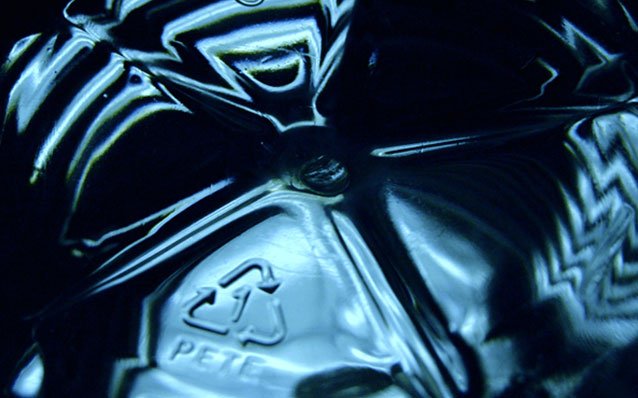
Plastics are identified by the types of resin used and are labelled 1 through to 7.

  1. PET (Polyethylene terephthalate) – soft drink and fruit juice bottles
  2. HDPE (High-density polyethylene) – milk bottles or shampoo containers
  3. PVC (Polyvinyl chloride or plasticised polyvinyl chloride) – cordial, juice or squeeze bottles
  4. LDPE (Low density polyethylene) – garbage bags and bins
  5. PP (Polypropylene) – ice cream containers, take-away food containers and lunch boxes
  6. PS (Polystyrene) – yoghurt containers, plastic cutlery, foam hot drink cups
  7. Other – all other plastics, including acrylic and nylon

Can We Recycle Plastic?

The good news is, yes we can recycle plastic.

Through council recycling schemes, we’re able to collect and recycle plastics labelled 1 (PET) ,2 (HDPE) and 3 (PVC or V). To prepare these plastics for recycling, rinse residue from bottles and containers (using dishwashing water), remove labels and lids and squash bottles.[1]

For all other plastic types, call Cheapest Load of Rubbish on 9550 1181. We recycle all items where possible.

You can help us by separating your waste into like piles. That way we can avoid adding to landfill because all rubbish is then taken to the appropriate transfer station or recycling plant.

How Can You Help The Environment?

To reduce the amount of plastic being used in our society, we first need to change our every day habits.

You can;-

  • Take your own bags to collect your shopping
  • Use containers to store food instead of covering with plastic wrap
  • Stop buying bottled water, use a refillable bottle instead
  • Choose paper or cardboard wrapping over plastic wrapping
  • Take your own travel mug with you for tea and coffee on the run
  • Use biodegradable facial washes and scrubs
  • Reuse ice cream and yogurt containers for kids art and craft sessions
  • Buy in bulk – Larger containers means less waste

By following these steps, not only will you help slow landfill levels, but you will also be stopping environmental contamination.

Cheapest Load of Rubbish Accepts All Plastics

If using plastic can’t be avoided, never fear, Cheapest Load of Rubbish accepts all plastics.

We take;-

  • Plastic Bags and Wrappers
  • Bottles and Containers
  • PVC Pipes
  • Chairs
  • Polystyrene
  • Vinyl
  • Composite Lumbar
  • Crates

To find out more about our rubbish removal service and how you can safely remove plastic from your home, office or building site, call 9550 1181 today. Our friendly team are only too happy  discuss your needs.

Categories
Rubbish Recycling

Recycled Houses – Plastic Lives Again

At Cheapest Load of Rubbish, we’re always looking at new ways to recycle and reuse unwanted goods.

We’ve rehouse thousands of items including household furniture, old building materials, even plants. But we’re most pleased by placing good quality disability equipment with people that are most in need.

That’s why we’re so happy to have found someone else in the world who through innovative recycling, is building “low-cost, safe and durable housing” [1] for the homeless.

Unilever believes in sustainable living, and each year hosts The Unilever Sustainable Living Young Entrepreneur Awards.

This year, Oscar Andres Mendez Gerardino of Conceptos Plasticos (one of the 7 winning entrepreneurs) has transformed waste plastic into usable construction materials. This process not only stops plastic from being sent to landfill, but has given the homeless of Columbia a chance to live in safe housing.

“It takes five days for four people to assemble a house of 40 square metres. Conceptos Plasticos have built nearly 1,500 square metres of houses and shelters in several regions across Colombia and are currently obtaining permits for construction of 500 square metres more in the city of Cartagena. They have used over 300 tonnes of post-industrial and post-consumer plastics in the process. In 2016, Conceptos Plasticos want to build 240 new homes, benefiting 1,200 people. By 2018 they plan to build 600 a year, positively impacting 3,000 people.”[1]

What an amazing idea from an amazing person. Well done Oscar. Your work is LIFE CHANGING!


  1. https://www.unilever.com/sustainable-living/join-in/Young-Entrepreneur-Awards-2016/Oscar-Andres-Mendez-Gerardino/
Categories
Rubbish Recycling

Don’t Become a Litter Bug!

Illegally dumped rubbish is not pretty. No one likes to look at it, not only is it an eyesore but it brings down the aesthetics of a neighbourhood and always seems to sit where it is for months on end. Each year thousands of household items get left on roadways, in bushlands and around unused properties.

Most of the time you will see old computers, mattresses, green waste and broken household appliances, however, the number one item illegally dumped is old furniture. Most of the time old furnishings get left behind because people don’t have enough time to discard their furniture properly or simply can’t be bothered.

Not only is dumped decor horrible to look at but it is terrible for the environment. When it rains, waste blocks drainage areas and leaks contaminants into our waterways and bush areas, killing vegetation and affecting the health of water ecosystems. Much of the time harmful chemicals are dumped along with furniture and are just left to slowly kill local vegetation and pollute our waterways.

>The old furniture on the side of the road issue

Many times rubbish won’t be collected until the local council is notified. This means that furniture could be sitting out on the side of the road for months at a time. All rubbish that is collected gets sent to landfill, anything that could have been saved and recycled is lost. Overall the practice of illegal furniture dumping is affecting the environment through poisoning bushland and waterways while adding to the landfill.

It pays to remove your old decor responsibility, and that’s where we can help. The team at the Cheapest Load of Rubbish are passionate about doing our part to help the environment. We hate nothing more than to see old furniture thrown to the side of the ride, and we live in these neighbourhoods too!

>Let us do the heavy furniture lifting

Let us pick up your old furnishings. If you know what you want to throw out, that’s as much work as you need to do. We will load all of your old rubbish onto our trucks for you, no need for you to do any heavy lifting. After we have all of your junk on our truck, we return to the Cheapest Load of Rubbish headquarters to hand sort through your old furniture pick up. We pass on all recyclable items to an accredited recycle waste station or to one of our various supported charities.

Your local council cleanup is an excellent way to get rid of any rubbish but many times you will find the council are limited in what they can collect. A lot of the time you may still find items left out the front of your house that you need to remove yourself. Cheapest Load of Rubbish can take any rubbish you need to be removed, not just house furnishings.

Better still, we can quote your old furniture pick up and collect your junk all at the same time! We don’t want to leave you with old furniture lying around your house or backyard that could wind up illegally dumped. Our service is top quality, you won’t even know that we have been, we leave your house clean and tidy after we have loaded all of your junk onto our truck.

>Clean out regularly & prosper

It pays to do a proper clean out twice a year to make sure you don’t have any old furniture lying around that you don’t need anymore. If you’re not using furnishings, you should ask yourself if you need it. Could someone else benefit from this piece? Either way, Cheapest Load of Rubbish can help you recycle any pieces of decor you no longer need.

>Tips to Avoid Illegal Dumping:

  • Always dispose of rubbish responsibly.
  • Check when your local council is having a clean up.
  • Call the Cheapest Load of Rubbish to take away any items you can not remove through the council.
  • Recycle old furniture wherever possible.
  • Carefully consider the adverse effects on the environment

Call Cheapest Load of Rubbish on 9550 1181 for an obligation free quote today!