One call and we take it all
Categories
Rubbish Removal

Dealing with Bulky Waste: Strategies for Disposing of Large Items in Residential Areas

Dealing with bulky waste requires more than just tossing it in a bin. While Sydney’s rubbish removal services have recognised this need for a long time, residents need to implement responsible disposal practices within the home as well. This means understanding the differences between specific types of bulky waste and choosing the proper disposal method. 

The New South Wales Environmental Protection Agency identifies several pollution streams from improper landfill disposal. Fortunately, with a “Reduce, Reuse, Recycle” approach and growing environmental awareness, we can mitigate these issues and contribute positively to Australia’s natural world. Here’s what you need to know.

Understanding Bulky Waste

Correctly disposing of bulky waste is one of the trickiest parts of proper waste management. Although some companies do rubbish removal in Sydney, few are willing to tackle the difficulties posed by bulky waste. 

Bulky waste is “items too large to be taken by regular waste management facilitators.” Many larger household items – including certain hazardous items – fall under the “bulky waste” category of waste disposal. 

  •   Furniture
  •   Appliances
  •   Construction Materials (wood, concrete, siding, plasterboard, etc.)
  •   Batteries (car, household)
  •   Electronics (computers, laptops, televisions, stereo systems, etc.) 

Unfortunately, living in an urbanised, residential neighbourhood sometimes means that Sydney’s council rubbish removal services aren’t available when you need them. Or, the collection times are limited by the municipality, so you can end up stuck storing bulky waste items in your garage, taking up much-needed space. 

This can also lead to the unfortunate scourge of illegal dumping – where individuals dump their bulky waste and other hazardous materials outside of the confines of a landfill, causing further damage to the environment. Be aware that the Government of New South Wales hands out hefty fines for anyone caught illegally dumping hazardous or bulky waste.

Responsible Disposal Strategies 

To combat the illegal disposal of household waste, and combat the mounting problems of over-flowing landfills, you need to adopt a “Reduce, Reuse, Recycle” methodology concerning waste disposal. Here are some strategies to implement when encountering bulky waste you’re unsure how to dispose of. 

The first question you should ask is whether the material can be used, recycled, or donated. For example, clothing can be donated to a local shelter or charity. Or, large furniture items in good condition can be donated to a family in need or sold for cheap. 

Other recyclables can include small household batteries (taken to a proper facility) and certain plastics. Contact your nearest recycling or Sydney rubbish removal service, like Cheapest Load of Rubbish, to see how best to dispose of whatever plastics you have. 

Certain construction materials, such as wood, could be donated to a local woodworking artist or reconfigured/cut down to make something new for your home. Scroll through Pinterest for ideas! Similarly, if you’re disposing of certain plain, undamaged metals, see if a local metalsmith might be interested in purchasing your waste metals. 

Unfortunately, not everything is salvageable and some things do need to be disposed of properly as bulky waste, either by your local municipality, or a waste management company that does rubbish removal in Sydney. These items are typically large appliances like fridges, freezers, ovens, washing machines. Construction materials like plasterboard, screws or nails, vehicles, and vehicle parts also fall under “bulk waste”.

Council Collection Services

No matter where you live in Australia, your local council will offer collection services for bulky waste. Below is a guide (by state) to collection services offered. 

  •   New South Wales operates a free bulky waste collection once per year, although these do not include commercial waste or construction-based waste. This does not include hazardous materials, such as chemicals or paints.
  •   The Government of Queensland has different regulations concerning the removal of general household waste, including recycling programs and disposal of chemical waste products.
  •   The Government of Victoria has leaned into the Circular Economy theory of waste disposal and has crafted legislation surrounding that theory, providing four new streams of recycling methods, in a bid to reduce landfill waste. This includes providing $34.9M over three years for an improved recycling infrastructure.
  •   South Australia provides collections of regular household waste and provides refunds of 10-cents per unit for recyclable bottles and cans, as well as other types of recyclable containers. They also have drop-off depots for paints and hazardous waste. Local councils in South Australia have different regulations. Check your local area before disposing!
  •   Similarly, Western Australia provides landfill levies for individuals seeking to get rid of their household waste – $85.00/tonne. However, they also provide construction and demolition goods collection, recycling, and food and garden organics kerbside collection services. This is a part of their Waste Avoidance and Recovery 2030 plan.
  •   The Tasmanian Government has also implemented Circular Economy protocols in their waste management and encourages residents to recycle wherever possible. The Tasmanian Government has also constructed a Waste & Resource Management Strategy.
  •   The Northern Territory and City of Darwin offer residential bin collections for household waste and recycling. Shoal Bay Transfer Station is a service provided by the NT Government, via a contractor, for hazardous waste management and disposal in the City of Darwin.


Recycling & Repurposing Opportunities 

Many recycling and repurposing opportunities exist for specific bulky items, such as mattresses, electronics and certain construction materials. 

Residents in the ACT, WA and NSW can drop off their mattress at a mattress recycling facility, for a fee. Similarly, electronics can be recycled on your doorstep, or taken to an e-waste facility

To avoid paying waste levies, residents of New South Wales can recycle many of the materials from their household renovation and deconstruction! To learn more, view this information booklet by the Government of New South Wales.

Disposal Regulations & Legal Considerations 

Wherever you live in New South Wales, you’ll have to abide by the disposal regulations of your council. Three acts under the Law govern Sydney residents. 

Potential penalties for violations of federal, state or local by-laws vary, but for residents of New South Wales, the fines imposed are: 

  •   $7500 on-the-spot fine for an individual for illegal dumping if issued by the EPA.
  •   $4000 on-the-spot fine for an individual for illegal dumping if issued by NSW Police.
  •   $1,000,000 fine and/or a 7-year prison sentence for individuals for willful disposal of waste causing actual or likely harm to the environment.
  •   $500,000 fine and/or a 4-year prison sentence for individuals for negligent disposal of waste causing actual or likely harm to the environment. 

It is really not worth dumping illegally when plenty of alternative waste disposal methods are easily available.

Eco-Friendly Alternatives 

As our awareness of climate change and its effects on our lives become more evident, Governments regionally and nationally are pushing for citizens to be more mindful of their waste management practices. When it comes to bulky item disposal, rather than throwing out the proverbial baby with the bath water, think about how you might reuse, repurpose or upcycle your bulky waste items. 

For example: let your kids create castles of their dreams with those leftover cardboard boxes! Use your leftover bricks from your home renovation as micro-green planters. Use that old pallet wood to create pallet wood furniture. 

Of course, for those goods you simply cannot upcycle, contact your nearest Sydney rubbish removal experts to help you safely dispose of that waste.

Community Resources & Events 

Know what your resources are around you! Research your local recycling centres. Be sure to take a tour if they offer them – bring the kids along to promote environmental consciousness in them! Participate in beach clean-ups. 

As the saying goes: “It takes a village.” And as this is our planet and our country, we all are responsible for its long-term environmental health and well-being.

Categories
Rubbish Removal

Educating Children on Residential Rubbish Removal: Teaching the Next Generation about Responsible Waste Disposal

Teaching children about personal responsibility can start with simple tasks like picking up rubbish and sorting waste at home. By introducing principles of respect for the environment early, such as through a ‘Leave No Trace’ game, children learn to be conscientious about their surroundings. 

This helps them grasp the importance of practices like rubbish removal in Sydney, fostering a respect for the environment that benefits both themselves and the planet’s future.

Understanding Waste and Its Impact 

Teaching your children about what waste is and how it impacts the world around it is the critical next step in their understanding of rubbish removal in Sydney and around the country and the world. They’ll learn the important concept of cause and effect – for example, a lesson on pollution when driving past buildings that billow smoke is also an opportunity for them to understand what happens to the air they breathe when things pollute the atmosphere. 

Another important concept for your kids to understand the importance of proper rubbish removal in Sydney is resource depletion. You can do this in many ways – but one of the best examples is for your children to learn about habitat destruction and connect that to the animal kingdom and its effect on cute and cuddly koalas or kangaroos. Children tend to connect with animals better than they do with statistics and information – and they’re much too young for catastrophic documentaries, so a simple picture book or a visit to a local zoo may be a good opportunity for them to learn this lesson.

Basic Principles of Teaching Children About Landfills, Recycling & Composting 

Some of the most important principles your kids will learn will be about recycling and composting food where possible. Following the ‘3 R’s’: Reduce, Reuse, Recycle. Here are some useful tips for teaching your kids about these principles. 

Reduce – A simple lesson could explain to your children that when you shop for groceries, you now use canvas-based bags rather than single-use plastics. Combine this with a lesson about what ‘single-use’ plastics are. Many educational materials available online provide easy-to-understand lessons for kids about single-use plastics. 

Reuse – A simple lesson on reusables for children could be sorting through clothes that no longer fit them and, providing they are in good condition, arrange for your child to donate them to a local charity personally or, if they’re not in good enough condition for them, give them to a local seamstress. This will teach them that clothing and other items can be reused rather than thrown away. 

Recycle – Recycling is perhaps one of the most important aspects of the three R’s and is a simple concept for children to understand. You could start with a basic lesson on plastics and how they harm our planet if left unrecycled. You could familiarise them with the recycling symbol by having them participate in drawing and painting the recycling symbol to prompt them to recognise it when in public. 

You could also start by teaching them what materials are recyclable and which aren’t. Contact your local recycling plant to see if they offer any kids’ tours of the facility. This will give your children a more well-rounded picture of the recycling process and teach them the importance of recycling.

Teaching Your Children About Landfills

Landfills are an unfortunate fact of human consumption. Despite over half of all Australian waste being recycled in 2020, according to the National Waste Report, over 40% of Australian waste went to a landfill. You can easily explain to your children that landfills are where waste that cannot be recycled ends up, providing examples of this by showing them things that cannot be recycled or may contain toxins, such as polystyrene, batteries and bubble wrap (but it can be used as a toy for your kids (if annoyingly).

Age-Appropriate Education Strategies 

As your children develop, their sense of what constitutes proper rubbish removal in Sydney will change, and their understanding of Sydney’s rubbish removal system will form. You’ll want to develop age-appropriate education strategies for your kids to learn as they age, always instilling a sense of responsibility, regardless of age. 

You can combine hands-off and hands-on approaches to teaching kids about the environment. Create recycling scavenger hunts around the home or yard – even make it competitive if you have more than one child. As they age, you could have them participate in a community beach clean-up to teach them the importance of environmental stewardship as a community effort and about ‘doing their part.’ This will give them a sense of responsibility personally and as part of a broader collective. 

When it comes to rubbish removal in Sydney, composting is the final important aspect of being a good steward of rubbish removal as a youngster. Understanding the concept of compost and regeneration could be as simple as starting a small garden at home and beginning by having the kids take the compostable waste and throwing it on your at-home compost pile. If you don’t have a compost pile at home, having the kids start one is another option, or visit places like IDigCompost Community Compost in Thornleigh, where they’ll learn about composting and participate in compost-centric activities.

Hold Periodic Waste Audits 

One activity you can do with your kids is a small-scale monthly or weekly personal waste audit. Have them sort their personal waste in their bedrooms (minus the compostable stuff) into their respective bins and have them empty them into the family waste bin at the end of each week. Keeping track of their waste and disposing of it independently is a great life-lesson that encourages personal responsibility and mindfulness – great for any child over five and continuing as they mature. 

As they age, have them participate in the weekly taking out of the trash at the proper times and ensure that they take out the right type of waste each week for rubbish removal in Sydney. This aids them in memorisation, personal responsibility and thinking before they throw things away. 

Learn Through Books, Films and Other Educational Material 

Children learn through reading, watching and doing! You can find excellent educational reading material at your local library or even at your kid’s schools that teach your children about the importance of recycling, environmentalism and proper rubbish removal in Sydney. 

Practice Makes Perfect & Family Habits

As with most things in life, practice makes perfect, and it’s only through practising recycling, reusing and composting will your children learn proper rubbish removal practices in Sydney. Developing these as a matter of family habits and holding each other accountable is a great way to teach personal responsibility and accountability to your kids in the context of a fun family activity. 

However you choose to teach your kids about rubbish removal in Sydney, educating them in a fun, entertaining way with an invaluable life lesson at its core will stand them in good stead as they mature into environmentally-conscious adults.

Need rubbish removal in Sydney? Contact Cheapest Load of Rubbish today!

Categories
Rubbish Removal

Organising Tools and Equipment: Efficient Storage Solutions for a Tidy Garage

A clean garage not only looks good but also enhances functionality and efficiency. With proper organisation and quality storage solutions, you can easily locate tools, have more room to work, dispose of unwanted items, and even inventory your possessions. 

Efficient storage isn’t just about organisation. It’s also about saving space and easy access to your tools. Here’s what you need to know about efficient storage for organising your garage space.

Assessing Your Needs 

Your first step in organising your garage into an efficient space is to empty it! Working with a blank canvas (as much as possible) will help you see what your space looks like when it is empty and conceptualise what it could look like more easily. If you don’t have the luxury of emptying your garage, move as much as you can outside and/or away from the walls. 

The open space will allow you to see what you’re working with and design the garage of your dreams from scratch. During the clear-out, you’ll be able to assess what your tool quantity is, if you’re missing anything critical and if any are broken that need to be (or can be) repaired or replaced. Make a list! This will help you be more organised when reconstructing your space. 

Any large tools that are broken (air compressors, etc), or any large pieces of furniture that are beyond salvaging can be picked by a company that offers rubbish removal in Sydney. If you come across items like this, set them aside and arrange for collection. 

Categorise your tools based on how frequently you use them and their size. This will help you re-stock your garage efficiently when the time comes.

Decluttering and Sorting 

Before you organise your tools, you’ll want to find an effective method of decluttering them. Perhaps you have old tools you’d forgotten you owned or two of the same type of tool. Or, you were gifted a tool you already owned for Christmas without the heart to throw it out. Either way, why would you need two of the same type of tool? Be gone! 

This rather brutal decluttering will help you sort through your tools much faster before organising your space. The categorisation will help you once you’ve decluttered! We suggest the following categories: 

  •       Hand tools
  •       Power tools
  •       Gardening Equipment
  •       Hardware 

Sorting things in this way is simple and makes things easier when it comes time to store your tools.

Wall Storage Solutions 

Wall storage solutions offer some of the most efficient use of ‘dead space’ in a garage. Walls aren’t often thought of as options for storage solutions. But they can be some of the most potent and space-conscious storage solutions. 

Figure out what you will store on your walls – you can buy wall-mounted bike racks, or mount tools on the wall using hooks (if your power tools have the appropriate handles). Lightweight items such as fishing rods can be stored on the wall. You don’t want to store any heavy items on your walls – so push mowers and heavier grass trimmers shouldn’t be stored vertically. Aside from the risk of injury should they fall, they can compromise the structural integrity of your garage and reduce the aesthetic appeal. 

Efficient wall storage solutions include: 

  •       Pegboards
  •       Wall-mounted shelving
  •       PVC Slatwall Systems 

These are great for storing smaller tools like hammers, staple guns, drills, etc.

Utilising Shelving Units & Cabinets 

Shelving units and cabinets provide the ultimate wall-backed storage system – and you’re not restricted to one type of cabinet. If you use your garage for specific functions like a mechanic workshop for a small-engine repair side hustle or light in-home construction, you may need more heavy-duty cabinets than others. Cabinets like these can vary in size and price as they are made with different materials. Some offer locking systems, roller drawers, and waterproof and/or fireproof features. 

When it comes to shelving units, you’ll want to decide what type of shelving units you want – metal or wood – and whether you want them to open-concept shelves or be enclosed shelves. They also come in variable heights and are often adjustable. Having shelving at head height is probably the safest option, although you lose the convenience of being able to store lesser-used items higher and lose space on the lower shelves. 

When throwing out the old cabinets (if you’re remodelling), contact Cheapest Load of Rubbish to collect the old, rusty metal cabinets. 

Maximising Vertical Space 

If you have a smaller garage by square footage but with a high ceiling, you’ll want to maximise your vertical space and use it intelligently. This could mean leaving the ceiling open – rather than putting in a loft space and storing excess lumber in the rafters. Or, if you’d rather finish the ceiling, you can use overhead storage units or ceiling-mounted racks for things like bicycles. 

Making the most use of your vertical space will help free up floor space for a small table and some chairs for card games or just a space to relax inside the garage. Or to use as a dedicated workspace. As with any overhead storage unit, safety should be your top priority. Ensure your overhead units are installed (or at least checked over) by a professional.

Toolboxes & Portable Storage 

When it comes to your garage, there’s probably no more quintessential item than a toolbox or two. Toolboxes and portable storage are the backbone of any workman’s garage. Toolboxes come in various shapes and sizes and are sometimes made of plastic or metal – newer toolboxes tend to be made of plastic. They should be used for the most common tools you always need access to, as well as smaller hardware like nails, screws or mounting hardware such as L-brackets or hinges. Consider that you may need to take your tools to a job site, so choose a toolbox that will be easy to transport, pick up and move around. 

Toolboxes can be stored on shelving or the floor and are generally easy to move around your garage. 

If you have an old toolbox that’s been dropped one too many times and is cracked or otherwise broken beyond repair, don’t forget to set it aside for collection by rubbish removal in Sydney, along with some of your other broken tools.

Labelling and Organisation 

One of the most important next steps in your garage makeover is to ensure that you label your storage areas or containers. This will help you locate your tools faster and with ease. Print your labels and laminate them if possible – this will waterproof them and protect them from environmental damage. Be sure to use a command strip or glue to stick them more permanently to the surface – and ensure that the surface has been cleaned. 

You can create clear labels simply with the wording for the tool or hardware – for example, your 4×3/4’ wood screws could be labelled as such. Alternatively, though perhaps more complex, you could use a colour-coded system – all hardware is tagged with a green label, whereas all drill bits are tagged with a blue label and so on. While colour-coding can be slightly less specific an organisation technique, if it works for you, it works for you! 

In whatever way you decide to organise your tools, having an effective labelling system is paramount to bringing order to chaos. If you had your tools and hardware spread everywhere before re-organising, the last thing you want to do is return to that hellscape of lost bits and missing screws.

Safety Considerations 

As with any space in your home, you’ll want to ensure that everything you put up in your garage is safe for use and for others to be around. Whether you’re storing potentially hazardous chemicals like propane tanks in a cabinet, use overhead storage systems or have tools with sharp points. All should be stored securely and safely, and all possible safety measures should be implemented for hazardous materials. 

Remove blades from tools like electrical saws, use sheaths for knives and other bladed instruments and store them in an enclosed toolbox. Keep screws and other sharp-point hardware in a locked toolbox. You should also mount cabinets directly into the wall to prevent them from tipping over. If you use oil or slick material in your day-to-day work, clean it up immediately or use a powder-based substance to absorb it, if necessary. 

If you have old, rusty saw blades or knives, or other sharp objects lying around, get rid of them! Nobody wants to cut themselves on a rusty and risk a tetanus infection. 

Even if you’re just an at-home tinkerer and have visiting family, friends, or children, ensuring their safety and yours in your garage is paramount. Don’t skimp on safety to save money when purchasing new lockable toolboxes or cabinets!

Maintenance and Regular Organisation 

Now that you have a freshly organised space, it’s up to you to keep it that way! Whether your organising took you one hour or one day, keeping the space clean and organised in the way you want, will help your peace of mind, productivity and the overall functionality of your garage. 

Taking the time to re-organise will allow you to take stock of what you have but don’t use and can give away or throw away (using Cheapest Load of Rubbish’s dedicated Sydney rubbish removal service). 

Whether you’re a work-from-home mechanic, carpenter, metalsmith, or just a person who likes to keep things in their garage, an organised space will help you to be more productive. Spend a weekend re-organising and re-imagining your workspace as a peaceful, calm, efficient and effectively organised garage, then make it so by implementing some (or all) of our tips!

Categories
Rubbish Removal

The Benefits of Commercial Recycling Programs: Maximizing Resource Recovery and Cost Savings

Despite the rise in recycling habits among Australian households, businesses lag. With 27% of waste ending up in landfills, commercial waste contributes significantly to environmental damage. 

The government’s Business Recycling Program and commercial rubbish removal services in Sydney can help businesses mitigate this issue. These programs provide the necessary tools and knowledge to effectively reduce, reuse, and recycle waste. These initiatives have led to a 76% recycling rate, particularly in the construction sector. Let’s look at how these programs are helping businesses reduce waste.

Environmental Benefits of Commercial Recycling Programs 

Companies that practice the “3 R’s” contribute to the following environmental benefits: 

Reduction of Carbon Footprint 

One of the most important aspects of commercial recycling programs and proper rubbish removal in Sydney is the reduction of a company’s overall carbon footprint. As an estimate, construction companies contribute roughly 30 to 50 million tonnes to Australia’s carbon footprint (CF) annually. By choosing to participate more enthusiastically (with policy changes) in a Business Recycling Program, companies could reduce their overall carbon footprint. 

Reducing Landfill Waste 

Another important recycling aspect is reducing waste at any of Sydney’s three landfills. By choosing to recycle raw products – such as wood – companies can greatly reduce the amount of waste in a landfill. Construction and demolition companies accounted for 45% of Australia’s ‘core waste’. However, recycling and Sydney rubbish removal companies could recycle more than 50% of that waste. 

By recycling things like wood, bricks, glass, insulation and certain plastics, companies can greatly reduce landfill waste. 

Conserving Natural Resources 

As we all know, Australia’s natural resources are under threat. Between wildfires that ravaged the country and destroyed 18 million hectares of bush in 2019-2020 and man-made destruction, it’s more important than ever that businesses become more conscious of conserving our national natural resources. 

The more companies that use the Business Recycling Program can reduce their waste, reuse what they can and recycle the rest, the less raw materials we’ll have to take from the land. This principle will help create a more stable circular economy.

Resource Recovery & The Circular Economy

Resource recovery is the process that waste undergoes to recycle- essentially taking a waste product and turning it into something useful – thereby recovering that waste product and harnessing it to create new resources. These resources are often extracted from wastewater, sewage slurry, fecal matter and human excreta. A good example of resource recovery is using cow and sheep manure on garden beds to improve soil health and grow more flowers or food. 

Many micro-nutrients like sulphur, nitrogen and potassium exist within the above-mentioned examples and if those can be extracted through resource recovery processes, achieving a 90% diversion rate from landfills. 

Cost Savings & Economic Benefits


As a business, one of your purposes has to be to turn a profit. By participating in a business recycling program, you’ll see how much money not using proper rubbish removal services costs your business annually and how much money you might save by participating in a Business Recycling Program. 

As a snapshot, the mining industry produced 620 million tonnes of waste in 2020-2021, most of that was slurry made from pulverised rock and water. How much of that waste cost to mining businesses could have been saved by treating their waste differently? 

Using commercial recycling programs, your landfill levies and waste disposal fees could drop significantly, saving your company hundreds of thousands or millions of dollars annually. 

Apart from cost-saving, your business could profit from selling recycled materials. Depending on your business structure, this may be easier said than done, but it is certainly possible. 

Streamlining a waste management system by introducing recycling and reusing options into your company’s waste management could improve your operating efficiency. Rather than having to call up a rubbish removal company, wait for them to have an available vehicle, and wait for them to come and collect the waste and then pay their disposal fees.

Having a recycling plan in place could mean increasing your efficiency by introducing ongoing recycling processes into your business workflow.

Compliance with Regulations and Corporate Social Responsibility

As a business, you have a specific set of legal requirements to meet regarding environmental regulations – these include federal, state and municipal regulations on waste management. These include waste reduction targets and periodically checking (and adhering to) waste management rules in your state. Not only are you legally bound to adhere to environmental regulations, but you have a moral and ethical obligation to adopt a Corporate Social Responsibility doctrine as a business.

Tailoring Recycling Programs to Business Needs

One of the great things about Commercial Recycling Programs is that they can be tailored to the needs of your specific business. Coming up with a recycling program that works for your company requires forming a plan that specifies what you’re going to be recycling, how it will be recycled or reused and when the collection of recycled materials will occur. 

Sydney rubbish removal services can be requested on specific days of the week for specific recycled items (or a bulk collection of many recyclable items). For example, suppose you’re a home appliance maker. In that case, you’ll find that you have a lot of metal waste – this can be recycled – you’ll need to create a plan for recycling this material and contact Cheapest Load of Rubbish, your local rubbish removal company in Sydney to find out how we can help. 

Alongside tailoring recycling programs to your business needs, planning and executing these programs successfully requires waste audits and team meetings about recycling and your company’s recycling goals, along with clear objectives and reinforcement of the positives of being environmentally conscious on a company scale. 

Periodic waste audits can be done in partnership with waste collection providers. These periodic audits will ensure that you’re not missing opportunities to recycle waste products and that you’re meeting company waste management targets. 

Once you have these programs in place, you must inform and educate your employees about the programs to encourage recycling and ensure the three R’s stay fresh in mind as they go through the workday.

Collaboration with Recycling Service Providers

It’s important that you build positive relationships with Sydney’s rubbish removal services, as you’ll need to find one that works best for your business model and could be hugely beneficial, should your collection needs change over time. 

When it comes to choosing what provider is right for your waste collection needs, it’s important that you do your research thoroughly and consider the following factors: 

  •   Does the company provide the services I’m looking for?

    Choosing an all-inclusive Sydney rubbish removal service (if that’s what you need for your business model) is far better than paying for and working with different service providers. Find one that does it all!
  •   Choose Certified Experts

    All rubbish removal in Sydney must be done by certified Sydney rubbish removal experts – these are nationally-recognised and accredited companies. Check that the company you’re using falls within these guidelines. Cheapest Load of Rubbish is one of your best options for rubbish removal companies in Sydney.

Measurement And Monitoring 

Finally, while you can encourage fun and games in the office to jog people’s memories about the importance of recycling, you should also track your company’s progress in changing its ways.  As a part of this progress-tracking, define your areas for improvement – in conjunction with advice from Cheapest Load of Rubbish, Sydney’s rubbish removal specialist. This will help you see where you’re falling short. 

Finally, take note of what success looks like. You can use a few different metrics to measure your success in your commercial recycling program. Keeping track of how you’re doing as a company will help you move forward and explore either new ways to recycle more products or how to reuse certain products differently to make a profit and save the planet at the same time.

Categories
Rubbish Removal

Why Furniture Rubbish Removal Is Essential For A Sustainable Lifestyle

Adopting a sustainable lifestyle involves more than just recycling and conserving energy; it extends to responsible furniture rubbish removal. Improper disposal not only leads to substantial fines but also poses severe threats to our environment. Make a conscious effort to handle your furniture waste responsibly and contribute to a greener future. Here’s what you need to know.

The Environmental Impact of Improper Furniture Disposal 

Furniture is made using a wide variety of materials, from plastics and metals to synthetic textiles, foams, and fillings. There is often treated timber, as well as board. These are not typically biodegradable materials, and many of them contain chemicals that are dangerous to the environment. Some of them break down into smaller pieces and enter the environment, which can leech into waterways, poison soil, and end up becoming part of the food chain for animals and humans. 

As these materials are slow to break down, they quietly create greenhouse gases and release toxicity into the environment over a long period of time. It makes them much more dangerous than other items. 

The Benefits of Responsible Furniture Rubbish Removal 

  • Reduction of landfill waste

One of the most obvious benefits of responsible furniture rubbish removal is that it reduces how much waste ends up in our landfills. The less we send to the landfill, the less strain we place on landfill space which is already limited. However, it’s also good news for emissions because, with items disposed of properly, we are reducing greenhouse gases and the environmental impact. All in all, that helps preserve our natural resources and minimises pollution and its impact. 

  • Promotion of recycling and upcycling

A great way to dispose of furniture properly is to recycle or upcycle it. Calling a company experienced in rubbish removal in Sydney is a great way to make sure your old furniture is recycled properly. The benefit of recycling furniture isn’t just protecting the environment from carbon emissions or even just saving landfill space. It’s also an important step in conserving energy because there is less need for new resources when we reuse the existing resources. You can also opt for upcycling, repairing and repurposing is a great way to create unique pieces and breathe new life into furniture that might simply need a facelift. 

  • Supporting the circular economy

Recycling or reusing furniture supports the circular economy – it’s a responsible way to ensure that we reuse, repair, or repurpose our existing resources. It has a positive impact on the environment and is an important step in living a sustainable lifestyle. Every piece of furniture that is reused, repaired, or repurposed instead of being discarded contributes to the circular economy. 

Sustainable Alternatives to Furniture Rubbish Removal 

  • Donating furniture

If you are clearing out or moving on and you have old furniture on your hands, don’t dispose of it! Instead, you can donate it – whether you hand it over to a community organisation, drop it at the op-shop, or gift it to a shelter. Many organisations are happy to pick the items up, which gives you one less job to think about. ReLove, St Vincent de Paul, and The Bower are all excellent options for a range of goods. 

  • Furniture repair and refurbishment

Furniture is built to last, and as long as it’s well taken care of, you can continue using it for years. Chips, knicks, and scratches add character and even cheap pieces can be repaired or refurbished. The old bookcases in your living room might not look great in your new house, but you can repaint them and use them as toy storage, organise your pantry, or even in the shed or garage to organise tools and equipment. By extending the lifespan of your furniture, you save money on purchasing new items and you reduce the amount of waste that ends up impacting the environment. 

  • Selling or exchanging furniture

Whether you are downsizing or renovating, your furniture may not work for you anymore. In this case, rather than getting rid of it, you can sell it or try to exchange it with someone. You never know who is looking for what you have and has exactly what you need. There are plenty of community swap events and online marketplaces where you can make trades. Additionally, you can shop in thrift stores instead of buying new furniture when the time comes. 

Responsible Furniture Removal 

Calling in the professionals is a great way to dispose of all your furniture without worrying about where it ends up. Be sure to choose a reputable company that prioritises recycling, proper waste management, and donation is an important part of the process. So, when you reach out for quotes, be sure to ask about their processes so you know you can trust them to do the job properly. 

As your local Sydney rubbish removal team, Cheapest Load of Rubbish can help you haul your old furniture away. We are passionate about rubbish removal in Sydney – not only do we care about our community, but we also care about the environment. So, we are committed to recycling up to 80% of the items we uplift. Our team is trained and experienced in separating waste to ensure we deliver as little to the landfill as possible.

Categories
Rubbish Removal

Simplifying Your Move: How Furniture Rubbish Removal Services Can Make Relocation Easier

Moving day doesn’t need to be stressful – there are furniture removal services that can handle the heavy lifting so you can focus on organising your big day. By entrusting the professionals with your furniture rubbish removal, you can save time, energy, and ensure a smoother transition to your new home. Plus, these experts are well-versed in eco-friendly disposal methods, ensuring your move is not only convenient but also environmentally responsible. 

The Challenges Of Furniture Removal During A Move 

Moving furniture is tough – not only is it heavy, but pieces are also awkward to lift and manoeuvre, especially when there are doors, narrow hallways, and staircases to contend with. 

Additionally, if you are clearing out and getting rid of furniture before you move – there’s a good chance you would need to rent a van to load all of it into. It takes a lot of time and effort, especially when you need to get to grips with varying regulations to determine where best to take that old furniture. Instead, Cheapest Load of Rubbish, Sydney’s best rubbish removal company is up-to-date with all of the regulations and will know whether furniture items are better off donated, recycled, upcycled, or taken to a landfill. 

The Benefits Of Furniture Rubbish Removal Services During A Move 

  • Time and effort savings

Moving is physically draining and emotionally taxing, so relying on professionals as much as possible is a great way to save on effort. It’s also a better use of your time – and you can worry about the change of address forms, packing, and unpacking. Opting for a service that handles furniture rubbish removal in Sydney is going to save you time and exertion. When it comes to furniture rubbish removal, they can handle any disassembly, as well as loading it and handling transportation and disposal. Which means you can focus on more important tasks. 

  • Streamlined moving process

Opting for a company to handle furniture rubbish removal in Sydney will help streamline the moving process. Clearing your feet of unwanted furniture will free up space, which will make the packing and moving process simpler. A cluttered space can be stressful, it makes the job feel bigger than it is and it could potentially cause a hazard when you’re trying to pack and move boxes out of the house. 

It also means getting rid of unwanted items before you reach your new property, so you don’t need to worry about old furniture cluttering your new space. 

  • Proper disposal and eco-friendly services

It isn’t enough to simply dispose of old furniture – you must choose a responsible way to dispose of old furniture. There are environmental considerations to disposing of items like furniture. Furniture is typically made from a variety of non-biodegradable materials, from synthetic textiles to treating timber, metals, and plastics. If it is disposed of improperly, it can negatively impact the environment. From soil damage to breaking down and entering the food chain to emitting greenhouse gases and entering the water supply. The only way to avoid this is by disposing of furniture properly – that means recycling where possible, donating, or upcycling. 

If you choose to enlist the services of a professional rubbish removal team, be sure that they will handle the disposal properly. 

Selecting The Right Sydney Rubbish Removal Service 

Researching local service providers

When you search for a local service provider, be sure that you get quotes from several providers. In addition to quotes, consider their reviews, expertise, and experience. You should also ensure they are licensed to carry out the work they are advertising and that they have the relevant insurance. A provider should be willing to answer any questions you have about their waste management processes and recycling commitments. 

Obtaining cost estimates and service details

It isn’t enough to receive quotes from a variety of providers, you need to ask them to outline precisely what services they will provide. Does the quote include the cost of disassembling? Are packing materials included in the cost, as well as the transportation and responsible disposal practices?  

Communicating specific requirements

If you have specific requirements, you should address them as early in the process as possible. You may want to mention it at the quote stage, just to ensure the provider you choose doesn’t try to add on additional costs. Whether it’s a challenge with time constraints or fragile items, clear communication is necessary for a smooth experience. 

Additional Tips For A Successful Move 

Prep is a major part of the moving process, Start as early as possible and work on decluttering as much as possible, that will make things much simpler. Either colour-code your boxes and furniture or use a label maker and corresponding inventory list to make identification simple. Start packing as early as possible, and book in any professionals as soon as you can. Have a suitcase of essentials packed and ready. 

If you need help removing old furniture from your home before a move, or you have rubbish to clear out, Cheapest Load of Rubbish can help. As your local Sydney rubbish removal company, we offer a wide range of rubbish removal services. In addition, we are committed to recycling up to 80% of what we uplift, which means a minimum of just 20% goes to a landfill. 

Categories
Rubbish Removal

Streamlining Construction Projects with Professional Rubbish Removal Services

A construction site requires strict management in terms of health and safety practices that keep workers and visitors safe. That includes everything from personal protective equipment, safety signs, and managing the waste produced on site. From demolition debris to packaging, excess material, and hazardous substances – everything should be disposed of promptly and properly. 

The Challenges of Construction Site Waste Management 

While waste management sounds like a simple task, there are many challenges associated with it when it comes to construction site waste management. In addition to regulatory compliance, there are safety considerations and labour requirements. If you are dealing with limited space, that presents a unique challenge of its own. It’s key to clarify how your waste management system on-site will work and where bins will be placed and how best to access them. Likewise, responsibilities must be assigned and communicated clearly, as well as monitored. 

The Benefits of Professional Sydney Rubbish Removal Services in Construction Projects 

Hiring a professional rubbish removal service comes with many benefits, but for construction project managers, there are three major benefits to consider. 

  • Time and efficiency savings

By opting to enlist the services of a professional rubbish removal team, you don’t need to worry about making the time for your own team to handle it. That being said, creating a recycling area and a rubbish area to segregate your waste can also be a great time-saver. It means the uplift team have a simpler job when it comes to recycling all of your rubbish. Your team can focus on the tasks that matter, which means getting the project completed on time. 

  • Enhanced site safety

Safety is everything, especially on a construction site. A professional rubbish removal team is scheduled to make regular uplifts, which ensures the site is as safe as possible for the construction team and any site visitors. There is less risk of slips, trips, falls, and any other common accidents. 

  • Compliance with waste management regulations

The best way to ensure you comply with waste management regulations is to allow a professional rubbish removal company to uplift and handle the disposal of your waste. They are responsible for ensuring all of your rubbish is correctly recycled, dropped at a collection point, or taken to a landfill. Whether it’s old paint, rubble, or packaging materials. 

From training to sorting, storage, recycling, and disposal, there is a lot to consider in terms of waste management regulations. If you hire a rubbish removal company, you enlist the services of a team who are trained to comply with all of these regulations. It takes the pressure off of your shoulders and lessens the stress on your team. 

Key Considerations When Selecting Professional Sydney Rubbish Removal Services 

  • Experience and expertise

It’s important to hire a team that has the expertise necessary to comply with regulations and the experience to get the job done well. If you take the first option because they are the cheapest available, you will only run into reliability issues. Don’t be afraid to seek several quotes and ask tough questions to make sure the rubbish removal company can handle your needs. 

  • Waste disposal methods

There will always be less than reputable companies looking to make a quick buck. So, discuss the waste disposal methods each company uses and press them on their recycling commitments. At Cheapest Load of Rubbish, we aim to recycle up to 80% of what we uplift to limit what ends up going to a landfill. It’s important that you know what steps a company takes in terms of recycling and waste diversion. 

  • Flexibility and scalability

If you want an ongoing partnership, you need to hire a company that can provide you with the level of service you need for every project. So, if you are working on something much smaller than normal right now, it’s just as important to know that company can handle the bigger projects you have in the pipeline. Don’t be afraid to ask about scalability when you discuss pricing. If they can’t handle fluctuations in volume, you need to look elsewhere. Likewise, you may want more frequent uplifts depending on the available space. You need a team that can be flexible with the schedule.

How Cheapest Load of Rubbish Can Help 

There is a range of solutions available to streamline waste management on a construction project, and one of the most efficient options is outsourcing the task to a professional rubbish removal service. 

If you are looking for help with construction rubbish removal in Sydney, get in touch with Cheapest Load of Rubbish. We can send a team out to your site to provide you with a quote and discuss ongoing uplifts. In addition to construction waste removal, we offer a range of other uplift services, from white goods and old mattresses to industrial, residential, and commercial rubbish removal.

Categories
Rubbish Removal

Environmentally-Friendly Garden Rubbish Removal: Promoting Sustainable Practices

Improper garden waste management can have a negative environmental impact in many ways. The most obvious issues are soil and water pollution, but it can also result in a loss of biodiversity, as well as fewer natural resources. In addition to the impact on the environment, it takes a toll on animals and, of course, humans. Here’s what you need to know about garden waste and sustainable practices. 

The Environmental Impact of Garden Waste 

With the ability to recycle and embrace renewable energies, we have entered the age of sustainability and it’s something people can embrace in their everyday life. That includes dealing with garden rubbish removal in Sydney

When garden waste is disposed of improperly, it ends up being sent to landfills. Once in the landfill, it is unable to break down as quickly and naturally as it would if disposed of correctly. The outcome of this is greenhouse gases being released, which impacts water and soil. 

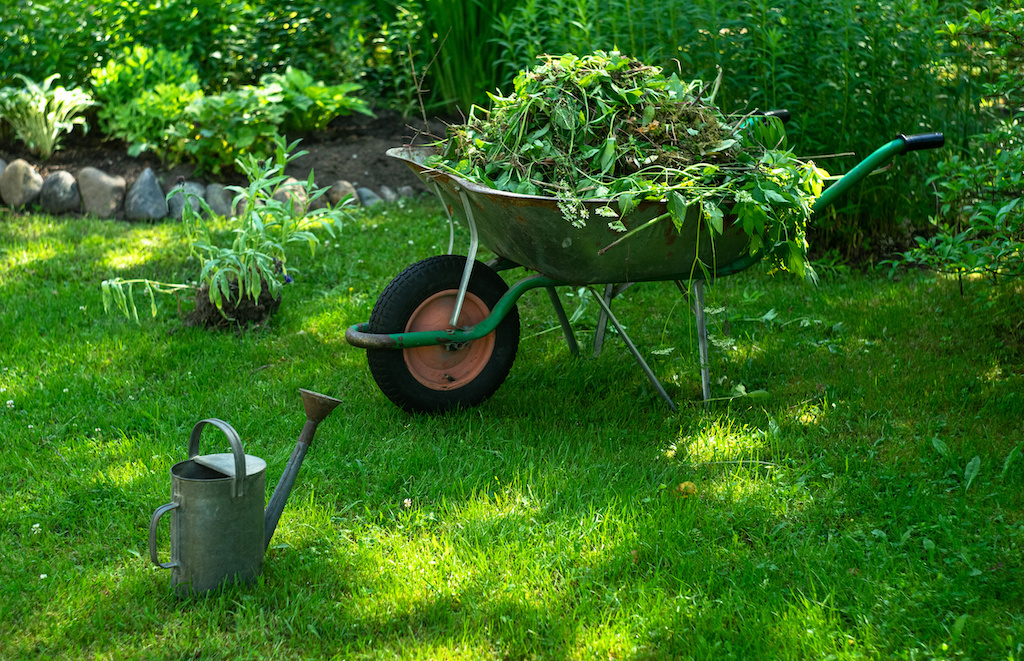
You can reduce your impact on the environment by adopting sustainable garden waste removal practices, which means composting as much as possible and recycling the remaining garden waste. 

Waste Reduction and Prevention in the Garden 

  • Composting

You can compost with a variety of items, including grass clippings and other garden waste. However, you can also use certain types of paper, as well as food scraps and coffee grounds. A home compost bin or pile is considered black gold by gardeners, with it providing nutrient-rich soil to aid plant growth. Audits have highlighted that the vast majority of waste in Australia’s landfills could have been composted. 

Any plant waste or clippings you place in the compost bin should be chemical-free. So, if you have used a herbicide or pesticide, they will leech into the rest of the compost and corrupt it. Fruits and vegetables are generally suitable for composting but go easy on the banana peels. Your compost bin is not a suitable depository for animal waste, nor is it a place for plastic, rubble, stones, or big branches. 

  • Mulching

There are advantages to mulching grass clippings, leaves, small branches, and similar garden waste. Mulching is an excellent way to suppress weeds, while enriching the soil and conserving moisture, which reduces the need for fertilisers and other additional materials. In addition to allowing rain to penetrate to reach the soil in colder months, it also offers roots protection against cooler weather. 

  • Selective Planting and Maintenance

One of the best ways to reduce your garden waste is by choosing low-maintenance plants. Focus on perennial plants or species native to the area. If you follow planting instructions and locate the plants in their ideal conditions, you will also have a lot less work to do to care for the plants and keep them in good condition. 

Different plants have different needs, from spacing during planting to pruning and watering needs. Following the guidelines for every plant you choose, will minimise waste generation. 

Responsible Garden Rubbish Removal

Creating an environmentally friendly garden goes beyond just planting and nurturing; it’s crucial to ensure responsible rubbish removal as well. Consider the following:

  • Recycling garden waste

Plant trimmings, branches, and twigs are all recyclable, whether you opt to create a compost bin for the trimmings and small twigs or deliver them to a recycling plant. Proper recycling prevents improper dumping and avoids overflowing landfills and additional greenhouse gases. 

You have options when it comes to proper garden waste disposal. In addition to what the council offers for uplifts, you can also enlist the services of a professional rubbish removal company that can haul away all of your waste and ensure it is recycled properly. Or, find a community recycling centre

  • Donating or sharing excess plants

If you have excess plants, you can either donate them to a community garden or simply gift them to neighbours who also enjoy gardening. Many people list cuttings and plants online and ship them, which is a handy way to make money as well. It isn’t just good for the environment, it spreads the joy of beautiful plant life. 

  • Responsible disposal of hazardous material

Pesticides, and any other garden chemicals, as well as solvent-based paints, petrol and motor oil, should be disposed of responsibly. These can leech into soil and waterways and wreak havoc on the environment. This can be at the appropriate collection point, a council-sponsored community CleanOut event, or a rubbish removal company that handles hazardous material. 

Promoting Sustainable Gardening Practices 

Composting and mulching are two effective ways to ensure your garden flourishes without needing to rely on harmful chemicals to do so. Organic gardening is particularly important if you enjoy growing your own herbs, vegetables, and fruit. 

You can harvest rainwater to water your plants, but you can also conserve water by planting plants in rows and making ditches between them. It ensures better water distribution. 

There are plenty of gardening practices that attract beneficial wildlife, whether you want to hang bird feeders and fountains for birds, provide mulch for beetles and worms, or provide a sunny rock bed for lurking lizards. You can carefully select native plants as well, nectar for butterflies and daisies for caterpillars. 

Resources for further information 

How Cheapest Load of Rubbish Can Help 

As experts in Sydney rubbish removal, Cheapest Load of Rubbish can answer your call! Get in touch with our team to discuss your options and we will visit your property to assess your haul before we provide you with a free, no-obligation quote. In addition to garden waste removal, we also clear deceased estates, and handle construction, commercial, industrial, and residential rubbish removals, mattresses, white goods, and more. 

Categories
Rubbish Removal

Australian Waste Stats

Australia generates millions of tonnes of waste every year. The latest figures show that it was almost 80 million tonnes at last count, which was a 10% increase versus the previous year. That is the equivalent of 471 Sydney Opera Houses (by weight). Australian households account for just over 16% of the tally, with the construction and manufacturing industries being the biggest issues at closer to 17% each. From plastic and organic waste to hazardous waste, there are a variety of waste types and they meet very different ends. Though we do have a large amount of waste, not all of it ends up going to landfills. 

As the population grows, so does the amount we waste, even though recycling rates have steadily increased over the last two decades. According to 2022’s National Waste Report, we are still sending more organic waste, plastics, and textiles to landfill rather than recycling them. Paper and cardboard are at almost 50/50 split, while hazardous waste remains an issue. The report shows that the largest source of waste is building and demolition, ash, and organics. In terms of construction waste, the vast majority is properly recycled, but there is still much more to do. It’s something every household can improve upon and contribute to. 

Disposing of Rubbish in NSW 

The best way to dispose of rubbish in NSW is by following the council’s guidelines. General waste should be disposed of in your household waste bin, just like recycling and garden waste should be put in the correct bin. If you have additional waste that is either too much to fit in your bins or you are doing special clearouts, you should look into how to properly dispose of it. The council will generally provide a limited number of additional pickups throughout the year, but you can also enlist the services of a professional rubbish removal team. 

A professional rubbish removal team can uplift everything from old furniture, mattresses and white goods to clearing out estates, clearing garden waste, and even construction and renovation rubbish. Alternatively, you can load up your car or rent a ute to haul away your excess rubbish to the appropriate centre, whether you are looking to recycle it or offload it. 

Construction & Renovation Rubbish 

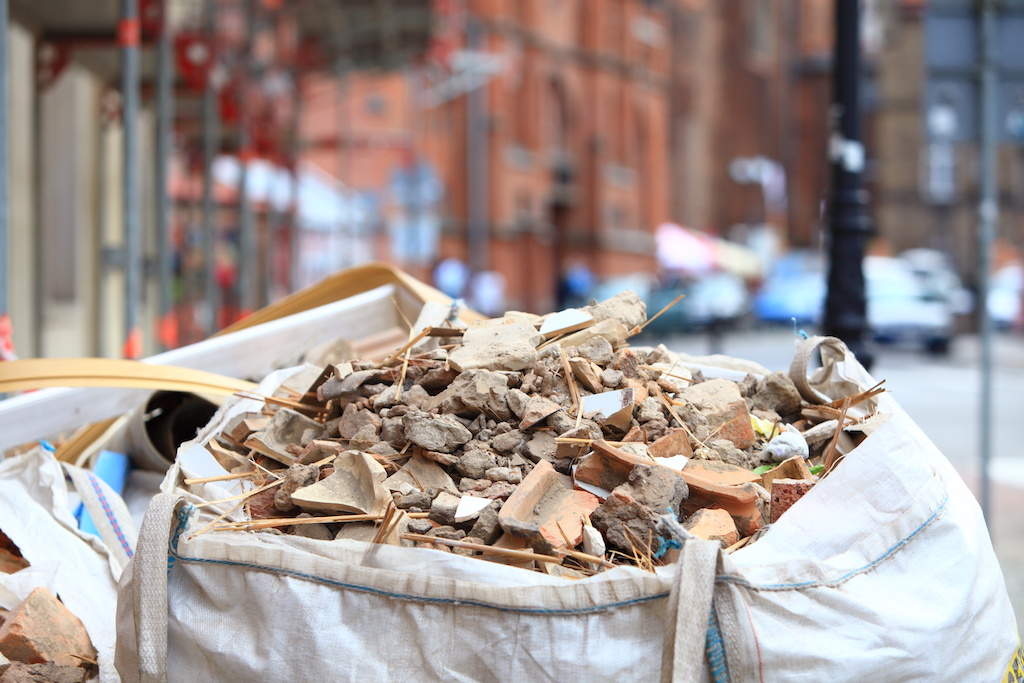
From rubble and dirt to plasterboard and beyond, construction and renovation projects produce large amounts of waste. It’s easy to simply toss everything into the skip without a second thought, but that means a lot of recyclable items head to landfills. 

New South Wales had the largest number of demolitions approved during the period, which means that with a 76% increase in approvals, a lot of construction waste was created. Construction waste has a fairly high recovery rate, which means that the majority of materials are being recycled or reused. However, that still leaves mega tonnes of waste that is not being properly recycled or reused. Construction sites and renovation projects should aim to segregate waste by whether it’s recyclable to make hauling it to the correct centres as simple as possible. Whether you call in a professional rubbish removal company or not, segregating waste on-site is more straightforward than trying to do so after. 

The Benefits of Recycling 

The more you recycle, the less waste ends up in landfills or incineration points. Paper, plastics, glass, aluminium, construction waste and so much more can be recycled. It doesn’t just save space in landfills, it also saves massively on production and energy costs, which has a positive impact on the environment. When we reuse materials we have already extracted, it prevents further extraction that damages the environment. 

Recycling Options in NSW 

There are recycling centres located conveniently across New South Wales, whether you are looking to get rid of old paint or recycle hard plastics. But with so many different centres dealing with different types of recyclables, it can be a confusing experience. The simplest way to handle recycling is by calling a professional rubbish removal company to haul away all of your waste and recyclables, the experts can properly sort your waste and ensure everything goes to the correct centre. 

How Cheapest Load of Rubbish Can Help 

If you are looking for rubbish removal in Sydney, then reach out to Cheapest Load of Rubbish. Cheapest Load of Rubbish Sydney rubbish removal company can haul away anything you are looking to clear out. Whether it’s a massive load of recycling or items heading to landfill. We offer a high level of customer service and strive to recycle up to  80% of the items we uplift. We value the environment and we are always seeking ways to support the community. If you need help clearing out or cleaning up, use our online form to schedule your no-obligation quote. We will send a team out to your property to assess your rubbish and provide you with a quote. 

Categories
Latest News

Plasterboard and Gyprock waste

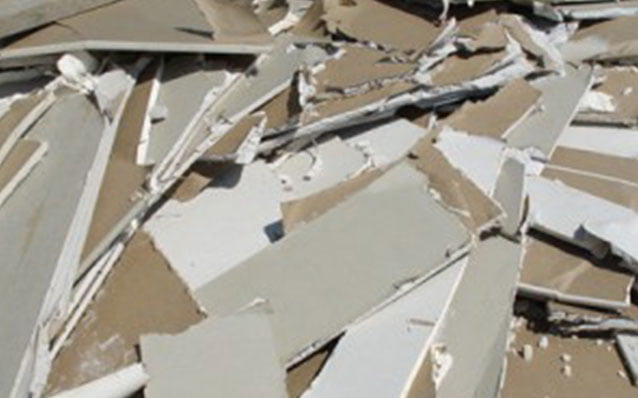
Plasterboard and gyprock are key components in the construction industry, and during the renovation period, a lot of it ends up in construction waste. The big question is, what should you do with that waste – should it be hauled to the nearest landfill or recycled? 

What Is Plasterboard & Gyprock? 

Plasterboard and gyprock are used to meet building regulations, whether it’s fire protection or acoustic insulation. These panels are produced using gypsum and they are also known as drywall or wall panels. 

Gyprock is a popular option because it is lighter weight than traditional plaster, which makes it suitable for big projects. Its lighter weight puts less strain on labourers and it is also easier to manoeuvrer. It’s also incredibly easy to cut, whether you only have a utility knife on hand or you came equipped with a saw. Plasterboard is also straightforward to cut. Both materials are highly durable and soundproof. 

What is it Used For? 

They are used to build partition walls and ceilings in buildings of all types, from schools and hospitals to schools and homes. 

Plasterboard and gyprock are commonly used in soundproof spaces – they are useful for reducing noise transmission throughout the home. There is a specific grade of plasterboard designed for this purpose that is thicker than the standard. Not only does it improve your home’s sound quality, but it’s also great to control the noise that filters in and out of your home. An acoustic plasterboard is a great option if you live in a high-traffic area, near a train station or a city spot prone to crowd noise. It can help you keep that noise out. It’s also an excellent option for home studios. 

You can also install moisture-resistant plasterboard, which is a great spot for areas in the home prone to high humidity. They are commonly used in wet rooms,  bathrooms, suites, and kitchens. Fire-resistant plasterboard is also available and is used as a protective barrier against smoke and flames. The kitchen is the most obvious location for this type of plasterboard, but it can be used throughout your home. 

What Industries Use It 

Gyprock and plasterboard are typically utilised within the construction industry, whether it’s a new build or a renovation project. They are a simple alternative to plaster and can be used to create partitions, walls, and ceilings. They are versatile because they can be finished with different materials, whether you prefer tiling, wallpaper, or paint. The purpose of these materials is to provide a smooth finish, particularly for painting. 

Of course, plasterboard or gyprock are also much cheaper alternatives to traditional plaster, which is why they are used so commonly. They are particularly useful when dealing with awkward spaces because, in addition to coming in a variety of dimensions, they can be cut to size. 

How To Deal With Old Plasterboard & Gyprock 

Before you think about tossing it out – small cracks can easily be repaired with plaster, which should then be sanded to smooth rough edges and painted, papered or tiled over. 

If you have removed plasterboard or gyprock during a renovation, it’s possible some of it can be reused. You can restore it if there is no or minimal damage. 

While you can toss it in a skip and haul it off to the landfill with the rest of your non-recyclable waste, it is better for the environment to recycle it. Every construction site should segregate waste into recyclable and non-recyclable materials. This makes the recycling process simple because whether you decide to haul it to the recycling centre yourself or you enlist professionals, it is all sorted and ready to go. 

Can It Be Recycled? 

The short answer is yes! While you can simply toss it in the skip, you shouldn’t because both plasterboard and gyprock are made using gypsum, which is non-hazardous and recyclable. They also contain paper, which is also recyclable. When you choose to recycle this type of waste, you are reducing the amount of waste in landfills, and putting materials back into the production process. 

The issue is that not every recycling centre will accept this type of material, which is why it’s wise to call in the professionals. An expert rubbish removal company can uplift your plasterboard and gyprock and ensure it ends up at the correct facility and you don’t need to worry about it. 

How Cheapest Load Of Rubbish Can Help 

At Cheapest Load of Rubbish, we uplift construction rubbish and more. If you need a reliable Sydney rubbish removal service to dispose of your recyclables, we can help. As your local rubbish removal in Sydney, we offer a wide range of services. In addition to uplifting construction waste, we can also clear out deceased estates, uplift old mattresses and white goods, remove garden waste, handle your recyclables, and old furniture, and so much more. 

Whether you are renovating, clearing out, or overhauling your garden, get in touch with Cheapest Load of Rubbish for a free, no-obligation quote. Use our online form to start your query and we will send out a team to assess your rubbish and provide you with a quote.