One call and we take it all
Categories
Rubbish Removal

The Complete Guide to Furniture Disposal in Sydney

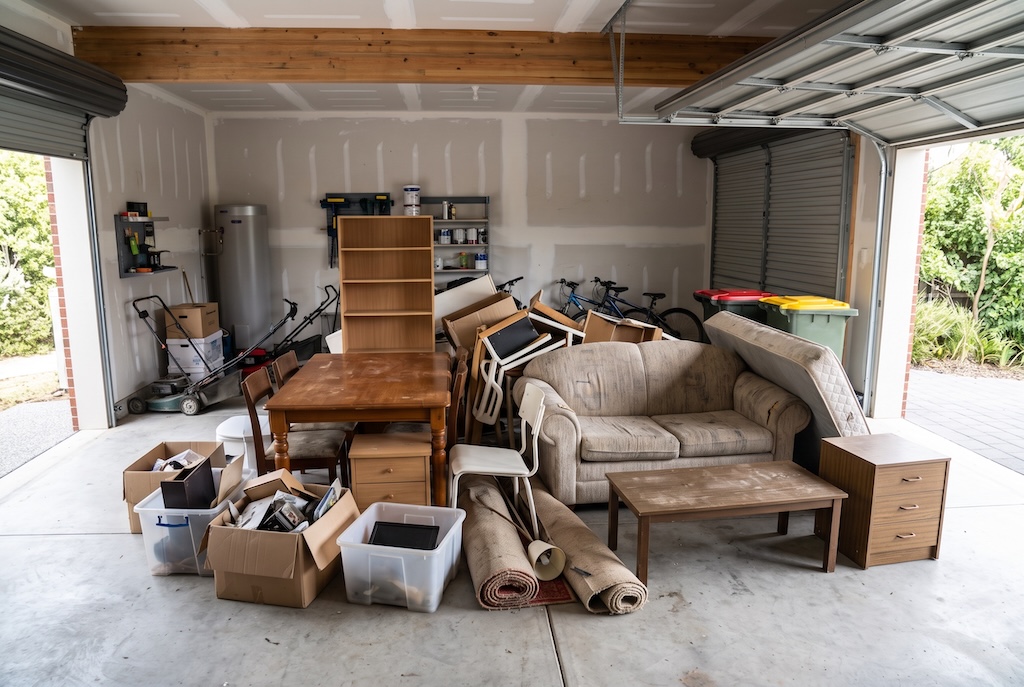
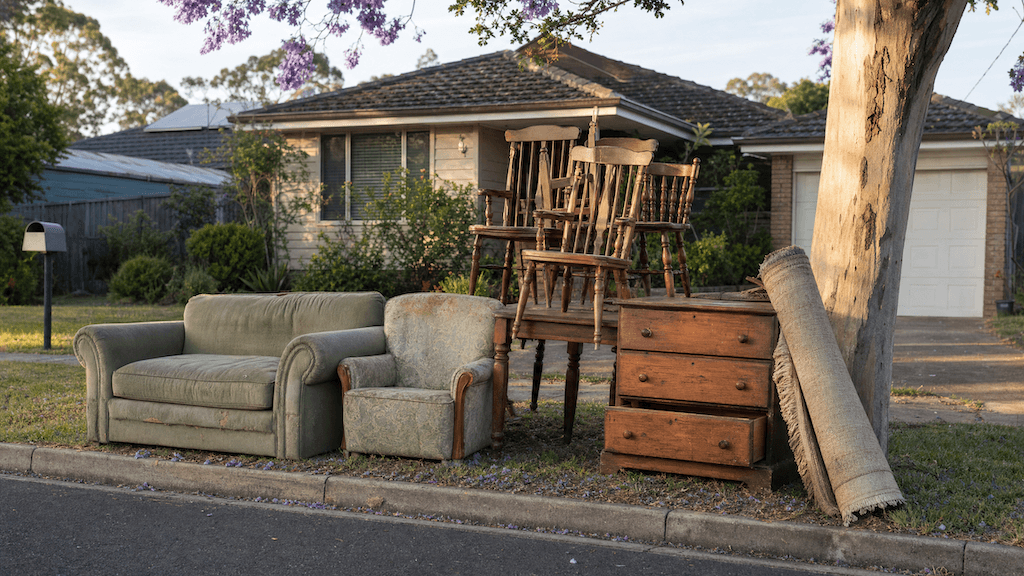
Old furniture has a way of piling up. A couch that has seen better days, a bed frame from a move three houses ago, or a wardrobe that no longer fits the new place. Working out what to do with it all does not need to be complicated, even if it feels that way when you are staring at a garage full of it.

This guide walks through the realistic options for furniture disposal in Sydney, from free options to professional furniture and white goods removal, so you can choose whichever option best suits your timeframe and the condition of what needs to go.

Option 1: Donate It

If furniture is still in reasonable condition, donation is usually the best first option. Charities and reuse organisations across Sydney regularly accept furniture, although most have condition requirements and may not be able to collect large or heavy items themselves. It is worth checking this before you count on donation as your only plan.

Option 2: Sell or Give Away Online

Marketplace apps and local community groups are a genuinely useful way to move furniture on, especially for pieces with some resale value. This takes more time and coordination than other options, but it is free and keeps usable furniture in circulation rather than sending it to landfill. It can also put a little cash back in your pocket for pieces people are actively searching for.

Option 3: Council Hard Waste Collection

Most Sydney councils offer some form of hard waste collection, although limits may apply to the number or type of items they will collect and how far in advance you need to book.

Collection dates can also be weeks away, which is not always practical if you need space cleared quickly, for example, ahead of new furniture arriving or a move-in date that will not budge.

Option 4: Full-Service Removal

For furniture that cannot be donated, sold or held onto until the next council collection, professional residential rubbish removal can be the fastest and easiest option.

A professional team handles the loading for you, so there is no dragging a wardrobe down a stairwell yourself or trying to work out how to fit an old lounge into the back of the car. Cheapest Load of Rubbish also sorts and recycles waste wherever possible.

This is usually a good option for larger volumes, awkward or heavy pieces, or when you need the space cleared on short notice rather than waiting weeks for another option to line up.

What Can and Can’t Be Recycled?

Furniture is made from a mix of materials, including timber, metal, foam, fabric and plastics. This means different components may need to be handled in different ways once an item is removed.

Many furniture materials can be recycled or recovered, depending on their condition and the recycling facilities available. Mattresses can also contain recyclable components, which is why specialist mattress removal can be a useful option when clearing out a bedroom or entire property.

Cheapest Load of Rubbish aims to recycle as much collected waste as possible and avoid sending recyclable materials unnecessarily to landfill.

Choosing the Right Option for Your Situation

If you have time and the furniture is in good shape, donation or selling makes the most sense. It costs nothing and keeps items in use.

If you are on a tighter timeline, or dealing with furniture that is genuinely past saving, full-service removal covers the gap without the wait. You can also check what Cheapest Load of Rubbish can take before arranging a collection.

Furniture Disposal During a Move

Moving house is one of the most common reasons furniture disposal becomes urgent all at once. Pieces that will not fit the new floor plan, do not suit the new style or simply are not worth the cost of moving need to be dealt with before the removalists arrive, not after.

Booking furniture removal a few days ahead of the move, rather than the night before, gives you some breathing room if anything takes longer to sort than expected.

A Quick Word on Bulky or Awkward Pieces

Some furniture is disproportionately difficult to deal with. Think a solid timber wardrobe, an old piano or a heavy sofa bed that barely fit through the door on the way in.

These are exactly the items where professional removal earns its keep. Manoeuvring bulky furniture safely usually requires more than one person and the right technique to reduce the risk of damaging doorways, walls or floors, or injuring yourself in the process.

How to Prepare for Furniture Removal Day

There is not much preparation needed on your end, but a couple of small things can help.

Letting the team know about tricky access points in advance, such as a narrow stairwell, tight apartment corridor or lack of direct driveway access, means they can plan for it rather than working it out on arrival.

Beyond that, there is genuinely not much you need to do. The whole point of full-service removal is that the heavy lifting is not your job.

Furniture Disposal for Renters

Renters moving between properties face a slightly different version of this problem. You might have furniture that came with a previous share house, pieces that will not suit the new property, or items that simply are not worth moving again.

Since timelines around lease end dates tend to be fixed, professional removal can be a reliable option when a bond inspection or handover date is approaching and there is no time to wait for a donation pickup or council collection.

For larger clear-outs, a garage or shed clean-up can also help deal with the other unwanted household items that tend to surface during a move.

When You’re Not Sure What to Do With a Piece

It is common to be unsure whether a particular item is worth trying to sell, donate or remove outright.

As a general guide, anything structurally sound and reasonably clean may be worth trying to donate or sell first. Anything broken, heavily worn or showing signs of significant damage may be more practical to have removed.

If you have several items to clear, Cheapest Load of Rubbish can provide a free on-site assessment and no-obligation quote based on what needs to be collected.

Furniture Disposal After a Big Life Change

Furniture clear-outs often coincide with bigger transitions, such as a separation, a new baby needing the nursery set up, downsizing, or simply outgrowing a starter home.

In these situations, disposal decisions can carry a bit more emotional weight than a straightforward furniture upgrade, and there is no need to rush through it. Taking the removal itself off your plate at least means one less thing to manage during an already busy time.

The Bottom Line

There is no single right way to get rid of old furniture. It depends on the item, the timeframe and how much effort you want to put in.

When donation, selling or council collection are not practical, full-service furniture removal can take care of everything in one visit, without the heavy lifting on your end.

Get in touch with Cheapest Load of Rubbish for a free, no-obligation quote and find out the easiest way to clear your unwanted furniture.

Frequently Asked Questions

Do you take furniture in any condition?

Cheapest Load of Rubbish removes a wide range of unwanted furniture, including old, broken and bulky pieces. If you are unsure about a particular item, contact the team to check before booking.

Can you remove a single piece of furniture, not a full load?

Yes. Cheapest Load of Rubbish handles jobs of different sizes, whether you have a single bulky item or furniture from a larger household clean-out.

What happens to furniture you remove?

Cheapest Load of Rubbish sorts collected waste and recycles materials wherever possible, with the aim of reducing unnecessary waste going to landfill.

Do I need to move furniture to the front of the house myself?

No. The team handles the loading and heavy lifting as part of the rubbish removal service.

How quickly can furniture be removed once I book?

Same-day rubbish removal is available, subject to availability. Contact the team as early as possible if you need unwanted furniture removed quickly.

Can you help with particularly heavy or awkward pieces?

Yes. Bulky and awkward items are part of the furniture removal service. Let the team know about particularly large items or difficult access when arranging your quote so they can plan for the job.

Categories
Rubbish Removal

Office Strip-Out Checklist for Sydney Businesses

Whether you are relocating, downsizing or handing back a lease, an office strip-out involves a lot more than emptying a few desks. Done well, it is fast, organised and causes minimal disruption to the working day. Done badly, it can drag on and create headaches for facilities managers, landlords and staff alike.

Here is a practical checklist to work through before the strip-out starts, so nothing gets left to the last minute.

Before the Strip-Out: What to Sort First

Start by separating what is staying, what is being sold or donated, and what needs to be removed entirely. Getting this sorted early avoids a chaotic final week before the move.

  • Furniture, including desks, chairs, storage units and boardroom tables
  • IT equipment and e-waste, including computers, monitors, servers and cabling
  • Filing cabinets and paper records, taking any document disposal requirements into account
  • Whiteboards, partitions and fixtures
  • Kitchen appliances and amenities
  • General office waste built up over time

For larger clear-outs, a professional office clean-out service can take care of many of these unwanted items in one collection.

What Affects Pricing and Access?

Office strip-outs vary considerably depending on the volume and type of rubbish, site access and the loading process. A ground-floor office is a very different job to a fifteenth-floor tenancy that relies on a shared goods lift booked in advance by multiple tenants.

Booking around building access rules and lift availability ahead of time helps the job run smoothly, rather than discovering on the day that access is restricted.

Getting a quote early also makes it easier to understand your likely rubbish removal costs before the strip-out begins.

Handling E-Waste Properly

Old computers, monitors and other electronics need to be handled differently to general office waste. Businesses should also make sure any sensitive or confidential data is properly removed from data-bearing devices before they are disposed of.

Cheapest Load of Rubbish can collect computers, electronics and e-waste and direct recyclable items to an appropriate recycling facility rather than simply sending everything to landfill.

Minimising Disruption

Most businesses want a strip-out to have as little impact as possible on the working day. Planning the collection around your business operations and building access can help reduce disruption, particularly in shared office buildings where other tenants are still operating.

Cheapest Load of Rubbish offers flexible collection options and works quickly and efficiently to clear unwanted commercial waste, helping businesses get back to normal as soon as possible.

End-of-Lease Considerations

If the strip-out is tied to an end-of-lease handback, landlords and agents will usually expect the space returned to an agreed condition.

Booking the clear-out with enough lead time avoids a last-minute scramble before the handback date and reduces the risk of discovering unwanted furniture, equipment or rubbish during the final inspection.

Working With Facilities and Building Management

Larger strip-outs often involve more than just your own business. Building management, security and sometimes other tenants need to be factored into the plan.

Confirm loading dock access, lift availability, entry procedures and any building-specific rules ahead of time. You can then pass this information on when arranging the rubbish removal so the team knows what to expect when they arrive.

Staging a Strip-Out Across Multiple Floors

For businesses occupying more than one floor, it may make sense to stage the strip-out level by level rather than trying to clear everything at once.

This can keep lift and stairwell access manageable, reduce bottlenecks and make it easier to keep some parts of the business operating while others are being cleared. Discussing the size and layout of the job when requesting a quote will help determine the most practical approach.

What to Do With Furniture Nobody Wants

Office furniture that is not being kept or sold may still have value to someone else. Donating usable desks, chairs and storage units to charities, schools or other organisations is worth considering before defaulting straight to disposal, particularly for larger strip-outs where a lot of furniture is involved at once.

For anything that cannot be rehomed, Cheapest Load of Rubbish provides office furniture and large item removal for desks, chairs, filing cabinets, partitions and other bulky workplace items. Reusable furniture may also be redirected for reuse where possible.

Common Mistakes That Slow a Strip-Out Down

A few recurring issues tend to add unnecessary time to office strip-outs. These include not confirming lift access until the day itself, discovering filing cabinets are full of records nobody has reviewed, or leaving IT equipment disconnection to the very end.

None of these are difficult to avoid, but they do need to be considered before the removal team is standing in the lobby waiting to start.

Getting Staff Involved Before the Day

Strip-outs tend to go more smoothly when staff have had a chance to clear personal items and flag anything they want kept, sold or donated ahead of time.

A simple email a week or two out, asking people to sort their own desk area, can save a surprising amount of confusion on the day compared with sorting through everyone’s belongings from scratch.

Strip-Outs for Growing or Shrinking Businesses

The reason behind a strip-out often shapes how it needs to be handled.

A business growing into a bigger space may want to keep and relocate most of its furniture, with removal focused mainly on general waste and anything not making the move. A business downsizing, by contrast, may need to part with a large share of its furniture and equipment, which changes the balance towards donation, sale and disposal rather than relocation.

For particularly large commercial properties, factory, warehouse and storage facility clean-outs are also available.

A Final Walkthrough Before Sign-Off

Once the bulk of the strip-out is complete, a final walkthrough of every room, storeroom and cupboard can catch anything overlooked in the main clear-out.

It is a small step, but it is often the difference between a clean handover and a follow-up call from the landlord about something left behind in a forgotten corner.

Budgeting for a Strip-Out

Costs vary depending on factors such as the type, volume and weight of rubbish, along with site access and the loading requirements.

It is worth getting a quote early enough to factor rubbish removal into the overall relocation or lease-end budget, rather than treating it as a last-minute expense discovered a week before the move.

A Checklist for the Week Before

In the final week before a strip-out, it is worth confirming the removal booking, checking that lift or loading dock access is locked in, and doing a final sweep of any storage rooms or cupboards that might have been overlooked.

A short conversation with the removal team ahead of time about exactly what is being cleared and any access considerations can also help the day run smoothly.

The Bottom Line

An office strip-out does not need to be stressful. With more than three decades of experience in commercial rubbish removal, Cheapest Load of Rubbish can handle everything from unwanted office furniture and e-waste to appliances, partitions, filing cabinets and large-scale office clearances.

Free on-site assessments and upfront quotes also make it easier to plan the removal before the big day.

Frequently Asked Questions

Can you arrange collection to minimise disruption to our business?

Yes. Cheapest Load of Rubbish offers flexible collection options and works quickly and efficiently to minimise disruption to your business. Discuss your access requirements and preferred timing when making your booking.

Do you handle e-waste and IT equipment?

Yes. Computers, printers, monitors and other e-waste can be collected and directed to appropriate recycling or disposal facilities. Businesses should make sure any sensitive data is securely removed from devices before disposal.

How much notice do you need for a large strip-out?

It is best to book large office clear-outs as early as possible, particularly for multi-floor jobs or buildings with restricted access. Same-day rubbish removal may also be available, depending on the size of the job and availability.

What should I tell you about building access?

Let the team know about lift access, loading docks, stairs, parking restrictions or other building requirements when arranging your quote. This allows the removal team to plan for the site before arriving.

Do you provide a quote before the strip-out begins?

Yes. Cheapest Load of Rubbish offers free on-site assessments and can provide an on-the-spot quote after assessing the rubbish to be removed.

Can you handle large office clear-outs?

Yes. Cheapest Load of Rubbish handles large-scale office clearances as well as smaller office clean-outs. For particularly large or complex jobs, discuss the size, access and removal requirements with the team when requesting your quote.

Categories
Rubbish Removal

What Actually Happens to Your Rubbish After It’s Collected?

Once a truck pulls away from your property, most people do not think much about where everything goes next. It is a fair question, though, especially for anyone trying to make more sustainable choices at home or on-site, or who simply wants to know their old couch is not just being dumped somewhere out of sight.

Here is a straightforward look at where your waste goes after it leaves your property, from the moment it is loaded through to recycling, reuse or final disposal.

Step One: Sorting

At Cheapest Load of Rubbish, sorting starts with the way rubbish is collected. Everything is hand-loaded onto the trucks, which means the team knows what has been collected and can determine how different types of waste need to be handled.

Once collected, the rubbish is taken back to the company’s headquarters and properly sorted. Items are separated into three main categories: materials that can be recycled, items suitable for donation, and waste that needs to go to the tip.

This process helps ensure recyclable and reusable materials are identified rather than automatically sending an entire mixed load to landfill.

Step Two: Recycling and Repurposing

A surprising amount of what people throw out can still have life left in it. Furniture in good condition may be donated or reused rather than discarded, while recyclable materials are separated and taken to certified recycling facilities.

Different types of waste have different recycling and recovery options. Materials such as metal, timber, cardboard and some construction materials may be suitable for recycling or resource recovery, depending on their condition and the facilities available.

For example, paper, cardboard and other recyclable materials can be separated from general commercial waste rather than being unnecessarily sent to landfill.

Step Three: Responsible Disposal

Not everything can be recycled or reused. Once recyclable and reusable items have been separated, the remaining rubbish is taken to an appropriate waste facility for disposal.

The aim is to recover as much as reasonably possible before rubbish reaches this stage. Cheapest Load of Rubbish works with authorised waste and recycling facilities to support responsible disposal and reduce the amount of recoverable material unnecessarily going to landfill.

Why This Matters

Sydney’s waste system relies on households, tradies and businesses making sensible choices about how rubbish is handled. Every load that is properly sorted creates opportunities to recycle or reuse materials that might otherwise end up in landfill.

It also matters because landfill space is finite. As Sydney continues to grow, making better use of recycling, reuse and resource recovery helps reduce unnecessary pressure on landfill facilities.

What You Can Do to Help

A few small habits can make a difference before rubbish is even collected:

  • Keep recyclable materials separate from general waste where practical
  • Donate furniture and appliances that are still in usable condition
  • Tell your rubbish removal provider about any potentially hazardous or unusual materials before collection
  • Avoid mixing liquids, chemicals or other restricted materials into general rubbish
  • Ask your removalist how collected materials are sorted and disposed of

It is also worth checking what Cheapest Load of Rubbish can take before booking if you have unusual items or a mixed load.

The Difference Between Claims and Practice

Plenty of businesses talk about sustainability. The real test is what actually happens to rubbish once it has been collected.

Cheapest Load of Rubbish hand-loads collected rubbish before taking it back to headquarters for further sorting. Recyclables are separated for appropriate recycling facilities, reusable goods can be directed towards donation, and the remaining waste is disposed of appropriately.

It is a practical process designed to recover as much as possible from each load.

Sustainability Across Different Job Types

The opportunities for recycling and reuse vary depending on the job.

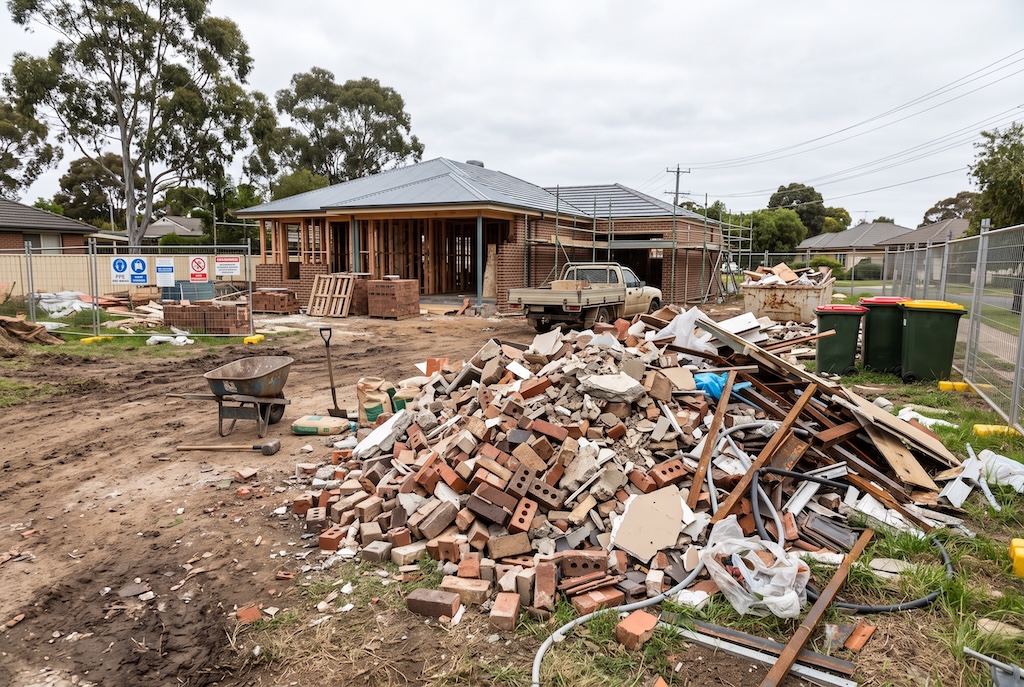
A household clean-out might include furniture, appliances, cardboard and other household goods that can be separated for recycling or reuse. A construction site is more likely to produce materials such as timber, bricks, tiles, concrete, metal and plasterboard. Garden clean-ups produce branches, clippings and other green waste that require a different disposal pathway again.

For building and renovation projects, professional building and demolition waste removal can help ensure different materials are collected and directed to suitable facilities.

Understanding the type of waste involved makes it easier to determine the most appropriate disposal or recycling pathway.

Why Reducing Landfill Matters

Sending every load directly to landfill might be simpler, but it overlooks the value still contained in many unwanted materials.

Furniture may still be usable. Metal, cardboard and other materials may be recyclable. Some building materials can be recovered rather than discarded. Separating these items means landfill can be reserved for waste that cannot reasonably be reused or recycled.

That is why sorting is such an important part of responsible rubbish removal services.

How This Shows Up on an Everyday Job

Responsible rubbish removal does not only apply to large commercial or construction projects.

A straightforward household or garage clean-out can contain furniture, appliances, metal, cardboard, garden waste and general rubbish, all of which may require different handling once collected.

Rather than treating everything as one load destined for the same place, sorting helps identify what can be recycled, reused or donated before the remainder is disposed of.

A Question Worth Asking Any Removal Provider

If sustainability matters to you when choosing a rubbish removal service, a simple but telling question is to ask what happens to your rubbish after it is collected.

A provider should be able to explain how rubbish is sorted, what happens to recyclable materials and where items that cannot be recovered ultimately go.

For Cheapest Load of Rubbish, the process is clear: rubbish is hand-loaded, sorted, recyclable materials are directed to recycling facilities, suitable goods can be donated, and remaining waste is taken for appropriate disposal.

The Bottom Line

Rubbish removal is not just about clearing space. What happens to your rubbish afterwards matters too.

With more than 30 years of experience, Cheapest Load of Rubbish takes a practical approach to recycling, reuse and responsible disposal. Collected rubbish is sorted so recyclable materials can be recovered and usable items can be donated where appropriate, helping reduce the amount unnecessarily sent to landfill.

If you have rubbish that needs to go, contact Cheapest Load of Rubbish for a free, no-obligation quote and ask the team how your particular load will be handled.

Frequently Asked Questions

Do you recycle everything you collect?

Not everything can be recycled. Cheapest Load of Rubbish sorts collected rubbish so recyclable materials can be separated and taken to appropriate recycling facilities, while suitable reusable items may be donated.

What happens to furniture that is still in good condition?

Furniture and other goods that are still in usable condition may be donated to charities supported by Cheapest Load of Rubbish rather than being sent for disposal.

Where does rubbish go after you collect it?

Collected rubbish is taken back to Cheapest Load of Rubbish headquarters for sorting. Recyclable materials are separated for recycling, suitable goods may be donated, and waste that cannot be recycled or reused is taken to the tip.

Can I ask about how my rubbish will be handled?

Yes. If you have particular items or materials you are concerned about, let the team know when arranging your rubbish removal.

Does sorting rubbish cost extra?

Sorting is part of the Cheapest Load of Rubbish waste handling process. Collected rubbish is sorted to identify recyclable, reusable and general waste materials.

Does the type of job affect how much can be recycled?

Yes. Different jobs produce different types of waste, and recycling or recovery options depend on the materials collected and their condition. Construction, household, commercial and garden waste can all require different recycling or disposal pathways.

Categories
Rubbish Removal

Skip Bin vs Rubbish Removal: Which Is Cheaper?

It is one of the first decisions anyone clearing out a house, garage or building site has to make: do you hire a skip bin or book a rubbish removal service?

Both get the job done, but they work in very different ways. The cheaper option depends on your situation, including how much rubbish you have, what needs to be removed, how easy it is to access and how much of the work you want to do yourself.

Here is an honest, practical comparison to help you work out which option could save you money and hassle for the job you are dealing with right now.

How Skip Bins Work

A skip bin is dropped at your property for a set hire period, and you fill it yourself, item by item, before it is collected again.

That sounds simple on paper, but there are a few things worth considering before you commit:

  • You do all the lifting and loading yourself, which can add up physically on bigger jobs.
  • You need suitable space for the bin to sit.
  • If the bin needs to be placed on public land, council requirements or permits may apply.
  • Overfilling or including prohibited materials can result in additional charges.
  • Different limits or charges may apply to particularly heavy materials, depending on the skip bin provider.

The exact rules, hire periods and costs vary between skip bin companies, so it is important to check what is included before booking.

How Rubbish Removal Works

With a professional rubbish removal service, a team comes to you, loads the rubbish and takes it away. There is no filling a bin yourself and no skip sitting on your property for days.

With Cheapest Load of Rubbish:

  • The team does the heavy lifting and loading for you.
  • You receive a free on site assessment and quote before the rubbish is removed.
  • Same day rubbish removal is available, subject to availability.
  • Collected rubbish is sorted so recyclable and reusable materials can be separated where possible.
  • Bulky and awkward items can be collected directly from the property.
  • There is no skip bin left sitting outside your home or business.

For many people, the biggest difference is simply convenience. Instead of doing the loading yourself, the rubbish removal team takes care of the job from start to finish.

So Which One Is Cheaper?

This depends heavily on the size and type of job.

A skip bin may suit a longer renovation or building project where waste is accumulating gradually, and there is suitable space to keep a bin on site.

Professional rubbish removal can make more sense for household clean outs, garage clean ups, unwanted furniture and one off jobs where the rubbish is already there and you simply want it gone.

When comparing costs, it is also worth considering more than the advertised price. Think about how much time you will spend loading the rubbish yourself, whether you have space for a skip, any restrictions that apply to the waste and whether additional charges could apply.

Cheapest Load of Rubbish provides clear rubbish removal pricing based on the amount and type of rubbish being removed, with a free on site assessment and quote before work begins.

What About Access and Council Rules?

Skip bins need somewhere suitable to sit, and that is not always straightforward in Sydney, particularly for apartments, narrow streets or properties without much off street space.

If a skip needs to be placed on a road, nature strip or other public space, local council rules and permit requirements may apply. These requirements vary between council areas, so you need to check with your local council before arranging the bin.

Professional rubbish removal avoids the need to leave a skip at the property. The team arrives, loads the rubbish and takes it away.

This can make it particularly useful for properties where there simply is not enough space for a skip bin.

What Can’t Go in a Skip Bin?

Skip bin providers generally have rules about what can and cannot be placed in their bins. These vary between companies and may depend on the type of bin you hire.

Rubbish removal services also have restrictions, so you should never assume that a particular item can be collected.

Cheapest Load of Rubbish accepts a wide range of household, commercial and construction rubbish, but hazardous materials and some restricted items cannot be collected. Check what we take or contact the team if you are unsure about a particular item.

A Practical Way to Decide

If you are still on the fence, ask yourself a few simple questions.

How long will the waste take to accumulate? Do you have somewhere to put a skip? How much heavy lifting is involved? Is all the rubbish ready to go now, or will it build up gradually? How quickly do you need the space cleared?

A longer renovation with suitable space and waste accumulating over time may suit a skip bin.

A one off clear out involving furniture, bulky rubbish, awkward access or a tight timeframe may be better suited to professional removal.

For example, if you are clearing years of accumulated household items, professional garage and shed clean-ups allow the rubbish to be loaded and removed without you filling a skip yourself.

What Happens if You Choose the Wrong Option?

Choosing the wrong option is not the end of the world, but it can make a simple job more expensive or time consuming than it needs to be.

A skip bin may not be the best choice if you discover halfway through the job that loading heavy or awkward items yourself is more difficult than expected. Professional removal may also be unnecessary if you are generating small amounts of waste gradually over a long project and already have a suitable place for a skip.

If you are not sure which situation you are in, compare the total cost and effort involved rather than assuming one option is automatically cheaper.

What About Renovation and Building Waste?

This is one area where either option may make sense depending on the project.

A skip bin can be practical for a longer project where construction waste is being generated steadily. Professional removal can work well when you need a large amount of building waste cleared at a particular stage so work can continue.

Cheapest Load of Rubbish provides building and demolition waste removal for a wide range of accepted construction materials, with the team handling the loading and removal.

For smaller home projects, renovation and DIY rubbish removal is also available.

Convenience Has a Value Too

Price matters, but it is not the only cost involved in getting rid of rubbish.

With a skip bin, you need to load everything yourself. That can mean carrying furniture outside, moving building waste, making repeated trips back and forth and finding time to get the job finished before collection.

With full service rubbish removal, the labour is included. The team comes to the property, loads the accepted rubbish and takes it away.

For heavy furniture, bulky household items and large clean outs, that difference can be just as important as the dollar figure on the quote.

The Bottom Line

Neither option is universally cheaper. It comes down to the job in front of you.

Longer projects where rubbish accumulates gradually and there is plenty of space on site may suit a skip bin. One off household, furniture, garage, renovation and building clean ups can be well suited to professional rubbish removal, particularly when you want the loading taken care of too.

The best approach is to compare the total cost, time and effort involved before deciding.

If you are weighing up your options, contact Cheapest Load of Rubbish for a free, no obligation quote based on the rubbish you actually need removed.

Frequently Asked Questions

Do I need a permit for rubbish removal like I might for a skip bin?

Professional rubbish removal does not involve leaving a skip bin at your property. If you are hiring a skip and it needs to be placed on public land, check the requirements with your local council, as permit rules vary across Sydney.

Can you take the same materials a skip bin would take?

Cheapest Load of Rubbish accepts a wide range of household, commercial and construction waste. However, restrictions apply to some materials, particularly hazardous waste. Check what can be collected if you are unsure about a specific item.

Is rubbish removal slower than having a skip bin on site?

Rubbish removal can be very quick because the team loads and removes everything during the visit. Cheapest Load of Rubbish also offers same day rubbish removal, subject to availability.

What if my job is a mix of general rubbish and construction waste?

Mixed clean ups are common. Let the team know what types of rubbish you have when arranging your quote so they can confirm what can be collected.

Can a skip bin end up costing more than expected?

Depending on the provider, additional charges may apply for things such as exceeding weight limits, overfilling, extending the hire period or including prohibited materials. Check the terms of your skip bin quote before booking.

Is it worth comparing both options before deciding?

Yes. Compare the full cost of each option, including hire or removal charges, labour, time, access requirements and any potential additional fees. A free rubbish removal quote gives you a figure to compare before making your decision.

Categories
Rubbish Removal

How Much Does Household Rubbish Removal Cost in Sydney?

If you have ever stood in a garage full of old furniture, broken whitegoods and boxes you will never open again, you have probably asked the same question everyone asks: how much is this going to cost me?

It is a fair question, and one rubbish removal companies hear every day from people juggling a house sale, a move, a renovation or simply a long-overdue clean-out that has finally reached breaking point.

The honest answer is that no two loads are the same, so no two prices are either. A single mattress is a completely different job to a garage packed floor to ceiling.

Rather than throw out a vague number that may not apply to your situation, here is what goes into the cost of household rubbish removal in Sydney, what you can do to keep costs down and how to get an accurate figure before the job begins.

What Affects the Price of Rubbish Removal?

Cheapest Load of Rubbish bases its pricing on three main factors: the type of rubbish, the amount of rubbish and the location and access involved.

Understanding these factors helps explain why one clean-out can cost very differently to another.

  • Amount of rubbish: A single armchair takes up far less truck space than a full garage clean-out.
  • Type of rubbish: Everyday household items are handled differently to heavy materials such as bricks, concrete, soils and sands.
  • Location and access: Rubbish that is easy to reach may be quicker to load than items located upstairs, deep inside a property or in an area with difficult vehicle access.
  • Additional labour: Most jobs do not attract extra labour charges, but some jobs may cost more if the access or nature of the work means significantly more time is required.

You can read more about how these factors are assessed on the rubbish removal pricing page.

So, How Much Does It Actually Cost?

This is where a single standard price is not particularly useful.

A single-item removal is very different to a full house clean-out, and the type of rubbish matters just as much as the amount. Heavy building materials, for example, can have different removal and disposal costs to lighter household rubbish.

Cheapest Load of Rubbish assesses the rubbish before giving you a price. The team considers what the rubbish is, how much space it will take up in the truck, and the access involved.

On-site assessments are free, and you receive an upfront quote before deciding whether to go ahead. If you are happy with the quote, the rubbish can often be removed straight away.

This gives you a price based on the job that is actually in front of the team, rather than a generic estimate that may bear little resemblance to what you ultimately need removed.

What Can Be Removed?

Household rubbish removal covers far more than just bags of general junk.

Common residential jobs include:

  • Old furniture, including sofas, wardrobes, bed frames and dining tables
  • Whitegoods and appliances, including fridges, washing machines, dryers and ovens
  • Mattresses and bedding
  • Garage and shed clean-outs
  • Garden and green waste
  • General household junk, boxes and packaging
  • Renovation and DIY rubbish
  • Bulky household items

If you are unsure about a particular item, check what Cheapest Load of Rubbish can take before arranging your collection.

DIY vs Professional Removal

Plenty of Sydney homeowners consider doing the tip run themselves, and for a very small load that can make sense.

Where it becomes less appealing is when you factor in the time, fuel, disposal costs and physical effort involved in moving heavy or awkward items into a trailer or ute.

There is the loading, the drive to the appropriate waste facility, the unloading and the trip home again. If you are dealing with bulky furniture, appliances or a large clean-out, you may also need another person to help with the lifting.

With professional rubbish removal, the team does the heavy lifting and loading for you, transports the rubbish and then sorts it for recycling, reuse or disposal where appropriate.

That can make professional removal a much simpler option for anything beyond a small amount of easily managed household rubbish.

How to Keep Costs Down

There are a few practical ways to make a rubbish removal job simpler and potentially reduce the amount you need removed:

  • Sell or donate furniture and appliances that are still in usable condition
  • Group the rubbish together where practical so the team can quickly see what needs to go
  • Let the team know about stairs, narrow access or other site restrictions when requesting your quote
  • Combine multiple unwanted items into one clean-out rather than arranging several separate collections
  • Separate anything you want to keep before the removal team arrives
  • Check that all items are accepted before booking, particularly if your rubbish includes unusual materials

You do not need to carry everything to the kerb yourself. The removal team handles the loading as part of the service.

Furniture and Whitegoods Removal

Furniture and appliances are some of the most common items people need removed from their homes.

Old lounges, wardrobes, tables, refrigerators, washing machines and other bulky items can be difficult to move without the right vehicle and enough people to lift them safely.

Professional furniture and white goods removal means the team can collect and load these items for you rather than requiring you to move them outside first.

Can Household Rubbish Be Recycled?

Many household clean-outs contain materials that can potentially be recycled or reused.

Cheapest Load of Rubbish sorts collected rubbish so appropriate materials can be separated for recycling and suitable items may be directed towards reuse or donation rather than automatically being sent to landfill.

Exactly what can be recovered depends on the materials and their condition, but sorting is an important part of the company’s rubbish removal process.

A Few Common Scenarios

Every job is different, but some situations come up regularly.

Selling a house can mean clearing years of accumulated furniture and household items in a tight timeframe before settlement. A renovation clean-out can involve a mixture of household rubbish and building offcuts. A garage or shed clean-out often reveals far more unwanted furniture, boxes, tools and general clutter than expected.

Moving house brings its own version of the problem too. There is the furniture that will not fit the new place, appliances you no longer need and boxes that have somehow followed you through several previous moves.

In these situations, booking a single clean-out can be simpler than trying to dispose of everything individually.

For particularly cluttered storage spaces, garage and shed clean-ups can take care of accumulated household rubbish in one job.

What to Expect When You Request a Quote

Getting a quote is straightforward.

Cheapest Load of Rubbish offers free on-site assessments so the team can look at the type and amount of rubbish, assess the access and provide an on-the-spot quote.

If you are happy with the price, the rubbish can often be removed straight away, making the quote and collection process simple and transparent.

The pricing page also states that prices are upfront and there are no hidden fees.

The Bottom Line

There is no single price for household rubbish removal because every job is different.

The amount and type of rubbish, along with the location and access, all influence the final cost. The easiest way to find out what your particular clean-out will cost is to have the rubbish assessed.

With more than 30 years of rubbish removal experience, Cheapest Load of Rubbish offers free on-site assessments, upfront pricing and a full loading and removal service across Sydney.

Contact Cheapest Load of Rubbish for a free quote and let the team load the muck to the truck.

Frequently Asked Questions

Do you charge to provide a quote?

No. Cheapest Load of Rubbish offers free on-site assessments and provides an on-the-spot quote before the rubbish is removed.

Can I get same-day rubbish removal in Sydney?

Same-day rubbish removal may be available depending on scheduling and the job. Contact the team as early as possible if you need rubbish removed quickly.

Do I need to move items to the kerb myself?

No. The removal team handles the loading for you. If there are stairs, difficult access or particularly bulky items, mention them when arranging your quote.

Is there a minimum load size?

Cheapest Load of Rubbish handles a wide variety of residential rubbish removal jobs, including individual bulky items and larger household clean-outs. Contact the team for a quote for your particular load.

Will you tell me the price before you start the job?

Yes. The rubbish is assessed first and you receive a quote before the removal goes ahead. The company’s pricing page also states that pricing is upfront with no hidden fees.

Can I get a quote from photos instead of an on-site visit?

You can contact the team and describe what needs to be removed, but Cheapest Load of Rubbish specifically promotes free on-site assessments as the way it reviews the rubbish and provides an accurate quote. For that reason, an on-site assessment may be required before the final price is confirmed.

Categories
Rubbish Removal

How to Choose the Cheapest but Most Reliable Rubbish Removal Service

Cheap and reliable aren’t always the same thing, but they don’t have to be opposites either. The trick is knowing what to look for so you get a service that’s genuinely affordable without the headaches that can come with cut-price operators.

Here’s what to look for when comparing rubbish removal services in Sydney.

Look for Transparent Pricing

The biggest complaint people have with rubbish removal isn’t the price; it’s being hit with a different number on the day. A reputable service will give you a free on-site quote before starting work. If a company quotes you over the phone without seeing the job, treat that estimate with caution.

Cheapest Load of Rubbish offers free on-site quotes with no call-out fees. You only pay for the space your rubbish takes up on the truck, so there are no nasty surprises. Check our pricing page for a general guide.

Check Their Experience and Insurance

Experience matters in rubbish removal. An experienced team knows how to safely remove heavy items from difficult locations, how to sort materials for proper recycling, and how to keep a job on time and on budget.

Always check that a rubbish removal service is fully insured. This protects you if something is damaged on your property during the job.

Cheapest Load of Rubbish has been operating in Sydney since 1989; that’s over 30 years of experience across residential, commercial and construction waste removal.

Compare Apples With Apples

Not all quotes cover the same thing. Before comparing prices, make sure each quote includes:

  • Labour (loading the rubbish onto the truck)
  • Disposal fees
  • Call-out or travel fees (or confirmation that there are none)
  • Any surcharge for heavy materials like concrete, soil or tiles

A seemingly cheap quote can quickly become expensive once surcharges are added. We believe in honest pricing from the start.

Look for Flexibility and Same-Day Service

Life doesn’t always give you a week’s notice. Whether you’re moving house, finishing a renovation or just need something gone before the weekend, a rubbish removal service that offers same-day or next-day availability is worth its weight.

Cheapest Load of Rubbish operates seven days a week across all Sydney regions, from the CBD and Inner West through to the Hills District, Sutherland Shire and Northern Beaches.

Don’t Forget the Environmental Side

A truly reliable service isn’t just about showing up on time; it’s about doing the job responsibly. Ask whether materials are sorted for recycling and whether the company has a genuine commitment to reducing landfill. Under NSW EPA guidelines, certain materials must be disposed of at licensed facilities.

We recycle and repurpose wherever possible, and we can advise on how to separate your rubbish in advance to reduce what goes to landfill, which also reduces your costs.

Skip Bin vs Rubbish Removal: Which Is Cheaper?

This is one of the most common questions we get. Skip bins charge a fixed hire fee regardless of how full you fill them. Rubbish removal services charge based on what’s actually on the truck. For small-to-medium jobs, hand-loading rubbish removal is almost always a better value.

Skip bins also require a permit if placed on a public road, can be a safety hazard, and require you to do all the loading yourself. With a professional removal service, you don’t lift a thing.

Ready for a free quote? We service Inner Sydney, Western Sydney, North Shore and everywhere in between. Get in touch today.

FAQ

Is rubbish removal cheaper than a skip bin? For most household and small commercial jobs, yes. You only pay for the space used; there are no hire or permit fees, and the team does the loading for you.

What should I do to lower my quote? Place items in an easily accessible location, separate heavy materials from light ones, and combine any jobs into one visit.

Do you cover the whole of Sydney? Yes, we operate across all Sydney regions six days a week.

Categories
Rubbish Removal

Household Rubbish Removal: Your Seasonal Room-by-Room Checklist

The best way to stay on top of household clutter is to deal with it before it becomes overwhelming. This room-by-room checklist covers what to review each season so nothing builds up to the point where it’s a major job. Work through it at your own pace, and when items pile up beyond what your bins can handle, you know who to call.

Kitchen

  • Clear out the pantry: Expired food, empty packaging and items you’ve never used.
  • Check appliances: Is there an old microwave, toaster or coffee machine that’s stopped working?
  • Large appliances: Fridges and washing machines can’t go in general bins. They need proper removal and recycling.
  • Seasonal: In spring, clear out the freezer. In summer, check the fridge seals. Autumn is good for replacing worn-out appliances before Christmas.

See: Broken and unwanted white goods removal.

Bedroom

  • Mattress: The average mattress should be replaced every 8–10 years. Mattresses can’t go in council bins in most LGAs.
  • Bed frames and wardrobes: Broken or outdated furniture adds up quickly.
  • Clothing and linen: Donate usable items, dispose of the rest responsibly.
  • Seasonal: The end of winter is a natural time to clear out clothing and bedding you no longer use.

See: Mattress removal Sydney | Furniture and white goods removal

Living Areas

  • Lounge suites and armchairs: large upholstered furniture is difficult to move and not accepted in standard council collections.
  • Entertainment units and shelving: bulky timber furniture takes up truck space quickly. Consolidate where you can.
  • Electronics: old TVs, speakers and gaming equipment may qualify as e-waste and need specialist recycling.
  • Seasonal: summer is a good time to rearrange living spaces and identify what’s no longer needed.

Bathroom and Laundry

  • Expired medications: take these to a pharmacist for safe disposal, not your general bin.
  • Renovation waste: tiles, vanities, bath hardware and old plumbing fittings from bathroom updates all count as construction waste.
  • Old washing machines and dryers: as above, these need professional removal.

See: Renovation and DIY rubbish removal.

Garage and Shed

  • Old tools and equipment: broken or outdated tools, lawn mowers, bikes and outdoor gear.
  • Chemicals and paint: these are hazardous. Sydney councils run periodic chemical drop-off days; check your council’s HazWaste events.
  • Building materials: leftover tiles, timber, sand and soil from past projects.
  • General junk: this is usually the biggest category. Be honest about what you haven’t touched in a year.
  • Seasonal: end of summer or start of autumn is ideal for a full garage clear-out before winter storage.

See: Garage and shed clean-ups | Hard waste removal

Garden and Outdoor Areas

  • Green waste: prunings, branches, leaf litter and grass clippings; most Sydney councils accept these in the green bin, but large volumes need professional removal.
  • Outdoor furniture: old timber, metal or plastic furniture that’s beyond repair.
  • Soil and rubble: from landscaping, garden bed overhauls or retaining wall work.
  • Seasonal: spring is the most popular time for garden clean-ups in Sydney, and our team is particularly busy in September and October. Book early if you’re planning a big outdoor project.

See: Garden rubbish removal.

A Note on Council Collections in Sydney

Sydney councils vary widely in how they handle household hard waste. The City of Sydney runs a bookable weekly bulky item service. Inner West, Bayside, North Shore and Sutherland Shire hold periodic scheduled collections. If you’ve missed your window or your items don’t qualify, a professional same-day service is often the fastest and most cost-effective solution.

Ready to clear the house? Get a free quote from Cheapest Load of Rubbish. We service all Sydney suburbs, open six days, and we do all the lifting.

Also see: All Sydney locations we service

FAQ

What household items can’t go in the general bin? Mattresses, white goods, electronics, large furniture, tyres, chemicals, and paint all need specialist disposal or removal.

Can I do a full house clear-out in one visit? Yes, we regularly handle full property clear-outs in a single visit. For very large volumes, we may bring a second truck.

How do I reduce my removal costs? Separate light and heavy materials, place items in a ground-floor accessible spot, and combine your clean-out areas into one booking.

Categories
Rubbish Removal

How to Prepare Your Property for Seasonal Cleanups

Every season brings its own unique challenges. Spring means overgrown gardens and post-winter clutter. Summer leaves you with outdoor furniture you forgot about and storm debris. Autumn drops a mountain of leaves, and winter has you clearing out the garage to make room for storage. Sound familiar?

Whether you’re a homeowner in the Hills District, a renter in the Eastern Suburbs or a landlord managing a property in Western Sydney, a proper seasonal cleanup keeps your home safe, tidy and worth living in. Here’s how to do it right and when to call in the professionals.

Why Seasonal Cleanups Matter

Clutter and waste that build up over months don’t just look untidy; they can create real hazards. Old mattresses and broken furniture left outside attract vermin and pests. Dead branches and green waste become a fire risk over the summer. And bulky items left in garages or sheds can block access in an emergency.

Sydney councils, including the City of Sydney, Inner West, Bayside and North Shore, all have rules about storing waste and placing items on nature strips. Most councils only collect bulky waste on a scheduled basis (the City of Sydney operates a bookable bulky waste pickup service), so you can’t always rely on them to take large items at short notice. That’s where a professional rubbish removal service makes all the difference.

Room-by-Room Seasonal Prep: Where to Start

It helps to tackle seasonal cleanups systematically. Start in one area and work outward:

  • Garage & shed: Clear out broken tools, old paint tins, accumulated junk and anything that’s been ‘waiting’ longer than six months.
  • Garden: Prune back overgrowth, bag up leaves, and remove dead trees or branches before fire season.
  • Kitchen: Swap out old appliances and white goods that have stopped working. Fridges and washing machines cannot be placed in general waste bins.
  • Bedrooms: Old mattresses, broken bed frames and unwanted furniture need to be removed properly, not left on the kerb indefinitely.
  • Outdoor areas: Garden furniture, pool equipment, broken pots and hard waste items all add up.

How to Save Money on Seasonal Cleanups

A bit of preparation goes a long way in keeping your rubbish removal costs down:

  • Separate materials before collection. Mixing green waste with heavy items like tiles or concrete increases disposal costs.
  • Pile items in an accessible spot. The easier it is for the team to load, the faster the job and the lower the price.
  • Combine loads. If you’re doing a garden cleanup and a garage clean-out at the same time, do both in one booking.
  • Donate what you can. Usable furniture, tools and appliances can be passed on to charity, reducing your load volume.

Our residential rubbish removal service covers everything from garden waste removal to garage and shed clean-ups, all in one visit, with no heavy lifting required.

When Should You Call a Rubbish Removal Service?

Council collection is free but limited. It’s booked in advance, has item restrictions, and only runs at set intervals. If you’ve got large or heavy items, mixed waste, or you simply can’t wait weeks for a pickup, professional rubbish removal is the practical solution.

Cheapest Load of Rubbish offers same-day rubbish removal across Sydney, open seven days a week. We’ll load the muck into the truck; you don’t lift a thing. Get a free quote today.

Also see: Locations we service across Sydney

FAQ

Does my council collect large items for free? Most Sydney councils offer a bulky item or hard waste collection, but it’s scheduled and has item limits. City of Sydney runs a bookable weekly service; other councils like Inner West, South Sydney, Bayside and Sutherland Shire hold scheduled collections. Check your council’s website for current dates.

What items can’t go in council bins? Most councils won’t accept fridges, tyres, hazardous materials, large quantities of soil or construction waste. These need to be handled by a licensed removalist. This is where Cheapest Load of Rubbish can help.


Categories
Rubbish Removal

The Complete Aged Care & Government Facility Waste Management Guide

It may be complex, but managing waste in aged care and government facilities is a necessity that’s driven by the large volumes of mixed waste they generate daily. Efficient waste handling is a critical aspect of the facility, directly impacting staff health, resident safety, regulatory compliance, and environmental responsibility. 

Strict regulatory compliance means waste management is compulsory, and our practical guide provides all the information you need to navigate the disposal process safely, from bulky furniture to sharps.  

Understanding the Different Waste Types in Aged Care & Government Facilities

Clinical

Aged care and government facilities produce large volumes of clinical waste, which is any medical material posing a risk of injury or infection, including medical materials, pharmaceutical waste, dressing contaminated with blood and bodily fluids, and pathology waste. This type of waste poses contamination and infection hazards and must be handled appropriately.

Sharps

Sharps waste includes broken glass, syringes, needles, and blades, and these must be disposed of in approved puncture-resistant containers. When they reach their capacity limit, an approved rubbish removal specialist must uplift these to dispose of them properly. 

General

General waste is usually the largest volume of waste produced by aged care and government facilities, including everything from paper and packaging to food scraps and everyday materials.

Organic & Facility 

Organic waste includes food waste and landscaping debris from managing grounds. Aged care and government facilities often have beautifully maintained green areas and generate large volumes of green waste.

Facility waste includes the bulk clean-ups, from old furniture and medical equipment to electronics, appliances, and office furniture. With busy kitchens in aged care facilities, having a clear organic waste rubbish removal process is a must.

Australian Waste Compliance & Legal Responsibilities

Aged care and government facilities in Australia are bound by rigorous regulations. The national standards, including AS/NZS 3816, detail clinical and related waste management and there are also state-specific regulations to consider. To ensure resident safety, well-being, and maintain accreditation, meeting Aged Care Quality Standards is a must.

These facilities have a duty of care; waste management forms part of that duty, from generation to disposal. With strict protocols, failure to comply with proper waste classification, transport, and disposal can lead to substantial fines, legal liabilities, and loss of accreditation. 

Facility Waste Management Best Practice 

Waste Segregation

Waste should always be segregated at the point of generation for maximum efficiency, safety, and to prevent cross-contamination.

Secure Storage 

There should be dedicated storage areas with proper signage so everyone knows where to put specific items of waste. To protect residents, restricted access must be in place for hazardous and clinical waste and temperature controls should be used for clinical waste. 

Staff Training 

The staff charged with handling waste in aged care and government facilities should be provided the necessary PPE and trained on safe handling procedures and safety awareness around infection control procedures.

Scheduled Rubbish Removal in Sydney

While there are emergency removal services when you’re in a bind, the best approach to waste management in aged care and government facilities is to arrange routine pickups and schedule bulk waste clearances. 

Unique Waste Challenges in Aged Care & Government Facilities

High Volume 

Aged care and government facilities operate around the clock, and 24/7 operations continually generate waste. There is a more complicated stream of waste associated with healthcare environments.

Infection Control Procedures 

There are strict infection prevention frameworks in place for aged care facilities, and waste management plays an important role in ensuring staff protection and resident safety.

Facility Upgrades & Bulk Waste

In addition to the standard waste these facilities generate, bulk rubbish removal services are necessary for furniture replacement, renovation waste cleanup, and responsible equipment disposal.

Finding the Right Waste Removal Partner 

As far as waste removal partners go, aged care and government facilities require a team experienced with handling large facilities, knowledge of compliance, safe handling practices, reliable schedules, and flexible bulk removal services when you need them. 

At Cheapest Load of Rubbish, we are the reliable local business that has been catering to Sydneysiders for decades. We cover the whole of Greater Sydney, delivering cost-effective and efficient rubbish removal services you can rely on. We are well-versed in compliance and safety regulations, regularly handling commercial-scale rubbish removal.

Why Professional Waste Management Matters

Using professional waste management services ensures regulatory compliance, improves safety for staff and residents, ensures a cleaner and safer environment, reduces risk, and ensures operational efficiency. Improper waste handling or disposal can lead to serious safety, environmental, and health risks within aged care and government facilities and create legal issues.

If you manage an aged care or government facility, waste management should be at the forefront of your mind to ensure compliance and safety to protect residents, staff, and operations. A professional rubbish removal service can simplify the complex regulations and requirements you face. 

If you want to learn more about how professional rubbish removal can meet safety and compliance requirements, reach out to Cheapest Load of Rubbish for a chat.

Categories
Rubbish Removal

Top 8 Things People Forget to Remove Before a Rubbish Pickup

While most people assume rubbish pickup is straightforward, there are some common forgotten items that may create safety issues, increase costs, and delay collection. So, you must know what to remove before you arrange a pickup. Even the smallest oversight can disrupt the removal process and derail a normally efficient service. This article will detail the big things people often forget and can serve as a simple checklist before your next scheduled pickup. 

Why Proper Preparation Matters Before Rubbish Pickup 

Proper preparation is key, and it provides a safe working environment to ensure removal teams can operate as efficiently as possible. By removing these items and preparing for a rubbish pickup, you reduce the risk of delays or the need to reschedule, avoid additional labour costs, and can enjoy a seamless experience. Ultimately, it helps ensure that everything is collected safely and efficiently. 

Professional rubbish removal teams rely on proper sorting, safe handling conditions, and clear access to provide efficient service.

Top 8 Things People Forget to Remove Before Rubbish Removal in Sydney

There’s more to rubbish removal than piling junk; keep these critical items in mind to ensure a smooth removal process.

  1. Valuables

It’s easy to lose track of every item during a major clear-out or declutter. Unfortunately, we often come across valuables during the rubbish sorting process, including important documents, electronics with sensitive stored data, photos, and heirloom jewellery.

Always double-check storage containers, drawers, and boxes as you prepare for rubbish removal.

  1. Hazardous Items

While many rubbish removal companies can handle certain hazardous items, they require special attention and should be segregated from the rest of the rubbish arranged for pickup. Items including batteries, gas bottles, motor oils, household chemicals, and leftover paint are an environmental risk and cannot be disposed of with the rest of your rubbish.

Always consult your local council guidelines to ensure proper disposal if the rubbish removal company doesn’t handle hazardous materials.

  1. Special Disposal Items

Certain bulky items require special handling due to the specific recycling process they undergo. These items don’t end up in a landfill; they are taken to a designated recycling centre, and so they should be organised separately from the rest of your rubbish. For example, tyres, air conditioning units, mattresses, and refrigerators all require special care.

Always confirm acceptance of these items before your pickup is scheduled.

  1. Loose Debris

When it comes to loose debris, it should be bundled or bagged to ensure efficiency. Rubbish like broken glass, small scattered materials, and loose garden waste will not only slow the clean-up crew but also present a safety hazard.

Always bag loose waste.

  1. Hard Access

Even the most efficient rubbish removalists will face issues if your rubbish is unreachable. While the team at Cheapest Load of Rubbish can navigate hard access, blocked access can contribute to major delays. If there are parked cars in the way, narrow or cluttered paths, or locked gates, it will slow the crew down. Do your best to clear a path for the team to operate unobstructed.

Always clear your pathways before a rubbish removal.

  1. Bulky or Heavy Items

While our team is happy to break down items for the most efficient removal, disassembling them ahead of time ensures a seamless removal process. Heavy desks, oversized furniture, bed frames, and statement wardrobes slow the team down because they don’t fit through standard doorways. The breakdown takes time, increasing labour costs.

Always disassemble items that don’t fit through doorways.

  1. Unsorted Waste

Mixed waste removal is more expensive than waste that has been sorted. If you’re trying to manage costs, segregate green waste, general rubbish, non-recyclables, and mixed recyclables. We often see green waste in the general rubbish bin, and non-recyclables lumped in with mixed recyclables. 

Always sort your waste to ensure proper recycling and manage rubbish removal costs.

  1. Items to Keep

Losing items you intend to keep is far more common than people realise. Once the clearance begins, it’s easy to get swept up in the excitement and momentum. We’ve seen people lose entire storage boxes, seasonal equipment, and tools and toolboxes. Avoid heartache by having clear piles. 

Always create clear piles separating the items to keep from those to remove.

Checklist to Prepare for Pickup Day 

To ensure you’re organised on the day, keep this simple checklist to hand. 

  • Confirm the scheduled pickup time 
  • Ensure items are segregated into clear piles 
  • Ensure all valuables are stowed safely 
  • Clean up to ensure safe access
  • Ensure all loose materials are bagged or bundled 
  • Disassemble any large items 
  • Locate restricted items
  • Clearly label items if necessary

Professional Rubbish Removal in Sydney is a Must

A professional service ensures safe handling, efficient loading, and proper disposal. Businesses employ experienced and well-trained teams and flexible scheduling to avoid disruption. At Cheapest Load of Rubbish, we’re the efficient, reliable, customer-focused rubbish removal team you’ve been searching for, and we’re experienced in jobs of all sizes, handling various types of waste.

Even the smallest oversight can increase costs and lead to delays, and proper preparation contributes to a more efficient, safer experience for everyone. Utilise the straightforward checklist above to avoid the most common mistakes. 

If you’re looking for a rubbish removal team you can rely on, contact Cheapest Load of Rubbish to schedule a free, no-obligation quote.