The average person doesn’t realise how much waste renovation and construction projects generate. Builders know and understand that a clear construction waste disposal strategy is a must before a project begins; it’s the only way to ensure the work site is safe and organised to deliver on timelines and avoid ballooning costs.
Whether you’re a builder looking for rubbish removal in Sydney or you have a major DIY project on the books as a homeowner, there are strict council disposal rules to follow and fluctuating fees and levies at NSW landfills and tips that make efficiency a must. With a bit of smart planning around builders’ rubbish removal, you can keep costs in line and ensure the efficiency and safety on your site, avoiding safety hazards, high costs, and delays. We’ll show you how!
What is Builders’ Rubbish?
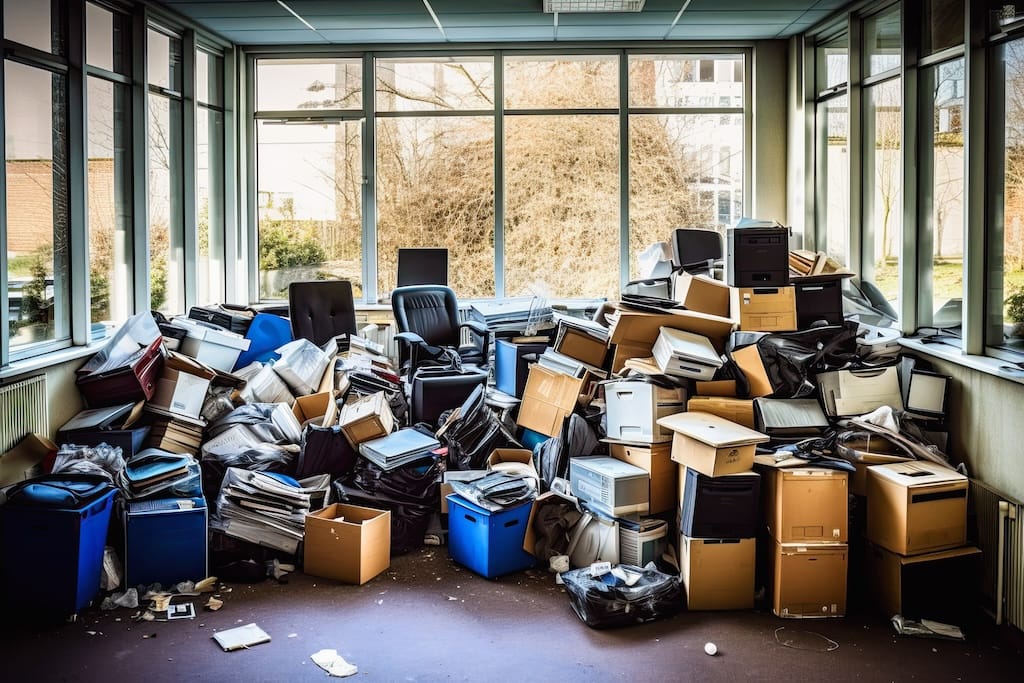
Builders’ rubbish is an umbrella term to encompass any waste that is generated during structural alterations, fit-outs, or construction work. In NSW, around 75-80% of demolition, renovation, and construction waste is diverted from landfill via resource recovery and recycling.
The most common materials generated on a construction, renovation, or demolition site include:
- Renovation waste generates timber offcuts, ripped-out cabinetry, plasterboard, tiles, and old flooring.
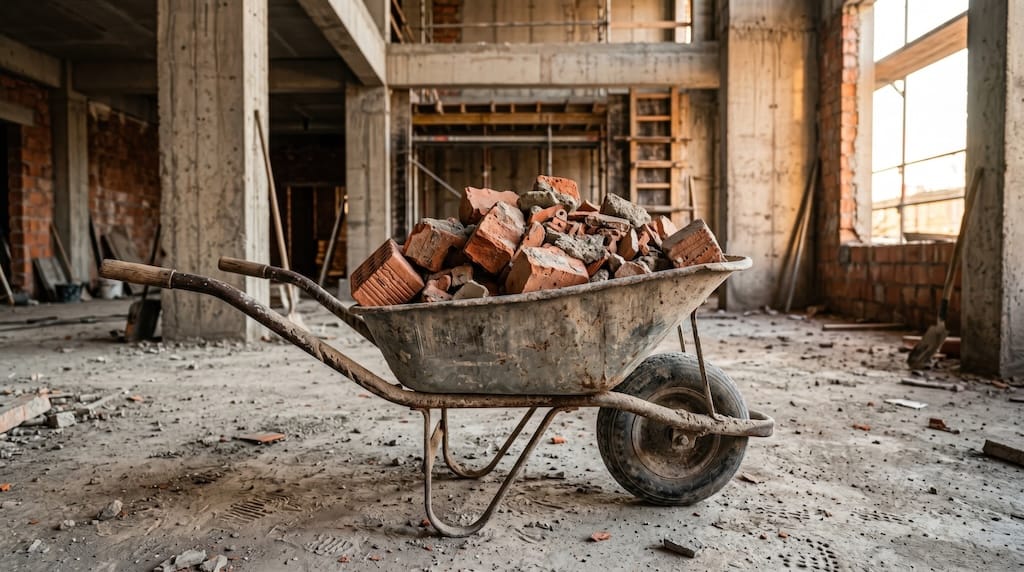
- Building materials include steel, bricks, insulation, Gyprock, and concrete.
- Packaging Waste includes pallets, cardboard, and plastic wrap.
- Green Waste generates landscaping cuttings, branches, and tree roots.
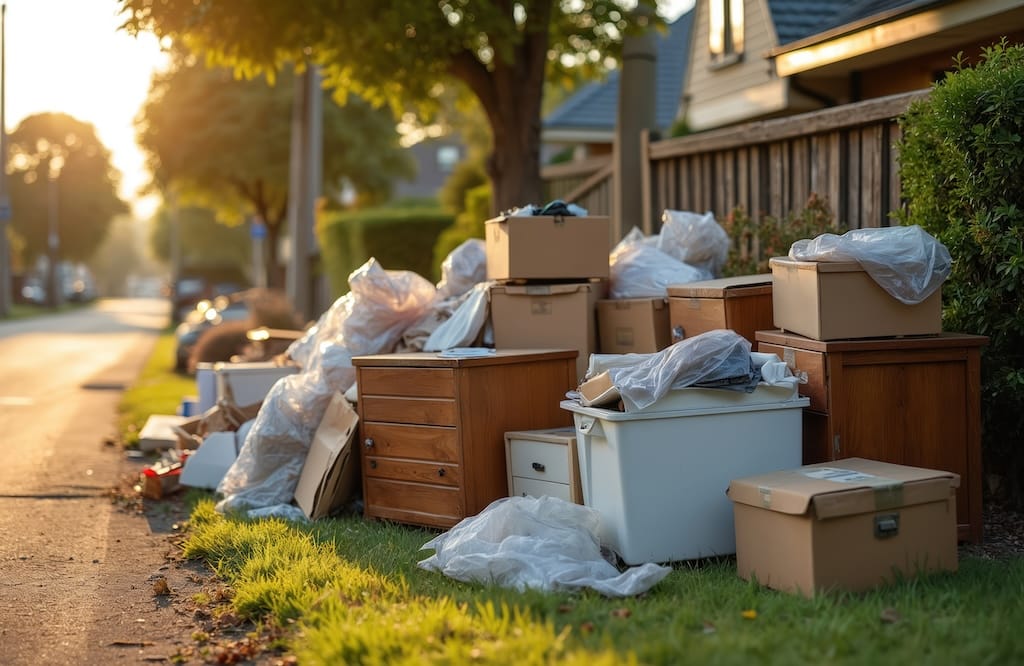
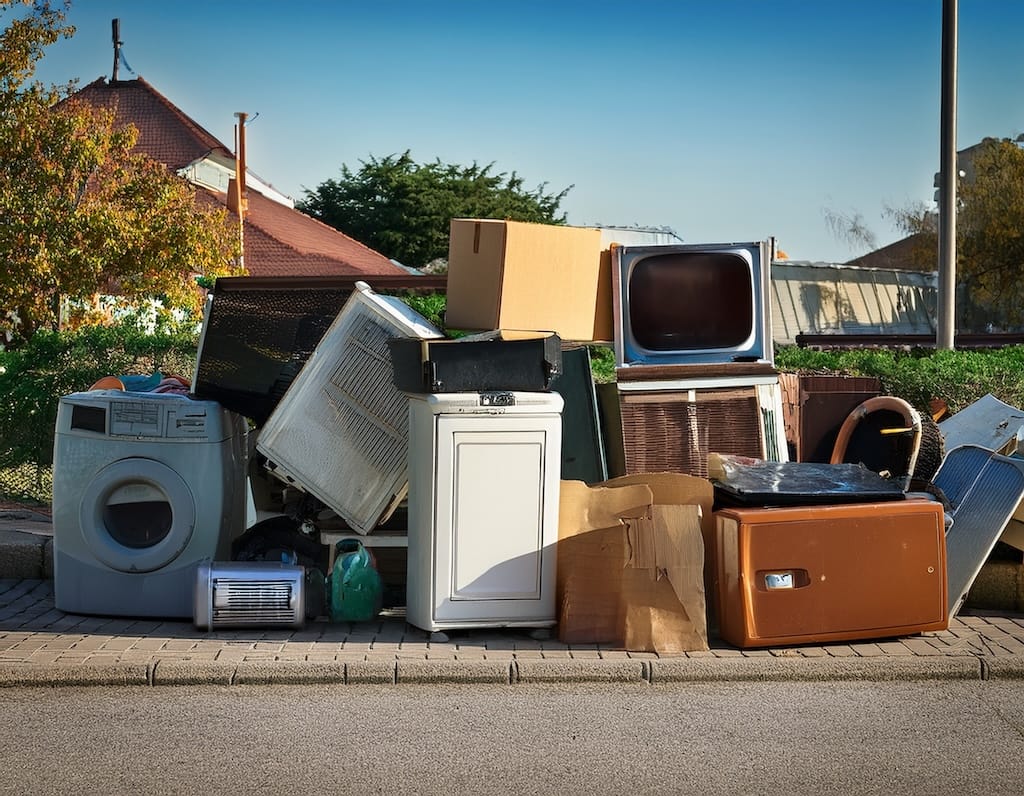
- Household waste includes old appliances, mattresses, white goods, and the old furniture people toss when undergoing a residential upgrade.
Why Good Waste Management Matters
Good waste management on any work site is a must. Here’s why:
Site Safety
Overflowing piles of waste are trip hazards, fire hazards, slow work, interfere with the timeline, and can disrupt access for trades. A clean site is a safe and productive site.
Compliance
Improper disposal or illegal dumping attracts large fines and can damage a reputation. Builders are legally obliged to dispose of all waste lawfully.
Environmental Benefits
Demolition and construction waste make up around 40% of Australia’s total waste stream, so by diverting it to a recycling centre or resource recovery, you are protecting the environment by lightening the strain on your local landfills.
Financial Benefits
One of the best ways to reduce tip and landfill fees is by pre-sorting your waste. By starting the project with multiple piles, you save labour spent on sorting later, improving your overall site productivity. Alternatively, you can utilise a local rubbish removal company like Cheapest Load of Rubbish. We don’t charge call-out fees, so you’re only paying for what we haul, and we can sort the waste as well.
Best Practices for Builders’ Rubbish Removal
Plan Waste Before Work Begins
Waste management planning is a must before the project gets off the ground. Resource recovery, recycling, and disposal costs must be factored into the timeline to avoid dynamic costs. Consider the volume of rubbish the project will generate, the type of waste it will generate, and where you have opportunities for recycling or resource recovery.
Separate Materials on Site
One of the best practices for waste and cost management, and recommended by the NSW EPA, is on-site material separation. You can establish dedicated zones for mixed waste, green waste, hazardous materials, and recyclables.
- Mixed waste includes insulation, mixed textiles, Gyprock, and composite plastics
- Green waste includes landscaping materials, cuttings, trimmings, branches, and roots.
- Hazardous materials include asbestos, which requires a licensed specialist, treated timber, paint, and chemicals.
- Recyclables include dry cardboard, clean concrete, steel, timber, and bricks.
Store Materials Correctly
Correct storage is key to preserving recyclable value. There should be an established recycling area, so protect raw offcuts from the weather and separate waste to avoid contamination.
Schedule Regular Removal
Regular rubbish removal in Sydney will prevent delays, overflowing heaps of rubbish, and keep things moving smoothly.
Maintain Clear Access
Access points should be kept clear for safety purposes, unobstructed trades access, and to keep productivity up. Wherever you sort and store your rubbish, ensure there is a clear, unobstructed path.
Biggest Mistakes That Increase Costs
- Mixed waste
Mixed loads are more expensive to process.
- Delayed uplift
Waiting until the end to enlist a rubbish removal company will create higher fees and demand more labour to deal with a large accumulation.
- Overlooking Recycling
It’s cheaper to recycle, so it’s a must to keep this separate.
- DIY Multiple Runs
You might think it’s cheaper to do it yourself, but don’t forget the cost of trailer hire, fuel, your time, and tip or landfill levies.
- Getting quotes without photos
Photos help ensure you receive an accurate estimate
- Call a professional team that charges for the call-out. Cheapest Load of Rubbish doesn’t charge call-out fees.
How Builders Can Save Money
- Sort your materials to pay lower disposal costs.
- Reuse cabinets, doors, timber, and bricks where possible.
- Recycle aluminium, steel, etc., to reduce landfill costs.
- Combine renovation and household debris, as these can be hauled together.
- Schedule your uplift often enough to make it worth it, but not too long to inflate the cost.
- Use a professional rubbish removal service in Sydney instead of skips. Professional rubbish removalists, such as Cheapest Load of Rubbish, roll labour into the cost of the uplift. You don’t need to secure council permits, which means Cheapest Load of Rubbish is faster and helps control site clutter.
Skips vs Professional Rubbish Removal in Sydney
| Feature | Skip | Cheapest Load of Rubbish |
| Labour included | No | Yes |
| Loading required | Do-it-yourself | Handled by our team. |
| Space | Yes | No |
| Permit | Yes | No |
| Same-day service | Limited, associated with additional fees | Yes (where possible) |
| Mixed loads allowed | Varies on skip company | Yes |
| Multiple trips | Likely | Only if you wait |
Many homeowners struggle for space, particularly in the Inner City, so finding space for a skip bin is next to impossible.
Construction Waste Recycling in Sydney
- Recycled concrete and bricks can be crushed and reused for road base and commercial aggregate.
- Cardboard can be pulped for new packaging materials.
- Timber can be shredded for biomass fuel or garden mulch.
- Metals are melted down and utilised for a wide range of uses, including wiring components.
Residential Projects That Need Builders’ Rubbish Removal
Cheapest Load of Rubbish offers a wide range of rubbish removal services, including the most common residential projects that need builders’ rubbish removal.
- Bathroom renovations, wasting plasterboard, vanities, and tiles.
- Kitchen renovations, removing appliances, cabinets, and bench tops.
- Landscaping projects waste concrete, green waste, and soil.
- Home extensions generate packaging, bricks, and timber waste.
- Full-scale renovations generate mixed loads that include renovation debris, appliances, white goods, and furniture.
Why Choose Cheapest Load of Rubbish for Residential Waste Removal?
Sydney-Wide Coverage
Whether you live in the Hills District or Parramatta, Cheapest Load of Rubbish caters to the whole of Sydney. From Sutherland Shire to South Sydney, from Blacktown to Inner West, and the Eastern Suburbs, Cheapest Load or Rubbish has you covered.
Comprehensive Residential Services
We handle everything from renovation waste to household rubbish. We’ll haul your white goods, green waste, furniture, mixed loads, shed clean-outs, and deceased estate cleanups, and we don’t even charge a call-out fee.
Transparent Pricing
We do honest work, which is why we operate a transparent pricing policy. So, when we provide a quote, you know there are no hidden fees. What you see is precisely what you’ll pay when we’re done.
Convenience
There’s no need for exhausting tip runs or expensive trailer hires. Cheapest Load of Rubbish is only a phone call away.
Eco-Friendly Disposal
We prioritise sustainability, and we’ll recycle everything possible.
Fast & Efficient Service
In addition to same-day availability Sydney-wide, we offer flexible scheduling to protect your time and peace.
Frequently Asked Questions
What is builders’ rubbish?
Builders’ rubbish is any waste generated during construction, renovation, demolition or fit-out projects. This can include timber, bricks, concrete, plasterboard, tiles, packaging materials, green waste, old furniture, and appliances.
Can mixed waste be removed?
Yes. Mixed waste can be removed and sorted for recycling and disposal. However, separating materials on-site where possible can help reduce disposal costs and improve recycling outcomes.
What can’t go into builders’ waste?
Hazardous materials such as asbestos, chemicals, paint and certain treated timbers require specialised handling and cannot be disposed of with general builders’ waste. If you’re unsure, ask before booking.
Can Cheapest Load of Rubbish remove renovation waste?
Absolutely. We remove all types of renovation waste.
Is rubbish removal cheaper than skip bins?
In many cases, yes. Once you factor in skip hire fees, permits, labour, fuel and tip costs, professional rubbish removal can be the more cost-effective option, especially for smaller or mixed loads.
How much does construction waste removal cost in Sydney?
The cost depends on the volume and type of waste being removed. The easiest way to get an accurate quote is to send through a few photos so we can assess the job. We’ll then send a team to view your rubbish on site and provide a free quote.
Do you recycle building materials?
Yes. We recycle as much material as possible, including concrete, bricks, cardboard, timber, and metals, helping to reduce landfill and support resource recovery.
Can furniture and renovation waste be collected together?
Yes. Furniture, appliances, household rubbish, and renovation debris can often be removed in the same collection, making clean-up quicker and more convenient.
Conclusion
With a bit of clever panning and on-site sorting, you can protect the project’s bottom line while maintaining the highest safety standards. Utilising a professional rubbish removal service is a fast, safe, and cost-effective way to manage builders’ waste and reduce landfill disposals.
Need builders’ rubbish removal in Sydney? Get a free quote from Cheapest Load of Rubbish and let the team do the heavy lifting.