One call and we take it all
Categories
Rubbish Recycling

Real Estate Reno vs Real Estate Green Waste: What’s the Difference?

If you’re managing a property, whether you’re an agent, a landlord or a homeowner getting ready to sell, waste removal is almost always part of the job. But not all rubbish is the same, and the way you handle renovation waste versus green waste makes a real difference to your costs, your timeline and the environment.

Here’s a clear breakdown of the two categories, what they include, and how to handle each one efficiently.

What Is Real Estate Green Waste?

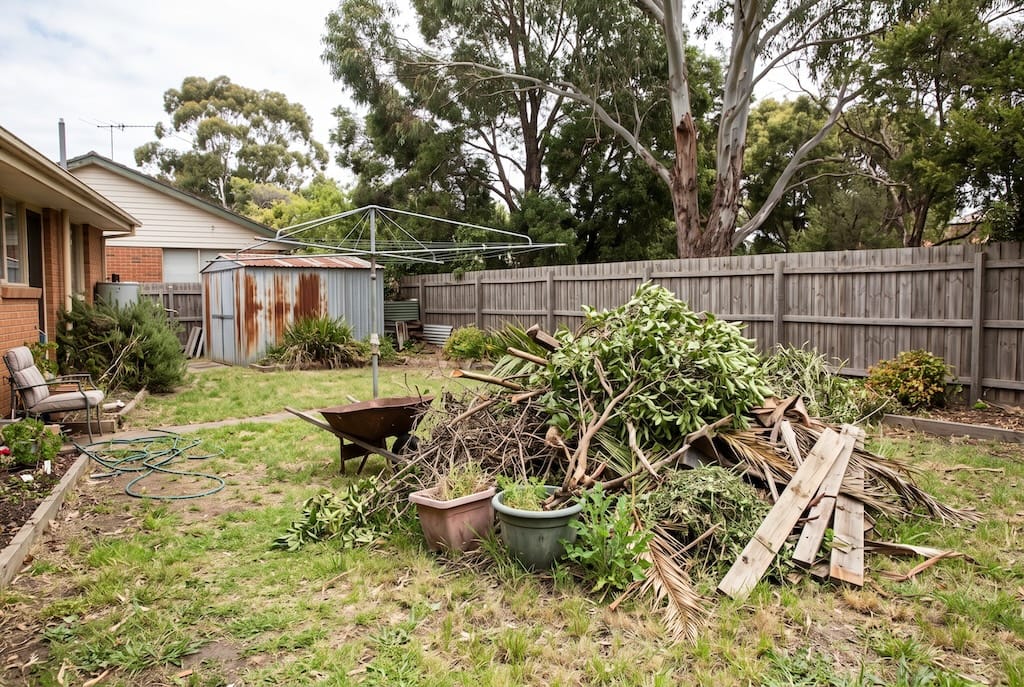
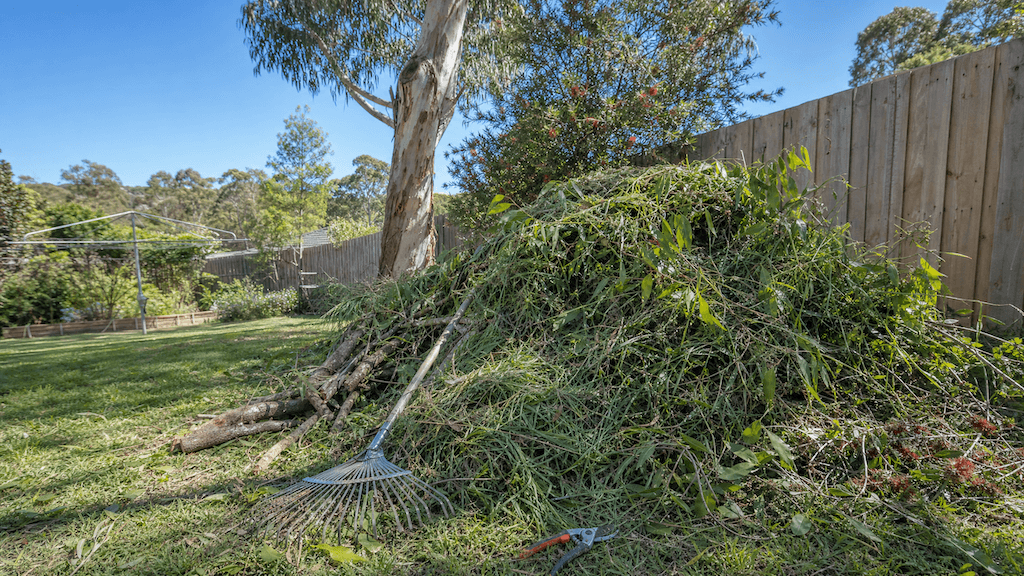
Green waste is organic material from gardens and outdoor areas. For real estate, this typically includes:

  • Tree branches, logs and stumps
  • Lawn clippings and leaf litter
  • Pulled-up shrubs, roots and garden beds
  • Overgrown hedging and garden trimmings
  • Soil and turf from landscaping work

In Sydney, most councils collect green waste via the green-lid bin every week. However, larger volumes, particularly after a full garden overhaul or tree removal, won’t fit in a standard bin and need professional removal.

Our garden rubbish removal service handles everything from light garden tidying to substantial post-renovation green waste, including hard-to-move items like large root balls or heavy soil loads.

What Is Real Estate Renovation Waste?

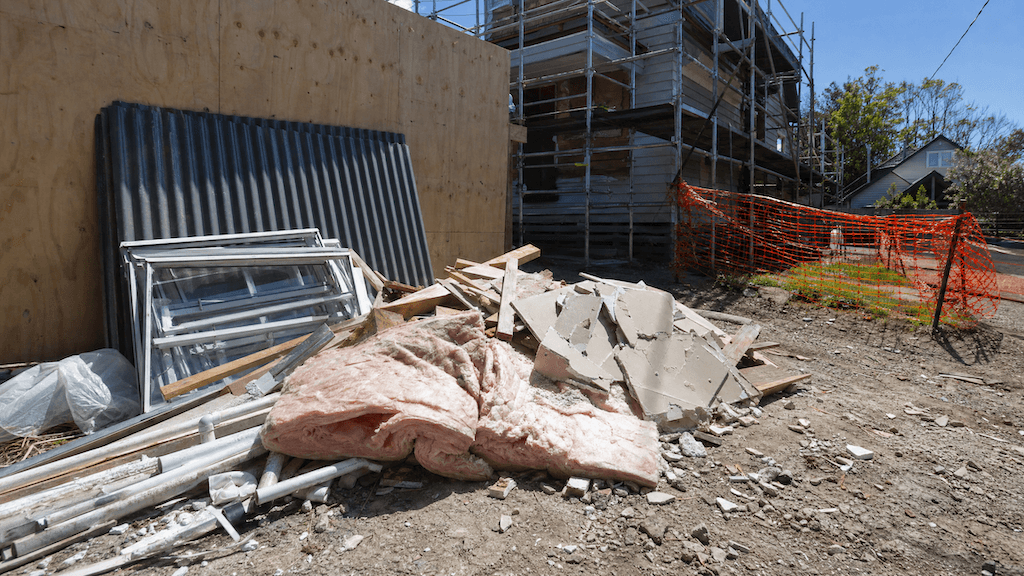
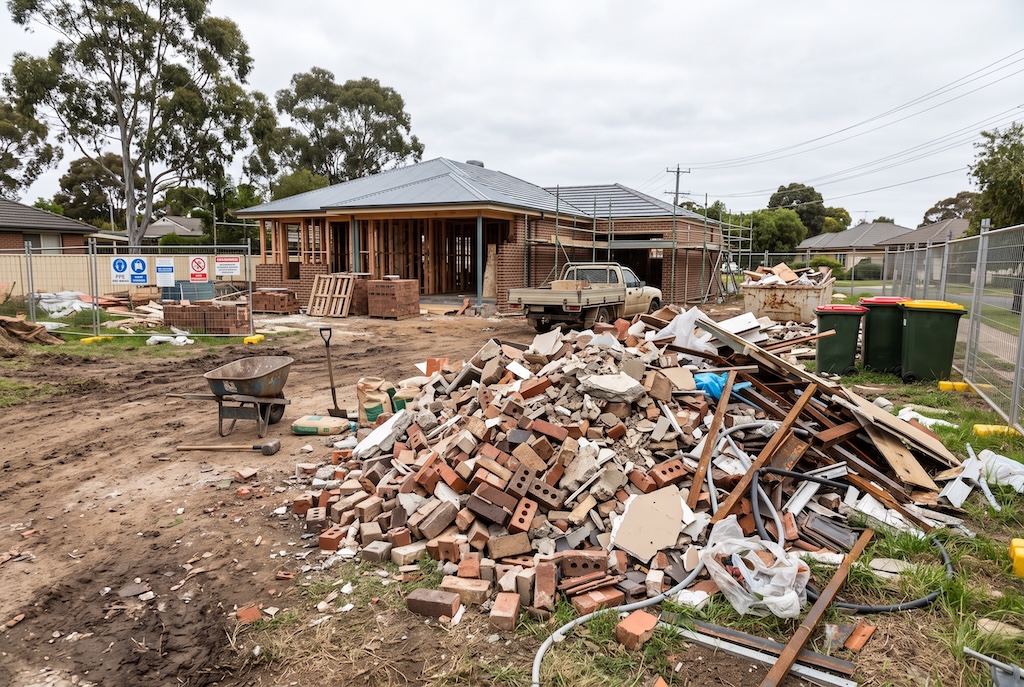
Renovation waste, also called building or construction waste, is a completely different category. It includes:

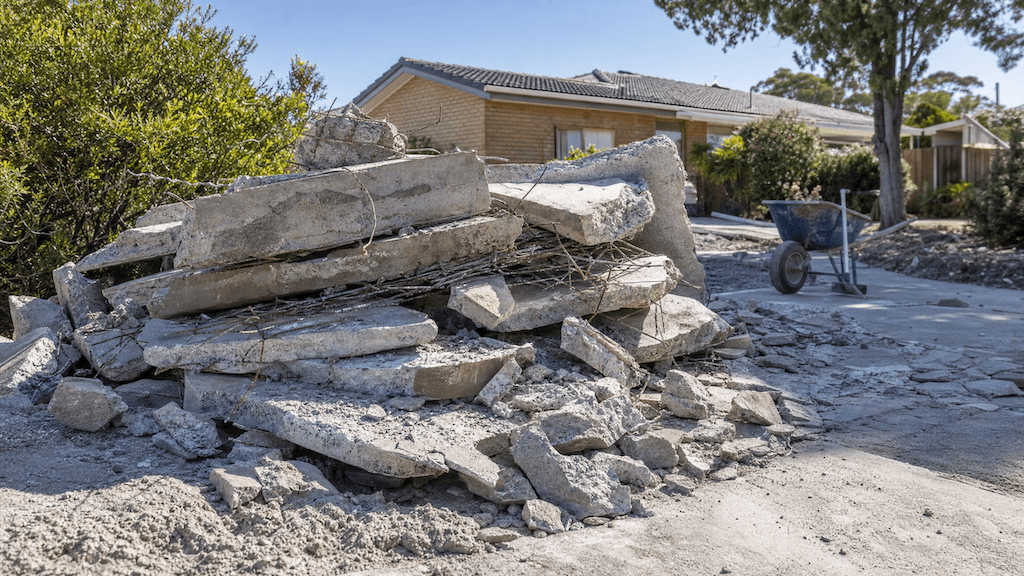
  • Tiles, bricks, concrete and rubble
  • Plasterboard, insulation and wall linings
  • Timber, flooring and formwork
  • Old kitchen and bathroom fittings
  • General builder’s rubble from knock-downs or DIY projects

Renovation waste is heavier, often bulkier and more expensive to dispose of than green waste. It also needs to go to a licensed facility that accepts construction materials, which is why you need a removalist who knows the difference.

We handle all types of renovation and DIY rubbish, as well as full construction site clean-ups for larger projects.

Why Does the Distinction Matter?

Mixing green waste with renovation rubble creates two problems. First, it drives up your disposal costs because the load can’t be sent to a composting or mulching facility; it all gets treated as mixed waste. Second, heavier materials like concrete significantly increase the weight of your load, which affects pricing.

Keeping them separate, even roughly, is one of the simplest ways to reduce costs. When you call us for a free quote, we can advise the best approach based on what you’ve got.

What About Real Estate Agents and Property Managers?

End-of-lease and pre-sale cleanups often involve both categories at once: a garden that hasn’t been maintained alongside leftover building materials from the last tenant’s renovations. We work regularly with agents and property managers across Sydney to clear properties quickly and professionally, with same-day service available.

See also: Commercial rubbish removal | South Sydney | Inner West | Eastern Suburbs

FAQ

Can green waste go in a skip bin? Skip bins can accept green waste, but you’re paying for the bin hire, delivery and pickup regardless of how full it is. For large volumes of mixed green waste, a load-based rubbish removal service is usually more cost-effective.

What can’t be mixed with renovation waste? Asbestos, paint and other hazardous materials require specialist disposal. We can advise on the right approach for your specific load.

Do you service outer Sydney areas? Yes, we cover all of Sydney, including the Hills District, Sutherland Shire, Western Sydney and the Northern Beaches.

Categories
Rubbish Removal

How to Choose the Cheapest but Most Reliable Rubbish Removal Service

Cheap and reliable aren’t always the same thing, but they don’t have to be opposites either. The trick is knowing what to look for so you get a service that’s genuinely affordable without the headaches that can come with cut-price operators.

Here’s what to look for when comparing rubbish removal services in Sydney.

Look for Transparent Pricing

The biggest complaint people have with rubbish removal isn’t the price; it’s being hit with a different number on the day. A reputable service will give you a free on-site quote before starting work. If a company quotes you over the phone without seeing the job, treat that estimate with caution.

Cheapest Load of Rubbish offers free on-site quotes with no call-out fees. You only pay for the space your rubbish takes up on the truck, so there are no nasty surprises. Check our pricing page for a general guide.

Check Their Experience and Insurance

Experience matters in rubbish removal. An experienced team knows how to safely remove heavy items from difficult locations, how to sort materials for proper recycling, and how to keep a job on time and on budget.

Always check that a rubbish removal service is fully insured. This protects you if something is damaged on your property during the job.

Cheapest Load of Rubbish has been operating in Sydney since 1989; that’s over 30 years of experience across residential, commercial and construction waste removal.

Compare Apples With Apples

Not all quotes cover the same thing. Before comparing prices, make sure each quote includes:

  • Labour (loading the rubbish onto the truck)
  • Disposal fees
  • Call-out or travel fees (or confirmation that there are none)
  • Any surcharge for heavy materials like concrete, soil or tiles

A seemingly cheap quote can quickly become expensive once surcharges are added. We believe in honest pricing from the start.

Look for Flexibility and Same-Day Service

Life doesn’t always give you a week’s notice. Whether you’re moving house, finishing a renovation or just need something gone before the weekend, a rubbish removal service that offers same-day or next-day availability is worth its weight.

Cheapest Load of Rubbish operates seven days a week across all Sydney regions, from the CBD and Inner West through to the Hills District, Sutherland Shire and Northern Beaches.

Don’t Forget the Environmental Side

A truly reliable service isn’t just about showing up on time; it’s about doing the job responsibly. Ask whether materials are sorted for recycling and whether the company has a genuine commitment to reducing landfill. Under NSW EPA guidelines, certain materials must be disposed of at licensed facilities.

We recycle and repurpose wherever possible, and we can advise on how to separate your rubbish in advance to reduce what goes to landfill, which also reduces your costs.

Skip Bin vs Rubbish Removal: Which Is Cheaper?

This is one of the most common questions we get. Skip bins charge a fixed hire fee regardless of how full you fill them. Rubbish removal services charge based on what’s actually on the truck. For small-to-medium jobs, hand-loading rubbish removal is almost always a better value.

Skip bins also require a permit if placed on a public road, can be a safety hazard, and require you to do all the loading yourself. With a professional removal service, you don’t lift a thing.

Ready for a free quote? We service Inner Sydney, Western Sydney, North Shore and everywhere in between. Get in touch today.

FAQ

Is rubbish removal cheaper than a skip bin? For most household and small commercial jobs, yes. You only pay for the space used; there are no hire or permit fees, and the team does the loading for you.

What should I do to lower my quote? Place items in an easily accessible location, separate heavy materials from light ones, and combine any jobs into one visit.

Do you cover the whole of Sydney? Yes, we operate across all Sydney regions six days a week.

Categories
Rubbish Removal

Household Rubbish Removal: Your Seasonal Room-by-Room Checklist

The best way to stay on top of household clutter is to deal with it before it becomes overwhelming. This room-by-room checklist covers what to review each season so nothing builds up to the point where it’s a major job. Work through it at your own pace, and when items pile up beyond what your bins can handle, you know who to call.

Kitchen

  • Clear out the pantry: Expired food, empty packaging and items you’ve never used.
  • Check appliances: Is there an old microwave, toaster or coffee machine that’s stopped working?
  • Large appliances: Fridges and washing machines can’t go in general bins. They need proper removal and recycling.
  • Seasonal: In spring, clear out the freezer. In summer, check the fridge seals. Autumn is good for replacing worn-out appliances before Christmas.

See: Broken and unwanted white goods removal.

Bedroom

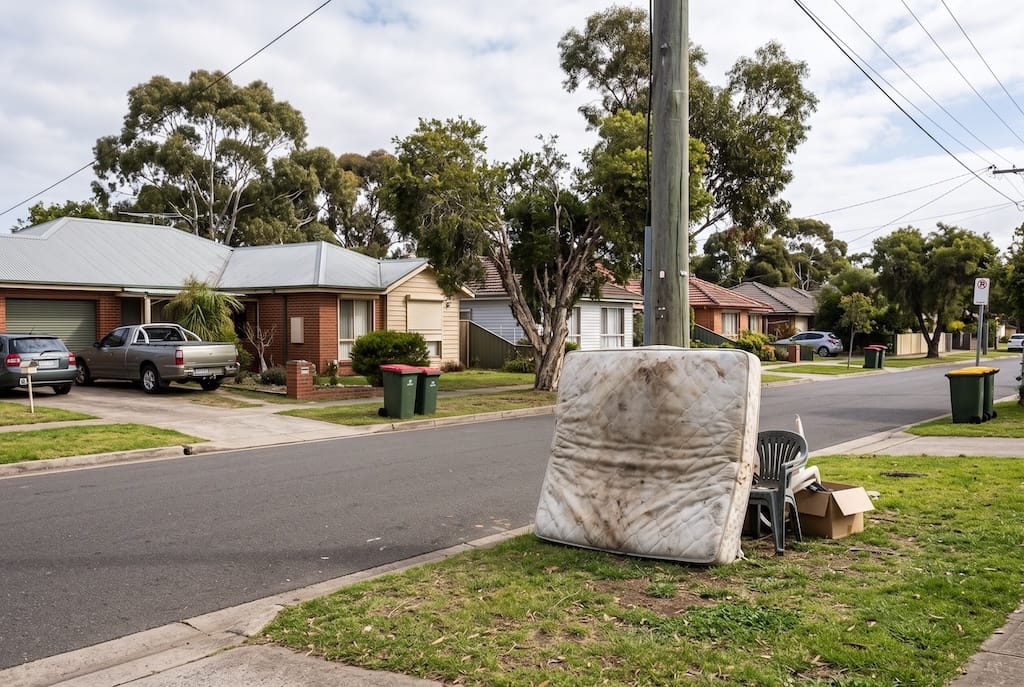
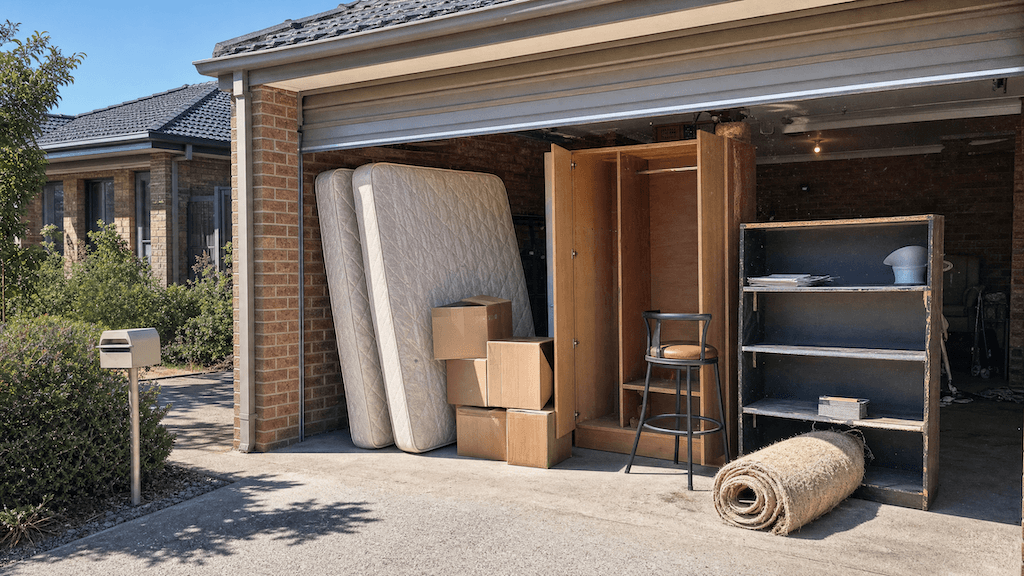
  • Mattress: The average mattress should be replaced every 8–10 years. Mattresses can’t go in council bins in most LGAs.
  • Bed frames and wardrobes: Broken or outdated furniture adds up quickly.
  • Clothing and linen: Donate usable items, dispose of the rest responsibly.
  • Seasonal: The end of winter is a natural time to clear out clothing and bedding you no longer use.

See: Mattress removal Sydney | Furniture and white goods removal

Living Areas

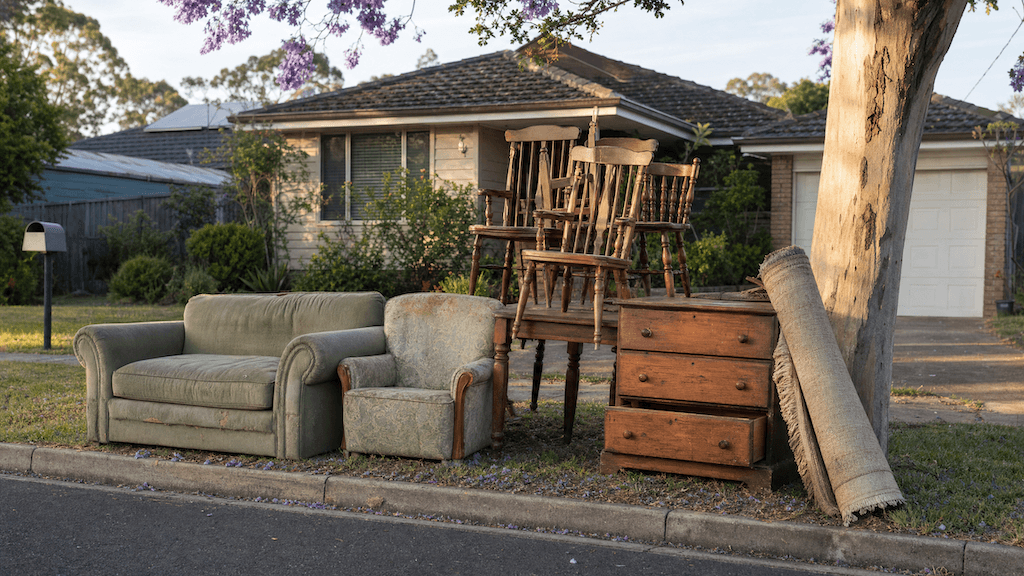
  • Lounge suites and armchairs: large upholstered furniture is difficult to move and not accepted in standard council collections.
  • Entertainment units and shelving: bulky timber furniture takes up truck space quickly. Consolidate where you can.
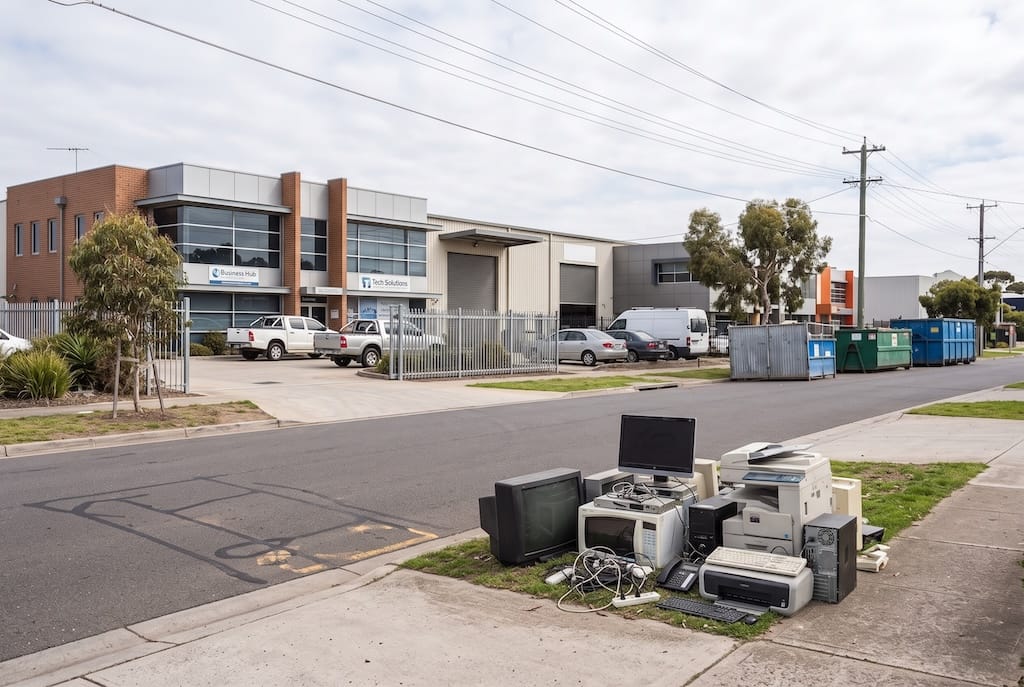
  • Electronics: old TVs, speakers and gaming equipment may qualify as e-waste and need specialist recycling.
  • Seasonal: summer is a good time to rearrange living spaces and identify what’s no longer needed.

Bathroom and Laundry

  • Expired medications: take these to a pharmacist for safe disposal, not your general bin.
  • Renovation waste: tiles, vanities, bath hardware and old plumbing fittings from bathroom updates all count as construction waste.
  • Old washing machines and dryers: as above, these need professional removal.

See: Renovation and DIY rubbish removal.

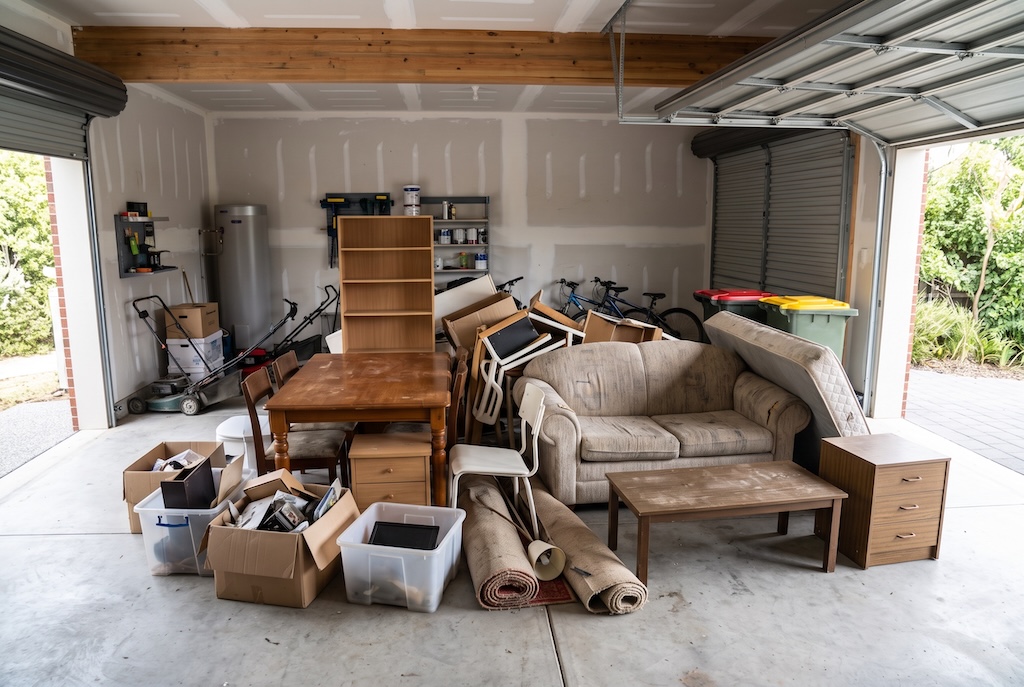
Garage and Shed

  • Old tools and equipment: broken or outdated tools, lawn mowers, bikes and outdoor gear.
  • Chemicals and paint: these are hazardous. Sydney councils run periodic chemical drop-off days; check your council’s HazWaste events.
  • Building materials: leftover tiles, timber, sand and soil from past projects.
  • General junk: this is usually the biggest category. Be honest about what you haven’t touched in a year.
  • Seasonal: end of summer or start of autumn is ideal for a full garage clear-out before winter storage.

See: Garage and shed clean-ups | Hard waste removal

Garden and Outdoor Areas

  • Green waste: prunings, branches, leaf litter and grass clippings; most Sydney councils accept these in the green bin, but large volumes need professional removal.
  • Outdoor furniture: old timber, metal or plastic furniture that’s beyond repair.
  • Soil and rubble: from landscaping, garden bed overhauls or retaining wall work.
  • Seasonal: spring is the most popular time for garden clean-ups in Sydney, and our team is particularly busy in September and October. Book early if you’re planning a big outdoor project.

See: Garden rubbish removal.

A Note on Council Collections in Sydney

Sydney councils vary widely in how they handle household hard waste. The City of Sydney runs a bookable weekly bulky item service. Inner West, Bayside, Northern Beaches and Sutherland Shire hold periodic scheduled collections. If you’ve missed your window or your items don’t qualify, a professional same-day service is often the fastest and most cost-effective solution.

Ready to clear the house? Get a free quote from Cheapest Load of Rubbish. We service all Sydney suburbs, open six days, and we do all the lifting.

Also see: All Sydney locations we service

FAQ

What household items can’t go in the general bin? Mattresses, white goods, electronics, large furniture, tyres, chemicals, and paint all need specialist disposal or removal.

Can I do a full house clear-out in one visit? Yes, we regularly handle full property clear-outs in a single visit. For very large volumes, we may bring a second truck.

How do I reduce my removal costs? Separate light and heavy materials, place items in a ground-floor accessible spot, and combine your clean-out areas into one booking.

Categories
Rubbish Removal Sydney

Everything You Should Know About White Goods Disposal in Australia

You’ve just bought a new washing machine. It’s sitting in the garage waiting to go in. The old one is sitting next to it, waiting to go out. Simple enough, except white goods can’t go in your general bin, most councils won’t collect them without advance notice, and you can’t just leave them on the kerb indefinitely.

If you’re not sure how to dispose of a fridge, washing machine, dryer or dishwasher in NSW, this guide covers everything you need to know.

What Counts as a White Good?

White goods are large domestic appliances typically used for household tasks. Common examples include:

  • Fridges and freezers
  • Washing machines and dryers
  • Dishwashers
  • Ovens and cooktops
  • Air conditioners
  • Microwave ovens

They’re bulky, they’re heavy, and many of them contain hazardous materials that need specialist handling.

Why You Can’t Just Bin Them

White goods contain metals, plastics, refrigerants and in some cases, heavy metals like lead and mercury in wiring components. Fridges and freezers in particular must be degassed before disposal. The refrigerant inside is a potent greenhouse gas, and its release into the atmosphere is both environmentally harmful and, in some cases, a regulatory issue under NSW EPA guidelines.

Dumping white goods illegally, on a nature strip without a council booking, in a skip bin or at an unauthorised site, can result in fines and contributes to landfill that takes decades to break down.

What Are Your Disposal Options in Sydney?

Council collection: Most Sydney councils will collect white goods as part of a bulky waste service, but it requires pre-booking and may only run at scheduled times. City of Sydney operates a bookable pickup system. Inner West, Bayside and Sutherland Shire councils run periodic hard waste collections. Always check your council’s website before leaving anything out.

Retailer take-back: Some appliance retailers offer to take away your old unit when delivering a new one. It’s worth asking at the point of sale.

Donation: If the appliance still works, charities and second-hand dealers may accept it. Clean, working fridges and washing machines can often find a new home through platforms like Gumtree or local Facebook groups.

Professional removal: For broken, damaged or oversized appliances, especially when you need them gone quickly, a rubbish removal service is the most practical option. We handle all the loading and ensure items are taken to the correct recycling facility.

Can White Goods Be Recycled?

Yes, and most of the materials in white goods are worth recovering. Steel, copper and plastics are all extracted and reprocessed once hazardous components have been safely removed. The Southern Sydney Regional Organisation of Councils (SSROC) has been investigating stewardship pathways for large appliances in NSW, and Australia is progressively improving its recovery rates for these materials.

At Cheapest Load of Rubbish, we recycle and repurpose wherever possible. Our furniture and white goods removal service handles everything from single appliances to full household clear-outs, including broken and unwanted white goods.

How to Prepare Your Appliance for Removal

  • Empty the appliance and wipe it down if possible.
  • Defrost fridges and freezers at least 24 hours before pickup to avoid water damage.
  • Disconnect all hoses and cords.
  • Move the item to a ground-floor accessible spot if you can do so safely; this helps keep costs down.

Need a same-day pickup? Contact Cheapest Load of Rubbish for a free, no-obligation quote. We service all Sydney areas, including the Inner West, Eastern Suburbs, and North Shore.

FAQ

Can I put a fridge on the nature strip? Only if it’s been booked through your council’s bulky waste service. Placing items on the kerb without booking can result in a fine, and your council may not collect it.

Do I need to pay for white goods removal? Council collection is free but scheduled. Professional removal services charge based on the volume and weight of items, but offer same-day service and handle all the heavy lifting.

What happens to old fridges and freezers? They must be professionally degassed before recycling. The steel and plastics are then shredded and recovered for reprocessing.

Categories
Rubbish Removal

How to Prepare Your Property for Seasonal Cleanups

Every season brings its own unique challenges. Spring means overgrown gardens and post-winter clutter. Summer leaves you with outdoor furniture you forgot about and storm debris. Autumn drops a mountain of leaves, and winter has you clearing out the garage to make room for storage. Sound familiar?

Whether you’re a homeowner in the Hills District, a renter in the Eastern Suburbs or a landlord managing a property in Western Sydney, a proper seasonal cleanup keeps your home safe, tidy and worth living in. Here’s how to do it right and when to call in the professionals.

Why Seasonal Cleanups Matter

Clutter and waste that build up over months don’t just look untidy; they can create real hazards. Old mattresses and broken furniture left outside attract vermin and pests. Dead branches and green waste become a fire risk over the summer. And bulky items left in garages or sheds can block access in an emergency.

Sydney councils, including the City of Sydney, Inner West, Bayside and Northern Beaches, all have rules about storing waste and placing items on nature strips. Most councils only collect bulky waste on a scheduled basis (the City of Sydney operates a bookable bulky waste pickup service), so you can’t always rely on them to take large items at short notice. That’s where a professional rubbish removal service makes all the difference.

Room-by-Room Seasonal Prep: Where to Start

It helps to tackle seasonal cleanups systematically. Start in one area and work outward:

  • Garage & shed: Clear out broken tools, old paint tins, accumulated junk and anything that’s been ‘waiting’ longer than six months.
  • Garden: Prune back overgrowth, bag up leaves, and remove dead trees or branches before fire season.
  • Kitchen: Swap out old appliances and white goods that have stopped working. Fridges and washing machines cannot be placed in general waste bins.
  • Bedrooms: Old mattresses, broken bed frames and unwanted furniture need to be removed properly, not left on the kerb indefinitely.
  • Outdoor areas: Garden furniture, pool equipment, broken pots and hard waste items all add up.

How to Save Money on Seasonal Cleanups

A bit of preparation goes a long way in keeping your rubbish removal costs down:

  • Separate materials before collection. Mixing green waste with heavy items like tiles or concrete increases disposal costs.
  • Pile items in an accessible spot. The easier it is for the team to load, the faster the job and the lower the price.
  • Combine loads. If you’re doing a garden cleanup and a garage clean-out at the same time, do both in one booking.
  • Donate what you can. Usable furniture, tools and appliances can be passed on to charity, reducing your load volume.

Our residential rubbish removal service covers everything from garden waste removal to garage and shed clean-ups, all in one visit, with no heavy lifting required.

When Should You Call a Rubbish Removal Service?

Council collection is free but limited. It’s booked in advance, has item restrictions, and only runs at set intervals. If you’ve got large or heavy items, mixed waste, or you simply can’t wait weeks for a pickup, professional rubbish removal is the practical solution.

Cheapest Load of Rubbish offers same-day rubbish removal across Sydney, open seven days a week. We’ll load the muck into the truck; you don’t lift a thing. Get a free quote today.

Also see: Locations we service across Sydney

FAQ

Does my council collect large items for free? Most Sydney councils offer a bulky item or hard waste collection, but it’s scheduled and has item limits. City of Sydney runs a bookable weekly service; other councils like Inner West, Bayside and Sutherland Shire hold scheduled collections. Check your council’s website for current dates.

What items can’t go in council bins? Most councils won’t accept fridges, tyres, hazardous materials, large quantities of soil or construction waste. These need to be handled by a licensed removalist. This is where Cheapest Load of Rubbish can help.