Construction and renovation projects generate a lot of waste, but a good portion of it does not need to end up in landfill. Understanding what can realistically be recycled, and what usually cannot, helps builders, renovators and homeowners make better decisions on-site, often before the first skip or truck even arrives.
Timber
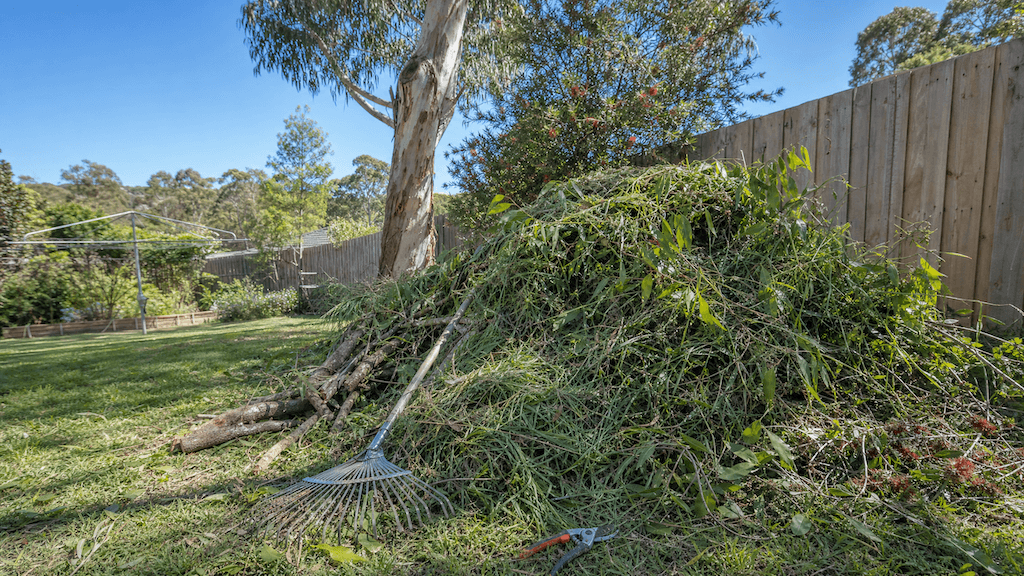
Clean, untreated timber is one of the more recyclable materials on a construction site. It can often be reused directly, chipped for mulch or processed for other applications. Treated timber is a different story. Chemical treatments can affect how it needs to be handled and whether it can be recycled, so it is worth keeping treated and untreated offcuts apart where possible.
Cheapest Load of Rubbish provides timber and formwork removal as part of its construction rubbish removal services.
Metal
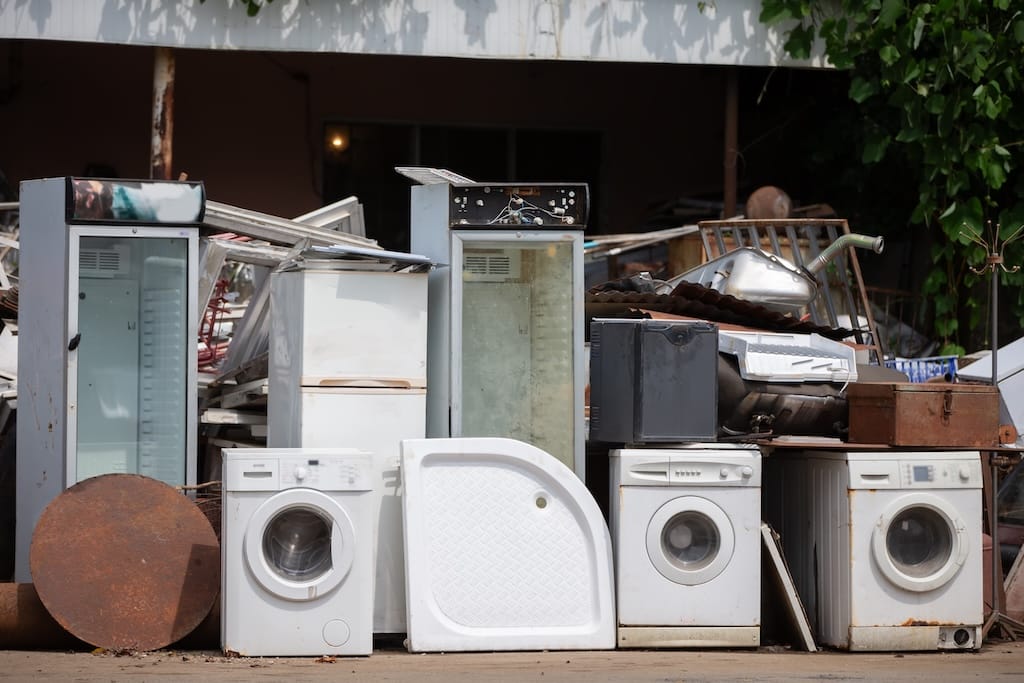
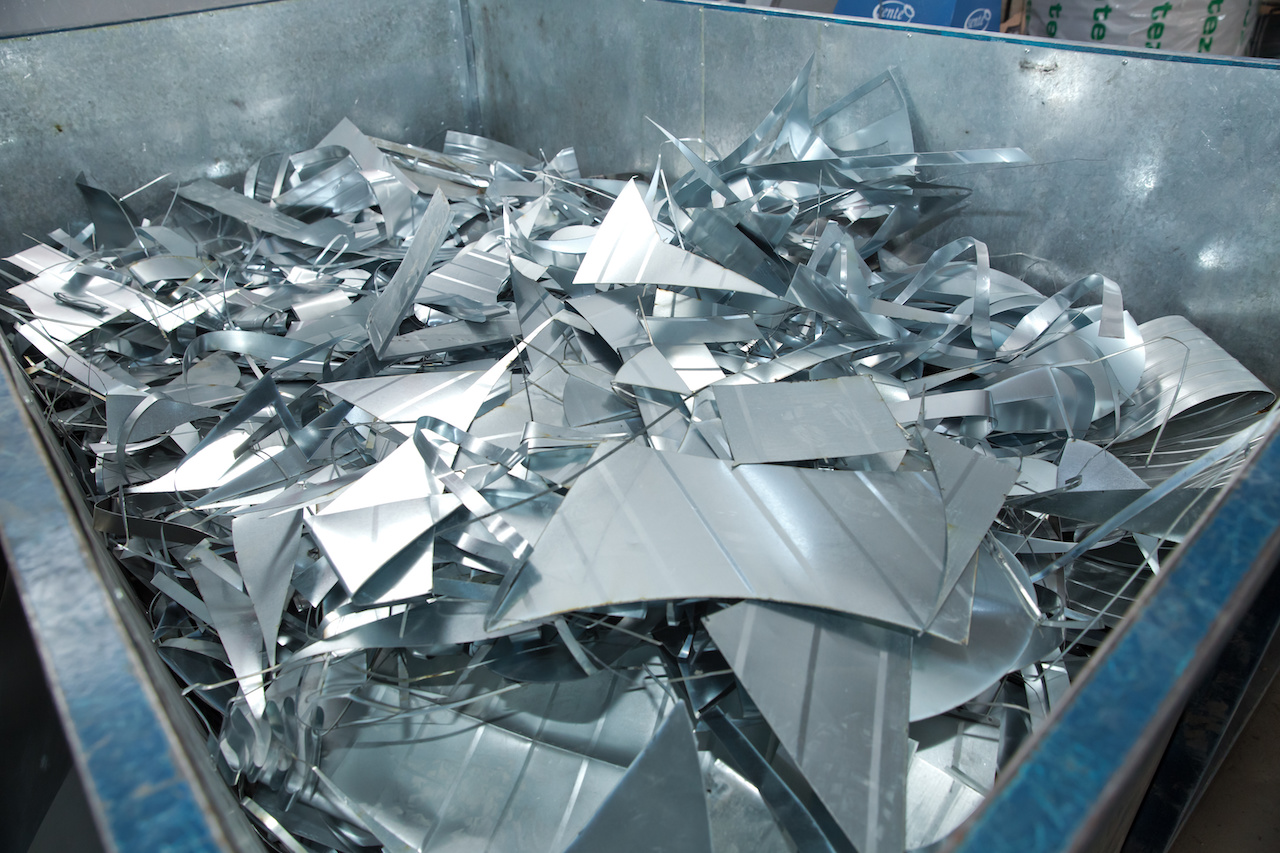
Metal offcuts, fixtures and fittings are highly recyclable and typically processed through scrap metal recyclers. This includes steel reinforcing, aluminium framing and copper piping. These materials can hold genuine value even as waste, which is part of why they are among the easier materials to recycle properly on a construction site.
Bricks and Concrete
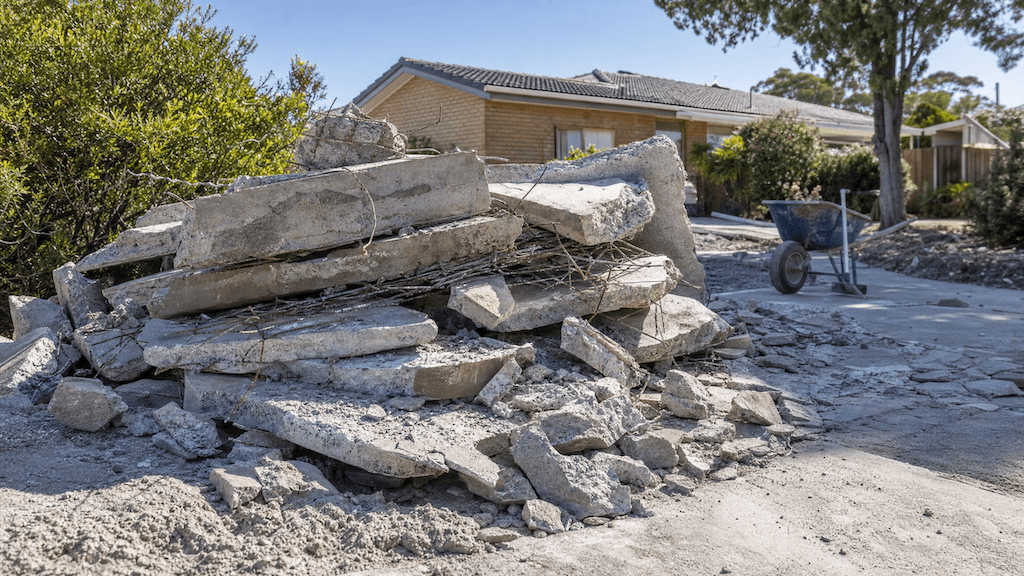
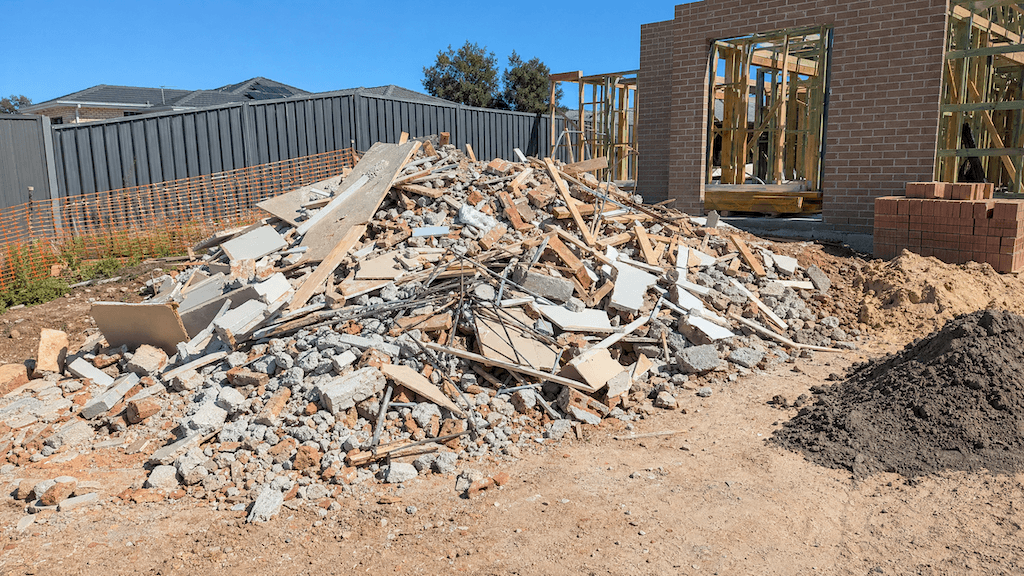
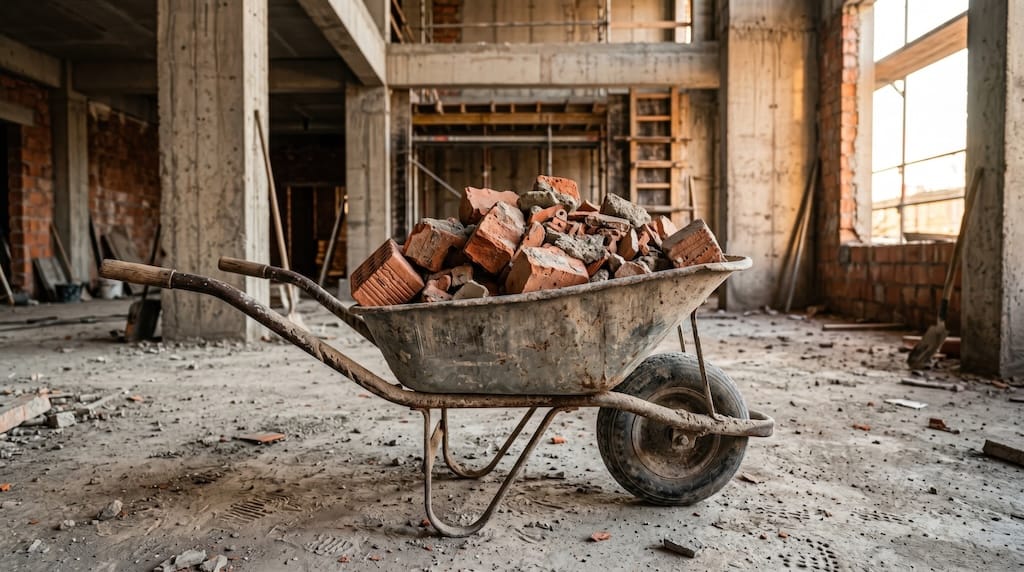
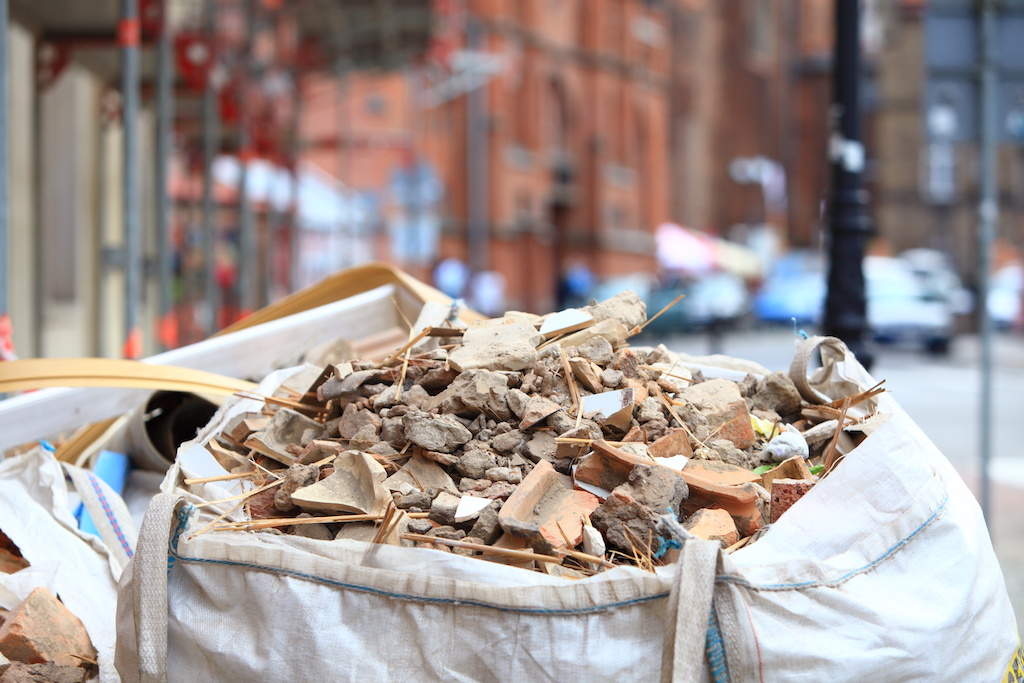
Bricks and concrete can often be crushed and reused as aggregate for roads, paths and new construction. This is one of the more established recycling pathways in the construction industry, and a major reason why demolition waste does not need to be a landfill-only outcome. A demolished wall today could become road base tomorrow.
Cheapest Load of Rubbish offers bricks, tiles and concrete removal for building, renovation and demolition projects across Sydney.
Plasterboard
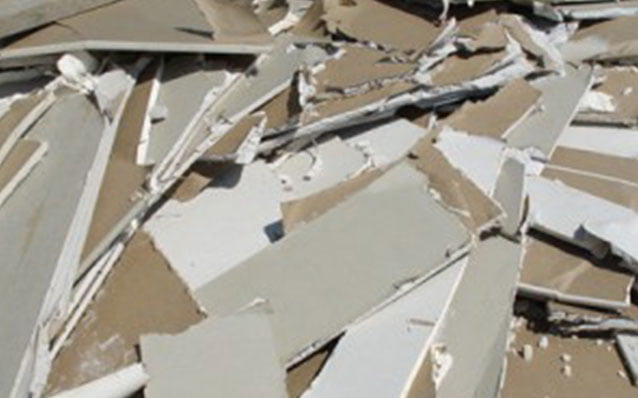
Plasterboard recycling can be more limited than timber or metal, partly because contamination from paint, fixtures or mixed materials can make processing harder. Clean offcuts may have better recycling potential than demolished plasterboard mixed with other waste, which is another argument for separating it on-site rather than mixing it in with general rubbish.
Soil and Excavated Material
Clean excavated soil may be suitable for reuse depending on its condition, classification and any contamination requirements. Where reuse is not possible, it needs to be handled through appropriate waste channels. This is worth factoring into the planning for any significant excavation work.
If you are unsure whether a particular building material can be collected, check what Cheapest Load of Rubbish can take before booking.
What Usually Can’t Be Recycled?
Some materials are more difficult to recycle than others, particularly:
- Mixed or contaminated waste that is difficult to separate
- Certain insulation materials
- Some treated or heavily painted timber
- Composite materials that combine multiple substances that cannot easily be separated
The exact recycling options can depend on the material, its condition and the facilities available.
Why Separation on Site Makes a Difference
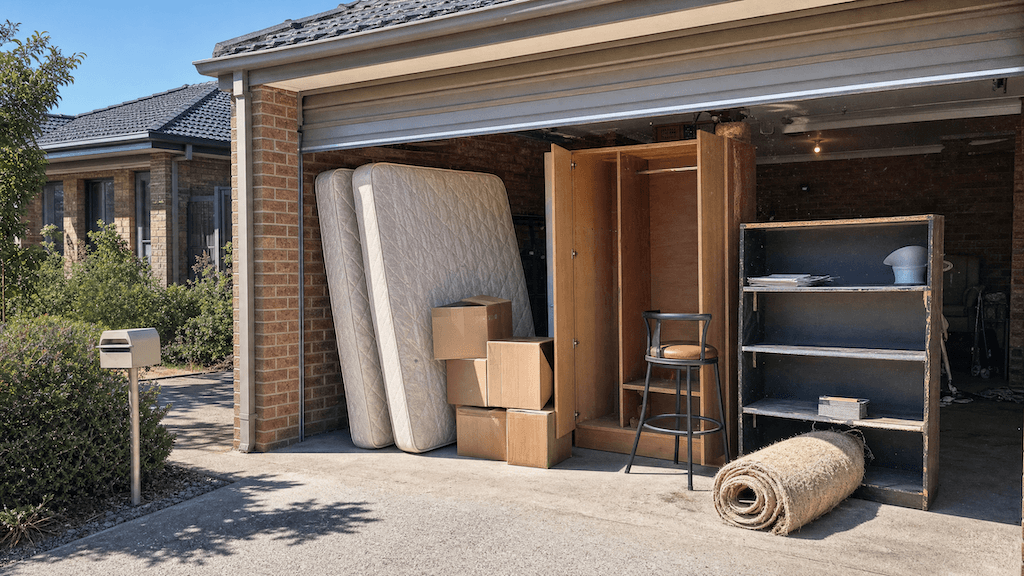
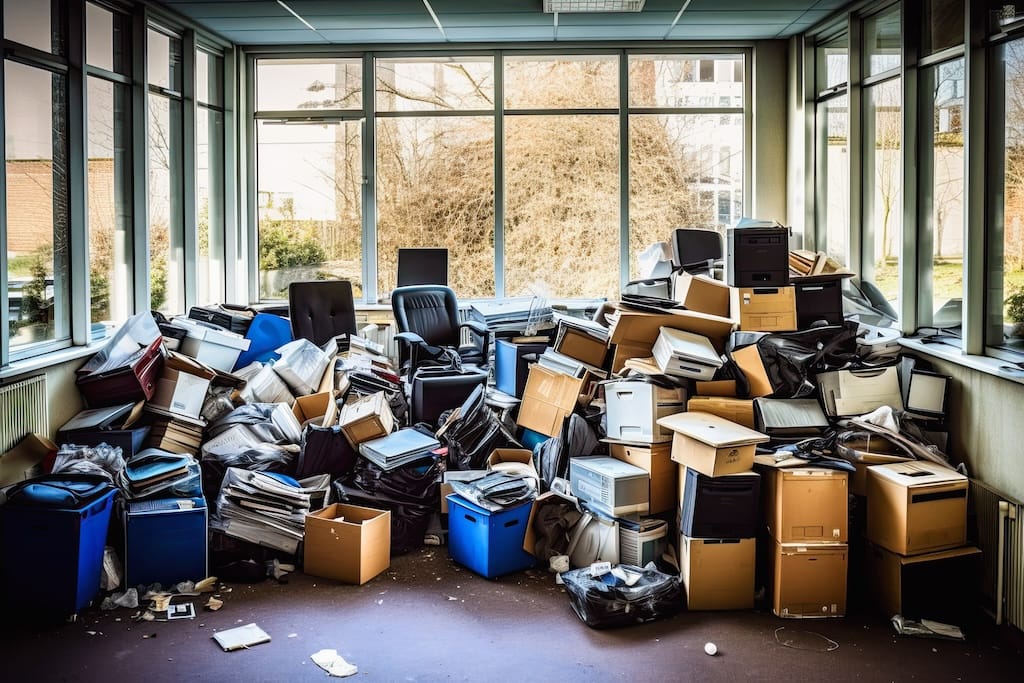
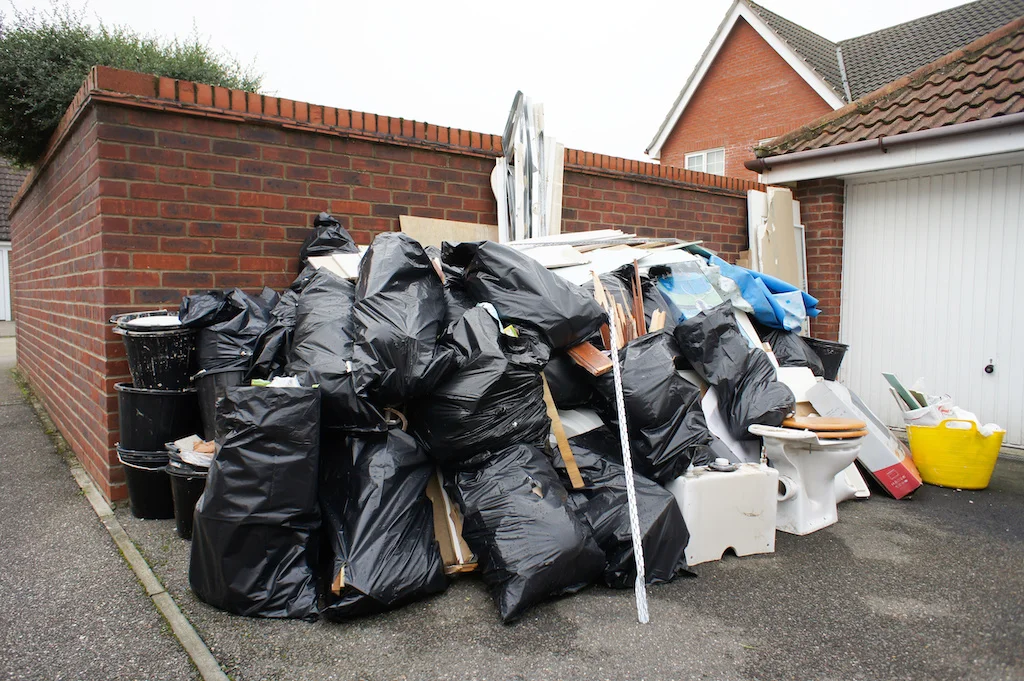
One of the biggest factors in how easily construction waste can be recycled is whether different materials have been kept reasonably separated in the first place. A site that keeps timber, metal, bricks and general rubbish in rough piles makes it easier to identify recyclable materials than one where everything ends up in the same mixed heap.
That said, Cheapest Load of Rubbish also sorts collected waste, so mixed loads can still be handled as part of a construction rubbish removal job.
How Recycled Materials Get a Second Life
It is worth understanding what can happen to recycled construction material, since it makes the effort of separation feel a lot more tangible. Crushed brick and concrete can become road base and other construction materials. Scrap metal can be melted down and reformed into new products. Clean timber may be chipped, reused or processed for other applications.
None of this is waste in the traditional sense. It is simply material moving on to its next use.
A Note on Emerging Materials
Newer building materials, composites and engineered products do not always have an established recycling pathway yet, since the infrastructure to process them can take time to catch up with changing construction methods.
If you are working with unusual or newer materials on a project, it is worth checking directly rather than assuming a standard recycling pathway will automatically apply.
Recycling Rates Vary by Material
It is worth being realistic about the fact that not every material is equally easy to recycle. Metal and concrete have well-established recycling pathways. Timber depends more heavily on whether it is treated or contaminated, while composite and mixed materials can be more difficult to process.
Understanding these differences helps set realistic expectations for a project rather than assuming everything can be recycled equally easily.
What This Means for Project Planning
For builders and renovators planning a project from the ground up, choosing materials with established recycling pathways where practical, and planning for on-site separation from day one, can make responsible waste management much easier.
It will not eliminate landfill waste entirely, but it can help increase the amount of material available for recycling or reuse across the project.
Demolition vs New Build Recycling
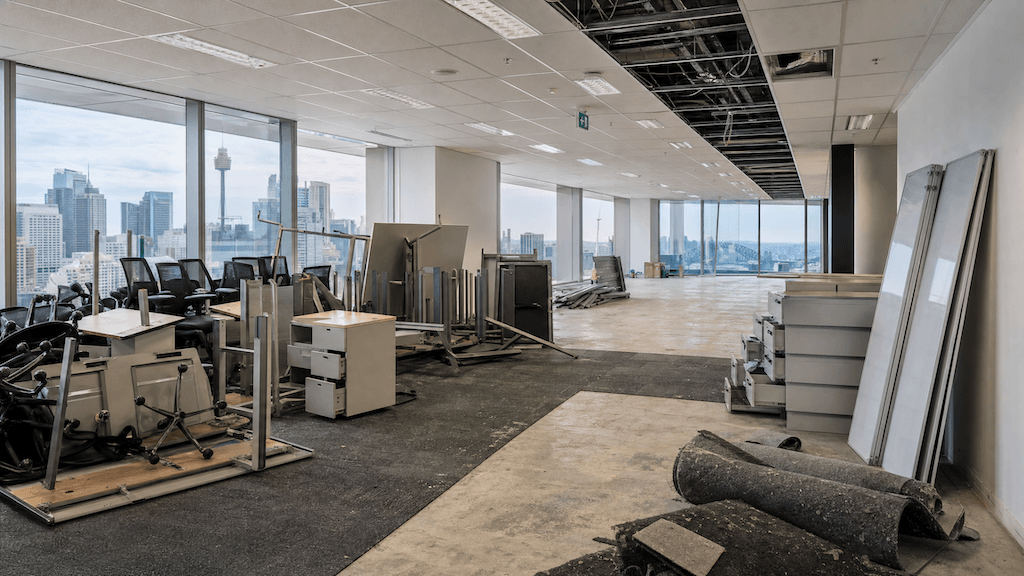
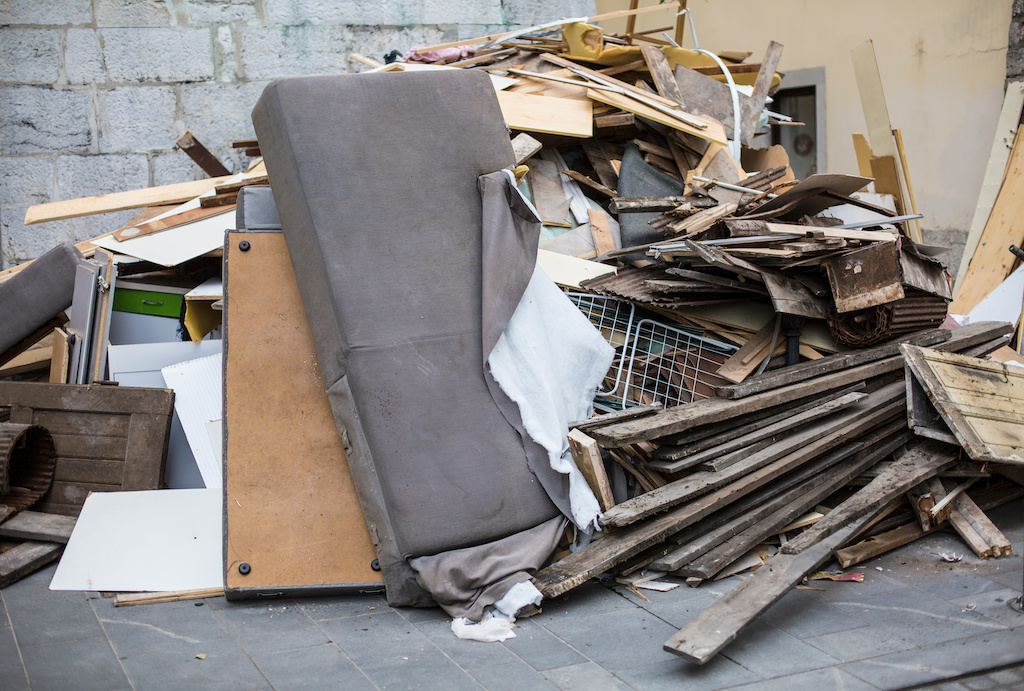
Demolition and new-build projects tend to produce different types of waste. Demolition can generate large volumes of bricks, concrete, timber and metal, while new builds may generate more packaging, offcuts and unused building materials.
In either case, separating major waste types where practical gives recyclable materials a better chance of being identified and recovered.
A Realistic Expectation for Any Project
No construction project is likely to recycle one hundred per cent of its waste, and it is worth being realistic about that rather than expecting a perfect outcome.
The goal is meaningful diversion from landfill, not an unrealistic zero-waste promise. A site that separates its major material streams and works with a provider that sorts collected waste gives recyclable materials the best chance of being recovered.
Asking the Right Questions of Your Waste Provider
If recycling outcomes matter to you or your client, it is worth asking a removal provider directly how materials are sorted and where they end up, rather than assuming every provider handles this the same way.
A provider should be able to give you a clear answer about what happens after the rubbish leaves your site. Cheapest Load of Rubbish explains more about its own process in Where does the waste go?.
A Practical Starting Point for Any Project
If you are only going to prioritise one thing from everything covered here, keeping major waste streams such as timber, metal and masonry roughly separated on-site is a good place to start.
It costs almost nothing to implement, takes no special equipment and can make it easier to identify materials that may be suitable for recycling rather than landfill.
The Bottom Line
Separating construction waste on-site, even loosely, can make a real difference to how easily recyclable materials can be identified. With more than 30 years working across Sydney construction sites, Cheapest Load of Rubbish sorts collected materials with recycling in mind, whether waste arrives separated or mixed.
Get in touch with Cheapest Load of Rubbish to talk through how your next project’s waste can be handled responsibly.
Frequently Asked Questions
Do I need to separate materials on-site myself?
It helps make recyclable materials easier to identify, but it is not required. Mixed loads are also sorted after collection.
Can treated timber be recycled?
It depends on the type of treatment and condition of the timber. Treated timber may need to be handled differently to clean, untreated timber.
What happens to bricks and concrete after removal?
Where suitable recycling pathways are available, bricks and concrete can be crushed and reused as aggregate for construction applications such as road base.
Is there a cost benefit to separating materials?
Separation can make materials easier to identify and sort, but it does not automatically mean the rubbish removal will cost less.
Does contaminated plasterboard have any recycling value?
Contamination can make plasterboard more difficult to recycle than clean material. The available recycling pathway will depend on its condition.
What if I’m working with a newer or unusual building material?
It is worth checking before booking, since recycling and disposal options for newer composite materials may differ from those for timber, metal or concrete.
Does a demolition project recycle better than a new build?
Not necessarily. The two types of projects tend to generate different waste streams. What can ultimately be recycled depends on the materials, their condition and the recycling facilities available.