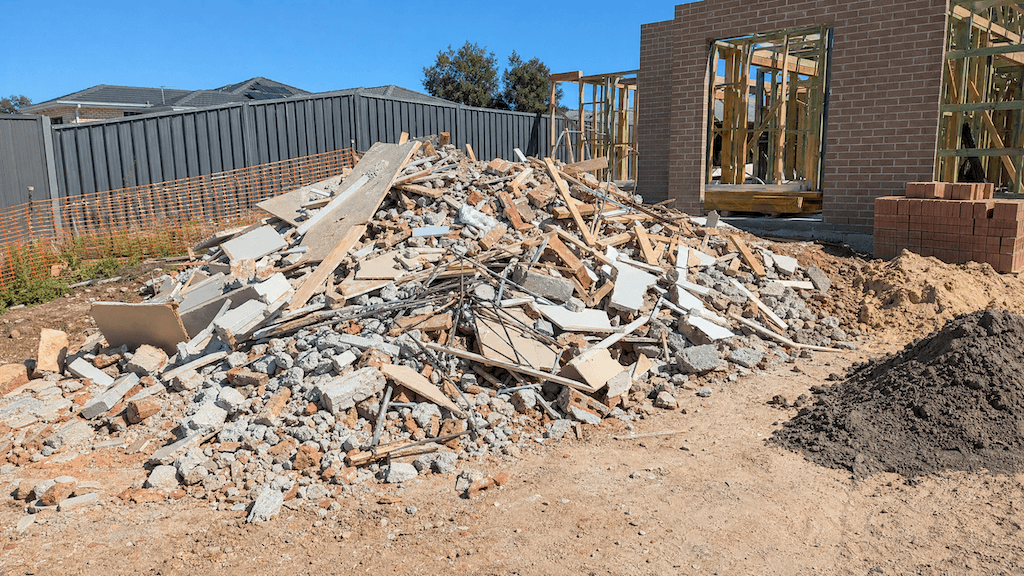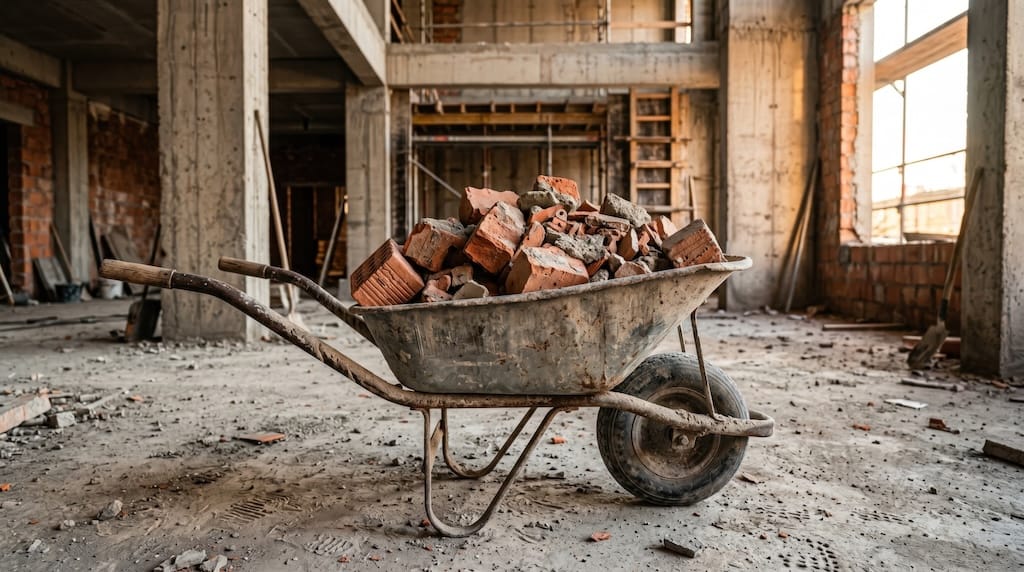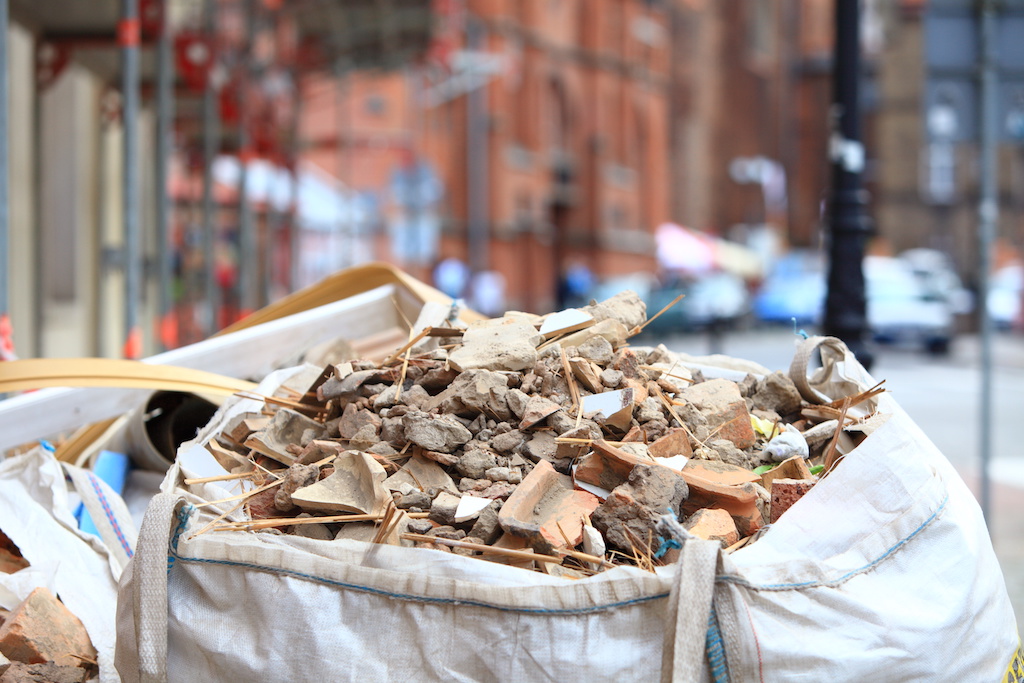
Bricks and rubble show up on almost every demolition or renovation site, and they come with their own set of challenges, mainly weight and the fact that they are not exactly easy to shift by hand in large quantities. Here are your realistic options, and what actually affects how the job gets priced and planned.
Why Brick and Rubble Are Different to Other Waste
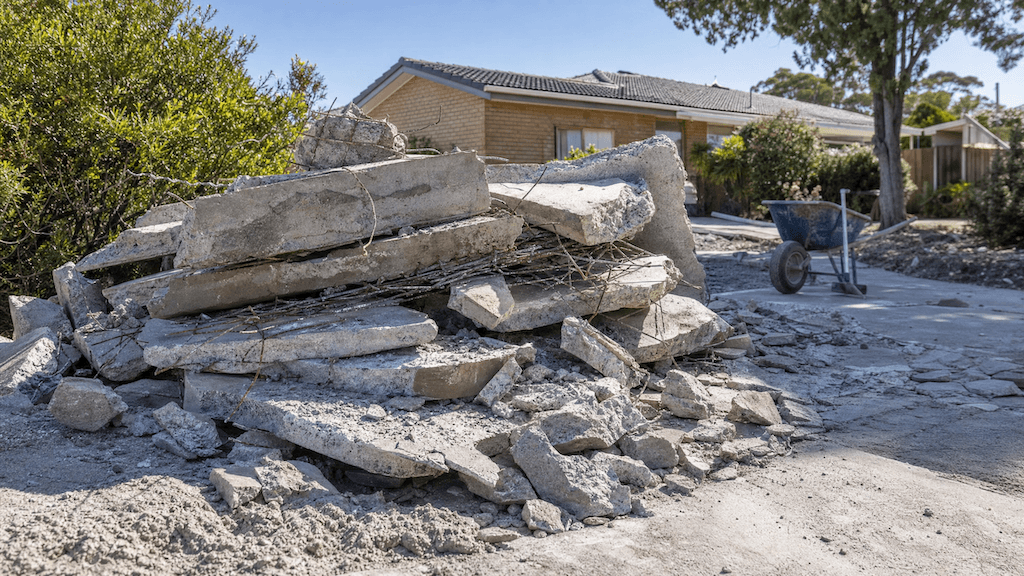
Unlike general household waste, bricks and rubble fall into the category of clean heavy materials. A relatively small, dense pile can weigh far more than a much bigger load of lighter material, which changes how removal needs to be planned from a vehicle capacity and safety perspective.
Cheapest Load of Rubbish considers the type and amount of rubbish, as well as location and access, when calculating rubbish removal pricing.
Access Challenges
Rubble often sits in exactly the spot that is hardest to reach, behind a house, down a side passage or in a backyard with no direct vehicle access. Planning for access before removal day, including confirming the best path from the rubble pile to where a truck can park, helps avoid delays on the day itself.
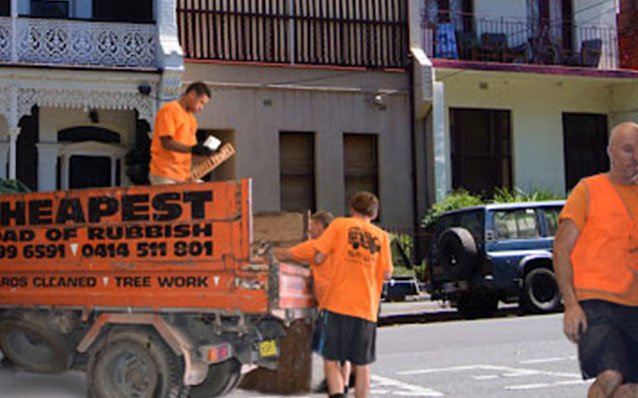
Cheapest Load of Rubbish provides construction rubbish removal for building and demolition waste, including bricks, concrete and other site debris.
Can Bricks and Rubble Be Reused?
Yes, bricks and concrete are among the construction materials that can often be recycled or reused rather than simply sent to landfill. Depending on their condition, they may be processed for reuse in other applications.
Keeping recyclable construction materials out of landfill wherever possible is an important part of responsible waste disposal.
Scheduling Around Trade Timelines
On active renovation or demolition sites, rubble removal often needs to happen at a specific point in the schedule, after demolition but before the next trade needs clear access.
Coordinating removal around these milestones keeps the broader project on track rather than leaving rubble sitting on-site longer than necessary and getting in everyone’s way.
What to Expect on the Day
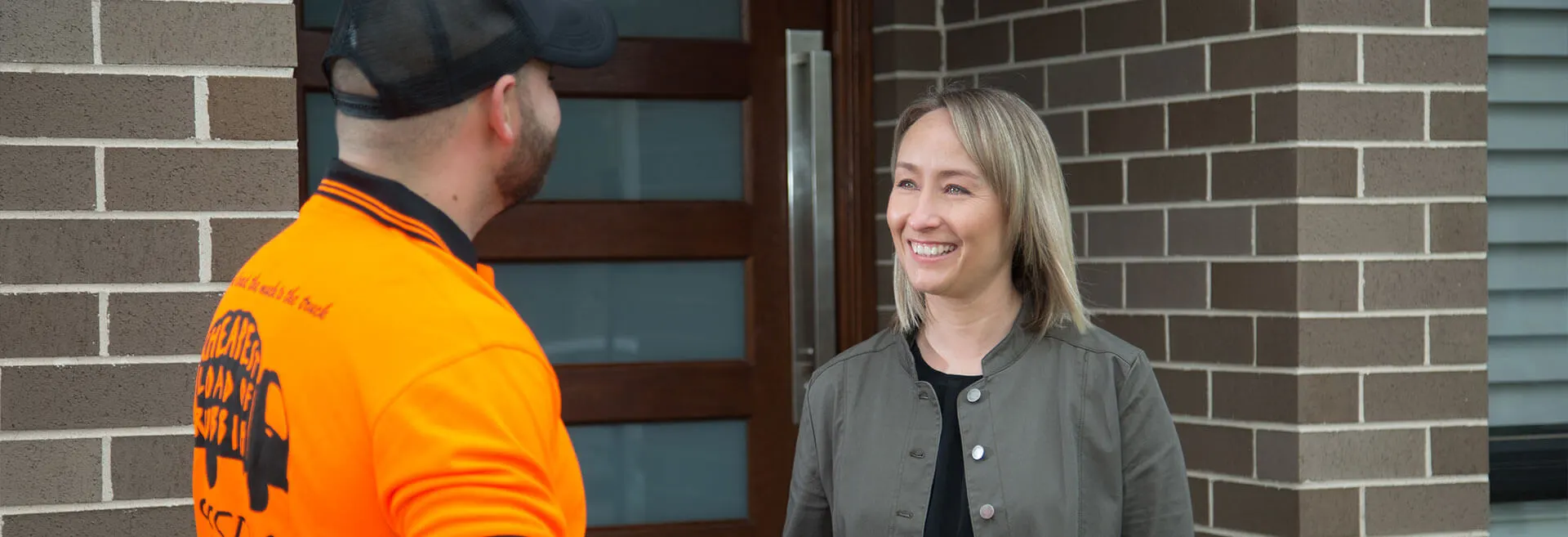
For most rubble jobs, an on-site assessment first confirms the type and amount of waste and the access situation properly, rather than relying on a rough description over the phone.
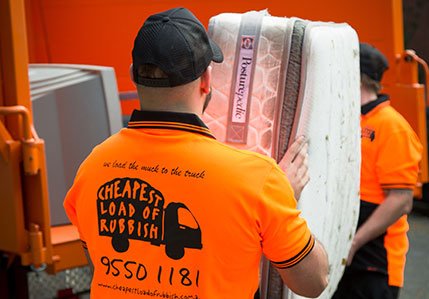
From there, the removal itself is usually straightforward. The team loads the material directly, working around whatever else is happening on-site at the time.
Cheapest Load of Rubbish provides free on-site assessments and quotes before the work begins.
Bricks vs Rubble: Does It Matter?
Whole bricks, broken bricks and general demolition rubble are often lumped together, but they can behave a little differently during removal. Whole bricks may sometimes be suitable for reuse if they are in good condition, while broken bricks and rubble can potentially be processed and recycled rather than simply going to landfill.
Combining Rubble Removal with Other Site Waste
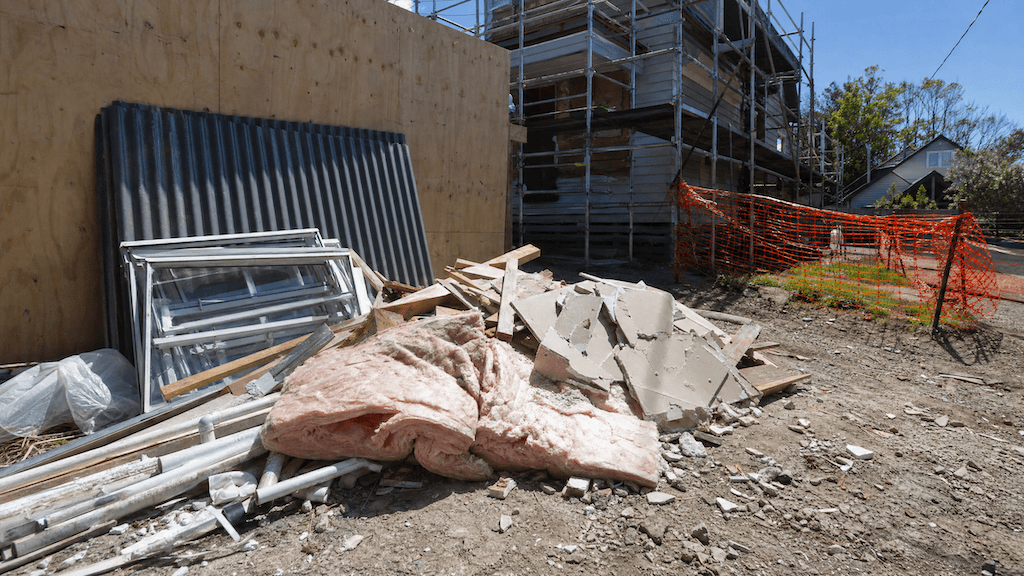
Rubble rarely exists on a site in isolation. It is usually alongside timber offcuts, general waste and sometimes soil from the same demolition or renovation.
Booking rubble removal as part of a broader site clean-up, rather than as a completely separate job, can make it easier to deal with the different types of waste generated across the project.
Rubble from DIY Projects
Not every rubble job comes from a professional building site. Plenty comes from DIY landscaping, a homeowner pulling up an old path or a weekend project that turned into knocking down a garden wall.
These smaller, homeowner-driven jobs are handled in much the same way as trade sites, just usually with a smaller total amount involved. The same access and weight considerations still apply, regardless of who did the demolition.
Cheapest Load of Rubbish also provides renovation and DIY rubbish removal for household projects.
Getting the Timing Right for Multi-Stage Projects
For projects involving several stages of demolition, an old structure coming down before a new one goes up, for example, it can make sense to remove rubble in stages that match the demolition rather than waiting until everything is down.
This keeps the site more workable throughout and avoids one enormous, unwieldy pile building up over the course of the project.
Rubble Removal and Neighbouring Properties
On tighter urban blocks, particularly across the Inner West and Eastern Suburbs, demolition rubble sometimes needs to be staged or stored temporarily in a way that affects shared driveways or neighbouring access.
Flagging this early, both with your removal provider and with any affected neighbours, tends to smooth out what could otherwise become a point of friction partway through a project.
What Happens If Rubble Contains Other Materials
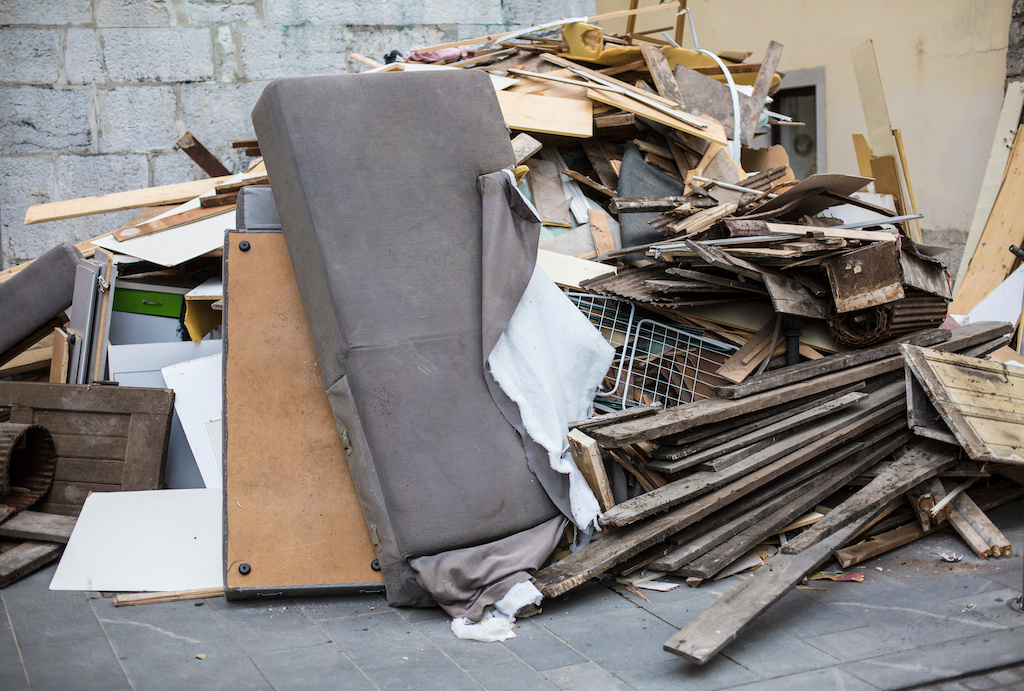
Demolition rubble is not always pure brick and concrete. It often includes fragments of tile, old render or bits of timber and metal mixed in.
This is completely normal. Let the team know what is included in the load when arranging your quote so they can properly assess the type and amount of waste that needs to be removed.
Rubble Removal for Homeowners Doing It for the First Time
If this is the first time you have had to deal with brick or rubble removal, it can feel like a bigger job than it actually is.
In practice, once access and the amount of material are properly assessed, the removal itself tends to be one of the more straightforward parts of a renovation or demolition project. The team can talk you through exactly what to expect before the day.
Wrapping Up a Demolition Project
Once rubble and general demolition debris are cleared, a site is usually ready for the next phase of work to begin, whether that is landscaping, new construction or simply returning the property to a usable state.
Getting this final clearance right, without leftover material lingering in corners of the site, sets the next stage of the project up to start cleanly.
The Bottom Line
Brick and rubble removal is straightforward once the type and amount of waste and access are properly accounted for. With more than 30 years of rubbish removal experience, Cheapest Load of Rubbish can handle general building and demolition waste, including bricks, concrete and other construction debris.
Get in touch with Cheapest Load of Rubbish for a free on-site assessment and quote.
Frequently Asked Questions
Is rubble priced differently to general waste?
The type of rubbish is one of the factors used to calculate your quote. Bricks, concrete and masonry are classified as clean heavy materials, with the amount of rubbish and location and access also taken into account.
Can you access rubble with no direct vehicle access?
Cheapest Load of Rubbish handles hard-access rubbish removal as part of its construction services. Get in touch to discuss the access conditions at your specific site.
Is brick and rubble recycled?
Bricks, concrete and other construction materials can often be recycled or reused rather than sent directly to landfill. The exact disposal pathway will depend on the material and its condition.
Can removal be scheduled around our demolition timeline?
Cheapest Load of Rubbish works on construction and demolition sites across Sydney. Let the team know about your project timing when arranging the job so removal can be planned accordingly.
Do you need to see the site before quoting a rubble job?
An on-site assessment is the best way to accurately assess the type and amount of rubbish and the access involved. Cheapest Load of Rubbish provides free on-site assessments and quotes.
Can whole bricks be salvaged instead of crushed?
Whole bricks may sometimes be suitable for reuse depending on their condition. If you have bricks you specifically want kept aside for reuse, discuss this with the team when arranging the removal.
Is a DIY demolition job handled differently to a trade site?
The same basic considerations apply, including the type and amount of waste, its weight and access to the rubbish. Cheapest Load of Rubbish handles both construction waste and rubbish from residential renovation and DIY projects.