Old computers, monitors, printers and other electronics pile up faster than most businesses realise, and they cannot simply be tossed in with general office waste. Here is what e-waste recycling actually involves, and why getting it right matters for responsible disposal as well as sustainability, not to mention avoiding a storeroom full of dead hardware nobody wants to deal with.
Why E-Waste Needs Special Handling
Electronics contain a mix of materials, some valuable and recyclable, others that need careful handling due to the chemicals and components involved. Simply binning old IT equipment with general rubbish can create environmental problems and means potentially recyclable materials may end up in landfill unnecessarily.
Cheapest Load of Rubbish provides dedicated computers, electronics and e-waste removal across Sydney.
What Counts as E-Waste?
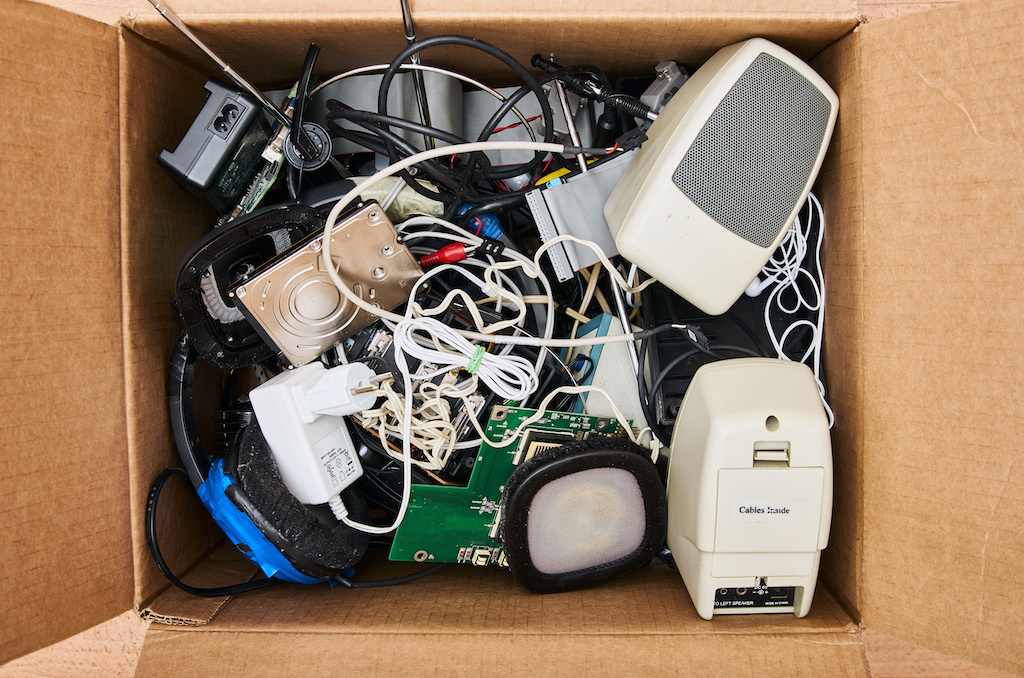
Common e-waste items from Sydney homes and offices include:
- Computers, laptops and monitors
- Servers and networking equipment
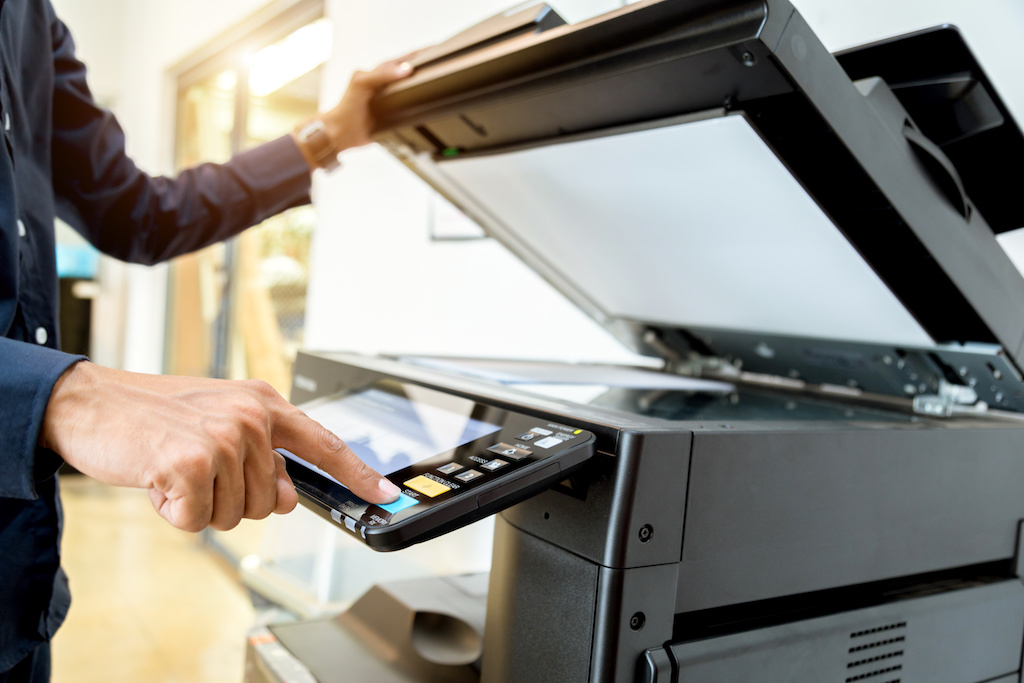
- Printers and scanners
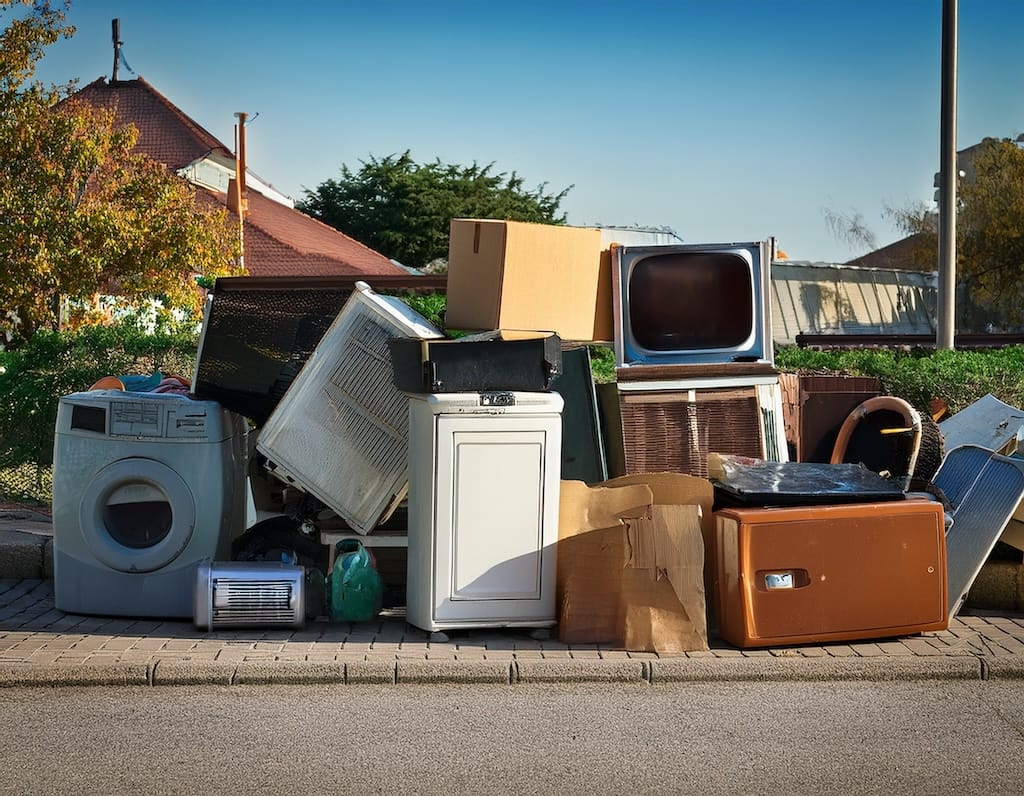
- Televisions
- Small appliances with electronic components
- Cabling and associated hardware
If you are unsure about a particular item, check what Cheapest Load of Rubbish can take before booking.
Data Security Considerations for Businesses
For businesses in particular, data-bearing devices such as computers, servers and hard drives need to be handled with data security in mind, not just environmental disposal.
Before equipment leaves your premises, make sure any sensitive business, client or financial information has been securely removed in line with your organisation’s data security requirements. If your office strip-out or IT refresh involves data-bearing devices, it is worth dealing with this before arranging collection.
What Happens to E-Waste After Collection?
E-waste contains valuable materials and components that can often be recovered and recycled rather than sent straight to landfill.
Cheapest Load of Rubbish aims to recycle as much e-waste as possible and minimise the amount unnecessarily going to landfill. You can also read more about where collected waste goes after it leaves your property.
Planning an E-Waste Clear-Out
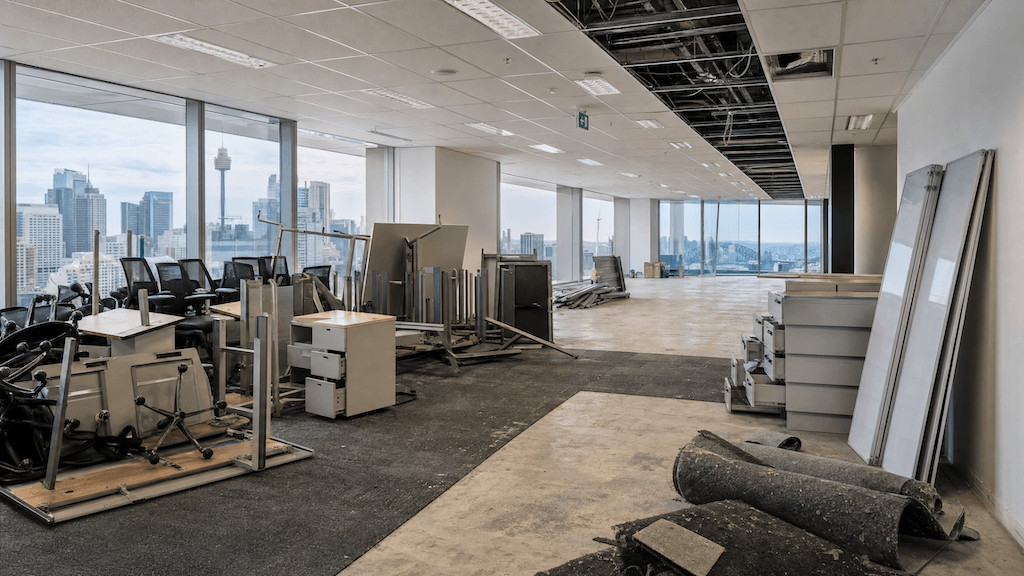
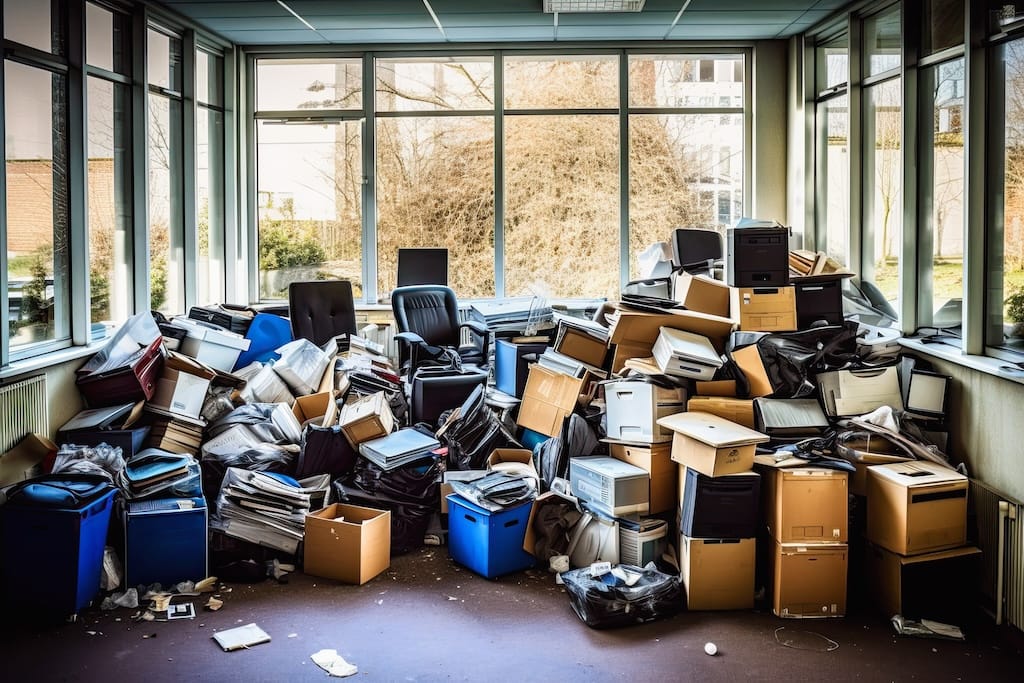
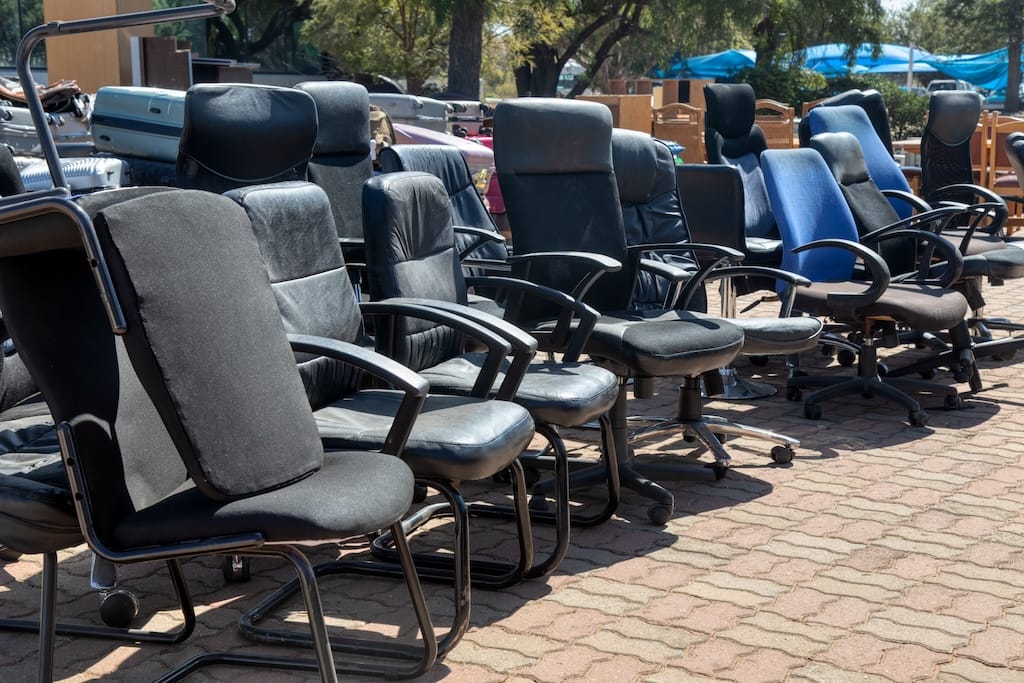
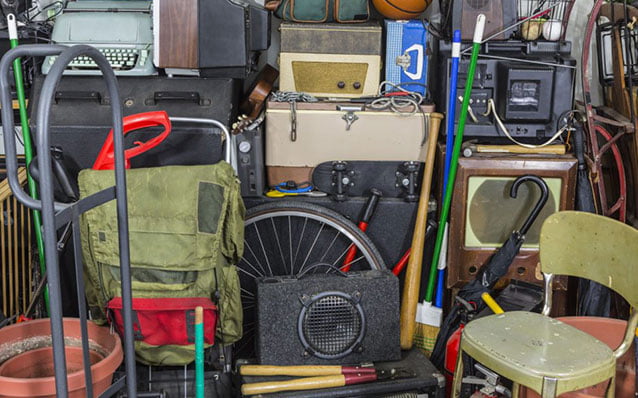
Office IT refreshes and strip-outs are a common source of larger amounts of e-waste. Planning removal alongside these projects, rather than after the fact, keeps equipment from piling up in storage rooms indefinitely, a familiar sight in plenty of Sydney offices where old servers and monitors quietly accumulate in a back corner for years.
For larger workplace clear-outs, e-waste can also form part of a broader office clean-out.
Home E-Waste Is Common Too
It is not just businesses. Households build up old TVs, laptops, phones and small appliances over the years as well.
The same basic principle applies: electronic items should be handled with recycling and responsible disposal in mind rather than simply being treated as ordinary household rubbish.
Cheapest Load of Rubbish accepts computers, electronics and e-waste as part of its broader rubbish removal services.
Why E-Waste Volumes Keep Growing
Technology refresh cycles have become shorter across both homes and businesses, meaning electronics are replaced regularly as devices age, become outdated or no longer meet people’s needs.
The result is a steady stream of unwanted laptops, phones, monitors and other electronic equipment that needs to be managed responsibly rather than left sitting in cupboards or storage rooms.
What to Do Before Booking an E-Waste Collection
A quick stocktake of what needs to go, roughly how many devices there are and whether any contain sensitive data, helps a removal provider understand the job properly.
For larger commercial collections, it is also worth checking whether any equipment falls under warranty return, manufacturer recycling or trade-in programs before it is removed, since that may provide another option for equipment that still has value.
The Environmental Cost of Getting It Wrong
Electronics can contain materials and components that are not suited to ordinary landfill disposal, which is one reason responsible e-waste recycling matters.
Recovering recyclable metals and other materials also reduces the amount of useful material being discarded unnecessarily.
Cheapest Load of Rubbish states that it recycles as much e-waste as possible before any remaining waste is taken for disposal.
E-Waste as Part of a Broader Sustainability Approach
For businesses thinking about sustainability more broadly, proper e-waste handling is one of the more visible and easily explained parts of that effort.
Being able to tell staff, clients or stakeholders that old equipment is being handled with recycling in mind, rather than simply thrown away, is a straightforward sustainability measure that does not require overstating what is happening behind the scenes.
Common E-Waste Mistakes to Avoid
A few habits tend to cause problems down the line: storing old equipment indefinitely instead of dealing with it, mixing e-waste in with general office rubbish where it can be easily missed, and not properly wiping data-bearing devices before they leave the premises.
None of these are difficult to avoid with a bit of planning, but they are worth flagging clearly to whoever manages the clear-out.
A Simple Way to Think About E-Waste
If in doubt about whether something counts as e-waste, a useful rule of thumb is that anything containing electronic components should be treated separately from general rubbish until you know the appropriate disposal option.
If you are unsure, check with the removal team before putting it into a general rubbish pile.
Scaling E-Waste Removal to the Job
Whether it is a single laptop or an entire room of outdated office equipment, e-waste removal can be scaled to suit the job.
There is no need to let old electronics accumulate for years before dealing with them. Regular clean-outs can help keep storage areas clear and prevent unwanted equipment from becoming another job that keeps getting pushed down the list.
E-Waste in Schools and Community Organisations
Schools, community groups and not-for-profits can build up e-waste in much the same way as businesses.
Old computers, monitors, printers and other electronics still need to be sorted appropriately, with data security considered where relevant and recyclable equipment kept out of general waste where possible.
The Bottom Line
E-waste is a growing waste stream, and handling it properly helps recover useful materials and reduce unnecessary landfill.
Whether it is a single office clean-out or an ongoing technology refresh cycle, Cheapest Load of Rubbish can collect computers, electronics and e-waste as part of its broader commercial rubbish removal services.
Get in touch with Cheapest Load of Rubbish to discuss your next IT or e-waste clean-out.
Frequently Asked Questions
Can you remove servers and networking equipment?
Cheapest Load of Rubbish removes a wide range of computers, electronics and e-waste. If you have specialist or particularly large equipment, mention it when arranging your quote.
Do you handle data security for old computers and hard drives?
Cheapest Load of Rubbish provides removal and disposal services rather than data destruction. Businesses should make sure sensitive data is securely removed from computers, servers and hard drives before the equipment leaves the premises.
Is e-waste recycled or sent to landfill?
Cheapest Load of Rubbish aims to recycle as much e-waste as possible, with remaining material disposed of appropriately where it cannot be recycled.
Can e-waste removal be combined with a full office strip-out?
Yes, e-waste can be removed alongside other accepted office rubbish, including furniture and general commercial waste.
Do you take household e-waste like old TVs and laptops?
Cheapest Load of Rubbish accepts computers, electronics and e-waste as part of its rubbish removal services. If you are unsure about a particular item, check with the team before booking.
Should I check for trade-in options before booking removal?
Yes, it can be worth checking whether newer or working equipment is eligible for a trade-in, manufacturer return or warranty program before arranging removal.
Do you work with schools or community organisations?
Cheapest Load of Rubbish provides rubbish removal services for a range of commercial and other properties. Contact the team with the type and amount of e-waste you need removed so they can assess the job.