One call and we take it all
Categories
Rubbish Removal Sydney Rubbish Removal Rubbish Recycling

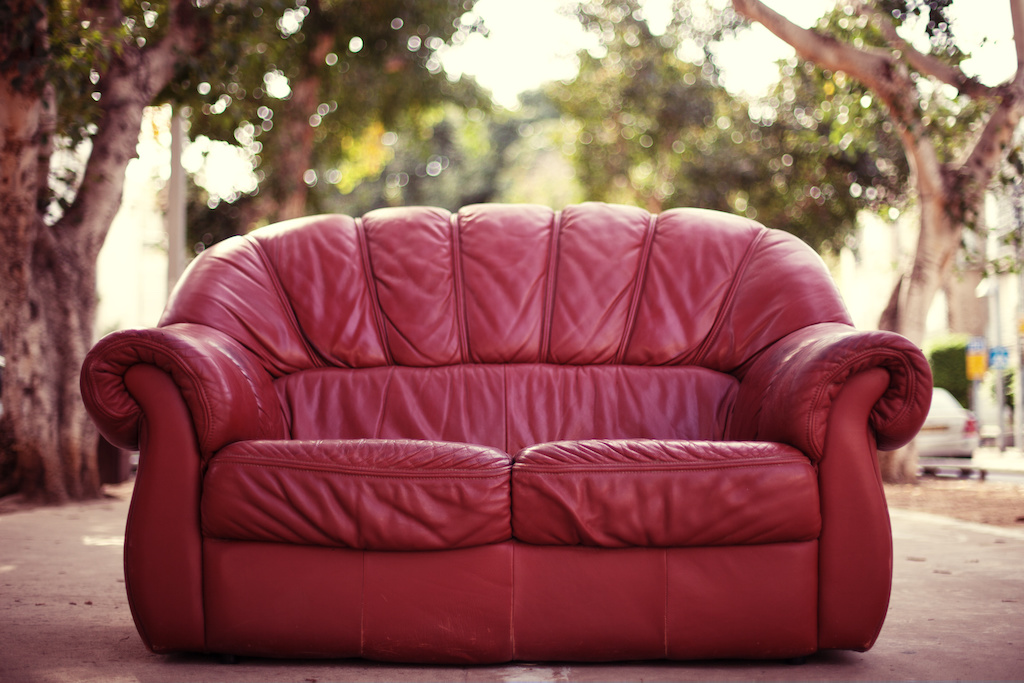
Tips To Help You With Couch Rubbish Removal

Your couch is just as much a part of your home as any other piece of furniture. And even if you know it’s time to move on, it can be difficult to say goodbye. It can be even more of a challenge if you’re not sure how to properly dispose of it. Illegal dumping comes with an on-the-spot $4,500 fine, and if the Environmental Protection Agency witnesses the act, the fine can rise to $7,500. That’s why it’s so important to ensure you dispose of your furniture properly. 

If you choose to enlist a professional, choose a reputable service that will handle it appropriately. Luckily, Cheapest Load of Rubbish are the rubbish removal experts you can trust, whether you need a lounge removed or an entire clear out following a renovation. 

Proper Couch Disposal 

A Trip To the Tip 

A quick trip to the tip with your old lounge is one of your options. If you have a large enough vehicle and an extra set of hands to help, you can load it up yourself, and drive to the nearest tip to dump it. It’s only an easy option if you have a ute or access to one. If you don’t, there’s nothing quick about a trip to the tip, and you’ll need to consider a different avenue. 

Book A Council Pickup 

You can contact your local council and book a collection. It can take a week for the service to occur, and it will mean moving the furniture to the kerb for easy collection. This isn’t always a suitable solution for people living with disabilities, the elderly community, those who live alone, or busy people. When the council collects bulky household items and furniture they are immediately delivered to a transfer station. Any plastic or metal is stripped for recycling, and the remainder is sent to the nearest landfill. If you believe your lounge is still in usable condition, you may want to donate it to an op shop.

 Donation 

You can donate furniture in good condition to your local op shop. Alternatively, you can re-home it through an online free-cycle service. For lounges in great condition, you may be able to list them for sale. There are plenty of online selling options, and you can make pick up part of the sale conditions. It will require effort on your part, which isn’t always ideal when you’re a busy person trying to ditch old furniture before the new lounge arrives. Selling or free-cycling can take weeks, and you might not have that long. 

Book A Professional 

If a trip to the tip, donation or a council pickup isn’t a suitable option, you can always book a professional. When you call the experts you can rest assured knowing the sofa will be disposed of properly and responsibly. If you do choose to hire professionals, you will likely find the process to be far quicker than the alternatives. Many rubbish removal companies, such as Cheapest Load of Rubbish, are proud to provide same-day rubbish removal service (where possible) at affordable prices. 

So, there are plenty of options available to people looking to dispose of their lounge. And the right option for you will all depend on your unique situation. If you are looking for convenience, speed, and professionalism, call a service to handle your furniture. If you don’t mind waiting and you have help, then a re-homing or council collection might suit you. 

How Cheapest Load of Rubbish Can Help 

There are plenty of benefits to using a professional service to handle your rubbish removal in Sydney. Whether you are looking for a Sydney rubbish removal service to clear out an old couch or two or you have heaps of garden waste to dispose of, the professionals will ensure the job is done properly. 

At Cheapest Load of Rubbish, we focus on providing a high level of customer service and recycling as much of our collections as possible. We are happy to remove small lounges, big lounges, old lounges, polyester or leather lounges. Our service is available for residential and commercial properties, whether you want to move old office sofas, your home lounge, clear a deceased estate, or empty an apartment building. Our trucks are equipped to lift more than a lounge if you have other items that need to be removed. We specialise in removals, no matter the size of your load. 

If it can be recycled, it will be. If it can be upcycled, it will be. The landfill is our last resort. We’ve been providing rubbish removal in Sydney for over three decades and are known for our high level of customer service and professionalism. We are familiar with the laws surrounding waste and will ensure every item is disposed of properly. Get in touch with our team to schedule your free, no-obligation quote. Our team member will assess your load and provide you with an on-the-spot quote.
Categories
Rubbish Removal Sydney Rubbish Removal Rubbish Recycling

Common Items Illegally Dumped in Sydney

Illegal dumping is a common and problematic practice throughout many Sydney neighbourhoods. It isn’t just an eyesore for residents; it also leaves someone else with the responsibility of properly disposing of the illegally dumped items. 

What Is Illegal Dumping 

Illegal dumping is when someone disposes of waste in water or land without the correct permission. It’s larger than litter and covers a wide range of items. For example, if there is no council collection for unwanted household items in the area and it’s dumped on a footpath, that’s illegal dumping. Dropping green waste or rubbish at the side of the road or in the bush is illegal dumping. A business that is paid to dispose of commercial waste properly but dumps it without prior approval is illegal dumping. Dumping asbestos waste is also illegal dumping. 

Common Illegally Dumped Items 

Any large item someone dumps without permission is classed as illegal dumping, whether it’s a car park, roadside, an illegal landfill or on private land. There are a variety of reasons why people choose to dump illegally – so they don’t have to wait for the proper collection or so they don’t need to pay a disposal fee. Certain items are dumped illegally more often than others. 

  • Tyres

There are countless landfill sites across Sydney for buying and recycling used tyres. Old tyres are useless to you, but they can be recycled to manufacture playground materials, asphalt, and footwear. Unfortunately, they are one of the most common items illegally dumped. 

  • Household Paints

There is a correct site to take unused household paints – they can be taken to a recycling centre or donated. Lead paint is hazardous, so it requires special disposal as a standard recycling centre will not use it, which is why it’s often dumped illegally. 

  • Mattresses

Mattresses are the most commonly dumped item. As a result, mattress recycling facilities have been opened across Sydney. These centres give new life to old mattresses by recycling them into carpet underlay and animal bedding. 

  • Garden Waste

As harmless as garden waste might seem, it can increase the risk of bushfires and destroy neighbouring animal habitats. It’s often dumped in public areas and in addition to the weeds it can cause, it may introduce disease as well. 

  • Construction Waste

Tiles, plastic, metals, and bricks are often left abandoned on job sites after jobs are complete. These are items that can be used on other job sites rather than illegally dumped. 

  • White Goods

A lot of people find it easier to dump white goods and old appliances rather than booking a free pickup from their local council.


Why Illegal Dumping Is Bad 

Illegal dumping is a risk to human health; it can contaminate the soil, which can harm animals and plants, pollute waterways, fuel bushfires, damage culturally sensitive areas, and smother native vegetation. The New South Wales government has taken great steps to provide people with outlets all over the state to provide people with an appropriate centre to dispose of their old goods. Yet, illegal dumping is still costing the taxpayer millions of dollars in clean up fees every year. It degrades the neighbourhood, upsets locals, and damages land values. 

How to Fight Illegal Dumping 

If there is illegal dumping in your area, you can take steps to fight the problem. You can install a security camera that covers the area most commonly affected. If it doesn’t deter offenders, it can provide you with evidence of the dumping, which will allow the EPA to pursue the offenders. Though you shouldn’t have to spend money to protect your property, a secure fence can help prevent illegal dumping on your property. If your property isn’t directly impacted, you can educate your neighbours about illegal dumping. If everyone in the community rallies together, you may be able to come up with a plan to deter offenders. 

If someone is illegally dumping more than 20kg of rubbish on your property, you can sue them. Offenders who dump smaller amounts of rubbish can be fined $1,000, but those over 20kg can be sent to prison for five years and/or given a fine of up to $250,000. If you want to sue an offender, you need to collect evidence capturing the illegal dumping. You can produce video footage or photographs to support your case. 

How Cheapest Load of Rubbish Can Help 

If you need reliable rubbish removal in Sydney, your local Sydney rubbish removal company Cheapest Load of Rubbish can help. When you use Cheapest Load of Rubbish to handle your rubbish removal, it goes to the correct place. We are focused on the environment and aim to recycle up to 80% of what we uplift, so around 20% ends up in the landfill. If you are the victim of illegal dumping, we can help you clear the mess. Get in touch with us today to schedule an appointment for your free no-obligation quote. We may even be able to collect your rubbish today if you’re happy to move forward. 

Categories
Rubbish Removal Sydney Rubbish Removal Rubbish Recycling

5 Benefits of Recycling Your Rubbish

The New South Wales government has heavily invested in an initiative that encourages everyone to waste less and recycle more. From 2017 to 2021, the initiative was given over $300 million of funding, with the aim to modernise the NSW waste sector. The idea is to encourage communities to recycle more and waste less, prevent illegal dumping, avoid littering, support new programs and regulatory approaches, and ensure waste infrastructure is conveniently located and cost-efficient. 

The initiative was extended to the end of June 2022, when it shifts into the Waste and Sustainable Materials Strategy 2041. The more recycling services we have in the community, the cleaner our environment will be. 

What Is Recycling? 

Recycling is a process whereby materials generally viewed as waste are collected, processed, and turned into new products. It’s a process that benefits your community, and the environment as well. 

There are three different types of recycling. 

Mechanical recycling is the most commonly used method globally. It is suitable to recycle plastics to transform them into new material without needing to alter the chemical structure. It grinds, washes, separates, dries, granulates, and compounds the plastic so it can be used time and time again, whether it’s for the same product or a similar one. 

Energy recycling converts plastic into elastic or thermal energy by leveraging the heat energy created through incineration. It is most commonly used in Japan and Europe. Chemical recycling is complex because it alters the structure. It’s expensive and rarely used outside of laboratories. 

Why Is Recycling So Important? 

We live in a consumer-driven society, but one that is becoming increasingly aware of the need to do better. Recycling saves energy, preserves natural resources, and creates less harm to both the environment and the globe’s animals. The less we are mining or extracting raw materials, thanks to recycling, the better it is for the world. It also reduces the amount of waste sent to landfills, which is crucial to reducing greenhouse gases. 

What You Can Recycle 

The majority of recyclable items will have a symbol denoting they are recyclable, this includes aluminium, cardboard, paper, milk and juice cartons, empty aerosols, and glass. You can also recycle batteries, mobile phones, old appliances, office equipment, soft plastics, clothing, scrap metal, gardening waste, organics, and printer cartridges. The key is to know what should be recycled and where to ensure it ends up in the right place. 

5 Benefits of Recycling

  1.     Natural-Resource Saving

The majority of the raw materials we use to produce goods come from natural resources. We use trees to create timber products and paper. The glass-making process would be impossible without sand. Lithium is necessary for electronics. As an industry, farming clears forests to convert them into pastures for livestock. And the majority of the world’s crops are used to feed that livestock. There needs to be a balance, and recycling is a major part of that. A study from the University of Southern Indiana has highlighted just how many of our natural resources we can save through recycling. A tonne of recycled paper can save 17 trees, over 25,000 litres of water, and almost 1,500 litres of oil.

  1.     Greenhouse Gas Emission Reducing

Trees might be crucial to creating paper and timber products, but they are also a major part of our ecosystem. Trees absorb carbon dioxide and provide oxygen. Dead trees, however, release more emissions when irresponsibly cut. By recycling as much as possible we reduce the emissions we reduce, from paper products to food waste.

  1.     Reduces Incineration Rates

When it comes to waste disposal, there are only three final resting places for the waste to land. Waste can go to the landfill, it can go to a recycling centre, or it can end up at an incineration facility. There are other treatments available, but it depends on the waste and the council’s system. In the past, landfill has been the first choice. Today, however, the landfill should be the last option. It takes hundreds of years for waste to break down at landfills, releasing emissions all the while. Incineration is a better alternative to landfills, but this also creates greenhouse gases. So, recycling ensures that less goes to the landfill and that fewer items are incinerated.

  1.     Protects the Environment

The more forests that humans clear the fewer natural habitats remain for local wildlife. They don’t just lose shelter, it also impacts their food sources. Every year, tree-clearing in NSW causes the death of 5 million animals. For wild animals who rely on trees as habitation, New South Wales is the worst possible place in Australia to live. The koala population in NSW is declining faster than global averages. And in the last four decades, the global wildlife population has declined by 60%.

  1.     Cost-Saving

As important as recycling is for the planet, it’s also important for the price of goods. Recycled goods are more cost-efficient. 

How Cheapest Load of Rubbish Can Help 

If you are looking for rubbish removal in Sydney, Cheapest Load of Rubbish can help. We are your friendly Sydney rubbish removal company. Contact us today and schedule a time for a member of our team to visit your property and provide you with a free, no-obligation quote. 

Categories
Rubbish Removal Sydney Rubbish Removal Rubbish Recycling

Your Guide to White Good Rubbish Removal

These days, rubbish removal in Sydney can be complicated, with all of the different rules and regulations surrounding what you can and cannot dispose of and how it’s done – gone are the days of throwing everything in a black bag and having it all go to a landfill. 

It’s a good thing, too! In the past, there was so much waste from perfectly recyclable products, as it all ended up in landfills. Thanks to the issue of climate change and waste management being impressed upon us by people like David Attenborough, folks are now a lot more conscious about what they throw out and how they manage their household waste in general. 

If you’re confused about white goods when dealing with your rubbish, here is Cheapest Load of Rubbish’s guide to white goods as part of our Sydney rubbish removal projects. 

What Are White Goods? 

“White Goods” is the colloquial term for household appliances in Australia. White goods can consist of anything that’s produced as an appliance in your home. Fridges, stoves, refrigerators, freezers, microwaves, electric kettles, barbecues, microwave ovens, the list goes on. 

These goods, because they are made up of multiple different types of parts during manufacturing, have to be disposed of in a very specific way. Each part is possibly recyclable on its own, but that’s for the professionals to decide when they decommission the item. 

What To Do With Old or Broken White Goods 

Getting rid of old or broken white goods is something that most homeowners do once every year, maybe twice – as the bulky waste collections program comes around. This is usually a homeowner’s opportunity to throw these white good items to the wind and have the City deal with them.

 Toasters can be recycled, as they are mostly made of metal that can be melted down and transformed into something else – unless your toaster has a digital display, then it is likely not a recyclable item as it’s filled with earth metals that are harmful to the planet when melted down. 

Microwaves are your next concern when dealing with household white goods. The same is true of microwaves that have digital displays – but many of the clock parts of the microwave don’t have to be recycled – but other parts of the microwave can and should be recycled. Your local government will have a list of recyclable white goods – if microwaves aren’t specifically listed, they’ll likely need to be taken to a special private facility, or unfortunately tossed in the landfill. 

Next up, there’s your refrigerator. This can be a tricky one, so most homeowners will just toss them into the bulky waste collection. However, many parts of the fridge can also be recycled. 

The trickiest part of recycling the fridge is extracting the freon from the coolant system. Freon is a gas and as such has to be released very carefully in a controlled environment, as it can be toxic. Make sure you take your fridge to a reputable disposal location that can properly dispose of the freon. After that, there’s plenty of metal that can be recycled, and if your fridge has glass bottom drawers, these can also be recycled. 

Your oven is the next big thing on your list of recyclables. Luckily for you, most parts of the oven can also be recycled, with the exception of the digital clock display. Most ovens are made of metals, plastics and glass that can be broken down and turned into something new. 

Why Do I Need to Dispose of White Goods Properly? 

One of the worst things that the human race has done to the planet is to create a society of disposability – we no longer reuse and recycle as our grandparents and parents – at least not in the same way. This has led to throwing away things that would otherwise have been used till they died on you. 

Unfortunately, this has also meant that things that should be disposed of properly haven’t been. Fridges by the roadside, leaking freon into the soils as they rust away. Battery acids, lithium and other earth metals leaching into the soils from an oven or microwave that’s been tossed and left to rot.

Disposing of white goods properly helps us to mitigate and eliminate the presence of these otherwise-recyclable items at the roadside. Helping us keep our neighbourhoods safer and more aesthetically pleasing. 

How Can Cheapest Load of Rubbish Help? 

We are experts in rubbish removal in Sydney. We can help you over the phone by answering your questions about white goods and their removal. We also offer disposal services of these white goods, and are trained in where to take them for proper recycling. We can help you with the selection, transport and disposal of many household white goods – from big to small, it doesn’t matter. 

Our main priority is to serve the people of Sydney and keep our neighbourhoods safe and clean, this means properly disposing of household items that would otherwise pose a danger, were they simply left to rot by the roadside. 

Call the Sydney rubbish removal specialists at Cheapest Load of Rubbish today to find out how we can help you toss out that fridge, microwave, oven or chest freezer responsibly.

Categories
Rubbish Recycling Rubbish Removal Sydney Rubbish Removal

Why You Should Outsource Deceased Estate Rubbish Removal

It’s one of the hardest things to do: go through the effects of a deceased loved one. It’s something you shouldn’t do alone, and it takes a lot of courage and strength to get through it. Most of the time, you just want to be done with it – take the personal items that mean something and leave the rest. At Cheapest Load of Rubbish, we understand the gravity of that, and we can understand how challenging a task it is. 

We hope that this entry will provide you with some answers to questions and that we can provide you with a sensitive, professional service of rubbish removal in Sydney.

What is a Deceased Estate? 

Deceased Estates are the legal definition of the personal effects of a deceased person. This literally means everything that the person owns. These assets can be large items, like a home, or a car, or small items, such as clothing and trinkets. Everything that the deceased person owned is now deemed to be part of their “estate”. 

The Estate also contains the person’s Will. This Will determines how the rest of their estate will be administered and distributed. For example, property of a deceased person is often left to a significant other – spouse, or relative. The instructions for this will be contained within the Will and parts of the sale of the property may also be distributed to “beneficiaries”, according to the Will of the deceased.

Most Common Items Found at a Deceased Estate 

A deceased estate most commonly refers to property owned by a deceased person. The trustee of the Will of the deceased will now have to undertake the painstaking task of going through the property(ies) owned by the deceased and cleaning them out, either to be sold, or to be passed along to whomever, as per the wishes of the Will of the deceased. This means cars, furniture, clothing, equipment, household items, etc.

Why You Should Outsource Your Deceased Estate Clean-up 

At Cheapest Load of Rubbish, we are sensitive to your loved ones’ passing. We understand how difficult this time can be and we offer a necessary service to you during this time. While this time may be difficult, allowing us to handle the clean-up of a deceased estate also provides you with an opportunity to grieve, rather than having to immediately spring into action and get this done yourself. 

Caring Consultation and Decisive Action 

We will consult with you every step of the way, however, if you give us a general idea of what is rubbish upon our initial consultation, you can trust us to take it from there. Before we enter into the picture of any deceased estate clean-up, we advise that our clients get the important and sentimental items out of the property – that way, we and the client can feel comfortable about letting us handle the clean-up part.

We Save You Time 

Taking a hands-off approach to Sydney rubbish removal allows us to do our jobs faster. If you’ve got all of the personal and sentimental effects out of the property, our job then is simple – properly dispose of anything that’s left. We know how to handle your deceased estate rubbish removal with the reverence it deserves, while also getting the job done quickly. Letting you take control in the initial clean-up phase prevents any accidental throwaways of important items.

Quicker Separation Between What’s Going and Staying 

We’ll be able to sort through what’s being thrown out and what’s being kept much faster than you will. It can be easy in moments of grief just to want to keep everything and anything that reminds you of your loved ones. While we understand this impulse, ultimately, it will leave you hanging onto a bunch of stuff that you’ll barely look at and will simply take up space in your own home and/or garage. Letting us help you make these decisions will ultimately help you get the job done faster, so you can get on with the healing process.

You Can Sell The Property Faster 

With Cheapest Load of Rubbish on clean-up duty, because we work quickly, we’ll allow you to sell the property much faster, or have it ready to be handed down to the next in line to take ownership. We make sure that all the rubbish is out of the property and that it’s ready to be cleaned for the new owners.

Call Cheapest Load of Rubbish Today

No matter how many pieces of old furniture there are to lug out, we’ll get it done. Massive display cabinets for fine China? No problem! Huge sectionals or heavy reclining chairs? We’ve got those too. Grandpa’s old piano that’s been collecting basement dust for a decade. We’ll make sure that it sees the sunlight. We’ll bag up the garbage, take out the old furniture and ensure that everything that’s left is treated with the respect it deserves. 

Cheapest Load of Rubbish has been providing rubbish removal in Sydney for years. Allow us to help you in your time of grief and take one more thing off your plate.

Categories
Rubbish Removal Sydney Rubbish Removal Rubbish Recycling

Garden Waste Explained – What You Can & Can’t Throw Out

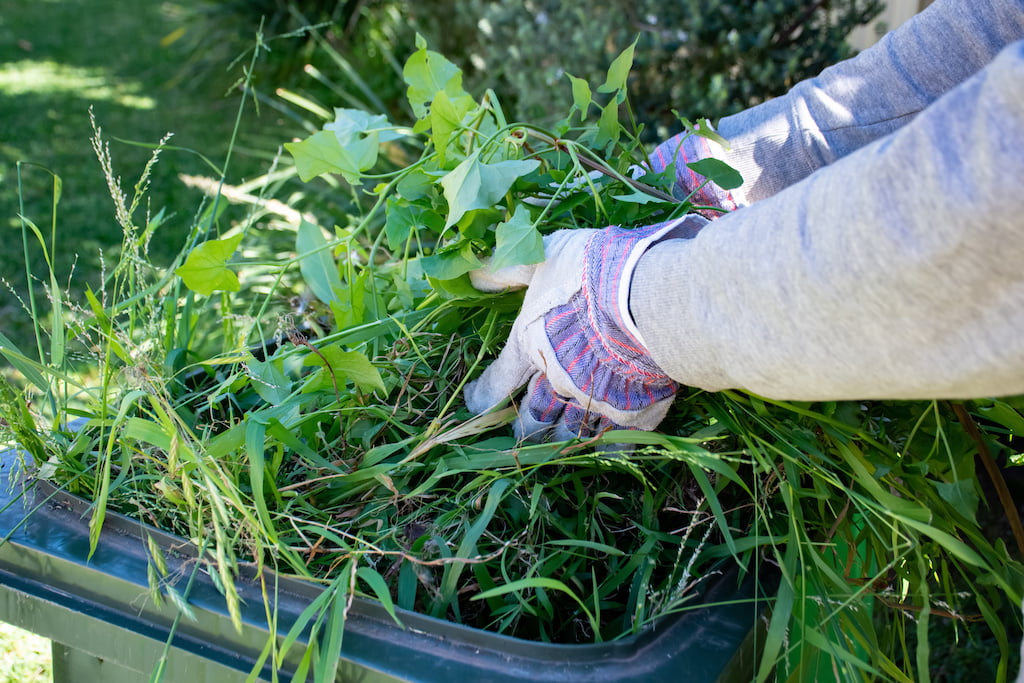
Your garden waste is one of those tricky items to figure out when trying to navigate rubbish removal in Sydney. Whether you’re looking to start a compost pile, or simply trying to be a good citizen by making sure that you dispose of household waste in the proper way, the world of garden waste can seem confusing – surely it can all go in the green bins?

Well, you’d think so! But you’d be wrong about that. Here is our guide to garden waste: the do’s, the don’ts and the definitely not. 

What is Garden Waste? 

Garden waste is the by-product of gardening. It means anything that’s naturally present in the soil before you start gardening, this usually means leaves, bark, branches, flowers, twigs, weeds, grass cuttings and more. Garden waste is usually transformable into compost. 

Compost bins are fairly easy to build – just make a small box out of wood and voila, a compost bin! Alternatively, you could buy one to keep outside and just toss most of your food and garden waste into that. Over time, this will break down into usable soil for your garden next year! 

Alternatively, if you don’t have a garden, or don’t want to start one – it can be a lot of work initially – then the City will help you dispose of your garden waste. You’re given a green bin to use for compostable items, simply throw your garden waste into this and have the City take care of it. Sydney rubbish removal services will help you out and take away your garden waste. 

What You Can and Cannot Dispose of in Your Home Bin 

Garden waste can be quantified as almost any compostable item, used in the home or the garden. However, there are a few key things that you may throw in your compostable bin, that you should not put in there! 

        “Biodegradable” plastics do not break down quickly enough to be included in any compost pile. These belong in the plastics garbage, where they can be disposed of properly.

        Clay – clay is another deceptive blighter when it comes to garden waste – because yes, clay is recyclable, but it certainly doesn’t belong in a compost pile. If you have a broken pot or other pottery item, take it to your local potter – they may be able to repair the item, or at least reuse the clay.

        Do not place any grass cuttings in your compost bin that have come into contact with herbicides. As the grass breaks down, the herbicides will leach into the compost pile, contaminating the entire thing – rendering it completely useless. If you’re using herbicide for some reason on your lawn, make sure you throw the clippings out with the household waste.

        Do not throw catering or animal faeces into your garden waste. While the odd banana peel won’t hurt, or generally any type of fruit or vegetable. Other catering waste like pastry leftovers are not generally considered compostable items, so should go into your green waste that you throw out with the city’s collection program.

        Do not throw plastic or stones into the compost pile or the green waste bag. If you’re not doing the composting yourself, you want to give the City the best quality product possible – plastics and stones simply do not break down fast enough to be of any use in a compost pile. Plastics go in the plastics bin and stones can be taken elsewhere like a quarry. 

How Can Cheapest Load of Rubbish Help You? 

A Sydney rubbish removal service like Cheapest Load of Rubbish can help you sort through your green waste effectively and efficiently. We’ll come to you and help you clean up your yard as often as you need, and quickly sort through and dispose of your green waste. 

No matter what time of year it is, if you have green waste that you’re unsure of how to dispose of, we have the knowledge and expertise to help. Tree branches from your latest round of being Chainsaw Charlie? We can help you dispose of them. We can also help you rake up your fallen leaves in autumn, which make great compost themselves. 

Cheapest Load of Rubbish specialises in waste removal of all sorts from your property. We’ll bring our rubbish removal experts to you and help you figure out what goes where. If you need help with your Sydney rubbish removal, don’t hesitate to reach out to us today. One man’s trash is another man’s treasure, as they say.

Categories
Rubbish Removal Sydney Rubbish Removal Rubbish Recycling

Council Clean Up vs Professional Rubbish Removal in Sydney

Whether you’re cleaning out your workshop or throwing away the kid’s old toys, if you have rubbish lying around your home and yard it’s not only unsightly, it can also be a health or safety hazard. Ensuring your property is free from trash is crucial and if it won’t fit in your general weekly rubbish collection, what are the options? 

Thankfully, for residents of Sydney, you have a few options. You can take it to the tip or recycle centre yourself, or if you’re stuck for transport and time, you can wait for council clean up or hire a residential rubbish removal service. So, which is the better option? Let’s take a look.

What is Council clean up?

City councils across Australia provide a clean up service, also called a kerbside clean up, where people can drop their unwanted goods beside the road and council trucks will come by and pick these up, taking them to the local tip or recycle centre. 

For example, the City of Sydney council actually provides an easy council clean up service – with pickups offered every Wednesday provided you’re within the local government area. This service needs to be booked ahead of time.

What does Council clean up take, and not take?

For these pick up services, it’s best to check with your local council about what you can and can’t put out for them to take. Some councils provide a particular day of the year where they’ll pick up large green waste, another day where they pick up furniture, and then another where they pick up unwanted clothes, and so on. Others will take anything, at any time, provided you have a booking. 

Essentially, council may not take the following: 

  • Small items. If your rubbish can fit in a shopping bag, get rid of it yourself. Either put it in your trash can, take it for a drive to your recycle centre or donate it.
  • Chemicals and hazardous items, including paint.
  • Commercial waste – if you have a business, you need to make other arrangements as council clean up is generally only for residents.
  • Some councils will also not take trash that is the result of a home renovation.

What is professional rubbish removal?

Professional rubbish removal is using the services of a company that specialises in waste removal in your local area. Generally, a rubbish removal company like Cheapest Load of Rubbish have a team of people and fleet of trucks that will go to your place of residence or business to take away large amounts of rubbish that you wouldn’t be able to dispose of otherwise. It can include old furniture you want to throw away, green waste following a big backyard clean-up, along with general trash that just won’t fit into your bin. 

These services are designed to be efficient, with same day rubbish removal a common offering, and because the people removing the rubbish know what they are doing, you can rest assured your trash will be taken care of in a safe manner.

What does a service like Cheapest Load of Rubbish take?

A professional rubbish removal company can take most things, provided they aren’t hazardous. For example:

  • Old furniture
  • Electronics, such as computers and old mobile phones.
  • Fridges and washing machines, stoves and microwaves
  • Mattresses
  • Air conditioners
  • Tyres
  • Construction site waste
  • Rubbish from renovations
  • Cardboard boxes
  • Green waste
  • Old toys or equipment
  • Scrap metal 

They won’t take: 

 If you do have any hazardous products you need removed, you can always ask your rubbish removalist – at Cheapest Load of Rubbish, for example, we have options for safe removal!

Benefits of using rubbish removal and how can Cheapest Load of Rubbish help you today

There are many reasons to use rubbish removal in Sydney, rather than waiting for the next local pick up. For starters, it means you can have your yard or home back with extra space, right away. Many rubbish removal companies, like Cheapest Load of Rubbish, offer a same day pick up service where possible. It also saves you time and energy – you don’t have to drive yourself to the nearest landfill or recycle centre. 

A professional Sydney rubbish removal company will make sure all your items go to the right place, rather than just ending up in landfill. They’ll sort through it and donate what they can, then send anything else to the local recycling centre. If anything is left, it may then go to landfill, but only if it can’t be donated or recycled. And better still, there won’t be any mess left behind as we even clean up after ourselves before we leave. 

With Cheapest Load of Rubbish, you can be sure that your waste is removed safely and disposed of properly, which will save you both time and money in the long run. We’ve been operating across Sydney for many years and have many loyal customers who’ll attest to our quality. Get in touch with Cheapest Load of Rubbish today if you have any questions or want to make a booking.

Categories
Rubbish Removal Sydney Rubbish Removal Rubbish Recycling

Reducing E-Waste In A Tech-Savvy World

Technology advances so quickly – it seems like every time a new mobile phone arrives in the mail, another one is released. And over the past 20 years, we’ve all fallen into the tech-trap. We want the newest gadget! Today, there are over 15 billion mobile phones in the world. And considering there are only 7.753 billion people in the world (and 26% of those are under the age of 16 years), that’s a lot of excess.

When we’re done with our phone, we usually just throw it away. But by doing this, we’re contributing to one of the worst forms of waste the environment has seen – electronic waste, or e-waste. Currently, e-waste accounts for around 53.6 million metric tons of waste globally.

The problem is that this waste is detrimental to the environment if it is not properly disposed of and processed. Here’s what you need to know about reducing and properly disposing of your e-waste.

What Is E-waste?

Originally called Digital Rubbish, e-waste is the term given to discarded electronic or electrical products and equipment including smartphones, computers, televisions, laptops, microwaves, stereos, refrigerators, cameras, photocopiers, VCRs, and lamps. As well as fax machines, game consoles, vacuum cleaners, music players, hairdryers, washing machines, alarm clocks, lawnmowers, and electric toothbrushes. Basically anything with a circuit board or a power plug that’s been thrown out. That’s e-waste.

While the disposal of broken, faulty, or unwanted electronic products isn’t a new challenge, as it’s been a consideration for the last 50 years. But the problem has become much larger since then, thanks to the sheer number of electronics discarded today. In fact, there were over 50 million metric tonnes of electronic waste worldwide in 2019. That’s roughly the equivalent of 18,000 smartphones a minute.

With rapid technological advances, shorter life spans, and higher consumption rates, plenty of our e-waste still actually works fine. Just like when VCR players were replaced seemingly overnight by DVD players, which soon after were replaced again by Blu-Ray’s, much of our e-waste is only considered obsolete. And as the volume continues increasing exponentially year after year, improperly disposed e-waste is also becoming more hazardous.

What Happens To E-waste Once Thrown Out?

While modern electronic consumer products are generally pretty safe for us to be around, we rarely have access to the electronic circuitry which makes these devices function. Inside their plastic outer casing, most electronics have some form of toxic materials and chemicals such as cadmium, mercury, nickel, barium, chromium, arsenic, copper, beryllium, zinc, silver, gold, and lead.

The hazardous components found inside e-waste are generally safe when kept above ground, but not when they get buried. That’s because these toxic materials can very easily dissolve into microscopic traces which creates a very serious environmental threat to our soil, water, and air. Because the more e-waste that ends up in the same landfill, the more toxic trace chemicals pool together until they eventually permeate into the groundwater.

And it’s this kind of improper and immoral disposal that can end up causing adverse damages to our environment, our wildlife, and yes even to us humans. Unfortunately for us, landfill is currently where most e-waste is likely to end up. And whatever doesn’t get buried or recycled is ultimately exported to developing third world countries, where labourers disassemble this e-waste by hand in unregulated and unsafe conditions.

Can You Recycle E-waste?

Most e-waste contains various amounts of recyclable materials, such as plastic, glass, and precious non-renewable metals like nickel, platinum, silver, and gold. Recycling e-waste is a much better and cheaper solution that decreases the demand for digging underground surface mines and damaging our environment. So not only does recycling prevent e-waste from being buried in landfill, but it also helps recover these important non-renewable natural resources so they can be reused in the manufacturing of new electronics.

The other good thing about properly recycling your electrical products is they can also help you protect your privacy. Because using standard deletion methods isn’t enough to keep your personal information safe. When your e-waste is collected by a service for rubbish removal Sydney like Cheapest Load Of Rubbish, you have peace of mind knowing that we’ve taken it to a recycling facility to be dismantled and turned into its base elements. And your passwords and bank details can’t survive that!

How Can You Reduce E-waste?

There are a number of ways you can actively reduce your e-waste. For starters, you should always ensure your electronics are well-maintained to increase their lifespan. For products with a battery like a laptop, you should never overcharge your battery by unplugging it before it is 100% charged. Buy a screen protector and case for your smartphone in case you accidentally drop it. By looking after your electronics, not only are you increasing their total lifespan which helps keep them out of landfills, but you’re also saving money by not having to purchase new electronic devices all the time.

If you really need that latest gadget, sell your old one first. This gives your electronic device a second life which reduces electronic waste as well as carbon emissions. Because every reused electronic device literally displaces the requirement for manufacturing a new one, which reduces surface mining and saves natural resources. Another option is donating to someone in need. Not everyone can afford the latest in tech, so not only does donating your old electronics give it a second life but giving someone who wouldn’t usually be able to access it will also make you feel pretty good about yourself. It’s a win-win-win situation! Everyone is happy!

We all should be embracing a much more circular and sustainable use of electronic products, from the initial purchase to best use methods, all the way until it is reused, repaired, and ultimately recycled. And if you really want to reduce your e-waste, the most effective method is by not buying electronic products in the first place just because it’s the latest technology. So always think twice before making a decision to upgrade to a new electronic device if your existing model works fine.

How Can Cheapest Load of Rubbish Help With E-waste Removal?

Because e-waste often contains hazardous and toxic materials, it must be recycled or disposed of in a responsible and regulated manner. That’s where Cheapest Load Of Rubbish comes in. As the premier company for rubbish removal Sydney, we will ensure your unused electronics are recycled safely and correctly. We have been removing and recycling old electronic products since before it was called e-waste!

As with everything, we always encourage people to reduce, reuse, and repair wherever possible before recycling. Because we all need to work together to save our environment. So instead of letting your electronic gadgets become buried in a landfill or in the back of your garage, contact Cheapest Load of Rubbish for rubbish removal and e-waste recycling today.

Categories
Rubbish Removal Sydney Rubbish Removal Rubbish Recycling

Recycling and Waste Reduction Tips For Schools

Australia is a major producer of waste. Three of the biggest reasons are households, the industrial sector, and schools. Around 30% of the waste coming from schools is food waste, but there is a lot more to school waste than that. Here’s what you need to know about school waste, and what you can do to ensure your school is leading the best examples for recycling and waste reduction.

Type of Waste Found In Schools 

Before you can reduce waste at schools, you need to know the major types of waste found in schools. 

  • Food waste
  • Gardening waste
  • Plastic bottles
  • Plastics, glass, aluminium
  • Paper waste (paper, notebooks, books, etc.)
  • Furniture (desks, chairs, etc.)
  • Office equipment (computers, printers, copiers, etc.)
  • Old sporting equipment

How To Manage Waste in Schools 

If you want to set about reducing the amount of waste in schools, the first step is to carry out waste audits. You need to know where the biggest waste issues are so you can build a plan to tackle those issues on an individual level. 

Administrators should take action to encourage students to reduce the waste in their schools. Waste management in schools can take a variety of shapes. 

  • Engage the teaching staff in environmental impact projects. 
  • Make waste management a learning opportunity and encourage teachers to provide lessons on reducing waste your students will carry away with them. 
  • A composting program is an excellent way to teach students about the circle of life. It can contribute to the school garden, encouraging your students to use school waste to grow vegetables, herbs, fruits, and flowers. 
  • Colour-coded bins should be easy for students and staff to access. If a certain type of waste is going to be produced in a particular area, have the right bin in place for everyone to use it. For example, paper recycling bins should be in computer rooms, classrooms, and offices. Organic bins and recycling bins should be in the kitchen and tearoom areas. Provide signage that clearly defines what should be in each bin to ensure the right items end up in the correct bins. 
  • Young people tend to be more proactive about the environment than older generations. They are more than likely reusing and recycling at home already. So, it won’t be too difficult to get them on board with dealing with waste in schools. You just need to provide them with the right resources to do the right thing. 
  • You may want to consider instituting, or at least working toward, a carry-in, carry out policy. It encourages students to pack lunches in lunchboxes with reusable bottles and packaging because whatever they bring into the school must go home with them at the end of each day. To ease your students in, start by having one carry-in, carry out day a week. You can then add another day until you win everyone around and make it policy. When you get to that point you can remove bins from the property.

How To Reduce Waste in Schools 

While schools produce a lot of waste, there are plenty of ways for schools to reduce their waste or set about recycling waste.

  • Reusing & Recycling

If it can be repaired safely, then you should have it repaired. If it cannot be repaired, ensure it is recycled appropriately. Look into sending equipment to a refurbishment company. Or one that will repurpose the items. 

It will save money and energy. Encourage students to refill, reuse, repair, or refurbish before they cast it off. The administrators should role model the correct way to do it so that it’s only natural for students to replicate it.

  • Modern Equipment

If your school has a canteen or tuck shop, you should use stainless-steel compactors to deal with waste.

  • Compost

Compost is a clever way to deal with food waste that can later serve the school garden. To set up an effective program, ensure there are compost bins wherever students and teachers snack and lunch. What can go in your compost heap? Food waste, garden waste, coffee grounds, tea grounds, vegetable and fruit peels, and shredded paper waste. You can use the compost in the school garden to control weeds, control pests, and retain moisture.

  • Donate

If there is equipment that is no longer of use to your school, look into charity groups or local organisations that can make use of it.

  • Back To School

At the start of every school year, adults rush to the shops to stock up on all manner of supplies to ensure their student has everything they need to get back to school. Liaise with parents and guardians to ensure the return is as environmentally friendly as possible. Encourage them to purchase refillable pens and pencils, reusable bottles and lunchboxes. 

Likewise, there are always items schools purchase that go unused. If you have these items on hand, either utilise them in the new school year instead of ordering them again. Or look into donating them to community organisations instead.

  • Waste Team

Create a waste management team of students and teachers. You can rotate the members monthly or every school year. It can be voluntary or even on an election basis. Whatever it takes – the team can spearhead new waste management ideas and provide the student body with encouragement and advice on how to reduce waste. You will be far more successful if everyone is involved.

  • Technology

You can send documents via email, and you don’t need to print every email. Technology is your friend, and it can be a major help in fighting waste.

  • Clear the lost and found every month, sending unclaimed items to local op shops.
  • If you’re clearing out old furniture and equipment, look for a recycling project or a re-use network that will upcycle the items.
  • Remove disposable items from circulation.
  • Install water refill stations to encourage students to bring their own reusable drinking bottles.
  • Set all of the printers to double-sided printing only.
  • Empty jars can be reused to hold office supplies.
  • Where paper is necessary, purchase recycled paper.
  • Participate in battery and printer cartridge recycling.
  • External Help

If you are struggling with waste, professionals can help you remove the waste you’re holding onto on-site. A rubbish removal company will come to your location, collect everything, and remove it from the premises. It means that everything is gone in one fell swoop, and the removal team will recycle as much of it as possible. 

How Cheapest Load of Rubbish Can Help 

There are plenty of waste management methods schools can use to reduce waste, and increase recycling. A clean environment will provide students with a clean, healthy environment in which to learn. 

If you are a school in need of rubbish removal in Sydney, Cheapest Load of Rubbish can help. When you call in our crack team of Sydney rubbish removal professionals, we will remove the waste from your education centre and dispose of it appropriately. Up to 80% of what we uplift goes to recycling centres. So, we take great care with sorting your waste properly, to ensure as much is recycled as possible. Contact us for a quote or pick up the phone to speak to our team right now. 

Categories
Rubbish Recycling Rubbish Removal Sydney Rubbish Removal

Basics To Help Make Recycling Easier

Recycling has become an essential part of Australia’s waste removal process. It allows individuals to reduce their carbon footprint and contribute to reducing energy consumption, pollution, and landfill waste.

Recycling is simply the process whereby used materials are transformed into new materials or products. However, donating the items to others is also a form of recycling. 

Why We Should Recycle 

The more we reuse and repurpose, the less ends up in our landfills contributing to greenhouse gases. You use aluminium, paper, and glass daily, and when you recycle these they go back into a new cycle of use. This prevents additional resources from being used, thus conserving resources and reducing the need for raw materials. Collecting minerals and timber takes time, money, and energy and impacts the environment. The more we recycle as a nation, the less need we have for new raw materials. 

When you recycle, it prevents usable materials from ending up in landfills. Landfills and incinerators are major pollutants so, we need to keep those for true rubbish only. 

Why We Recycle 

At Cheapest Load of Rubbish, we are passionate about rubbish removal in Sydney. We offer a valuable service to the community we live in. We will remove just about anything, but we don’t dump everything at the landfill. Our team takes great steps to sort your rubbish and waste to recycle as much as possible. With over three decades of experience in the business, we are well-versed in all the items that can go to recycling centres versus landfills. We recycle up to 80% of what we collect, with the remaining 20% taken to approved transfer stations. 

Label Removal Before Recycling 

Before we address label removal, it’s worth highlighting how labels can help you in the recycling process. Ignore the numbered chasing triangle symbol – that is to indicate the type of plastic that was used to create the bottle. It isn’t related to whether it’s recyclable or not. You simply need to follow the Australasian Recycling Labels

The good news is you don’t need to remove labels or lids before you recycle. The process recycled items go through removes your labels and lids. If there’s a loose top, simply place it inside the container and squeeze it closed as best you can. This is to prevent small items from going missing in the process of recycling. That’s a big time-saver compared to days gone by when this was a necessary step. 

However, you do need to ensure all liquid and food debris is removed from your containers. There is no need to rinse them; ensure they are completely empty (and dry). If you do choose to rinse them, you can, as it will keep your recycling bin odour-free and clean. 

Your recycling should be loose in your bin; there is no need to place anything in a plastic bag. The sorting facility’s machinery can’t process plastic bags and this can cause jams. 

Rubbish Sorting For Recycling 

Set up a recycling system in your home to make it simple until you transport it to the correct item. You can buy colour-coded bins that correlate with your council-issued bin. This means you can rope everyone in the family into the process. 

So, what can go in the yellow lidded bin and what should go into your general waste bin? 

In The Yellow Lidded Bin 

  • Cans (aluminium, steel, aerosol, and tin)
  • Scrunched down aluminium foil
  • Glass jars, bottles, and containers
  • Empty plastic cleaning product containers
  • Plastic food containers/trays
  • Empty plastic drink bottles
  • Empty personal hygiene bottles
  • Letters, envelopes, magazines, newspapers, and advertising materials
  • Cardboard – these include egg cartons, and oily food boxes as long as you remove the food scraps. Flatten these as best as you can 

In The General Waste 

  • Soft plastics and plastic bags
  • Polystyrene
  • Paper towels, tissue paper, and napkins
  • Light globes
  • Nappies
  • Mixed materials, such as plastic-coated cardboard, etc. 

To Recycle 

Just because it doesn’t belong in the yellow lidded bin doesn’t mean it isn’t recyclable

  • Bioplastics
  • Glass (mirrors and windows)
  • Batteries
  • Crockery
  • Sharps
  • Mobile phones 

If you’re not sure – there are cheeky tests you can try. If you can scrunch your plastic, it belongs in general waste (sweet wrappers, plastic bags). The yellow lidded bin is for hard plastics. When cardboard is plastic lined, it’s impossible to tear. So, try a little tear test to be sure it’s recyclable. 

Alternatively, you can enlist the services of a professional team who will remove all of your waste and ensure the recyclable items end up in the right place. 

Call Cheapest Load of Rubbish 

If you have waste to remove or recyclables, reach out to Cheapest Load of Rubbish for a free quote today. If you have a pressing Sydney rubbish removal uplift, one of our team may be with you as soon as today!