One call and we take it all
Categories
Rubbish Removal Sydney Rubbish Removal Rubbish Recycling

Reducing E-Waste In A Tech-Savvy World

Technology advances so quickly – it seems like every time a new mobile phone arrives in the mail, another one is released. And over the past 20 years, we’ve all fallen into the tech-trap. We want the newest gadget! Today, there are over 15 billion mobile phones in the world. And considering there are only 7.753 billion people in the world (and 26% of those are under the age of 16 years), that’s a lot of excess.

When we’re done with our phone, we usually just throw it away. But by doing this, we’re contributing to one of the worst forms of waste the environment has seen – electronic waste, or e-waste. Currently, e-waste accounts for around 53.6 million metric tons of waste globally.

The problem is that this waste is detrimental to the environment if it is not properly disposed of and processed. Here’s what you need to know about reducing and properly disposing of your e-waste.

What Is E-waste?

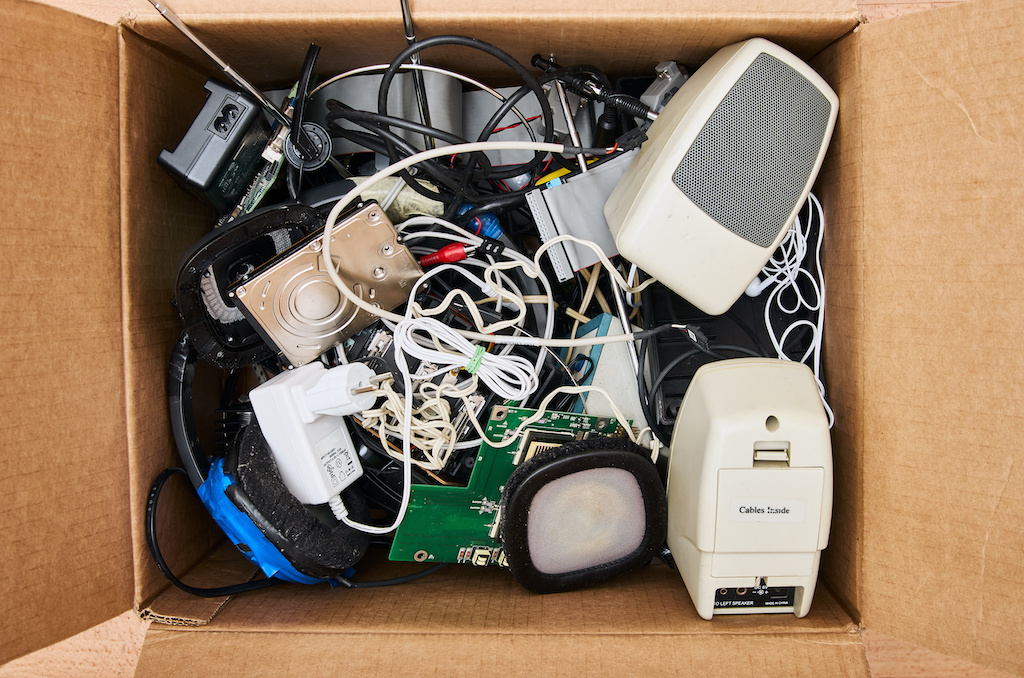
Originally called Digital Rubbish, e-waste is the term given to discarded electronic or electrical products and equipment including smartphones, computers, televisions, laptops, microwaves, stereos, refrigerators, cameras, photocopiers, VCRs, and lamps. As well as fax machines, game consoles, vacuum cleaners, music players, hairdryers, washing machines, alarm clocks, lawnmowers, and electric toothbrushes. Basically anything with a circuit board or a power plug that’s been thrown out. That’s e-waste.

While the disposal of broken, faulty, or unwanted electronic products isn’t a new challenge, as it’s been a consideration for the last 50 years. But the problem has become much larger since then, thanks to the sheer number of electronics discarded today. In fact, there were over 50 million metric tonnes of electronic waste worldwide in 2019. That’s roughly the equivalent of 18,000 smartphones a minute.

With rapid technological advances, shorter life spans, and higher consumption rates, plenty of our e-waste still actually works fine. Just like when VCR players were replaced seemingly overnight by DVD players, which soon after were replaced again by Blu-Ray’s, much of our e-waste is only considered obsolete. And as the volume continues increasing exponentially year after year, improperly disposed e-waste is also becoming more hazardous.

What Happens To E-waste Once Thrown Out?

While modern electronic consumer products are generally pretty safe for us to be around, we rarely have access to the electronic circuitry which makes these devices function. Inside their plastic outer casing, most electronics have some form of toxic materials and chemicals such as cadmium, mercury, nickel, barium, chromium, arsenic, copper, beryllium, zinc, silver, gold, and lead.

The hazardous components found inside e-waste are generally safe when kept above ground, but not when they get buried. That’s because these toxic materials can very easily dissolve into microscopic traces which creates a very serious environmental threat to our soil, water, and air. Because the more e-waste that ends up in the same landfill, the more toxic trace chemicals pool together until they eventually permeate into the groundwater.

And it’s this kind of improper and immoral disposal that can end up causing adverse damages to our environment, our wildlife, and yes even to us humans. Unfortunately for us, landfill is currently where most e-waste is likely to end up. And whatever doesn’t get buried or recycled is ultimately exported to developing third world countries, where labourers disassemble this e-waste by hand in unregulated and unsafe conditions.

Can You Recycle E-waste?

Most e-waste contains various amounts of recyclable materials, such as plastic, glass, and precious non-renewable metals like nickel, platinum, silver, and gold. Recycling e-waste is a much better and cheaper solution that decreases the demand for digging underground surface mines and damaging our environment. So not only does recycling prevent e-waste from being buried in landfill, but it also helps recover these important non-renewable natural resources so they can be reused in the manufacturing of new electronics.

The other good thing about properly recycling your electrical products is they can also help you protect your privacy. Because using standard deletion methods isn’t enough to keep your personal information safe. When your e-waste is collected by a service for rubbish removal Sydney like Cheapest Load Of Rubbish, you have peace of mind knowing that we’ve taken it to a recycling facility to be dismantled and turned into its base elements. And your passwords and bank details can’t survive that!

How Can You Reduce E-waste?

There are a number of ways you can actively reduce your e-waste. For starters, you should always ensure your electronics are well-maintained to increase their lifespan. For products with a battery like a laptop, you should never overcharge your battery by unplugging it before it is 100% charged. Buy a screen protector and case for your smartphone in case you accidentally drop it. By looking after your electronics, not only are you increasing their total lifespan which helps keep them out of landfills, but you’re also saving money by not having to purchase new electronic devices all the time.

If you really need that latest gadget, sell your old one first. This gives your electronic device a second life which reduces electronic waste as well as carbon emissions. Because every reused electronic device literally displaces the requirement for manufacturing a new one, which reduces surface mining and saves natural resources. Another option is donating to someone in need. Not everyone can afford the latest in tech, so not only does donating your old electronics give it a second life but giving someone who wouldn’t usually be able to access it will also make you feel pretty good about yourself. It’s a win-win-win situation! Everyone is happy!

We all should be embracing a much more circular and sustainable use of electronic products, from the initial purchase to best use methods, all the way until it is reused, repaired, and ultimately recycled. And if you really want to reduce your e-waste, the most effective method is by not buying electronic products in the first place just because it’s the latest technology. So always think twice before making a decision to upgrade to a new electronic device if your existing model works fine.

How Can Cheapest Load of Rubbish Help With E-waste Removal?

Because e-waste often contains hazardous and toxic materials, it must be recycled or disposed of in a responsible and regulated manner. That’s where Cheapest Load Of Rubbish comes in. As the premier company for rubbish removal Sydney, we will ensure your unused electronics are recycled safely and correctly. We have been removing and recycling old electronic products since before it was called e-waste!

As with everything, we always encourage people to reduce, reuse, and repair wherever possible before recycling. Because we all need to work together to save our environment. So instead of letting your electronic gadgets become buried in a landfill or in the back of your garage, contact Cheapest Load of Rubbish for rubbish removal and e-waste recycling today.

Categories
Rubbish Removal Sydney Rubbish Removal Rubbish Recycling

Recycling and Waste Reduction Tips For Schools

Australia is a major producer of waste. Three of the biggest reasons are households, the industrial sector, and schools. Around 30% of the waste coming from schools is food waste, but there is a lot more to school waste than that. Here’s what you need to know about school waste, and what you can do to ensure your school is leading the best examples for recycling and waste reduction.

Type of Waste Found In Schools 

Before you can reduce waste at schools, you need to know the major types of waste found in schools. 

  • Food waste
  • Gardening waste
  • Plastic bottles
  • Plastics, glass, aluminium
  • Paper waste (paper, notebooks, books, etc.)
  • Furniture (desks, chairs, etc.)
  • Office equipment (computers, printers, copiers, etc.)
  • Old sporting equipment

How To Manage Waste in Schools 

If you want to set about reducing the amount of waste in schools, the first step is to carry out waste audits. You need to know where the biggest waste issues are so you can build a plan to tackle those issues on an individual level. 

Administrators should take action to encourage students to reduce the waste in their schools. Waste management in schools can take a variety of shapes. 

  • Engage the teaching staff in environmental impact projects. 
  • Make waste management a learning opportunity and encourage teachers to provide lessons on reducing waste your students will carry away with them. 
  • A composting program is an excellent way to teach students about the circle of life. It can contribute to the school garden, encouraging your students to use school waste to grow vegetables, herbs, fruits, and flowers. 
  • Colour-coded bins should be easy for students and staff to access. If a certain type of waste is going to be produced in a particular area, have the right bin in place for everyone to use it. For example, paper recycling bins should be in computer rooms, classrooms, and offices. Organic bins and recycling bins should be in the kitchen and tearoom areas. Provide signage that clearly defines what should be in each bin to ensure the right items end up in the correct bins. 
  • Young people tend to be more proactive about the environment than older generations. They are more than likely reusing and recycling at home already. So, it won’t be too difficult to get them on board with dealing with waste in schools. You just need to provide them with the right resources to do the right thing. 
  • You may want to consider instituting, or at least working toward, a carry-in, carry out policy. It encourages students to pack lunches in lunchboxes with reusable bottles and packaging because whatever they bring into the school must go home with them at the end of each day. To ease your students in, start by having one carry-in, carry out day a week. You can then add another day until you win everyone around and make it policy. When you get to that point you can remove bins from the property.

How To Reduce Waste in Schools 

While schools produce a lot of waste, there are plenty of ways for schools to reduce their waste or set about recycling waste.

  • Reusing & Recycling

If it can be repaired safely, then you should have it repaired. If it cannot be repaired, ensure it is recycled appropriately. Look into sending equipment to a refurbishment company. Or one that will repurpose the items. 

It will save money and energy. Encourage students to refill, reuse, repair, or refurbish before they cast it off. The administrators should role model the correct way to do it so that it’s only natural for students to replicate it.

  • Modern Equipment

If your school has a canteen or tuck shop, you should use stainless-steel compactors to deal with waste.

  • Compost

Compost is a clever way to deal with food waste that can later serve the school garden. To set up an effective program, ensure there are compost bins wherever students and teachers snack and lunch. What can go in your compost heap? Food waste, garden waste, coffee grounds, tea grounds, vegetable and fruit peels, and shredded paper waste. You can use the compost in the school garden to control weeds, control pests, and retain moisture.

  • Donate

If there is equipment that is no longer of use to your school, look into charity groups or local organisations that can make use of it.

  • Back To School

At the start of every school year, adults rush to the shops to stock up on all manner of supplies to ensure their student has everything they need to get back to school. Liaise with parents and guardians to ensure the return is as environmentally friendly as possible. Encourage them to purchase refillable pens and pencils, reusable bottles and lunchboxes. 

Likewise, there are always items schools purchase that go unused. If you have these items on hand, either utilise them in the new school year instead of ordering them again. Or look into donating them to community organisations instead.

  • Waste Team

Create a waste management team of students and teachers. You can rotate the members monthly or every school year. It can be voluntary or even on an election basis. Whatever it takes – the team can spearhead new waste management ideas and provide the student body with encouragement and advice on how to reduce waste. You will be far more successful if everyone is involved.

  • Technology

You can send documents via email, and you don’t need to print every email. Technology is your friend, and it can be a major help in fighting waste.

  • Clear the lost and found every month, sending unclaimed items to local op shops.
  • If you’re clearing out old furniture and equipment, look for a recycling project or a re-use network that will upcycle the items.
  • Remove disposable items from circulation.
  • Install water refill stations to encourage students to bring their own reusable drinking bottles.
  • Set all of the printers to double-sided printing only.
  • Empty jars can be reused to hold office supplies.
  • Where paper is necessary, purchase recycled paper.
  • Participate in battery and printer cartridge recycling.
  • External Help

If you are struggling with waste, professionals can help you remove the waste you’re holding onto on-site. A rubbish removal company will come to your location, collect everything, and remove it from the premises. It means that everything is gone in one fell swoop, and the removal team will recycle as much of it as possible. 

How Cheapest Load of Rubbish Can Help 

There are plenty of waste management methods schools can use to reduce waste, and increase recycling. A clean environment will provide students with a clean, healthy environment in which to learn. 

If you are a school in need of rubbish removal in Sydney, Cheapest Load of Rubbish can help. When you call in our crack team of Sydney rubbish removal professionals, we will remove the waste from your education centre and dispose of it appropriately. Up to 80% of what we uplift goes to recycling centres. So, we take great care with sorting your waste properly, to ensure as much is recycled as possible. Contact us for a quote or pick up the phone to speak to our team right now. 

Categories
Rubbish Removal Sydney Rubbish Removal Rubbish Recycling

Basics To Help Make Recycling Easier

Recycling has become an essential part of Australia’s waste removal process. It allows individuals to reduce their carbon footprint and contribute to reducing energy consumption, pollution, and landfill waste.

Recycling is simply the process whereby used materials are transformed into new materials or products. However, donating the items to others is also a form of recycling. 

Why We Should Recycle 

The more we reuse and repurpose, the less ends up in our landfills contributing to greenhouse gases. You use aluminium, paper, and glass daily, and when you recycle these they go back into a new cycle of use. This prevents additional resources from being used, thus conserving resources and reducing the need for raw materials. Collecting minerals and timber takes time, money, and energy and impacts the environment. The more we recycle as a nation, the less need we have for new raw materials. 

When you recycle, it prevents usable materials from ending up in landfills. Landfills and incinerators are major pollutants so, we need to keep those for true rubbish only. 

Why We Recycle 

At Cheapest Load of Rubbish, we are passionate about rubbish removal in Sydney. We offer a valuable service to the community we live in. We will remove just about anything, but we don’t dump everything at the landfill. Our team takes great steps to sort your rubbish and waste to recycle as much as possible. With over three decades of experience in the business, we are well-versed in all the items that can go to recycling centres versus landfills. We recycle up to 80% of what we collect, with the remaining 20% taken to approved transfer stations. 

Label Removal Before Recycling 

Before we address label removal, it’s worth highlighting how labels can help you in the recycling process. Ignore the numbered chasing triangle symbol – that is to indicate the type of plastic that was used to create the bottle. It isn’t related to whether it’s recyclable or not. You simply need to follow the Australasian Recycling Labels

The good news is you don’t need to remove labels or lids before you recycle. The process recycled items go through removes your labels and lids. If there’s a loose top, simply place it inside the container and squeeze it closed as best you can. This is to prevent small items from going missing in the process of recycling. That’s a big time-saver compared to days gone by when this was a necessary step. 

However, you do need to ensure all liquid and food debris is removed from your containers. There is no need to rinse them; ensure they are completely empty (and dry). If you do choose to rinse them, you can, as it will keep your recycling bin odour-free and clean. 

Your recycling should be loose in your bin; there is no need to place anything in a plastic bag. The sorting facility’s machinery can’t process plastic bags and this can cause jams. 

Rubbish Sorting For Recycling 

Set up a recycling system in your home to make it simple until you transport it to the correct item. You can buy colour-coded bins that correlate with your council-issued bin. This means you can rope everyone in the family into the process. 

So, what can go in the yellow lidded bin and what should go into your general waste bin? 

In The Yellow Lidded Bin 

  • Cans (aluminium, steel, aerosol, and tin)
  • Scrunched down aluminium foil
  • Glass jars, bottles, and containers
  • Empty plastic cleaning product containers
  • Plastic food containers/trays
  • Empty plastic drink bottles
  • Empty personal hygiene bottles
  • Letters, envelopes, magazines, newspapers, and advertising materials
  • Cardboard – these include egg cartons, and oily food boxes as long as you remove the food scraps. Flatten these as best as you can 

In The General Waste 

  • Soft plastics and plastic bags
  • Polystyrene
  • Paper towels, tissue paper, and napkins
  • Light globes
  • Nappies
  • Mixed materials, such as plastic-coated cardboard, etc. 

To Recycle 

Just because it doesn’t belong in the yellow lidded bin doesn’t mean it isn’t recyclable

  • Bioplastics
  • Glass (mirrors and windows)
  • Batteries
  • Crockery
  • Sharps
  • Mobile phones 

If you’re not sure – there are cheeky tests you can try. If you can scrunch your plastic, it belongs in general waste (sweet wrappers, plastic bags). The yellow lidded bin is for hard plastics. When cardboard is plastic lined, it’s impossible to tear. So, try a little tear test to be sure it’s recyclable. 

Alternatively, you can enlist the services of a professional team who will remove all of your waste and ensure the recyclable items end up in the right place. 

Call Cheapest Load of Rubbish 

If you have waste to remove or recyclables, reach out to Cheapest Load of Rubbish for a free quote today. If you have a pressing Sydney rubbish removal uplift, one of our team may be with you as soon as today!

Categories
Rubbish Removal Sydney Rubbish Removal Rubbish Recycling

Furniture Removal: Why Hiring the Professionals for Rubbish Removal is Best

Are you doing a cleanout of your home to remove old, unwanted furniture? Downsizing and need to get rid of the old so you can make way for the new? Old furniture is bulky, gets in the way, and its simply unnecessary clutter to have around the home or office. But getting rid of it can often seem like an even greater burden. That’s where professional rubbish removalists can help. 

Hiring a professional rubbish removal company to clear your property of old furniture will not only save you hassle, but it’ll also save time as well – and there are plenty of other benefits too. Here are a few of the reasons hiring professionals is the best option. 

They Know What They’re Doing

This is probably the most important factor when it comes to rubbish removal, and in particular, furniture removal. Sure, it’s easy enough to pack the back of your ute with an old couch and take it to the tip, but are you lifting it right? And should it really be going to the tip? A professional company knows what they’re doing. From lifting heavy items, to correct disposal of all unwanted goods, and even cleaning up after the fact – an experienced Sydney rubbish removal company has the experience and know-how to ensure it’s all done the right way.

Save Your Back

In the Australian workplace, one in three injuries are said to be caused by manual handling, costing the economy $28 billion every year. Many of these people hurt their back lifting heavy objects, including furniture. And it’s as simple as not knowing the right way to lift, or not understanding their limits when it comes to lifting weight. The same goes if you’re at home. Although there are no legal limits on what a person should lift, it’s recommended by a Sydney university OHS guide that the safe limit is 16kg. Trying to lift items without the proper training can be detrimental to your back and posture, while professional rubbish removal staff are trained in proper lifting.

Clean Up Your Space

There’s no need to leave old furniture lying around – it will simply become a health and safety hazard. An old couch left out in the rain will quickly attract vermin, bugs and mould. An old TV in your living space not only collects dust, but it is also unsightly, and unnecessary. By getting rid of your old furniture with a rubbish removal specialist team, you’re freeing up your space and clearing up the air quality around you. 

Save Time

Although furniture removal might seem like an easy enough task, you’ll soon realise it’s a lot harder, and more time consuming than you hoped. In fact, it can take hours out of your day. Who has that much time to waste? When most people have free time, they don’t prefer to spend it sifting through their stuff rather than relaxing or having fun with their friends. By hiring a rubbish removal in Sydney company, you’ll have a team of specialists come to your property, working together, to remove all your old furniture efficiently. While they do this, you can sit back with a cuppa, or get on with work.

Preserve Your Petrol

If you’re disposing of large furniture items, or a lot of furniture, it can mean several trips to the tip. And given the current state of petrol prices, this is an added expense you can do without. By hiring a professional company to dispose of the rubbish for you, you’ll save on petrol – in turn saving money that can better be used elsewhere. 

Stay Safe

Moving around your old furniture and other trash can present hazards to your health and physical wellbeing. Not only are large furniture items heavy, but they can be difficult to manoeuvre, particularly if you’re moving them from inside to outdoors, and then onto trucks or the back of a Ute. A professional Sydney rubbish removal company has experts that are trained to specifically deal with large furniture items and other household goods. They know how to handle them safely, and how to secure them properly within the truck for transport. 

Do Your Part For The Environment

Every year, Australians dispose over 20 million tonnes of waste through landfill every year. And according to reports, an average household disposes of 24kg of wooden furniture per annum. 48,000 tonnes of furniture are disposed of at kerbside pickups and 85% of that furniture isn’t recycled, it is sent to landfill. Daunting statistics, aren’t they? If you want to do your part for the environment, hiring a professional rubbish removal company will ensure your furniture is taken to the right place, whether that’s a recycle centre, or a local charity. If it can’t be disposed of to any of those, landfill is a last resort. 

Why Choose Cheapest Load of Rubbish For Furniture Removal

At Cheapest Load of Rubbish, we believe recycle is best and we’ll do everything we can to ensure your old furniture is disposed of in the right way. Our first port of call is always a charity, and provided the furniture is in good condition we’ll donate it. Next, we will talk to the team at your local recycle centre, where we’ll dispose of all the furniture parts they’ll accept, from material to springs. Only then do we dispose of anything that’s left at landfill. 

Cheapest Load of Rubbish will come to your Sydney home or business and remove any unwanted furniture with ease. You can contact Cheapest Load of Rubbish online or by phone to get a free, no obligation quote. The team will come to your property at the agreed-upon time and remove whatever you don’t want – they’ll even clean up after themselves before they leave. Get in touch today to discuss your furniture removal requirements.

Categories
Rubbish Recycling Rubbish Removal Sydney Rubbish Removal

How Do I Dispose of Old Carpet in Sydney?

Whether you’re renovating or your old carpets have simply seen better days, knowing when and how to get rid of those old carpets is crucial. While technically, old carpet can be sent to landfill in your regular rubbish bin, that doesn’t mean it should be – and in fact, carpets have a large variety of complex fibres that make it hard for them to break down naturally. And of course, when you dispose of old carpet, it’s usually in bulk, so it wouldn’t fit in your bin anyway. 

While you could wait for curbside pickup by Council if your area offers it, carpet can get in the way, and it can actually present a hazard if it’s left lying around on the property. As such, you want to make sure it’s removed as fast and easily as possible. Here’s what you need to know about disposal of your old carpets.

Why You Should Dispose of Old Carpet ASAP

Carpets are a haven to filth. From the harmful chemicals that go into the manufacturing process, to dust and dust mites, dead skin that accumulates over the years, bacteria of all kinds, fleas and animal faeces and fur, and many other allergens. And the older they are, the more likely your carpets are to fall apart, which means this filth is then becoming airborne. These chemicals alone can have a huge impact on health: 

  • Phthalates are commonly used for the backing and can impacted reproduction and development
  • Antimicrobial chemicals are used to protect against mould and bacteria, but it can cause skin and eye irritation
  • Flame retardant keeps you safe in a fire, but the chemicals have been linked to cancer, obesity and lower IQs, among others
  • Stain repellent protects carpets from unsightly spills, but is considered toxic 

Aside from the chemical exposure risk, your old carpets can also get in the way, so it’s simply not worth keeping them.

How To Dispose Of Old Carpet

Check For Take-Back Schemes

Some carpet manufacturers offer take-back programs which allow carpets to be returned so they can be recycled into new carpets. To take part in these programs you need to have purchased the carpet with them in the first place.

Sell Or Donate It

If your carpets are in good condition, you have a few choices. You could choose to sell it – listing it on Marketplace or a local social media page and see if anyone is looking for carpet for a great price. Alternatively, you should consider donating your carpets to a non-profit organisation. They can then on-sell them to someone who may not be able to afford new carpets themselves.

Recycle It

Although there are no specific recycling plants in Australia for carpets to be recycled, you can still find a way to do so, and many smaller recycle centres have means to ensure carpets are not thrown to landfill. There are also some manufacturers that have their own recycling capabilities, such as Interface, who have a ReEntry program that ensures your old carpets are used in other ways. By hiring a professional rubbish removal in Sydney company, you can rest assured that if the carpets can be recycled, they will be.

Reuse It

Provided the carpet is in good condition, you can re-use it for another part of the home or property. If you’ve pulled the carpet from your lounge or dining area, why not use it to create a more comfortable floor in the kid’s cubby house? Or you could use it as a mat in your workshop or garage space. Carpets are also great to use in the garden. They make a great mulch or soil cover and if made from wool, they’re completely biodegradable. Old carpets can also be used as insulation, noise absorption and for your car floors.

Choose Cheapest Load of Rubbish For Carpet Removal

It doesn’t matter what kind of waste you have; Cheapest Load of Rubbish is here to assist you with your disposal needs. By hiring a professional company to take away your old carpets, you’ll save time, energy and potentially save money as well. Cheapest Load of Rubbish will dispose of it in the best way possible, either taking it to a recycle centre that accepts carpets or donating it to a local charity. We employ a long-term, sustainable approach to waste removal that is designed to benefit future generations. 

We have plenty of means and contacts that can help, so get in touch with Cheapest Load of Rubbish if you have old carpets you want to get rid of. 

We also specialise in all other types of Sydney rubbish removal and we’re available to work with you for same-day results. If you want to know more, get in touch with your team for a free, no obligation quote for rubbish removal in Sydney.

Categories
Rubbish Removal Sydney Rubbish Removal Rubbish Recycling

Flood Damage Waste Removal & Disposal Guide

In March 2022, many suburbs across Sydney, and nearby regions, experienced the worst flooding on record, with thousands of homes and businesses impacted. Unpredictable weather systems created severe storms, flash flooding and even tornadoes, leaving devastation in its wake. Although it didn’t take long for the cleanup to begin, it is expected to continue well into the future for some regions. For others, it could be just a matter of time before another weather event like this happens again. Whether you’re still cleaning up, or you want to be prepared for future flood damage, here’s our guide on how to go about the cleanup, and our top tips for waste removal and disposal.

The Dangers Of Floods

The loss of homes and businesses is certainly one of the most devastating aspects of floods, but there are underlying issues as well that can wreak havoc on Sydney landscapes for years to come. Unfortunately, with floods comes debris, and if that debris isn’t cleaned up properly, it can quickly impact the local waterways, groundwater systems, and connecting aquatic habitats. 

And while this article will focus on the debris you can see, there are other hidden dangers as well. The water may contain a range of impurities, including toxic substances and chemical waste. Bacteria and pesticides are among the pollutants found in floodwater, as well as algae and phytoplankton. And of course, as older buildings collapse under the pressure of the turning weather, asbestos also becomes a major health hazard.

How To Help With Flood Clean Up

If you want to get cleaning, you need to be prepared. Here’s what you need to know.

Stay Safe!

Don’t enter flood waters. Wait for the water to recede!

 Flood waters might seem like a simple river running through the streets, but they’re much more than that. From raw sewage rushing through homes, to broken wood and sharp nails hiding under the water and mud, it’s imperative that if you’re attempting a cleanup, you’re protected. 

Always wear protective equipment for all tasks. This includes tough boots that can protect from tetanus if you were to stand on rusty nails, long pants and long sleeves to protect from bugs, dust and debris, eye protection and gloves to protect from chemicals. You should also wear a hat, sunscreen and insect repellent. Mozzies love dirty water. 

Keep an eye out for dangers and hazards. 

This could include snakes, spiders and other animals that have taken up residence in your home. It could also be power lines that have fallen (call energy authorities asap – never touch a fallen power line), or trees that could fall without warning. 

Make sure you don’t touch any electricals that may have been exposed to water, unless all power to the property is turned off first. And all electrical equipment (including vacuum cleaners) should be dried and checked by an electrician before you start using it again. 

Don’t let kids assist with the cleanup. 

There’s too much danger involved when cleaning up after a flood and children running around could pose more risk – to themselves, to your safety, and to the home’s foundations.

Dealing With Rubbish

There is a lot of hazardous material in the trash left over after a flood, so before you start touching everything and trying to dispose of it yourself – consider the risks. 

For example, if you happen upon some asbestos lying in the wake of the floods, the best advice is to simply walk away. Don’t touch it. If you touch it before realising, wash your hands immediately and change your clothes. Use a damp rag to pat any dust away. When dealing with asbestos you should always have full PPE on, make sure it is wet before you touch it, and keep other people away from it. The best idea, though, is to call someone who is trained to deal with it instead.

Your Best Option

The correct disposal of rubbish is crucial in the clean-up, particularly when it comes to hazardous material. Your best bet is to get the help of a rubbish removal professional. Why? Because they KNOW rubbish and they know what they can and can’t handle (which isn’t much!). And better still, they can dispose of your rubbish fast. 

Rubbish removal companies like Cheapest Load of Rubbish are on board and available to assist – ensuring all rubbish is disposed of in a proper manner. If goods are salvageable, they will be taken care of. If they can be recycled, Cheapest Load of Rubbish are on hand to distribute them to local recycle centres. If rubbish is posing a danger and needs careful handling, it’s best to leave that to the professionals as well. 

Don’t try to take care of rubbish cleanup yourself. Call in the professionals at Cheapest Load of Rubbish to assist and you’ll receive fast, efficient service. 

Categories
Rubbish Removal Sydney Rubbish Removal Rubbish Recycling

Easy Ways To Save Money On Bulky Rubbish Removal

A clean home is good for your health and wellbeing, but it can be difficult to get started when you have loads of bulky rubbish to tackle. It doesn’t need to be a daunting task, but bulk rubbish removal in Sydney can be expensive. There are plenty of ways you can ditch the waste and avoid breaking the bank at the same time. 

Repurpose Or Donate 

Before you dispose of anything, you should ask whether the item can be reused, by yourself or someone else. You may be able to repurpose the old dresser in the spare room. A fresh paint job could breathe new life into it. Or it could move to the garage to be used as a tool storage unit. If not for you, could someone else use the item? If it’s in working order and a usable condition, donating it to charity is a better option than ditching it at the dump. Goodwill and Habitat for Humanity will come to your home to collect your donations. They do have strict guidelines for what they can take. So, don’t be surprised if they refuse to take certain items once they see them. 

You can skip donating and earn a little money for yourself. Use Gumtree, Facebook or eBay to sell your old stuff. It will take you time to list it all and effort to facilitate sales, but it’s a great way to earn some cash. 

Visit the Dump 

If you have a vehicle or access to one, you can fill it to the brim and take it to the dump yourself. This is the cheapest way to ditch your bulky rubbish. However, it’s unlikely a standard vehicle would have the space required to haul your bulky rubbish in one trip. There are loads of dumps to choose from in the Sydney area, and all will charge for the items you are dropping off including for household, commercial or trade waste. Your best to check their pricing as well as their list of accepted and not accepted waste, as you don’t want to make a trip and be disappointed when they turn you away.

Council Collections 

Contact your local council if you need bulk collection services. They offer kerbside pickup for a variety of items. You will need to separate it into the correct category and have it on the kerb the night before your scheduled collection. There are limits to what the council will collect, and there may be a cap on how often they do this. Be sure to check the rules around council collections. 

Tradies 

If you are having work done and you’re worried about bulky rubbish being left behind, speak to the tradies before they get started. In fact, you should speak to them before you sign a contract. Make sure that they remove all of the waste that comes as a result of the work being carried out. You’re paying professionals to complete trade work; that cost should include waste disposal. Be clear about that upfront and make sure you get it in writing. 

Break It Down 

Before you enlist the professionals, do your best to break down your bulk waste as much as possible. The majority of companies charge by cubic metre so, the more you can break it down, the cheaper it will be. If you’re not sure what you should break down or not, your best bet is to try. Old wardrobes and dressers can be dismantled. The aim is to ensure it takes up as little space in a van as possible. 

The benefit of using a professional removal company versus a skip hire is you are paying for precisely what is uplifted, there’s no waiting around, and you don’t have to load it either. Once the team arrive, they can handle it.

With a skip bin, you may require a permit depending on where it sits. That’s not to mention the amount of physical labour you have to expend to fill it. So, if letting professionals handle it is cheaper, why wouldn’t you? Not to mention the fact that a rubbish removal company can remove a wide range of items, from white goods to garden waste.


Call Cheapest Load of Rubbish For Help 

Finally, the easiest way to rid yourself of a bulk rubbish problem while still saving money is to call in professionals. Cheapest Load of Rubbish can be with you as early as today to provide you with a free, no-obligation quote. If you’re not in a hurry, you can submit the online form to request a quote, or you can pick up the phone and connect with us immediately. Our driver will visit your home, office or job site and provide you with an immediate quote.

Categories
Rubbish Removal Sydney Rubbish Removal Rubbish Recycling

Disposing of Scrap Metal – Easy Ways To Remove Your Rubbish

When scrap metal reaches the end of its life, it can be recycled. The first step to recycling metal is retrieval. Once retrieved, it can be sorted, baled, sheared, and smelted. From there, a broker can facilitate the sale. 

Metal is a valuable material, and you should recycle it wherever possible. There is more to it than its monetary value. Scrap metal recycling is the most environmentally friendly way of disposing of scrap metal. It uses less CO2 than acquiring raw materials and reduces the emission of other harmful gases. In monetary terms, it increases jobs while decreasing the cost of production. 

Rather than leaving it collecting dust, collect it all, and call the professionals to haul it away. Rubbish removal in Sydney has never been easier than it is with Cheapest Load of Rubbish, and there are several ways to dispose of scrap metal. But before we discuss where it goes, let’s address the types of scrap metal and the benefits of recycling

The Lowdown on Scrap Metal 

Scrap metal can be brass or stainless steel, nickel or zinc, lead, copper, steel or cast iron. Using recycled aluminium to create new products uses 5% of the energy that forging the same items from raw material does. The majority of scrap metals can be divided into one of two categories – ferrous or non-ferrous. 

  • Non-ferrous Metals

Non-ferrous metals are non-iron. They include gold, silver, copper, lead, zinc, aluminium, and copper. And are more resistant to corrosion and are not magnetic. 

  • Ferrous Metals

Ferrous metals generally contain iron, are magnetic, and are prone to corrosion. These include stainless steel, steel, and iron. Over half of the steel production worldwide is scrap metal. It is one of the most recycled materials globally. 

The benefits of recycling scrap metal are numerous. It’s a highly effective material to produce new items; it limits the waste heading to the landfill. Scrap metal is used in smelters, refineries, foundries, and steel mills as raw material in production the world over. The finished products are just as durable as items forged from fresh raw materials. Ultimately, sending all your scrap metal to recyclers is the simplest way to reduce your carbon footprint. 

Scrapyard 

Selling to a scrapyard is the most straightforward option. You can take all scrap metal to a yard where they will sort it to determine how valuable it is. Different metals have different values, so sorting is an important step. It is also a crucial step as not all metals can be recycled. To produce high-quality recycled metal, the starting quality of the materials used must also be of high quality. 

  • Shearing Soft Metals

For aluminium, brass, and bronze, shearing is a useful disposal method. These soft metals are sheared after collection and sorting. This sees the scrap cut into manageable sizes. However, shearing is only useful for simple shapes. 

  • Shredding

Scrap metal is easier to separate once it has been shredded. Once they are reduced to more manageable sizes, it uses less energy to melt those metals down. 

  • Melting

Scrap metal is melted once it has been shredded. But, before this can happen, the metals are sorted. Ferrous metals fall into one container and non-ferrous into another. They can then be placed into a furnace to be melted. The final stage of the process is purification. This will ensure the final product is of a high enough quality and free of impurities. Once it has time to cool and solidify it can be formed into its final product.


Call Cheapest Load of Rubbish 

If you need rubbish removal in Sydney, no matter the material, then Cheapest Load of Rubbish can help. The most efficient way to dispose of scrap metal is to call the professionals and let them haul it away. The only way the recycling process can take place is if the scrap metal makes it to the correct scrapyard. Your role in this process is to call your local service provider and allow them to collect and transport it. It’s the responsible way to dispose of all materials, but scrap metals in particular. 

Scrap metal is a valuable resource. And, we can all do our part in recycling as much as possible. At Cheapest Load of Rubbish, we recycle up to 80% of what we haul away. Not only does recycling scrap metal benefit the environment in reducing emissions from producing new items, but it also keeps more away from landfills. It’s a win-win at every turn. 

If you have rubbish in need of removal, scrap metal you’d like to dispose of, or anything else that needs to be cleared, contact Cheapest Load of Rubbish. We can have a driver with you today to provide you with an instant free, no-obligation quote.

Categories
Rubbish Removal Sydney Rubbish Removal Rubbish Recycling

7 Reasons You Need Household Rubbish Removal

When it comes to rubbish removal in Sydney, Cheapest Load of Rubbish is committed to delivering a high-quality service. If you have old rubbish and junk building up, you need a professional to handle the job safely. Safety and quality of work are just two of the reasons you should enlist professionals for rubbish removal in Sydney. Let’s take a look at the other reasons you should hire a professional service for the job. 

Free Up Space

The most obvious reason for rubbish removal in Sydney is that removing old furniture and clutter will free up more space in your home. It clears an area for a new appliance, a new suite, or a play area for your children. Once your home is free of clutter, you can reorganise it to properly utilise your space. Whether it’s a spare room, garage, or office, you will feel better once it’s cleared out. 

Stress-Relieving

Clutter can negatively impact your mental health. By having a clear-out, you help mitigate those effects and relieve your stress. An aesthetically attractive home will create a pleasing ambience and make you more relaxed. It will also make you feel more productive. Having a lot of clutter or mess around can feel like a weight on your shoulders. 

Safer & More Hygienic

Rubbish removal will make your home safer and more hygienic. With loads of old furniture and appliances lying around, you have hazards on your hands. Not only can they cause trips or falls, but they also provide a safe home for pests. The more stuff that’s lying around or built up, the more sneaky little spots where pests can hide. Old furniture is an attractive prospect for termites. Bed bugs will enjoy those old mattresses stacked up in the garden. Get it hauled away and get your home back to its best. 

It’s Affordable

There’s a lot of expense involved in hiring a van and hauling old junk yourself. With Cheapest Load of Rubbish, you get a quality service at a fair and affordable price. It won’t break the bank. The cost will depend on the volume and type of rubbish to be removed, which means your quote is calculated by the cubic metre. Our driver who attends your site will provide you with a free, no-obligation quote, and if you have lots of rubbish to be removed, then we can schedule several trucks to handle the job. 

It’s Time-Saving

You could rent a van and get some protective clothing and handle this task yourself. But, the cost of hiring a van, plus the necessary equipment, and the time it will take for you to visit the right disposal centres add up. Calling in the professionals will ensure a reliable team with strong organisational skills handles the job in no time at all. Cheapest Load of Rubbish teams arrive with all the necessary equipment, will clear your rubbish, and ensure items end up at the correct site. We aim to recycle as much waste as possible, with a recycling rate of up to 80%.

A High Quality of Work

The Cheapest Load of Rubbish team is proactive and efficient. We know where each type of waste goes to ensure everything that can be recycled is recycled. Our team’s knowledge and skill allow them to get in and out as quickly as possible. The quicker our team works, the simpler it is for our customers. 

A Comprehensive Service

Whether you need residential or commercial rubbish removal in Sydney, Cheapest Load of Rubbish offers a wide range of services. We can handle commercial, residential, and construction rubbish removal. We’ll remove your old furniture, appliances, mattresses, garden waste, hard waste, and white goods. Looking for household rubbish removal or waste rubbish? We are more than happy to help. Cheapest Load of Rubbish also handles deceased estate home rubbish removal. We’ll clear your garage, tackle junk, and more! 

How Cheapest Load of Rubbish Can Help 

With a professional rubbish removal service, you don’t need to lift a finger. The team will come and clear it out for you. We only charge for the items you want to remove, and there’s no need to worry about permits. 

If you need rubbish removal in Sydney, get in touch with us! We can be with you as soon as today. A member of our team can visit your home or business to provide you with a quote, and if you’re happy to proceed, we can handle the removal right away. If your query isn’t as urgent, you can complete the online quote form.


Categories
Rubbish Recycling Rubbish Removal Sydney Rubbish Removal

Understanding Sydney Rubbish Removal Disposal Methods

Australians are spending over $10 billion on food that ultimately ends up in the bin. By household, that works out to over $1,000 each. While Australia is a world leader on the paper and cardboard recycling front, we still use over 200kg each of un-recycled paper annually. So, as far as we have come on the rubbish disposal front, we still have a long way to go. Unfortunately, we haven’t been doing things as effectively as we should have over the years. There is all manner of waste disposal methods available today, and understanding each of them will help you make the right decisions with your waste. 

Recycling 

The best disposal method is recycling. If an item can be recycled it should be recycled because it helps preserve our environment. A wide variety of materials can be recycled, whether it’s paper, cardboard, glass, metal, or another material. Most labels are marked to tell you how best to dispose of the packaging. Why does recycling matter? It keeps rubbish out of landfills and out of bodies of water. More importantly, the item is given new life as something else! 

Landfill 

The most obvious option for rubbish removal in Sydney is the landfill. And not just in Sydney. It’s the most commonly used waste disposal method the world over. The rubbish is collected, transported, and dumped at a designated landfill where it is buried. Most large cities have a designated space for this, using vacant land to process waste. 

The local authority will do their best to ensure the landfill is designed to be as effective as possible. Yet, no matter how hard they try to be economical with the land and manage sanitisation, landfills remain a health and environmental danger. The gases landfills emit are hazardous. 

Ultimately, the other disposal methods are a better option than landfills. The landfill should be the last-ditch option if no other methods are suitable for your particular item(s). We have grown too reliant on the landfill option, which is largely down to poor planning in the past. However, this is our opportunity to make up for it. And, a removal expert can help ensure your rubbish ends up in the right place.               

Thermal Treatment 

Also known as incineration, the thermal treatment uses combustion to eliminate waste. For countries with little land to spare for landfills, thermal treatment is the preferred method of waste disposal. It’s also possible to dispose of many waste varieties using this method. It can be completed on an individual basis or an industrial scale. On an industrial level, the energy that the process creates can be used to generate other streams of energy, such as steam, heat, or electricity. 

There is a downside to this method of waste disposal, which is that it can contribute to air pollution. This is particularly true if you incinerate hugely toxic items. So, if you choose to do this on an individual level, be sure you’re burning permitted items. Otherwise, have a removal company deal with it for you. 

Compost  

The final disposal method is composting. It’s the ideal method if you are dealing with organic waste. Fruit rinds and vegetable peels, as well as shredded paper, make excellent ingredients to mulch your garden. A healthy compost pile should see carbon items outweigh nitrogen, but you want to strike a working balance. 

Carbon gives your compost body with items like leaves, peels, branches, shredded brown paper, coffee grounds and filters, and eggshells. Nitrogen is the material necessary to make enzymes. Nitrogen-rich items include food scraps, kitchen waste, manure, green leaves, and lawn clippings. 

Carbon 

  •       Wood chips have high levels of carbon. So, use them sparingly.
  •       Hay/straw
  •       Shredded paper, newspaper, and cardboard
  •       Pine needles, cuttings, and leaves
  •       Dryer lint
  •       Coffee grounds and filters
  •       Corn stalks and cobs 

Nitrogen 

  •       Tea leaves and table scraps
  •       Seaweed
  •       Kelp
  •       Garden weeds and lawn clippings
  •       Eggshells
  •       Flowers and cuttings
  •       Chicken manure

 There are certain items you should avoid using as compost. 

  •       This includes fish scraps, meats, and bones. These can attract pests.
  •       Don’t compost diseased plants or perennial weeds.
  •       Do not use pet manure in compost you plan to use on food crops.
  •       Avoid using orange rinds, bananas, and peach peels, as these are often treated with pesticides.
  •       Do not use black walnut leaves in compost.
  •       If you use sawdust, ensure it is clean and scattered thinly. 

How Cheapest Load of Rubbish Can Help 

At Cheapest Load of Rubbish, we handle rubbish removal in Sydney, and we take recycling seriously. Our team takes the time to sort through everything we remove from your property once we return to our sorting facility. We are passionate about recycling, so we go to great lengths to ensure everything that can be recycled is recycled. What’s left over goes to the landfill, but we go to lengths to make sure it’s as little as possible.  Get in touch for a free quote, and we can be with you as soon as today!