One call and we take it all
Categories
Rubbish Removal Rubbish Removal Sydney

Everything You Need To Know About Green Waste

Every year, Australians send 64 million tonnes of waste to the landfill. Under half of that is recycled, but you don’t feel bad about your garden waste because it breaks down easily. Once it hits the landfill it will simply return to the ground given enough time. Right? You are technically correct. Garden waste does break down and return to the earth. However, it has a hard time doing so sitting in a landfill. 

When delivered to a landfill, garden waste is buried and compacted. To break down green waste requires oxygen. If starved of that, it will break down incredibly slowly. The result of this is a build-up of carbon dioxide and methane. Both of which are greenhouse gases that negatively impact the environment. 

What Is Green Waste?

Green waste is typically garden waste, but it refers to any type of rubbish or waste that is 100% recyclable. For now, Australia is lagging behind other developed countries in getting on board with recycling. If you went on a scavenger hunt throughout your garden and in your home, you would likely find heaps of green waste. The problem is that most of us don’t think about what can be recycled; we just want to get rid of it quickly and conveniently. 

If you do not have green waste taken by a rubbish removal company, it will go straight to the landfill. The landfill is the last place green waste should end up. Quite simply, it does not belong there, and it will serve us, and the environment, better if we dispose of it correctly. It might technically be considered waste, but it should not be wasted. 

Let’s put this into perspective. Of the 400 kilograms of waste each Australian household produces each year, 180 kilograms of it is green waste. When green waste isn’t recycled, it creates methane. Therefore, each Australian household is producing over 15 kilograms of methane gas, which is released into our atmosphere. Multiply that by the number of households in the country and we have a problem. 

Examples of Green Waste & How To Recycle It

There are two main types of green waste:

Garden waste includes clippings, leaves, small branches, and twigs. This does not include flower pots, plastic, rocks, paper, stones, or treated timber. 

Food waste is the food item itself, including fruit and vegetable peels, but not the packaging or labels. 

If you are unsure whether something is classed as green waste or not, you can speak to a waste management company for further information. 

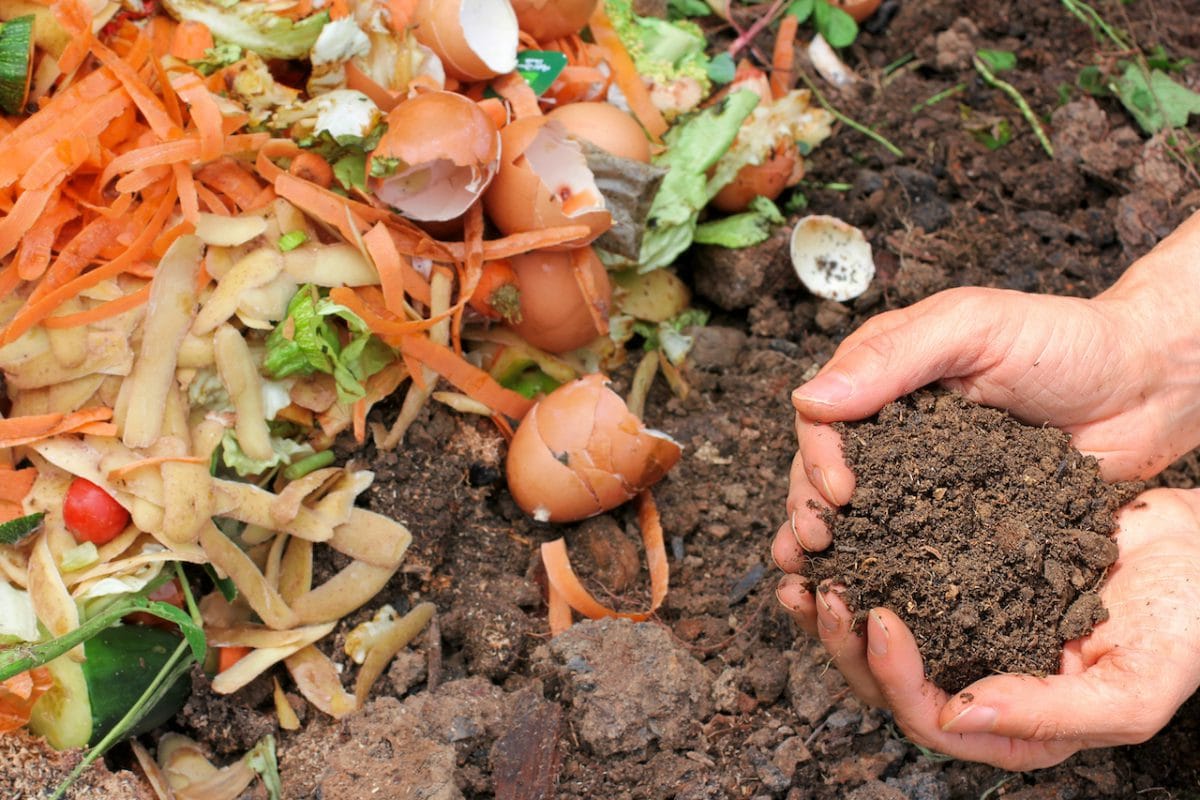
If you love gardening, you might want to hold back some of your green waste for home composting purposes. Just start a compost pile and use it as mulch when it’s time. Mulch helps build soil structure and improves your garden’s ability to retain moisture, which also reduces the need to water. So, by composting some of your garden waste, you are saving your landfills and conserving water. One small habit change can have a massive impact! Now, multiply that by every Australian household. 

The proper way to dispose of the rest of your green waste is through recycling. The most efficient option is to have a rubbish removal company remove it. The professionals will take it to the proper processing site. Of course, you can load up your vehicle with your garden waste and haul it to a recycling centre. But, that’s a messy business, especially if you don’t drive a ute. There will be a fee at the centre, and you will have to unload the vehicle yourself. 

Once at the site, it’s pushed through grinders. Once the grinding process is complete, the site will cover it with a thermal material to store it at 55 degrees for several days. From there, it is produced in its final state and then sold to landscapers, nurseries, and councils. 

How Cheapest Load of Rubbish Can Help 

Recycling is something that every home in Australia can and should do. Luckily, it doesn’t need to be a fuss. With the right rubbish removal company, recycling green waste has never been easier. 

Cheapest Load of Rubbish can remove trimmings, branches, stumps, logs, fallen leaves, and landscaping rubbish. Since you’re already working hard to make your garden look great, we can also remove pool materials, decking material, old sheds, and garden furniture. We will take your green waste to the nearest EPA approved facility. 

Whether it’s green waste, hard waste, or an old mattress, rubbish removal Sydney companies are useful for tackling your waste problem. If you would like to enlist professional services to handle and dispose of your waste, contact Cheapest Load of Rubbish. One of our drivers could be with you as early as today. Once on-site, they will offer you a free quote based on the type and amount of waste you have. If you’re happy with the price, they can remove it on the spot!

Categories
Rubbish Removal

What’s really Living In Your Lounge Room

Your home has two main hubs – the kitchen and the lounge. These rooms are where the entire family congregates to eat, discuss their day, do their homework, catch up on the latest TV shows, and just lounge. How can you truly relax in your lounge when it’s cluttered and dirty? Your lounge sees a whole lot of living which means it should see plenty of cleaning too. 

The Benefits Of A Clean Lounge Area

To start with, your home will be clean, organised, and enjoyable. But that’s not all. Other benefits include: 

  • A clean home can improve your mental health. Clutter can heighten symptoms of anxiety and depression. It can also increase your stress levels, tension and lead to disorganisation. Therefore, keeping your home clean and clutter-free helps you take control, boosts your mood, improves focus, and can even benefit your physical health as well. 
  • If you stay on top of things, your lounge will always be clean, which means you will have less cleaning to do. It can be harrowing to deal with a big job, but once it’s done, it’s just a case of maintaining it. 
  • Clutter and mess attract pests of all kinds, so keeping your lounge clean will help you prevent infestations. 
  • Your furnishings and fittings will last longer if you look after them. 
  • It will be a safer environment for the whole family. It promotes health and hygiene, as you keep dust and allergens under control. 
  • Nothing feels better than walking into a clean, organised living room after a stressful day at work. It’s your happy place, somewhere you should be able to relax and unwind. 

The Hidden Dangers of Clutter 

The more stuff you have in your lounge, the more difficult it is to clean. If your home was organised, you would regularly clean your remote control, video games controllers, phones, cushions, throws, curtains, and upholstery. It’s difficult to do, though, when you’re surrounded by old stuff

According to the Pacific Northwest National Laboratory, bacteria can divide and multiply in as little as four minutes under their preferred conditions. One study, taking samples from 30 objects throughout the home, found almost 250 different bacteria present. Aside from the kitchen and bathroom, there are a few other danger zones. The doorknobs, light switches, and handles are the big hitters. These are the biggest cross-contamination risks as household members travel throughout the house with germs. In the lounge, there are phones, controllers, carpets, keyboards, remote controls, and more. These are the hotspots where germs and bacteria breed. 

Your air quality also matters, and poor indoor air quality means the heightened presence of dust and dander. 

You love your pet, but they also present a danger. After they spend time outdoors, they bring all of the bacteria inside with them. Their bowls and toys, if not cleaned properly, can carry mould, yeast, and Staphylococcus. In addition to the potential presence of Staphylococcus, other germs and bacterium commonly found in your home include E.coli, yeast, mould, faecal matter, and salmonella. 

What Can You Do? 

Bacteria don’t just spread from person to surface, it can also spread from person to person. How quickly it spreads will depend on the type of surface, the habits of the home, the practices in the home, as well as cleaning procedures. If everyone in your home washes their hands regularly, bathes regularly, cleans regularly using the correct equipment, and generally looks after themselves, then you will reduce your risk. 

Think of the many items in your lounge that are shared by everyone in the home and perhaps even guests. Your keyboards, game controllers and remote controls can grow mould and even Staphylococcus. A carpet can help you reduce the amount of dust in the air of your home, but only if you stay on top of hoovering. Otherwise, it can hold as much as eight times its weight in dust, dirt, and germs. 

Use disinfectant wipes regularly to clean high-touch hotspots like doorknobs, handles, doors, windows, surfaces, gadgets, and controllers. As soon as you return home from outside or in public, be sure to wash your hands or sanitise at the very least. 

Have a routine for washing your dog’s food bowls and toys. The bowls should be taken care of daily, soft toys weekly, and hard toys as required. Additionally, get into the habit of wiping or washing your pet’s paws before they come in from outside. 

Your personal items can also contribute to the problem. Your shoes, wallet, clothing, headphones, lunch box, water bottle, purse, and anything else that leaves home with you daily are exposed to a host of germs and bacteria. Disinfect these items daily. 

The Disadvantages of Clutter 

The hidden dangers above are a pretty big disadvantage of clutter. If you have old couches, broken furniture, and old possessions lying around, they are simply gathering dust. Not only do they present trip hazards, but they are also giving bacteria a home. 

If you try your best to keep on top of cleaning, you’re adding more to your plate by not simply getting rid of old furniture you no longer need. Perhaps you have a large area rug you replaced, but rather than ditch the old one, you just dragged it to another part of the room? Maybe you got a new couch but pushed the old one to the corner of the room for the dogs to take over. It’s all contributing to poor indoor air quality. 

Cheapest Load of Rubbish Can Help 

Building good habits around cleaning and disinfecting will help keep your home clean and prevent germs and bacteria from spreading. There are plenty of benefits to keeping your home clean all year round, mainly that your family will be happy, safe, and healthy. What more do you need? 

Old furniture, disused possessions, and broken furnishings contribute to an unhealthy home. If you need rubbish removal Sydney, you have come to the right place. Cheapest Load of Rubbish can help you spirit rubbish of all kinds away. We can assist you with office or residential rubbish, as well as construction rubbish removal and much more.

Categories
Rubbish Removal

Rubbish Removal For Your Garage – Facts You Didn’t Know

Many homeowners treat their garage as a large shed; it’s where everything that won’t fit in the house can go to rest. It’s an easy trap to get stuck in, but it’s so important that you keep on top of it. It’s convenient to have additional storage space, but it can easily spiral into a mess of disorganisation. Nobody wants to go in and find seasonal stuff when they can barely move! There are some incredibly sensible reasons for you to clean out your garage (and keep it clean). 

Reasons To Clean Out Your Garage 

  • Pests

Let’s just get this one out of the way straight off. If you have piles of stuff, you will have pests who want to make it their home. Food storage is a common sight for homeowner’s today and that can attract their attention, especially if the rest of the area is messy. If you do choose to store food, ensure it’s stored on a platform at least six inches off the ground. It’s more difficult to get rid of them when you have so much stuff lying around giving them cosy hiding spaces. 

The thing is, if you have pests in your garage, they won’t just stay in there. They will eventually migrate into your home once they find a way to access it. You don’t want to deal with a massive pest problem because it isn’t just the damage they can cause to your possessions; they can wreak havoc on your entire home. 

  • Cash

How can keeping a tidy garage save you money? Garages are often like the Bermuda Triangle. Things go in, but they never seem to come out. It’s easy to lose irreplaceable, valuable items or important documents amongst everything else. Worse, those valuable items may be damaged or destroyed in the event of a leak, fire, or some other type of accident. Of course, a messy garage can also lead to these types of incidents that impact the entirety of your home. A leak in a messy garage will be much more difficult to detect early, and in no time at all, you could have a flood on your hands. All of this costs money. Whether it’s to replace damaged items or to recover from a damaging event. 

  • Mould & Mildew

Speaking of leaks and such, mould and mildew is always a risk. You might not visit the garage often enough to notice the initial signs, and once it gets going, it takes off quick. Likewise, a lot of the items we tend to store in the garage can get damp and mouldy. For example, beach gear and camping equipment are often damp when stored. This can spread mildew and trigger mould growth.

It isn’t just the walls of the garage you need to worry about with mould. Mould can have health impacts and destroy your possessions as well. All leading to more spending. 

  • Safety

How is garage rubbish removal about safety? The risk of injury increases when dealing with a cluttered space. There’s a risk of trips, slips, falling objects, and more. So, by calling a professional rubbish removal company, you clear out your space and keep everyone a little safer. 

  • Space & Workspace

If you’re thinking about rubbish removal Sydney, think about how nice it would be to enjoy a clean workspace in your garage. Whether it’s where you tackle your day job, whittle wood as a hobby or, set up a gym, we all need a clean space. Remove all the unwanted clutter, and you have yourself a much bigger space to work with. Of course, you could always use it for its intended purpose – to park the car! 

Make a Plan 

It’s a big task, so your best bet for garage rubbish removal is to make a plan! The best way to proceed is to remove everything from the space so you can work your way through it. Split your garage into quadrants and work through one at a time so the process is more manageable. Drag each quadrant into the drive and organise it into recyclables, landfill, charity shop, or keep. 

Now that you’ve gotten rid of all the rubbish, you can deep clean the garage and scrub it down before you organise the remaining items. Don’t undo your hard work by chucking everything back in as-is. Invest in some racks and shelving so you can organise your garage. You can use shelves for the items you use often, cabinets for the infrequently used, and pegboards and wall hooks to organise tools. 

How Cheapest Load of Rubbish Can Help 

At Cheapest Load of Rubbish, we can remove your unwanted rubbish, recycle the recyclables and do it quickly and affordably! If you’d like a free quote, get in touch with us today. We’ll send one of the team out to provide you with an instant quote and can even take it away then and there.

Categories
Rubbish Removal

Top Tips To Improve Bathroom Organisation

There have been countless studies done over the years regarding the cleanliness and hygiene of our bathrooms. The sad news is that yes, your bathroom surfaces are most likely covered in a lot of different microbial bacteria.

While most bacteria in your bathroom predictably comes from the toilet, it can very easily spread to other areas, especially when flushing with the lid up. Thanks to what’s known as the aerosol effect, bacteria lands on most bathroom surfaces where they thrive in damp and dark places which aren’t cleaned as frequently as they should be. A study in 2011 found the germiest spot in your bathroom is actually your toothbrush holder.

In fact, it only takes 2 to 4 hours for bacteria on a doorknob to spread throughout 40% to 60% of all surfaces in the bathroom. So even the most immaculately spotless bathroom can still be contaminated with germs. And irregular cleaning and rubbish removal in Sydney, it certainly elevates the risk of germ and virus transmission.

Benefits Of Bathroom Organisation

Despite it being the one room that so easily seems to turn into chaos, the benefits of having an organised bathroom actually go well beyond just aesthetics. Sure, an ordered bathroom does look great, but it’s also much more relaxing. Besides, an organised bathroom is just easier to use, as there’s a place to store everything and all the products you need are neatly arranged and easily accessible. Oh, and of course it also makes it easier to keep clean, sanitary, and hygienic.

Which is important because, somewhat ironically, the smallest room in our home typically has the widest variety of different surfaces which need to be kept clean. There’s floors, countertops, sinks, tiles, mirrors, windows, screens, and of course toilets. And if you also have too much clutter and unnecessary furniture in your bathroom, that means even more surfaces for bacteria to live that must be kept clean. 

Not only is a clean environment important for your health, but you also need to ensure your bathroom is as safe as possible too. According to the CDC, the littlest room is also statistically the most dangerous. Out of the almost 250,000 adults who are injured in the bathroom each year, around 15% are hospitalised. Over 66% of these injuries happened near the shower or bathtub, 33% were in the bath or shower, and around 15% were while using or getting off the toilet.

And the stats in Australia aren’t much different. In fact, there were over 100,000 fall-related hospitalisations during 2016-17. That’s an average of 273 people per day. Falls are the most common home-related injury by far making up for 72% of hospital admissions. Out of the 58% of these falls which occurred at home, the bathroom was the number 1 place inside. About 40% of these fall-related injuries happened on the same floor level, with 15% said to be caused by a household object.

Tips For Organising Your Bathroom

Whether your bathroom is spacious and beautiful or tiny and cramped, it’s always going to be much easier to keep clean, safe, and hygienic when it’s organised. And it’s a waste of time organising bathroom products and other stuff that you don’t need or never use, so it’s a good idea to start by decluttering. Here’s how you can take steps to ensure your bathroom is clutter-free and as functional as possible.

Take a look around with a fresh pair of eyes and take stock of all furniture, artwork, storage bins, and decorative items in your bathroom. By getting rid of all the extra surfaces which only seem to produce more clutter, you’ll be able to establish a much more calming space that’s functional and easier to keep clean. Rubbish removal Sydney can help here!

Then it’s time to go through your bathroom products to see what you can dispose of, so grab some empty boxes or large trash bags. Start working your way around the bathroom and systematically go through each storage spot like cupboards and drawers, as well as all of your shelves and other surfaces. Pull out all of your makeup, lotions, medications, grooming tools, hair products, and cleaning supplies and sort it all into three different categories of keep, donate, and discard.

The most common reason bathrooms get so messy is a lack of proper storage space. Utilise any storage areas outside your bathroom to keep any extra stuff that you need, but don’t actually use that much. When it comes to storing the products you do use often, you want to keep them hidden away while still keeping them close enough to be accessible. This helps create a much tidier look overall while also ensuring it’s easier for cleaning.

If you have an old washing machine in your bathroom or laundry, replacing it with a new style one might give you some more storage space. But if you don’t have enough room for everything in your bathroom you need, you can add some new furniture for extra bathroom storage. Just make sure to use cupboards rather than shelving to stop germs and bacteria from landing on everything. Plus you can always use the inside of cabinet doors. Your other option is a full bathroom renovation with newly built-in storage and a brand new vanity.

What to do with old bathroom rubbish and renovation material

It can get pretty overwhelming with so much junk after a big bathroom clean up, especially because many products have some level of hazardous waste. Most bathroom trash should never be mixed with other rubbish in your bins and definitely not in with the recyclables. That means you always have to check product labels for every item before disposing of them. All of the hazardous products must be set aside and disposed of separately. TerraCycle is a great recycling program for bathroom products like tubes of toothpaste and dental floss containers.

Now that everything’s organised, you’ll need to get all of your waste disposed of. If you end up fully renovating your bathroom, you’ll need to dispose of all the old plumbing fixtures and broken tiles, as well as the vanity, toilet, shower, and basin. So once everything in your old bathroom has been dismantled, you could take it all to your local tip and recycling centre. Any bathroom items or furniture in reasonable condition should be upcycled, as it helps the planet by giving them all a new purpose instead of ending up in landfill.

How can a rubbish removal company help

Rather than throwing your bathroom junk in the garage or waiting until the next council curbside clean up, contact rubbish removal experts like Cheapest Load of Rubbish in Sydney. Our professional junk stuff will come out to your home or property, do all of the hard stuff for you, and leave behind a nice clean bathroom for you to organise. That means your bathroom project will be completed even sooner than expected, so you can get back to enjoying your home time much earlier.

Using our large fleet of rubbish removal Sydney trucks, Cheapest Load of Rubbish will come out on the day you call us to quickly remove any unwanted furniture, clear out your debris, take away any rubbish, and can even deliver anything you want to donate to a local charity. We also do the right thing for the environment by disposing of all rubbish responsibly, so you don’t need to worry about recycling any of it yourself. Call the team from Cheapest Load of Rubbish today!

Categories
Rubbish Removal

What To Do With Excess Household Rubbish

Old habits die hard, and even as we get better at recycling, it’s fair to say we toss loads of things in the bin without considering whether they could be recycled or not. We’ve all been there, but there are better ways to dispose of your waste. The last thing we want is for everything to end up in the landfill as it has been in years past. The first step to knowing what to do with excess household rubbish is learning the different types of household rubbish. 

Types of Household Rubbish 

You can break down household rubbish into five categories. 

  1. Solid Waste

Solid waste is a term that encompasses a multitude of waste. In addition to general waste that should go straight in the bin, this also includes plastic waste you can separate and recycle. As well as packaging materials that can be recycled, such as newspapers and cardboard. Metals and tins are also common household waste, but many of these are also recyclable. Glass and ceramics can also be recycled and are classed as solid waste. 

There are so many different types of rubbish and so many things that should be recycled it’s difficult to keep up. However, a rubbish removal company can handle that for you. They will ensure the right items get to the correct facility so that you don’t have to. 

  1. Organic or Green Waste

Organic waste includes food waste, manure, rotten meat, and garden waste. With time, this waste material will transform. However, you can’t dispose of it just anywhere. When the organic waste reaches the landfill, it produces methane. You should always use the council’s food bins or get a garden bag to ensure proper disposal. 

  1. Recyclable Waste

It might feel disingenuous to have a recyclable category when some recyclables were mentioned above. However, many recyclables aren’t part of your standard solid household rubbish. A recyclable item is anything that can be converted into another use. We touched on papers and metals, but this also includes batteries, computers, phones, and furniture! If in doubt, check the label to see whether something can be recycled. If there’s no label, reach out to a rubbish removal service that can advise you accordingly. 

  1. Hazardous Waste

It includes flammable, corrosive, or toxic waste. Not only can hazardous rubbish harm the environment, but it can also harm you if you dispose of it incorrectly. The best way to deal with hazardous waste is to find a company to handle rubbish removal Sydney. 

  1. Liquid or Chemical Waste

You might not think of liquid waste as household rubbish, as it’s more likely to be an issue in the commercial or industrial side of things. However, paint, waste detergent, dirty water, and organic liquid are all classed as liquid waste. If you have liquid waste and you don’t know what to do with it, contact Cheapest Load of Rubbish to take care of it for you. 

Where To Take Excess Rubbish 

  • The Local Tip

There are three major landfills in Sydney. It’s where more than a third of Sydney’s daily waste ends up, and it’s where non-reusable, non-recyclable waste goes. 

  • Weekly Council Bin Connection

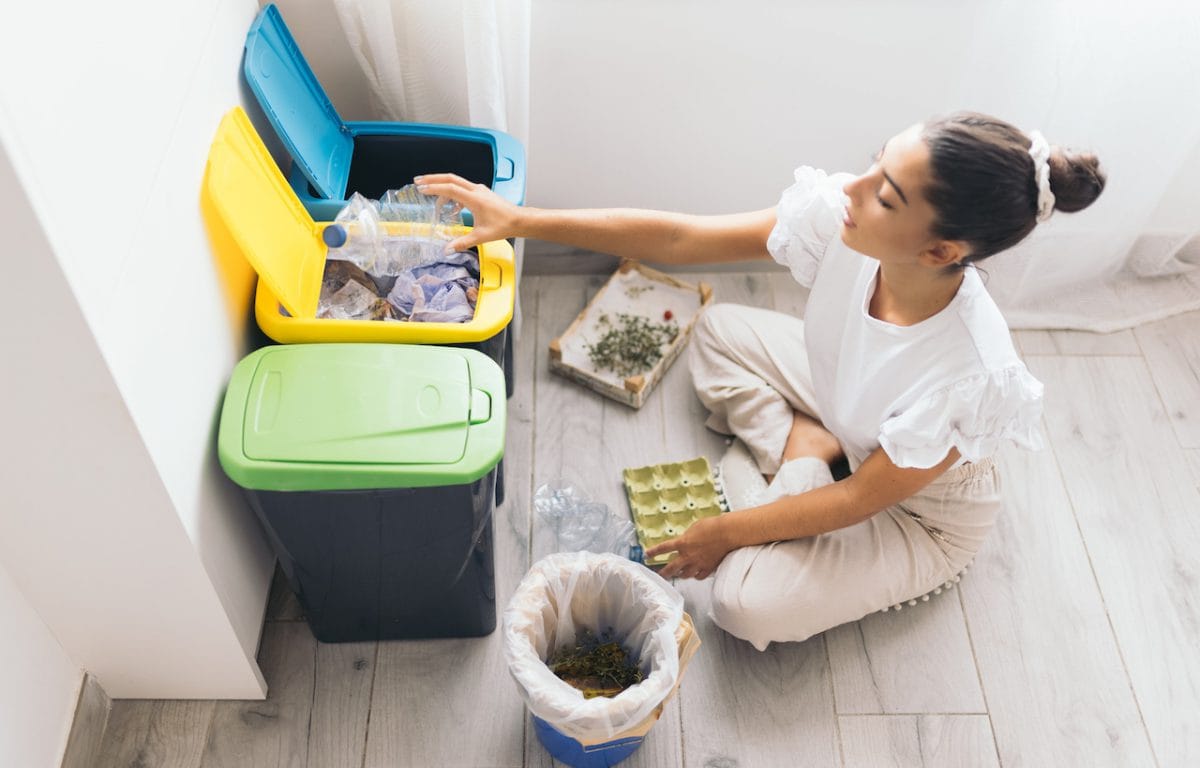
You have an opportunity to get rid of waste once a week through your normal bin collection. Ensure that all of your waste is in the correct bin and you know when to put your bins out. Learning to sort your rubbish will be your biggest win against household waste. If the bins are normally overflowing before collection day, it’s because you’re doing something wrong. 

Your green bin is for garden/green waste, while your general waste should be in the red bin and recycling in the yellow one. 

  • Council Cleanup

When it’s Council CleanUp time, they will collect e-waste, bundled green waste, bulky items, old appliances, and mattresses. 

In addition to your weekly council bin collection and the annual Cleanup, your council will provide you with two free pick-ups throughout the year. It includes items like mattresses, electronics, old appliances, and more. It does not, however, include hazardous waste or chemicals. So, be sure you are contacting the council for the right items. For everything else, a professional rubbish removal company can help.


Dangers of Dumping Rubbish

With so many different types of rubbish, getting it wrong can have dire consequences to the environment and your fellow citizens. You can be fined $4,000 for illegal dumping, which is a big risk to take when a service can handle that rubbish for you and at a much lower cost. The most common items dumped illegally include old appliances, furniture, garden waste, and tyres. All of these items can be collected or dropped at the right landfill or recycling point, so there’s no need to dump them illegally. 

You can use a professional rubbish removal service to ensure the right waste makes it to the landfill. The rubbish removal service will also ensure the rest gets recycled properly. The best bit is you don’t even have to separate it into all the different types of rubbish;Cheapest Load of Rubbish will do it for you.

Categories
Rubbish Removal

House Hygiene and Health: Time To Action

Did you know that most bacteria inside your home isn’t on the floor or inside the trash can? It’s actually your kitchen sponge. In fact, the University of Arizona found so much bacteria on kitchen sponges they could be over 200,000 times nastier than toilet seats.

Thankfully, a 2002 study has found that routine home cleaning is often sufficient to keep our living spaces clean. Combine that with good personal hygiene, regularly wash our hands, and we can protect ourselves from germs, bacteria, and illnesses. 

Home hygiene products have been designed specifically for keeping the living areas, food prep areas, bedrooms, and bathrooms comfortable and clean.

But even the cleanest homes need a good deep clean now and then. And regular cleaning is even more important after the COVID-19 pandemic. So with that in mind, here are some home hygiene information and tips for making your house even cleaner.

Kitchen

Studies have shown that the kitchen is typically one of the most problematic areas in our homes. Practically every kitchen surface is ground zero when it comes to harbouring bacteria and transferring infections, and a study in 2020 detected live coronavirus on plastic and stainless steel for up to 72 hours.

According to studies in 2008 and 2011  kitchens are often more heavily contaminated than bathrooms, with the highest concentrations of bacteria found in and around the sink area. Thankfully they also reported that regular cleaning with common household products significantly reduced the levels of bacteria.

That means you should wipe down all kitchen surfaces regularly, including the counter, table, stove, and microwave, disinfecting as necessary. Always wash dishes immediately after use, store all food in sealed containers, and make sure the bin lid is always closed.

Living Areas

Carpet can hold up to 8 times its own weight in dust, which is comparatively more dirt than an average city street. It is very easy for these particles of dust and dirt to be dispersed into the air, potentially causing illness if inhaled. Plus food debris in carpet is very attractive to insects, rodents, and other pests.

By far the best option for carpets is to have them steam cleaned regularly and shake out your rugs as well. Vacuuming, sweeping, dusting, wiping, and mopping are also important for keeping all your living spaces hygienic and clean. You may also be able to use an air purifier may capture any infected droplets from elsewhere in the home.

Bedrooms

According to a 2013 study, microbial dust found in beds and bedrooms may influence asthma, atopy, rhinitis, and other allergies in both children and adults. Not only do these little dust mites lay eggs and generate waste, but they also reduce air quality and cause irritation whether you’re allergic to them or not. Add in some of your hair and plenty of dead skin, and it becomes a disgusting allergen-filled combo that makes me want to change my sheets and clean my room right now.

Thankfully by regularly sweeping or vacuuming your bedroom floor helps keep them free from dust mites and other debris. And steam clean them regularly to clear out bacteria. You should also declutter the bedroom closet to reduce places for dust and mites. Start with any clothes you haven’t worn lately and bag them all for donating. While you’re at it, you may as well do a big spring clean. Take out any old electronics, broken furniture, old toys, and whatever else to the garage and arrange for, Cheapest Load Of Rubbish removal Sydney.

Bathroom

Mould and other microorganisms can multiply rapidly and thrive in moist environments like bathrooms, which can cause many health problems. Also, a 1975 study showed that both bacteria and viruses remained inside the toilet bowl after flushing, and even after continual flushing. These droplets from flushing toilets which contain both bacteria and viruses, often remain airborne long enough to settle on bathroom surfaces and cause infection. In fact, a 1990 study showed that coliform faecal matter can typically survive around 24 hours on bathroom surfaces, or even as long as 36 hours.

Thankfully, studies have shown that regular use of household cleaning products and disinfectants can be used effectively to reduce contamination. But the most important aspects of good bathroom hygiene are always closing the toilet lid before flushing and washing your hands correctly afterwards.

Dust & Declutter

The quickest and most effective method of dusting each room to go from top to bottom and left to right. Start dusting from the highest spot of each room, like the top of cabinets or shelves, and work your way from the left across the room to the right. That way you won’t accidentally knock dust anywhere you’ve already cleaned and it will also ensure you don’t miss anything. Don’t forget to dust the top of all the furniture, picture frames, televisions, knick-knacks, and all handrails.

While you’re dusting, it’s a good idea to clear out any clutter. Either find somewhere else to have it, put it into storage, or organise rubbish removal for any stuff you no longer want. Not only will clearing out visible clutter make cleaning your home easier, but seeing all that extra space and tidy surfaces can also help increase motivation levels for keeping your house clean.

Personal Items

Don’t forget to clean your personal items with disinfectant wipes as well. This is because out of 22 homes surveyed in a 2011 NSF study, staph was present on all of the following items:

  • Pet toys
  • Refrigerator handles
  • Toothbrush holders
  • Remote controls
  • Video game controllers
  • Pens

The NSF also found mould, yeast, and faecal, contamination present on these items:

  • keyboards
  • video game controllers
  • remote controls
  • bottom of purses
  • iPods
  • mobile phones
  • lunch boxes
  • wallets
  • keys

Things To Remember

Don’t forget that you can also bring bacteria, germs, and viruses into your home on your shoes, clothes, and smartphone. This is why the most effective method of protecting our families from illnesses and viruses is good personal hygiene combined with good home hygiene practices. So regularly wipe down anywhere your fingers touch and always wash your hands, especially after going to the toilet and before eating food.

Categories
Rubbish Removal

Top 5 Reasons To Clean Up Your Laundry Room

Considering the amount of cleaning that’s done in the laundry room, you’d think it would be one of the tidiest rooms in the house. Unfortunately, that’s not the case. Instead, our laundry rooms seem to become a place for trash and when we’re cleaning the house, we tend to neglect it. After all, it’s always filled with dirt and grime anyway, so why bother fixing it?

The thing is, laundry rooms are also a place where germs like to hide and mould loves to grow. And if you don’t keep it clean, it’s not just going to impact the aesthetics of your home, it could also impact your health. So, it’s time to get started. Here are some of the ways you can clean it, and why you should.

How To Clean Your Laundry

Start with the washing machine.

Cleaning your washing machine isn’t just about aesthetics. Your washing machine is a haven for germs, with our underwear being the biggest carriers thanks to fecal matter and the different types of bacteria it carries. Yuck! Here’s what you need to do: start by running an empty, standard cycle on hot, but replacing the detergent with two cups of vinegar. Next, with a water and vinegar solution, scrub the inside of the machine, then run another empty cycle in hot water (no vinegar this time). This will help to clear out the hoses and pipes as well. Finally, wipe down the sides and top of the machine as well.

Onto the dryer.

After each load, you should be wiping down the screen. But that’s not enough and you’re still likely missing out on catching particles of dust and lint. You need to clean the lint trap at least once a month, even every fortnight depending how often you use the dryer. Get out the vacuum cleaner and suck up any dust that might be in the trap. Brush down the entrance to the machine, then vacuum the inside and exterior to get any leftover dust. Then wipe down the outside with a cloth.

Counters and cabinets.

The counters in the laundry tend to get very dirty – it’s where muddy clothes are placed, where your laundry detergent tends to leak, and it’s bound to see water splashes on a regular basis. All of this can lead to mildew, mould and smells, so it’s imperative that you clean it well. Same goes for the cabinet doors (and inside). Try to clean this at least once a week, using an all-purpose cleaner and wiping everything down. At the same time, clean out your cabinets and get rid of any trash. If you have any bulky items, consider a rubbish removal company to come and take them away.

Sanitise appliances.

Irons and steamers are cesspools for mould if they’re not taken care of. While you’re doing your laundry clean, give these a good clean as well. For your iron, use dishwashing liquid, vinegar, baking soda and salt – mix these together with filtered water and turn on the iron to let it get hot. This will help remove dust from the vents. With your steamer, add vinegar and put it on high heat. Once it’s hot, remove the vinegar and heat it again with filtered water alone. Wipe down your washer and dryer, and any other appliances you have in the room.

Clean the floor.

Now that you have the rest of the laundry in order, it’s time to take care of the floors. Start by removing anything that’s small enough to lift, then give it a sweep to get up any dirt, rubbish and debris. Try to get under and around the washing machine and dryer as well. After sweeping, vacuum up any leftover dust, then get out the mop. Using a floor cleaner, or simple water, mop the room, starting at the back and working your way to the front – and out the door as you go. Don’t go back in until it’s dry, then move everything back into its regular place. 

4 Benefits Of Laundry Room Organisation

Now that you have cleaned the room, it’s time to keep it maintained. If you can give it a good clean at least once a month, it will be much easier to keep it that way. There are other benefits as well, including the following: 

  1.     It’ll look better. Walking into a messy room in the house can be a bit of a downer on your mood. Keeping your laundry room clean will help you to enjoy the space more, and it might even make you keener to do the laundry if you’re in a space that looks great.
  2.     It increases the home’s value. If you’re trying to sell your home, you don’t want people walking into a laundry that’s filled with rubbish and dust. By keeping it nice and clean, you’ll attract more buyers and they’ll be willing to pay more. Showcase your storage space and make the room look brighter and more inviting.
  3.     It makes it easier to use. Your laundry room has one main function – doing the laundry. If the room is filled with rubbish, it makes it harder to find the space to sort through your clothes before and after a wash.
  4.     You can design it to clean up the rest of the house. The laundry is often hidden away and as such, it’s a great place for storage. If you can organise it so that you have more space to store other household items, it’ll free up space elsewhere.


What To Do With Your Trash 

While you’re cleaning up the laundry, remember to keep the 4 Rs in mind – Reduce, Reuse, Repurpose, Recycle.

  •       Reduce the amount of waste you are creating – this could include buying your washing detergent in bulk, rather than smaller boxes or bottles; using solar hot water for your washing rather than electric, and switching to LED lights in the laundry room to save on energy.
  •       Reuse your laundry bags and baskets – if you’re heading to the beach or sports and you’re expecting to come home with dirty clothes, put them in a reusable bag rather than single-use. You could also get second-hand storage cupboards to put in your laundry, rather than buying new.
  •       Repurpose old furniture from inside the home to help you out in the laundry. Old bookshelves could easily turn into storage spaces for linen and detergents, and so on.
  •       Recycle your plastic bottles or cardboard boxes – just be sure to clean them out before you put them into your yellow bins. And also, when your washing machine or dryer goes on the blink, take it to your local recycle centre rather than landfill. 

How Can Cheapest Load of Rubbish Removal Sydney Help?

If you have a large amount of rubbish you need to get rid of after your cleaning, or you want help to remove those old machines and appliances, Cheapest Load of Rubbish can assist you with rubbish removal Sydney. We’ll come and take a look and provide a quote for removal, taking it straight off your hands to into the best place for it – whether that’s the recycle centre, a charity if it’s still in good working order, or to landfill for your old trash. At Cheapest Load of rubbish, we manage all types of common waste and rubbish collection in Sydney, so give us a call today.

Categories
Rubbish Removal

Top 5 Easiest Items to Recycle

Many Aussies don’t realise it but we live in one of the most wasteful countries on the planet. That’s why we all need to stand up and be counted in Australia’s war on waste. If every single one of us decides to join the fight, and take responsibility, we can save this stunning land of ours together!

Millions of tonnes of recyclable trash end up in our landfill each and every year. So by doing your part and recycling what you can is going to be totally worth the effort. Especially considering there it’s pretty easy to recycle some of the unwanted items around your home.

Remember, the more waste that gets sent to the recycling centres, the less ends up in the ground, and the better off our sunburnt country will be. So here are 6 of the easiest household items that you should always recycle.

Aluminium

While most metals are recyclable, aluminium cans are by far the easiest household items of all to recycle. Plus you can even make money from it too, which is great for your pocket and the planet! Aluminium also preserves its 100% recyclable properties indefinitely, so it can be reclaimed and reused over and over again. The other great news is that it uses 95% less energy to recycle an aluminium can than to make a new one from scratch. Steel tins used for coffee, fruit, and Milo can also be recycled, just rinse them out first.

Glass

Like aluminium, most glass containers in your household are 100% recyclable, and can also be recycled continuously. Glass recycling is pretty environmentally friendly too, as it can be substituted for 95% of the raw materials required to make new glass products. So, be sure to recycle your glass containers and always wash them out first too. And if you need rubbish removal Sydney, talk to the pros at Cheapest Load of Rubbish today.

Plastics

The average Australian household uses an average of about 20 kilograms of PET plastic every single year. And not only are they recyclable, but making sure they get reused massively helps our environment. Unfortunately, around 80% of PET water and soda bottles still end up in landfill. So it’s time we all start turning these terrible statistics around. Oh, and those thicker plastic containers like shampoo or detergent bottles can also be recycled. Just remove and discard their plastic tops and rinse the containers clean before recycling.

Paper

EXTRA! EXTRA! READ ALL ABOUT IT! Decomposing paper actually produces a dangerous greenhouse gas called methane which traps more heat beneath the ozone layer than carbon monoxide. Thankfully, newspaper is another one of the really easy household materials to recycle, which is really great “NEWS”. See what I did there? You might not make the news for doing it, recycling newspaper can save around 65% of the energy used to create brand new papers. And it’s not just newspapers that have a really simple recycling process, there are all kinds of paper too. From junk mail to old love letters, coupon flyers to high gloss magazines, and everything in between can also be sent to the recycle centre.

Cardboard

It’s not just paper that’s easy to recycle, every different type of cardboard in your home can be easily recycled too. One tonne of cardboard from pizza boxes or cereal boxes ending up at recycling centres can save around 25% of the energy needed to make brand new cardboard. So recycling cardboard is important to help ensure Australia is a greener and less polluted country. Oh, and you can also recycle the thin shiny stuff like the cardboard used in shoe boxes. Just be sure to break down and flatten all cardboard beforehand to save space in your recycling bin.

What About Larger Household Items

Did you know that putting your unwanted household waste on the curb is illegal? It’s true! In fact, if you get caught you can actually be fined by the council up to $4000 for dumping trash out front of your home, or anywhere for that matter. The only time you are allowed to leave household junk out the front is when the council is doing collections, but even then they have very specific rules about what they can collect. Besides, there are better options for getting rid of unwanted goods like larger household items.

If you’ve got a ute or a trailer, you could try taking any larger waste to a landfill yourself. Obviously, you’ll need to contact your local facility and check to ensure they will accept each type of debris. And you’ll probably need to ask your friends to help load it all up. But removing all those heavy pieces of junk can be exhausting, and there’s still so much cleaning to do.

The better idea is rubbish removal Sydney from Cheapest Load Of Rubbish. We can come to pick it all up for you and get it out of your life. Plus, we separate everything by all types of waste which can be recycled, and that’s great news for our country. Right? Recycling centres will accept virtually anything which can be useful to the construction industry, from faulty appliances and lighting fixtures to ripped out plumbing, and any other material waste. So instead of just throwing it all away to end up in landfill, this is a much more environmentally responsible way to dispose of all your larger junk and debris.

Categories
Rubbish Removal

Kitchen Renovation Clean-Up Checklist

It’s a great feeling when a renovation project is finally finished. There’s no more noisy construction, the workers have all gone, and you’re ready to cook up a storm in your brand new kitchen. But unfortunately, post-renovation cleaning is essential. There’s always a considerable amount of construction dust, scrap waste, and other debris everywhere after any major renovation, so you’re going to have to deal with all that mess first.

While renovation contractors will always do whatever they can to reduce the amount of construction dust during renovations, it’s unfortunately inevitable. No amount of plastic tarps and taped off rooms will prevent it from finding its way throughout your home and building up over time. The construction dust always accumulates in places you’d least expect, like behind pictures, inside cupboards, on ceiling fans, over light fixtures, and even in adjacent rooms of your house. And considering construction dust can harm your respiratory system, it’s incredibly important to ensure it has been properly removed from your kitchen.

It can be pretty discouraging seeing all the mess left behind after a kitchen renovation. There are old fixtures and building debris everywhere, construction dust in every nook and cranny, massive mountains of plastic cover sheets. And what are you going to do with your old stove and kitchen sink?

Before you get too overwhelmed about it all, here is an easy to follow checklist for cleaning up after a kitchen renovation.

Cleaning Products

Before you can start the big post-renovation clean-up, make sure you have all the necessary cleaning products and tools to get the job done. Here’s a list of items you’ll typically need when cleaning up after a kitchen reno:

  • Vacuum cleaner
  • Mop and bucket
  • Dustpan & broom
  • Trash bags
  • Cleaning chemicals
  • Old rags
  • Microfibre cloths
  • Step-ladder
  • Industrial rubber gloves
  • Clear safety glasses
  • N95 respirator mask

Construction dust isn’t the only health hazard after a renovation. Most of the chemical products used during construction give out toxic fumes which often linger for many days, such as fresh paint, lacquer, and primer. Plus, many cleaning products aren’t healthy to breathe in either. So aside from wearing a mask and any other protective equipment, you should also open all windows so the kitchen is well-ventilated before starting to clean.

Renovation Waste

Kitchen renovations typically generate a lot of leftover construction debris in all different types, shapes, and sizes. From general rubbish like cardboard containers to larger debris like chunks of plasterboard, here are just some of the things you may need to dispose of after renovating your kitchen:

  • Appliances
  • Plumbing
  • Screws & nails
  • Wood/metal cut-offs
  • Insulation
  • Tiles
  • Concrete
  • Paint cans
  • Sheetrock
  • Flooring
  • Rubble
  • Shingles
  • Bricks
  • Carpeting
  • Plastic sheeting
  • And don’t forget the kitchen sink!

Unfortunately, much of this waste isn’t the sort of thing you can just chuck in your wheelie bins. Nor should it be left on the road for the next curbside collection as the council doesn’t accept building materials and similar waste. So how are you going to get rid of all your construction debris?

If you want a stress-free approach to disposing of all your reno waste or construction debris, you need a professional service for rubbish removal Sydney. Cheapest Load of Rubbish have a large fleet of rubbish trucks ready and waiting to take away all of your junk, no matter how big or small your pile is. Two guys arrive onsite in a truck, load up all of your waste, and just like that the job is done! Plus we pride ourselves on our environmentally friendly recycling methods.

Wipe Everything

Once you’ve dealt with all the cut off waste and reno debris, it’s time to start clearing out all of that construction dust from your kitchen. While a wet cloth may seem like the most logical way to begin, dry dusting with a microfibre cloth is actually far more effective. You need to be extremely thorough, so give absolutely everything a decent dry wipe.

Wipe all hard surfaces from the ceiling to the floor, starting with the walls and the tops of kitchen cabinets, appliances, and shelves. Don’t forget to open all the cupboard doors and dust inside as you go. Then move on to all hard surfaces in the kitchen which includes cabinets, cupboards, shelves, countertops, appliances, doors, handles, and any other hardware. Don’t forget about all the fixtures in the kitchen too, such as lighting, curtains, and fans, vents, or ducts.

Vacuum Everything

Now that most of the dust has been wiped off everything and is covering the floor, it’s time to give everything a good vacuum. You should also give the walls a vacuum if you can, and don’t forget to vacuum any remaining dust inside the cupboards. Also, if any floors nearby are carpeted, you should give them a few good runs with the vacuum cleaner.

Wash Everything

Finally, once you’ve dusted and vacuumed everything, it’s time to go back and clean everything properly with cleaning products and disinfectant. Again you should be starting from the top down and finishing up by mopping the floor. Then wipe each area with a tissue on one finger to see how clean it is. If there’s any dust or dirty marks, give everything a second go over because this is where you prepare your food.

Safety First

Speaking of food preparation, all of the toxins from construction dust and other hazardous chemicals can take anywhere up to 7 days before completely settling down. As such, it’s a good idea not to use the kitchen for a week after finishing all post-renovation cleaning.

Categories
Rubbish Removal

Tips To Help You Declutter Your Garage

When you open your garage door and look around, are you instantly reminded of the TV show “Hoarders”? Don’t worry, you’re certainly not alone. When most households start accumulating too much clutter, their garages usually become like a magical box which hides everything to “deal with another day”. But looking at all the junk piled inside our garages, I think we know that another day never seems to happen. Something must be done about it.

Thankfully there is some good news. Simply by following the basic steps below you can declutter your garage and organise everything in no time at all. And once your garage is a clutter-free zone again, keeping everything neat and tidy is actually pretty easy! You’ll even be able to use it for things like storage, hobbies, a workshop, and maybe even *shock!* parking your car?

Get Everything Ready

Before you can start the process of decluttering your garage, you need to make sure you have everything you’re going to need. Here’s an inventory of supplies:

  • Large Heavy-Duty Trash Bags
  • A Decent Broom
  • A Strong Vacuum Cleaner
  • Any Shelving Or Hooks You Need
  • Plastic Storage Boxes*

*Instead of using cardboard boxes for storage, you should seriously consider getting purpose-built storage bins. These plastic storage boxes are airtight to keep out moisture and pests, they’re much sturdier than cardboard, they’re designed to be stackable, and they can easily be labelled which makes it much easier to find things when you need them.

Depending on how much clutter there is, you should block off a whole weekend or at least one full day for decluttering and reorganizing your garage. It’s also a good idea to do a weather check the night before as heavy rain would make this job a lot more difficult.

Pull Everything Out

You need to find out what you have cluttered inside your garage, so the next step is pulling everything out of the garage space for sorting. The driveway or the backyard are both usually good places to put it all. If neither of these is possible for whatever reason, you’ll need to play a bit of Tetris by systematically moving everything around the garage while sorting, cleaning, and making room as you go.

Choose somewhere to start pulling everything out from, and work your way through from the outside while concentrating on creating floor space. This will also help you visualise the space for later when organising everything you keep.

When you’re removing things from your garage, start arranging everything in separate groups to help with sorting. The best way to do this is to put every single item into four zones as listed below:

  • Keep
  • Donate
  • Recycle
  • Rubbish

If you’re having difficulty making decisions about what to keep, try to be more practical than sentimental. A good rule of thumb for doing this is to get rid of anything in your garage which you either haven’t used in the last 12 months or haven’t found a use for at all. This will really help with speeding up the process by making decisions much easier.

Organise Everything You’re Keeping

Once everything is out and your garage is empty, it’s time to start organising your keep pile. Remember that how well everything is organised will affect how easy it will be to keep it that way. The most effective way of doing this is by developing a logical storage system based on different categories and creating specific zones for them. The zones below might help, but it will depend on what kind of stuff you have.

  • Car supplies
  • Sports equipment
  • Tools
  • Camping Gear
  • Toys
  • Other

Once you know what categories you have, you can start deciding how you should store it all. Make use of any vertical space by hanging things like garden tools and sports equipment on the walls. Anything that is used frequently needs to be stored close by for easy access, whereas rarely used items should be stored out of sight or on higher shelves. The most important thing here is that everything needs to have its own designated space to be stored inside your garage.

Get Rid of the Garage Junk

Now that everything in your keep pile is organised and safely stored away inside your garage, it’s time to deal with the other three piles. Start bagging or boxing up the rubbish pile, and then do the same with the donation and recycling piles. Then you have a couple of options here.

The first option is to take the donations to local charities, then take the recycling to your local centre, and then start making multiple trips taking everything else that’s leftover to the dump. All of this is exactly as much extra work as it sounds like.

The next option is also the easiest, which is to contact a professional rubbish removal company like Cheapest Load Of Rubbish to deal with everything for you. We will come to your home on the same day or whenever else suits you best, collect all three remaining piles, and then take everything where it all needs to go for you.

Just don’t go getting lazy now after all your hard work and dragging all three piles back into the garage to “deal with it later”. We already know how that ends, remember?

Final Thoughts

Once you’ve decluttered, cleaned, and organised your garage, remember to keep it that way with regular cleaning and following smart storage practices. But if it ever does become an overwhelming problem again, you now know what to do about it. And if you need rubbish removal in Sydney, you know you can count on Cheapest Load Of Rubbish.