One call and we take it all
Categories
Rubbish Removal

Top 5 Easiest Items to Recycle

Many Aussies don’t realise it but we live in one of the most wasteful countries on the planet. That’s why we all need to stand up and be counted in Australia’s war on waste. If every single one of us decides to join the fight, and take responsibility, we can save this stunning land of ours together!

Millions of tonnes of recyclable trash end up in our landfill each and every year. So by doing your part and recycling what you can is going to be totally worth the effort. Especially considering there it’s pretty easy to recycle some of the unwanted items around your home.

Remember, the more waste that gets sent to the recycling centres, the less ends up in the ground, and the better off our sunburnt country will be. So here are 6 of the easiest household items that you should always recycle.

Aluminium

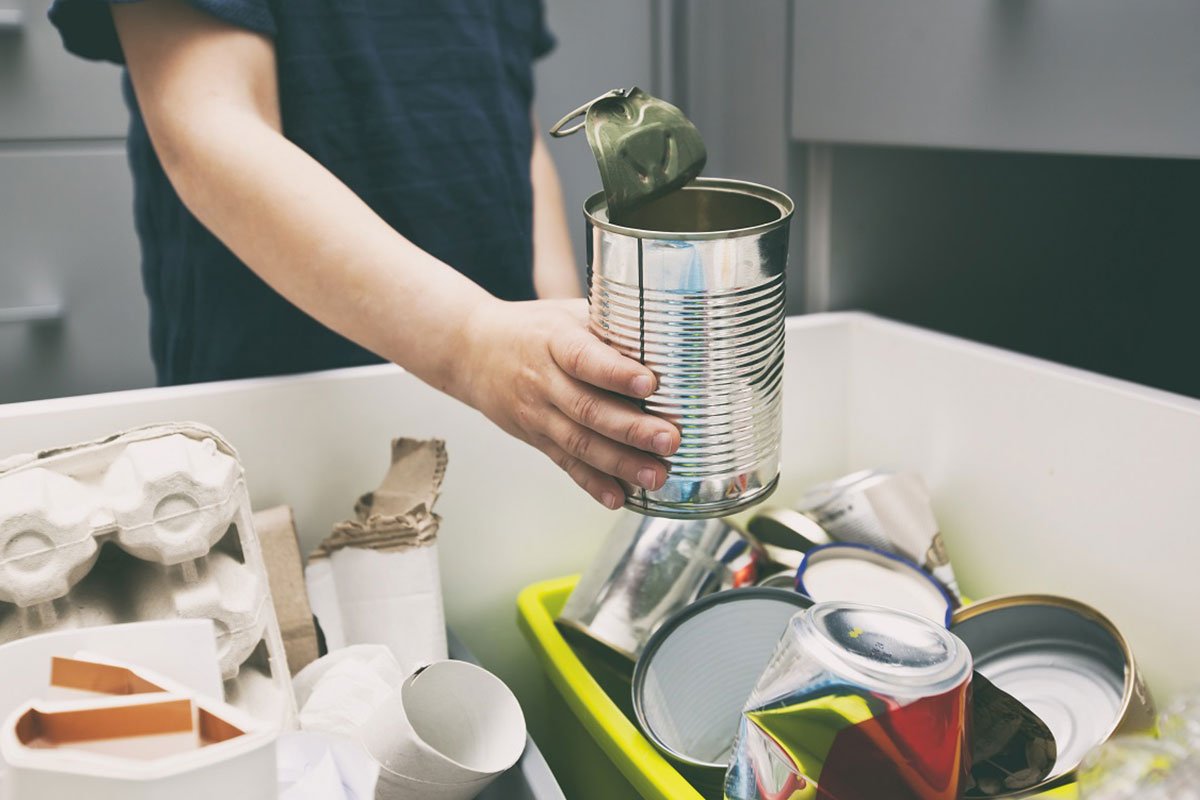
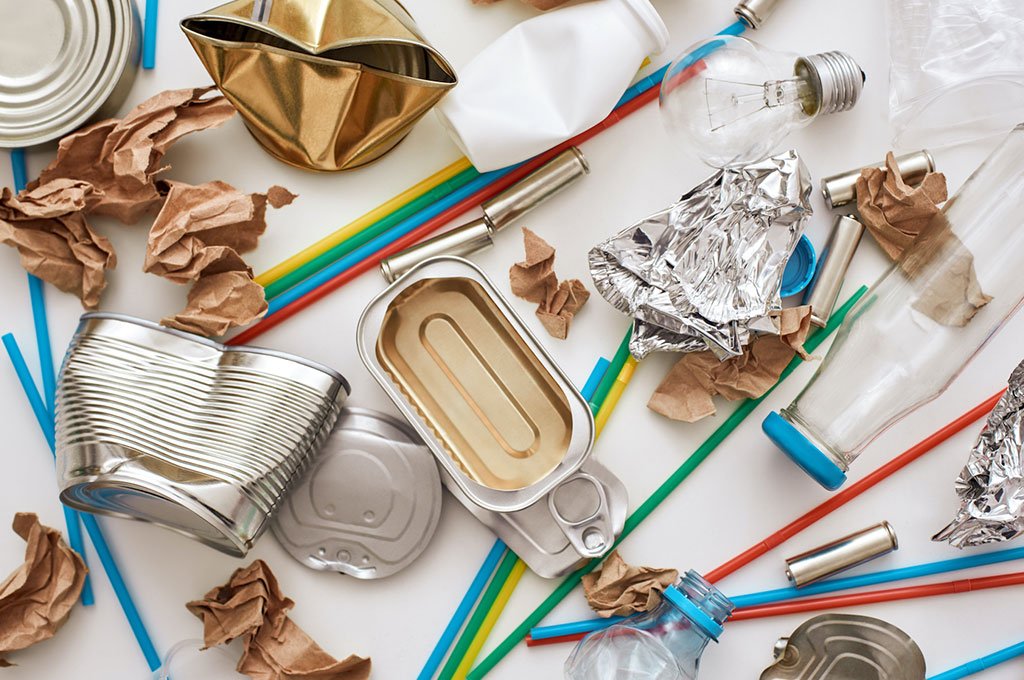
While most metals are recyclable, aluminium cans are by far the easiest household items of all to recycle. Plus you can even make money from it too, which is great for your pocket and the planet! Aluminium also preserves its 100% recyclable properties indefinitely, so it can be reclaimed and reused over and over again. The other great news is that it uses 95% less energy to recycle an aluminium can than to make a new one from scratch. Steel tins used for coffee, fruit, and Milo can also be recycled, just rinse them out first.

Glass

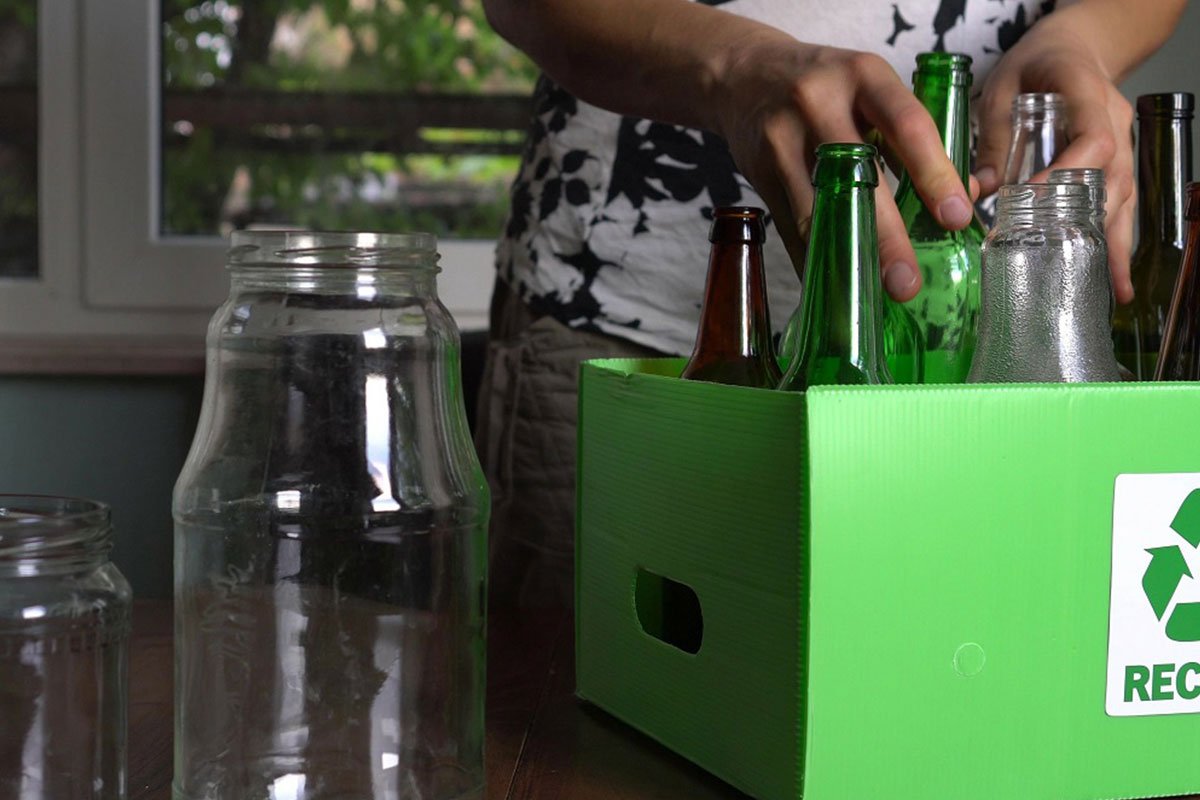
Like aluminium, most glass containers in your household are 100% recyclable, and can also be recycled continuously. Glass recycling is pretty environmentally friendly too, as it can be substituted for 95% of the raw materials required to make new glass products. So, be sure to recycle your glass containers and always wash them out first too. And if you need rubbish removal Sydney, talk to the pros at Cheapest Load of Rubbish today.

Plastics

The average Australian household uses an average of about 20 kilograms of PET plastic every single year. And not only are they recyclable, but making sure they get reused massively helps our environment. Unfortunately, around 80% of PET water and soda bottles still end up in landfill. So it’s time we all start turning these terrible statistics around. Oh, and those thicker plastic containers like shampoo or detergent bottles can also be recycled. Just remove and discard their plastic tops and rinse the containers clean before recycling.

Paper

EXTRA! EXTRA! READ ALL ABOUT IT! Decomposing paper actually produces a dangerous greenhouse gas called methane which traps more heat beneath the ozone layer than carbon monoxide. Thankfully, newspaper is another one of the really easy household materials to recycle, which is really great “NEWS”. See what I did there? You might not make the news for doing it, recycling newspaper can save around 65% of the energy used to create brand new papers. And it’s not just newspapers that have a really simple recycling process, there are all kinds of paper too. From junk mail to old love letters, coupon flyers to high gloss magazines, and everything in between can also be sent to the recycle centre.

Cardboard

It’s not just paper that’s easy to recycle, every different type of cardboard in your home can be easily recycled too. One tonne of cardboard from pizza boxes or cereal boxes ending up at recycling centres can save around 25% of the energy needed to make brand new cardboard. So recycling cardboard is important to help ensure Australia is a greener and less polluted country. Oh, and you can also recycle the thin shiny stuff like the cardboard used in shoe boxes. Just be sure to break down and flatten all cardboard beforehand to save space in your recycling bin.

What About Larger Household Items

Did you know that putting your unwanted household waste on the curb is illegal? It’s true! In fact, if you get caught you can actually be fined by the council up to $4000 for dumping trash out front of your home, or anywhere for that matter. The only time you are allowed to leave household junk out the front is when the council is doing collections, but even then they have very specific rules about what they can collect. Besides, there are better options for getting rid of unwanted goods like larger household items.

If you’ve got a ute or a trailer, you could try taking any larger waste to a landfill yourself. Obviously, you’ll need to contact your local facility and check to ensure they will accept each type of debris. And you’ll probably need to ask your friends to help load it all up. But removing all those heavy pieces of junk can be exhausting, and there’s still so much cleaning to do.

The better idea is rubbish removal Sydney from Cheapest Load Of Rubbish. We can come to pick it all up for you and get it out of your life. Plus, we separate everything by all types of waste which can be recycled, and that’s great news for our country. Right? Recycling centres will accept virtually anything which can be useful to the construction industry, from faulty appliances and lighting fixtures to ripped out plumbing, and any other material waste. So instead of just throwing it all away to end up in landfill, this is a much more environmentally responsible way to dispose of all your larger junk and debris.
Categories
Rubbish Removal

Kitchen Renovation Clean-Up Checklist

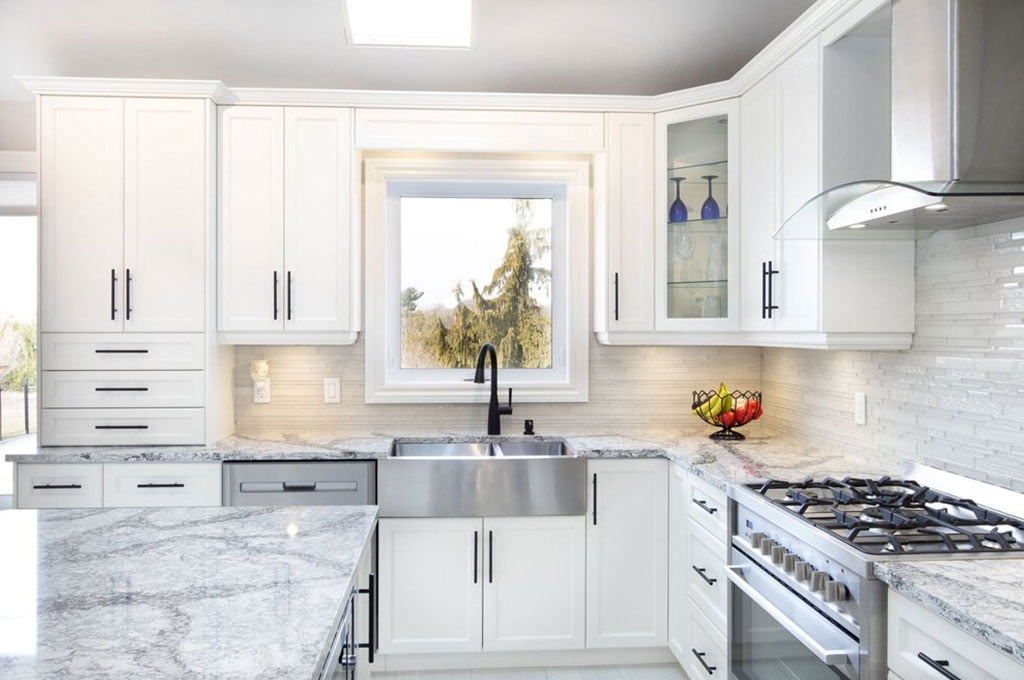
It’s a great feeling when a renovation project is finally finished. There’s no more noisy construction, the workers have all gone, and you’re ready to cook up a storm in your brand new kitchen. But unfortunately, post-renovation cleaning is essential. There’s always a considerable amount of construction dust, scrap waste, and other debris everywhere after any major renovation, so you’re going to have to deal with all that mess first.

While renovation contractors will always do whatever they can to reduce the amount of construction dust during renovations, it’s unfortunately inevitable. No amount of plastic tarps and taped off rooms will prevent it from finding its way throughout your home and building up over time. The construction dust always accumulates in places you’d least expect, like behind pictures, inside cupboards, on ceiling fans, over light fixtures, and even in adjacent rooms of your house. And considering construction dust can harm your respiratory system, it’s incredibly important to ensure it has been properly removed from your kitchen.

It can be pretty discouraging seeing all the mess left behind after a kitchen renovation. There are old fixtures and building debris everywhere, construction dust in every nook and cranny, massive mountains of plastic cover sheets. And what are you going to do with your old stove and kitchen sink?

Before you get too overwhelmed about it all, here is an easy to follow checklist for cleaning up after a kitchen renovation.

Cleaning Products

Before you can start the big post-renovation clean-up, make sure you have all the necessary cleaning products and tools to get the job done. Here’s a list of items you’ll typically need when cleaning up after a kitchen reno:

  • Vacuum cleaner
  • Mop and bucket
  • Dustpan & broom
  • Trash bags
  • Cleaning chemicals
  • Old rags
  • Microfibre cloths
  • Step-ladder
  • Industrial rubber gloves
  • Clear safety glasses
  • N95 respirator mask

Construction dust isn’t the only health hazard after a renovation. Most of the chemical products used during construction give out toxic fumes which often linger for many days, such as fresh paint, lacquer, and primer. Plus, many cleaning products aren’t healthy to breathe in either. So aside from wearing a mask and any other protective equipment, you should also open all windows so the kitchen is well-ventilated before starting to clean.

Renovation Waste

Kitchen renovations typically generate a lot of leftover construction debris in all different types, shapes, and sizes. From general rubbish like cardboard containers to larger debris like chunks of plasterboard, here are just some of the things you may need to dispose of after renovating your kitchen:

  • Appliances
  • Plumbing
  • Screws & nails
  • Wood/metal cut-offs
  • Insulation
  • Tiles
  • Concrete
  • Paint cans
  • Sheetrock
  • Flooring
  • Rubble
  • Shingles
  • Bricks
  • Carpeting
  • Plastic sheeting
  • And don’t forget the kitchen sink!

Unfortunately, much of this waste isn’t the sort of thing you can just chuck in your wheelie bins. Nor should it be left on the road for the next curbside collection as the council doesn’t accept building materials and similar waste. So how are you going to get rid of all your construction debris?

If you want a stress-free approach to disposing of all your reno waste or construction debris, you need a professional service for rubbish removal Sydney. Cheapest Load of Rubbish have a large fleet of rubbish trucks ready and waiting to take away all of your junk, no matter how big or small your pile is. Two guys arrive onsite in a truck, load up all of your waste, and just like that the job is done! Plus we pride ourselves on our environmentally friendly recycling methods.

Wipe Everything

Once you’ve dealt with all the cut off waste and reno debris, it’s time to start clearing out all of that construction dust from your kitchen. While a wet cloth may seem like the most logical way to begin, dry dusting with a microfibre cloth is actually far more effective. You need to be extremely thorough, so give absolutely everything a decent dry wipe.

Wipe all hard surfaces from the ceiling to the floor, starting with the walls and the tops of kitchen cabinets, appliances, and shelves. Don’t forget to open all the cupboard doors and dust inside as you go. Then move on to all hard surfaces in the kitchen which includes cabinets, cupboards, shelves, countertops, appliances, doors, handles, and any other hardware. Don’t forget about all the fixtures in the kitchen too, such as lighting, curtains, and fans, vents, or ducts.

Vacuum Everything

Now that most of the dust has been wiped off everything and is covering the floor, it’s time to give everything a good vacuum. You should also give the walls a vacuum if you can, and don’t forget to vacuum any remaining dust inside the cupboards. Also, if any floors nearby are carpeted, you should give them a few good runs with the vacuum cleaner.

Wash Everything

Finally, once you’ve dusted and vacuumed everything, it’s time to go back and clean everything properly with cleaning products and disinfectant. Again you should be starting from the top down and finishing up by mopping the floor. Then wipe each area with a tissue on one finger to see how clean it is. If there’s any dust or dirty marks, give everything a second go over because this is where you prepare your food.

Safety First

Speaking of food preparation, all of the toxins from construction dust and other hazardous chemicals can take anywhere up to 7 days before completely settling down. As such, it’s a good idea not to use the kitchen for a week after finishing all post-renovation cleaning.

Categories
Rubbish Removal

Tips To Help You Declutter Your Garage

When you open your garage door and look around, are you instantly reminded of the TV show “Hoarders”? Don’t worry, you’re certainly not alone. When most households start accumulating too much clutter, their garages usually become like a magical box which hides everything to “deal with another day”. But looking at all the junk piled inside our garages, I think we know that another day never seems to happen. Something must be done about it.

Thankfully there is some good news. Simply by following the basic steps below you can declutter your garage and organise everything in no time at all. And once your garage is a clutter-free zone again, keeping everything neat and tidy is actually pretty easy! You’ll even be able to use it for things like storage, hobbies, a workshop, and maybe even *shock!* parking your car?

Get Everything Ready

Before you can start the process of decluttering your garage, you need to make sure you have everything you’re going to need. Here’s an inventory of supplies:

  • Large Heavy-Duty Trash Bags
  • A Decent Broom
  • A Strong Vacuum Cleaner
  • Any Shelving Or Hooks You Need
  • Plastic Storage Boxes*

*Instead of using cardboard boxes for storage, you should seriously consider getting purpose-built storage bins. These plastic storage boxes are airtight to keep out moisture and pests, they’re much sturdier than cardboard, they’re designed to be stackable, and they can easily be labelled which makes it much easier to find things when you need them.

Depending on how much clutter there is, you should block off a whole weekend or at least one full day for decluttering and reorganizing your garage. It’s also a good idea to do a weather check the night before as heavy rain would make this job a lot more difficult.

Pull Everything Out

You need to find out what you have cluttered inside your garage, so the next step is pulling everything out of the garage space for sorting. The driveway or the backyard are both usually good places to put it all. If neither of these is possible for whatever reason, you’ll need to play a bit of Tetris by systematically moving everything around the garage while sorting, cleaning, and making room as you go.

Choose somewhere to start pulling everything out from, and work your way through from the outside while concentrating on creating floor space. This will also help you visualise the space for later when organising everything you keep.

When you’re removing things from your garage, start arranging everything in separate groups to help with sorting. The best way to do this is to put every single item into four zones as listed below:

  • Keep
  • Donate
  • Recycle
  • Rubbish

If you’re having difficulty making decisions about what to keep, try to be more practical than sentimental. A good rule of thumb for doing this is to get rid of anything in your garage which you either haven’t used in the last 12 months or haven’t found a use for at all. This will really help with speeding up the process by making decisions much easier.

Organise Everything You’re Keeping

Once everything is out and your garage is empty, it’s time to start organising your keep pile. Remember that how well everything is organised will affect how easy it will be to keep it that way. The most effective way of doing this is by developing a logical storage system based on different categories and creating specific zones for them. The zones below might help, but it will depend on what kind of stuff you have.

  • Car supplies
  • Sports equipment
  • Tools
  • Camping Gear
  • Toys
  • Other

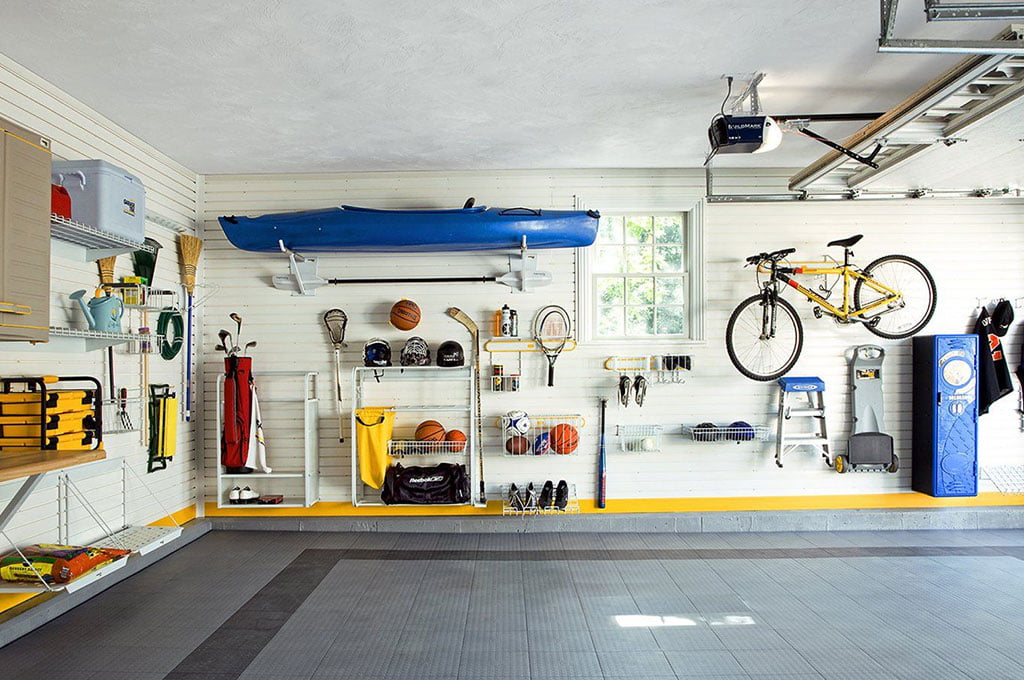
Once you know what categories you have, you can start deciding how you should store it all. Make use of any vertical space by hanging things like garden tools and sports equipment on the walls. Anything that is used frequently needs to be stored close by for easy access, whereas rarely used items should be stored out of sight or on higher shelves. The most important thing here is that everything needs to have its own designated space to be stored inside your garage.

Get Rid of the Garage Junk

Now that everything in your keep pile is organised and safely stored away inside your garage, it’s time to deal with the other three piles. Start bagging or boxing up the rubbish pile, and then do the same with the donation and recycling piles. Then you have a couple of options here.

The first option is to take the donations to local charities, then take the recycling to your local centre, and then start making multiple trips taking everything else that’s leftover to the dump. All of this is exactly as much extra work as it sounds like.

The next option is also the easiest, which is to contact a professional rubbish removal company like Cheapest Load Of Rubbish to deal with everything for you. We will come to your home on the same day or whenever else suits you best, collect all three remaining piles, and then take everything where it all needs to go for you.

Just don’t go getting lazy now after all your hard work and dragging all three piles back into the garage to “deal with it later”. We already know how that ends, remember?

Final Thoughts

Once you’ve decluttered, cleaned, and organised your garage, remember to keep it that way with regular cleaning and following smart storage practices. But if it ever does become an overwhelming problem again, you now know what to do about it. And if you need rubbish removal in Sydney, you know you can count on Cheapest Load Of Rubbish.

Categories
Articles

How To Get Rid of Unwanted Exercise Equipment

Working out at home is an excellent way of keeping fit and staying healthy, but most exercise equipment is pretty big. Which is okay if you’re still exercising frequently, but not so much when you haven’t been keeping up with your fitness routine.

Maybe you still want to run, but it’s your broken treadmill that doesn’t. Or maybe you’ve just lost interest and your home gym has become a massive clothes hanger. No matter what reason you’re not using your old exercise equipment, they’re so massive that they’re always in the way. And it doesn’t really make sense to leave your old, broken, or unwanted exercise equipment just sitting there and cluttering up your lounge or garage. If you’re finally ready to get rid of your old workout equipment, here’s how to do it.

Dispose Of Unwanted Exercise Equipment Yourself

Gym equipment is often both awkwardly shaped and incredibly heavy, which means they’re difficult to move around so you can take back all that space. In fact, trying to move massive exercise equipment is much harder work than actually using it for working out.

Then there’s the issue of how to dispose of your gym equipment if you do manage to get it all outside. Even if you successfully dragged it out to the curb for the next council collection, they often won’t pick it up.

If you or a very close mate has a big enough vehicle like a decent sized ute, then maybe you could take it to landfill. But it certainly won’t all fit into a little hatchback. And you can’t just leave it out there on the street. It all just seems like too much hard work.

So how can you dispose of old gym equipment if you can’t do it yourself? Well, before you decide to move out and leave it there, or build a wall around it just so you no longer have to look at it, some better options are a little less dramatic. Like Rubbish Removal Sydney for example, or maybe donating it!

Donate Unwanted Gym Equipment

If your equipment still works and is in pretty good condition, you may be able to donate it to a charity or community organisation. This is an excellent way to not only keep it from ending up in landfill prematurely but also to help people in need.

So have a look online or ring around your local St Vinnies, the Salvos, Goodwill, and any other reputable charities to see if they’re interested in any used gym equipment. If they’re not interested, you can also try your local community centres like PCYC, YMCA, senior homes, high schools, retirement centres, scouts, and hospitals.

However, you’ll most likely have to transport it there yourself and schedule a time to drop it off. Don’t forget that they’ll plug it in or try it out to make sure it works when you get there, so hopefully, nothing happens to it when transporting it there. If you get there and it doesn’t work, you’re back to square one and you’ll have to dispose of it yourself.

Recycle Unwanted Exercise Equipment

As most exercise machines and equipment contain materials which aren’t naturally biodegradable, they’re classified as environmental pollutants. And when these non-biodegradable materials inside home gym equipment end up in landfill, they’ll pollute the planet for many centuries.

So consider the environment when getting rid of your old exercise equipment by going green and recycling it all!  Recycling means valuable materials can be salvaged from your exercise equipment and then reused to produce something new. Plus, recycling also creates local jobs and even boosts our economy. Everybody wins!

If you decide to go this route, you’ll need to call your local recycling centre and ask them how you can recycle your old workout machines. Most recycling centres will only take certain pieces and will want them completely deconstructed. And don’t forget you’ll probably still need you to take your old equipment to them.

Junk Unwanted Exercise Equipment

The good news is that you can avoid all of the stress, worry, and work to dispose of your old or broken exercise equipment by contacting a junk removal service like Cheapest Load of Rubbish. This is by far the easiest option to get rid of old exercise equipment. Rubbish removal companies come out to you, remove your gym gear from wherever it is inside your home, and then take it away and out of your life forever!

This means you won’t need to do any work at all, as Rubbish Removal Sydney will do all of the heavy lifting, difficult maneuvering, and tricky transportation for you. Plus, a professional rubbish removal company like Cheapest Load Of Rubbish can remove old exercise equipment from your home without causing any damage to the walls, floors, and doors.

And if you’re concerned about the environment, you’ll be happy to know that Cheapest Load Of Rubbish are too. After we haul your old gym equipment away, we will re-house it or take it to a recycling facility to stop it from going to landfill. So contact the junk experts from Cheapest Load of Rubbish today and we’ll take care of your old exercise equipment for you.

Categories
Articles

What To Do With Old Cardboard

We all went a little crazy with our online shopping during the pandemic. Which not only explains why Jeff Bezos increased his net worth by around $75 billion, but also why our homes are full of cardboard boxes from home delivery services.

And it’s not just Amazon. Cardboard is everywhere. It’s on our breakfast tables, inside moving vans, all over our offices, and it even holds our pizza. Approximately 80% of all products we buy come packaged in cardboard. The reason we tend to use cardboard so much for everything is that it’s light, sturdy, malleable, relatively inexpensive, and extremely versatile.

Cardboard represents such a large portion of our waste stream, but it’s also one of the most commonly recycled materials after being picked up at rubbish removal. While cardboard is originally produced from tree fibres and recycled paper, it is also easily broken down at recycling stations and reused as cardboard many times over. So cardboard remains a highly recyclable and environmentally friendly product.

Types Of Cardboard Rubbish

There are different categories of cardboard, and the two most common ones are corrugated cardboard and paperboard. Not only does each type have different purposes, but they’re also manufactured using slightly different materials. This means the treatment and recycling process of each type is also different.

Corrugated Cardboard

This type of thick cardboard is the most commonly used material in brown cardboard boxes. Two smooth outer sheets of thin cardboard sandwiched in between an extra wavy layer of fluted corrugation.

While typically made of this three-ply construction, corrugated cardboard can also be manufactured with multiple layers of corrugated and flat cardboard. These extra layers of material used in corrugated cardboard make them thick, strong, and durable, which is why they are so often used as packing boxes for transporting goods.

Corrugated cardboard gets slightly thinner each time is recycled because the fibres which hold it together are shortened. When these fibres eventually become too short to manufacture corrugated cardboard, the material is then used to create a thinner type of cardboard named paperboard.

Paperboard Cardboard

Also called fibreboard or chipboard, paperboard is a single layer of usually greyish coloured material which is made using recycled cardboard. This single-ply paperboard looks similar to regular paper only a little bit thicker and more sturdy. That being said, paperboard doesn’t have the same strength as corrugated cardboard, so it can be more easily torn, bent, and folded.

As paperboard is especially thin and foldable, it is commonly used for product packaging and a wide variety of other consumer goods. Paperboard is used in its thick form as notepad covers, whereas its thinner form is used for cereal or shoe boxes. You can also find it used to make tubes for paper towels, wrapping paper, and toilet paper rolls.

What To Do With Old Cardboard

Despite cardboard being almost completely recyclable, it unfortunately still makes up approximately 10 per cent of all rubbish removal that typically ends up in landfill. But the good news is that cardboard is so versatile that it doesn’t automatically lose its usefulness once packages have arrived or cereal has been eaten.

Instead of simply recycling this material, you can help reduce the environmental impact of this waste and save some trees by repurposing your old cardboard into something new. Here are some of the most creative, practical, and sustainable ways you can reuse your cardboard in and around your home.

Storage

Easily the most obvious ways you can reuse your cardboard is for storage. If the cardboard boxes are still in good condition or can be refurbished, they can be used for moving, storage, or sending packages in the mail. Or decorate small cardboard boxes for reuse as all-purpose containers. You can also wrap Christmas lights around larger cardboard wrapping tubes for tangle-free storage. This works for pretty much anything else that gets easily tangled, like electrical cords and headphone cables.

Gardening

Cardboard has long been used by home horticulturists as a garden kneeler. By laying the cardboard flat in front of the garden bed, gardeners can kneel on it for all those gruelling hours of seed-planting and weed-pulling. Cardboard boxes can also be used as seedling trays, easily holding 10 to 20 seedlings in each container before planting them in your garden.

Arts & Crafts

Most people who are into their arts and crafts will most likely already know this, but there are endless ways to use cardboard to create works of art. They can also be used to store your supplies with little effort. In fact, there are so many ways cardboard can be reused creatively, there’s plenty of social media accounts which are dedicated to recycling cardboard for arts and crafts.

Weed Control

Old cardboard can easily be used to help control the weeds in your garden. Known as sheet mulching, the cardboard is soaked in water, laid flat in a weedy area, and covered with a few inches of soil. Not only does the wet cardboard prevent weeds from growing by blocking sunlight and smothering them, but this form of mulching also helps conserve water by trapping moisture. And as the weeds and the cardboard both break down, they also feed the soil in the process.

Playhouse

Everyone knows how much kids love using their imagination and playing with cardboard boxes for hours. So help them take their playtime to the next level by creating a cardboard fort or playhouse with them. All it takes is a simple cardboard box to be magically transformed into a playhouse kitchen, pop-up grocery store, or family car for a drive-in movie. Or use several boxes of various sizes to design the perfect castle for your young ones to defend with honour.

How To Recycle Cardboard

While most types of paperboard and corrugated cardboard should be recyclable in theory, from boxes and tubes to plates and notepads, not all of it can be. So to make sure your cardboard is suitable for the recycling process after rubbish removal Sydney, it’s important to understand the limitations so you know how to prepare it. 

Any used cardboard which has oil stains or food remnants like pizza boxes shouldn’t be automatically thrown out for rubbish removal Sydney. Nor should any cardboard which has been soaked with household cleaning products and supplies or is otherwise similarly wet or damp. This is because these chemical substances can make separating paper fibres too difficult, which compromises the cardboard and contaminates the recycling process.

How Cheapest Load Of Rubbish Can Help

Ultimately, reusing cardboard is so easy, you should always think twice before simply throwing them away. And no matter which way you choose to repurpose or reuse your old cardboard, you’ll be helping our environment.

At Cheapest Load Of Rubbish, we always highly recommend people make every possible effort to repurpose their old cardboard material before calling for rubbish removal Sydney. But when your old cardboard needs rubbish removal Sydney and send them off for recycling, we’re the team to call. That’s because Cheapest Load of Rubbish cares about the planet just as much as you, which is why we always do our best to make sure your cardboard never ends up in landfill.

Categories
Rubbish Recycling

Plastic Identification Codes – Everything You Need To Know

As one of the largest producers of rubbish in the world, Australia generates around 50 million tonnes of rubbish every year. If we continue at the same rate, this amount is expected to double by 2040. And by 2050, there could be more plastics in our ocean than fish. It’s so easy to overlook this when we don’t see the negative effects of our pollution on a daily basis, but plastic is a huge problem.

Plastic is cheap, abundant, and easy to mould, which is why we’ve been using it everywhere. It’s in product packaging, shopping bags, mobile phones, and cosmetics. It’s even in our chewing gum. And all of this plastic has a devastating effect on our environment because it will outlive us, our children, and even our children’s children. Whether it’s polluting our oceans, killing our wildlife, or ending up in landfills, plastic waste is choking our planet.

Why Is Recycling So Important?

Despite our plastic use continually rising, recycling paper, glass, cardboard, metals, and some plastics significantly reduces the impact this waste has on the environment. By using a service for rubbish removal Sydney, they are all sent to resource recovery plants. The reusable material is then extracted from them to be reused in the manufacturing of new products.

Not only does recycling preserve our valuable landfill space, but it also conserves valuable resources which we would otherwise use in the manufacturing process of brand new products. Another benefit of recycling our waste is it causes less harm to our wildlife and marine animals.

Unfortunately, around 10% of Australians still can’t be bothered to recycle. A large amount of rubbish that could have otherwise been recycled still ended up in landfills, which is unsustainable when these materials should have been redeployed. Because the more we reuse and recycle, the less waste is buried in landfill, and the better it is for our planet.

Pollution is a global problem that affects us all. This should be fairly straightforward for people to understand. But reducing our plastic consumption ultimately requires a change in habits as well as mindset. And for that to happen, it’s very important that we all know how to identify the difference between recyclable and non-recyclable plastic.

What Are The Plastic Identification Codes?

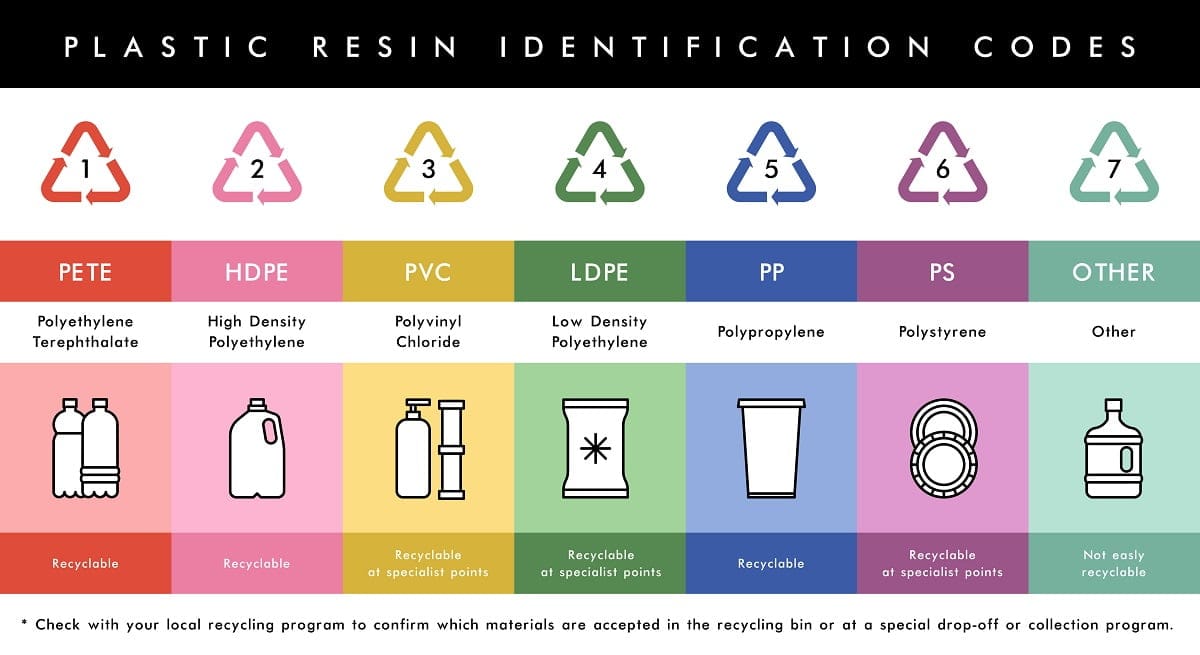
In order to overcome some of the confusion faced by consumers when knowing what can be recycled, APCO (Australian Packaging Covenant Organisation) launched the Plastics Identification Code on our Australasian Recycling Labels in 2018. The Plastics Identification Code makes it easier to identify plastics that can be reused in a variety of applications as per below:

1 PETE

Polyethylene Terephthalate (PET) bottles for water, soft drink, and fruit juice, as well as fruit punnets and meat trays.

2 HDPE

High-Density Polyethylene (HDPE) bottles for milk, bleach, and laundry detergent.

3 PVC

Unplasticised Polyvinyl Chloride (UPVC) bottles for cordial, liquid soap, and some fruit juice.

4 LDPE

Low-Density Polyethylene (LDPE) & Linear Low-Density Polyethylene (LLDPE) plastic bags, garbage bags, chip packets, plastic wrap, squeeze bottles, and black irrigation tube.

5 PP

Polypropylene (PP) bottles, bottle caps, and rigid packaging containers used for margarine, ice cream, and yoghurt.

6 PS

Polystyrene (PS) coffee cup lids, plastic cups, coat hangers, clamshells, medical disposables, and some yoghurt or dairy containers.

Expanded Polystyrene (EPS) foam packaging, packing peanuts, and Styrofoam boxes.

7 OTHER

Includes resins and other materials of unknown composition such as nylon, acrylic,  polycarbonates (PC), polyurethane (PU), and phenolics used in furniture, electrical, automotive, aircraft, marine, and medical parts. 

It’s important to note that these Plastics Identification Codes found on plastics only advise the different types of plastic resin used in each product. So just because it has a numbered symbol, doesn’t mean it is recyclable. For example, most hard plastics with a number 1 through 7 can be disposed of in your recycling bin, but plastic bags with a number 2 or number 4 and expanded polystyrene foam with a number 6 cannot. These should be recycled by a rubbish removal expert like Cheapest Load of Rubbish.

What Can You Do To Use Less Plastic?

While we should all be reducing, reusing, and recycling, it should be in that order of priority. In other words, recycling should ultimately be the very last line of defence against pollution. What we need to be doing first is choosing products with minimal to no waste at all, which reduces the need for them at all.

If it’s not a one-time use product, start by thinking about whether you need it at all. If you do decide it is a need and not a want, find out if there’s a similar non-plastic option available, whether from that manufacturer or elsewhere. If you have no other choice, look for plastic products that are already recycled, or find ways to reuse the product again as many times as possible.

When it comes to drinking containers, Australians use more than 1 billion so-called “disposable” coffee cups each year and millions of plastic straws. To help stop this, purchase your own reusable Keep Cup for coffees and stop using straws, even in take away restaurants. If you can’t do without a straw, buy your own reusable straw made of glass or stainless steel. You should also dispose of all single-use plastic bottles at container depots if available in your state.

At the shopping centre, choose bulk products and unwrapped produce where possible, and bring your own bags for vegetables. Purchase items like detergents in cardboard boxes instead of plastic bottles, as they are more easily recycled. If there are no other options than buying products in plastic containers, find ways to reuse them rather than throwing them away. Also, avoid cosmetics with micro-plastics and say no to balloons. Always wear natural fabrics, use cloth baby diapers, get a biodegradable toothbrush, and get involved with Clean Up Australia.

What can you do with non-recyclable plastics?

Because not all plastics and other rubbish can be recycled, the easiest thing to do is use a rubbish removal service like Cheapest Load of Rubbish. Not only can we determine what can be recycled, but we can also remove any other waste for you. Once all of your rubbish has been loaded onto our trucks, we take it all back to our headquarters for sorting and correctly distributing it all to transfer stations or recycling plants. We are proud of our recycling effort, with around 80 per cent of all waste we collect is reused or recycled.

To make a substantial difference, we all need to do better and improve our recycling habits. Together we can all help reduce our landfill, lessen our contamination of land, look after our waterways, and make our world a much better place to live.

Categories
Rubbish Recycling

Sustainable Swaps for One-Off Plastics

Single-use plastics is a term commonly used across media platforms today regarding our country’s environment. Plastics are seen everywhere we go. They are on our streets, in our homes, waterways, oceans, beaches and parks. The breakaway from the grasps of this environmentally hostile material is inescapable due to its popularity in manufacturing everyday items. So, instead of eliminating this material how can we as communities reduce the effects of single-use plastics on the environment?

What are single-use plastics?

Simply, these plastics are items which are used once and thrown away. The worst single-use plastics affecting our environment include products such as plastic bags, straws, drink stirrers, coffee lids and cups, food containers, cutlery, and plates, just to name a few. While these one-off use plastics are convenient and we may not think much of it in the checkout lines when asking for plastic bags to carry our groceries, these choices have serious impacts on our environment’s health. 

What you need to know about single use plastics, and how they affect the country.

How do these single-use plastics affect the environment? Perhaps plastic does its job too well? It is a pervasive material and has a history of utility yet, its existing source of development and the nonchalant way society discards it makes it hazardous to our environment.  It is estimated around 40% of plastics utilised daily are single-use only. These affect our environment in a multitude of ways:

Effects on the health of all of us:

At times, the question “how does plastic affect our country?” appears far removed from us as humans. Our environment, although needing help, is interdependent. Pollution from plastic can negatively impact not only the health and wellness of the environment but of humans as well. When our water becomes contaminated with micro-plastics, facilities that treat our water are not necessarily advanced enough to fully eliminated them from our usable supplies. This is damaging to our health as particle matter of chemicals from plastics themselves like methylene chloride harm the human respiratory system as well as cause headaches, skin irritation and fatigue. When our soils become contaminated by these single-use plastics it too influences our health, as our crops for our food supplies become damaged. These effects are very real and directly correlate to the abundance of one-off plastics circulation and production. 

Effects on our wildlife:

Like us, animals and sea creatures also suffer from the pollution plastics cause. This is seen when critters suffer from dehydration, starvation or suffocation as plastics are mistaken for food or cosy homes. If ingested choking can occur, or if they escape that fate, they may endure serious digestive tract damage. One-off use plastics like soft drink can holders, may entangle species and cause them injuries for example impede the movement of a bird’s wing or, we have all seen the damage they do to the growth of turtles if caught up in them. This especially is an eye opening answer to the question of how these plastics affect our environment. 

Effects on freshwater lakes, rivers, and streams:

Due to our society’s careless discard of one-off use plastics, our freshwater lakes, rivers and streams have become highly contaminated creating a negative impact on our water systems and environment. According to a study developed in 2016, a troubling number of micro-plastics were present in many estuaries and tributaries. These tiny plastics have come from decaying bags, bottles, toothpastes, polyester clothing, skin lotions and other sources. These affect our waterways as well as the ecosystem of aquatic life as they serve as efficient transporters of pesticides, trace metals and other harmful chemical pollutants. Thus, other hazards besides pollution are introduced into already threatened freshwater ecosystems. 

Effects on changing climates:

Yes, some plastics are derived from natural plant-based substances, but the vast-majority of these products are derived from petroleum and or natural gas. With the manufacturers of plastics continuing persistent, the emission of greenhouse gasses from the combustion of fossil fuels is also unrestrained. Research, utilisation and development of alternate materials for these one-off plastics like starch based polymers and milk proteins promises improvement in the future. In the mean-time, returning to paper bags and glass bottles doesn’t seem like such a retrograde.

Sustainable swaps you can make to reduce your use of one-off plastics.

According to the Department of the Environment and Energy’s current Australian plastics recycling survey, over 3.5 million tonnes of plastic was manufactured in Australia between 2018 and 2019, of which only 11.5% was recycled. An organisation named ‘Pacific Oceans’ estimated that around 380 million tonnes of plastic waste is created every year, and 50% of it is single-use. Becoming completely plastic free is understandably hard, especially when so many of our country’s daily essential items are developed from plastic or are packaged in unnecessary one-off plastics. It is also challenging to find sustainable options for our disposal readily available. The good news is that while Australia moves towards a ban on plastics as well as companies beginning to support the demand for environmentally friendly products, there are a multitude of ways we can start creating change and making a difference in reducing the use of one-off plastics. These may include:

1: Glass containers to replace plastic and snap-lock bags.

Give single-use plastic bags and containers the flick and opt for recyclable materials instead. An empty jar makes a perfect container to transport salad dressings or switching to glass storage containers for carting leftovers.  Small cardboard boxes like sultana boxes are perfect for your trail mix on the go.

  1. Glass or metal bottles for drinks

million plastic bottles are bought around the world every minute, according to a study by The Guardian, and in Australia alone, around 373 million plastic water bottles end up as waste each year. Instead of buying bottled H20, the most eco-friendly and cost-effective option is to just drink it straight out of a glass. But, if you’re on the go and don’t have access to water on tap, invest in a good-quality reusable drink bottle.  If you’re buying packaged beverages, look for glass bottles or easy-to-recycle cans over plastic. 

  1. Natural or microfibre cloths to replace synthetic cleaning sponges 

Plastic kitchen sponges harbour bacteria and germs and it is recommended that we replace them weekly, of course, this just adds to environmental waste with these sponges ending up in landfill in the masses.  Making the conscious decision to change to using an alternative such as microfibre cloths, hemp sponges, bamboo or wooden scrubbing brushes.  You can even get vegan dish blocks.

  1. Plastic straws for paper or metal

In Australia, we discard an estimated 10 million plastic straws every day.  Rather than add to this growing problem try switching to more sustainable alternatives, such as recycled paper straws, silicone, steel or glass just to name a few.

What Australians are doing to reduce waste and recycle responsibly. 

As mentioned above industries have progressively been moving towards banning these one-off use plastics. You may have experienced the change where plastic bags are now not given out at supermarkets but are either able to be purchased or you must use your own fabric bags. This dramatically reduced one of the most unnecessary single-use plastics within our environment. You also may have seen companies like McDonalds changing their straws from plastic to paper to support our countries’ need to reduce waste and change to sustainable products. 

Cheapest Load of Rubbish are dedicated to helping Sydney-siders reduce their use of single-use plastics in order to create a more sustainable future.  Contact us today to see how we can help you with plastic waste removal.

Categories
Rubbish Removal

Upcycling Furniture – What You Need To Know

If your baby is too big for the cot, your bookshelves are looking tired and rundown, or your dining table is stained with more than just a wood finish – it’s time for an upgrade. But an upgrade doesn’t mean it’s time to hit the tip – instead, consider giving new purpose to your old furniture and follow the latest trend called Upcycling.

What is Upcycling?

Quite simply, upcycling is the process of giving new life. It sees your old products modified, fixed up and recreated so they can live to see another day (or decade). It’s a hit with the budget-conscious who don’t want to spend hundreds of dollars on new furniture, and it’s also something art lovers are taking on board as it gives them a chance to be creative.

You take your unused everyday items or old materials that you’d otherwise send straight to the tip, including timber and furniture, and you turn it into treasure. Most household items can be repurposed, and that’s exactly what upcycling does. It adds value to items that would otherwise be thrown away.

The difference between upcycling and recycling is that recycling converts waste into reusable material – for example, plastic bottles are melted down to become a plastic chair. Upcycling, on the other hand, sees that plastic chair is recreated into a pot plant stand. It’s described as “reusing a material without degrading the quality or composition of the material”.

What You Need To Know Before Upcycling Furniture

Upcycling is affordable, sustainable and it can be a lot of fun if you let your creativity take over. You don’t have to be a professional carpenter, there are no interior design skills required – all you need is imagination. Here are some of the essentials you need to know before you get started:

Preparation is the key. Consider what you want to upcycle and how you’re going to do it. Plan ahead and make sure you have all the tools you need to get the job done. Clean all the furniture as much as possible before you get started and set aside some time when you can do it. If you’re going to paint it, you want to follow these steps:

  1. Clean it, take the handles and knobs off, sand it down to make it smooth.
  2. Use a small paint brush or foam roller to add a thin layer of primer, this helps the paint to last longer.
  3. Paint it, using quality paint that matches the materials. You can get advice from your local hardware store if you’re unsure.

Use your imagination. Everything you own can have another purpose, you just have to re-imagine it. Take a good look at the items you’re preparing to throw away and see if you can visualize it somewhere else in the house or yard. See below for examples.

Get the design right. If you’re planning on upcycling a vintage table from the late 1800s, try to keep the history prevalent. It will make your new look furniture seem more authentic. Also, make sure your new design suits the style of the home in general. You don’t want to go to all this work for it to stick out like a sore thumb.

Ideas For Upcycling Furniture

Not sure where to start? Try these great ideas:

  • Turn your baby’s old cot into a toddler day bed, or outdoor seating. Or you might turn it into a loft bed for a toddler
  • Spin old drawers on their side, add a shelf and you now have side tables.
  • Get your old chest of drawers and transform it so you can put your TV on it.
  • To upcycle your dining table – shorten the legs, give it some new paint, and turn it into a coffee table.
  • Upcycling could be as simple as upholstering your old worn ottoman and giving it new fabric that stands out.
  • Turn old photo frames into food trays, by simply removing the glass and giving the wooden board a coat of lacquer.
  • If you have an old door, why not consider turning it into a new bedhead! It’ll look classic and will only cost as much as a tin of paint.
  • Are you renovating your bathroom? See if you have any old dressers around that you can turn into a vanity.
  • Upcycling in the kitchen could be as simple as giving your fridge a paint makeover to add colour to the room in general.
  • Turn wooden bowls into lamps and old lampshades into flower baskets.
  • Old wooden crates have long been upcycled, becoming garden beds, drawers, flower pots, dog beds, even desks and toddler beds.

With a little creativity, you can really do anything with your old, unwanted furniture and other household or backyard items.

What You Can Do With Any Furniture That Can’t Be Reused Or Upcycled

If you’re not sure what to do with your old furniture, and you’re sure it can’t be upcycled or re-used, here are our top suggestions:

Take it to your local recycling centre. Give them a call first to see if they are accepting the item you’re offering, and also to check whether or not they prefer to receive it in one piece or pulled apart.

Curbside pickup. Sydney City Council offers a free kerbside pickup service, on occasion, for any of your old furniture. This includes tables and chairs, sofas, wardrobes, bookshelves, desks and drawers, bed frames and cots, as well as outdoor furniture. You can get in touch with council to book a pickup.

Hire a rubbish removal services company. Rubbish removalists, like Cheapest Load of Rubbish removal Sydney, will come to your home or property and remove any unwanted furniture (among other trash). When you get in touch with Cheapest Load of Rubbish online or by phone, you’ll receive a quote for the cost of pickup and removal. If you agree, the experts at Cheapest Load of Rubbish will come to your home at the agreed time and remove anything you don’t want, leaving no mess behind.

If you want to find out more, get in touch with Cheapest Load of Rubbish today.

Categories
Articles

6 Easy Ways To Reduce Your Families Waste

Everyone is talking about global warming, pollution, “going green” – but what are you actually doing to play a part? As a family, you can do plenty of things to make a difference, and it begins with small steps in the home. Here we delve deeper into what you can do at home to contribute to the environment in a positive way.

Why You Need To Reduce Your Waste

According to the Australian Bureau of Statistics, the average Aussie creates just over 2,000 kilos of waste every year. We spend over $1,200 on buying products we never use, and we waste around $600 worth of food. In the next 20 years, that number is expected to increase – and humans in general will consume more than we have ever done so in the history of mankind. The biggest wasters? Families with small children.

This is why it’s imperative that we each play a part and if you want a brighter future for those children, and future generations, reducing waste is the best place to start.

One of the major reasons we need to reduce waste is that it also decreases the amount of landfill, which takes up valuable space and is a major source of air and water pollution. Also, by reducing waste, you’re conserving resources such as trees, aluminium and petroleum – all of which are used for making plastic (if you stop using single-use plastics, you’ll play a part in reducing these).

It’s essential to keep in mind that everything you buy, wear and eat uses energy for manufacturing and processing. By reducing the purchase of unnecessary products and food, you’re limiting the amount of new resources and the energy required to create these.

It’s not just about the environment either. By reducing your waste at home, you’ll find that your finances have a positive impact – by spending time focusing on what you’re buying, you’ll be wasting less food, and by reusing items, you’ll save money on purchases. And probably the most important reason is that it ensures a future for children. It helps the planet to survive, and by recycling and paying attention to the amount of waste you have in the home, your children are also learning how to be more responsible. Teaching these younger generations how to take care of the environment means we’re protecting their future – and that of their children and grandchildren.

So, what can you do?

6 Ways To Reduce Waste At Home

Reducing waste at home doesn’t have to be complicated. Here are some of the ways you can get started.

Buy Secondhand & Donate

Manufacturing companies account for a large percentage of air pollution, and although Australia has done a lot to combat emissions from these factories, you can take it a step further. By purchasing your furniture, appliances, vehicles, and so on, secondhand, it’s one less product that needs to be manufactured. Although a small step, it’s still a step forward. Also, any time you do a spring clean, rather than binning all the things you no longer want, consider donating them if they are in good enough condition.

Ditch The Paper, Or Recycle It

If you subscribe to magazines or newspapers, swap the subscriptions over for digital editions instead. It’s much easier to read on the go, and you’ll help save some trees at the same time. The same goes for receipts at the supermarket (just say no when asked), and also for bank statements and other mail – make sure your accounts are all registered for digital, not hard copy. You should also put a No Junk Mail sticker on your letterbox so you don’t end up with hundreds of catalogues you’ll never read.

Breathe New Life Into Clothing

If you buy secondhand clothing, and then donate yours when you’re done, that’s great. But before you consider giving it away, think about how you might be able to repurpose it. If your jeans have holes in them – learn how to sew and fix them up. Buttons falling off your shirts – put them back on. Colour faded from your shorts – get some enviro-friendly dye and make them bright again.

Don’t Buy Disposables

We’re all guilty of it – family and friends are coming over for a big barbecue or birthday and, dreading the washing up that is guaranteed to follow, we invest in plastic plates and cutlery instead. Don’t do it. These light plastics end up in landfill, which is then washed away and lands in our oceans, making up around 80% of all marine debris. Every year, plastic kills more than 100,000 marine mammals and more than one million sea birds. If you really do want disposables, opt for recyclable bamboo instead.

Waste Not, Want Not

Didn’t eat all your dinner or cooked too much food for the family? Don’t throw it away! Freeze it for another day, use your leftover veggies to make “bubble and squeak” for lunch the next day, and put any fruit that’s no longer edible out for the native birds. If you have a compost (see next point), put your scraps into there instead. And you can reduce the amount of scraps you have in general by using the whole product – so rather than peeling your carrots and potatoes, cook and eat the skins as well (it’s actually the best part for your health!).

Start A Compost

All good compost requires three things: browns – your dead leaves and branches; greens – your vegetable waste and fruit scraps; and water. When it comes to the greens, start in the kitchen. You can add fruit and vegetables, eggshells, coffee grounds, nutshells, tea bags; for the browns, add your leaves and sawdust, hair and fur from your pets, and you can even add shredded newspaper and cardboard. Composting reduces the need for you to use chemicals in your garden, encourages the production of beneficial fungi and bacteria, enriches the soil, and reduces the methane emissions from landfill.

And when you go out:

  • Take a water bottle with you, so you don’t have to buy any
  • Take your own coffee cup that you can hand over at cafes
  • Remember your reusable grocery bags
  • Purchase products that have less packaging or that have recyclable packaging
  • Shop at the local farmers markets, also supporting local business
  • Buy fruit and vegetables that aren’t perfect – too much food is wasted because supermarkets generally only stock “perfect” products
  • Buy food in bulk, as it saves on packaging and money

Importance Of Recycling At Home

Not only is reducing your waste important, but ensuring you take care of the waste you do have is also essential. To do that, you need to recycle. You can recycle paper, plastics, glass and cardboard easily using your yellow recycle bin. You can also recycle metals, batteries, electronics, and some furniture. If you need help or advice, Cheapest Load of Rubbish are your rubbish removal Sydney experts. Simply get in touch with our team today to discuss your requirements or to arrange a quote.

Categories
Articles

Items Your Local Return & Earn Won’t Take

In 2017, the Return & Earn scheme was introduced in New South Wales to help reduce the amount of rubbish throughout the state. Beaches, parks and streets have been littered with cans, bottles and cartons for many years – and the clean up has cost the government millions of dollars. The scheme rewards people who do the right thing, paying 10c per piece.

Within the first six months alone, more than 350 million drink containers were refunded at various collection points. In three years, more than 4 billion containers had been collected and returned, equating to over $400 million in refunds allocated. The scheme encourages adults and children alike to keep litter off the streets, while earning extra cash. Schools and charities are also getting involved.

Once returned, drink containers are 100% recycled – protecting the environment and the waterways. To ensure every aspect of the scheme runs smooth, the Environmental Protection Agency is responsible for it – managing the registration of eligible containers and ensuring the returns process runs efficiently.

Other states in Australia have similar schemes – for example, in Queensland it’s called Containers for Change, and in Victoria it’s the Container Deposit Scheme. They all operate on the same premise though – to get rubbish off the streets.

Return & Earn Process

The Return & Earn scheme allows for environmental management that not only rewards consumers who recycle, but also provides council with the opportunity to reduce the cost of litter management. It has improved sustainability and provides an affordable and reliable method of recycling. It’s easy enough to become involved:

Step One: You want to start collecting your cans, bottles and containers (see below for further information on what’s eligible).

Step Two: Take them to a return point.

Step Three: Earn a refund or donate.

There are currently more than 600 points across New South Wales where you can take your cans and bottles, depending on how many you have. And there are a few different ways you can drop off your items to the Return & Earn scheme. Here’s a bit more information:

Reverse Vending Machine: insert your empty containers into the chute at the front of the machine, select your preferred payment method. These machines take up to 500 eligible containers in one transaction. You can receive your payment via retail refund – a printed voucher that you can use at a participating retailer; digital refund that links to PayPal, e-Voucher refund for participating retailers, or you can choose to donate your refund to a charity.

Over The Counter: There are collection points located throughout your local area, where you can take up to 100 containers. There will be an operator there who will ensure your cans and bottles are in good condition, and they will give you a refund of 10c per container in cash.

Automated Depot: This is for people who have more than 500 containers. Take your items for mechanical scanning and counting. Refunds are processed as retail vouchers.

What Can Be Returned?

Most beverage containers between 150ml and 3 litres are eligible for the Return & Earn system if they are made from PET, HDPE, glass, aluminium, steel or liquid paperboard. It accepts the following, provided they are in good condition (not crushed or broken), are empty, and still have the label attached:

  1. Cans – soft drink, energy drinks
  2. Bottles – plastic and glass
  3. Cartons – milk
  4. Juice poppers

There’s one simple way to tell if your recyclables will be accepted – simply look for the 10c label on the container. If there is a 10c refund mark, you can return the container.

What Can’t Be Returned?

The following items are not accepted by the Return & Earn system; however you can still put these into your household recycling:

  1. Milk containers
  2. Glass wine bottles
  3. Glass spirit bottles
  4. Wine sachets of more than 250ml
  5. Juice bottles
  6. Cordial bottles
  7. Health tonics

If you’re not sure, check the container database online.

What Can You Do With Items You Can’t Return & Earn?

If you can’t return and earn your items, you can still recycle them, with the following three options:

Yellow Bin: All homes have a yellow bin for your recyclables. The bin is picked up, curbside, every fortnight from outside your home by local council, and allows you to dispose of all those old bottles you can’t return and earn, including milk and wine bottles. Just remember your items need to be loose in the bin, with no plastic bags or other non-recyclable items. The wrong items in the bin can contaminate the entire load.

Kerbside Council Cleanups: Many cities, including Sydney, offer kerbside cleanups where you place any items you want to get rid of on the footpath outside your home, the night before collection. Council collects a range of items in this – including furniture and white goods. Although it is preferred you don’t put your old wine bottles out for this, you can use this service for your general household rubbish removal.

Recycle Centre: If you have a large amount of glass bottles, milk containers and so on that won’t fit in your yellow bin, you can always pack them into the car and take them to your local recycle centre. Check online and give them a call first to see if they are accepting the items you have.

Rubbish Removal: Don’t have any way to get it to the local recycle centre yourself? Or do you have other items you need gone from your property as well? Hire a rubbish removal service like Cheapest Load of Rubbish to come and take all your trash away for you. They can remove any amount of trash and they’ll take it to your local recycle centre or landfill tip – whatever is suitable.

If you want to know more, get in touch with Cheapest Load of Rubbish today. We provide full rubbish removal services, we’re fully insured, and we’ll take care of your recyclables to ensure they are going to the right place.