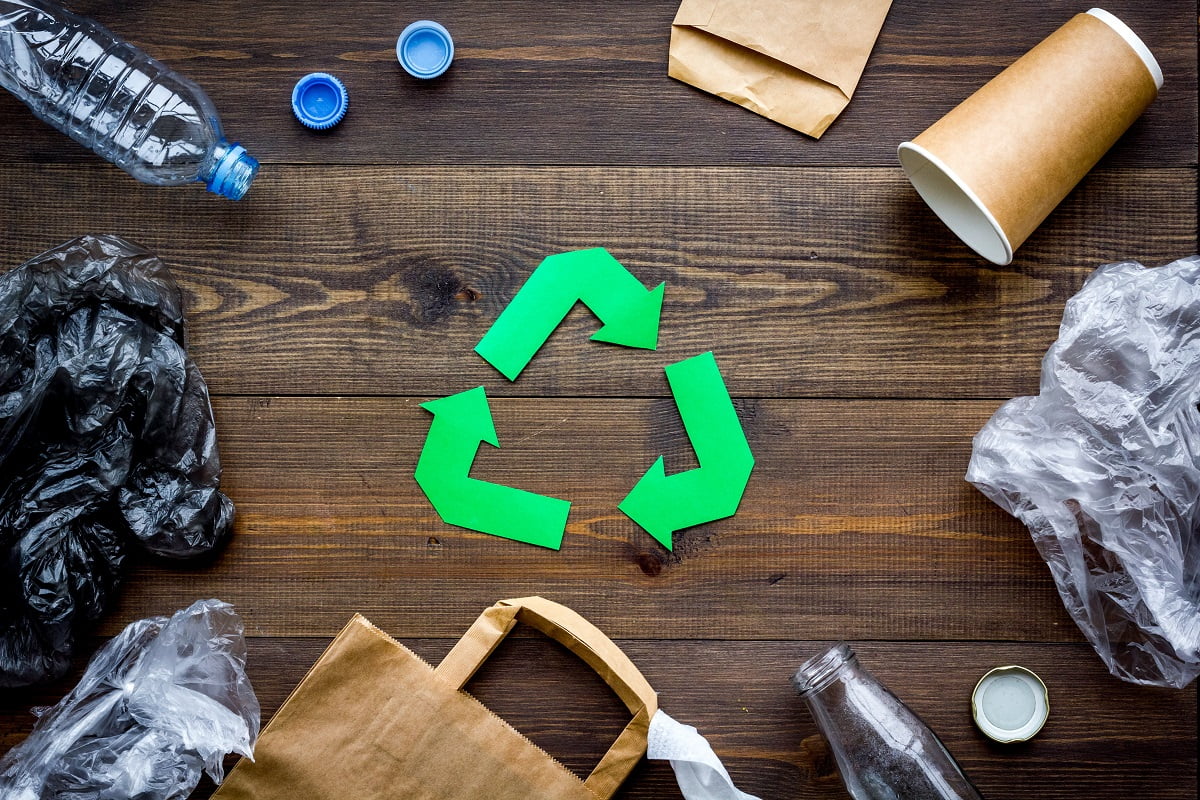
Zero-waste living is a commitment to minimising how much waste your household produces. While many Australian government bodies are pushing to reduce, reuse, and recycle, there are two more Rs to embrace in the zero-waste lifestyle. Refuse and rot are just as important as the other three Rs. The idea is expanding your awareness to be more conscious about what you consume, encouraging you to prioritise using recyclable or reusable items, and embracing creativity to repurpose or recycle the things you are done with.
Let’s explore the Rs of reducing waste to achieve zero-waste living!
The First R: Refuse
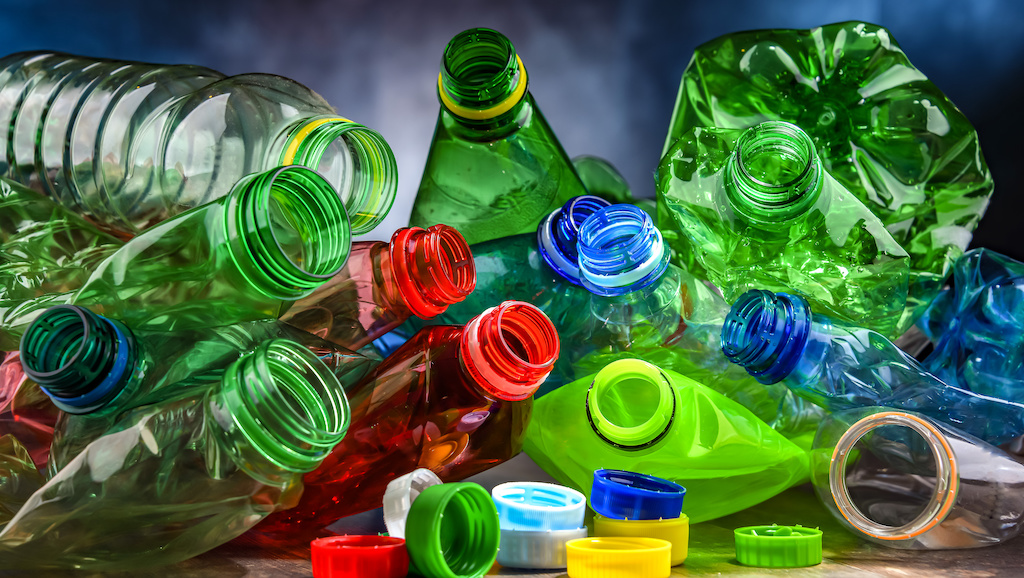
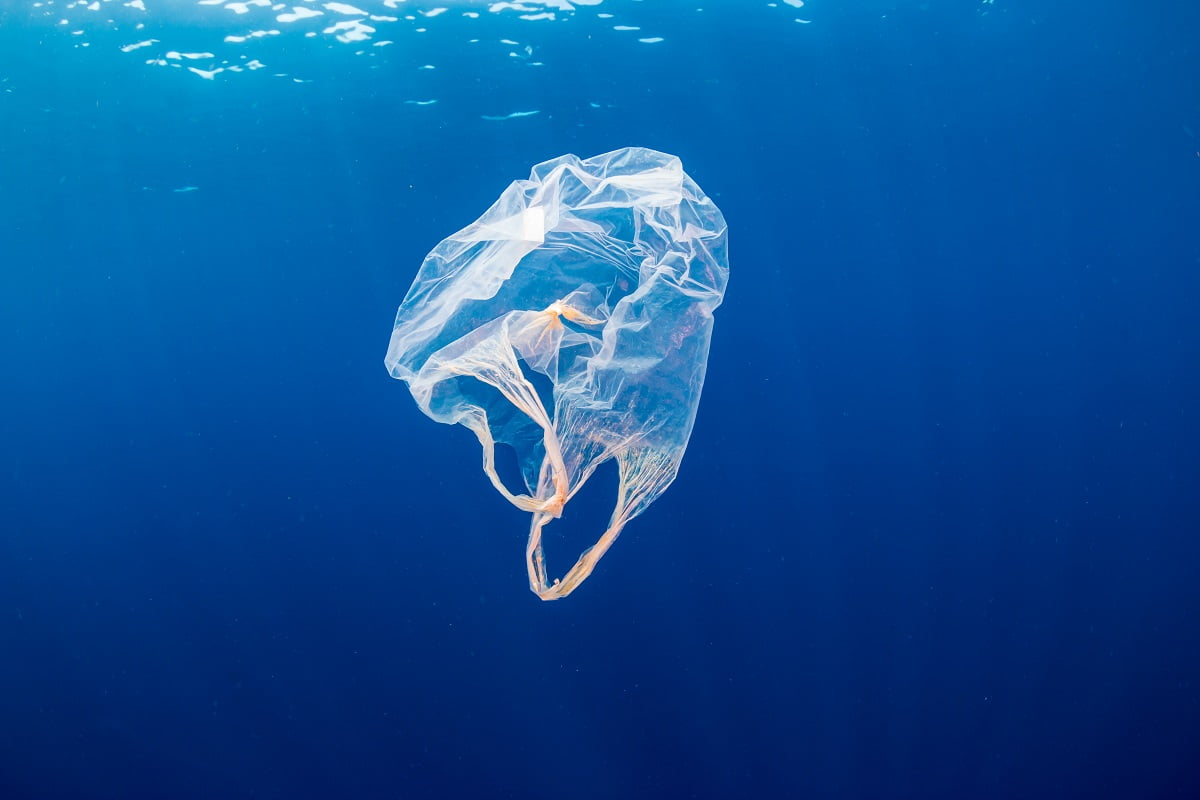
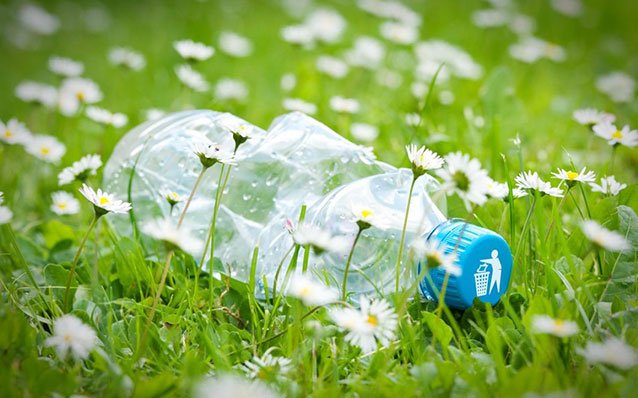
The first commitment to zero-waste living is refusing to buy, use, or dignify single-use items! While many Australian states have taken steps to remove plastic bags, straws, and styrofoam containers from circulation, there are still water bottles and sandwich bags on the market. Instead of using those convenient single-use products, invest in reusable products.
Additionally, you can avoid purchasing overpackaged products. There are plenty of brands and products on the market, and many of them are redesigning their packaging so you can choose a more sustainable option.
The Second R: Reduce
The best way to reduce your consumption is to be a conscious shopper. Take stock of what you have when you write your shopping list and buy only what’s on the list, it’s the best way to avoid those tempting impulse purchases. Remember, stores are designed to entice you to buy more than what you need, including 2 for 1 offers that aren’t all that cost-effective. Don’t fall into the marketing trap.
When you buy, be sure to spend your hard-earned cash on sustainable items that were built to last, whether it’s avoiding fast fashion for a durable piece of clothing or spending extra on an appliance you want to use for the next decade.
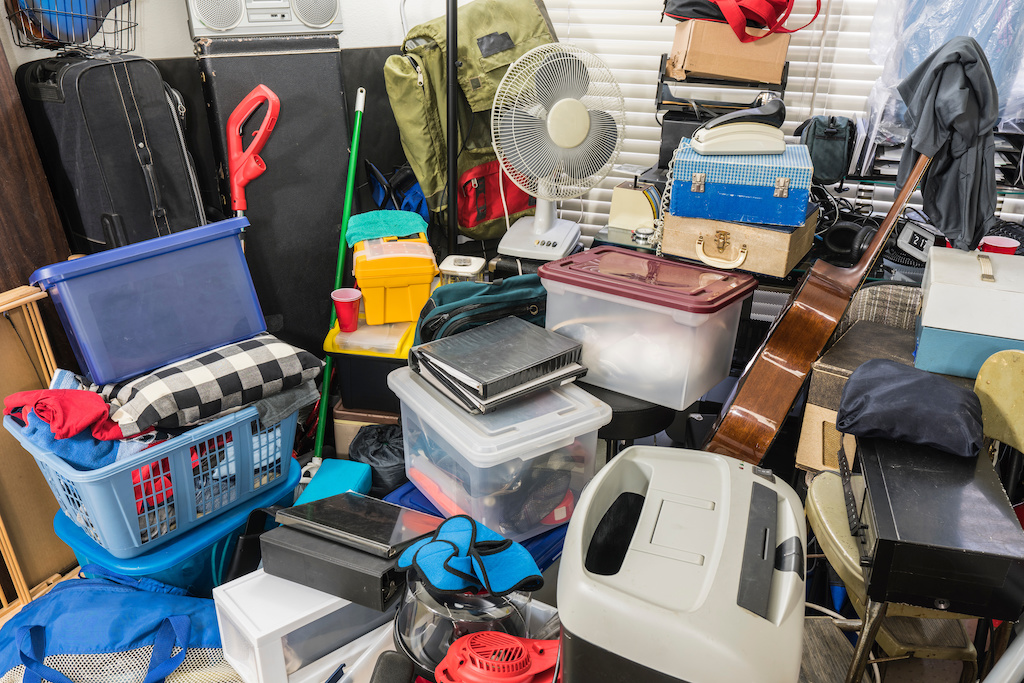
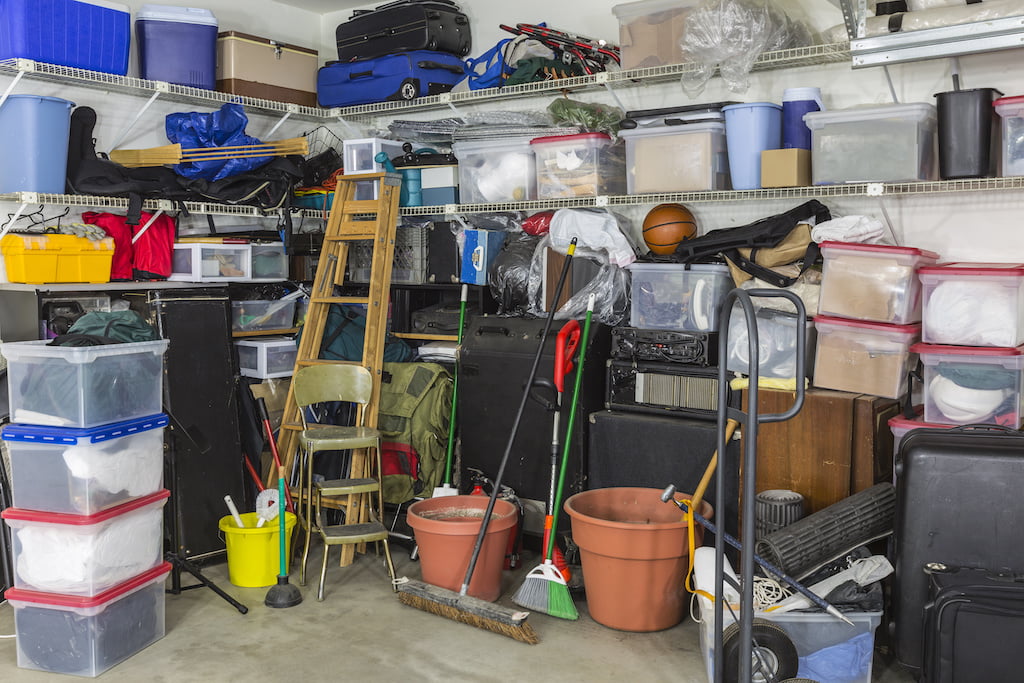
You can avoid clutter by having a one-in, one-out policy. If you buy something new, it’s time to get rid of something – just be sure to donate what you no longer use or need. If your local op shop isn’t accepting donations, you can list it for free on social media.
The Third R: Reuse
There are several ways to embrace the third R! You can embrace reusable items instead of disposable ones, including washable containers instead of the handy disposable plastic ones. Yes, they’re more expensive, but they also last, so they’re more cost-efficient in the long run. Additionally, consider using cloth napkins instead of tearing off kitchen roll or buying paper napkins, and invest in reusable dish cloths (the Swedish ones are machine washable and are a combination of cloth and sponge). You can also reuse containers for storage, allowing you to buy the larger refill packages that are made with sustainable packaging.
The Fourth R: Recycle
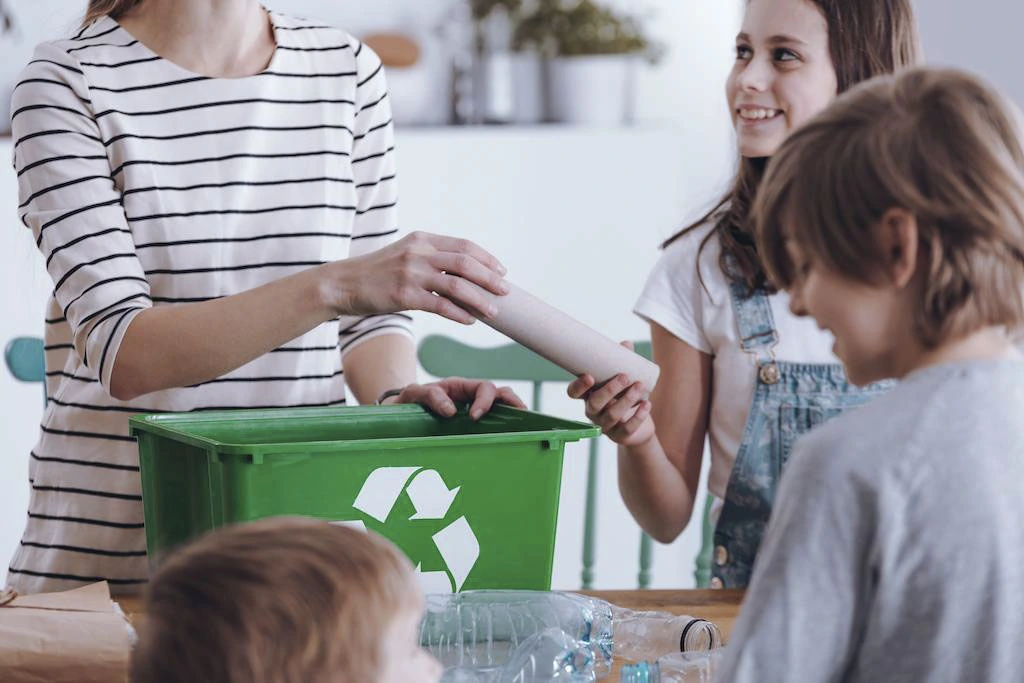
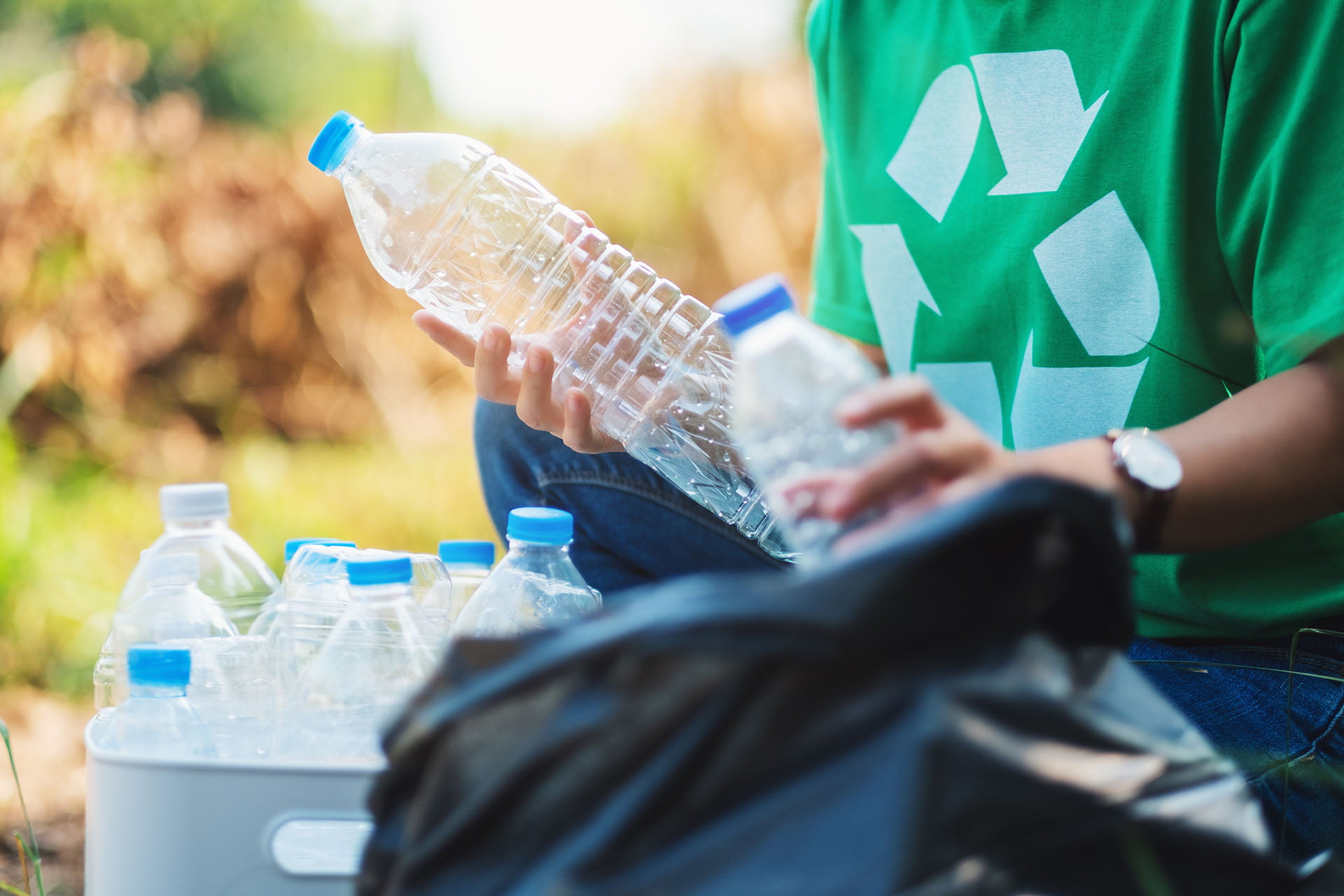
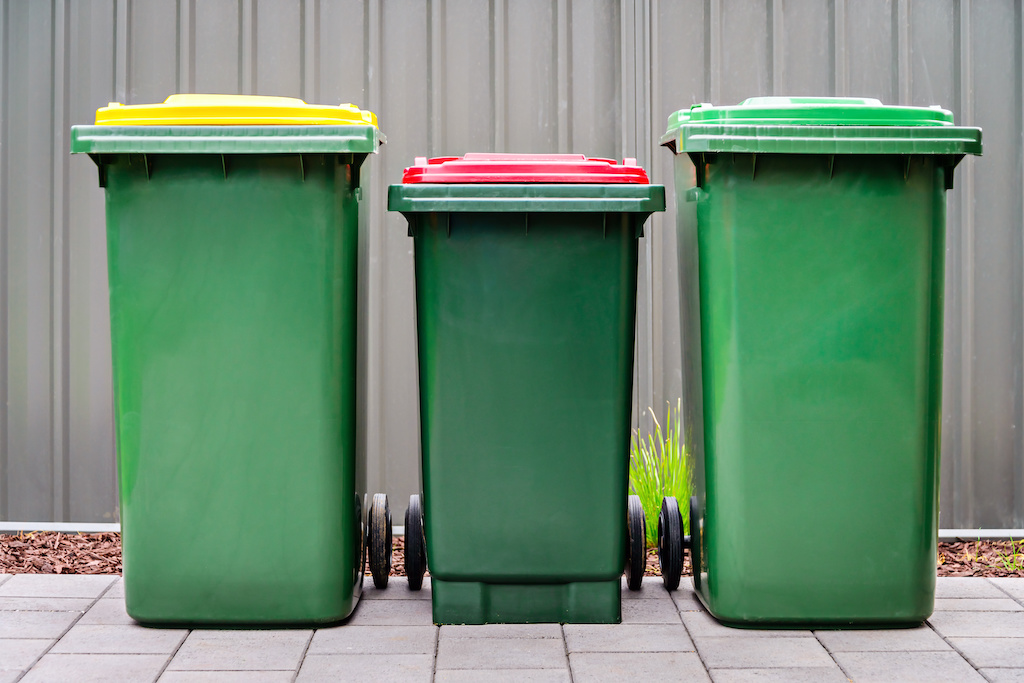
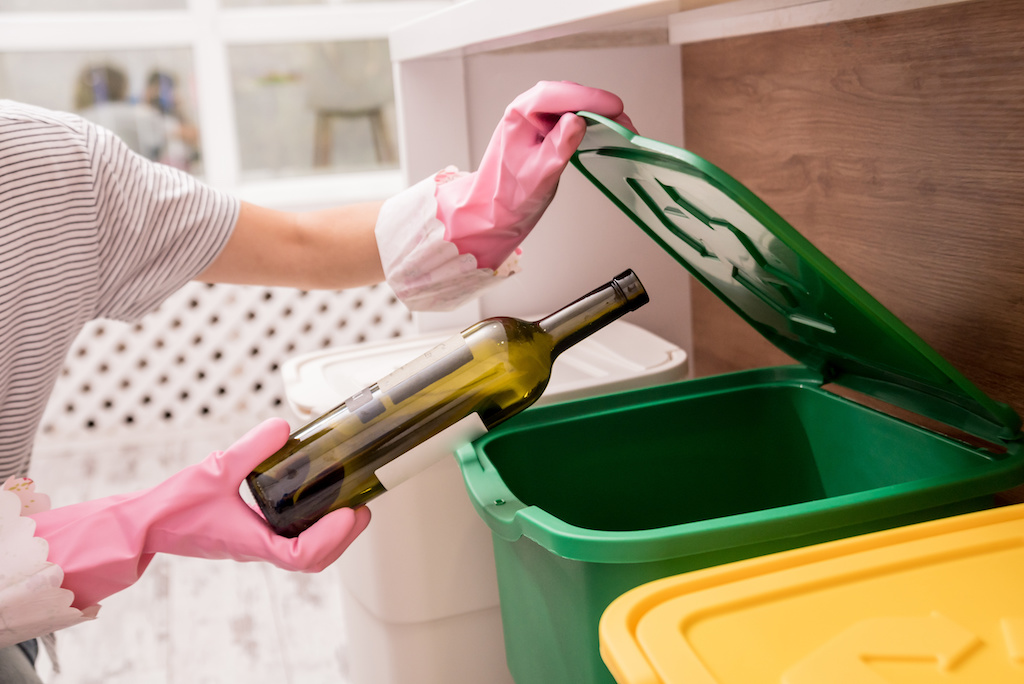
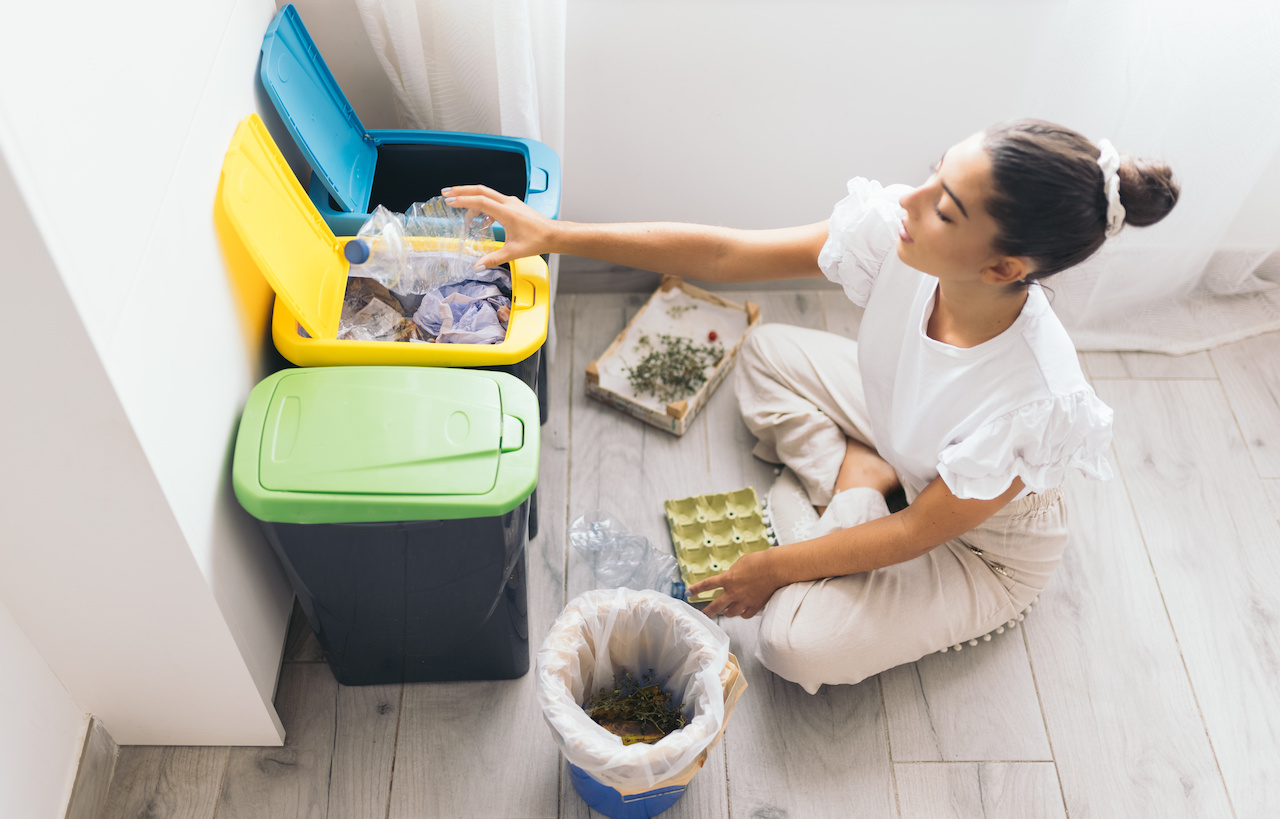
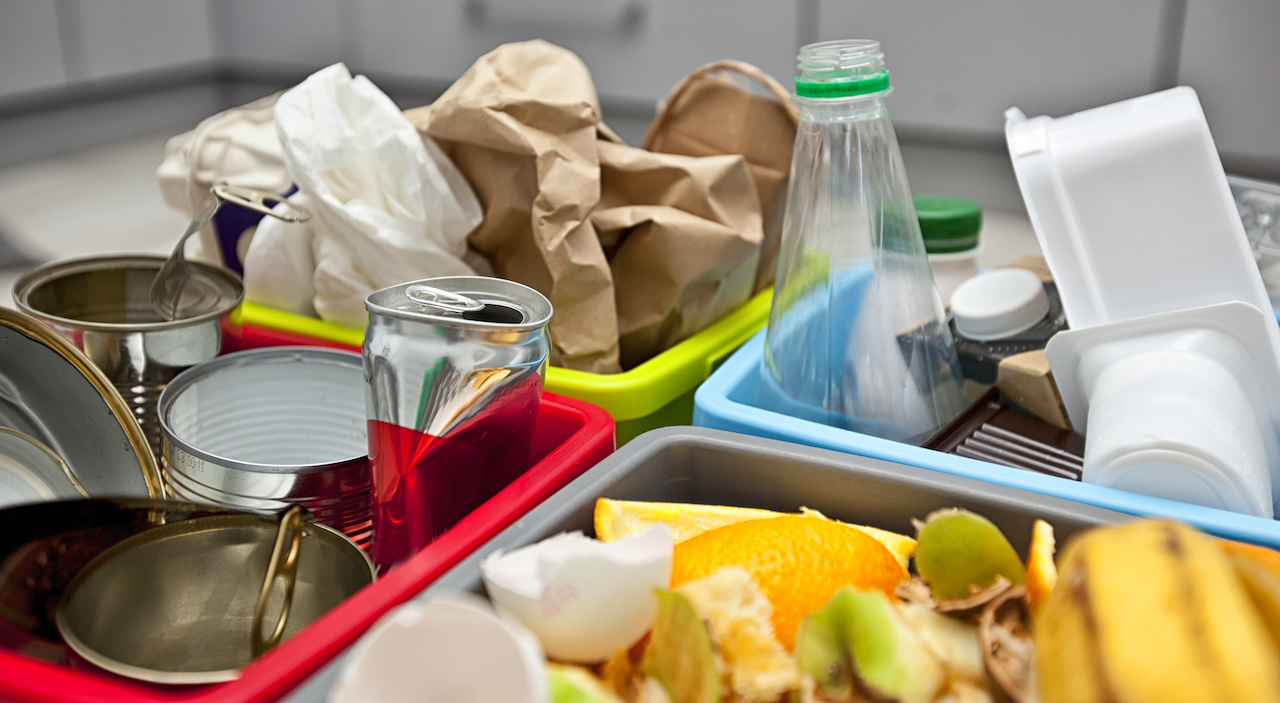
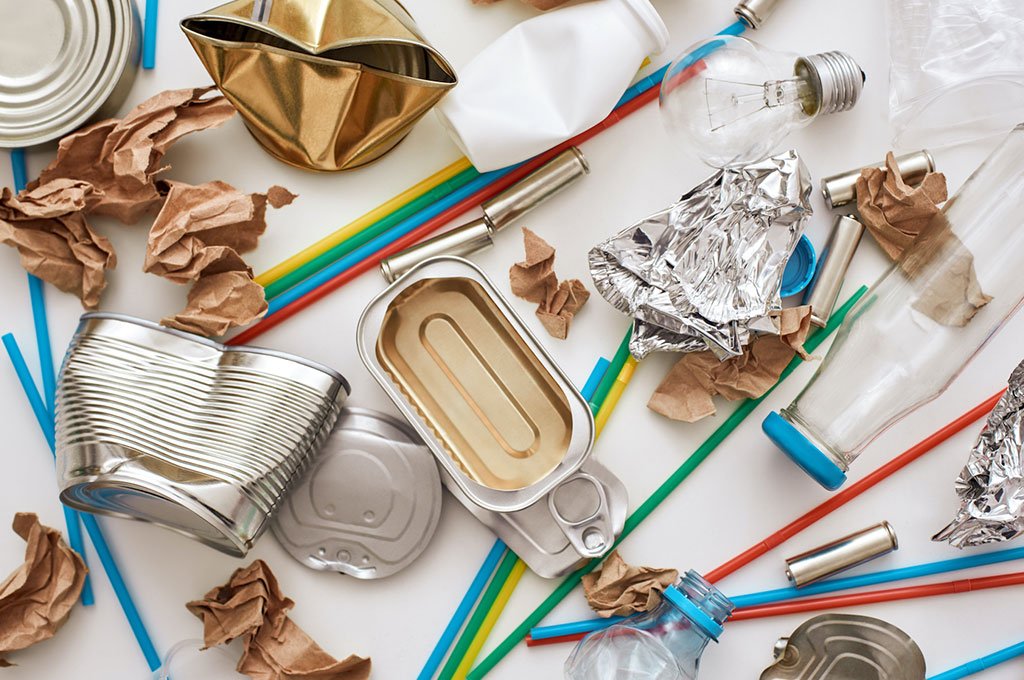
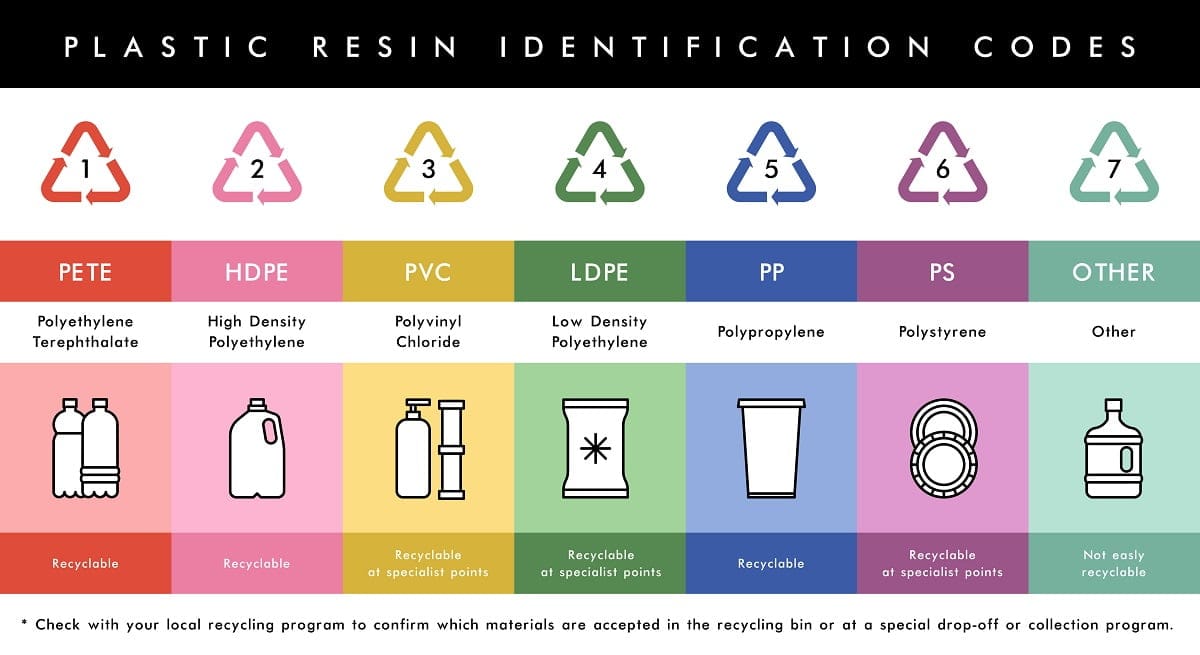
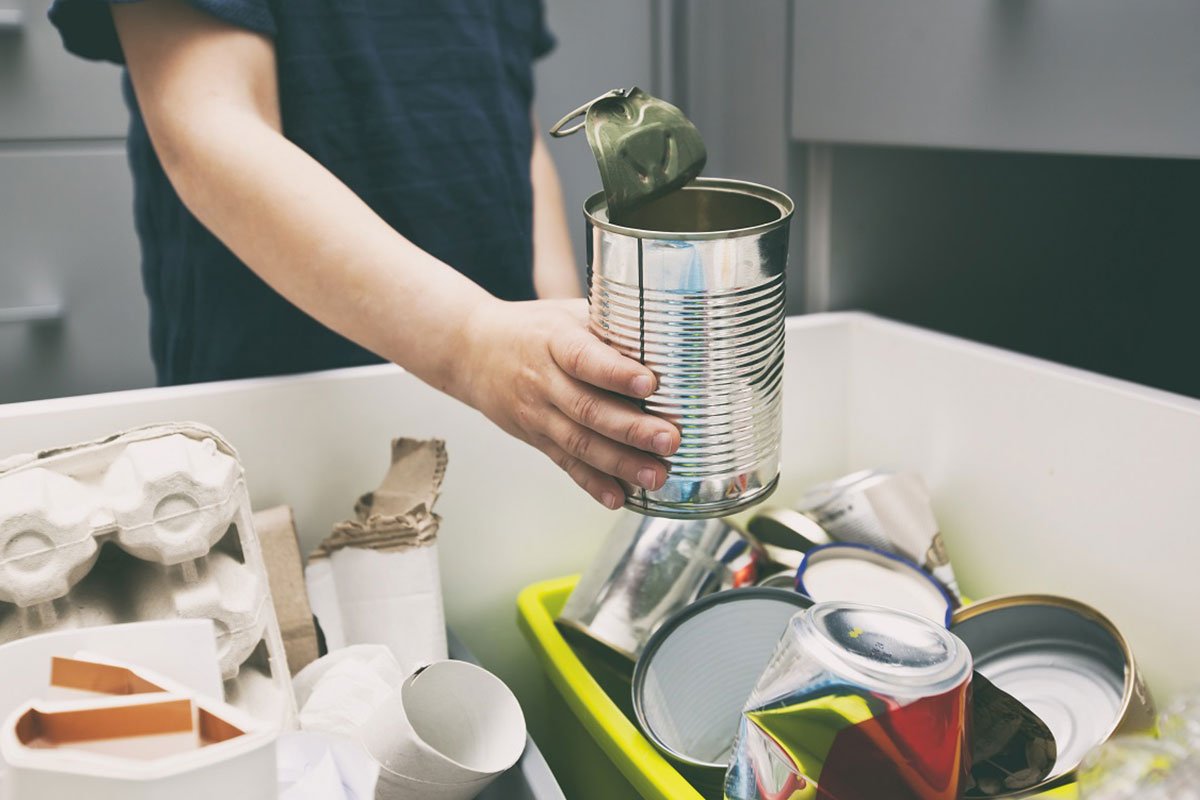
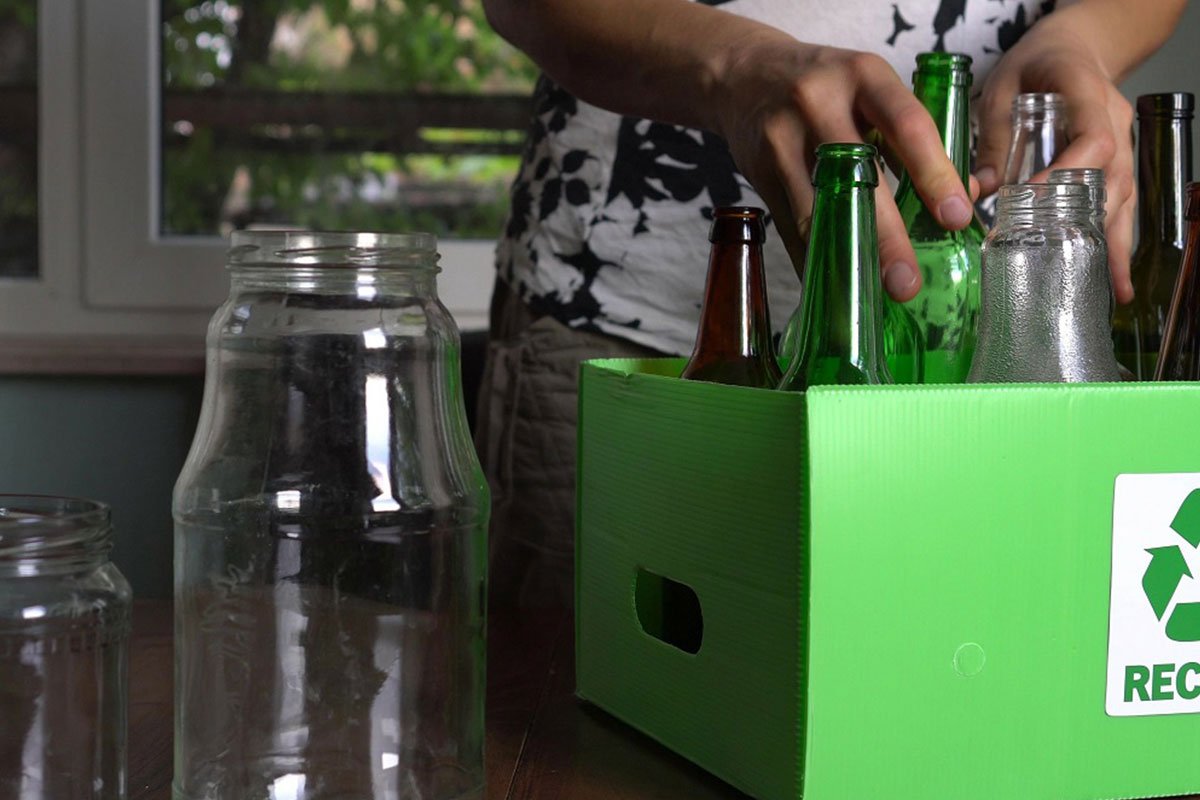
Always follow your local council’s recycling guidelines. While you have plenty of space in your council bin, don’t be tempted to sneak it into your general waste bin if you have more recycling. Be sure to check product packaging to ensure you put it in the correct recycling bin or dispose of it properly. Certain food packaging looks like recyclable cardboard but is plastic coated, so you must double-check before you toss it.
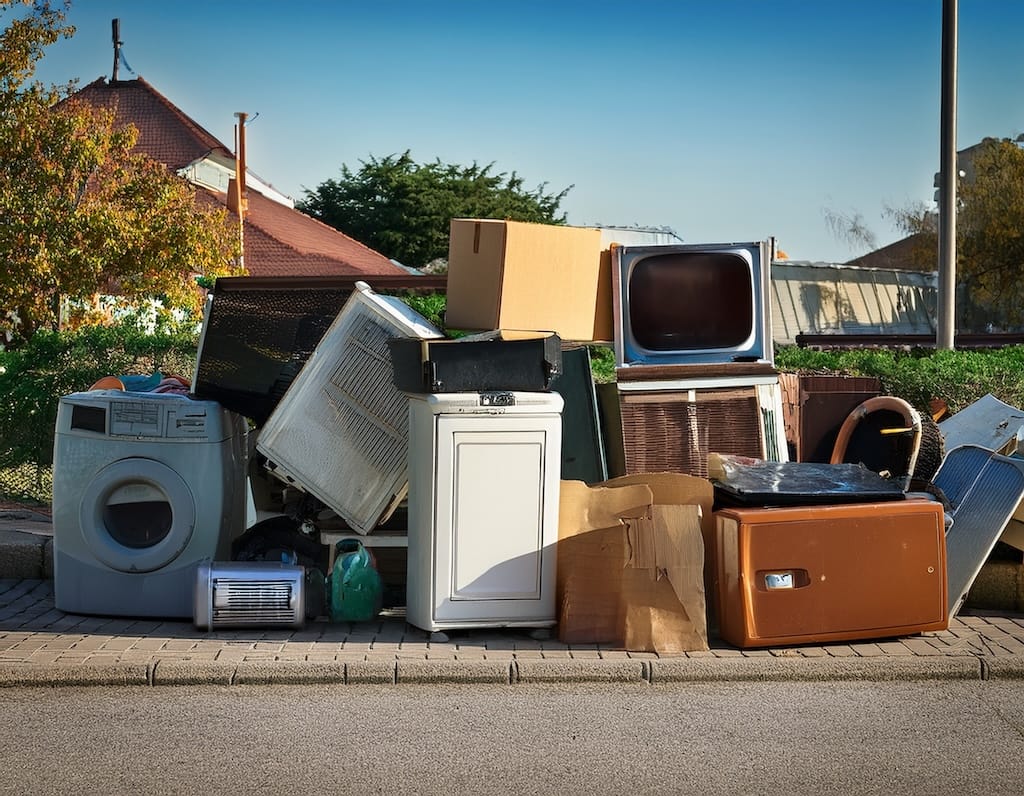
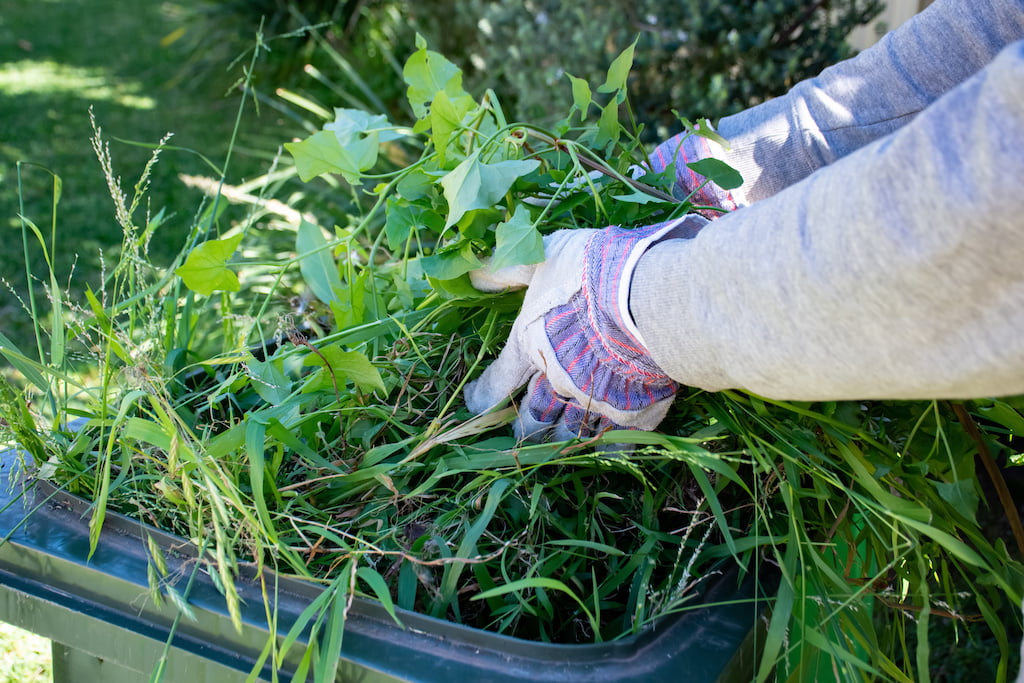
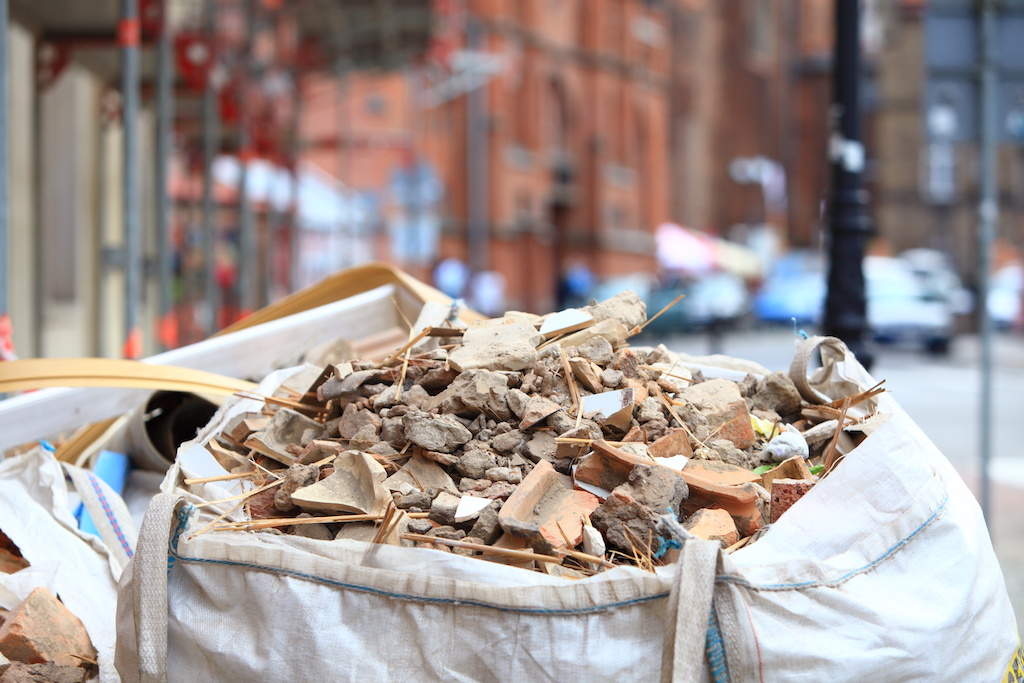
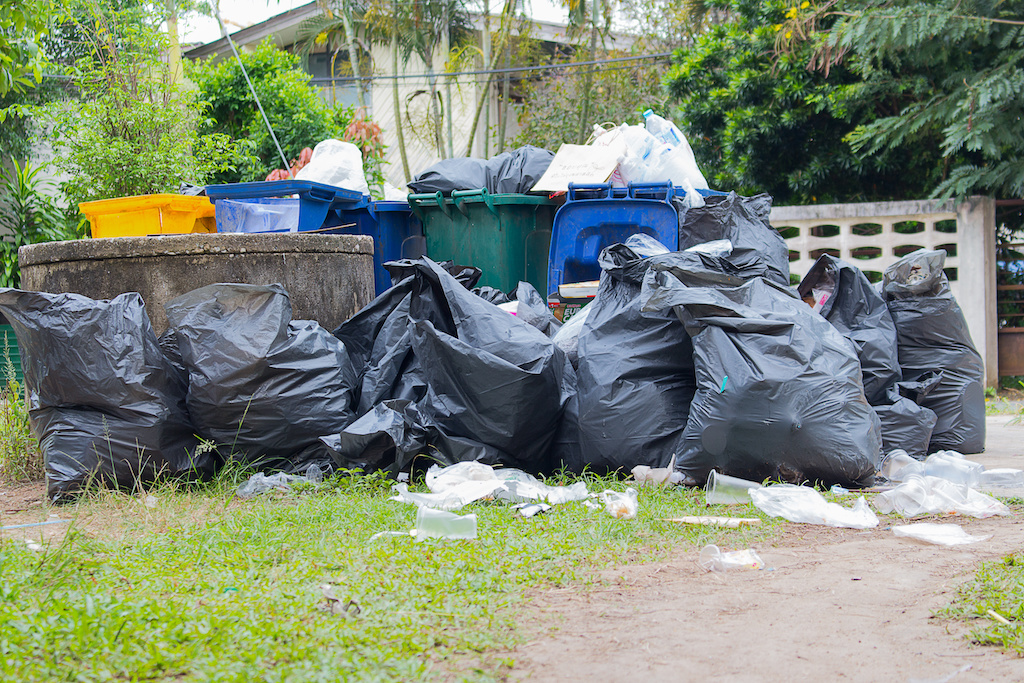
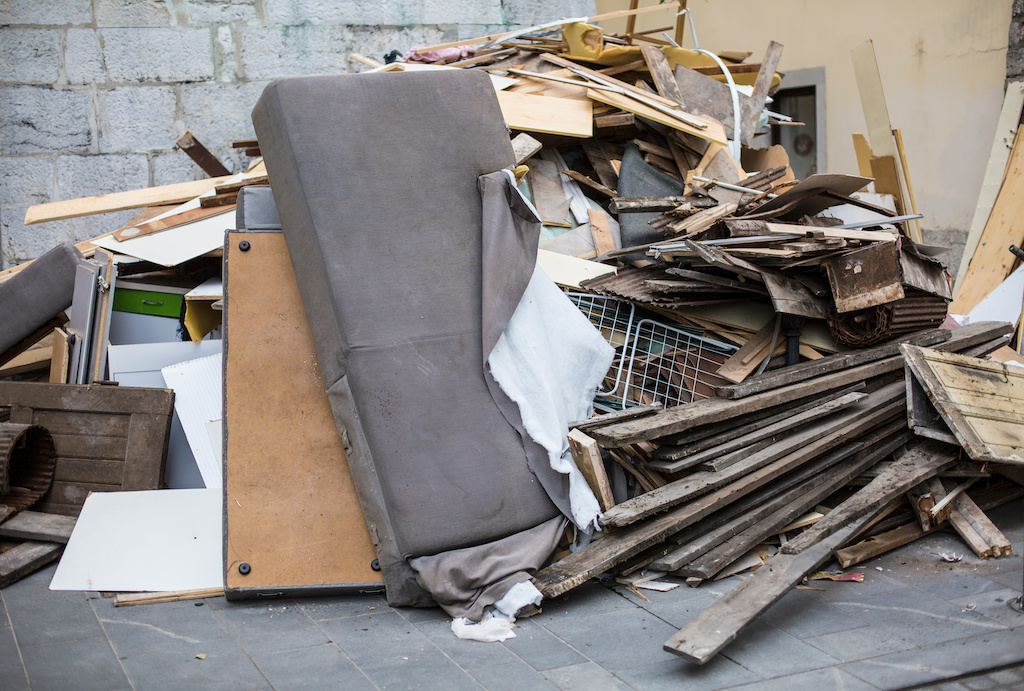
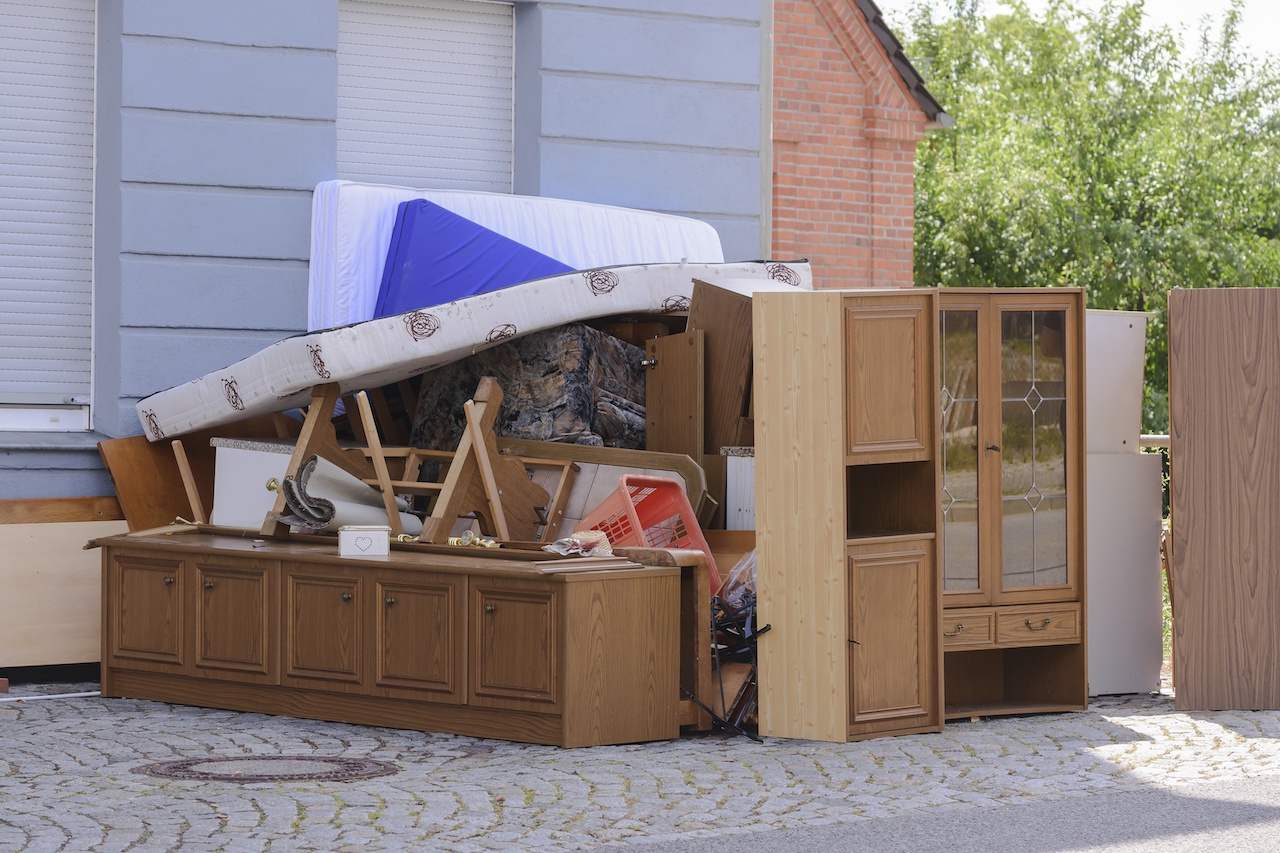
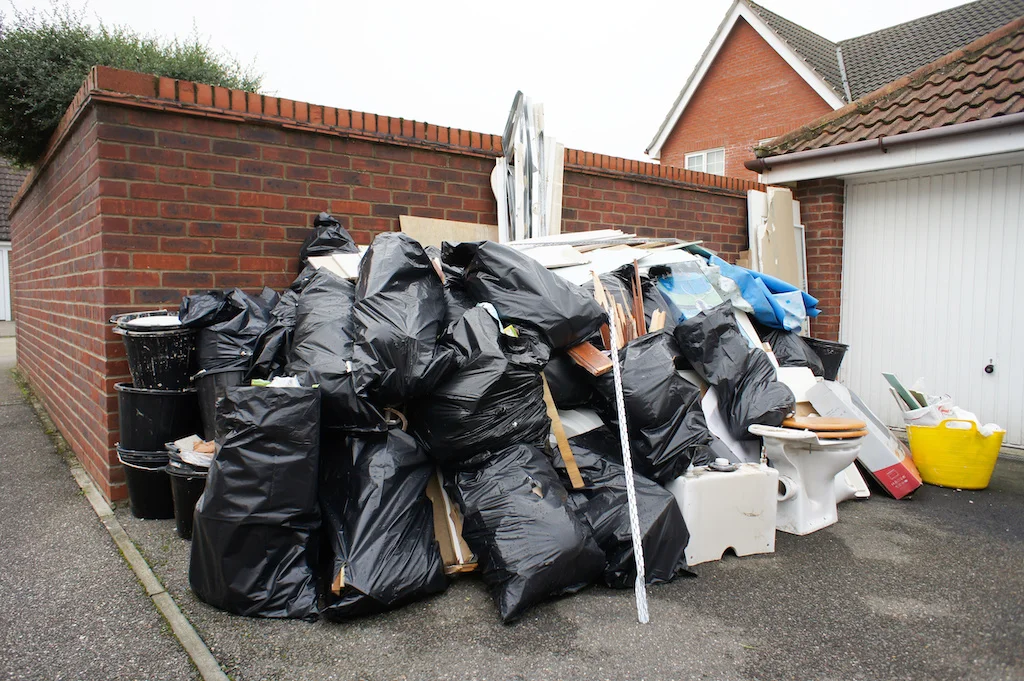
You can use a local rubbish removal service for excess rubbish and recycling like paper, cardboard, and garden waste. If you have food waste, compost it… which brings us to the fifth R!
The Fifth R: Rot
Composting is great for your garden, and it’s also an effective way to divert waste from landfills. If food waste ends up at the landfill, it rots and creates methane gas. As a potent greenhouse gas, methane is disastrous for our climate and handling your food waste is a simple solution to a major problem. So, you can compost your food scraps to use in your own garden or gift them to a neighbour passionate about gardening. Several councils across the country are trialling food waste bins, so there may come a time when it’s much easier to take part in recycling food waste without creating a compost bin.
Extra Tips
The more you cook at home, the less packaging you will use and the more control you have over the ingredients you use and the packages you purchase. You can also pay close attention to the rubbish you waste to see if there are areas for reducing your consumption.
You can contribute to your community by conserving water – yes, shorter showers are good and fixing leaks when you notice them is great. You can also invest in water-saving devices or set up a rain tank to use for watering.
How Cheapest Load of Rubbish Can Help: Rubbish Removal Near Me
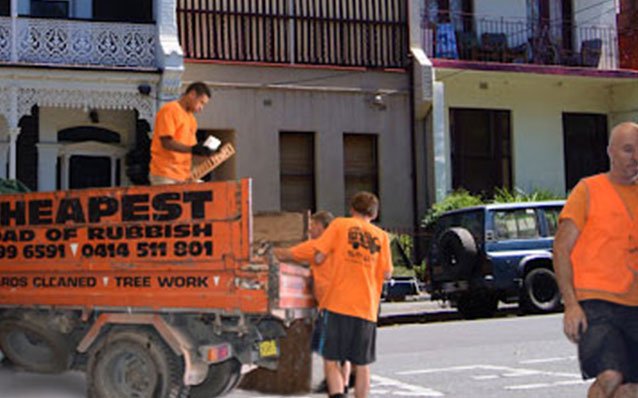
If you’re looking for rubbish removal in Sydney, it’s as simple as a rubbish removal near me web search. Alternatively, you can reach out to the professionals at Cheapest Load of Rubbish. Cheapest Load of Rubbish has been operating in and around Sydney for more than three decades, and as part of the local community, we’re as passionate about a clean environment as you are. We offer quick and affordable services, with a helpful team of efficient members who can be on your doorstep today. -the-spot quote! There’s no obligation, simply complete our online form and we’ll send a team out to assess your rubbish.