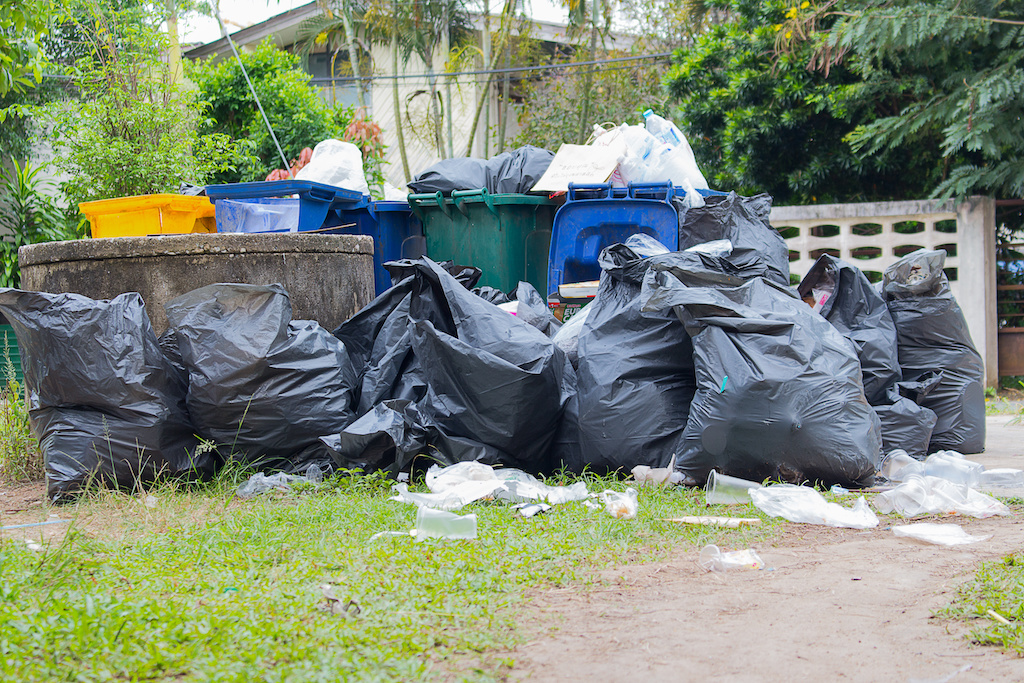
You might not think too deeply about rubbish collection day beyond finding out which bin should go to the kerb, but there’s a lot more to think about. The more organised your rubbish is, the smoother the collection process will be. It isn’t just the bin men you’re making life easy for, once you set up some of these tips, you’ll find the in-house process is much simpler and more efficient for recycling.
The Importance of Waste Sorting
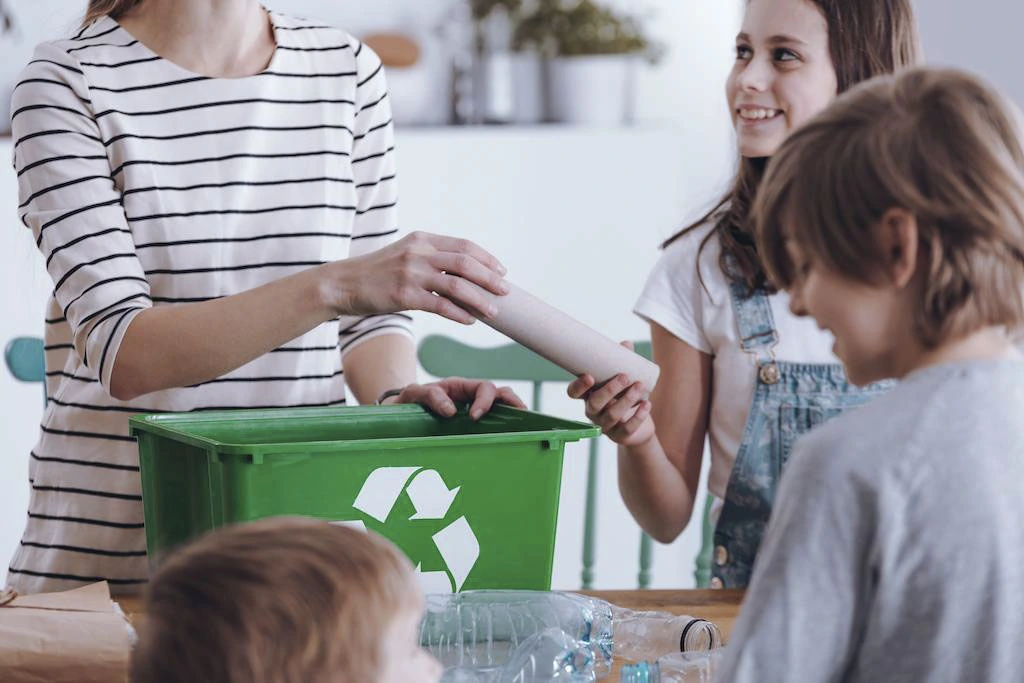
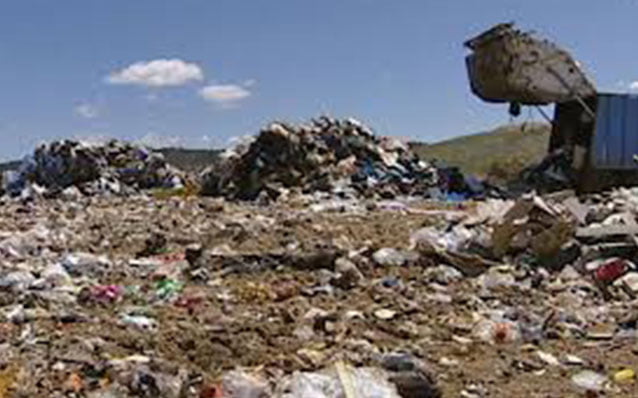
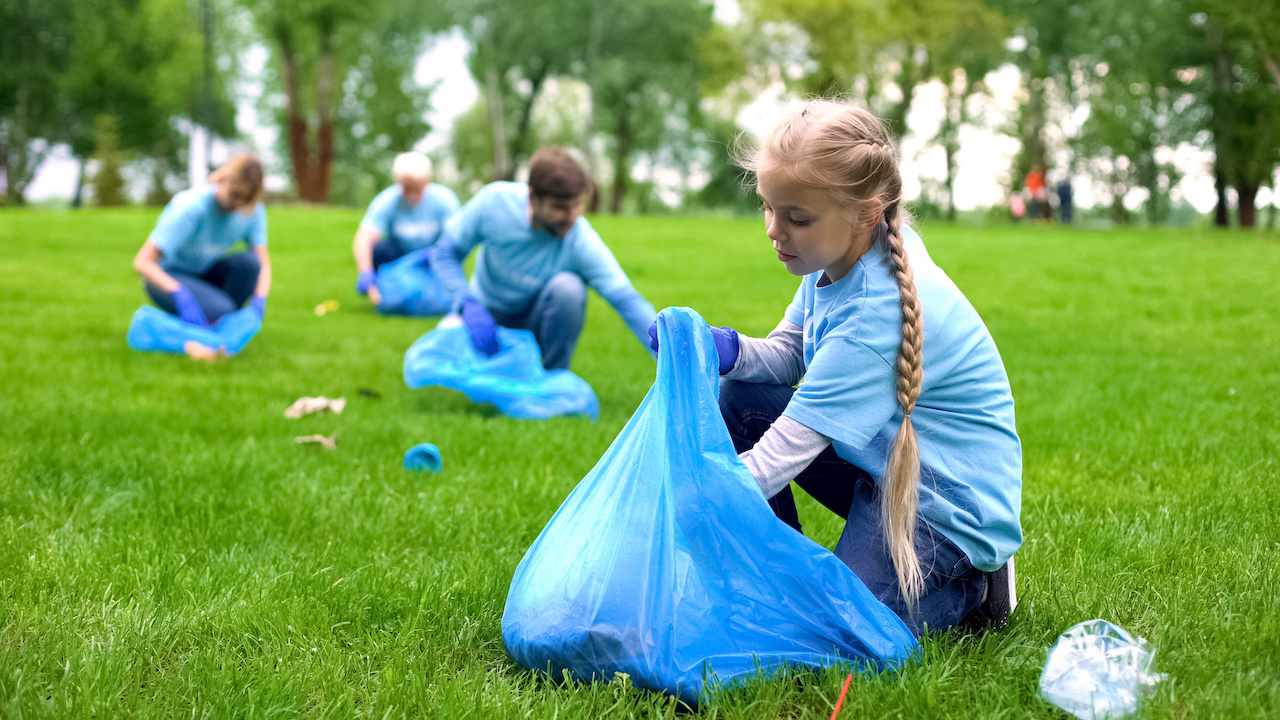
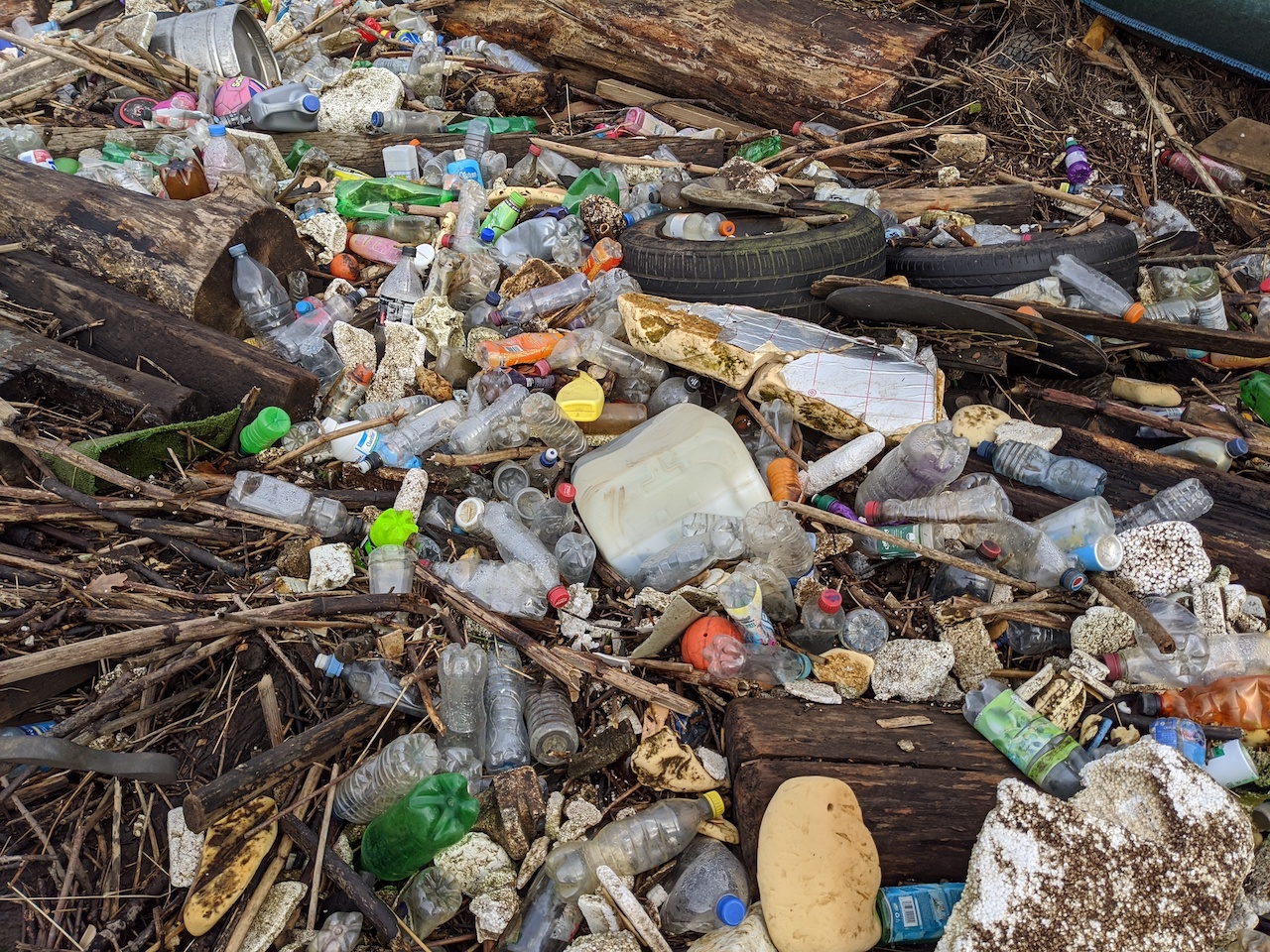
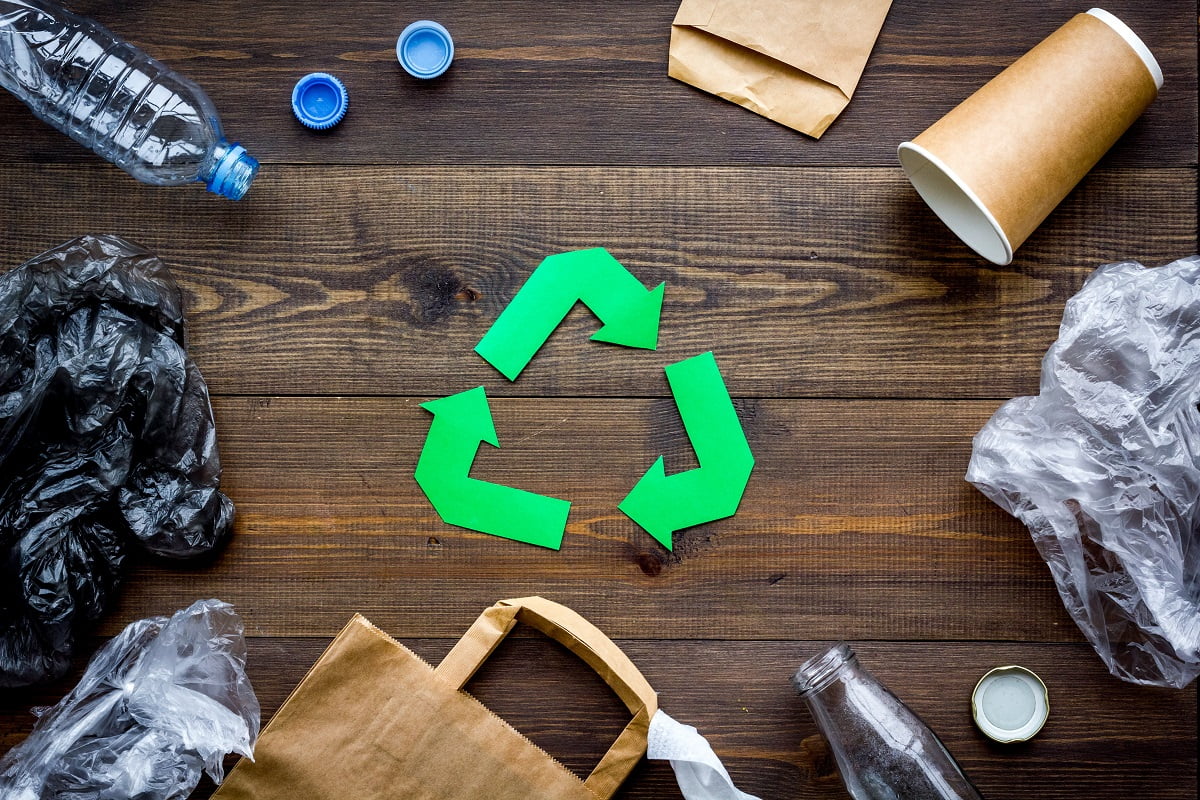
We could all get better at recycling, and sorting your waste ensures that you recycle every scrap possible, which means much less ends up in our already-overpacked landfills. There’s a practical side of waste sorting as well because the council can fine you for incorrect bin usage, whether it’s general household waste in the recyclables or the other way around. In some cases, they will refuse to uplift your rubbish until you sort it correctly. It’s also an important part of raising children who understand their part in keeping the community clean.
Waste Categories
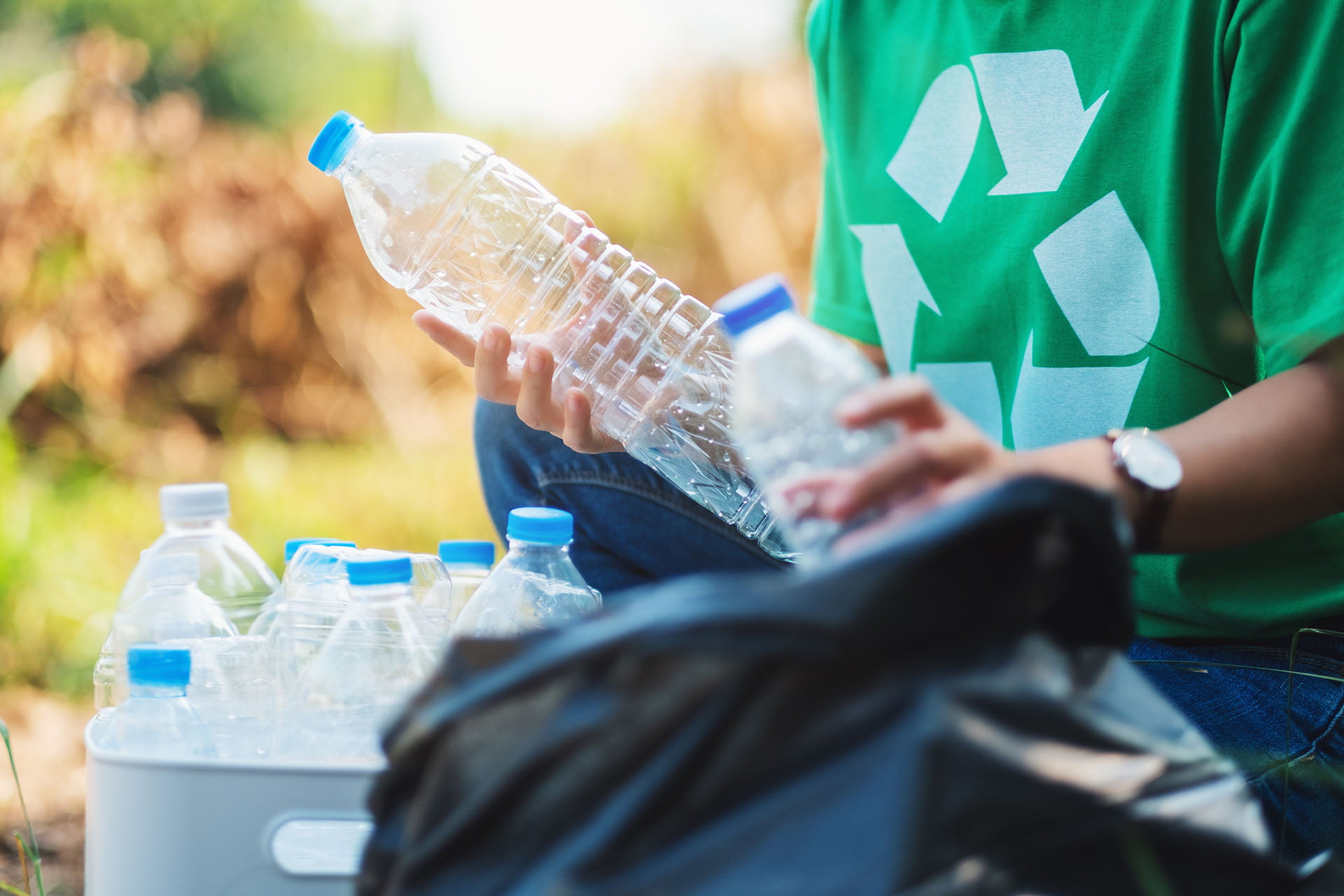
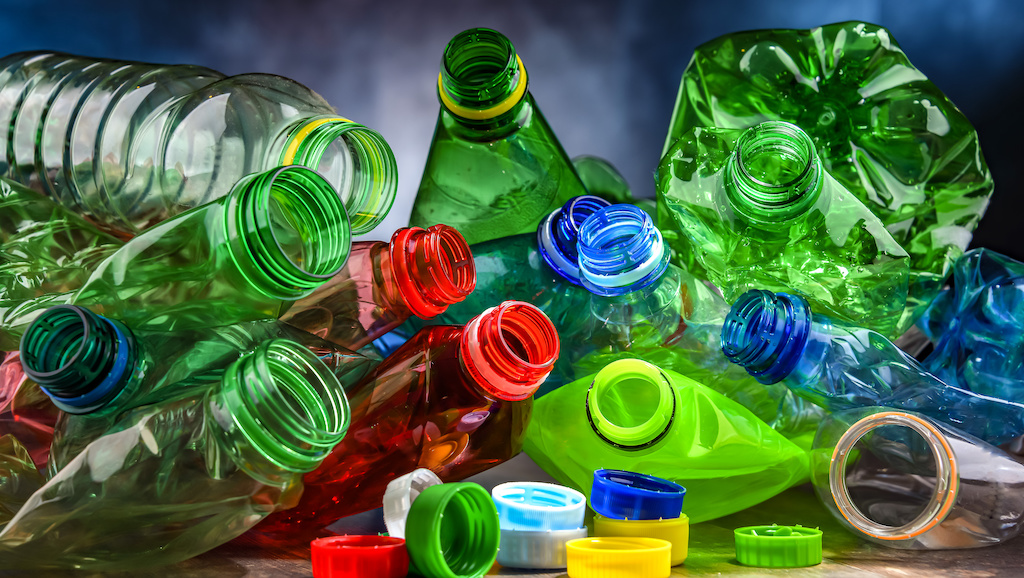
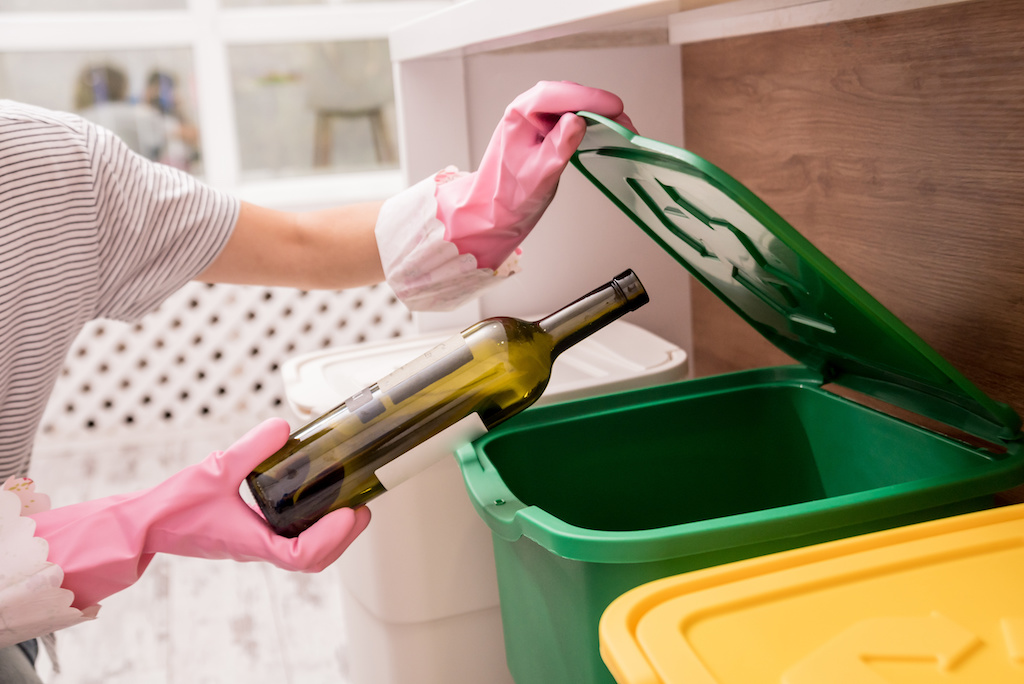
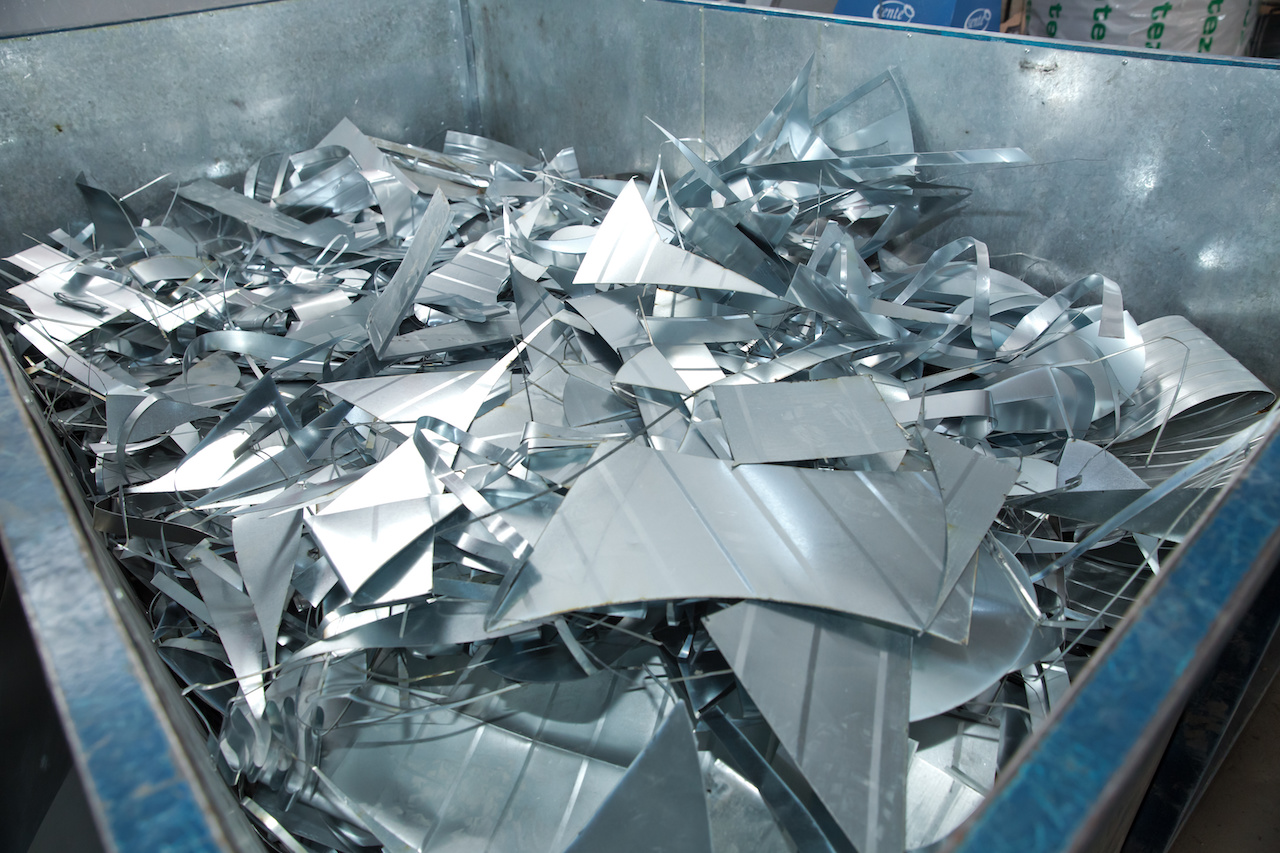
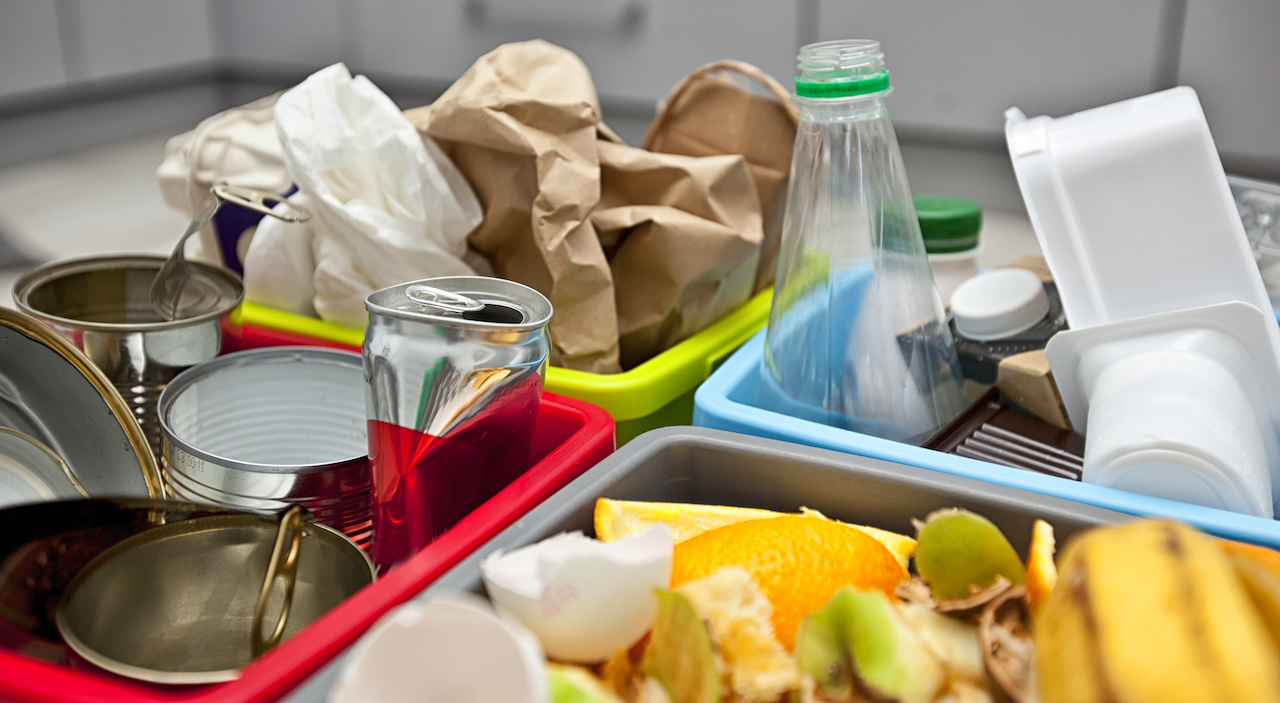
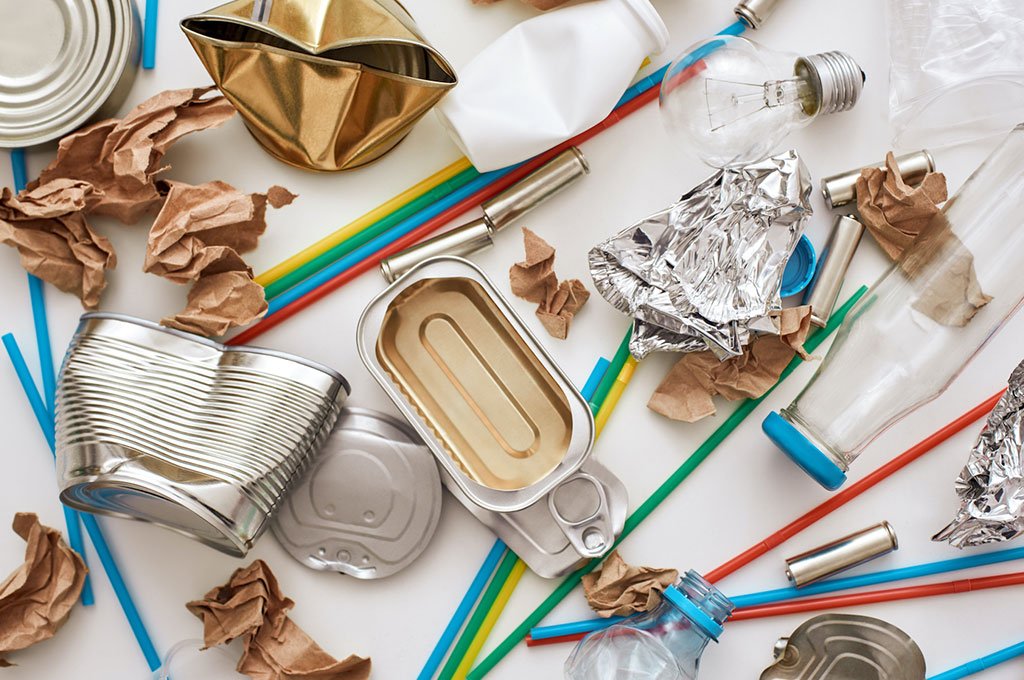
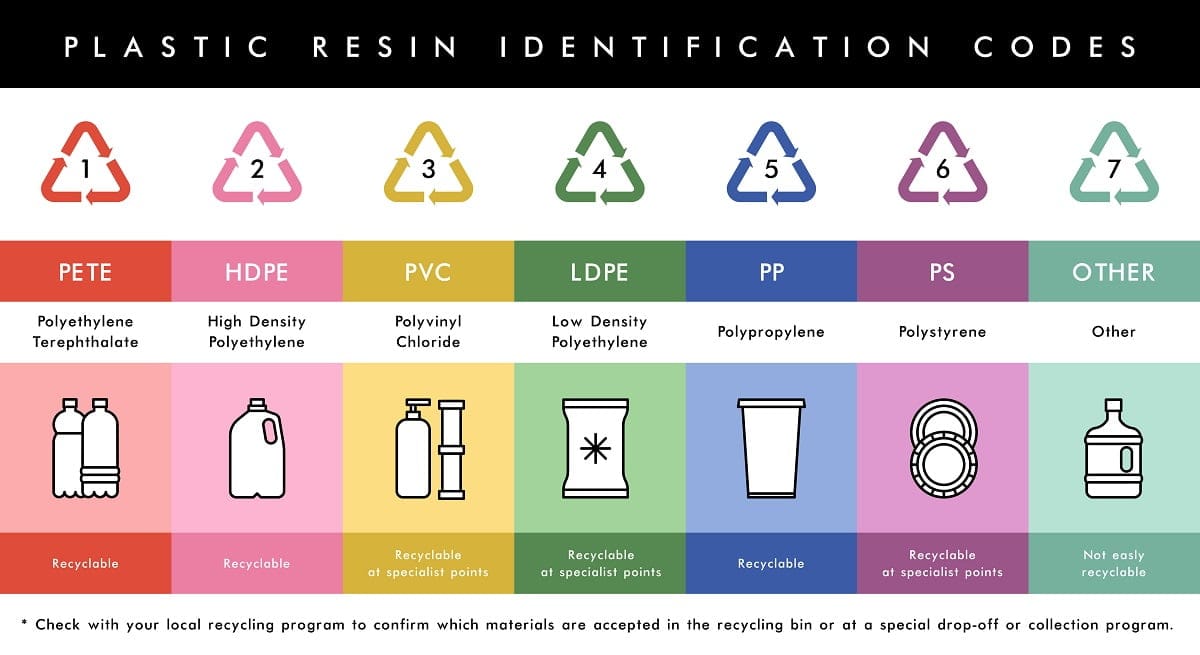
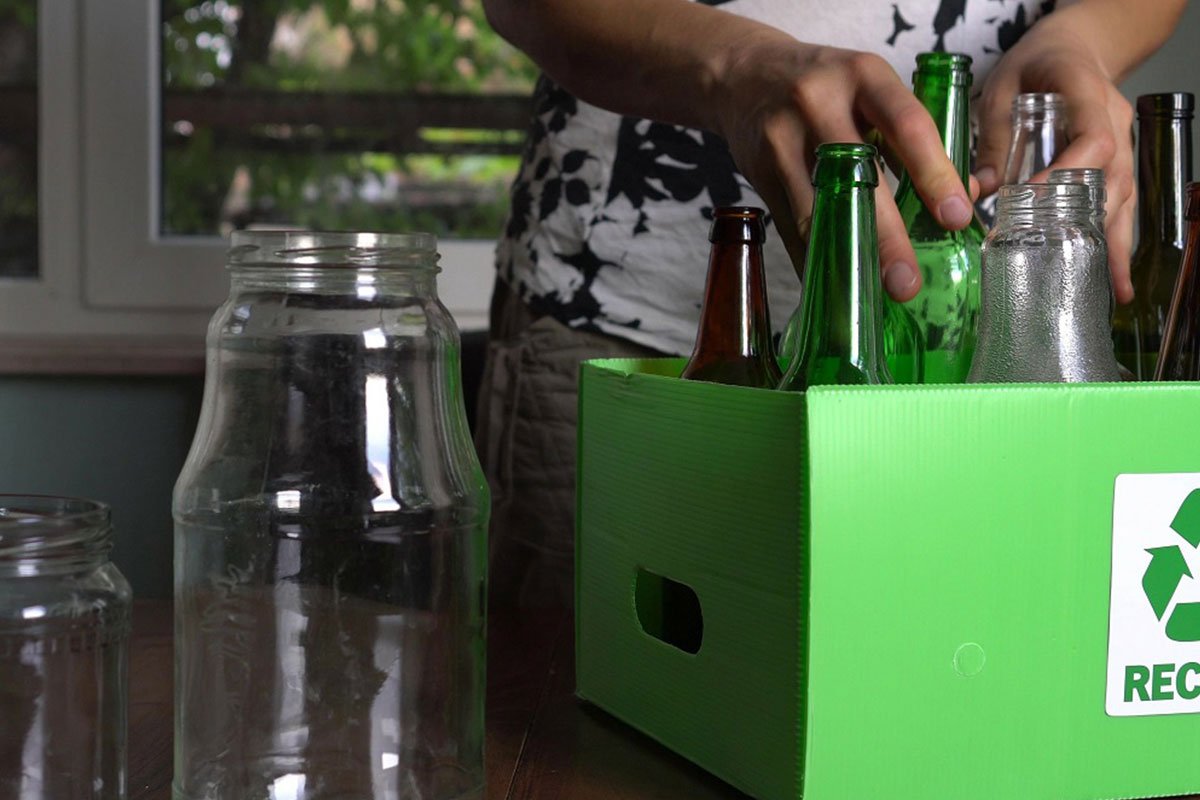
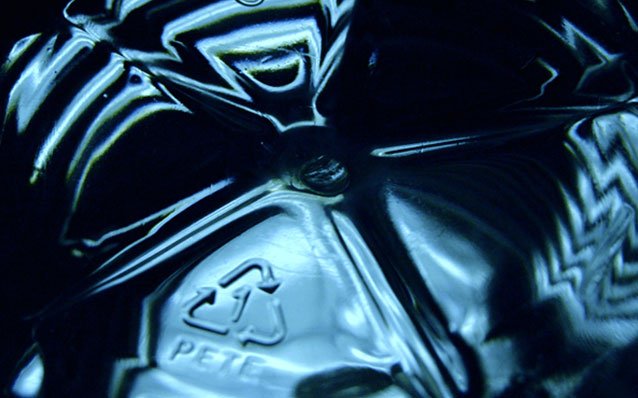
There are several categories of waste and general waste like nappies, broken ceramics, and general household rubbish belong in the general waste bin. Glass bottles, cans, paper, cardboard, and plastics labelled between one and seven are made for the recyclables bin.
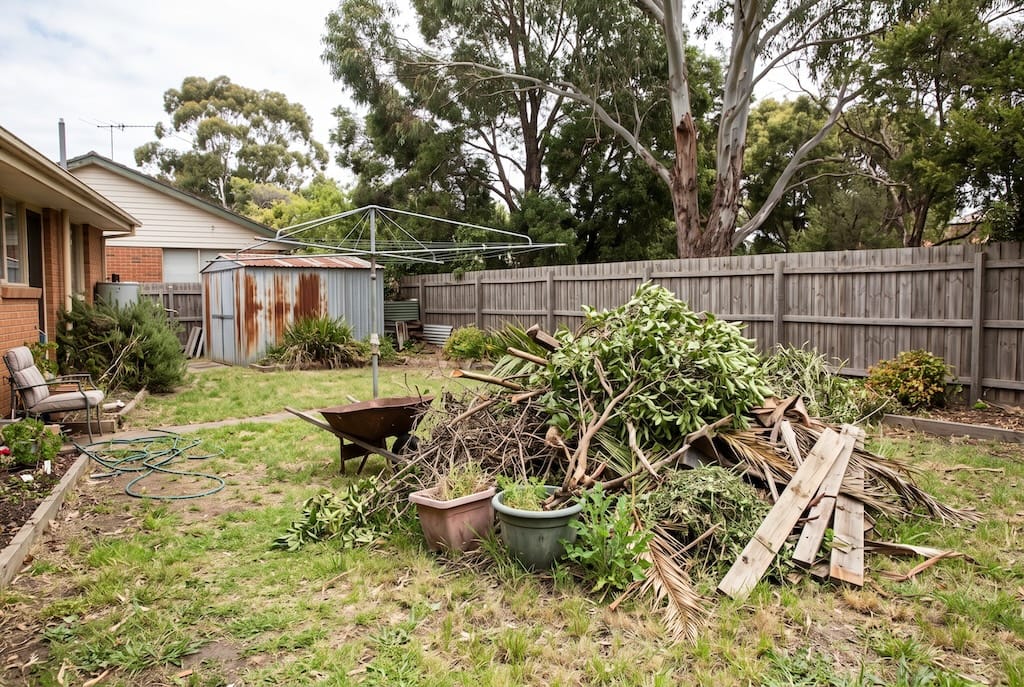
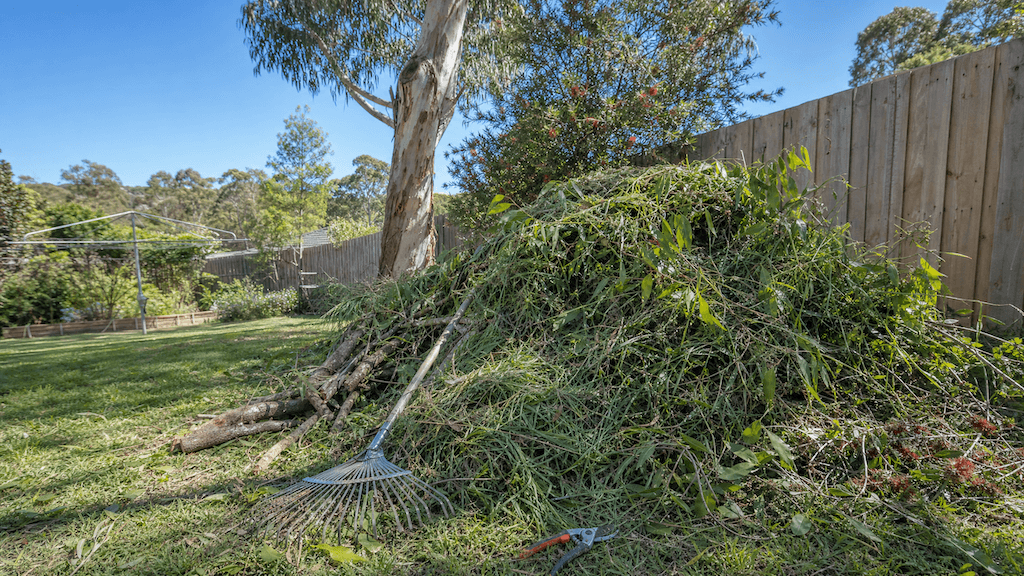
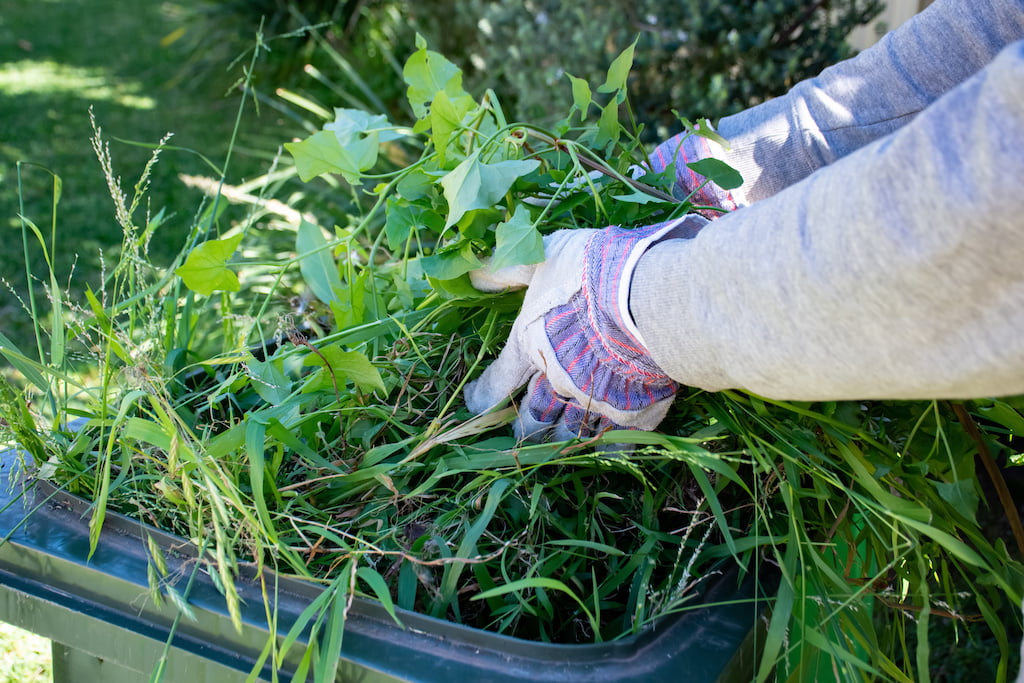
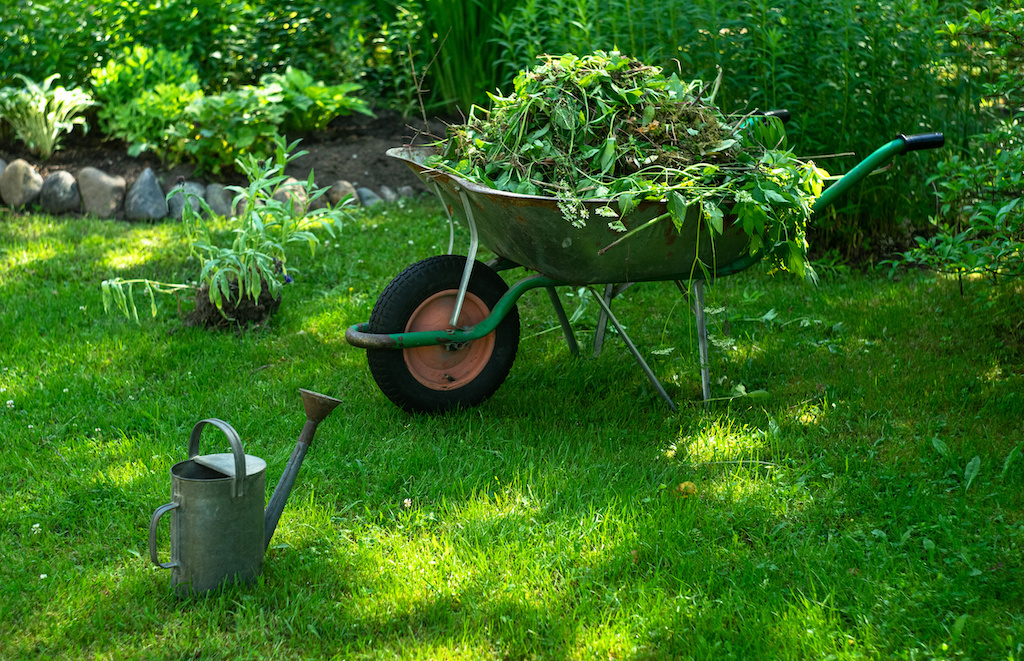
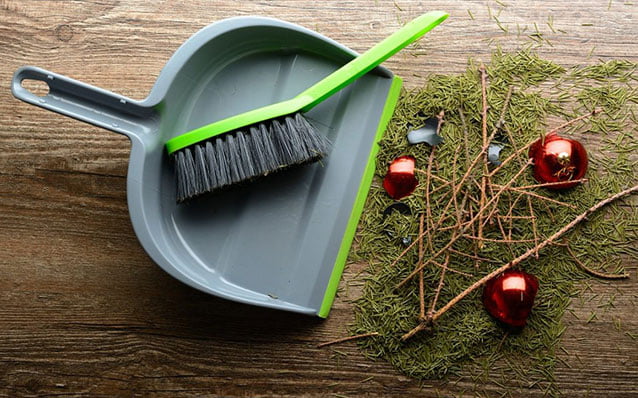
What about garden clippings, leaves, and branches? Right in the green waste bin! While some councils are trialing food waste bins for organic waste like tea bags, coffee grounds, and food scraps, if you don’t have a food waste bin, you can compost it.
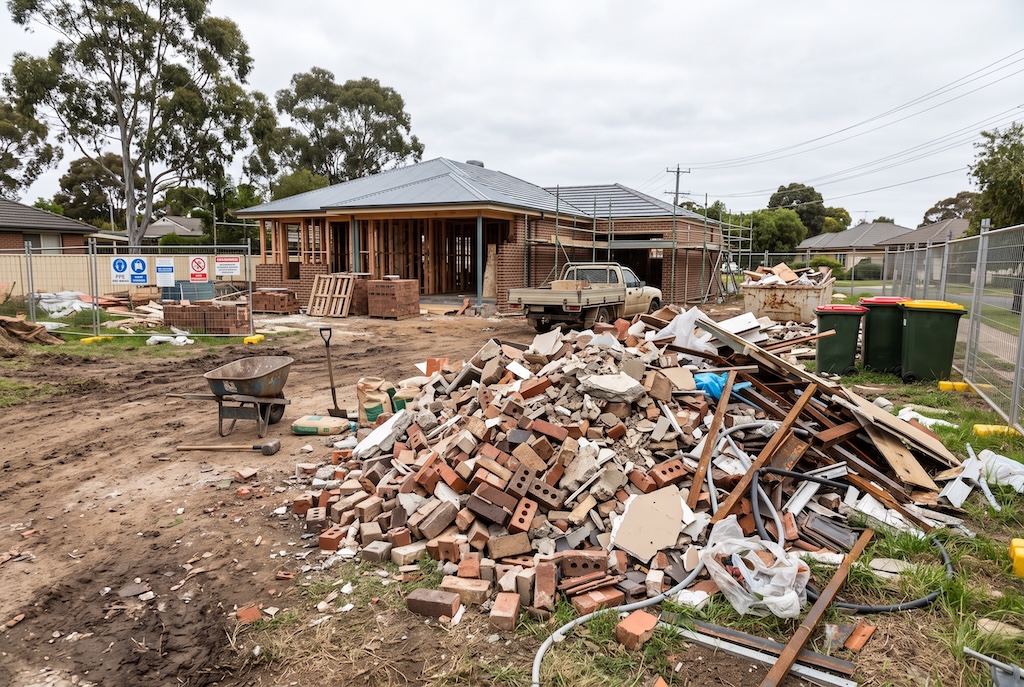
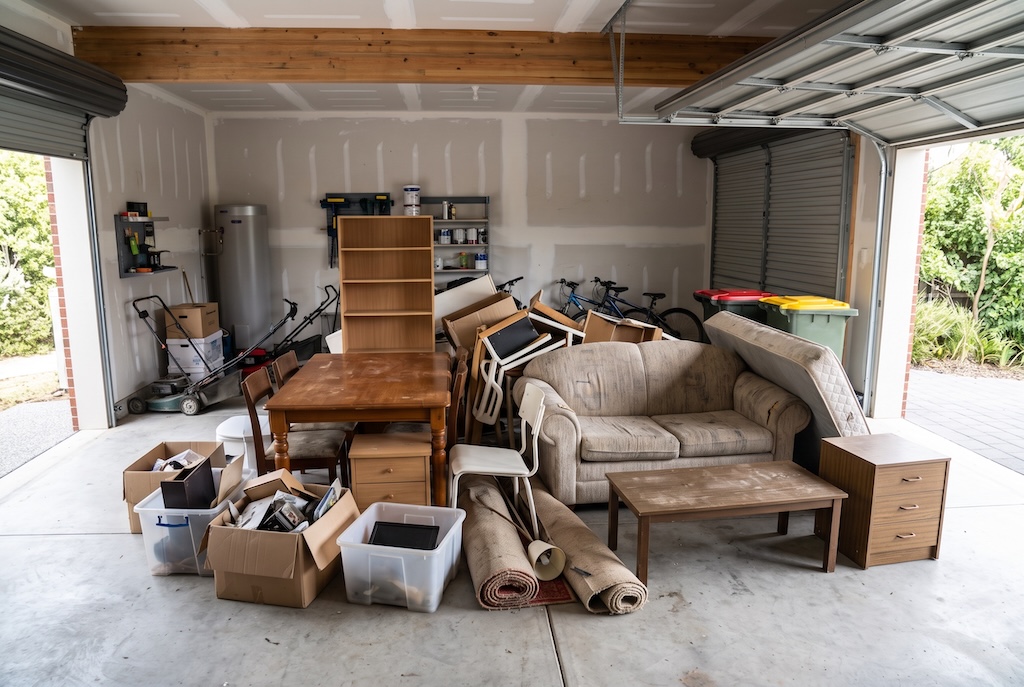
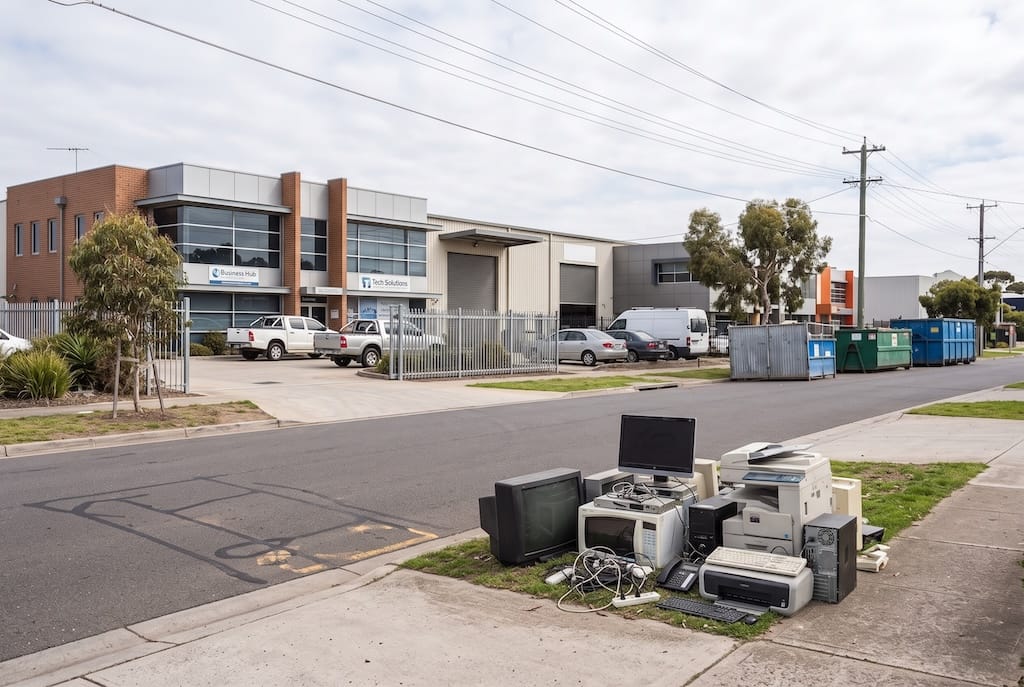
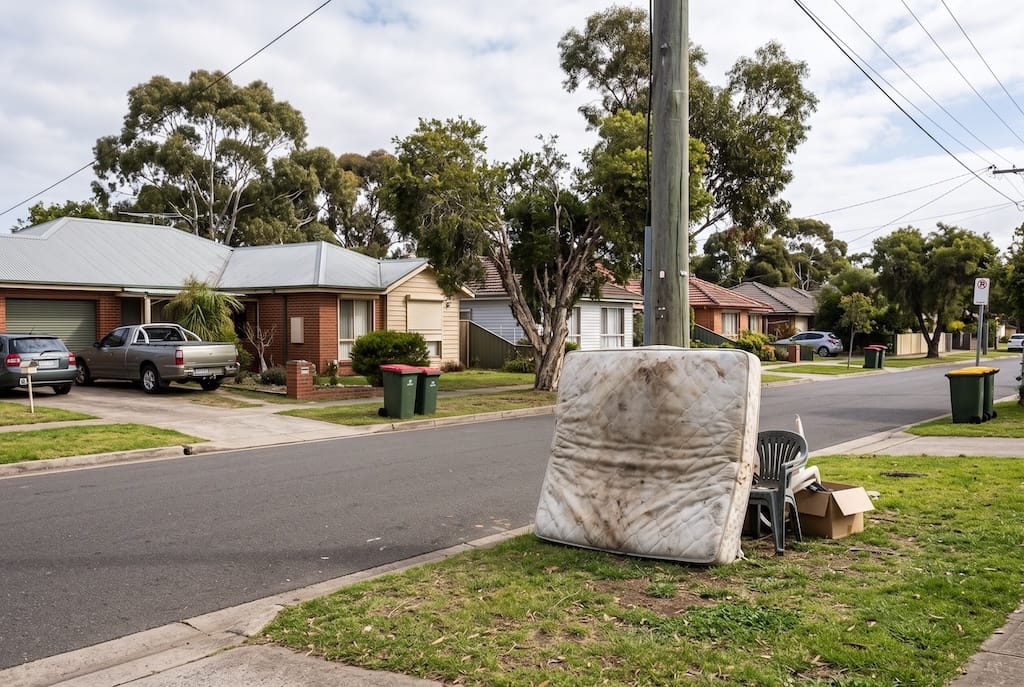
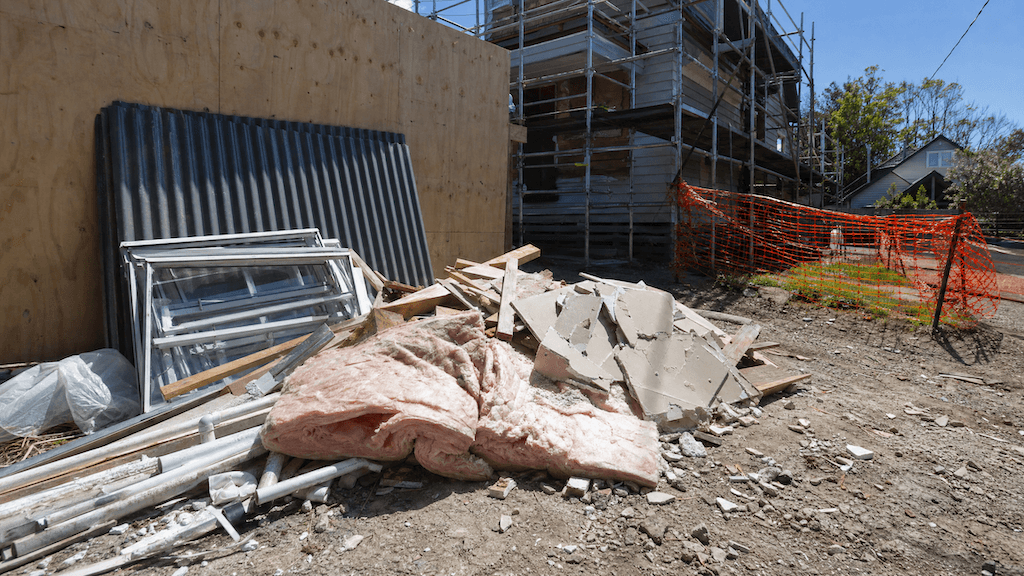
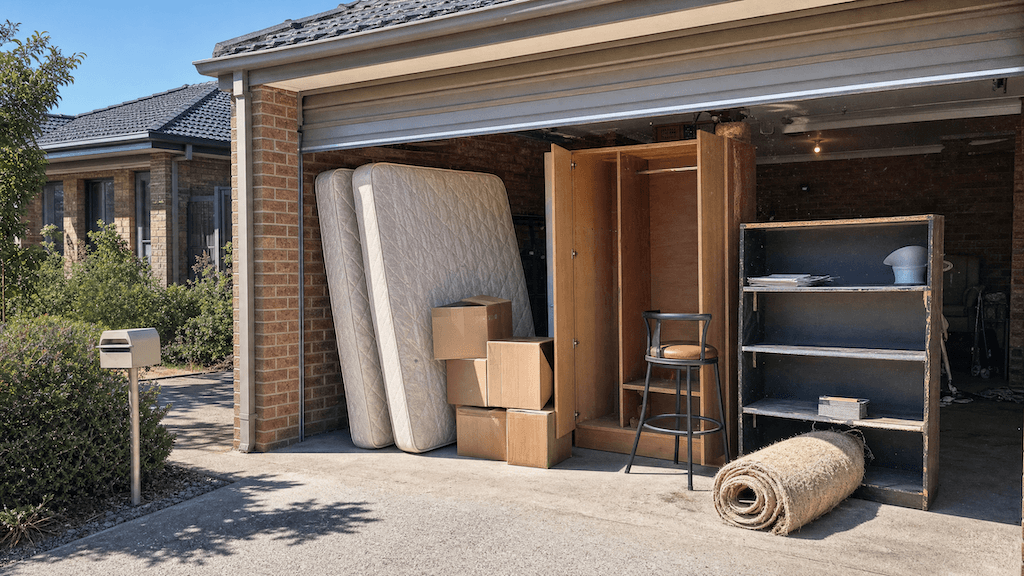
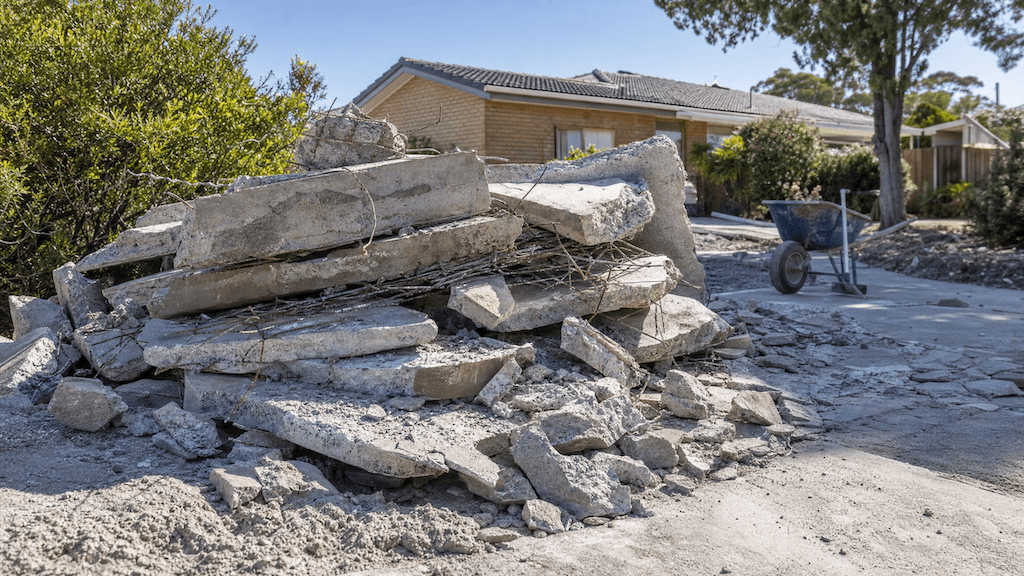
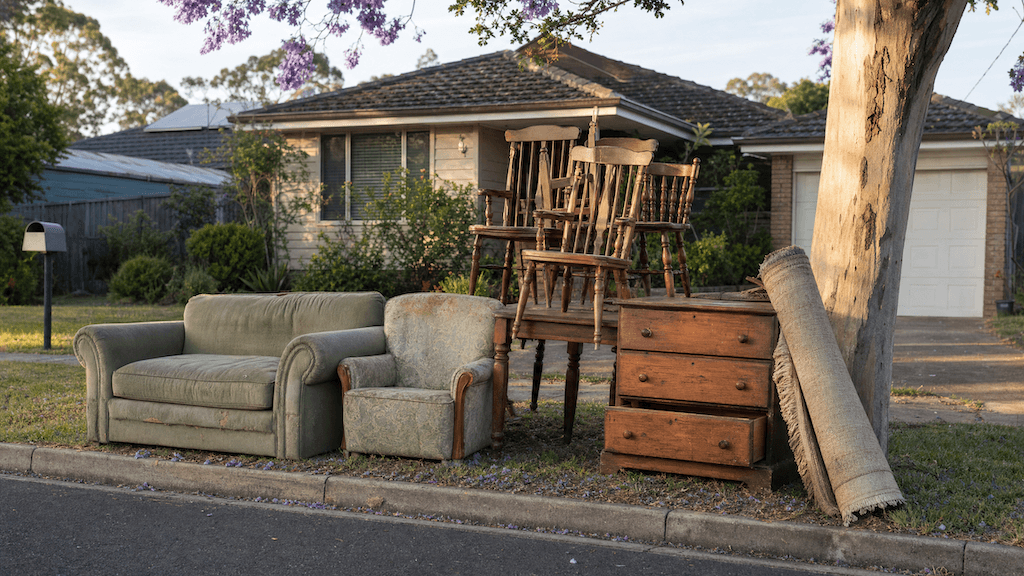
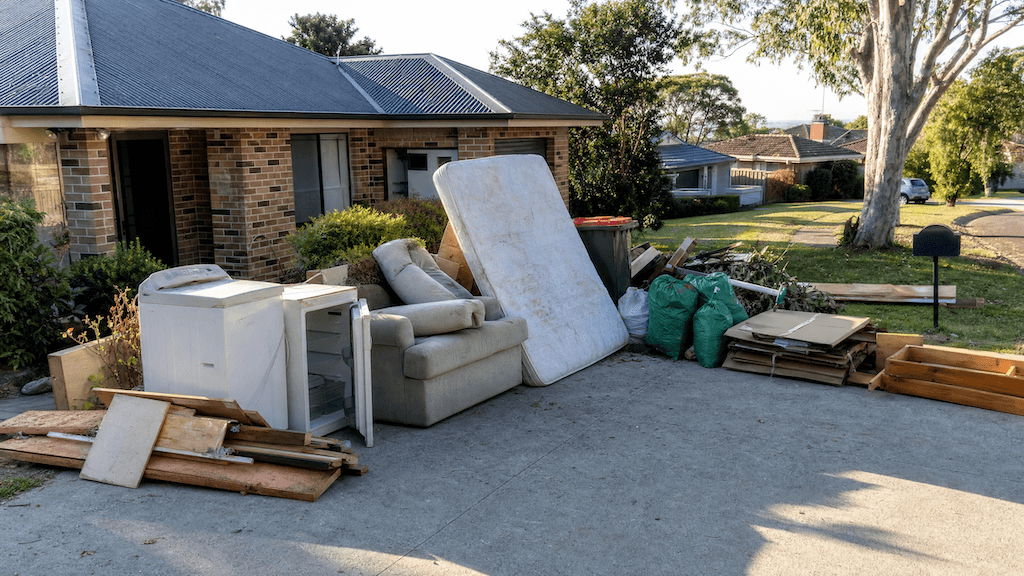
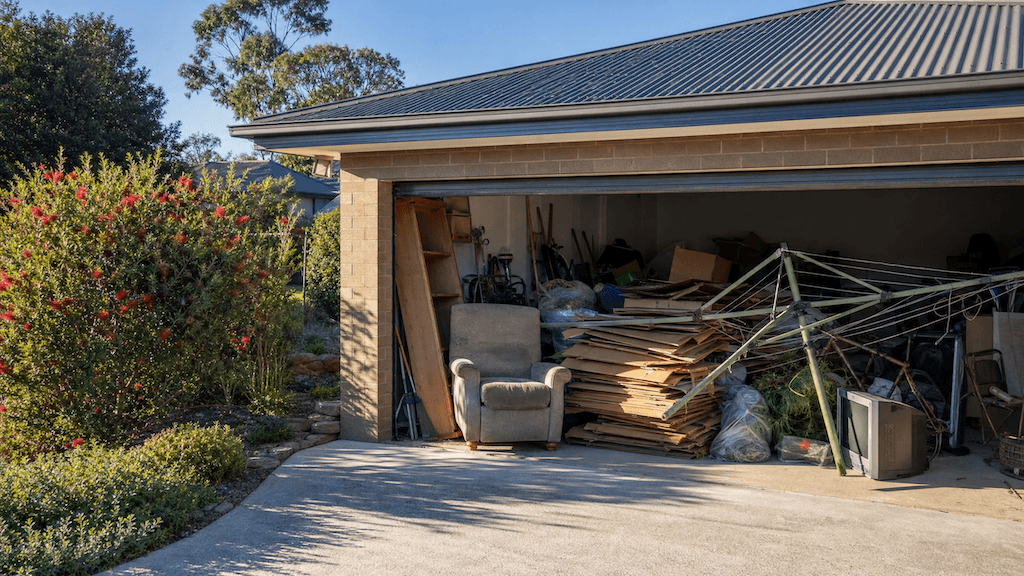
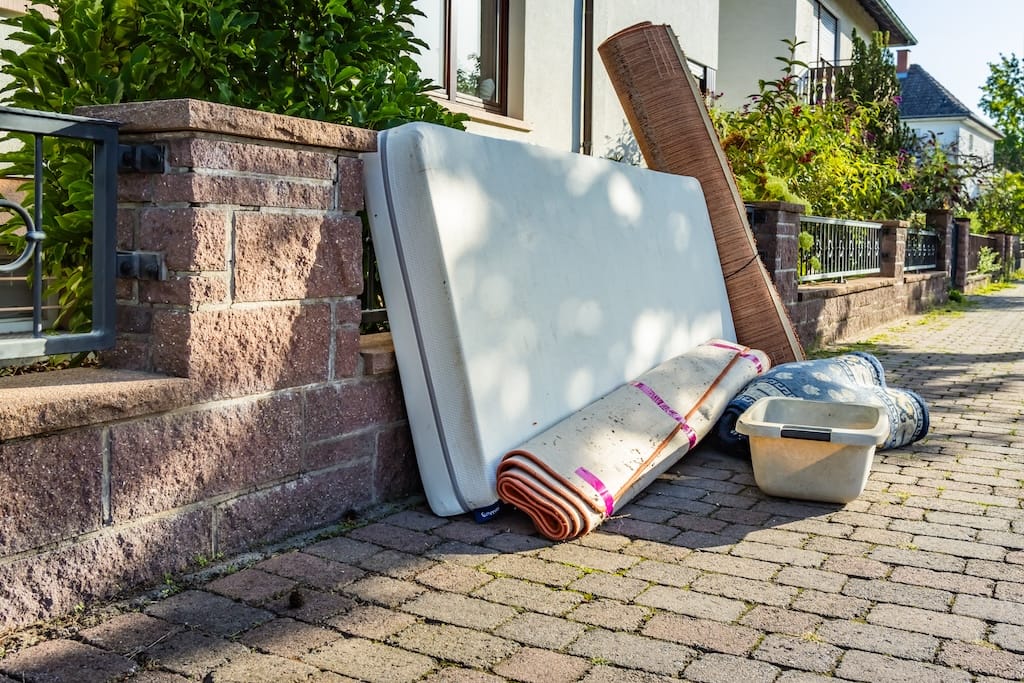
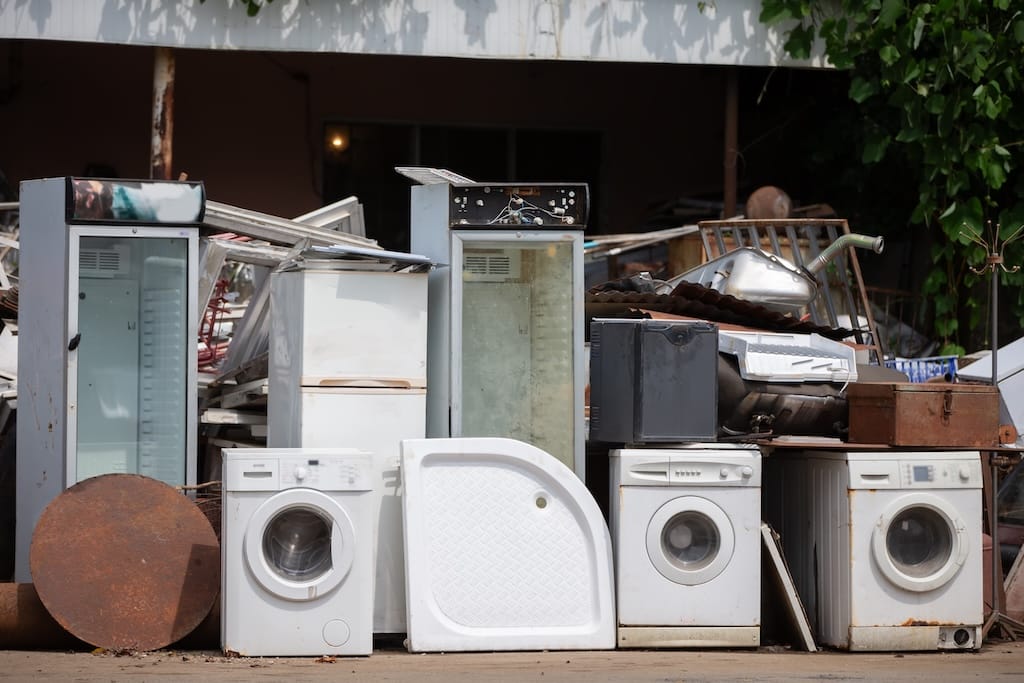
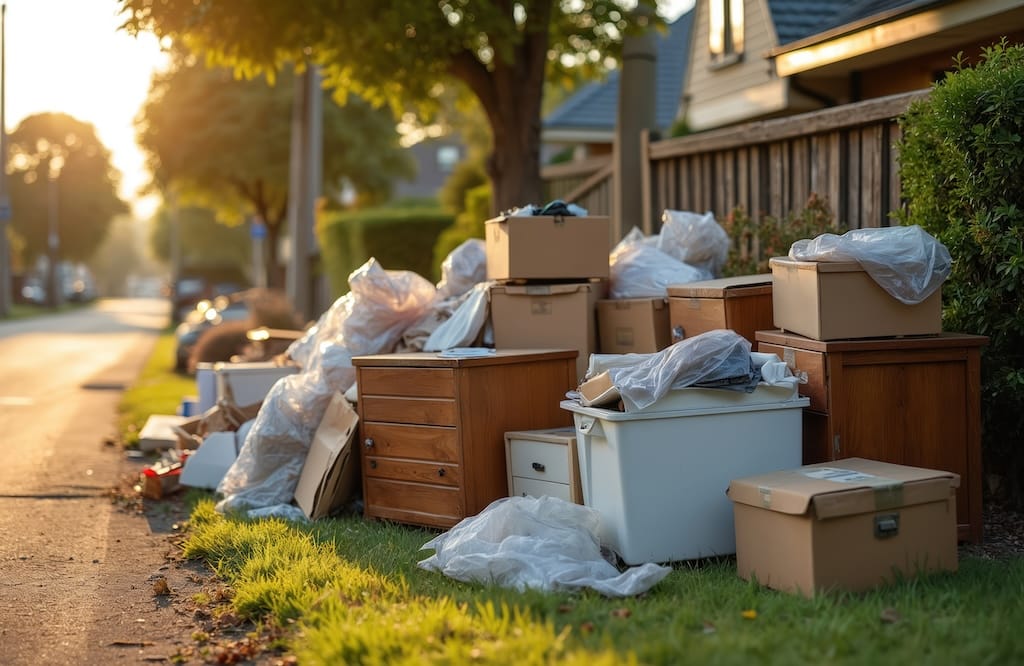
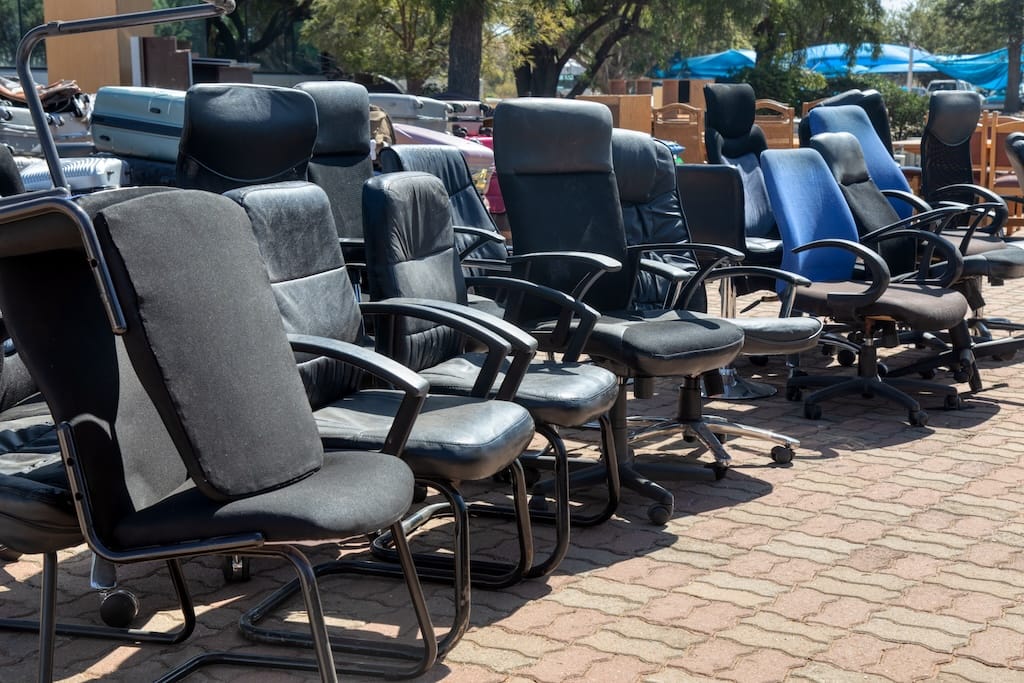
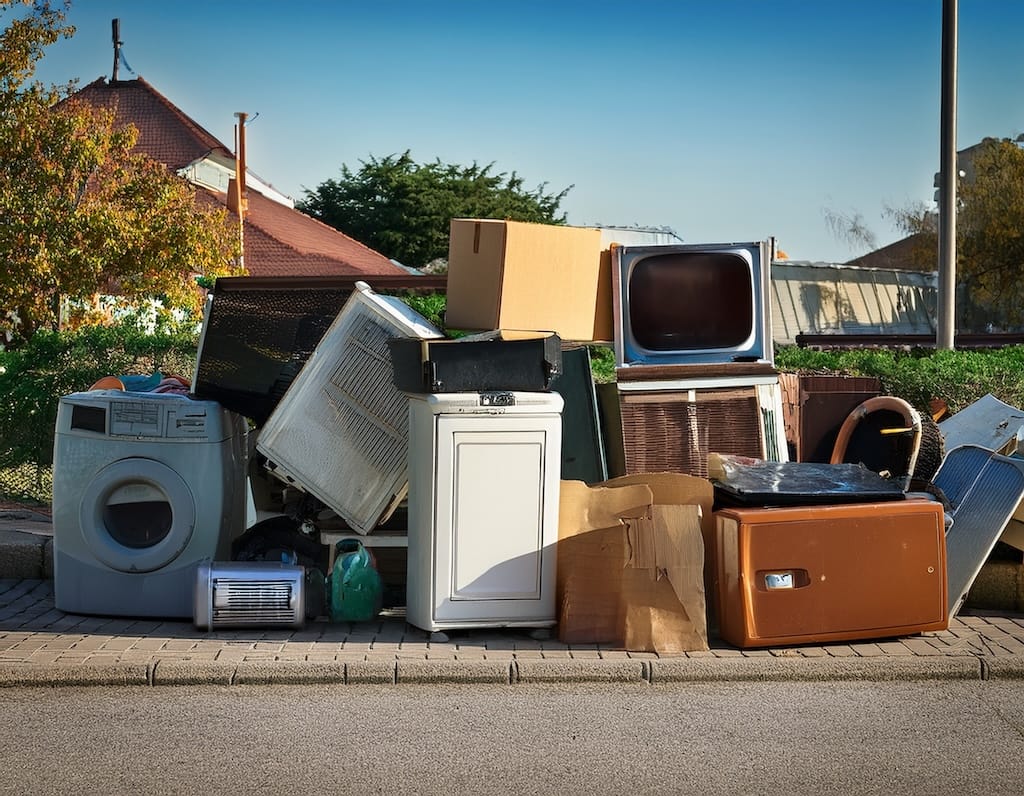
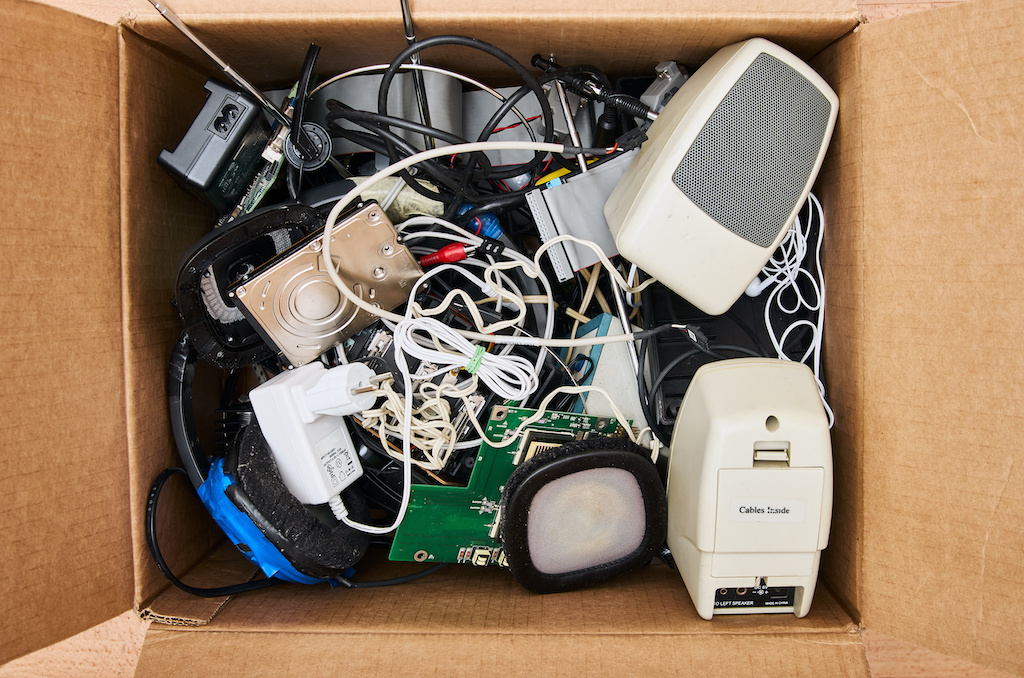
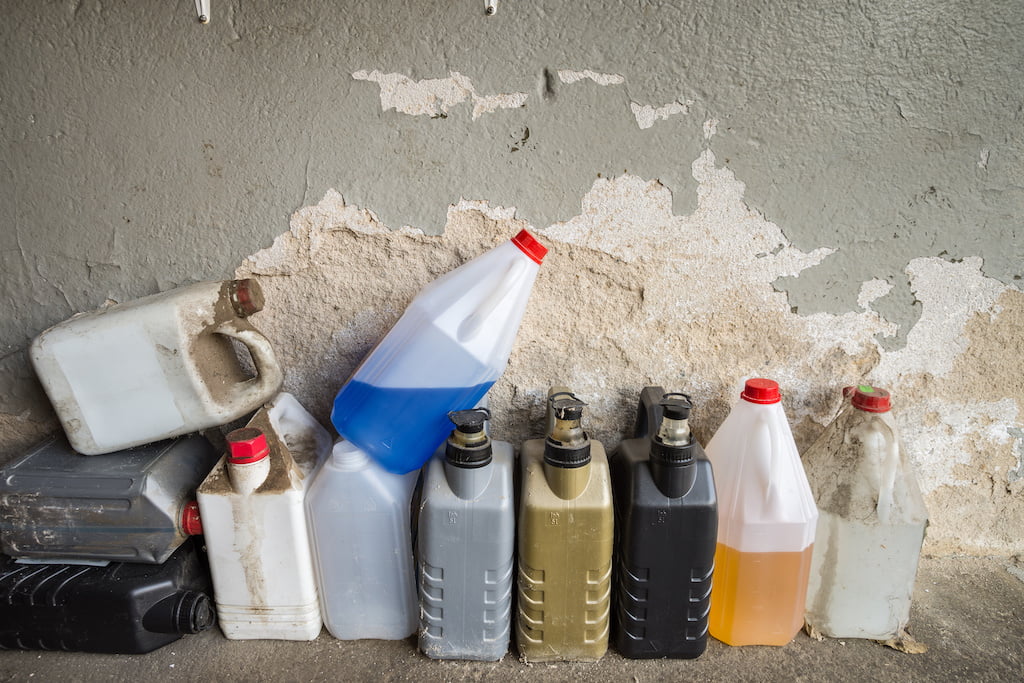
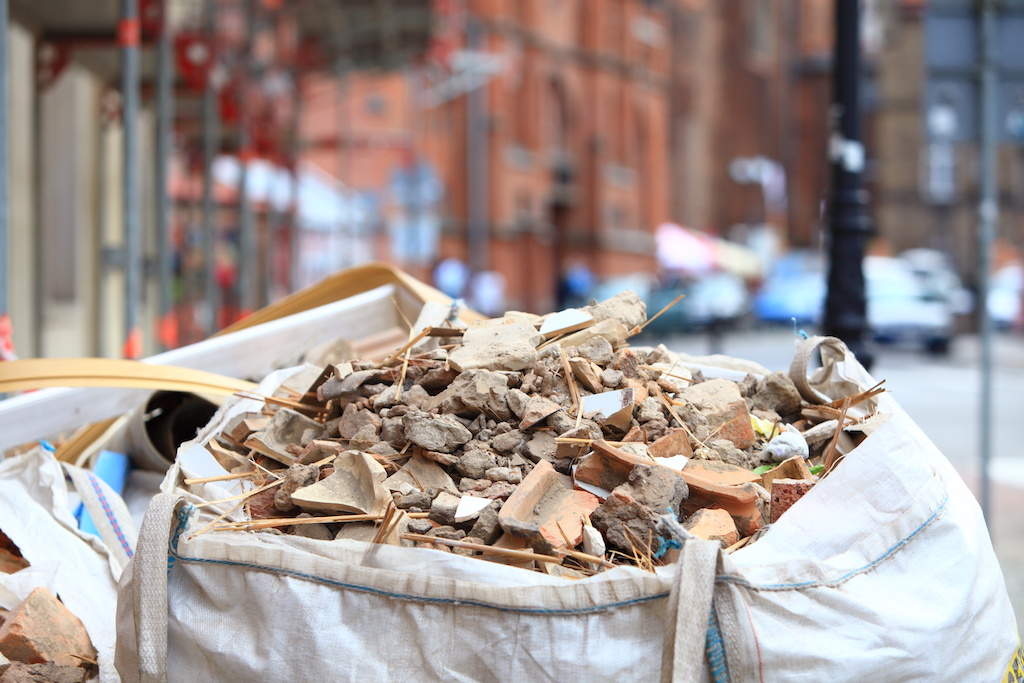
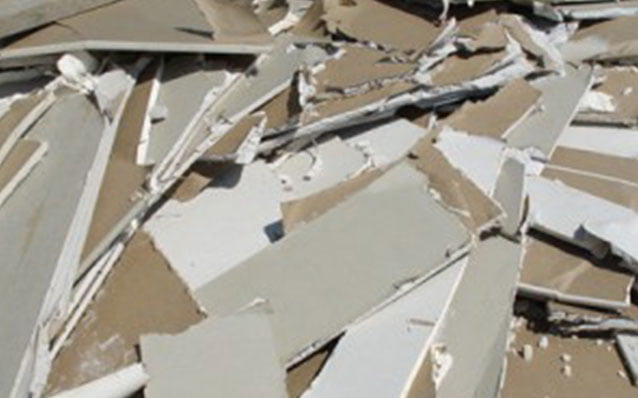
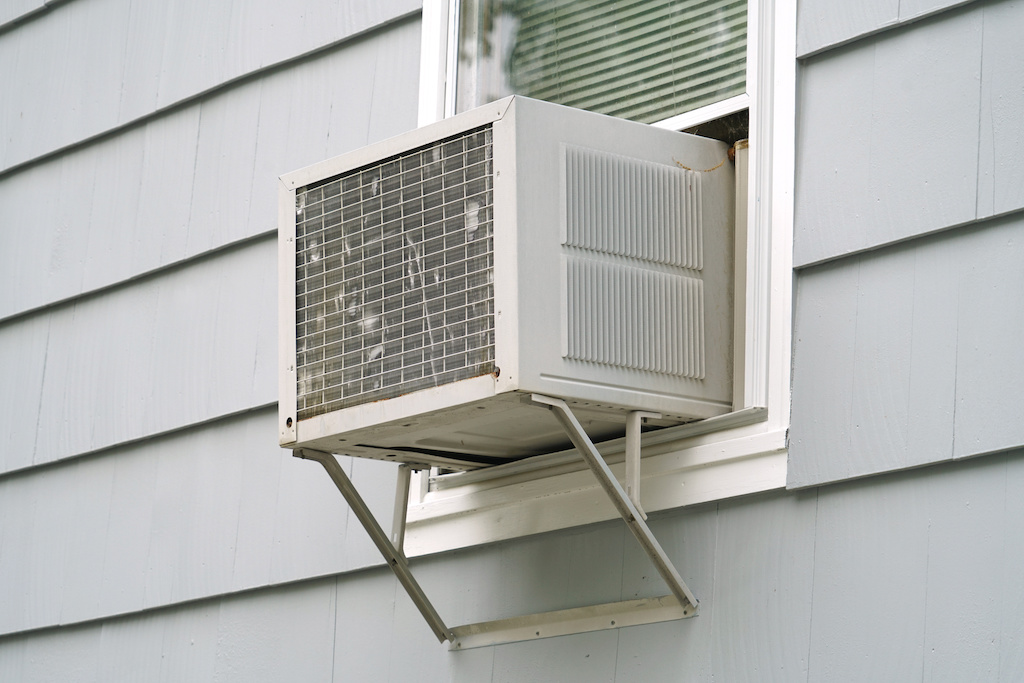
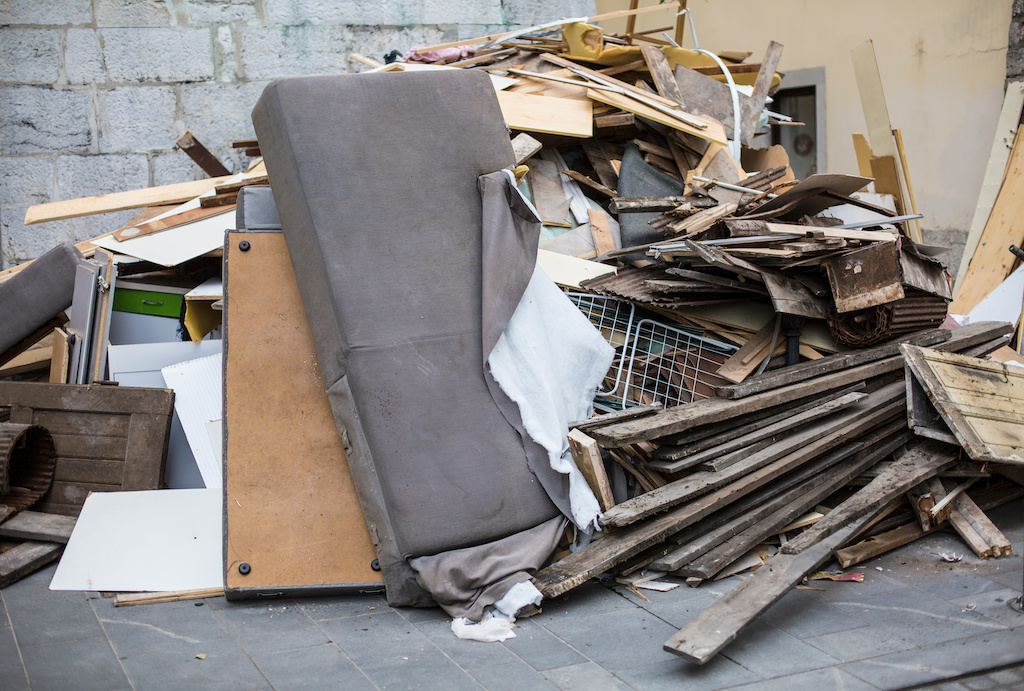
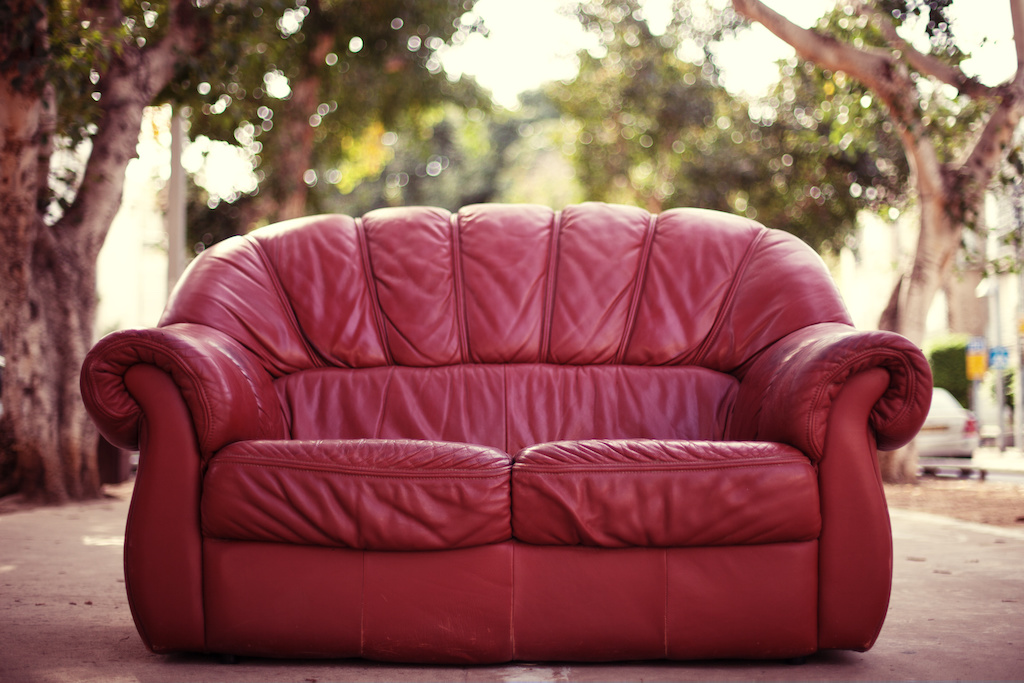
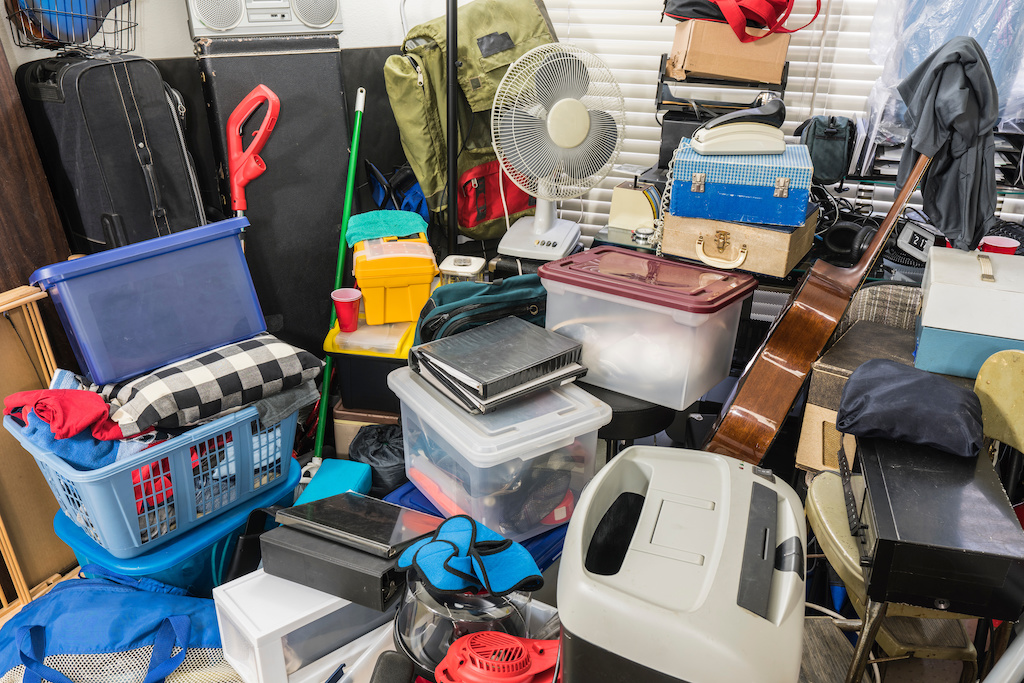
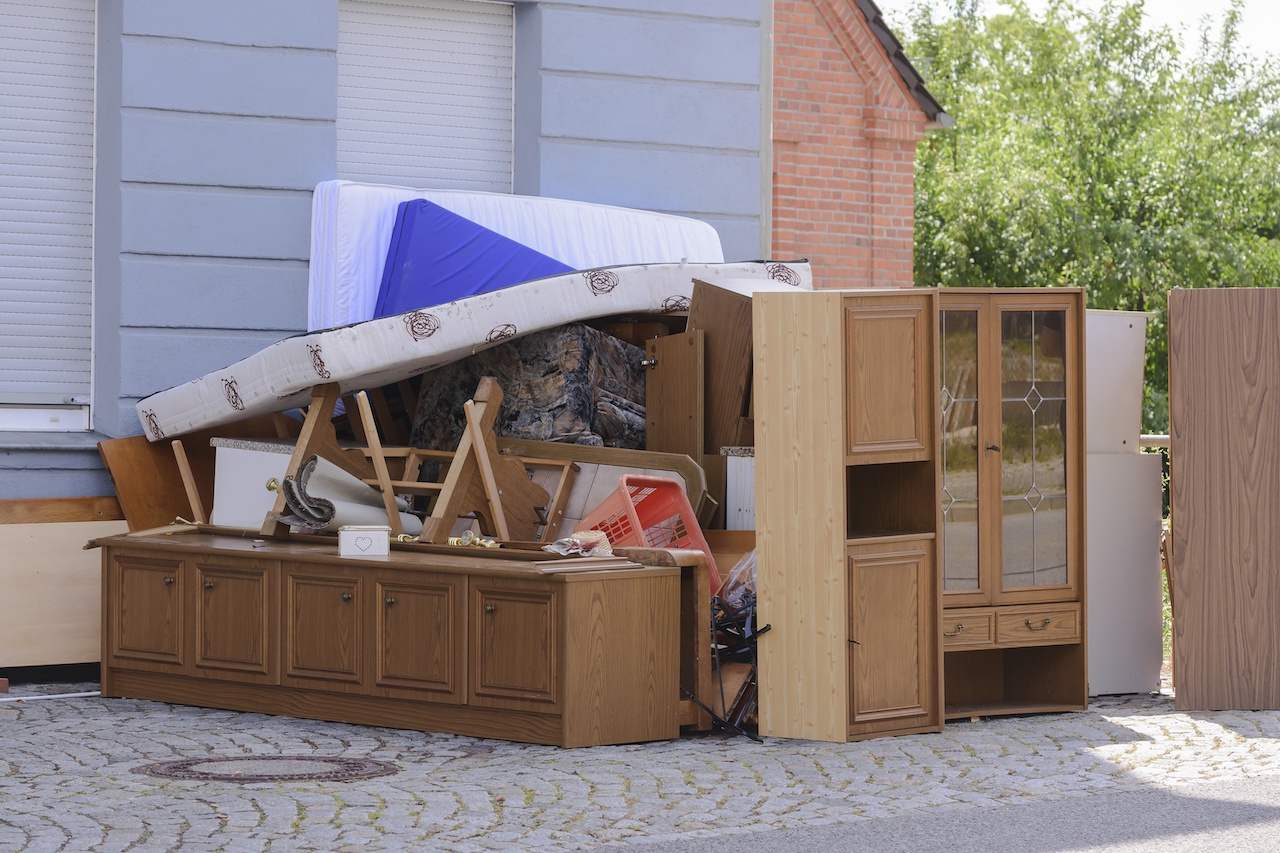
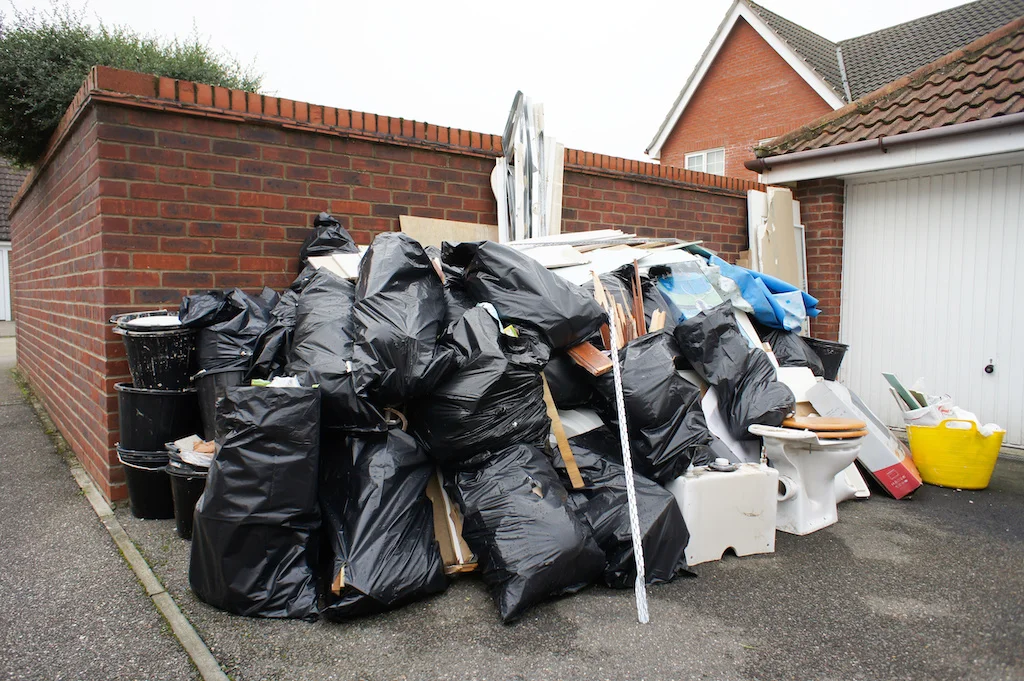
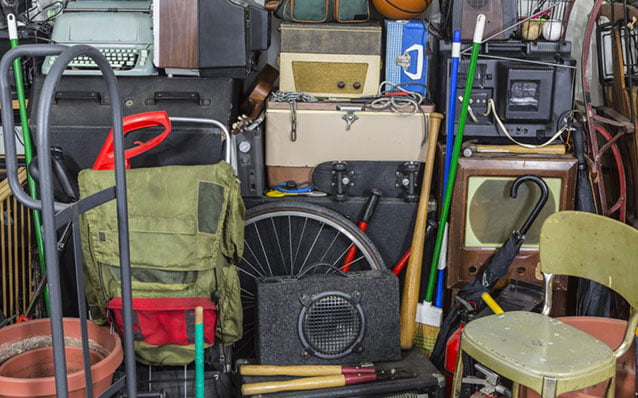
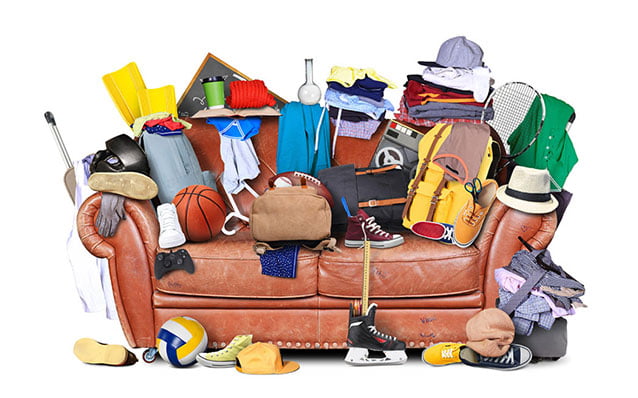
There are two other primary categories of waste and these usually escape notice because one is hazardous waste like paint, electronic waste, batteries, and chemicals that require PPE and specialist training for safe removal. The other is bulk waste, which includes old appliances and furniture. Most councils provide special collections for these bulk items, but they may be limited to one a year.
Effective Waste Sorting Tips
Home Sorting Station
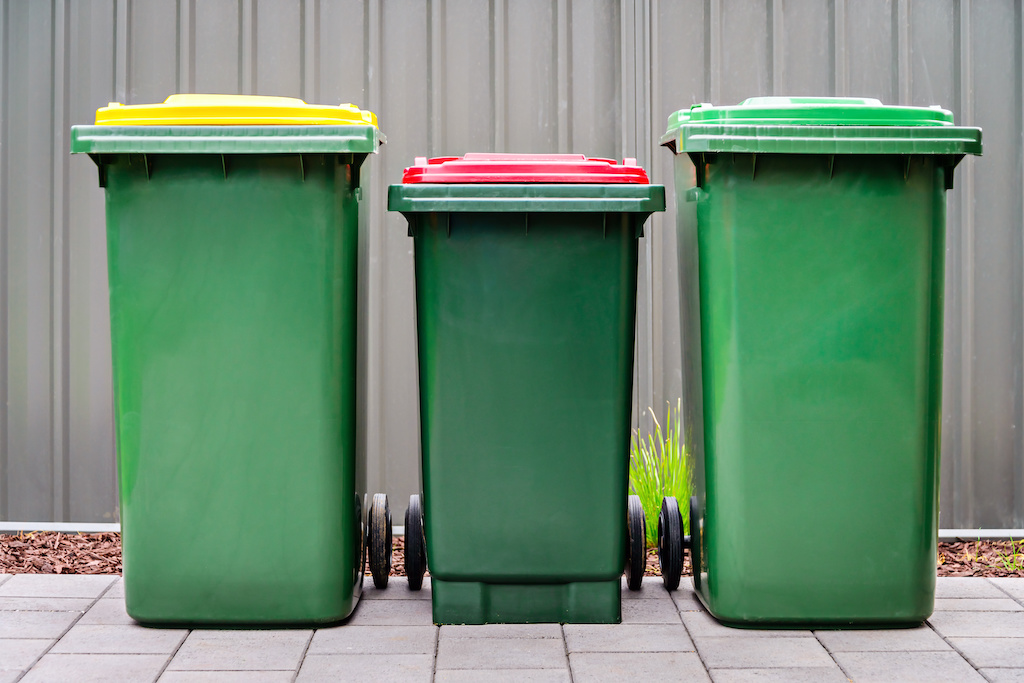
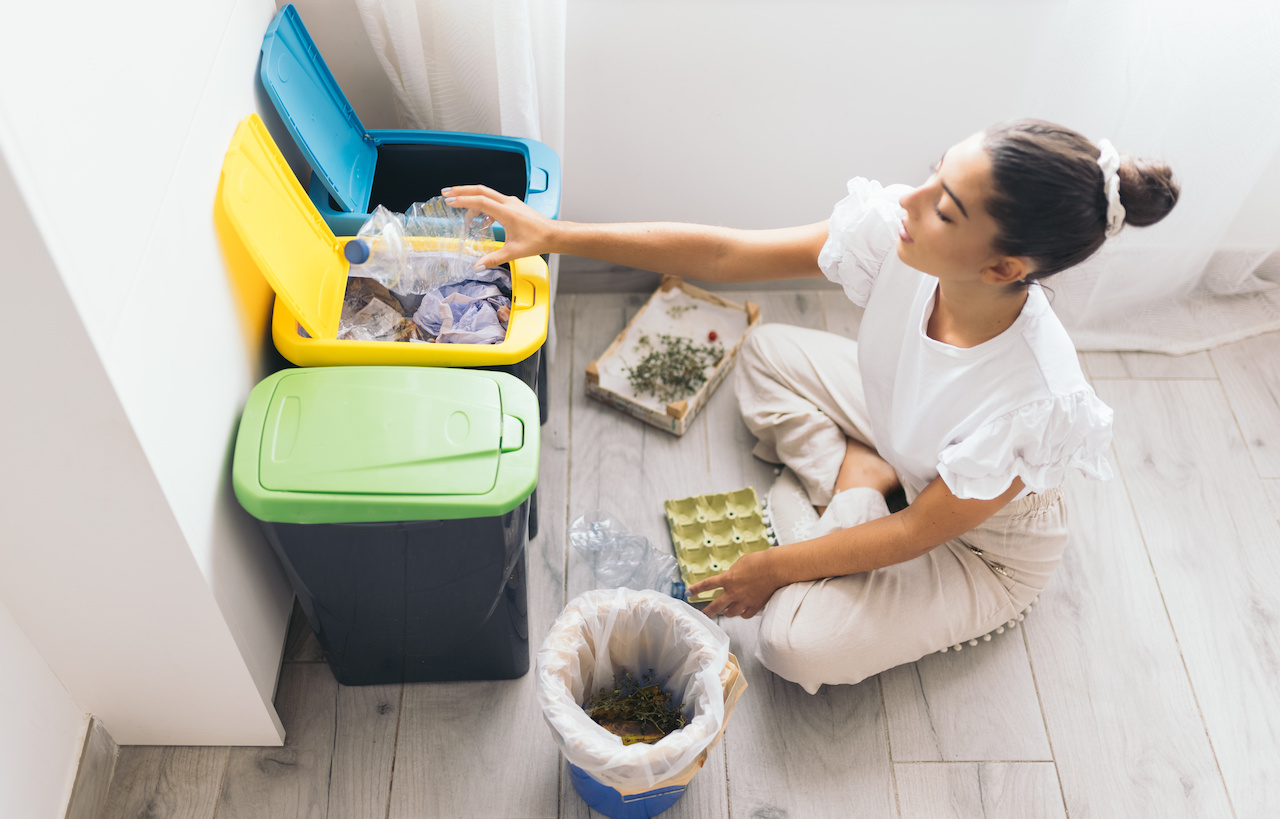
Do yourself a favour and create a sorting station at home to make life simpler. Store your bins wherever you have room and colour-code or label the lids to keep everything on track. Ideally, match your inside bin to the relevant outside bin.
Familiarise Yourself with Local Guidelines
It’s up to you to know which bins are suitable for which projects, but always familiarise yourself with your local council’s guidelines. You’ll find a full list of what is suitable for which bin on the relevant website.
Rinse Your Recyclables
The best way to reduce smells, avoid cross-contamination, and banish leaks is by rinsing your containers to remove food particles and residue.
Break it Down
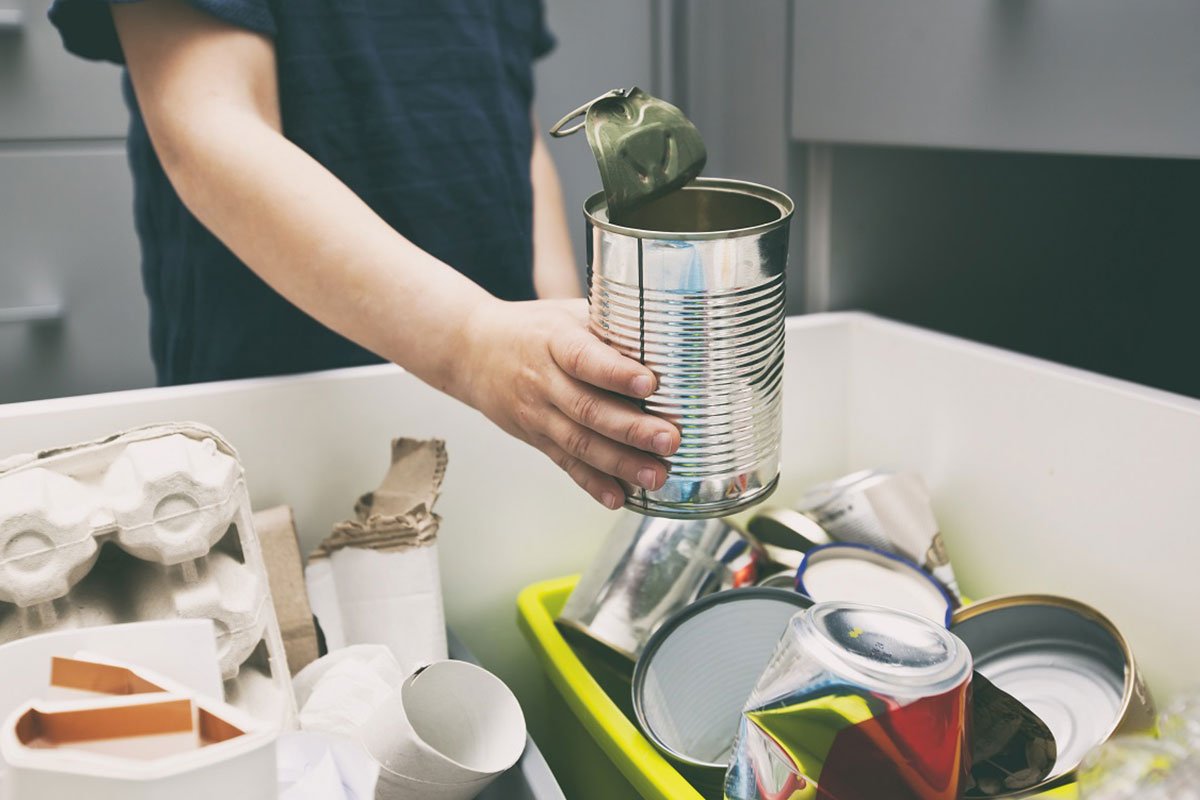
Stand on your cans, break down your boxes, and crush bottles to save space in your recycling bin.
Separate
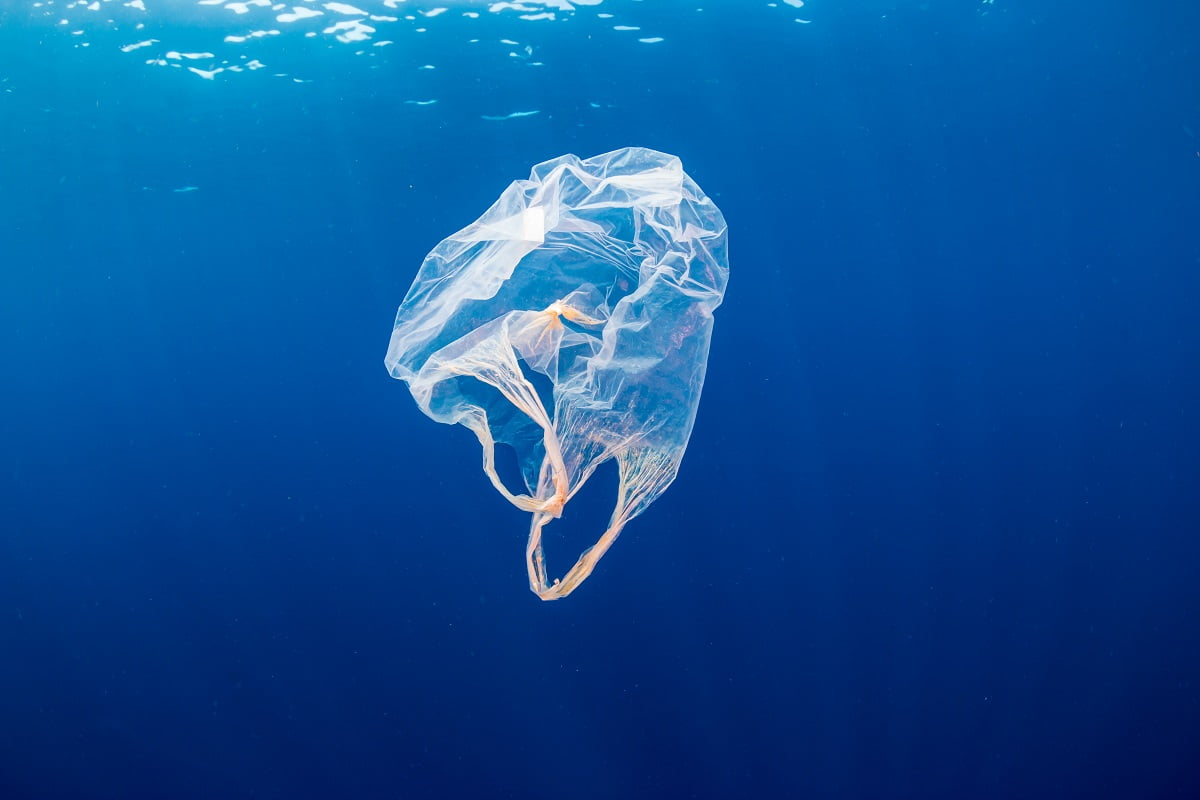
There are many soft plastics, such as disposable bags, that aren’t suitable for your home recycling bin. However, RecycleSmart offers pickup services to take them off your hands.
Compost
If you’re a gardener, compost your organic waste to enrich it or save your compost for a garden-loving neighbour.
Dedicate Hazardous Waste Bin
You may want to invest in a bin just for hazardous items so you can dispose of them properly. Cheapest Load of Rubbish can uplift certain household hazardous waste like batteries, but not everything, so if you have hazardous waste and you have no idea what to do with it, get in touch to talk.
Bulky Pickup
While your council may provide a special collection service, you need to schedule your collection day before moving your items to the kerb.
Mistakes to Avoid
- Don’t put your recyclables in plastic bags – it might be easier, but plastic bags are soft plastic and are recycled differently.
- Don’t mix food waste with your recyclables.
- Don’t throw electronics or batteries in your general household bin.
- Always check local exceptions (some councils say yes to pizza boxes in the recycling bin while others don’t).
The Final Checklist
It’s the night before bin day and before your house can quiet so even the mice aren’t stirring… you need to run through your final rubbish collection day checklist.
- Are the correct bins out? Are they placed correctly, facing the road with the lids firmly closed?
- Have you double-checked each bin to ensure nothing incorrectly snuck its way in? Grab your gloves and pick out any incorrect items.
- If it’s garden waste collection day, ensure the rubbish is lined up neatly.
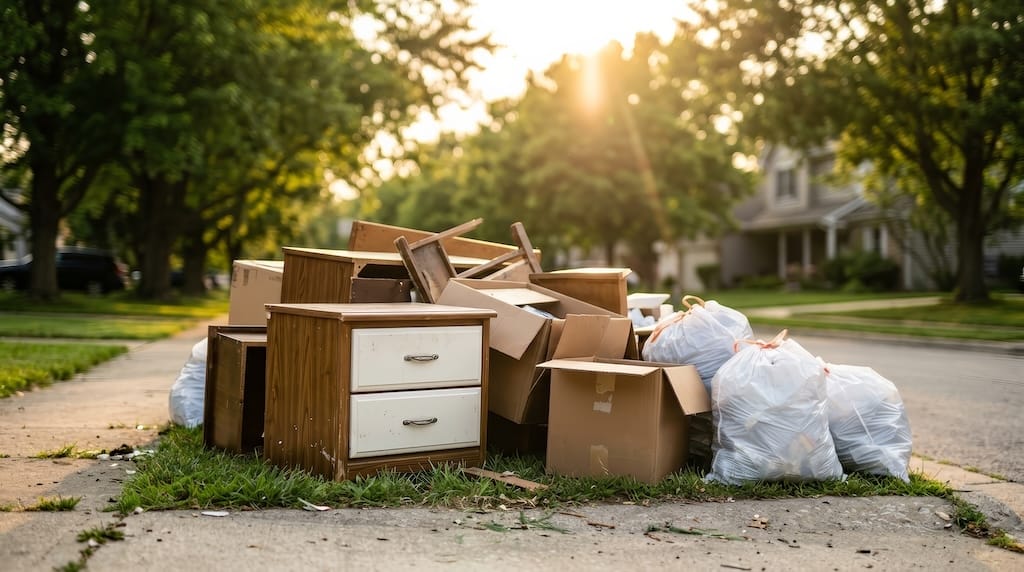
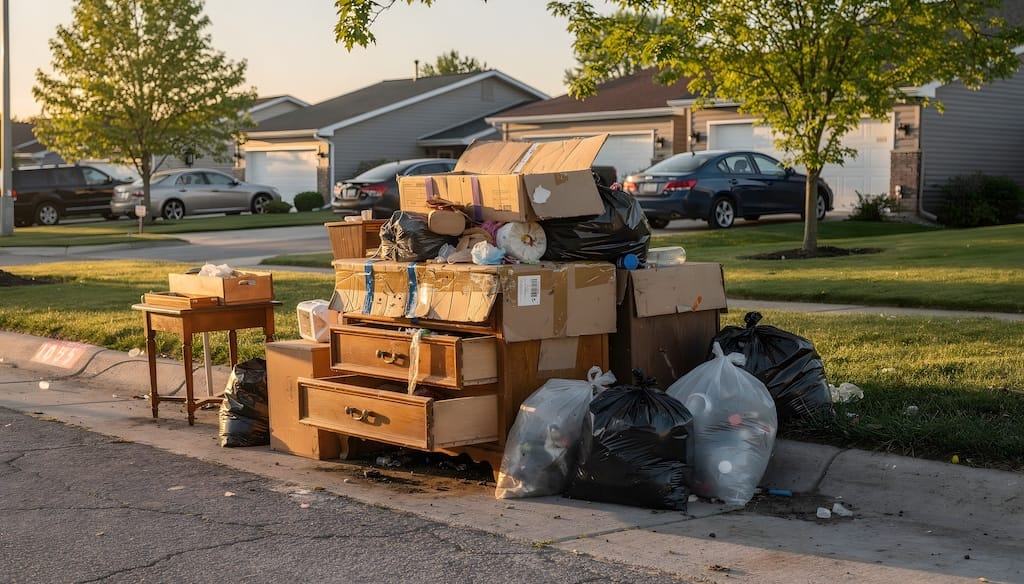
- If it’s a special pickup for hard rubbish, ensure you have organised it nearly on the kerb. Is it blocking the road? Could it interrupt someone on a walk or cycle? It’s nice to be mindful of your neighbours.
Rubbish Removal Near Me: Cheapest Load of Rubbish Rubbish Removal in Sydney
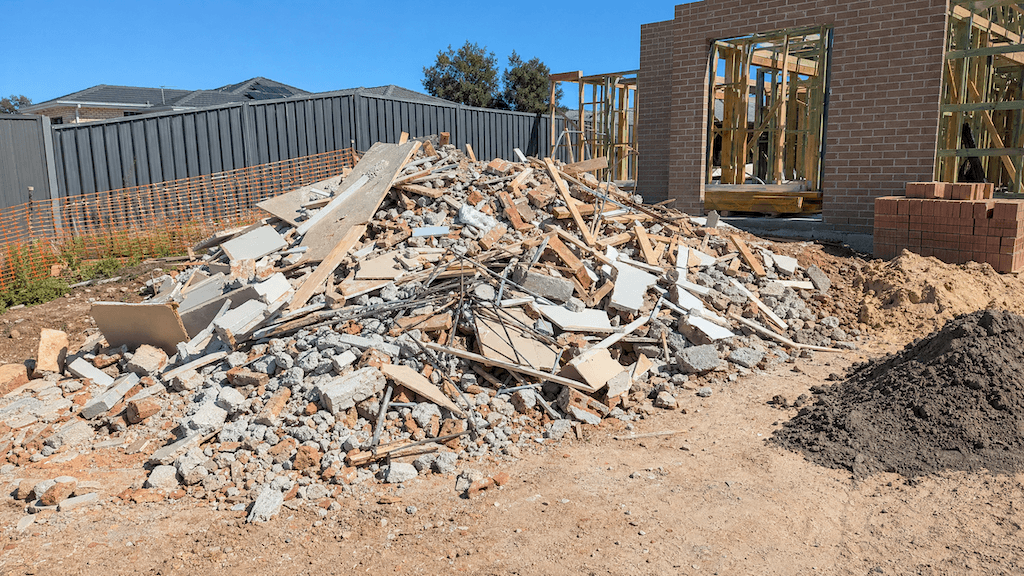
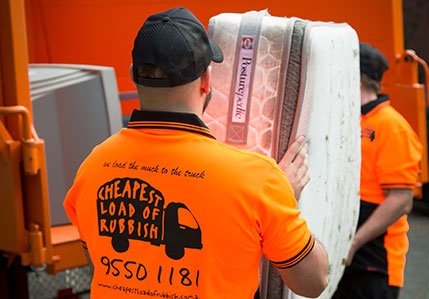
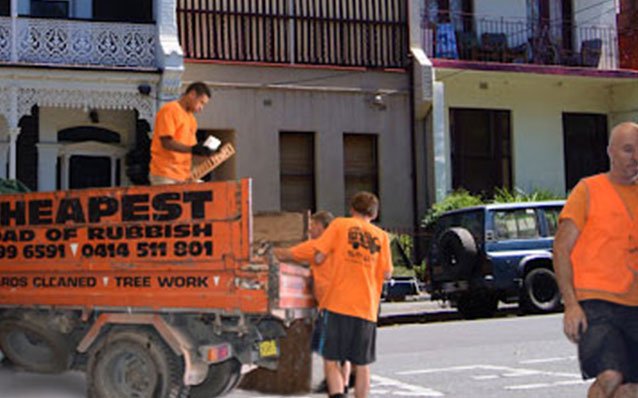
Seamless-free rubbish removal is as simple as implementing a few of these tips each week until they’re all in use throughout your household. Once you get into the swing of things, you’ll wonder how you lived without this simple sorting system. Of course, if you have a rubbish problem on your hands, you can get in touch with a professional rubbish removal service like Cheapest Load of Rubbish. At the Cheapest Load of Rubbish, we’ll arrive quickly and haul your rubbish away.