It may be complex, but managing waste in aged care and government facilities is a necessity that’s driven by the large volumes of mixed waste they generate daily. Efficient waste handling is a critical aspect of the facility, directly impacting staff health, resident safety, regulatory compliance, and environmental responsibility.
Strict regulatory compliance means waste management is compulsory, and our practical guide provides all the information you need to navigate the disposal process safely, from bulky furniture to sharps.
Understanding the Different Waste Types in Aged Care & Government Facilities
Clinical
Aged care and government facilities produce large volumes of clinical waste, which is any medical material posing a risk of injury or infection, including medical materials, pharmaceutical waste, dressing contaminated with blood and bodily fluids, and pathology waste. This type of waste poses contamination and infection hazards and must be handled appropriately.
Sharps
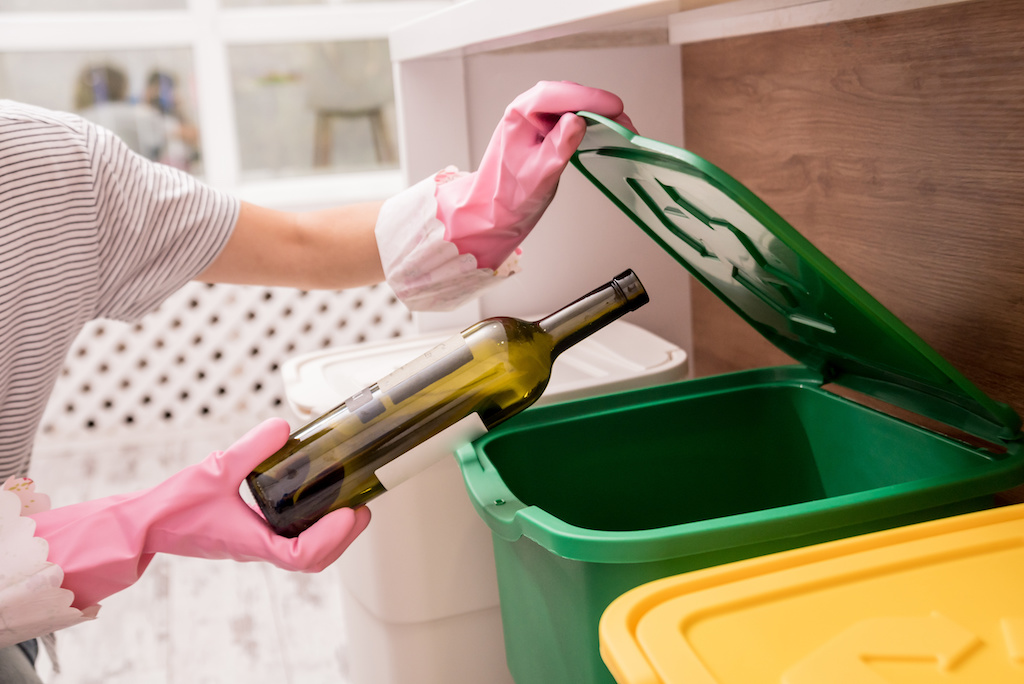
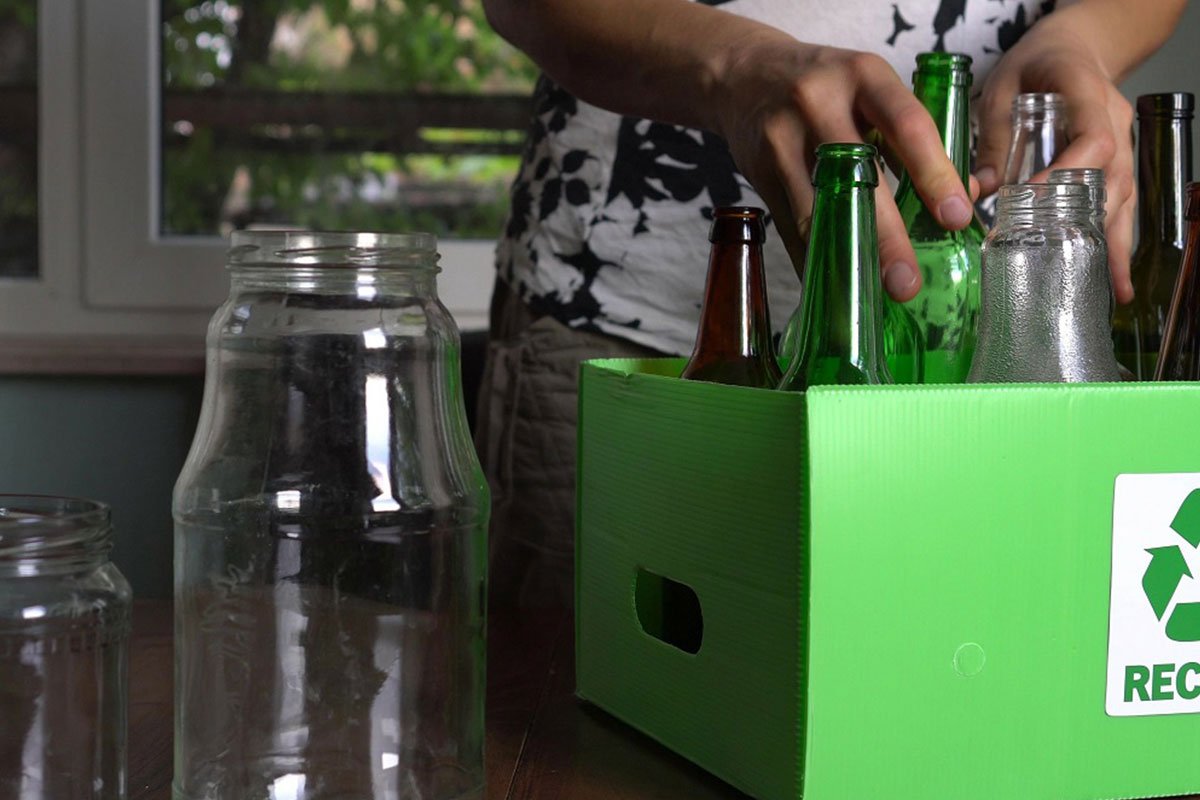
Sharps waste includes broken glass, syringes, needles, and blades, and these must be disposed of in approved puncture-resistant containers. When they reach their capacity limit, an approved rubbish removal specialist must uplift these to dispose of them properly.
General
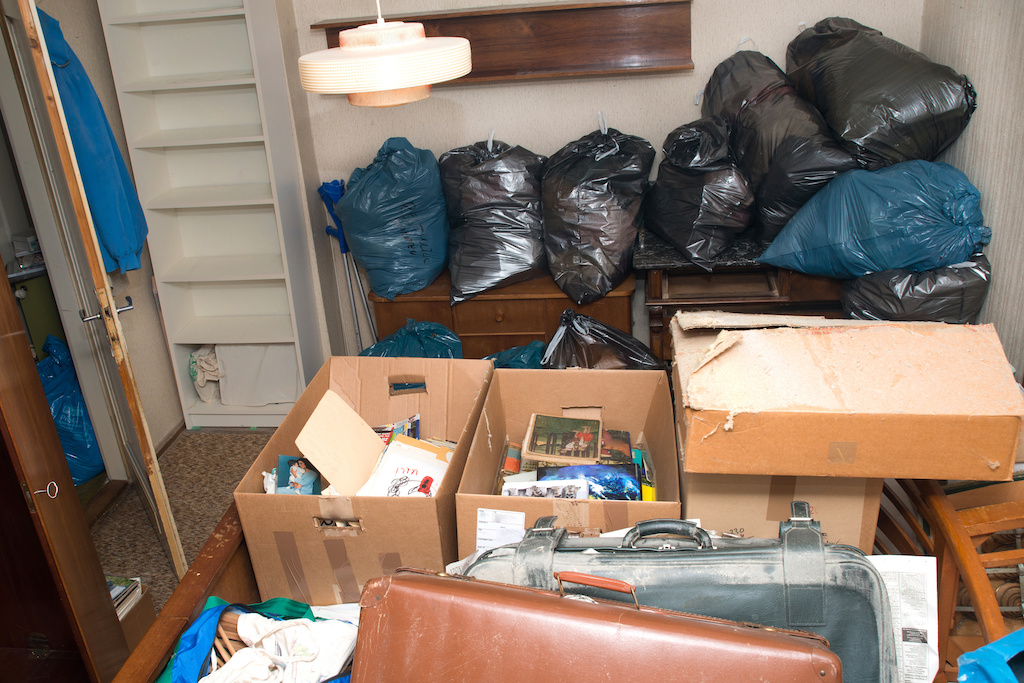
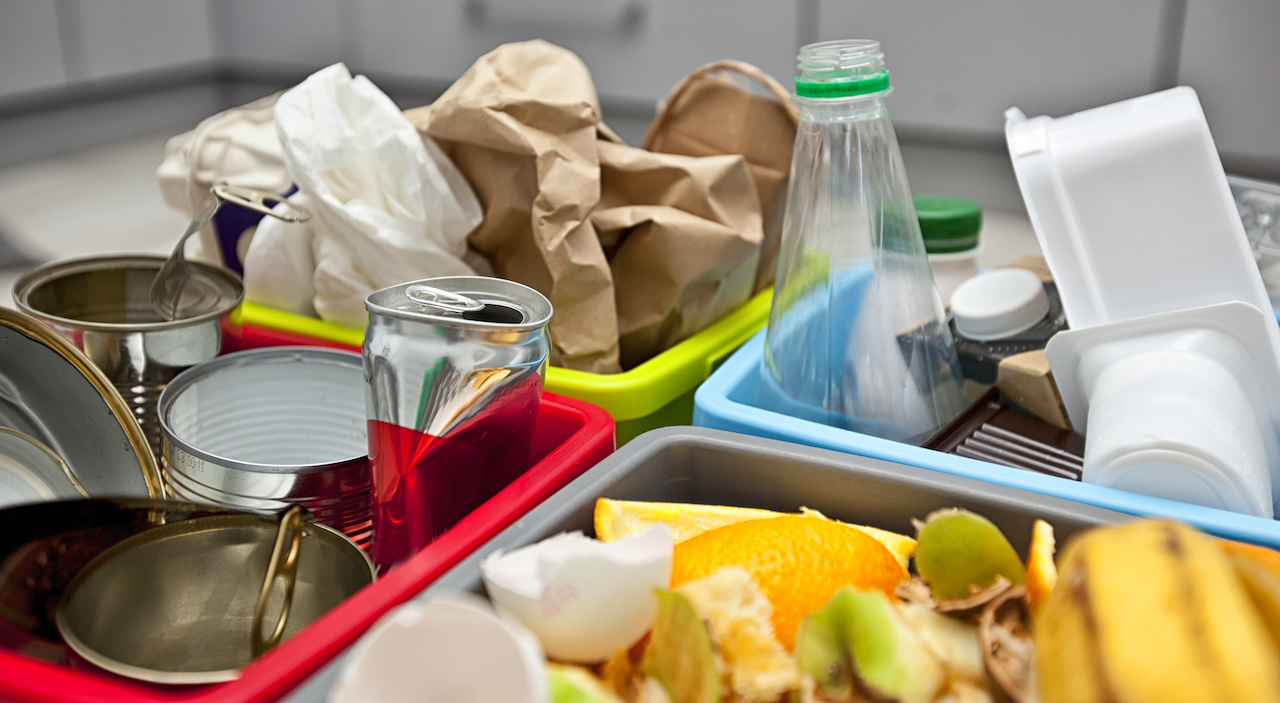
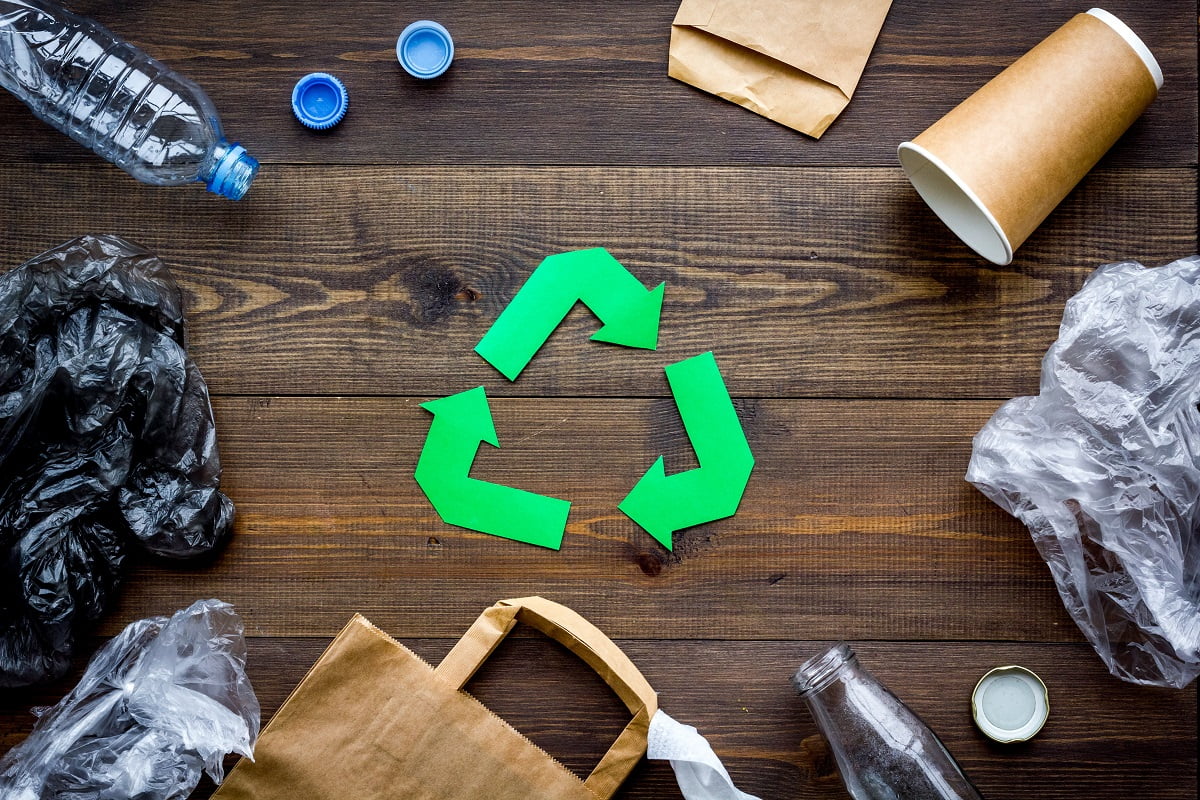
General waste is usually the largest volume of waste produced by aged care and government facilities, including everything from paper and packaging to food scraps and everyday materials.
Organic & Facility
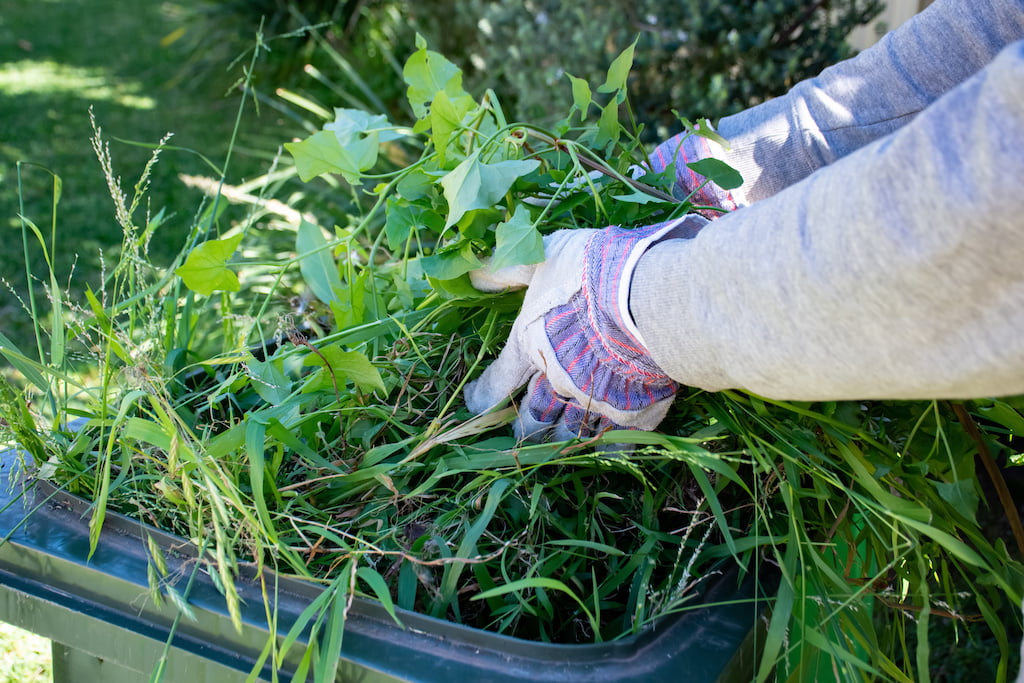
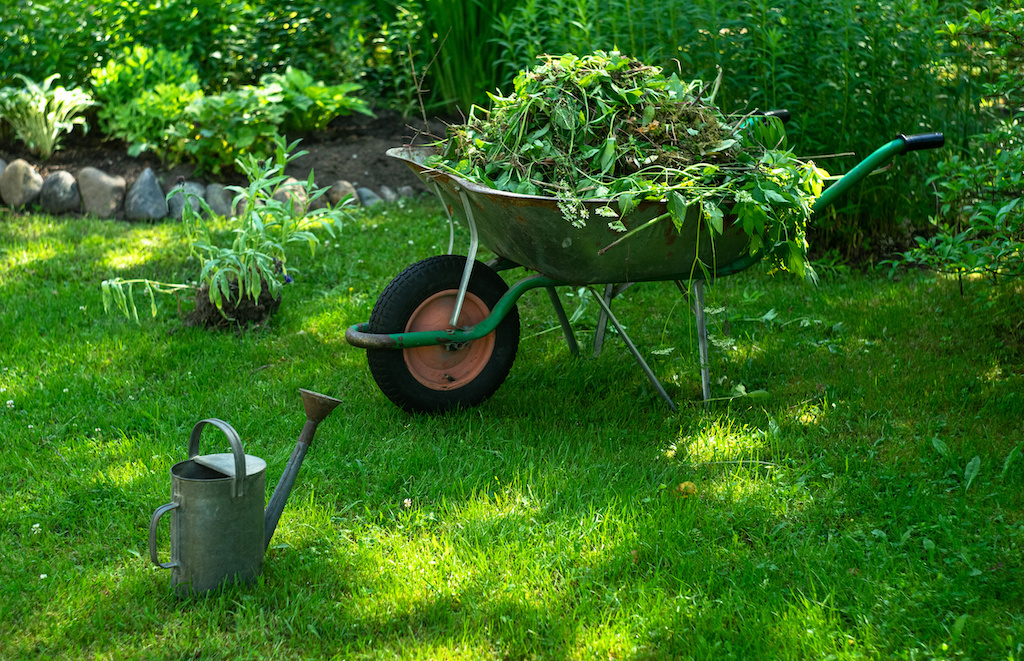
Organic waste includes food waste and landscaping debris from managing grounds. Aged care and government facilities often have beautifully maintained green areas and generate large volumes of green waste.
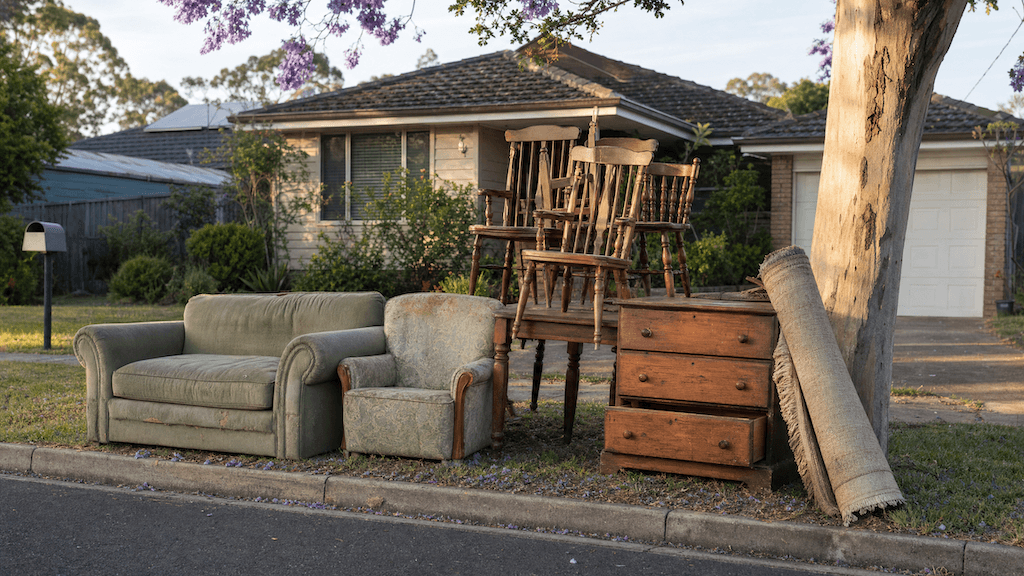
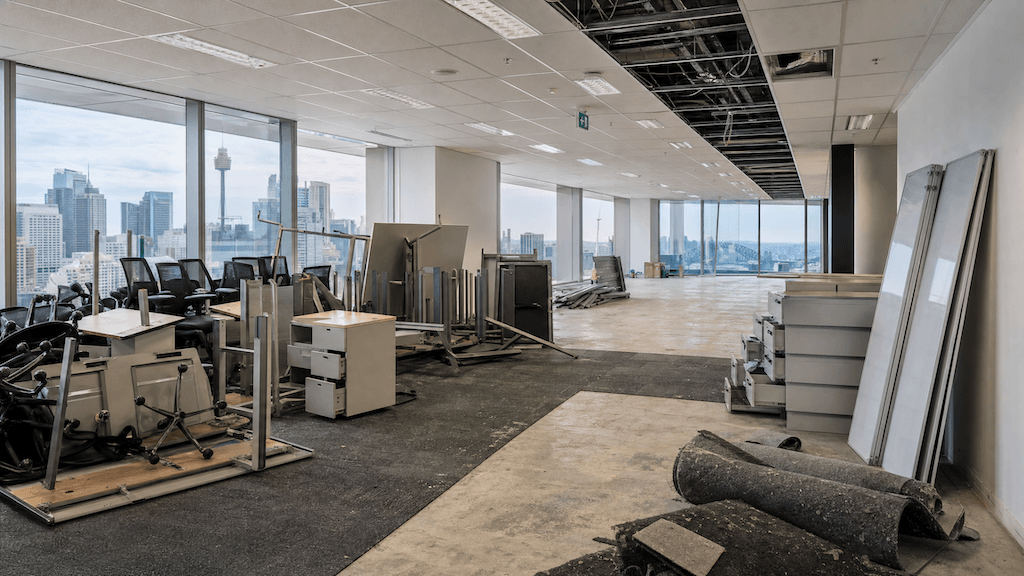
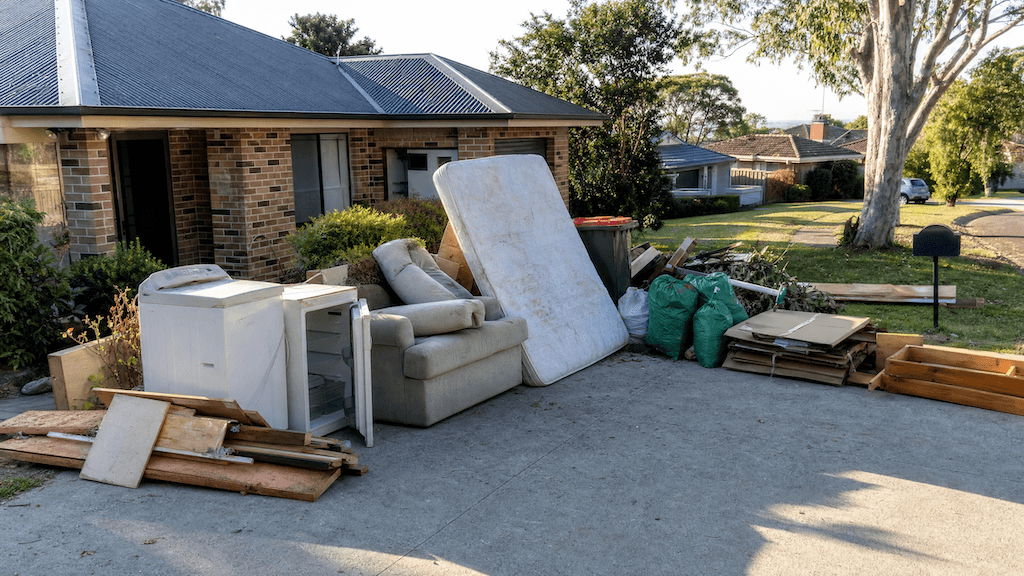
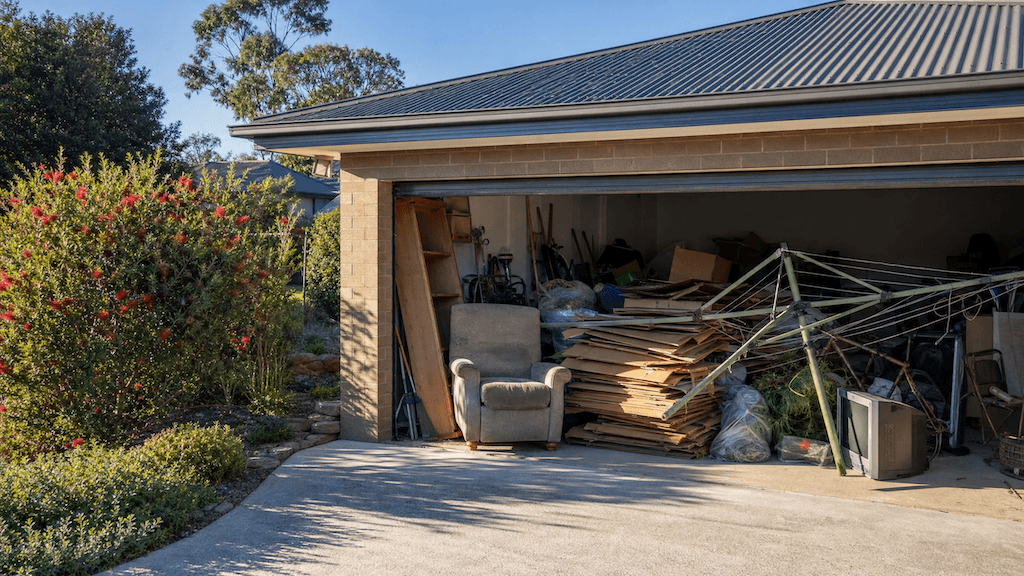
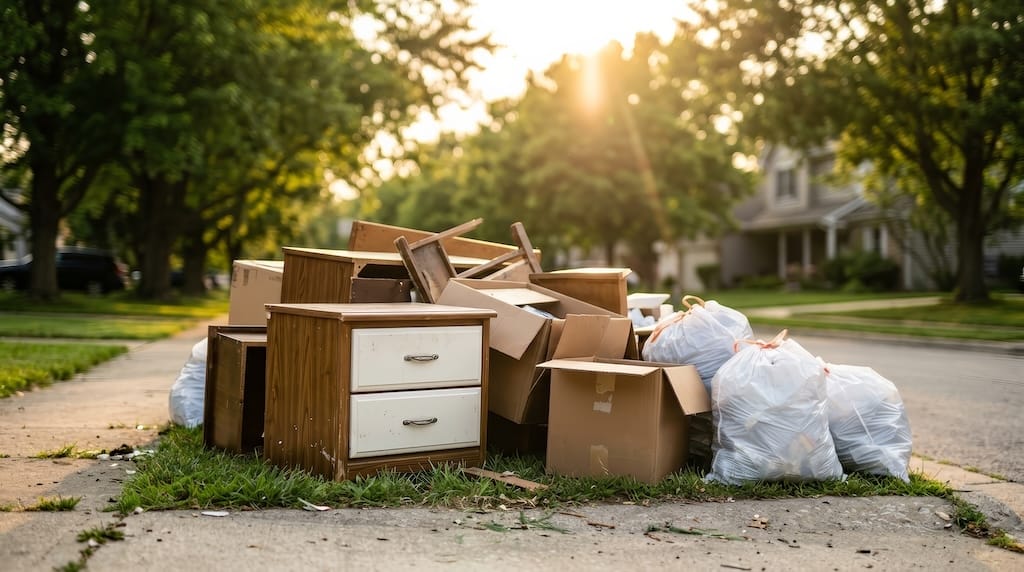
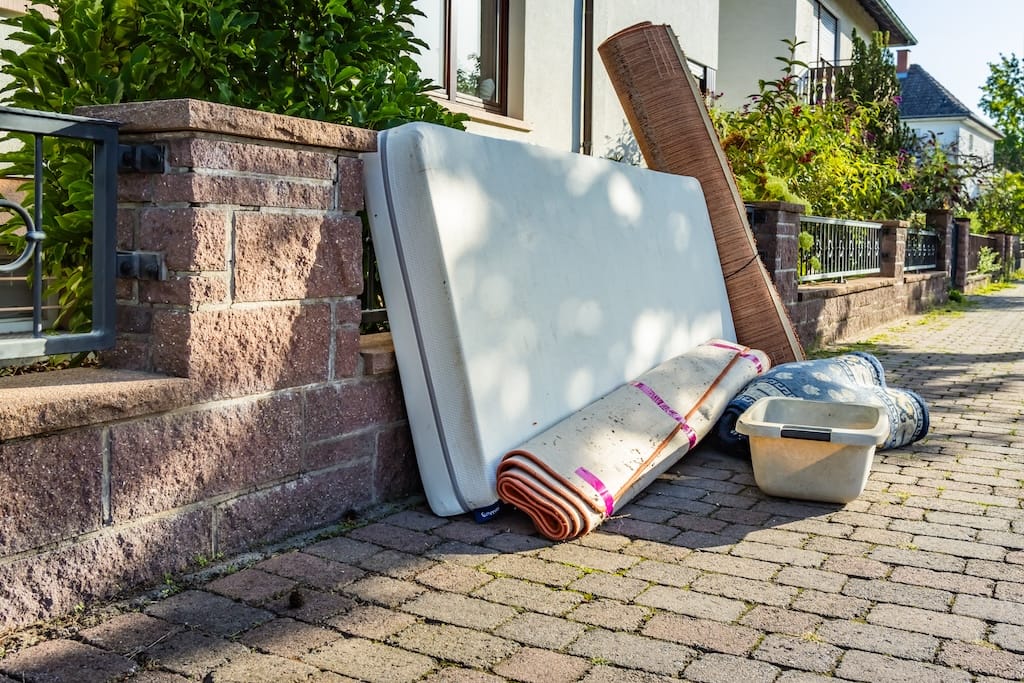
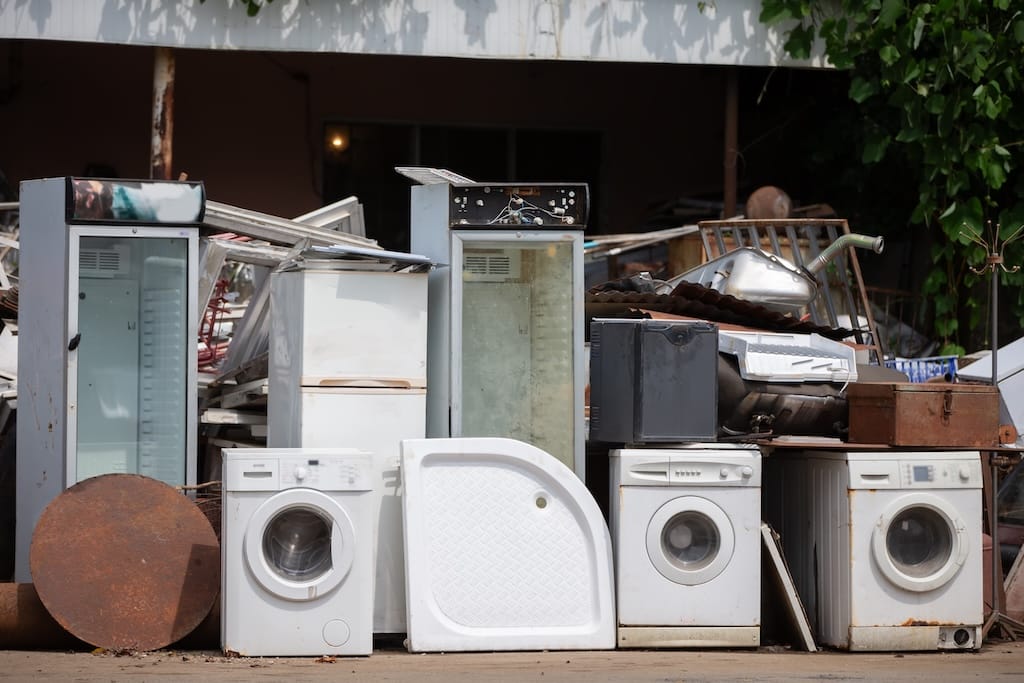
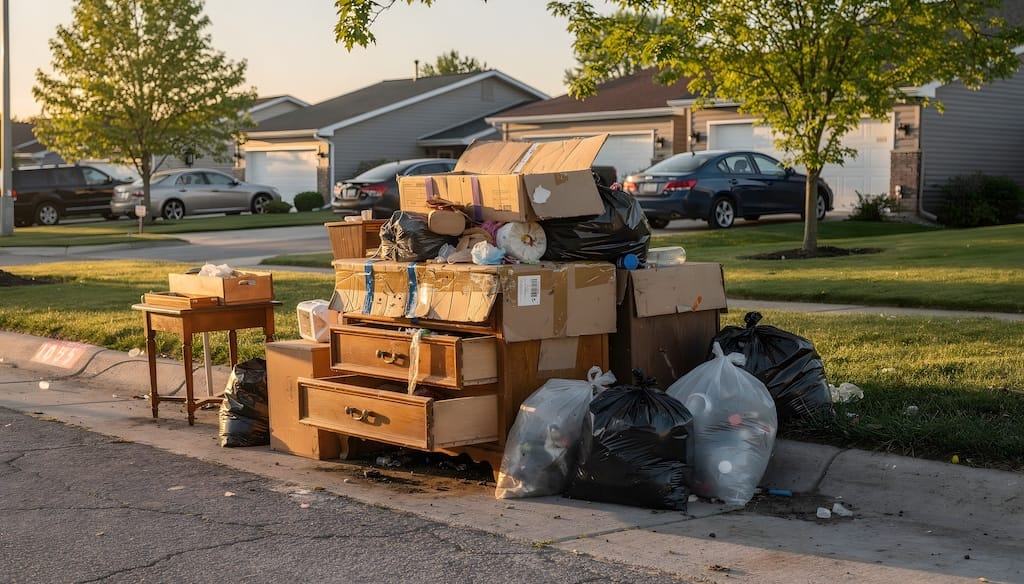
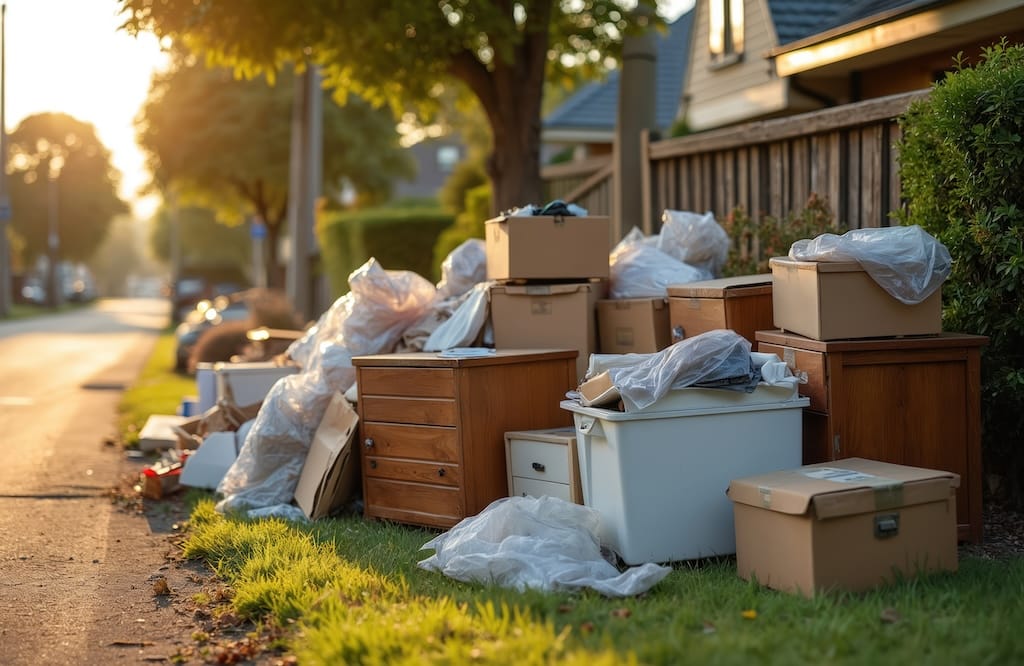
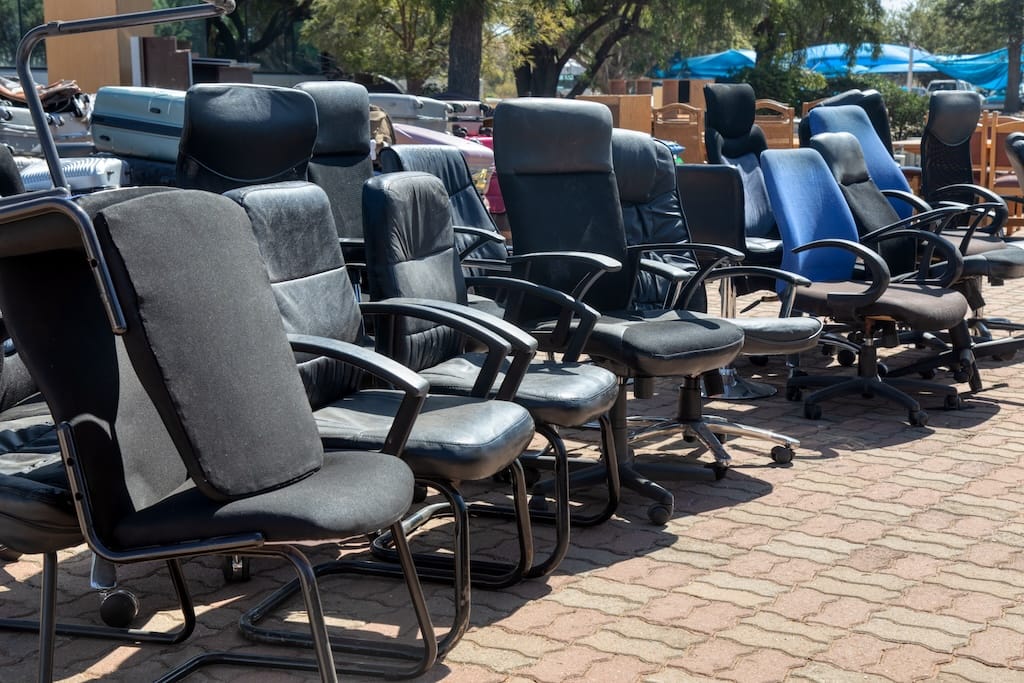
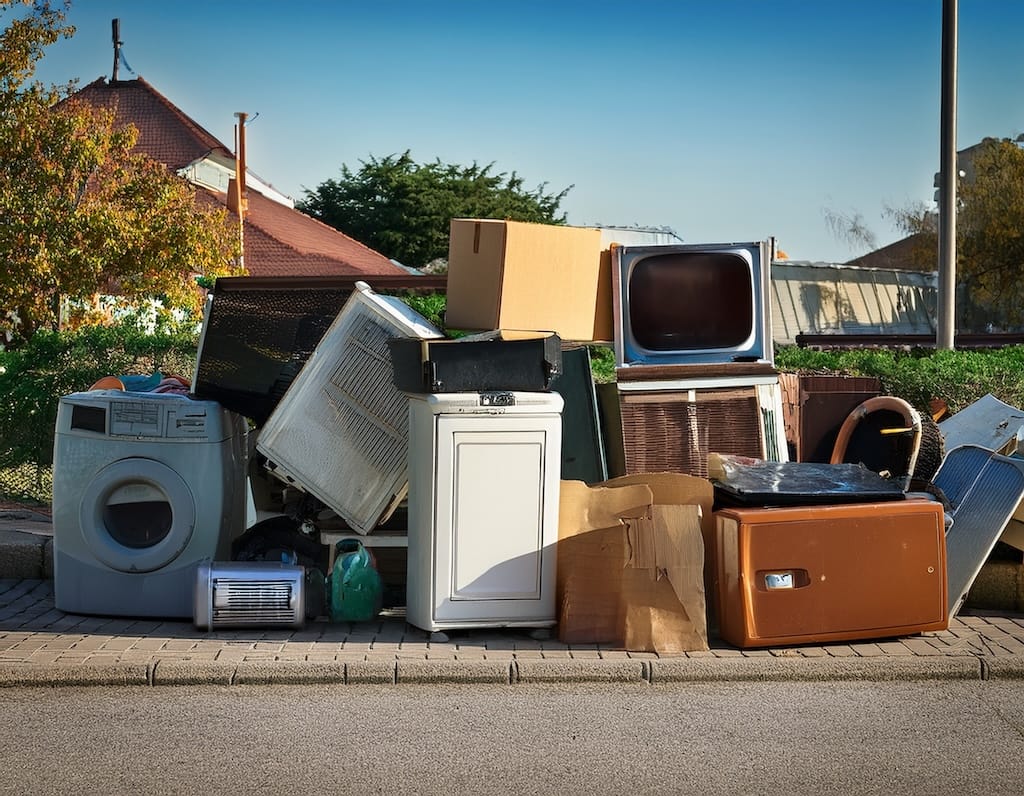
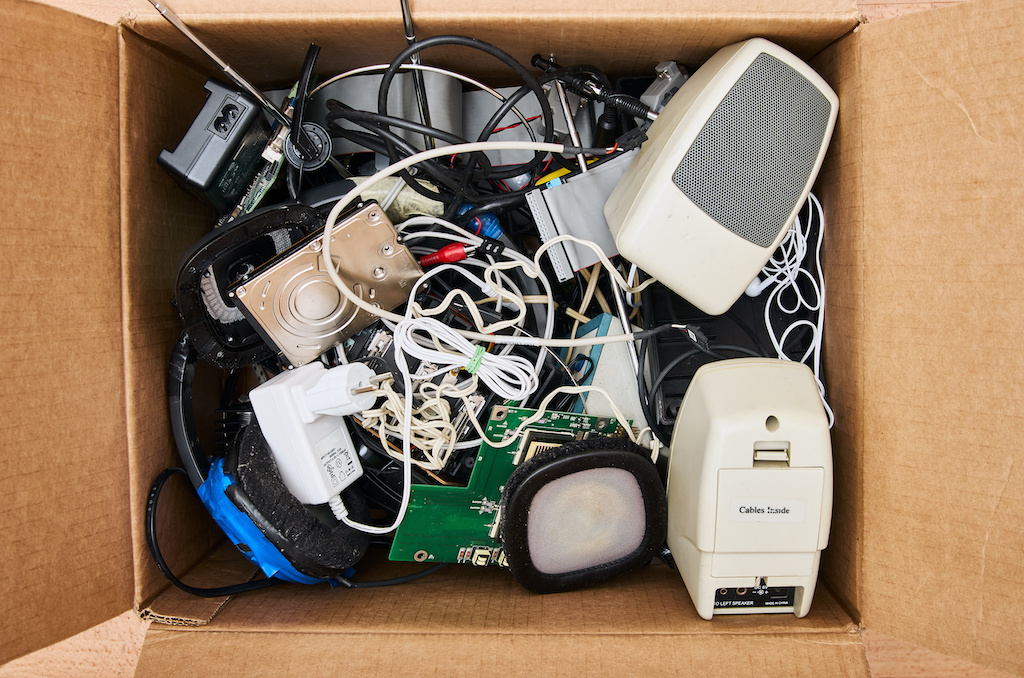
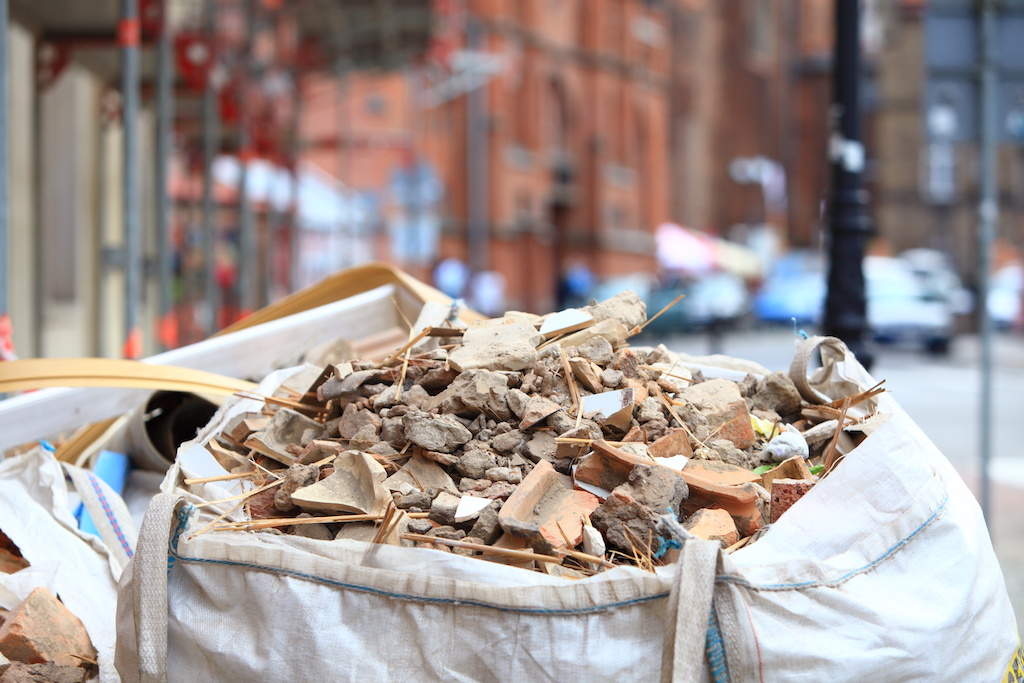
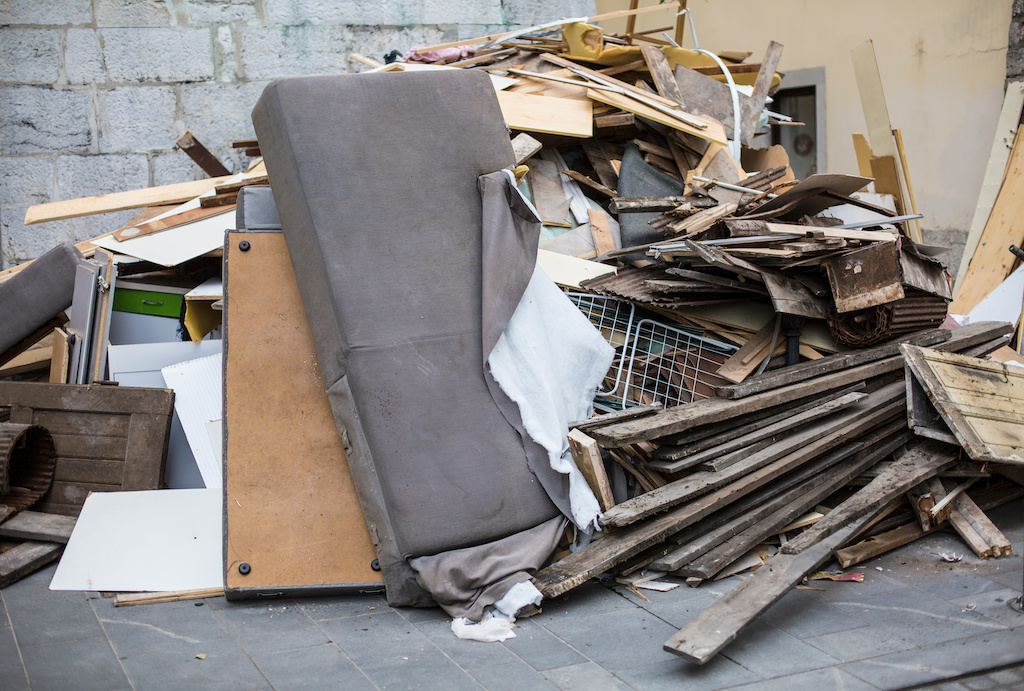
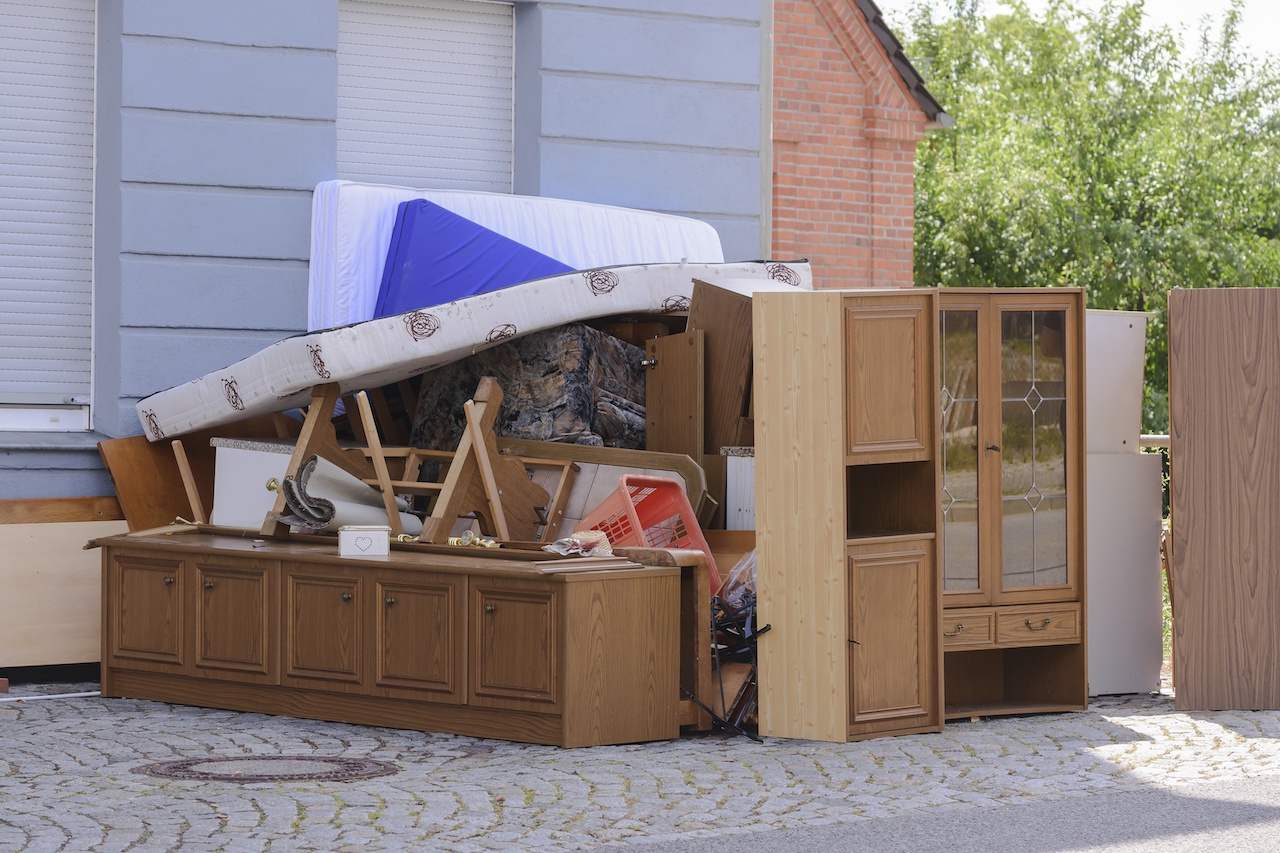
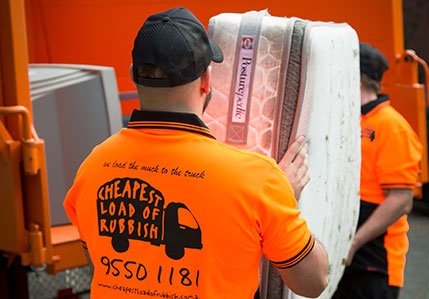
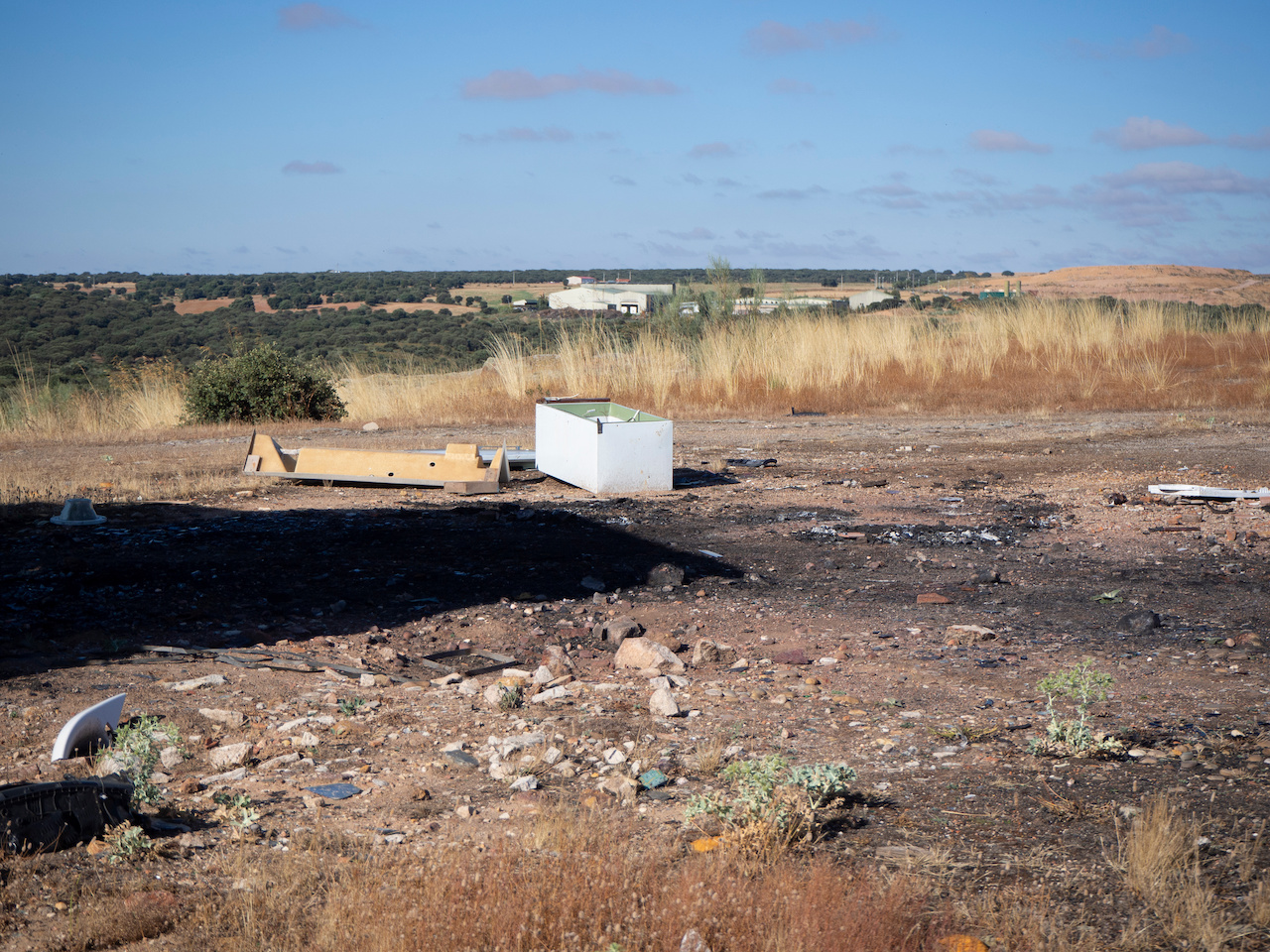
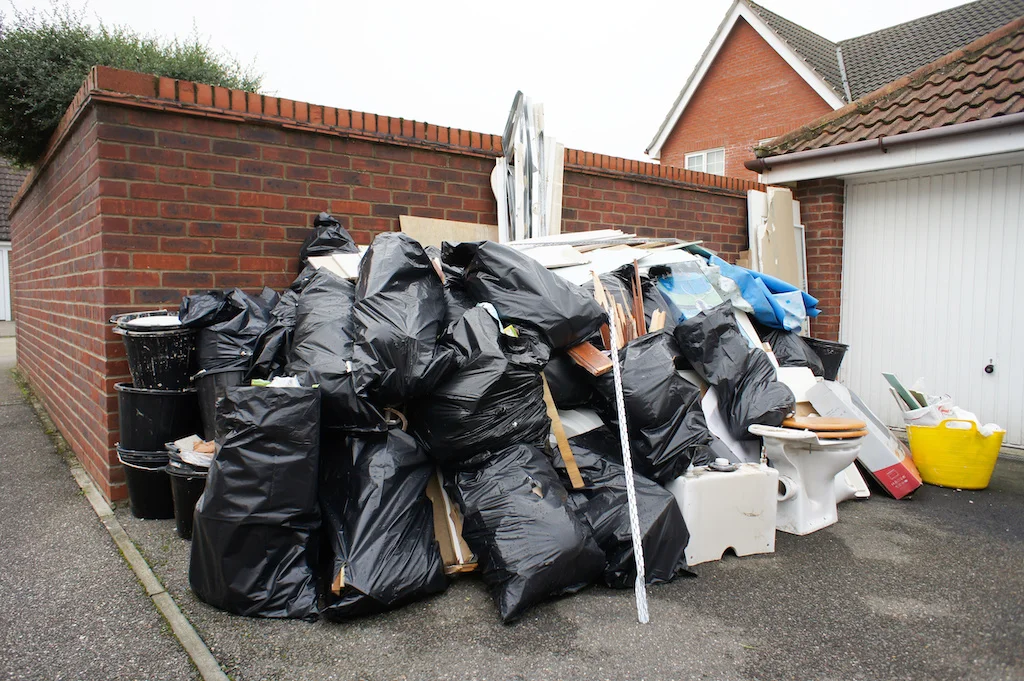
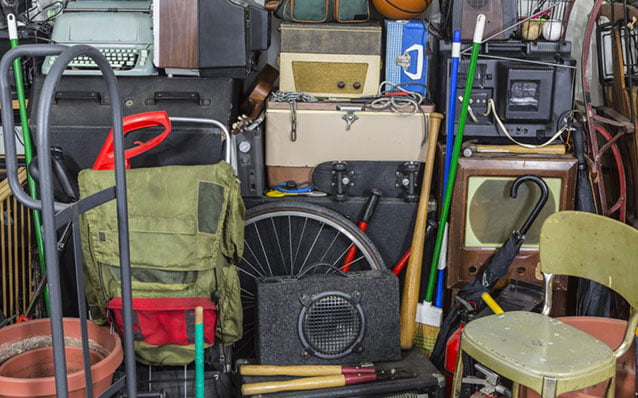
Facility waste includes the bulk clean-ups, from old furniture and medical equipment to electronics, appliances, and office furniture. With busy kitchens in aged care facilities, having a clear organic waste rubbish removal process is a must.
Australian Waste Compliance & Legal Responsibilities
Aged care and government facilities in Australia are bound by rigorous regulations. The national standards, including AS/NZS 3816, detail clinical and related waste management and there are also state-specific regulations to consider. To ensure resident safety, well-being, and maintain accreditation, meeting Aged Care Quality Standards is a must.
These facilities have a duty of care; waste management forms part of that duty, from generation to disposal. With strict protocols, failure to comply with proper waste classification, transport, and disposal can lead to substantial fines, legal liabilities, and loss of accreditation.
Facility Waste Management Best Practice
Waste Segregation
Waste should always be segregated at the point of generation for maximum efficiency, safety, and to prevent cross-contamination.
Secure Storage
There should be dedicated storage areas with proper signage so everyone knows where to put specific items of waste. To protect residents, restricted access must be in place for hazardous and clinical waste and temperature controls should be used for clinical waste.
Staff Training
The staff charged with handling waste in aged care and government facilities should be provided the necessary PPE and trained on safe handling procedures and safety awareness around infection control procedures.
Scheduled Rubbish Removal in Sydney
While there are emergency removal services when you’re in a bind, the best approach to waste management in aged care and government facilities is to arrange routine pickups and schedule bulk waste clearances.
Unique Waste Challenges in Aged Care & Government Facilities
High Volume
Aged care and government facilities operate around the clock, and 24/7 operations continually generate waste. There is a more complicated stream of waste associated with healthcare environments.
Infection Control Procedures
There are strict infection prevention frameworks in place for aged care facilities, and waste management plays an important role in ensuring staff protection and resident safety.
Facility Upgrades & Bulk Waste
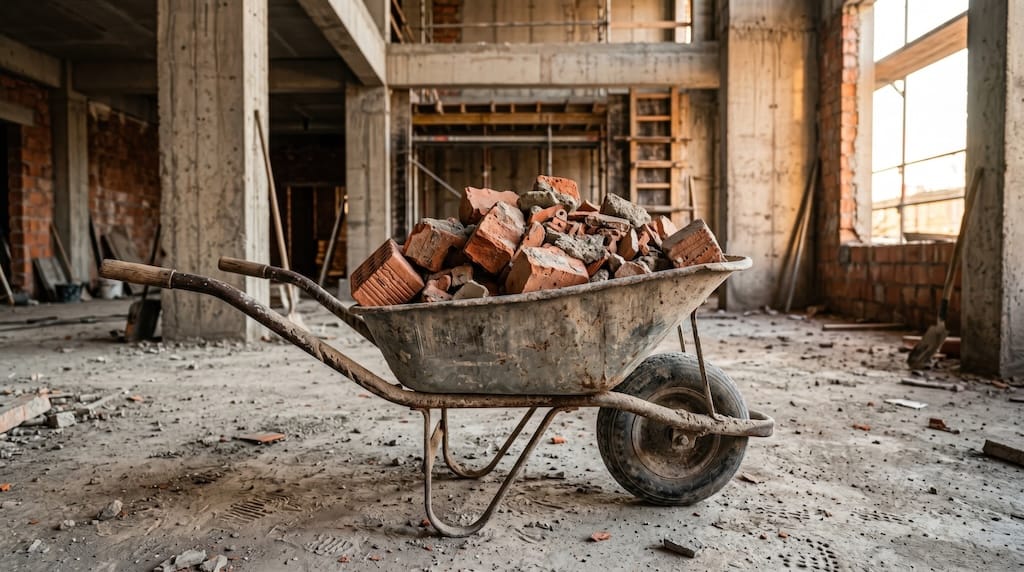
In addition to the standard waste these facilities generate, bulk rubbish removal services are necessary for furniture replacement, renovation waste cleanup, and responsible equipment disposal.
Finding the Right Waste Removal Partner
As far as waste removal partners go, aged care and government facilities require a team experienced with handling large facilities, knowledge of compliance, safe handling practices, reliable schedules, and flexible bulk removal services when you need them.
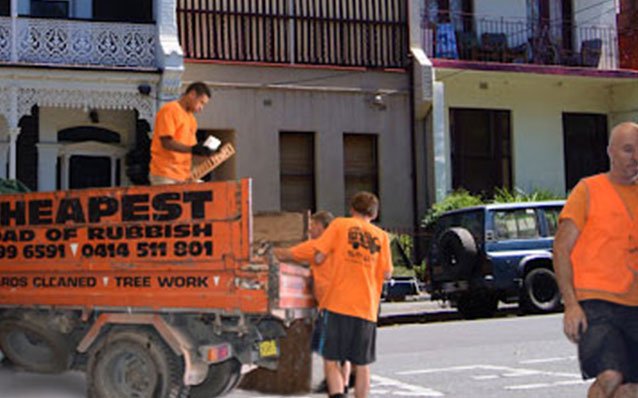
At Cheapest Load of Rubbish, we are the reliable local business that has been catering to Sydneysiders for decades. We cover the whole of Greater Sydney, delivering cost-effective and efficient rubbish removal services you can rely on. We are well-versed in compliance and safety regulations, regularly handling commercial-scale rubbish removal.
Why Professional Waste Management Matters
Using professional waste management services ensures regulatory compliance, improves safety for staff and residents, ensures a cleaner and safer environment, reduces risk, and ensures operational efficiency. Improper waste handling or disposal can lead to serious safety, environmental, and health risks within aged care and government facilities and create legal issues.
If you manage an aged care or government facility, waste management should be at the forefront of your mind to ensure compliance and safety to protect residents, staff, and operations. A professional rubbish removal service can simplify the complex regulations and requirements you face.
If you want to learn more about how professional rubbish removal can meet safety and compliance requirements, reach out to Cheapest Load of Rubbish for a chat.