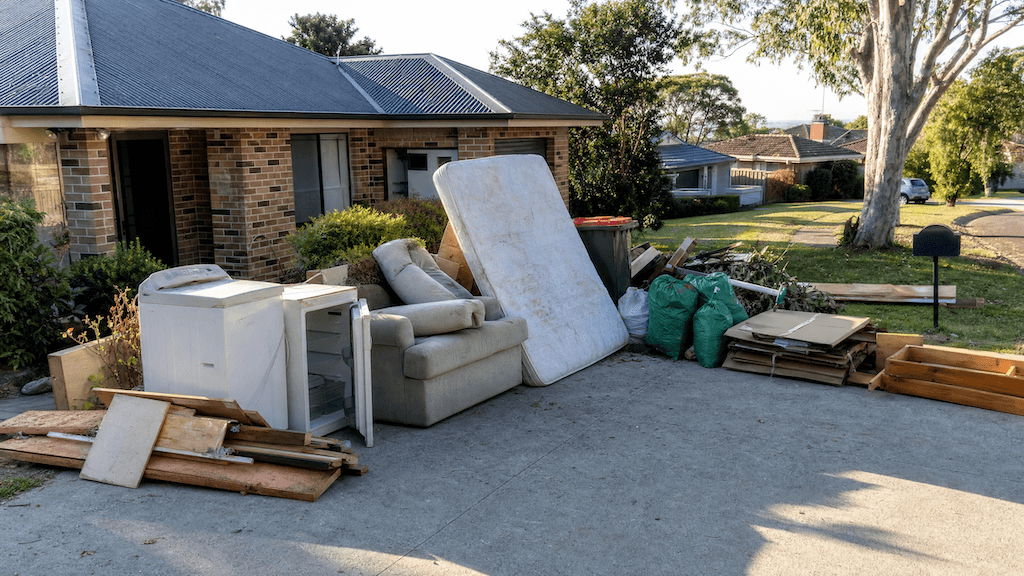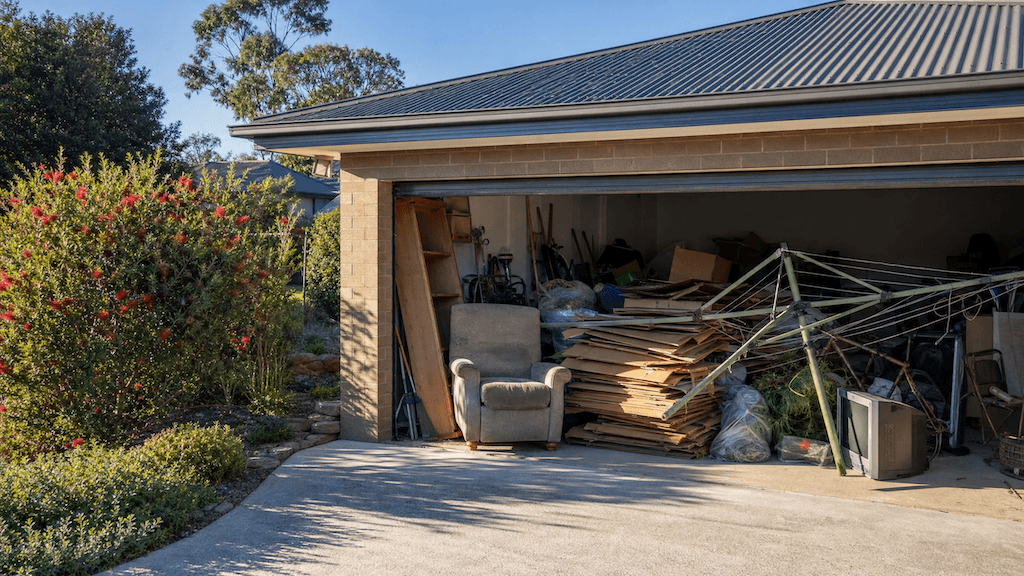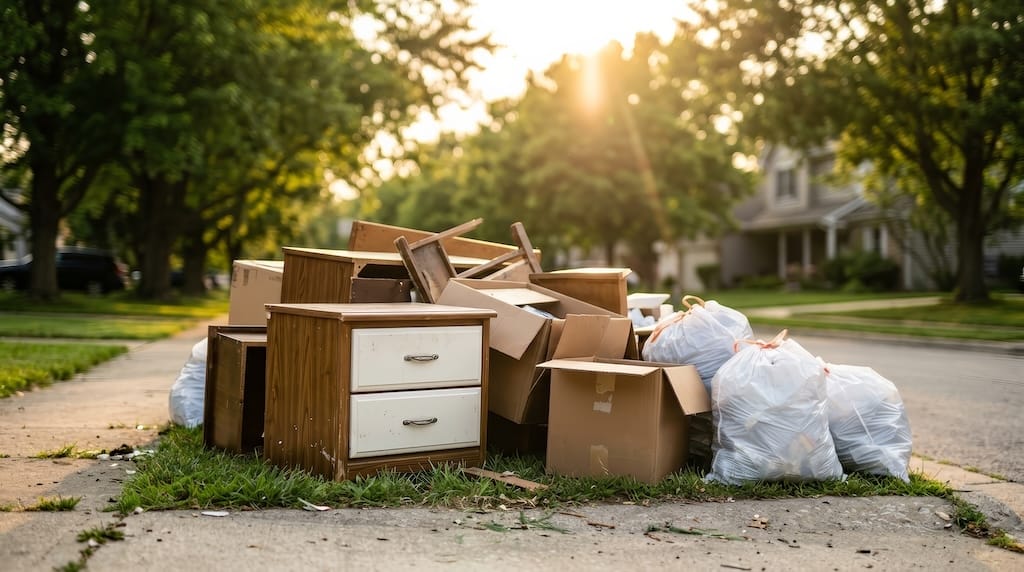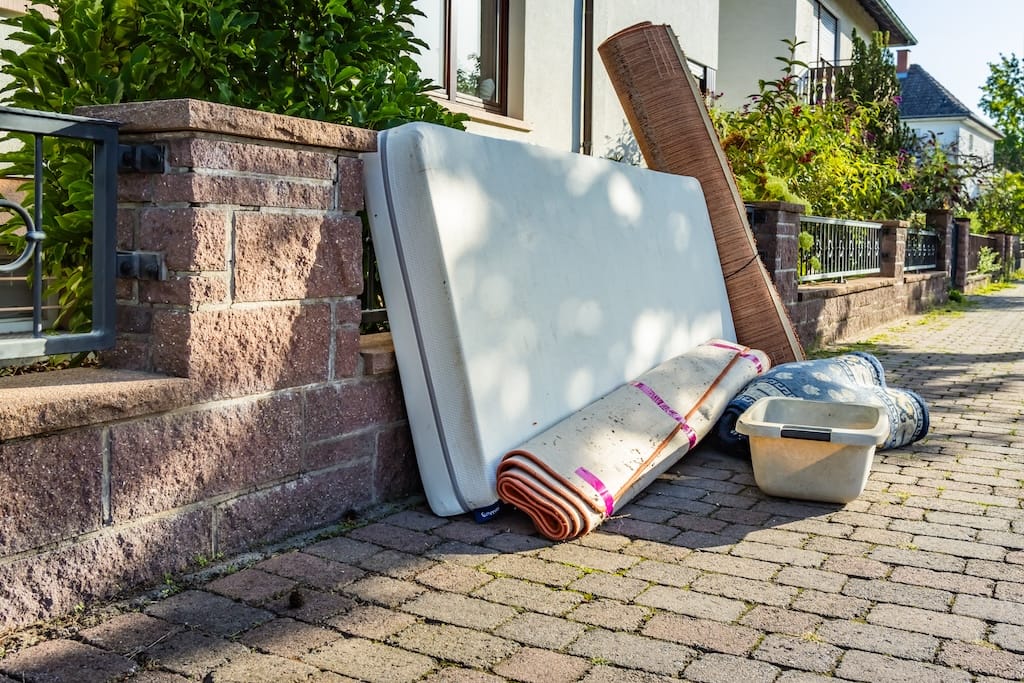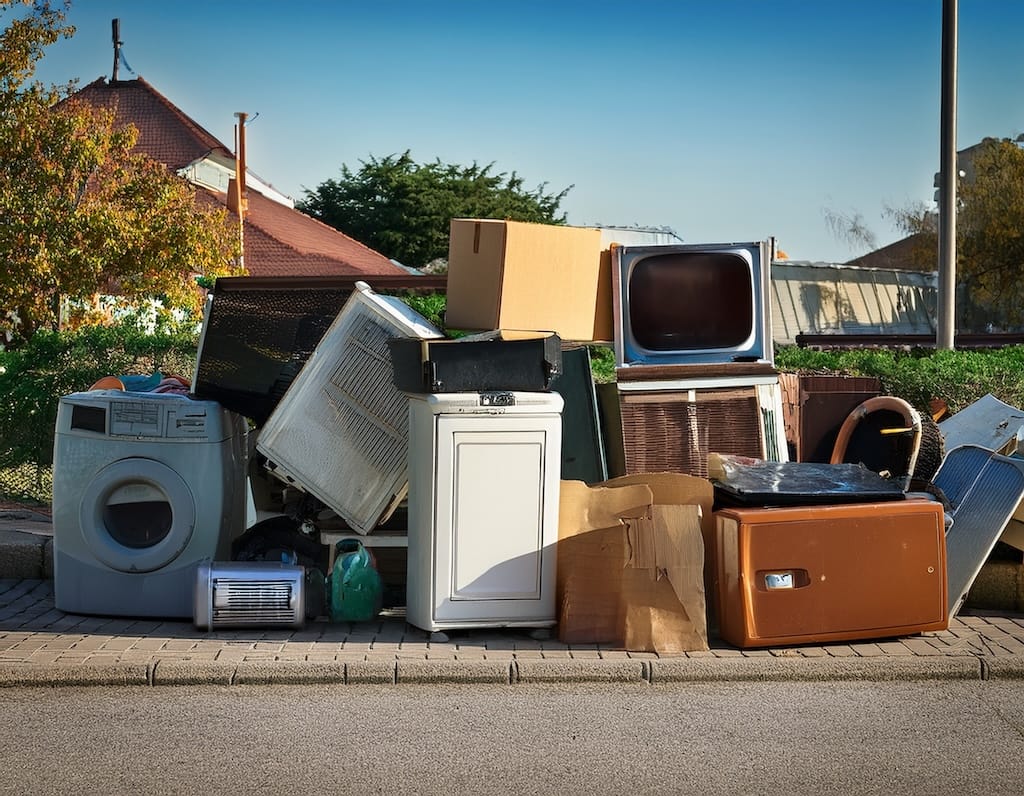
You’ve just bought a new washing machine. It’s sitting in the garage waiting to go in. The old one is sitting next to it, waiting to go out. Simple enough, except white goods can’t go in your general bin, most councils won’t collect them without advance notice, and you can’t just leave them on the kerb indefinitely.
If you’re not sure how to dispose of a fridge, washing machine, dryer or dishwasher in NSW, this guide covers everything you need to know.
What Counts as a White Good?
White goods are large domestic appliances typically used for household tasks. Common examples include:
- Fridges and freezers
- Washing machines and dryers
- Dishwashers
- Ovens and cooktops
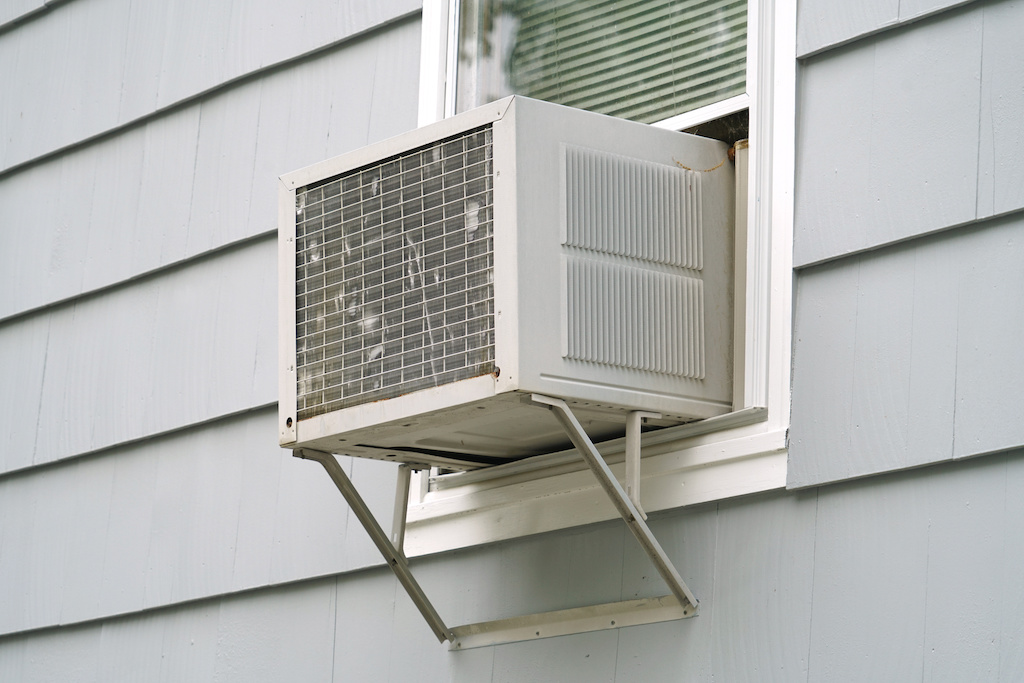
- Air conditioners
- Microwave ovens
They’re bulky, they’re heavy, and many of them contain hazardous materials that need specialist handling.
Why You Can’t Just Bin Them
White goods contain metals, plastics, refrigerants and in some cases, heavy metals like lead and mercury in wiring components. Fridges and freezers in particular must be degassed before disposal. The refrigerant inside is a potent greenhouse gas, and its release into the atmosphere is both environmentally harmful and, in some cases, a regulatory issue under NSW EPA guidelines.
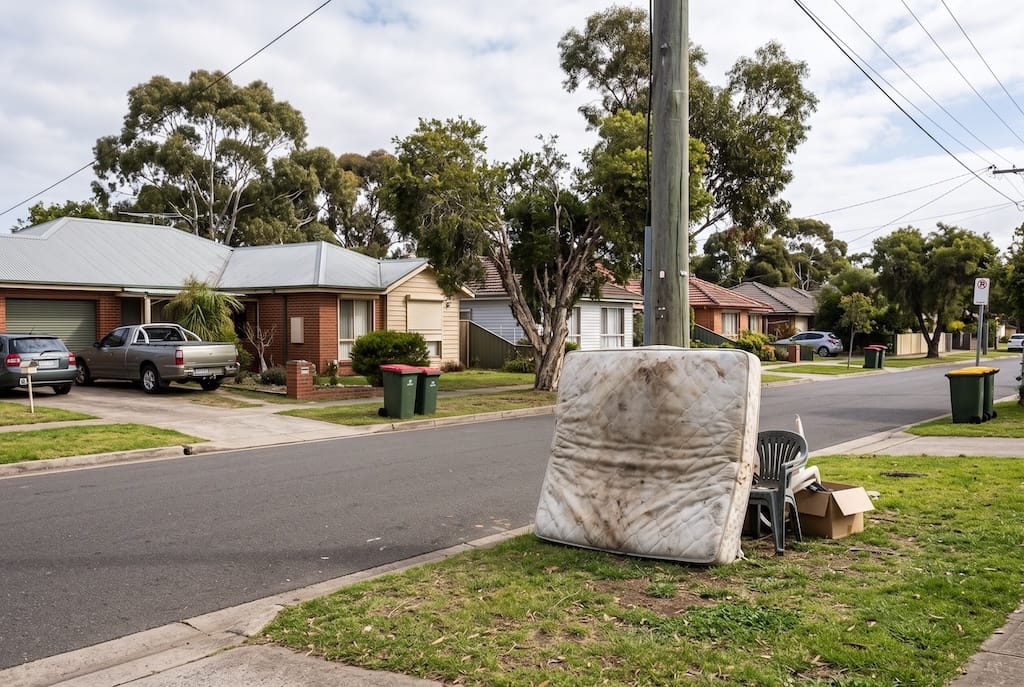
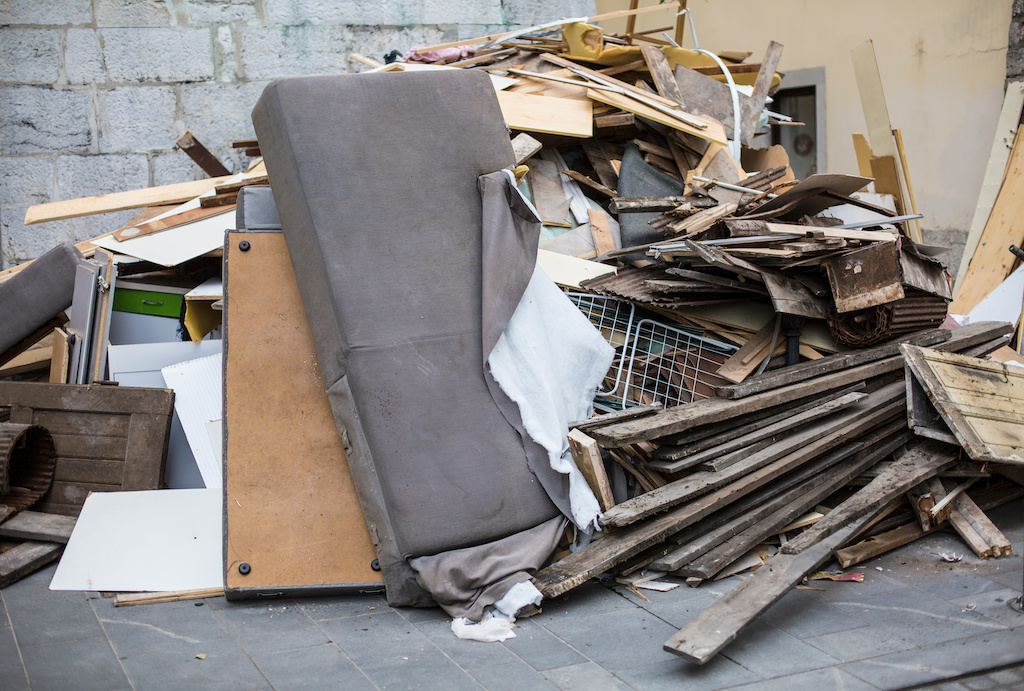
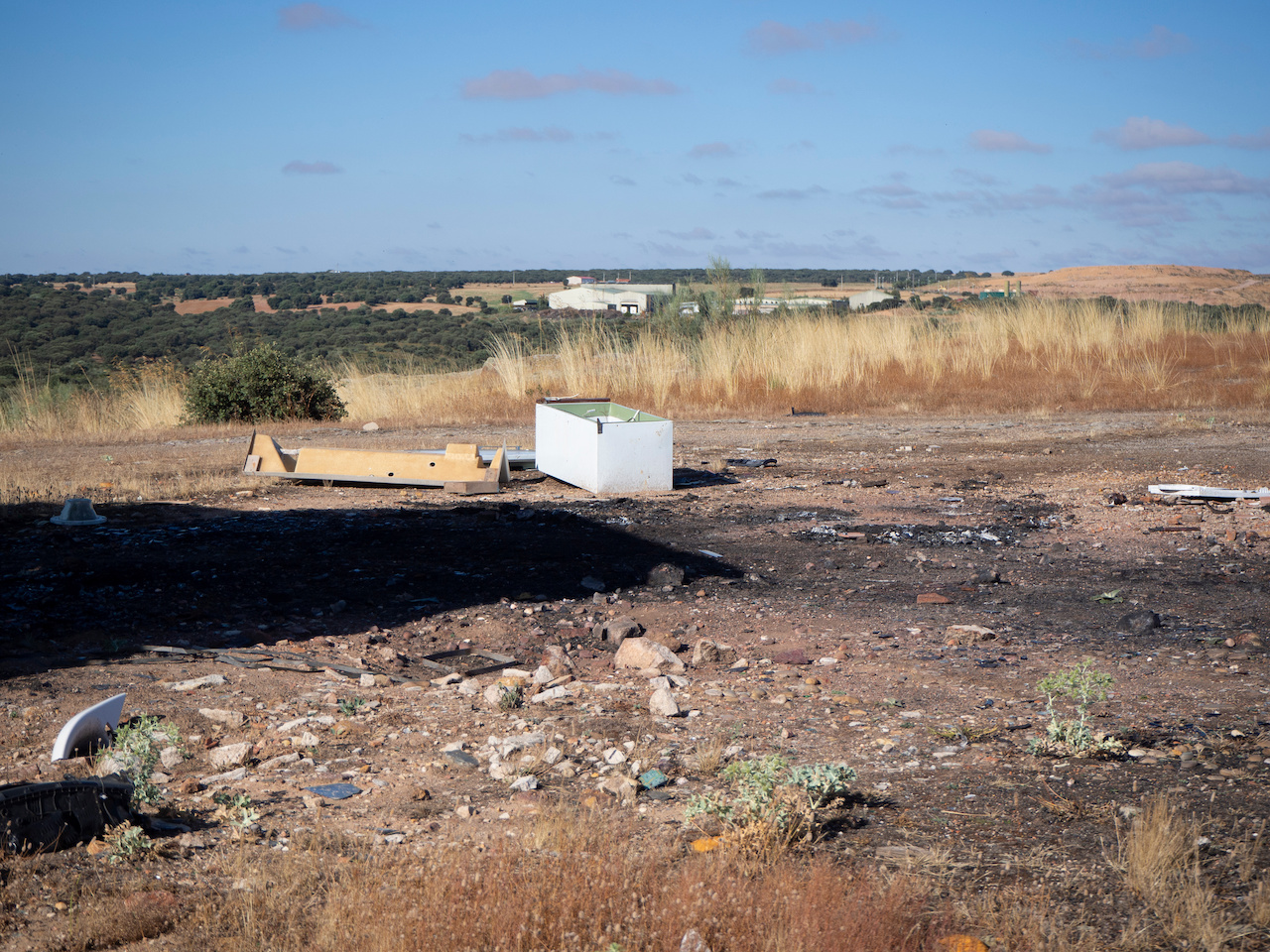
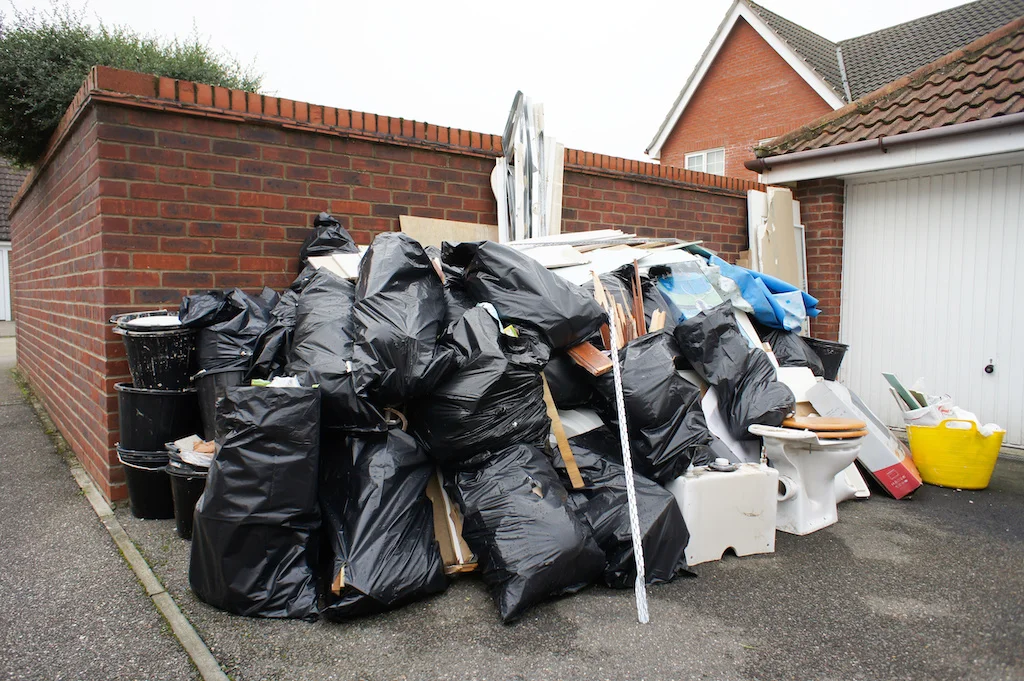
Dumping white goods illegally, on a nature strip without a council booking, in a skip bin or at an unauthorised site, can result in fines and contributes to landfill that takes decades to break down.
What Are Your Disposal Options in Sydney?
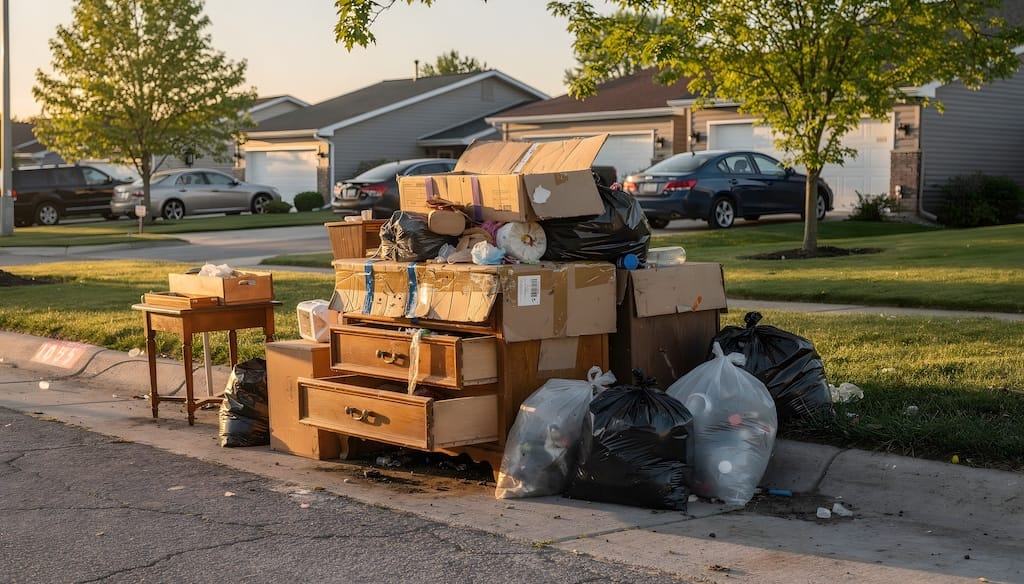
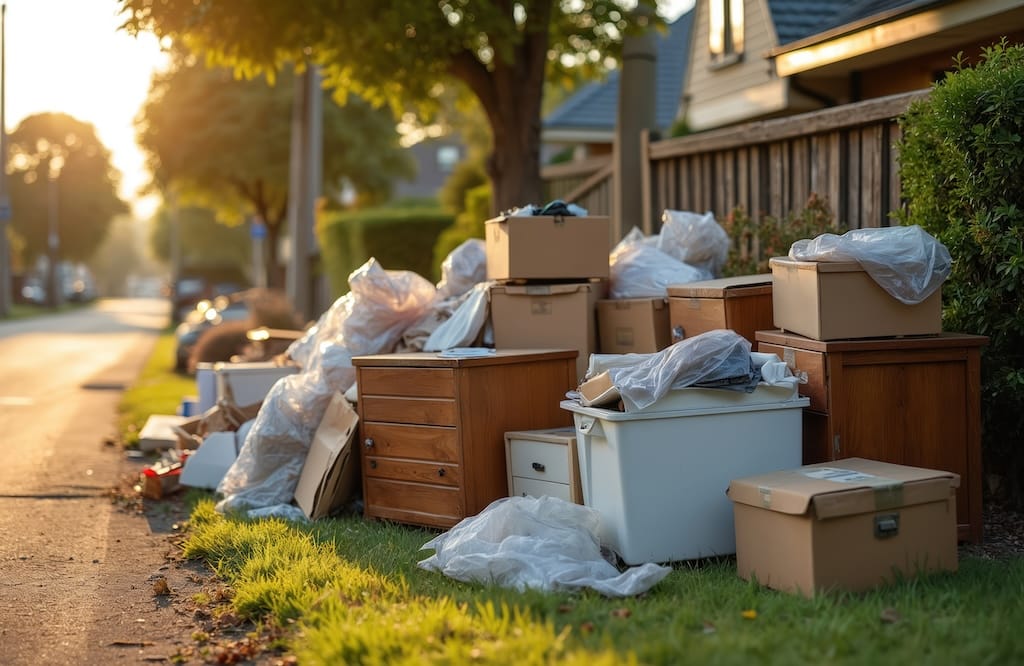
Council collection: Most Sydney councils will collect white goods as part of a bulky waste service, but it requires pre-booking and may only run at scheduled times. City of Sydney operates a bookable pickup system. Inner West, Bayside and Sutherland Shire councils run periodic hard waste collections. Always check your council’s website before leaving anything out.
Retailer take-back: Some appliance retailers offer to take away your old unit when delivering a new one. It’s worth asking at the point of sale.
Donation: If the appliance still works, charities and second-hand dealers may accept it. Clean, working fridges and washing machines can often find a new home through platforms like Gumtree or local Facebook groups.
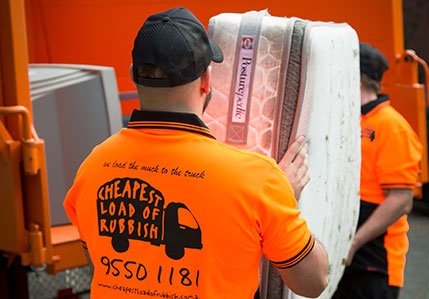
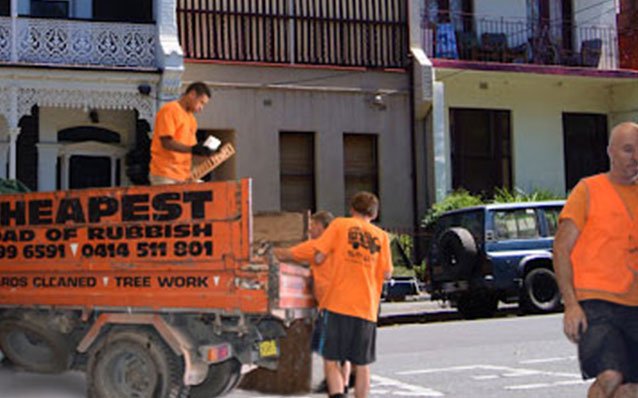
Professional removal: For broken, damaged or oversized appliances, especially when you need them gone quickly, a rubbish removal service is the most practical option. We handle all the loading and ensure items are taken to the correct recycling facility.
Can White Goods Be Recycled?
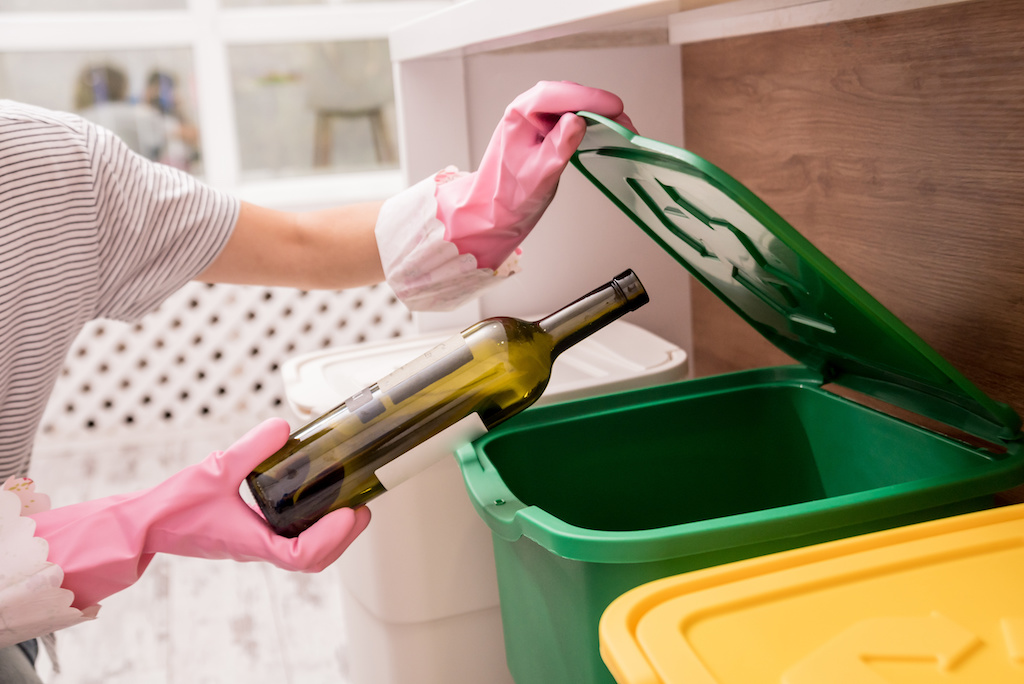
Yes, and most of the materials in white goods are worth recovering. Steel, copper and plastics are all extracted and reprocessed once hazardous components have been safely removed. The Southern Sydney Regional Organisation of Councils (SSROC) has been investigating stewardship pathways for large appliances in NSW, and Australia is progressively improving its recovery rates for these materials.
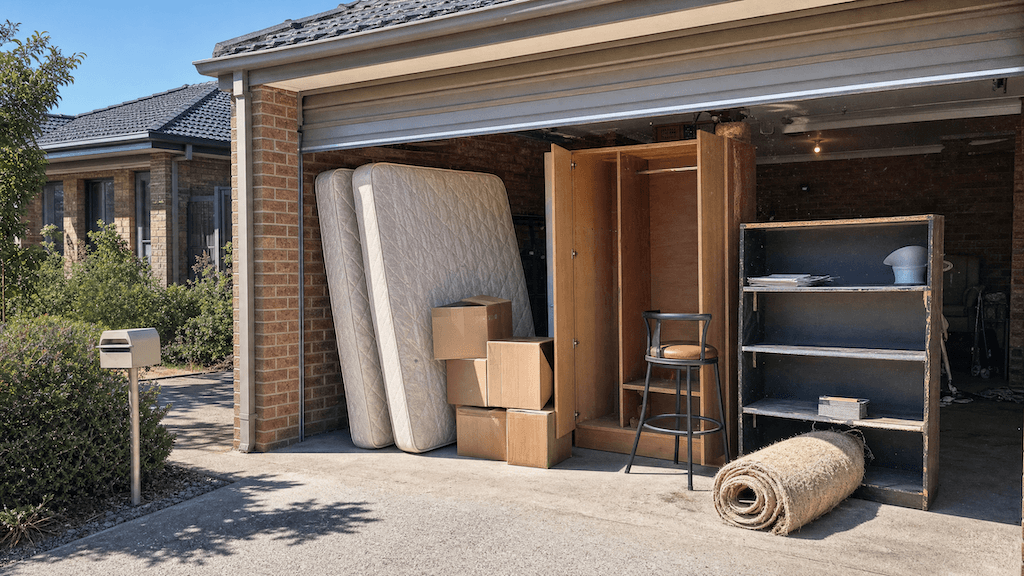
At Cheapest Load of Rubbish, we recycle and repurpose wherever possible. Our furniture and white goods removal service handles everything from single appliances to full household clear-outs, including broken and unwanted white goods.
How to Prepare Your Appliance for Removal
- Empty the appliance and wipe it down if possible.
- Defrost fridges and freezers at least 24 hours before pickup to avoid water damage.
- Disconnect all hoses and cords.
- Move the item to a ground-floor accessible spot if you can do so safely; this helps keep costs down.
Need a same-day pickup? Contact Cheapest Load of Rubbish for a free, no-obligation quote. We service all Sydney areas, including the Inner West, Eastern Suburbs, and North Shore.
FAQ
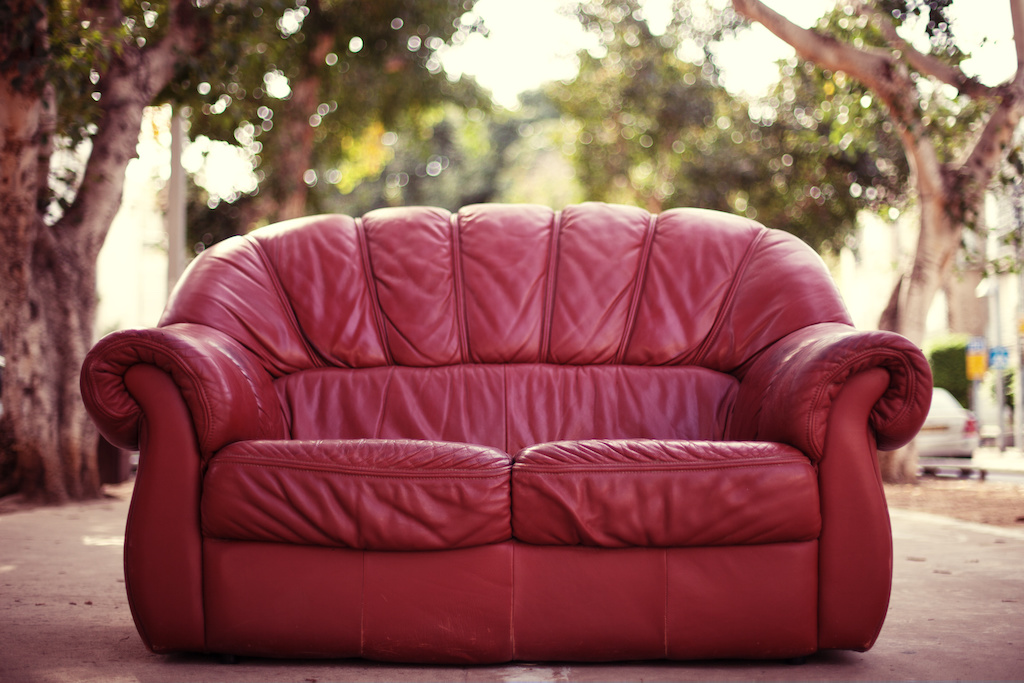
Can I put a fridge on the nature strip? Only if it’s been booked through your council’s bulky waste service. Placing items on the kerb without booking can result in a fine, and your council may not collect it.
Do I need to pay for white goods removal? Council collection is free but scheduled. Professional removal services charge based on the volume and weight of items, but offer same-day service and handle all the heavy lifting.
What happens to old fridges and freezers? They must be professionally degassed before recycling. The steel and plastics are then shredded and recovered for reprocessing.