A safe, functional environment is a key part of the learning process, and schools should arrange for regular cleanups to address waste from renovations, grounds maintenance, furniture upgrades, and end-of-term cleanups. There are logistical challenges when it comes to safely, efficiently, and compliantly handling bulky items or green waste.
With the right waste management partner, educators ensure a tidy campus that supports academic focus and student health. This practical guide will help you streamline the cleanup process to minimise disruption while ensuring your school maintains the highest standards.
Common Types of Waste School Cleanups Generate
While every school has its own needs, there are common waste types they all must deal with.
Classroom Equipment & Old Furniture
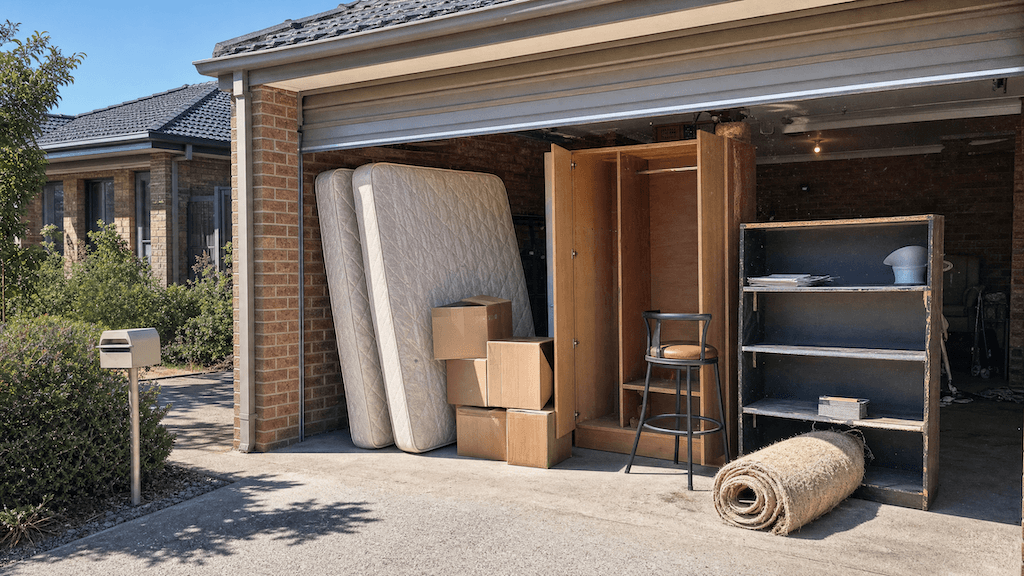
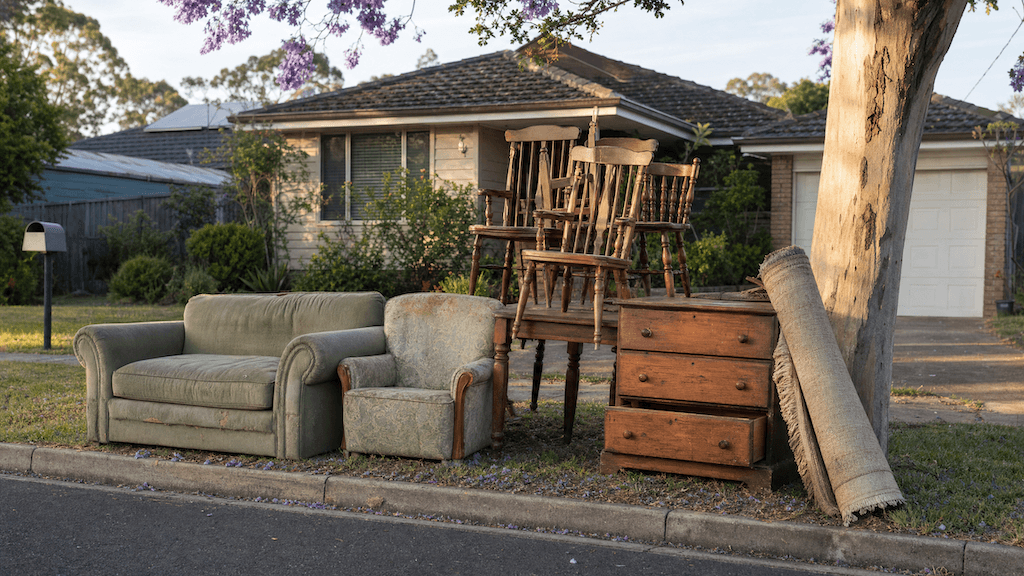
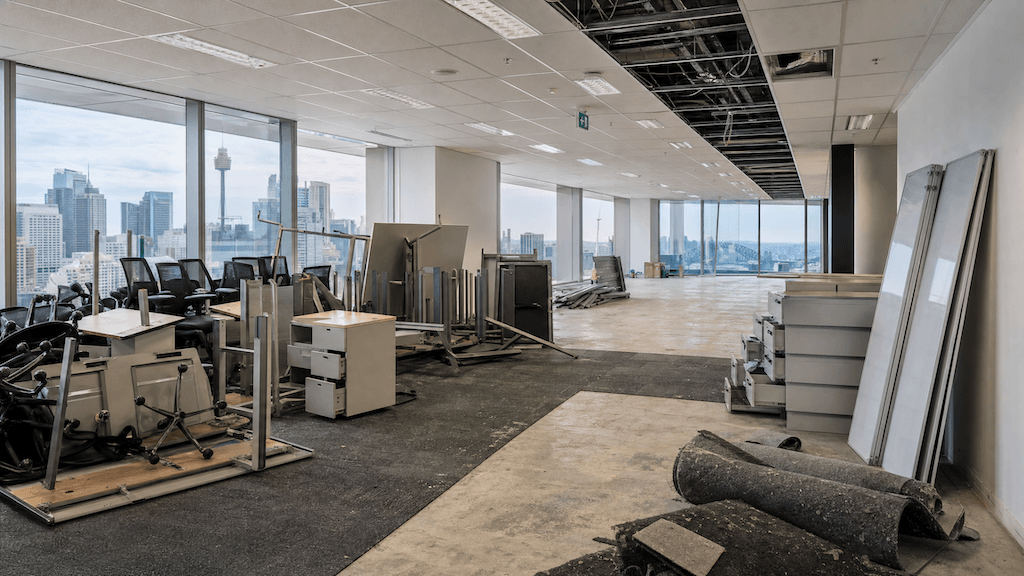
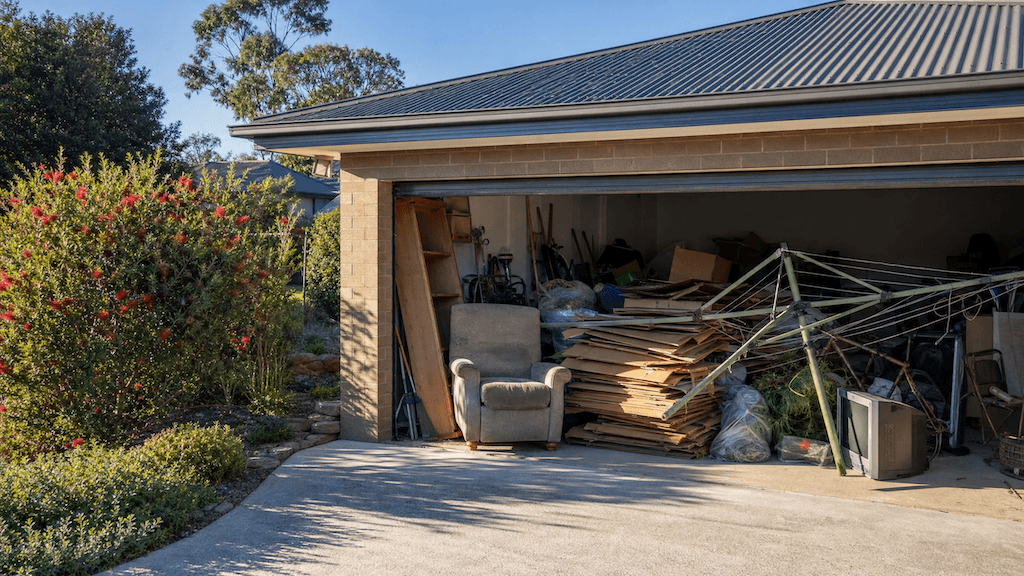
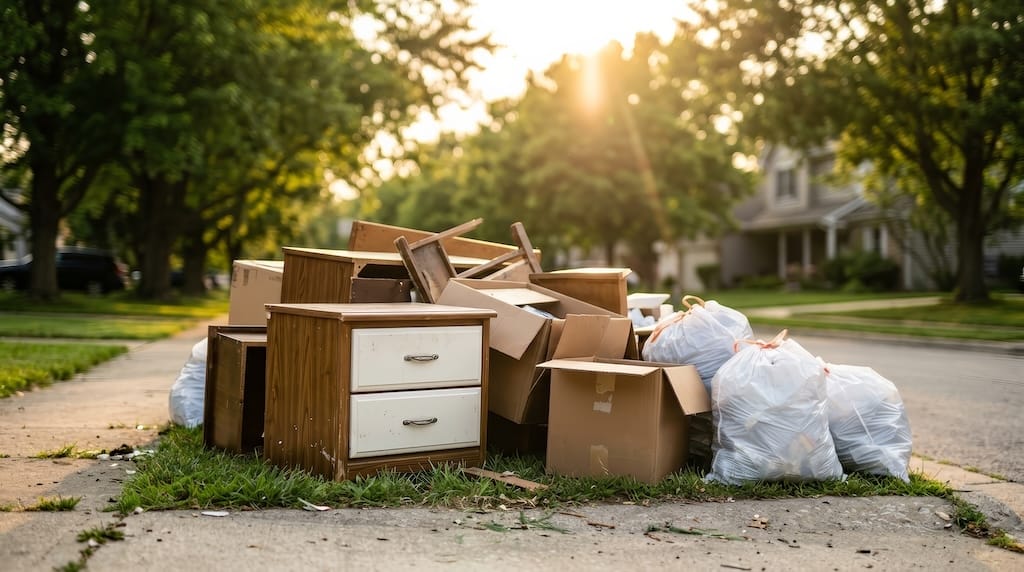
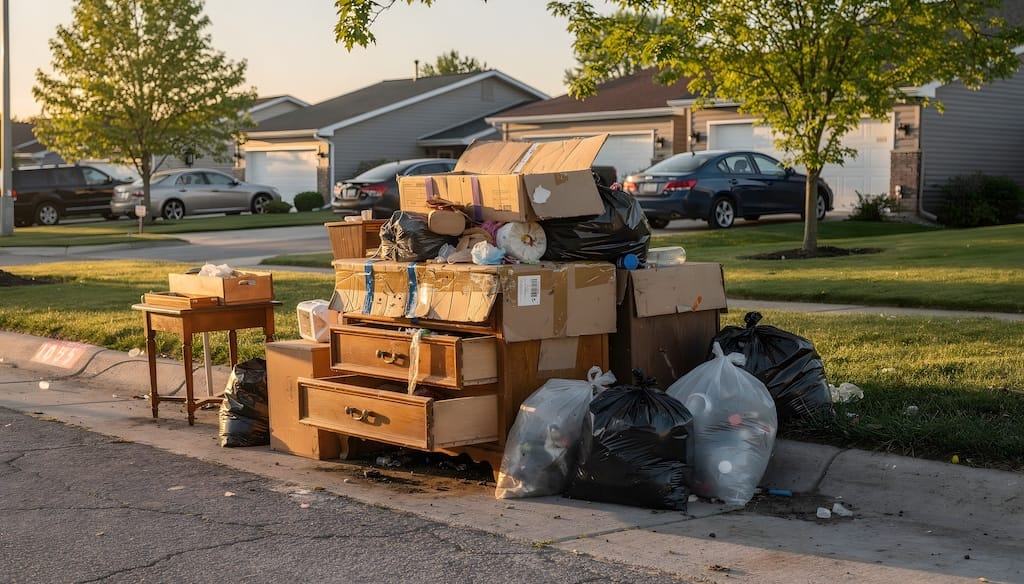
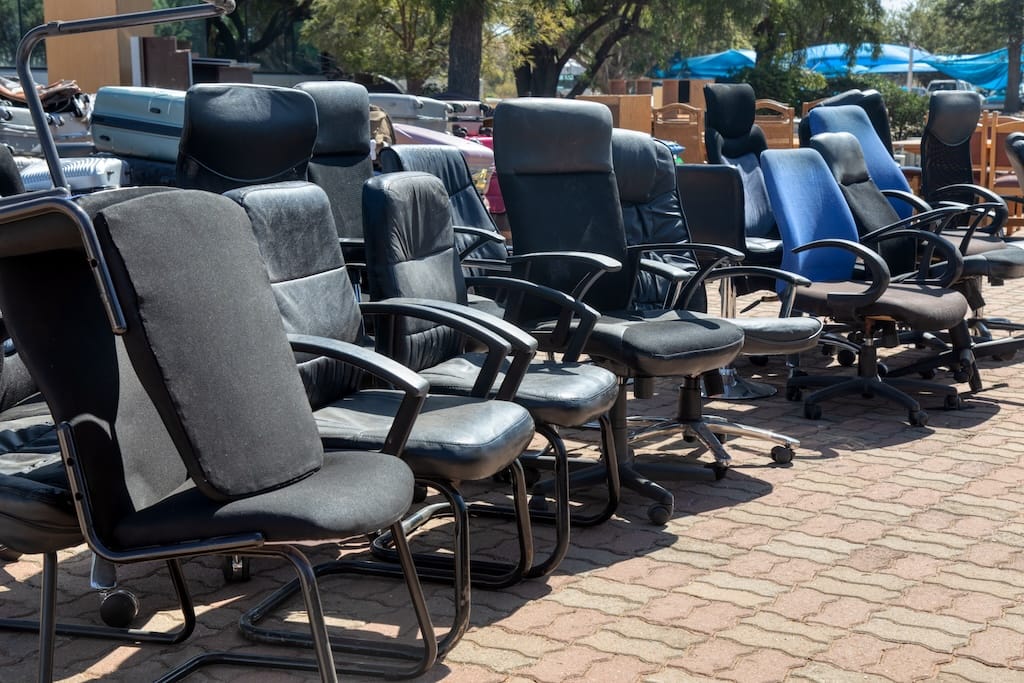
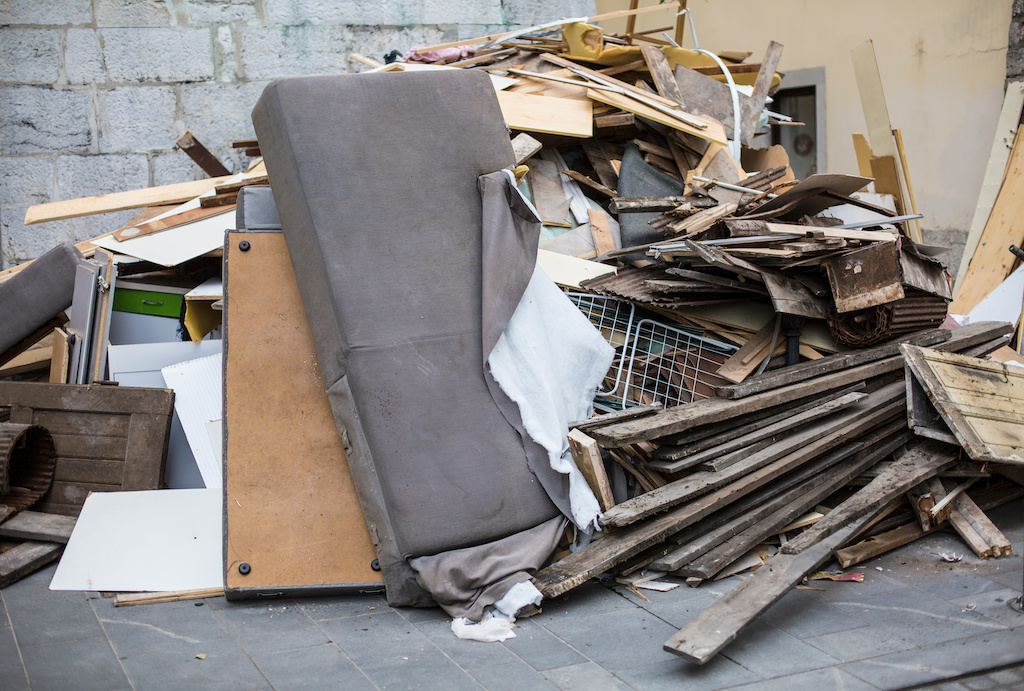
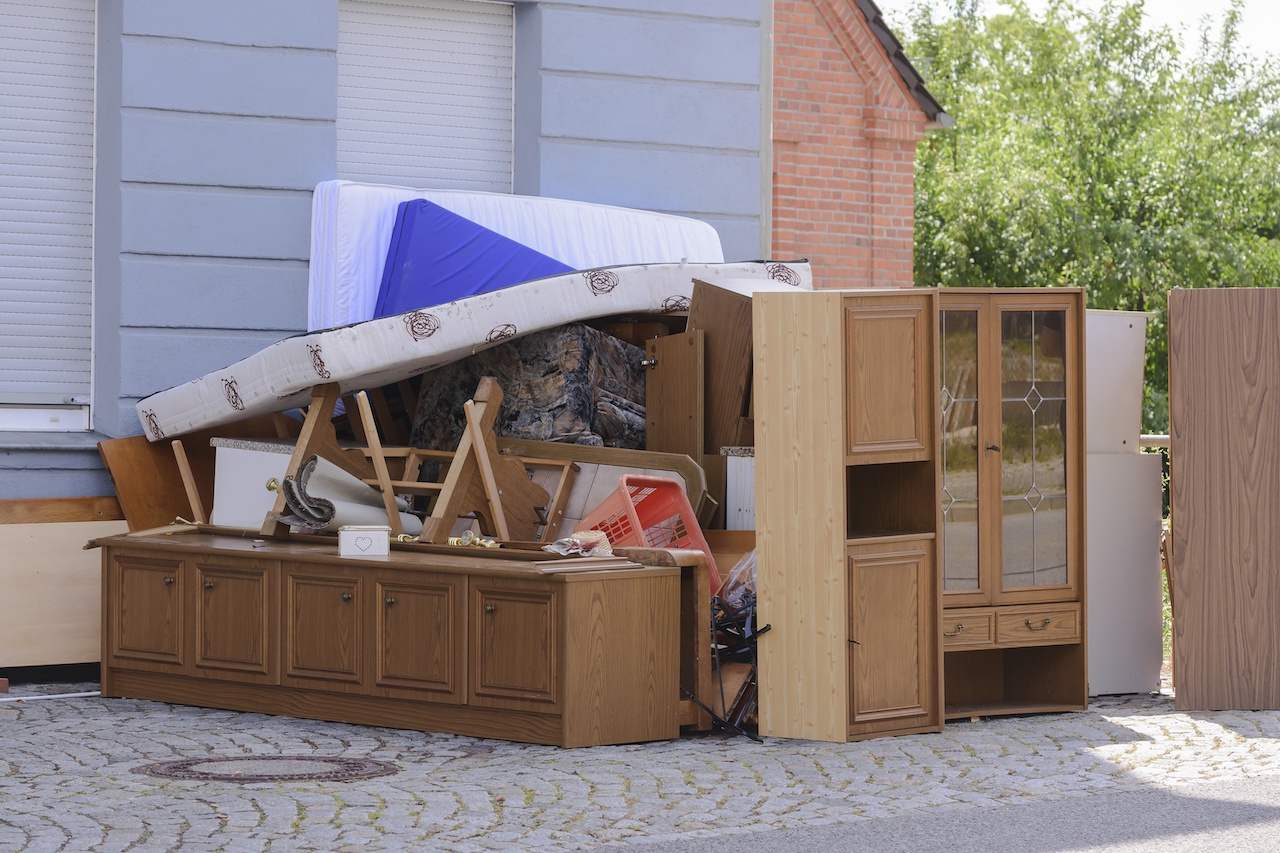
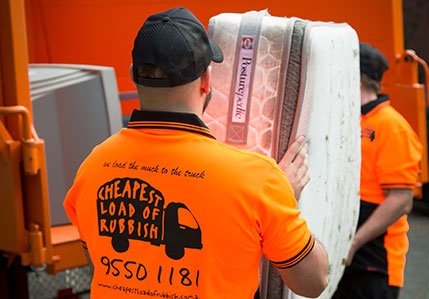
When it comes to school rubbish removal in Sydney, we usually tackle old cabinets, whiteboards, desks, chairs, staffroom furniture, and library shelving. Furniture is one of the largest challenges for education centres because of its weight, size, and transportation requirements.
Bulk removal requires a professional touch.
Green Waste
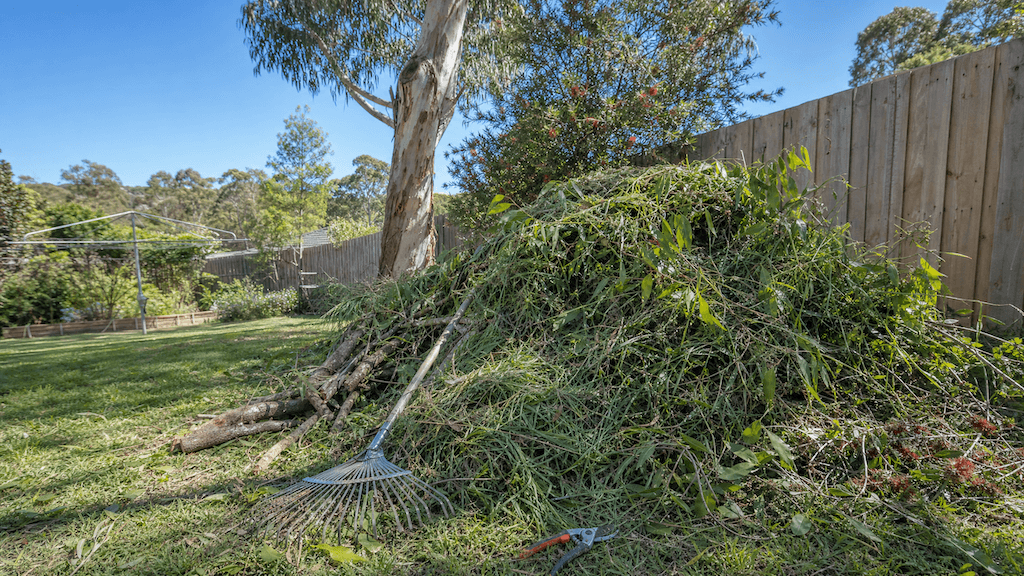
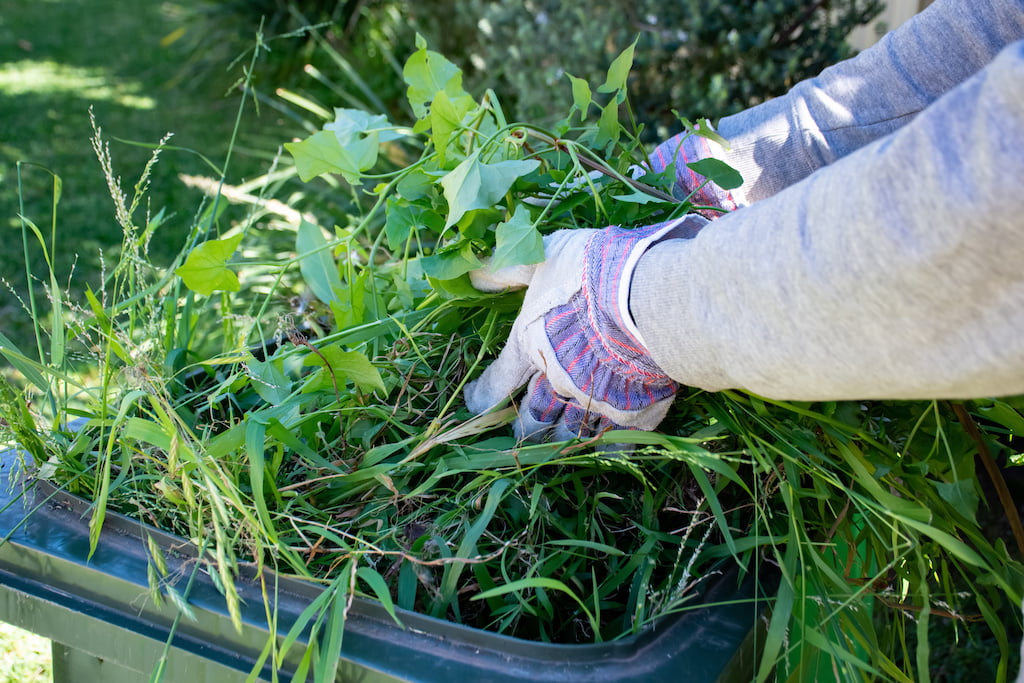
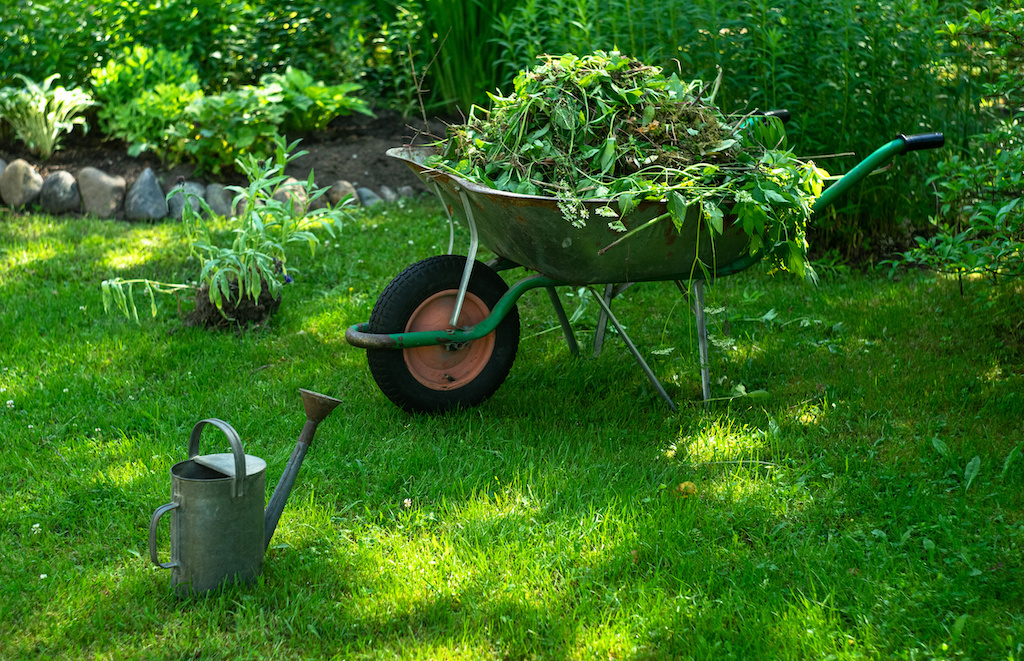
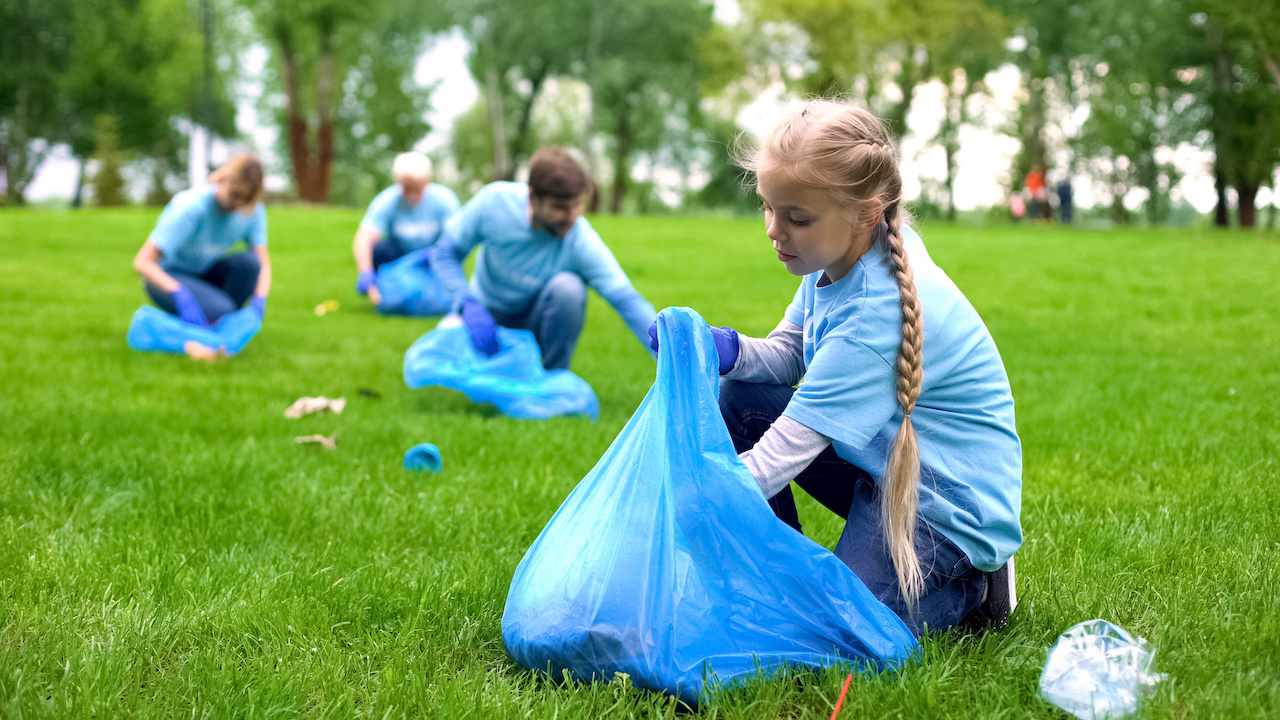
Whether it’s seasonal maintenance or routine landscaping, green waste builds quickly, from tree branches, leaves, and grass clippings to garden debris and hedge trimmings. The larger the school grounds, the more green waste to clear.
Handling green waste properly supports the environment and contributes to sustainability.
General Cleanup Waste
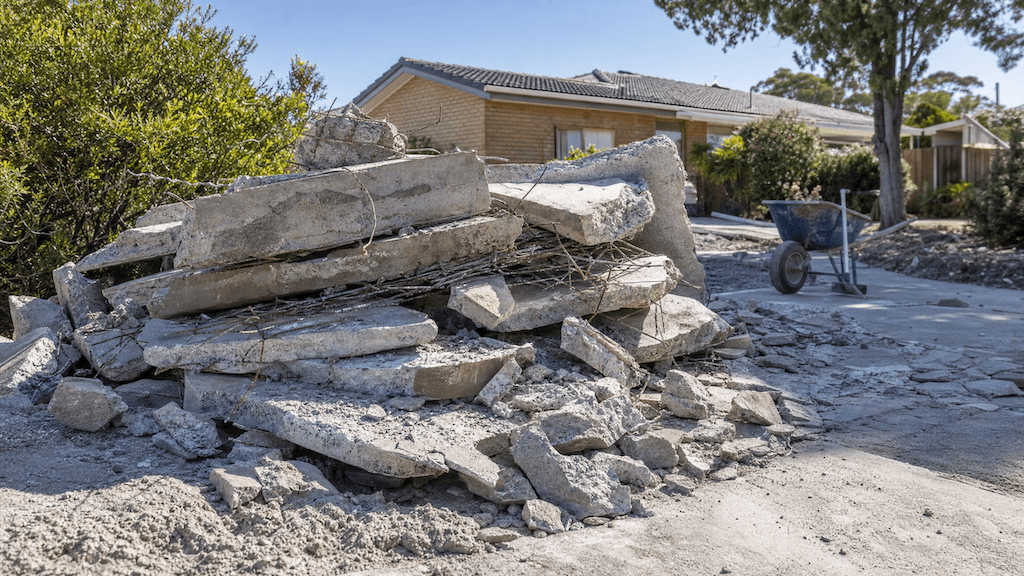
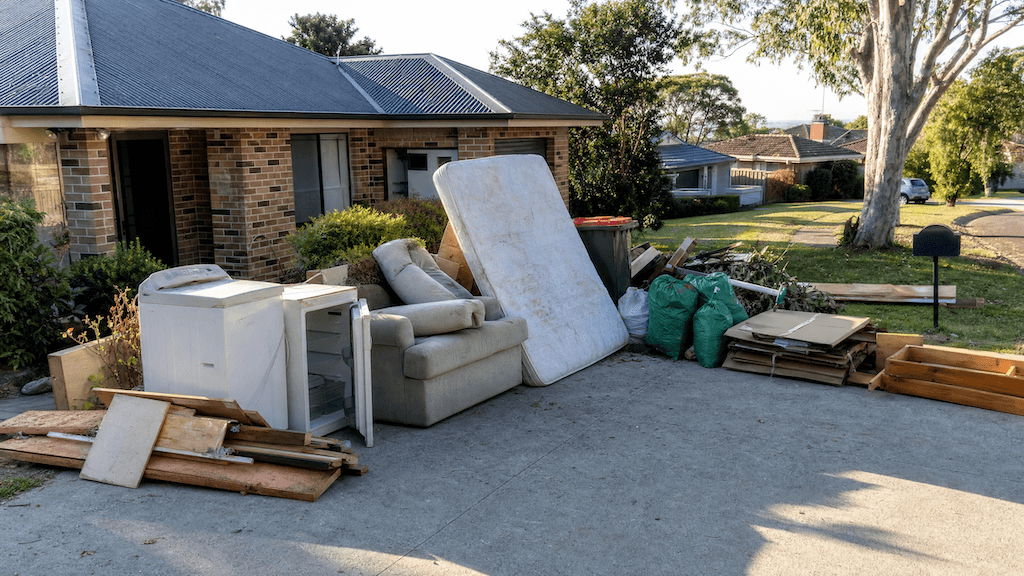
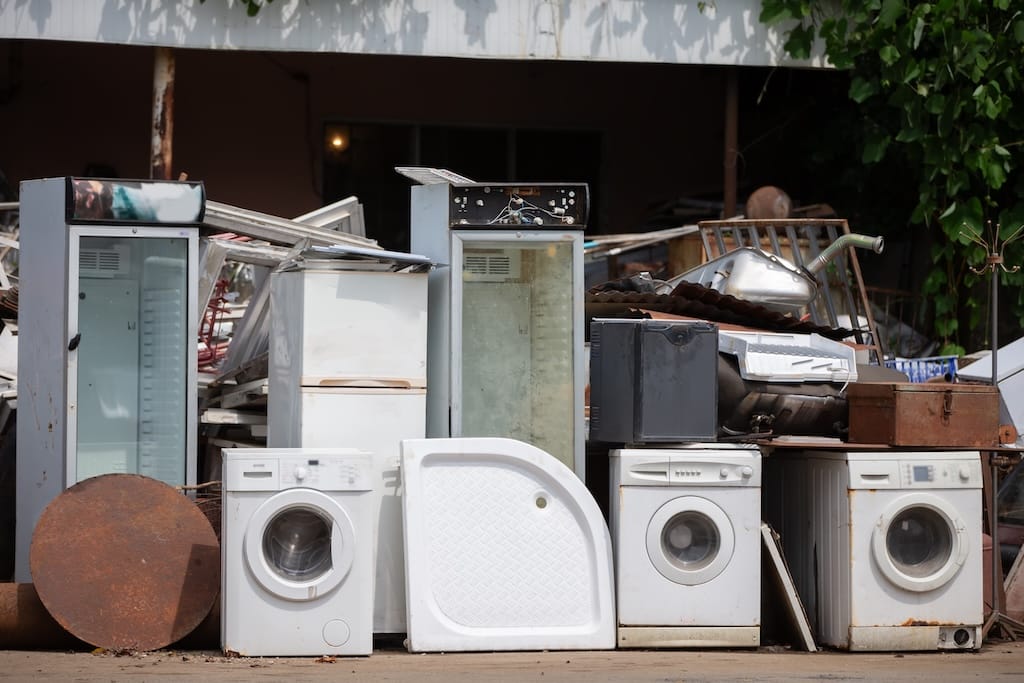
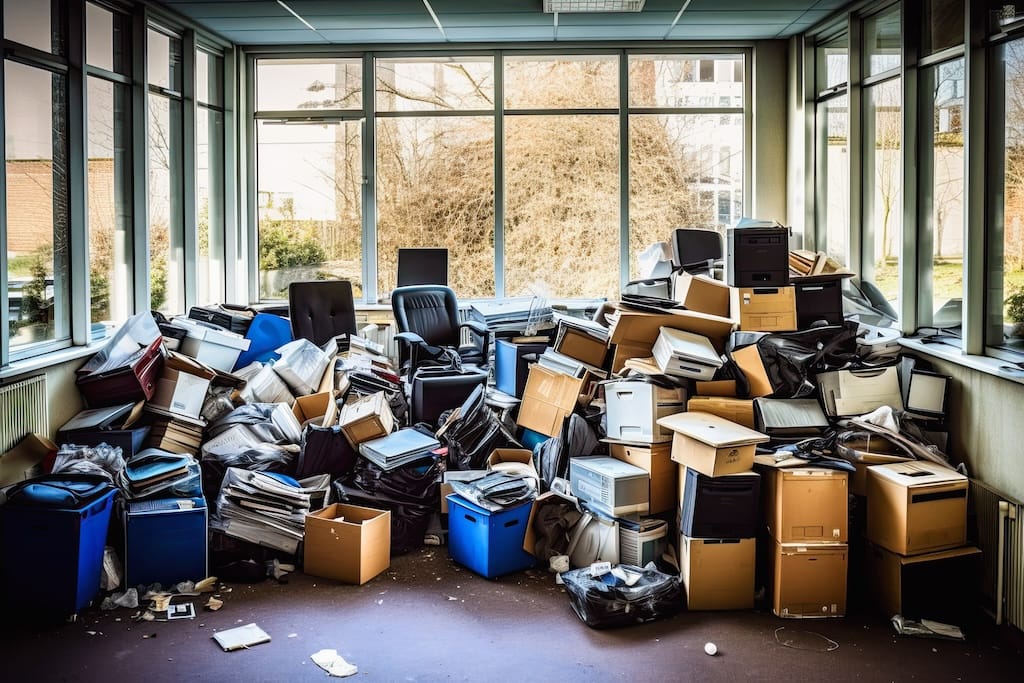
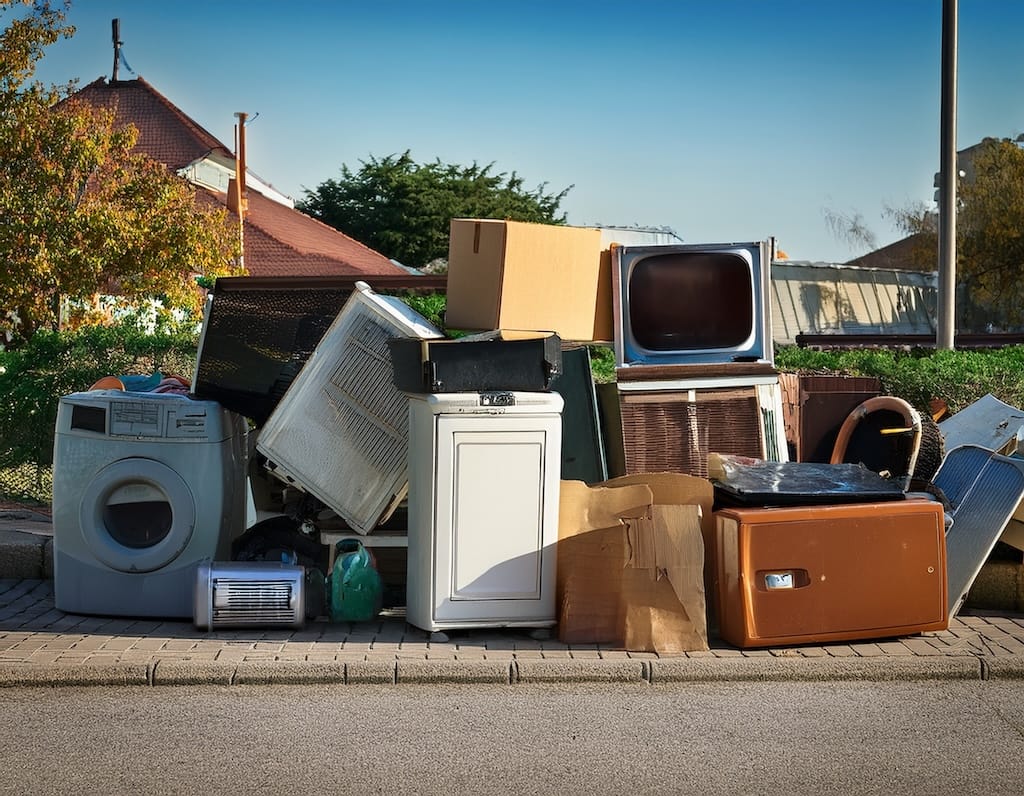
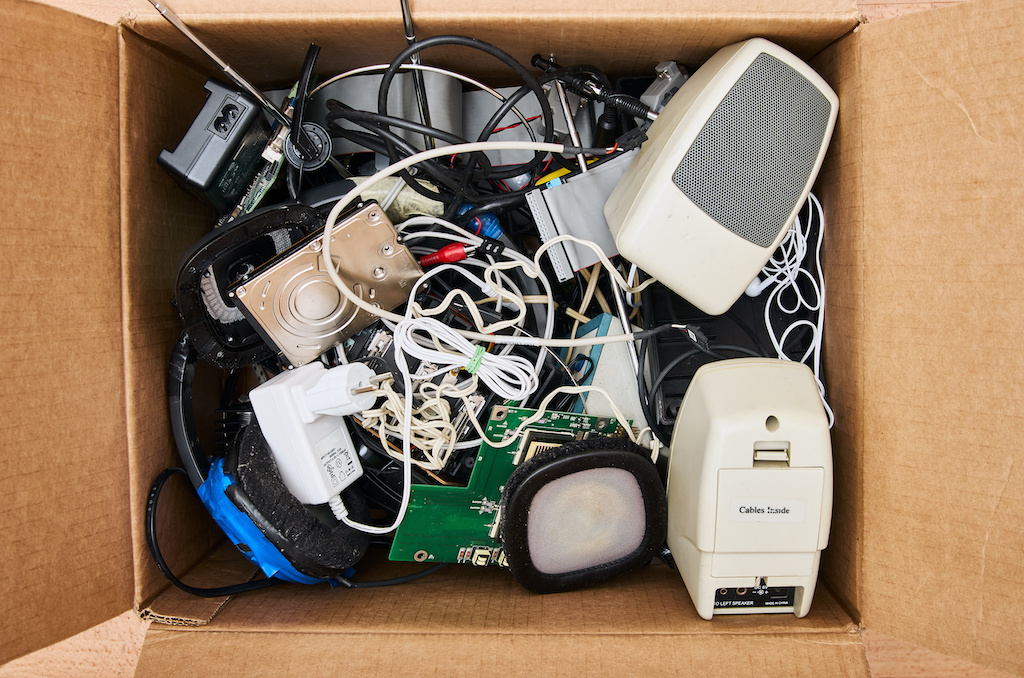
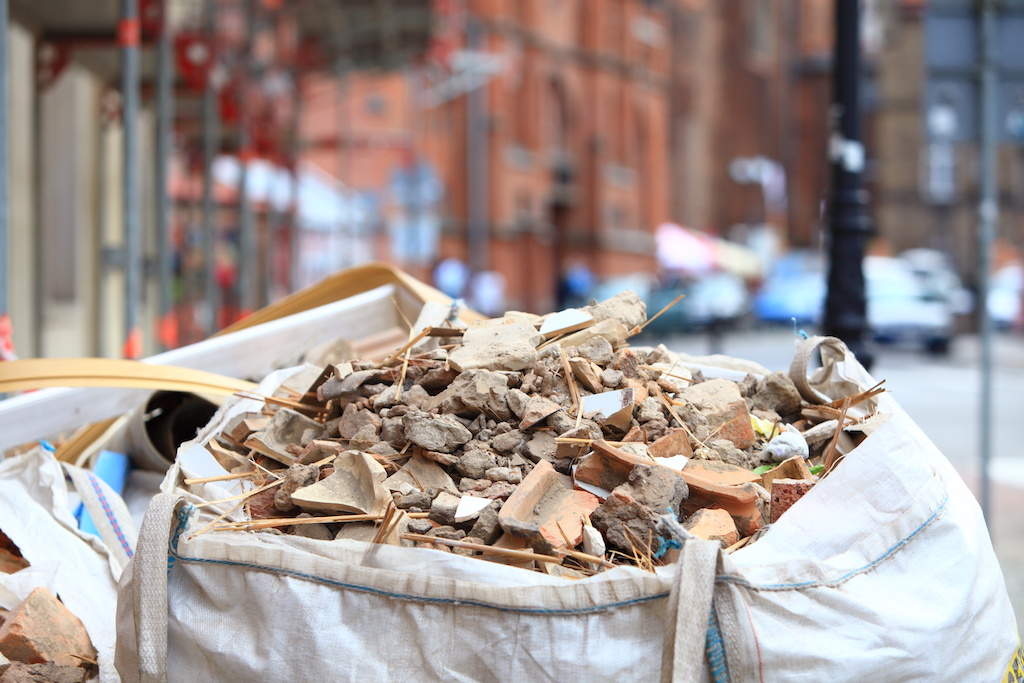
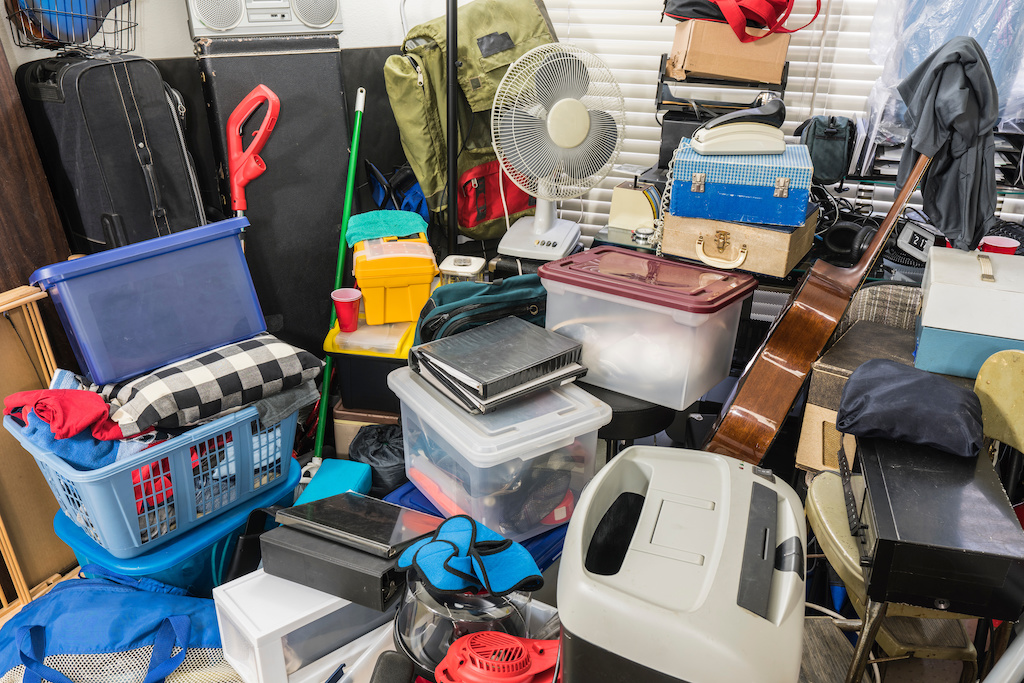
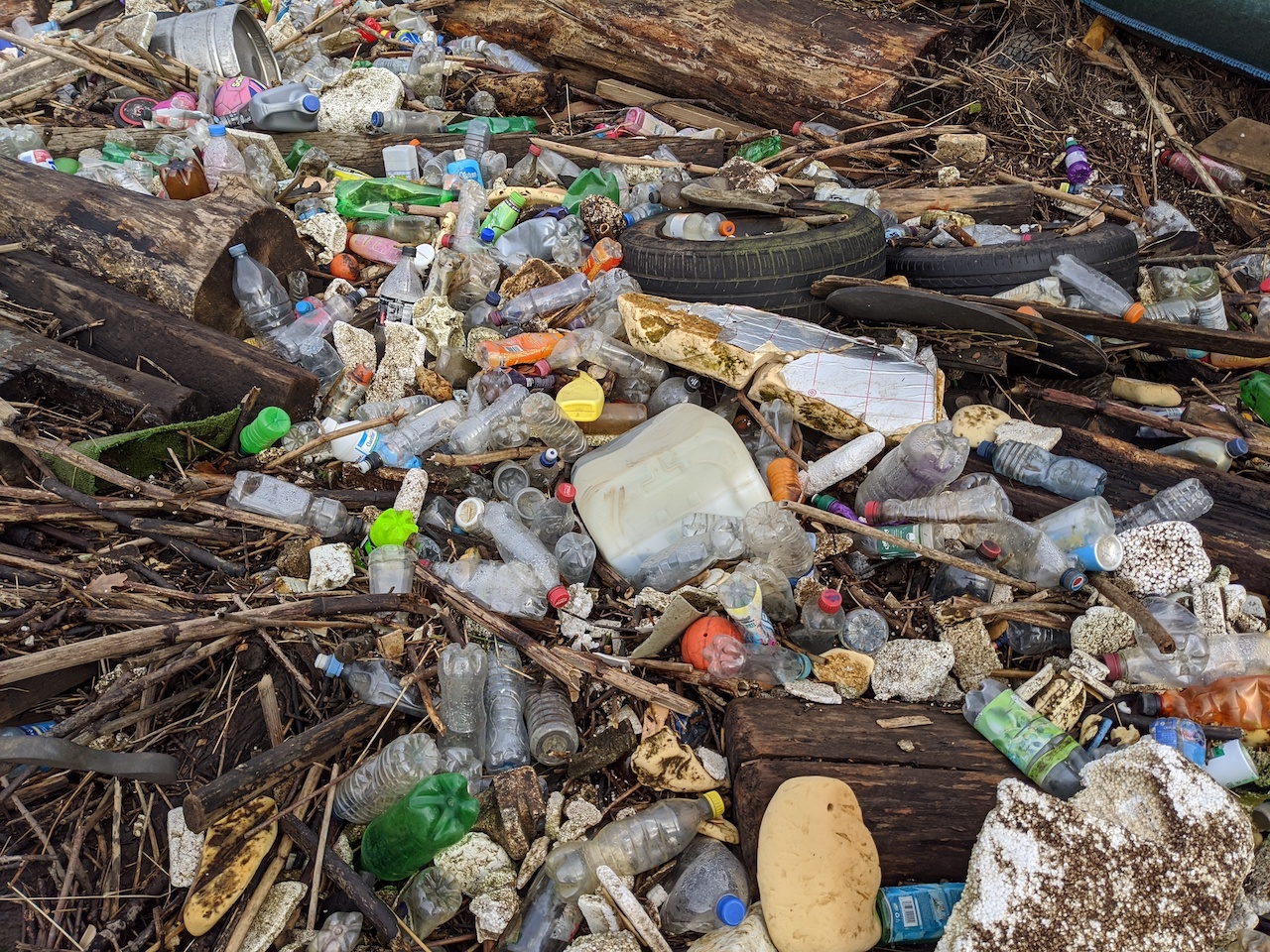
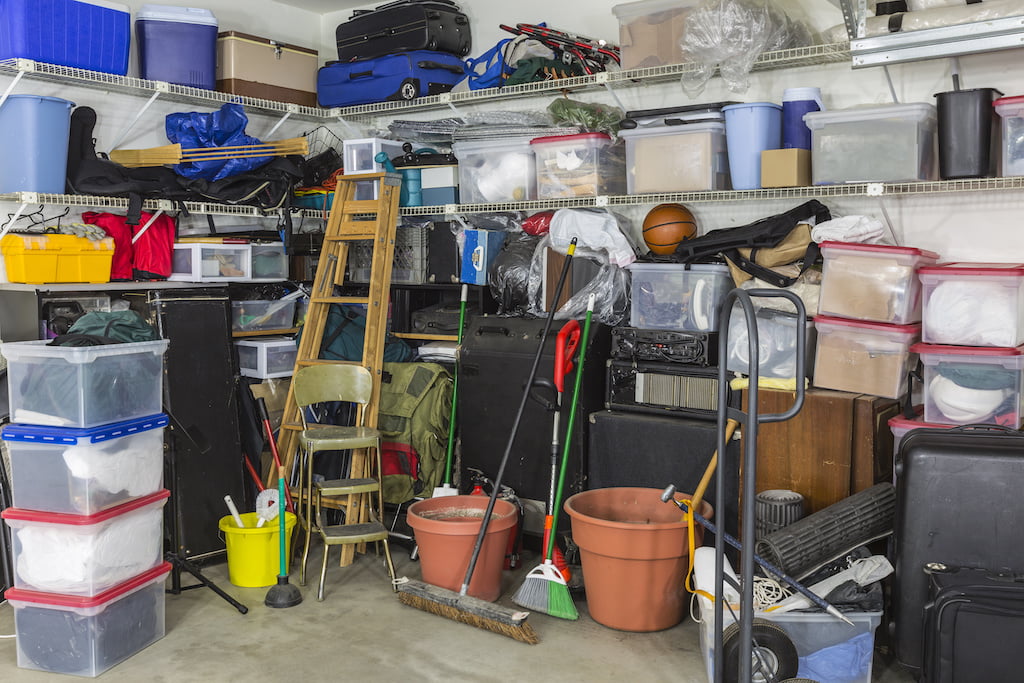
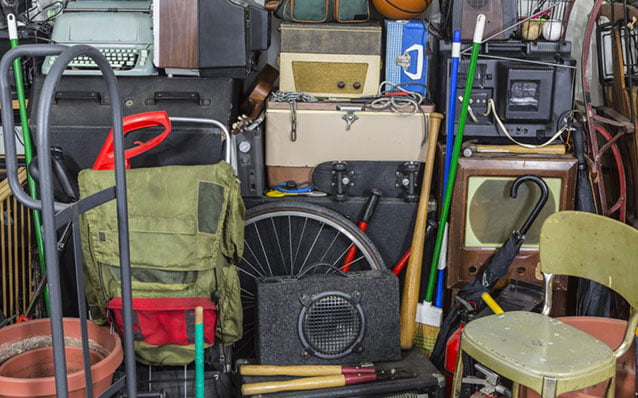
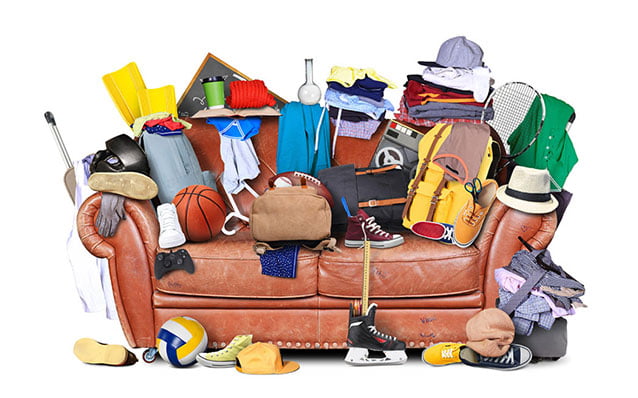
From storage clearances and classroom reorganisations to facility upgrades, these clean-ups produce heaps of rubbish, including broken equipment, packaging, old teaching materials, and mixed rubbish.
Professional rubbish removalists can handle general cleanup waste with ease.
Reasons Schools Require Major Cleanups
Schools produce heaps of waste regularly, but there are some situations that generate large volumes of waste. So, when do schools require major cleanups?
End-of-term Cleanups
It’s the end of term, and educators take this opportunity to dispose of outdated materials while custodians remove damaged furniture from rotation.
Scheduling rubbish removal during the quietest periods ensures safety, improves efficiency, and avoids disruption.
Renovations or Upgrades
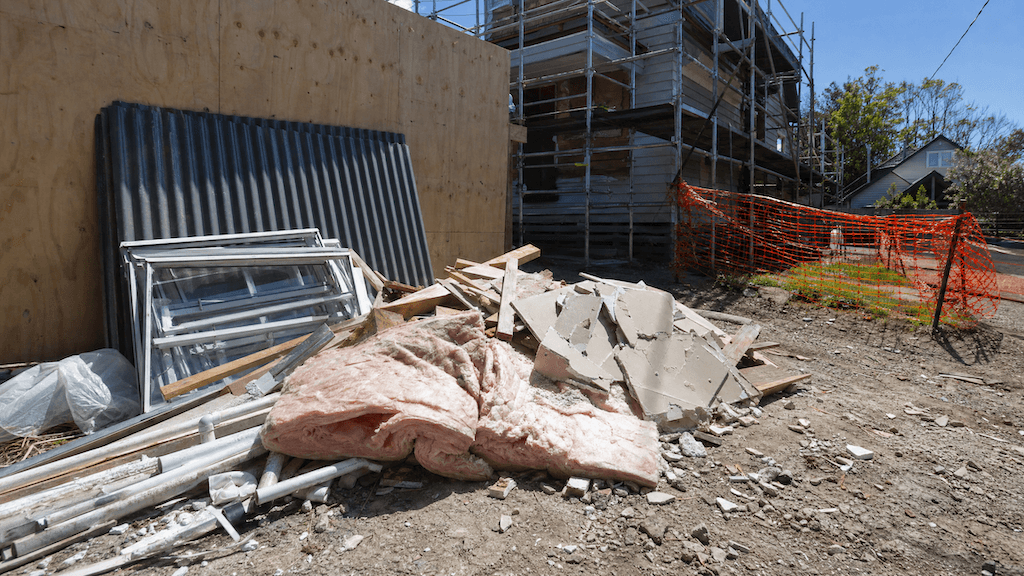
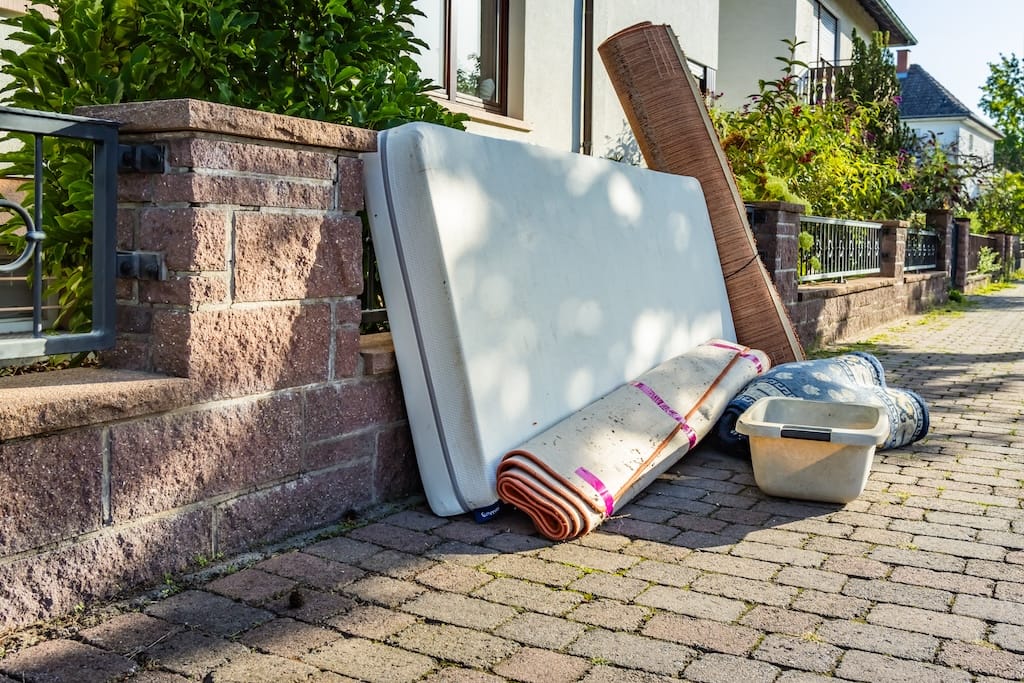
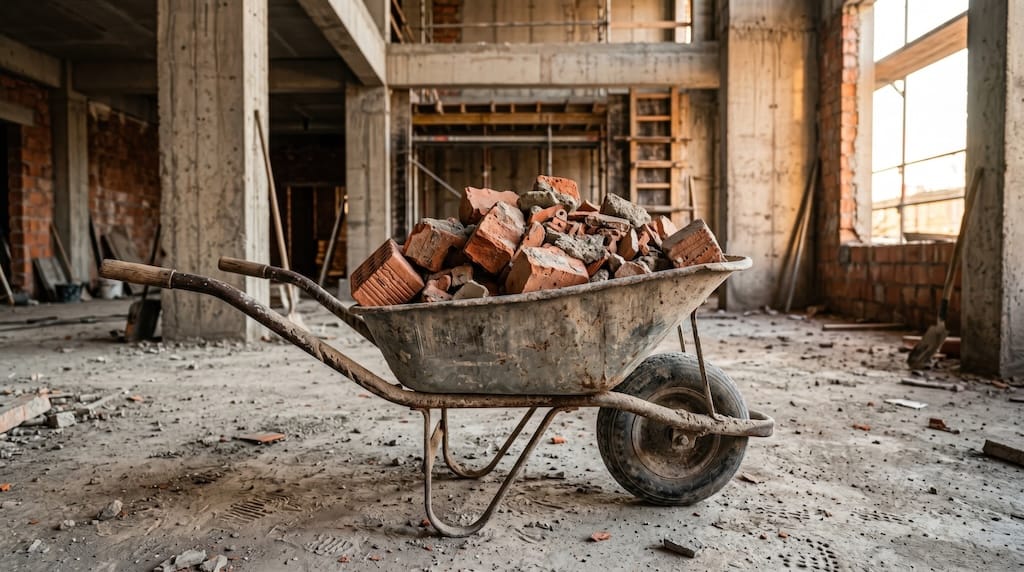
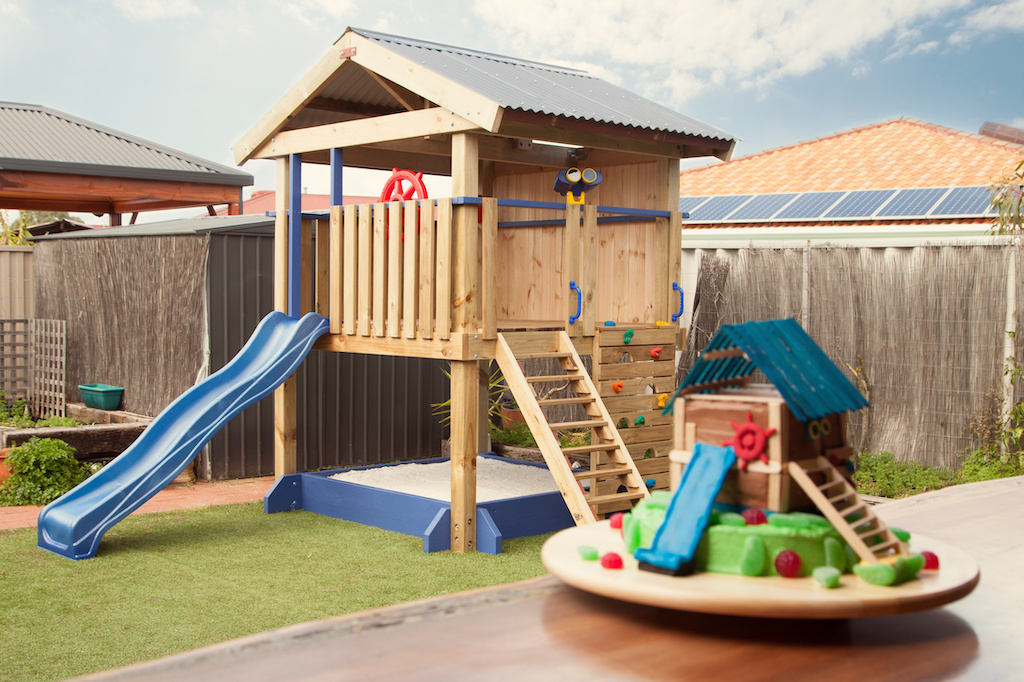
Whether the playground is being upgraded, you’re rolling out new technology, refurbishing the classrooms, or replacing desks, chairs, and other furniture, these actions produce waste.
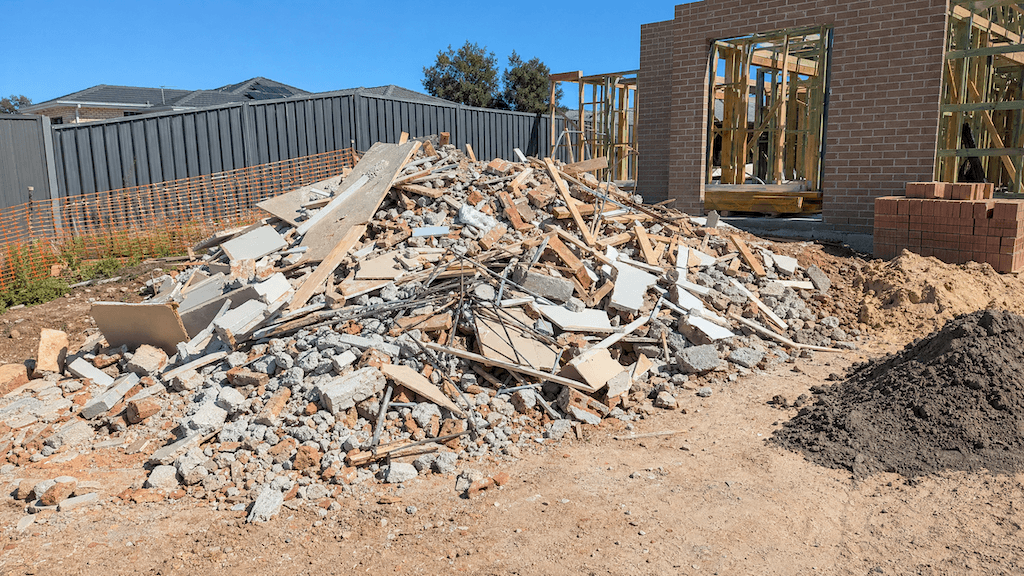
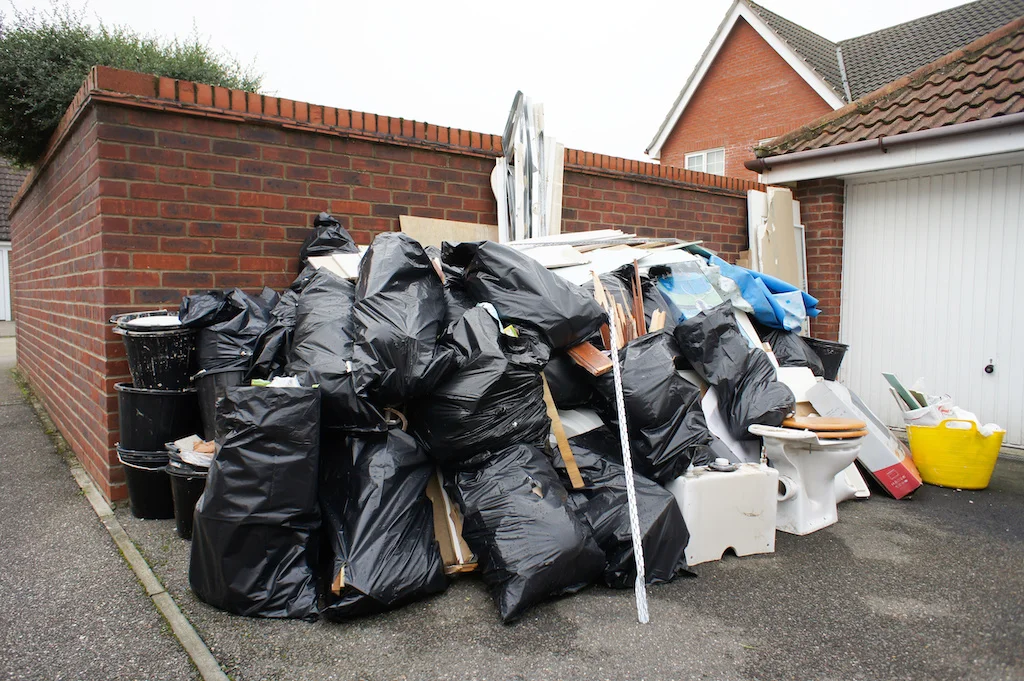
Upgrades and renovations generate large volumes of bulky waste and will require coordinated removal with a professional.
Storm Cleanup & Ground Maintenance
While seasonal pruning, tree removal, and general landscaping produce plenty of waste on their own, there’s also storm damage to consider.
Storms create emergency clean-up situations and require immediate response.
Strategies for Efficient School Furniture Removal
Complete a Waste Audit
Before you arrange for rubbish removal, you can reduce delays and avoid unexpected costs by assessing the size and quantity of rubbish, whether some items can be reused or donated, and what type of disposal is necessary for safe and efficient removal.
Group & Stage Furniture
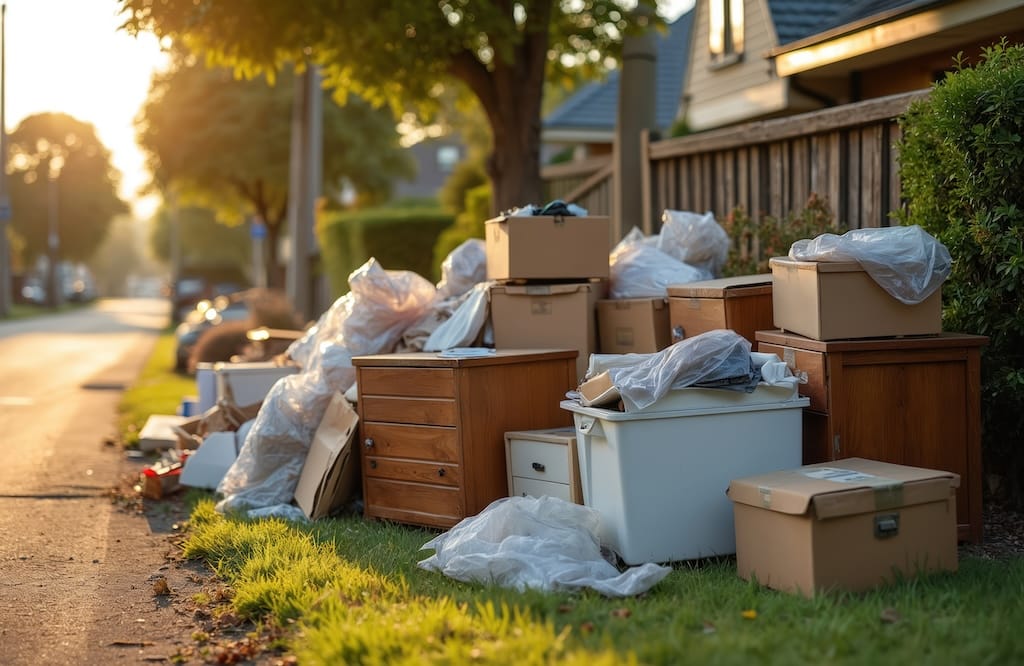
Assigning different collection zones to group your rubbish makes for safer handling, quicker loading, and minimises disruption to school operations. Staging the items will ensure a seamless workflow on the day of removal.
Schedule Rubbish Removal Wisely
The best time for rubbish removal is at weekends when students aren’t on site, after hours, or during the school holidays. Not only does it reduce safety risks, but it also avoids disrupting learning hours.
Reuse or Recycle
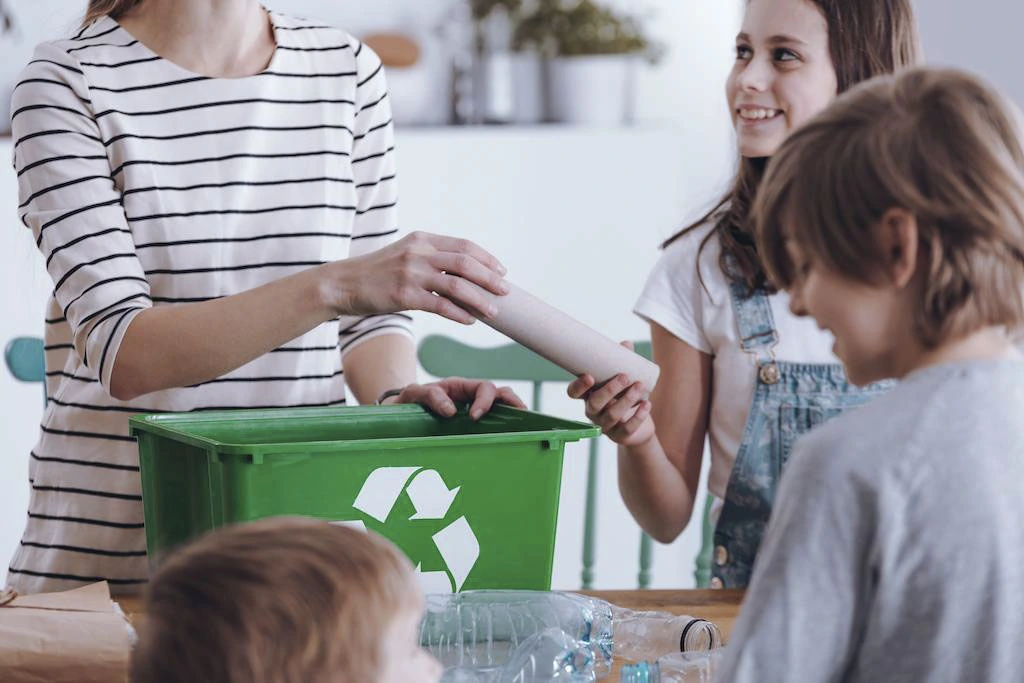
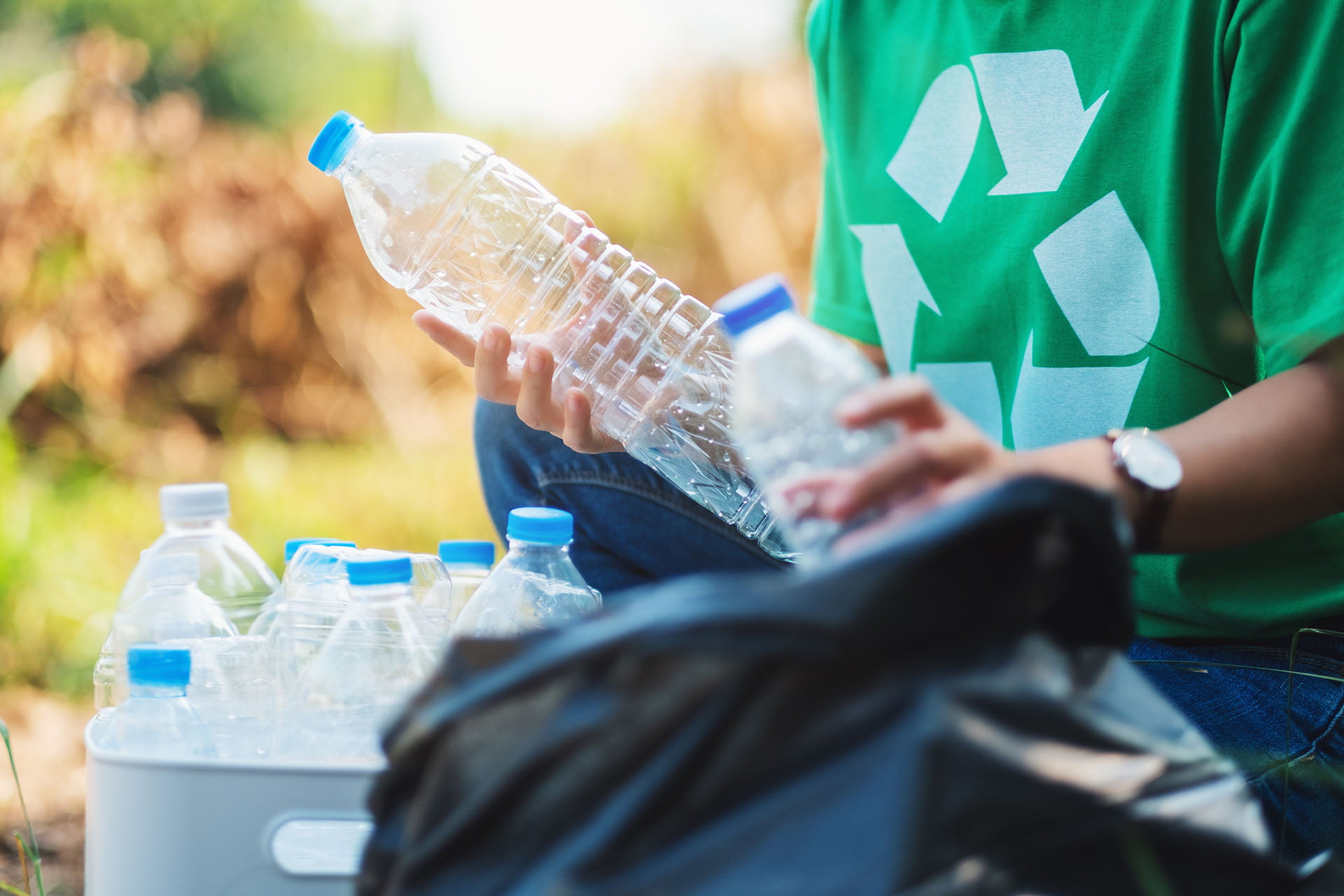
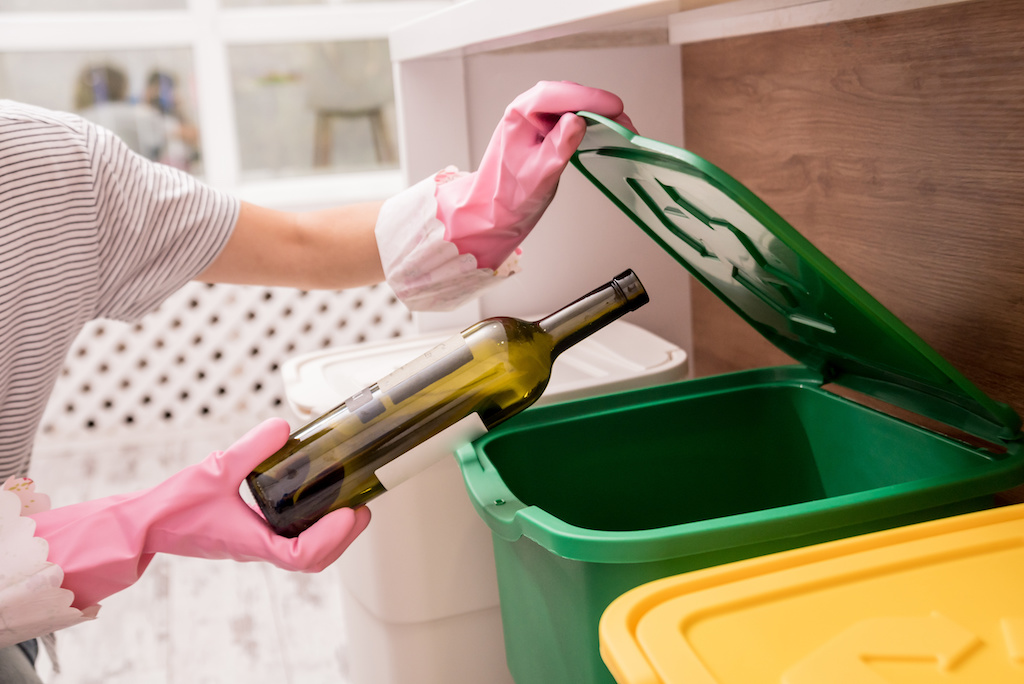
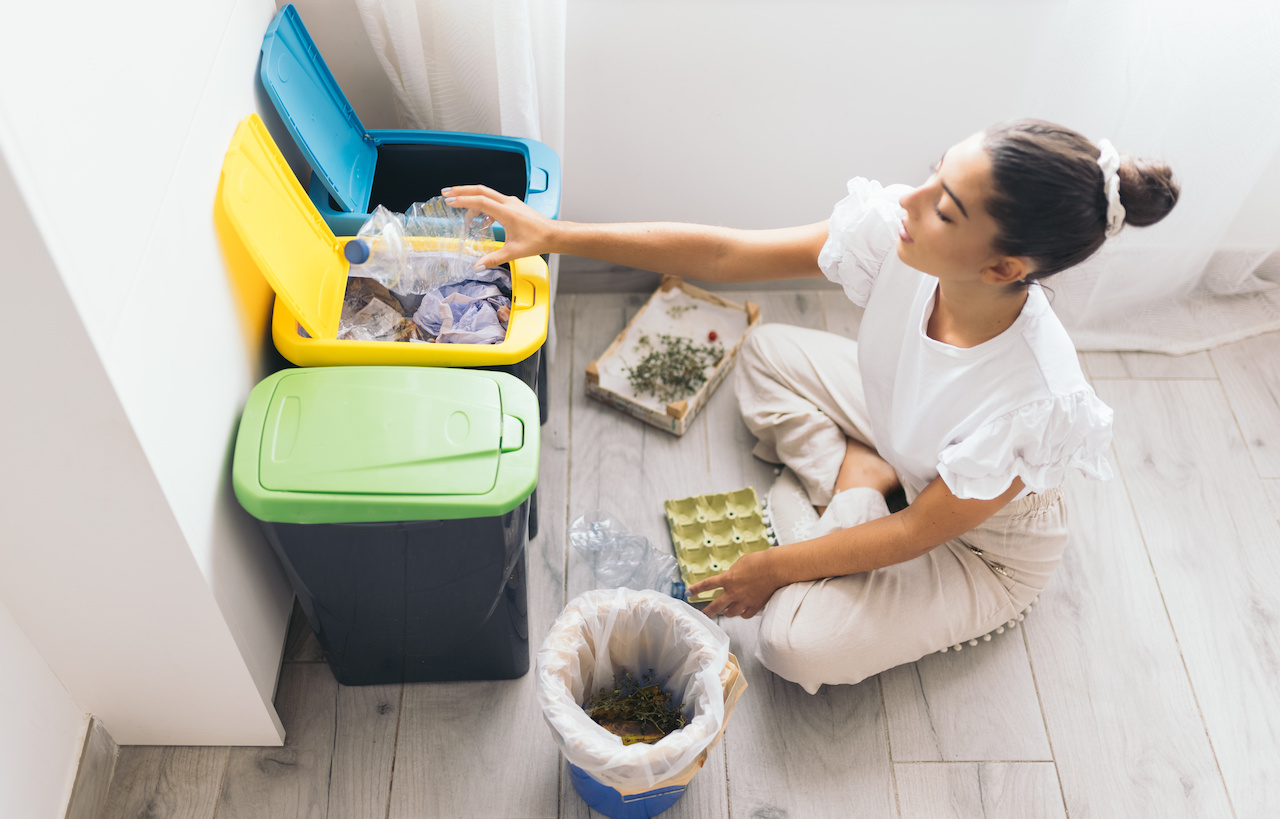
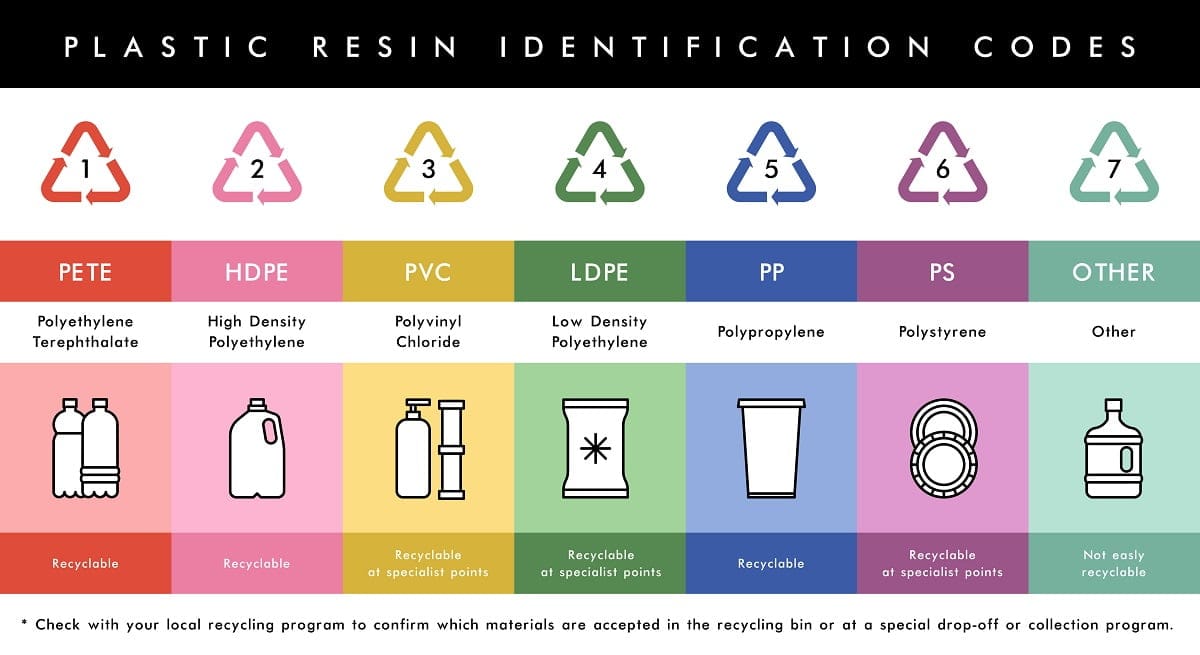
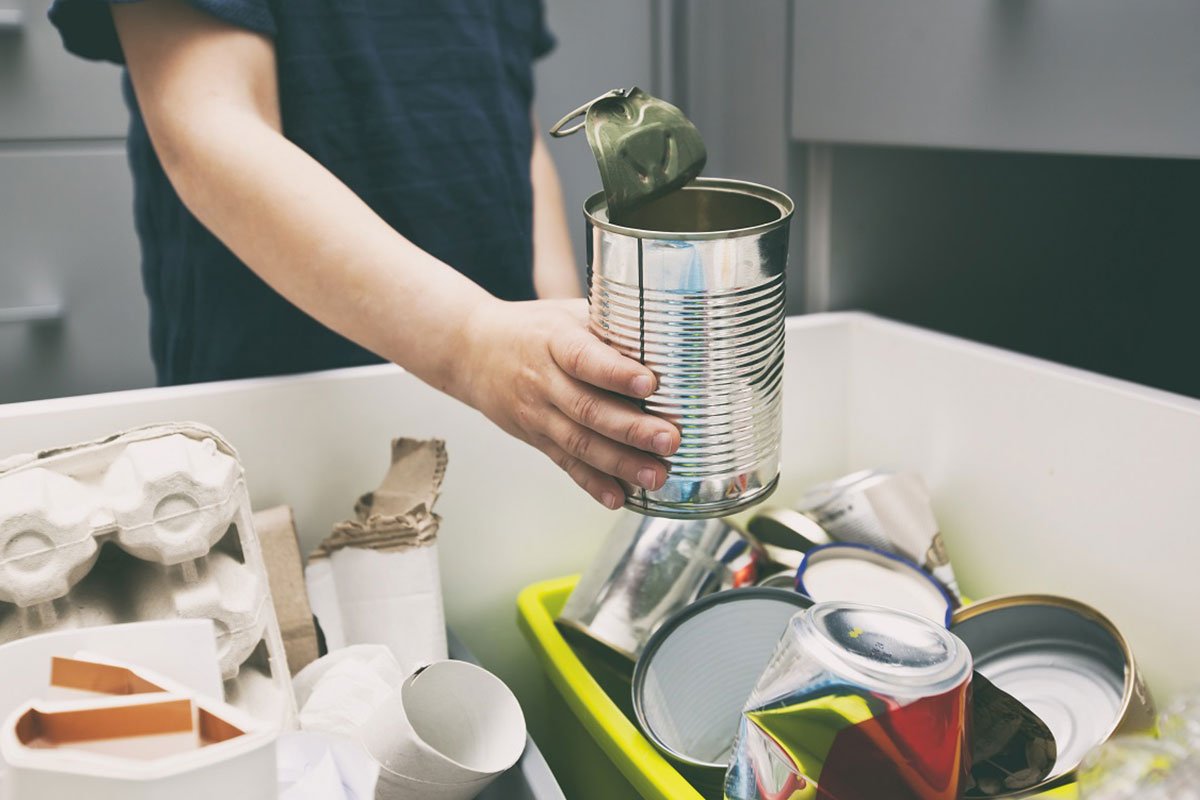
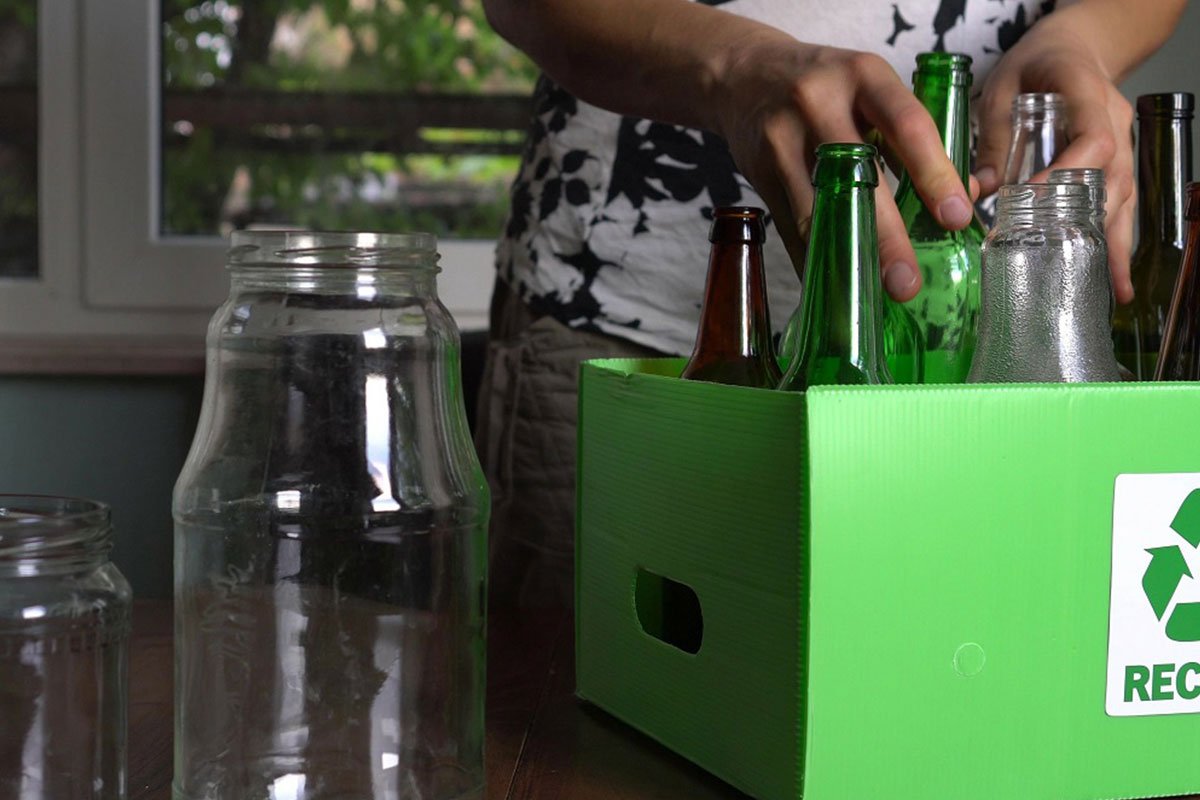
Australian schools are expected to utilise sustainable disposal practices, so consider whether old teaching materials can be donated or whether old furniture can be reused elsewhere in the sector. Likewise, consider whether the timber or metal components can be recycled if disassembled.
Best Practice for Green Waste Management on School Grounds
- Separate the green waste from the general waste to avoid contaminating organic materials with non-organic rubbish.
- Use proper storage areas, whether designated bins or piles, to protect student and staff health by preventing fire risks, pests, and trip hazards.
- Schedule a regular green waste uplift because routine removals prevent accumulation, and large campuses regularly generate organic waste.
Finding the Best School Waste Removal Service
Educators have a responsibility to students and staff, so you must select a rubbish removal service that offers flexible and reliable scheduling, has experience with bulk removals, can safely handle heavy items, adheres to proper disposal practices, and provides a fast response.
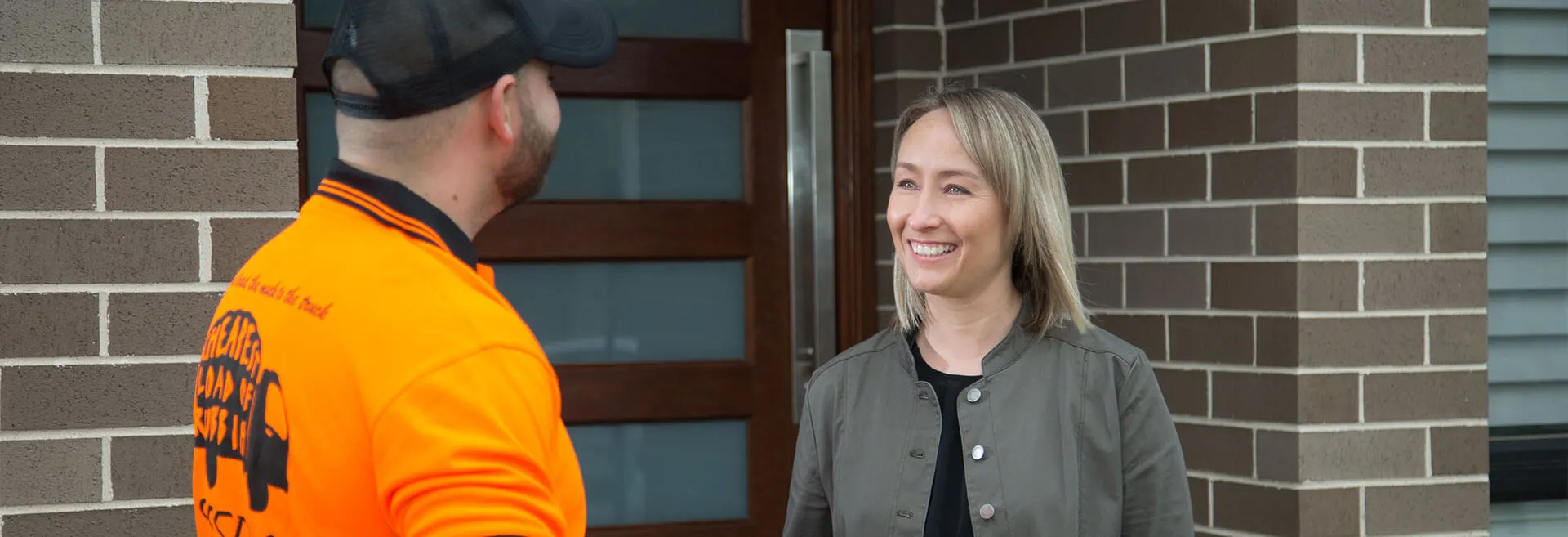
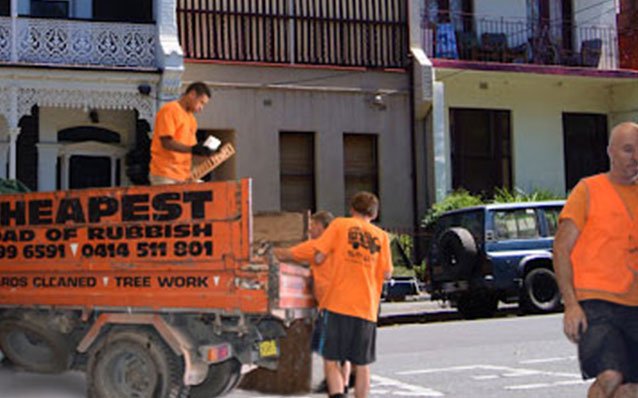
At Cheapest Load of Rubbish, we provide reliable, cost-effective rubbish removal services, provided by a team of trained removalists, experienced in handling school and large facility clean-ups. Whether you need a hand with green waste or furniture, Cheapest Load of Rubbish offers efficiency.
Safety Considerations for Your Next School Cleanup
Whether you’re handling the cleanup yourself or the teachers tackle their own classrooms, operational safety is key. Proper lifting will prevent injuries while ensuring clear walkways and pathways prevent trips and falls. Proper bundling is necessary to avoid potential hazards, and clear signage should be used to prevent injuries around broken furniture. Safety is paramount when children are present. It’s always wise to use a professional rubbish removal service if possible.
While a school cleanup will generate large volumes of waste of all types, with a bit of proper planning and professional help, you can ensure a safe and efficient removal process.
Always choose an experienced rubbish removal team to handle your school waste. Contact Cheapest Load of Rubbish to schedule a free quote.