Concrete is one of the trickier materials to deal with on any renovation, demolition or landscaping job. It is heavy, awkward to move in bulk and can affect rubbish removal costs differently to lighter household waste.
Here is what goes into concrete removal in Sydney, why a flat price rarely tells the full story and what to consider when getting a quote for your job.
Why Concrete Is Priced Differently
Concrete is considerably heavier than most general household rubbish, so even a relatively small pile can add substantial weight to a load.
That matters because the type and amount of rubbish both affect disposal costs. Heavy materials such as concrete can increase the overall weight of a load even when they do not take up much space in the truck.
Cheapest Load of Rubbish considers the type and amount of rubbish, along with location and access, when calculating rubbish removal pricing.
What Affects the Cost of Concrete Removal?
A few practical factors can affect the cost of removing concrete:
- The amount of concrete to be removed
- The weight of the material
- Whether the concrete is already broken into manageable pieces
- Access to the rubbish
- How far the material needs to be carried to the truck
- Whether the load also includes bricks, tiles, rubble or other building waste
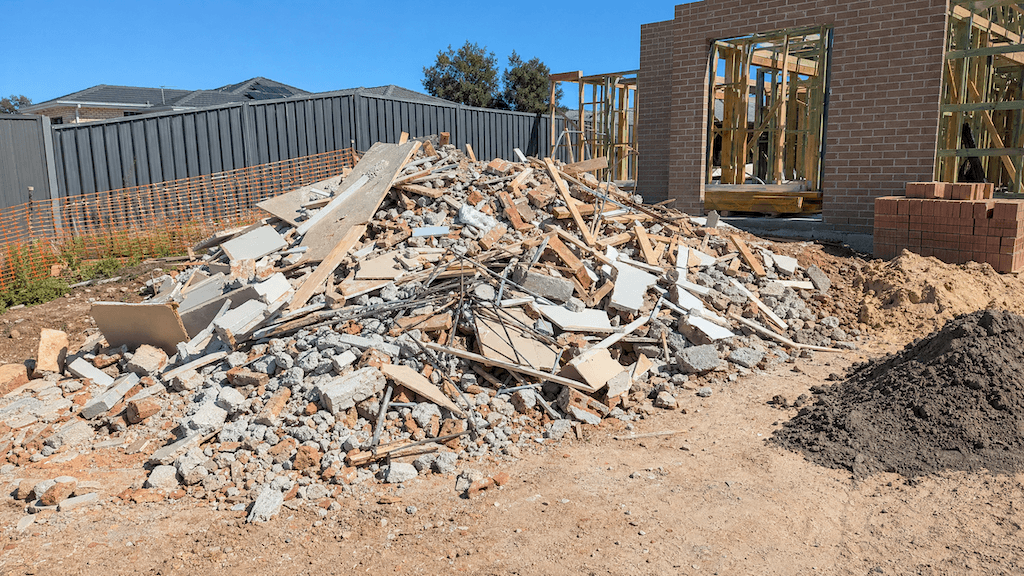
A pile of broken concrete beside a driveway can be a very different removal job to the same amount located at the back of a property with narrow access.
That is why seeing the rubbish and understanding the site generally gives a much better indication of cost than trying to estimate it from volume alone.
So What Will It Cost You?
There is no single price for concrete removal because every job is different.
A small pile of broken paving is very different to concrete and rubble from a driveway, demolition or major renovation. The amount of material, its weight and the access involved all influence the final quote.
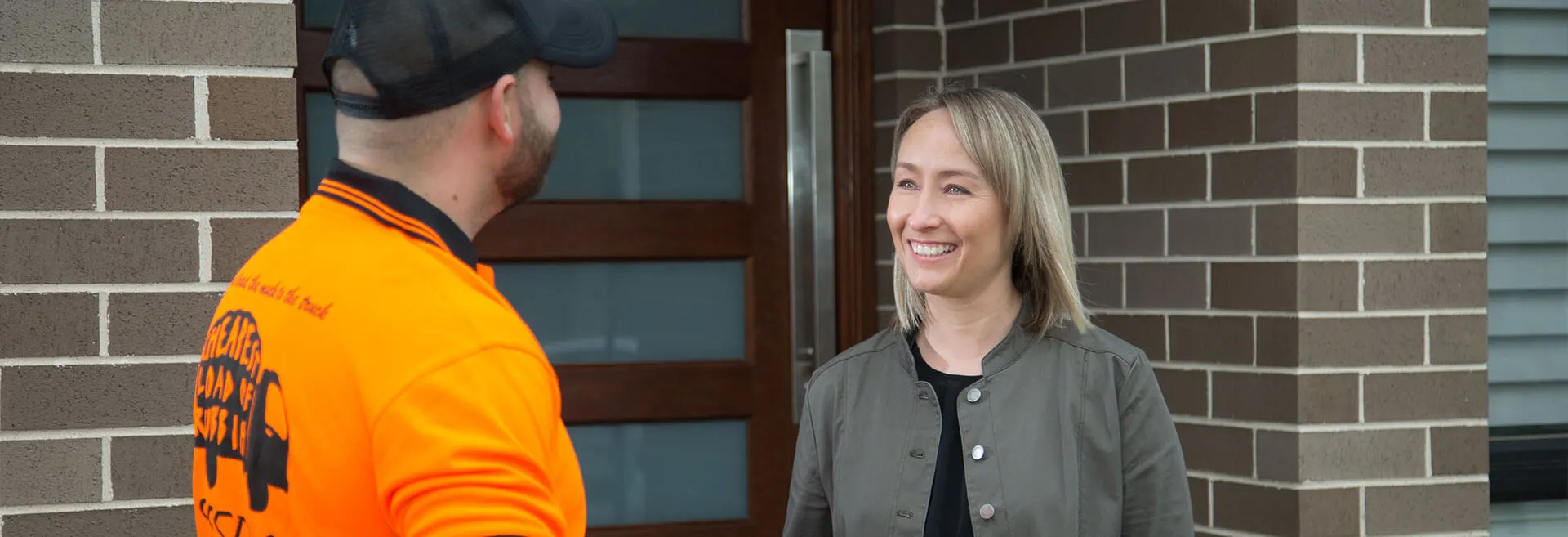
Cheapest Load of Rubbish offers free on-site assessments so the team can inspect the rubbish and provide an on-the-spot quote before removal begins.
If you are happy with the price, the rubbish can often be taken away straight away.
What Types of Concrete and Rubble Can Be Removed?
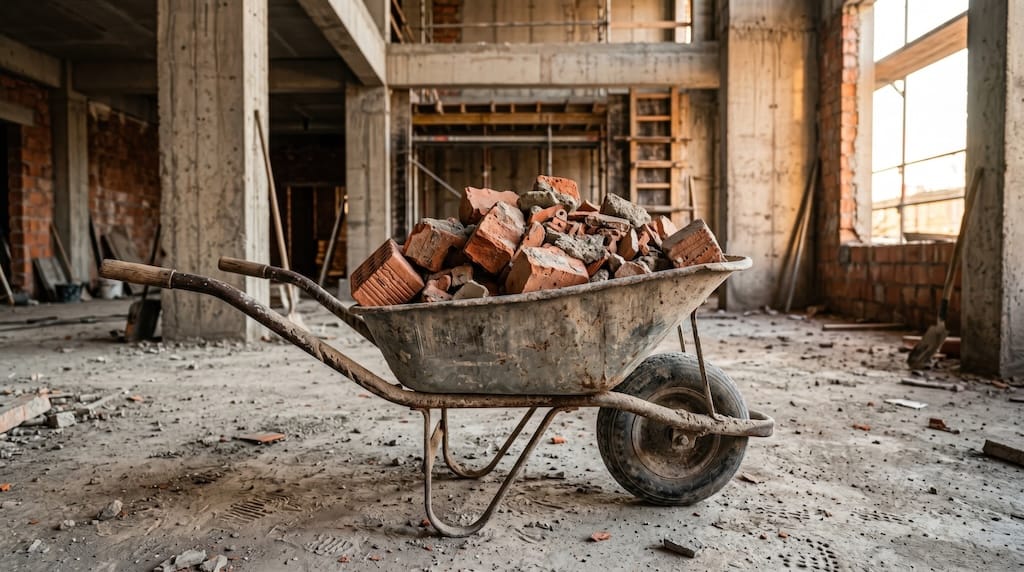
Cheapest Load of Rubbish removes a range of heavy construction materials, including:
- Concrete
- Bricks
- Pavers
- Tiles
- Stone
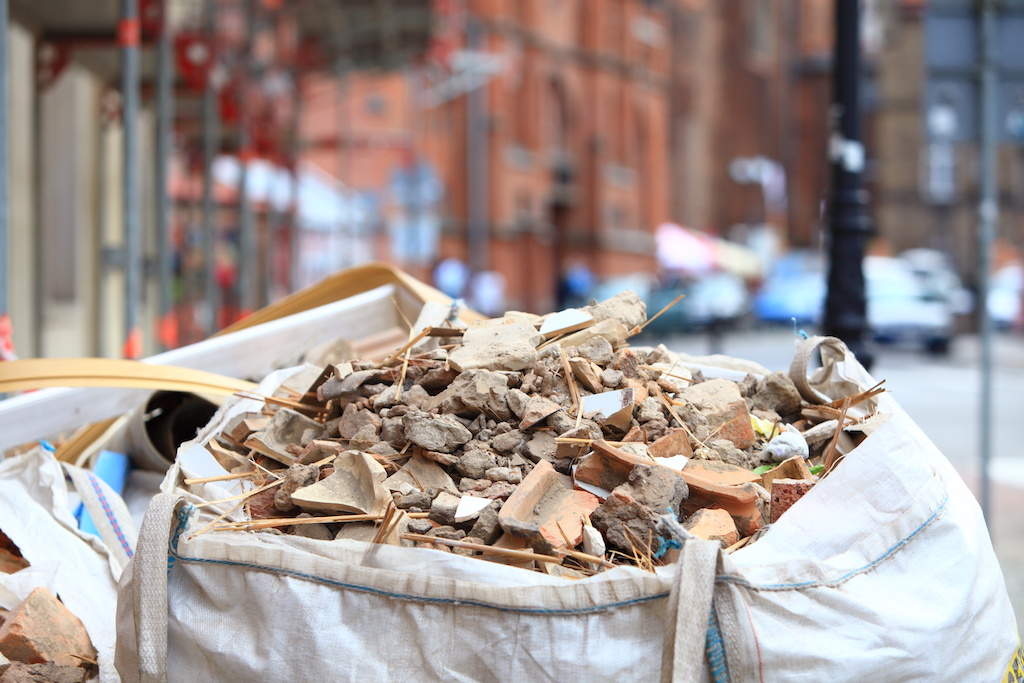
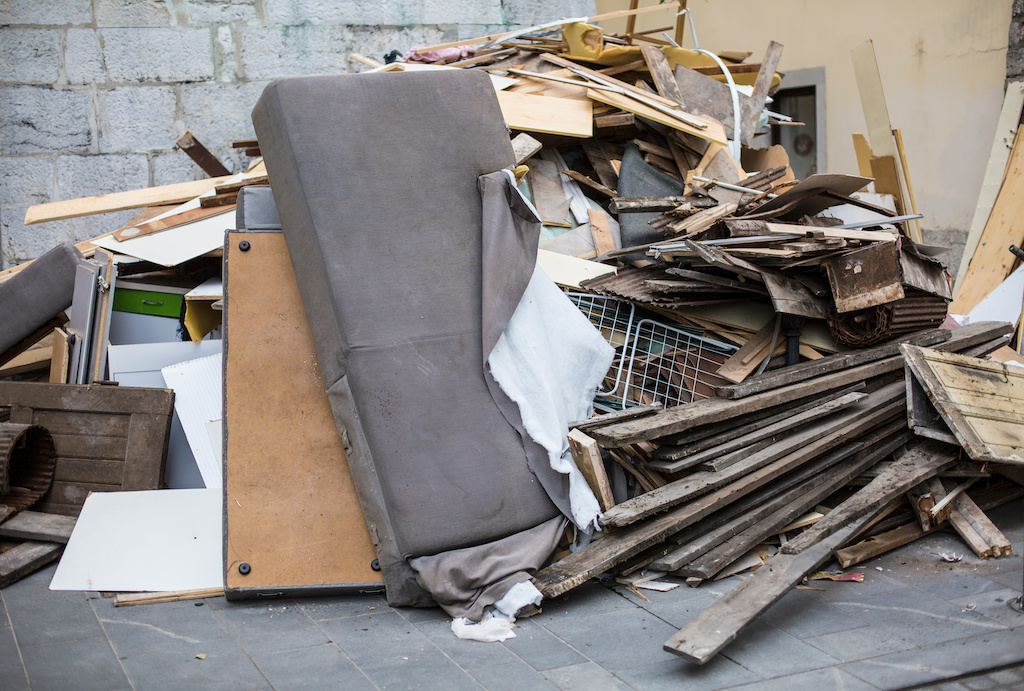
- Building rubble
- Other accepted demolition and construction waste
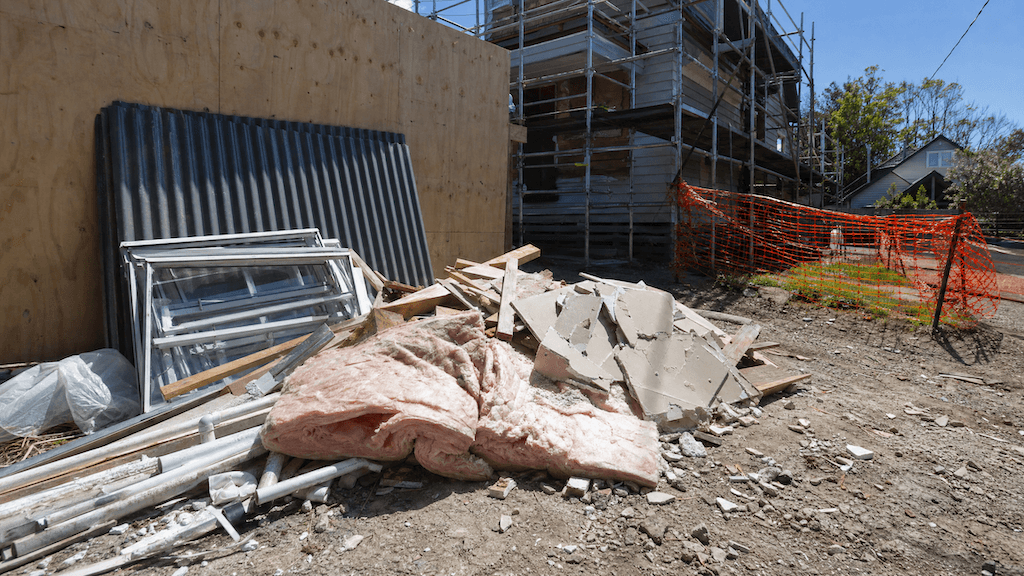
These materials commonly turn up during renovations, landscaping projects, demolition work and general building clean-ups.
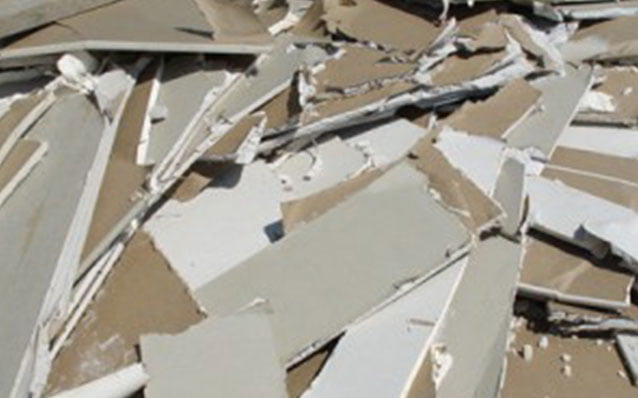
For larger projects involving mixed building debris, general building and demolition waste removal can also take care of timber, plasterboard, metal, glass, cardboard and other accepted construction materials.
Can Concrete Be Recycled?
Concrete is one of the construction materials that may be suitable for recovery and recycling rather than simply being sent to landfill.
Recovered concrete and similar demolition materials can be processed and crushed for use in applications such as road base and other construction products.
Exactly what happens to a particular load depends on the condition of the material and the recycling facilities available, but Cheapest Load of Rubbish sorts collected waste and aims to recycle and repurpose materials where possible.
DIY Removal vs Professional Help
Moving concrete yourself is physically demanding because a relatively small amount can become very heavy very quickly.
You also need a suitable vehicle, enough carrying capacity and somewhere appropriate to take the material once it has been loaded.
For a small amount of rubble, DIY disposal may be manageable. Once you are dealing with larger amounts of concrete, bricks or demolition waste, professional removal can save considerable lifting, transport and disposal work.
Cheapest Load of Rubbish comes to the property, loads accepted rubbish and takes it away, so you do not need to make repeated tip runs yourself.
Preparing for a Concrete Removal Job
If concrete has already been demolished, keeping the broken material together and making access as clear as practical can help the team assess and load the job efficiently.
You do not need to carry the concrete to the kerb yourself. The rubbish removal team handles the loading.
If access is unusual, such as stairs, a narrow side passage, limited parking or a long distance between the rubbish and the truck, mention it when organising your quote.
For broader building and renovation clean-ups, professional construction site clean-ups can also help clear accumulated rubble and other waste between project stages.
Common Concrete Removal Scenarios
Concrete removal comes up in all kinds of Sydney projects.
Common examples include:
- Broken driveways and paths
- Old paving and pavers
- Demolished garden slabs
- Concrete from renovation work
- Building and demolition rubble
- Bricks and tiles removed during landscaping or construction
Each job presents a different combination of material, weight and access, which is why an on-site assessment is useful before providing a final price.
Working Alongside Other Trades
Concrete removal often needs to happen at a particular point in a wider building or landscaping project.
A demolition or renovation stage may need to be cleared before new construction can begin. Landscaping work may require broken paving or concrete removed before new garden beds, paths or structures can be installed.
Planning rubbish removal around these project stages can help keep the work area clear and ready for the next trade.
Small Jobs vs Larger Concrete Removal
Not every concrete job involves a full driveway or demolition site.
You may only have a small pile of broken pavers, tiles or concrete from a home improvement project. At the other end of the scale, larger renovations and demolition jobs can generate substantial quantities of heavy rubble.
Cheapest Load of Rubbish handles rubbish removal jobs of different sizes, with the quote based on what actually needs to be collected.
For smaller residential projects, renovation and DIY rubbish removal can also include accepted building rubble and renovation waste.
Why Concrete Can Be Hard to Estimate
A pile of concrete can look relatively small while still being extremely heavy.
This makes visual estimates difficult, particularly when comparing concrete with lighter rubbish such as furniture, cardboard or household clutter.
It is also why it is important to tell the rubbish removal company exactly what type of waste you have. A truck containing mostly concrete is a very different load to the same truck space filled with lighter household items.
An on-site assessment gives the team a chance to see both the amount of material and the access before providing a price.
Concrete Removal for Landscaping Projects
Landscaping projects are another common source of concrete and rubble.
You might be removing an old paved area to create garden beds, taking out a cracked path or clearing unwanted concrete and pavers before installing a new outdoor area.
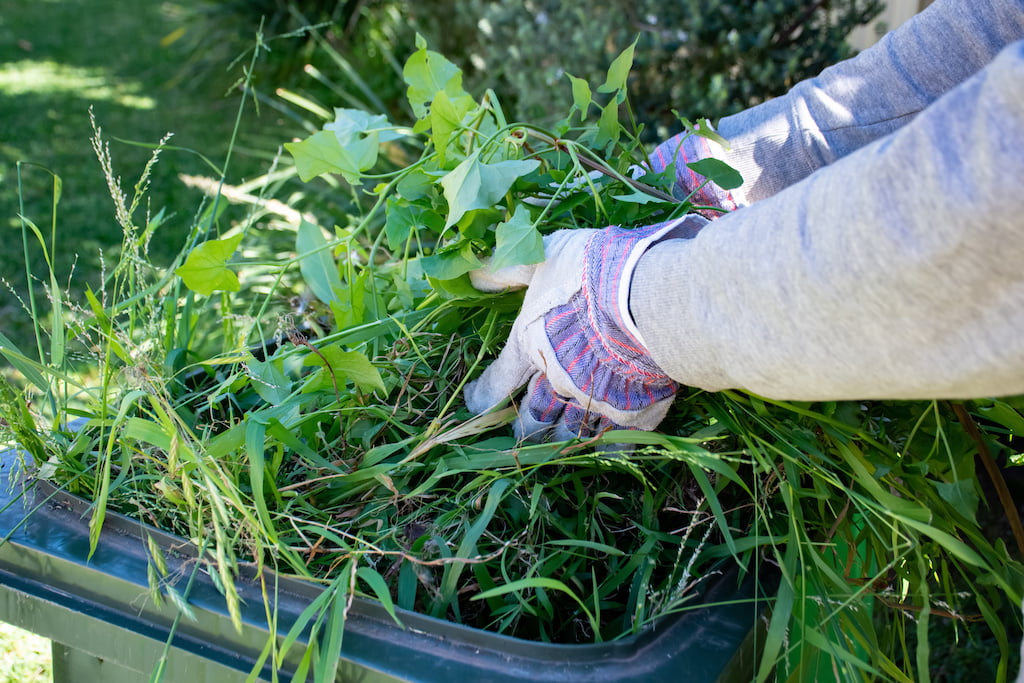
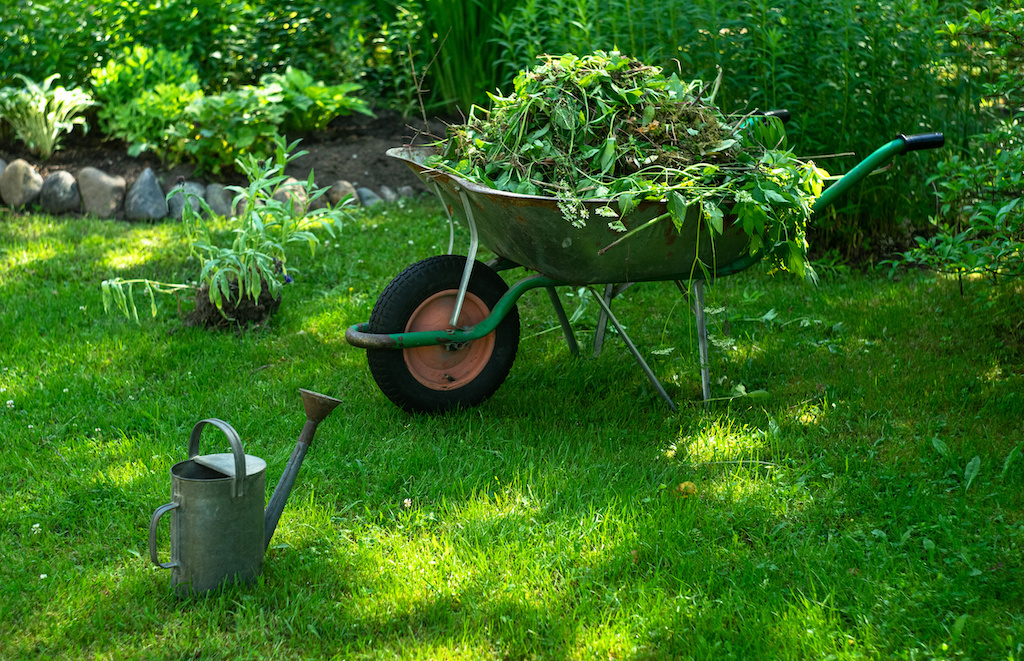
These jobs can also involve other types of rubbish, including soil, stone, timber or green waste.
If your project involves several different waste types, tell the team what is included when requesting your quote so the full job can be assessed.
What If You’re Not Sure How Much Concrete You Have?
You do not need to know the exact weight of the concrete before requesting a quote.
A basic description of the job is enough to start the conversation. You might describe it as broken paving from a courtyard, rubble from a bathroom renovation or concrete from an old garden slab.
The free on-site assessment then allows Cheapest Load of Rubbish to inspect what is actually there and provide an accurate quote.
You can also check what Cheapest Load of Rubbish can take if your load contains other unusual construction materials.
The Bottom Line
Concrete removal costs depend on more than how big the pile looks.
The type and amount of concrete, its weight and the access involved all influence the job. That makes an on-site assessment particularly useful for heavy construction waste.
With more than 30 years of rubbish removal experience, Cheapest Load of Rubbish removes concrete, bricks, tiles, rubble and other accepted construction waste from sites across Sydney.
Contact Cheapest Load of Rubbish for a free, no-obligation on-site quote for your concrete removal job.
Frequently Asked Questions
Do you remove concrete from renovation and demolition jobs?
Yes. Cheapest Load of Rubbish removes concrete, bricks, tiles, pavers and other accepted building and demolition waste from renovation, construction and clean-up projects.
Do I need to break up the concrete before you arrive?
Cheapest Load of Rubbish provides rubbish removal rather than demolition services. If you have an intact slab that still needs to be demolished, arrange the demolition first. Once the concrete is ready for removal, the team can assess the rubble and provide a quote.
Is concrete recycled or does it go to landfill?
Concrete and other building materials may be suitable for recycling or resource recovery depending on the material and available facilities. Cheapest Load of Rubbish sorts collected waste and aims to recycle and repurpose materials where possible.
Can you collect concrete from difficult-to-access areas?
Cheapest Load of Rubbish can access many properties with challenging access. Let the team know about narrow passages, stairs, limited vehicle access or other site restrictions when requesting your quote.
Why is concrete removal difficult to price without seeing the job?
Concrete is extremely heavy, and the price can also be affected by the amount of material and the access involved. A free on-site assessment allows the team to see the rubbish and provide a quote based on the actual job.
Can concrete removal be arranged as part of a larger construction clean-up?
Yes. Concrete can be removed alongside other accepted construction and demolition rubbish. Let the team know everything that needs to go when arranging your quote.