If you’re managing a property, whether you’re an agent, a landlord or a homeowner getting ready to sell, waste removal is almost always part of the job. But not all rubbish is the same, and the way you handle renovation waste versus green waste makes a real difference to your costs, your timeline and the environment.
Here’s a clear breakdown of the two categories, what they include, and how to handle each one efficiently.
What Is Real Estate Green Waste?
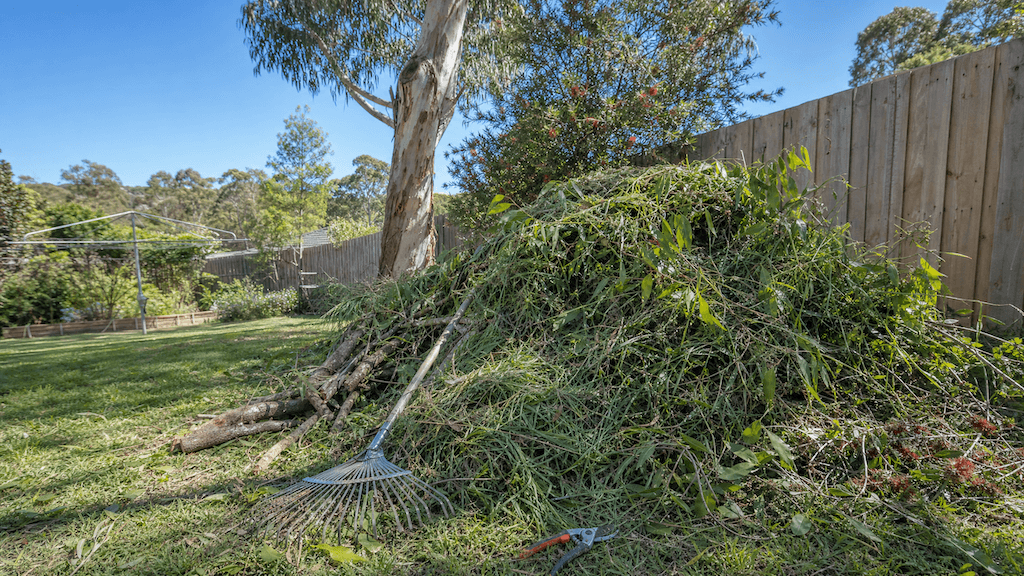
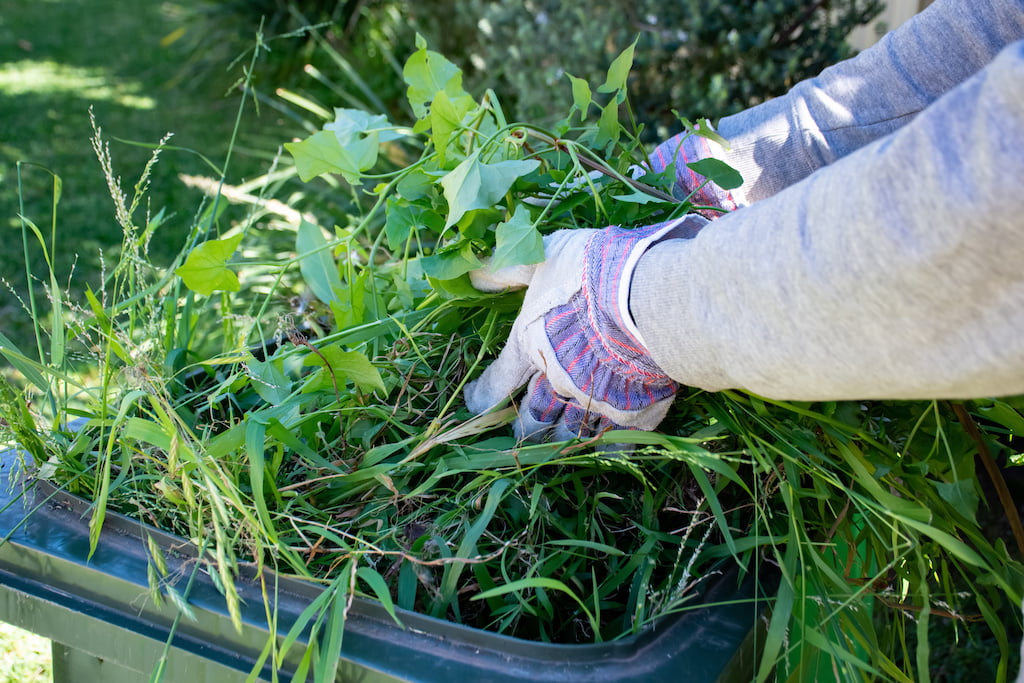
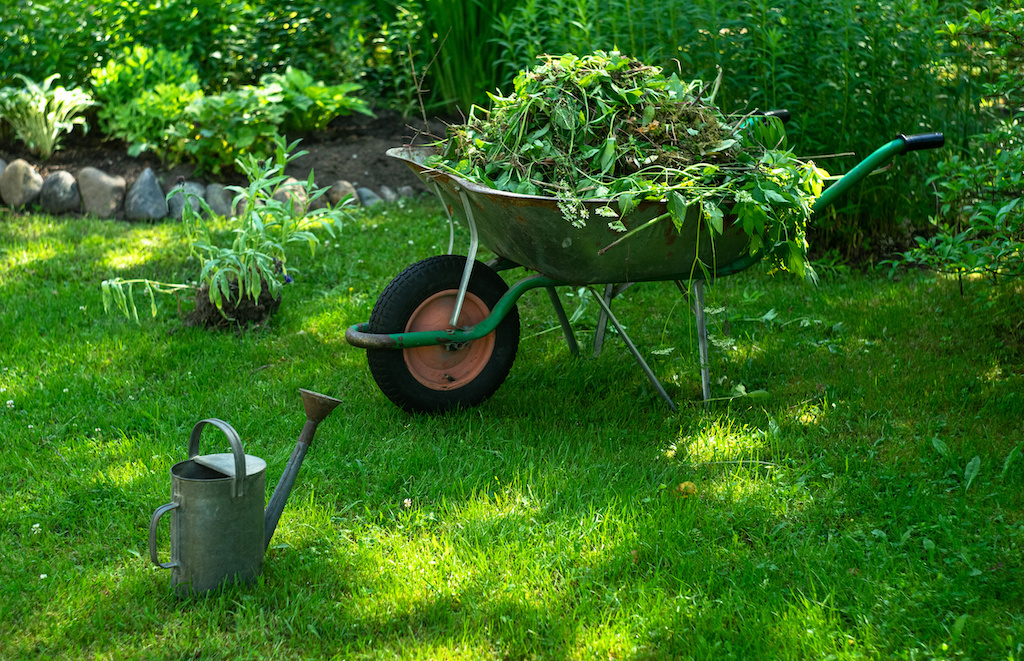
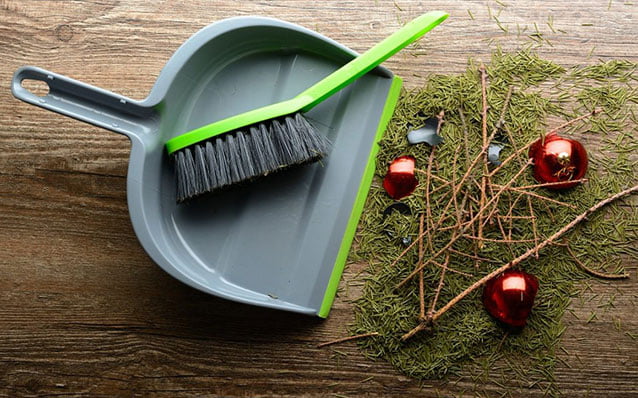
Green waste is organic material from gardens and outdoor areas. For real estate, this typically includes:
- Tree branches, logs and stumps
- Lawn clippings and leaf litter
- Pulled-up shrubs, roots and garden beds
- Overgrown hedging and garden trimmings
- Soil and turf from landscaping work
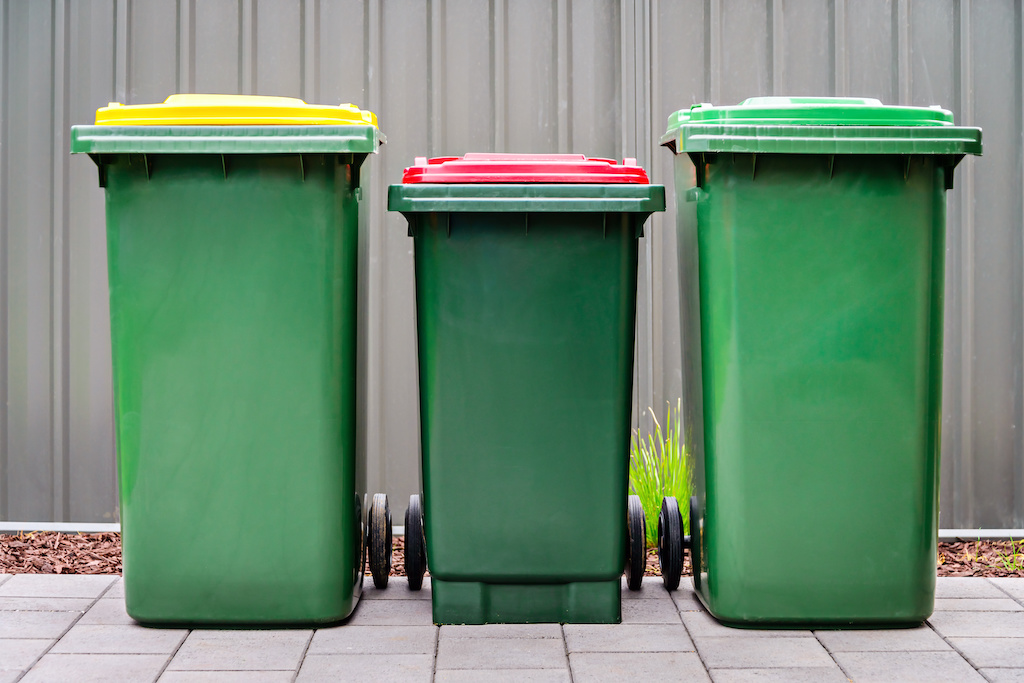
In Sydney, most councils collect green waste via the green-lid bin every week. However, larger volumes, particularly after a full garden overhaul or tree removal, won’t fit in a standard bin and need professional removal.
Our garden rubbish removal service handles everything from light garden tidying to substantial post-renovation green waste, including hard-to-move items like large root balls or heavy soil loads.
What Is Real Estate Renovation Waste?
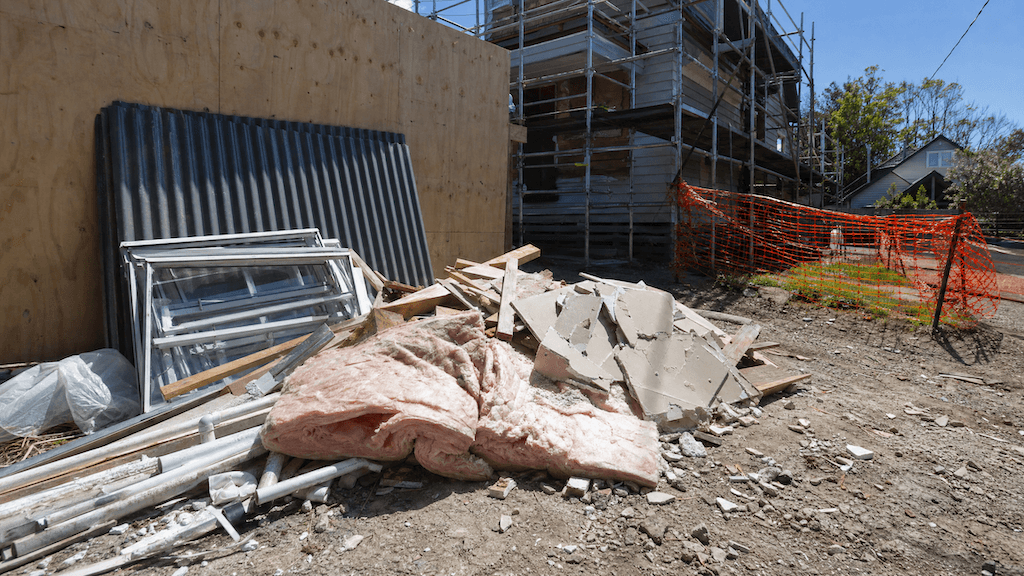
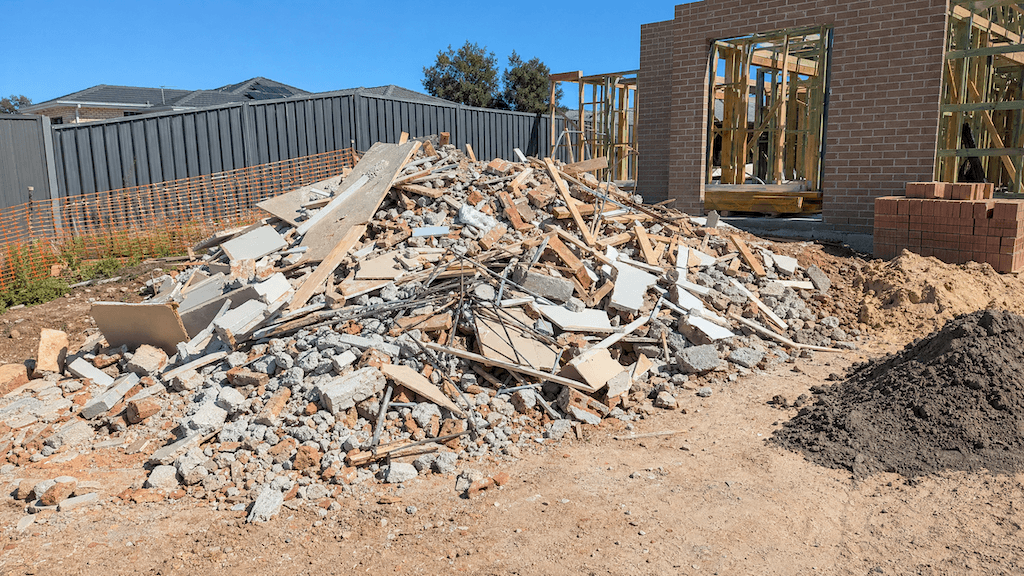
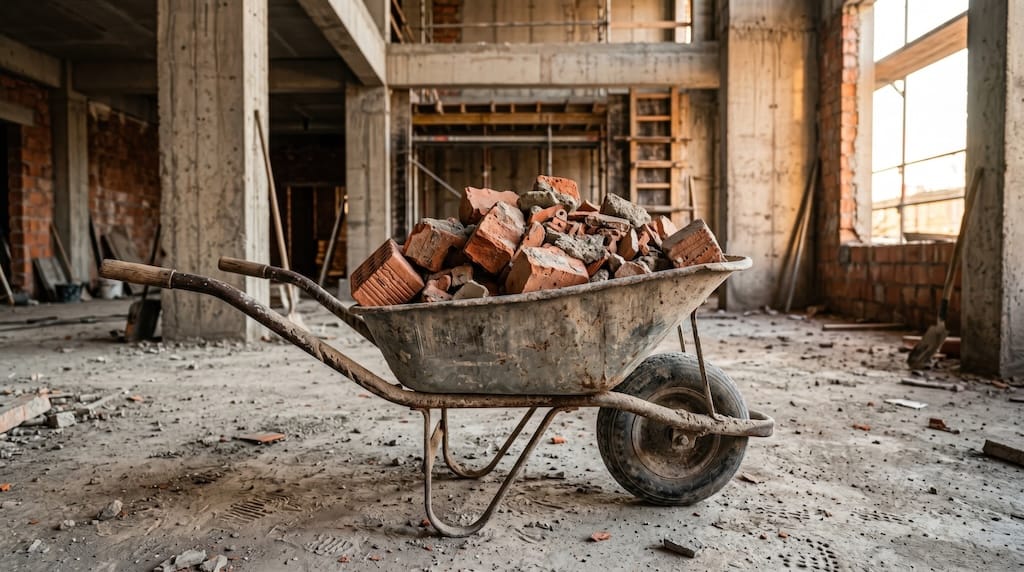
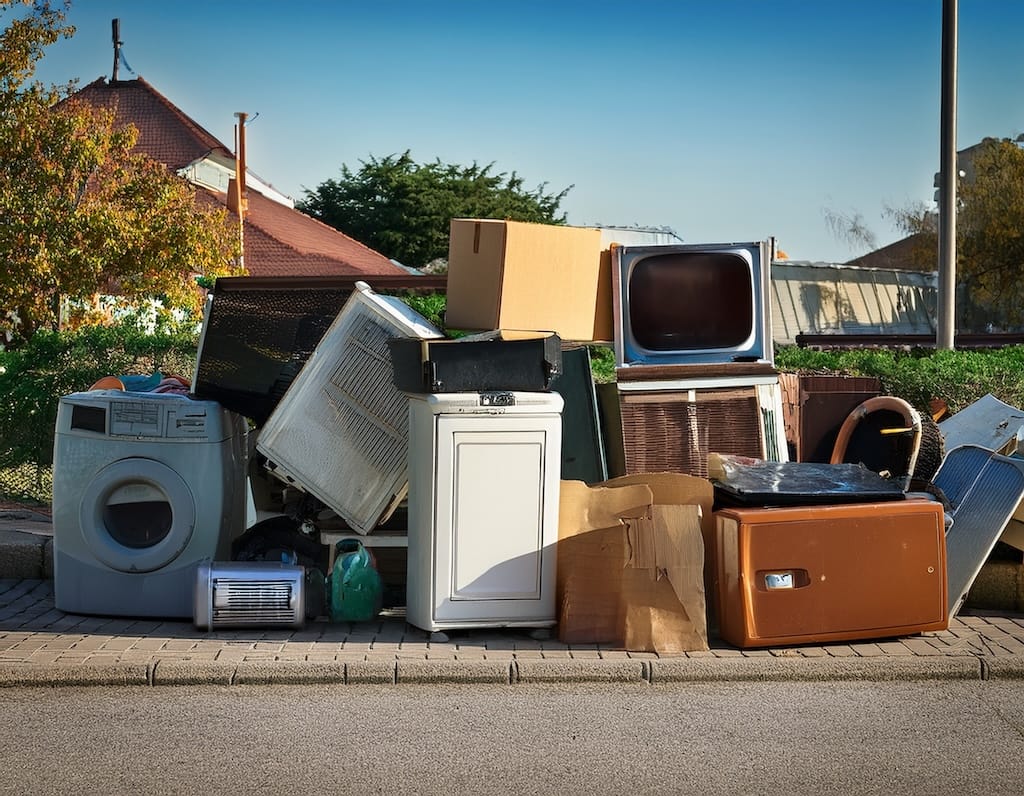
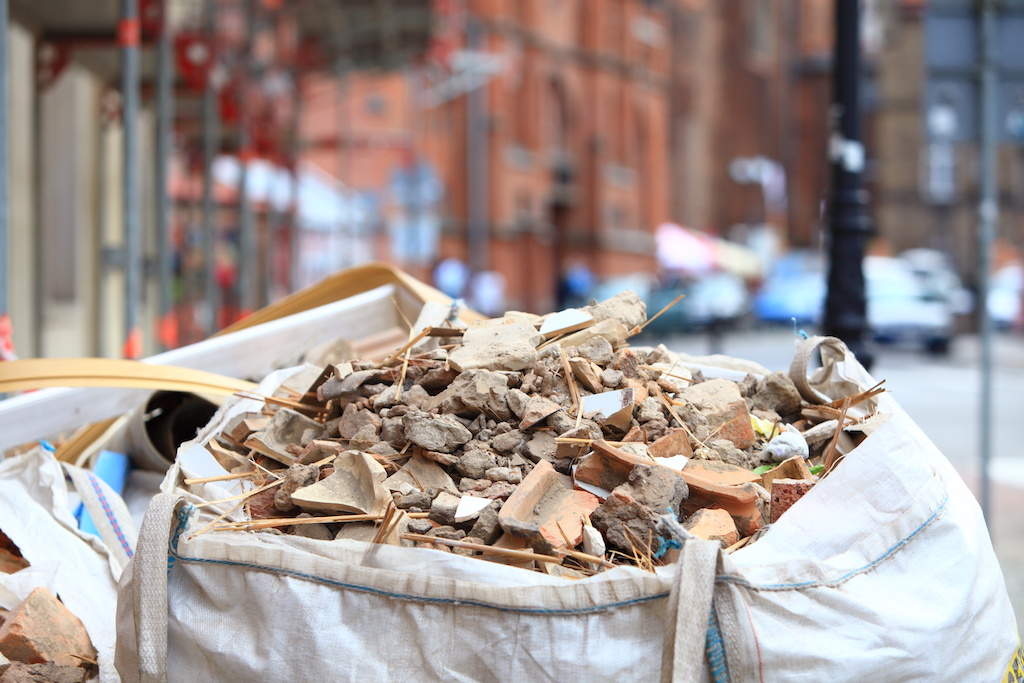
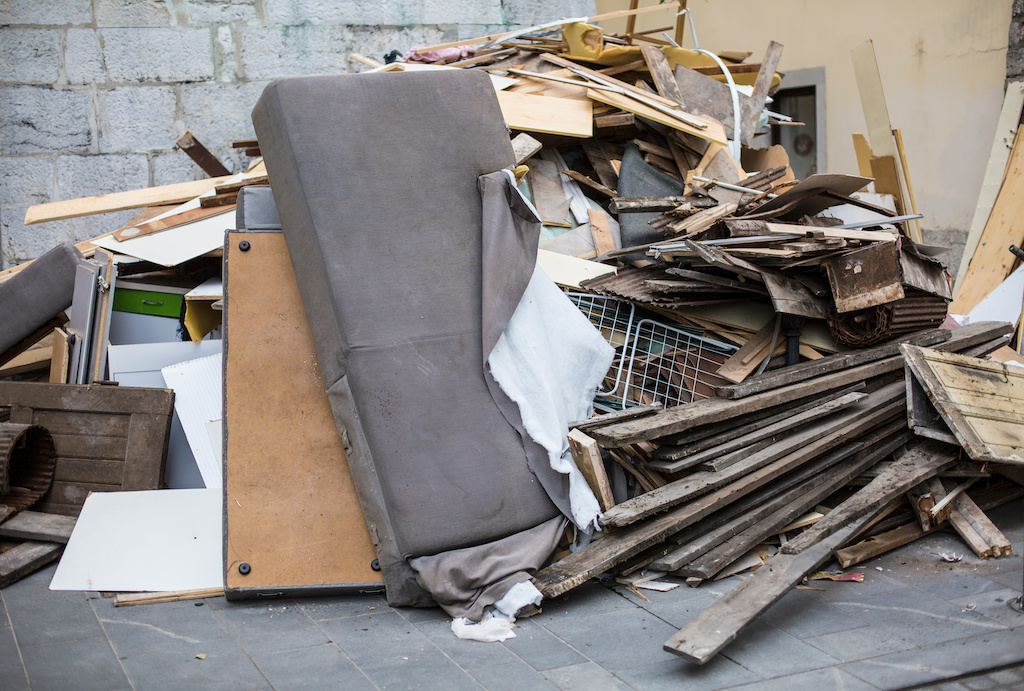
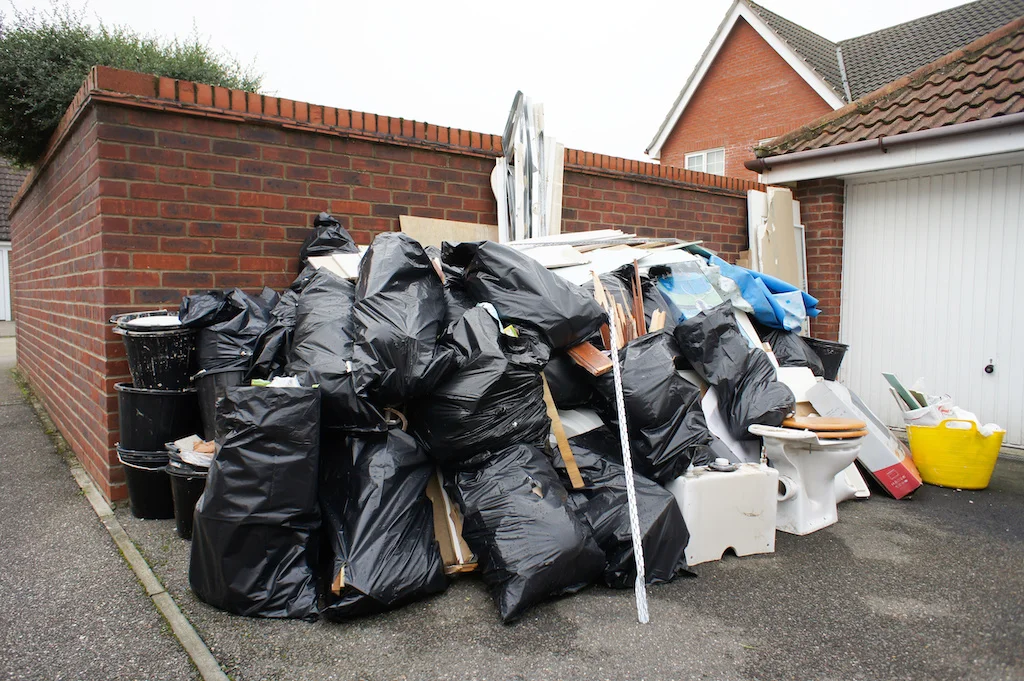
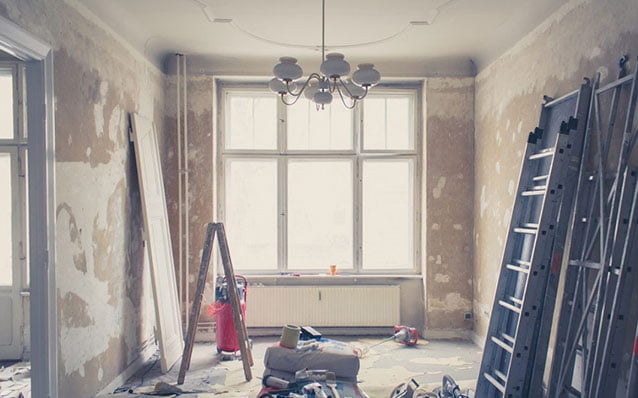
Renovation waste, also called building or construction waste, is a completely different category. It includes:
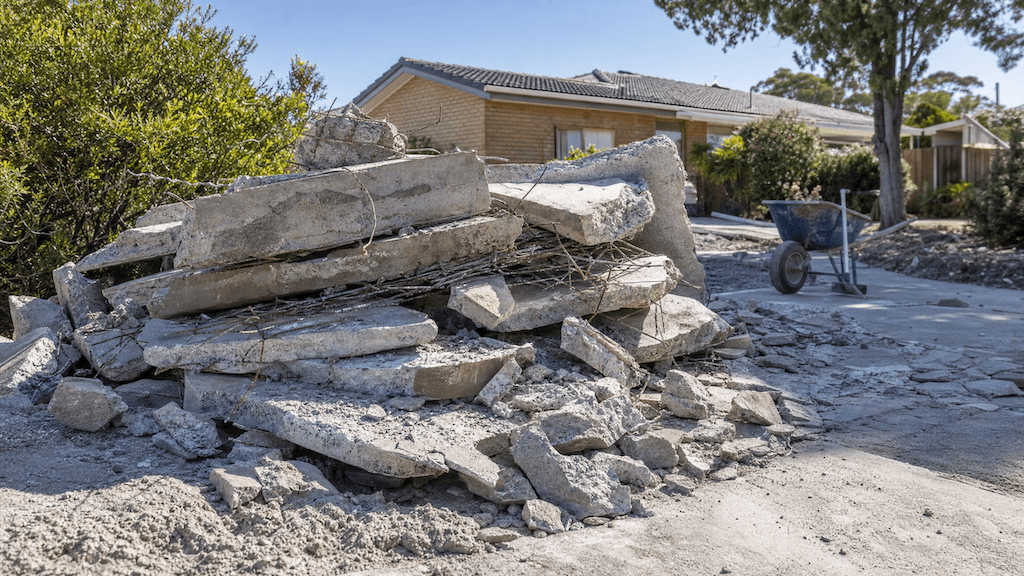
- Tiles, bricks, concrete and rubble
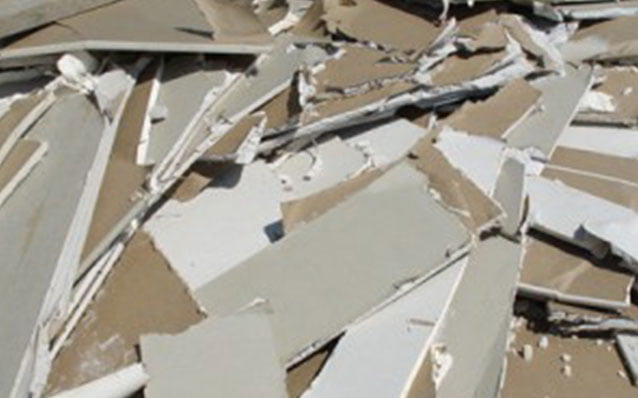
- Plasterboard, insulation and wall linings
- Timber, flooring and formwork
- Old kitchen and bathroom fittings
- General builder’s rubble from knock-downs or DIY projects
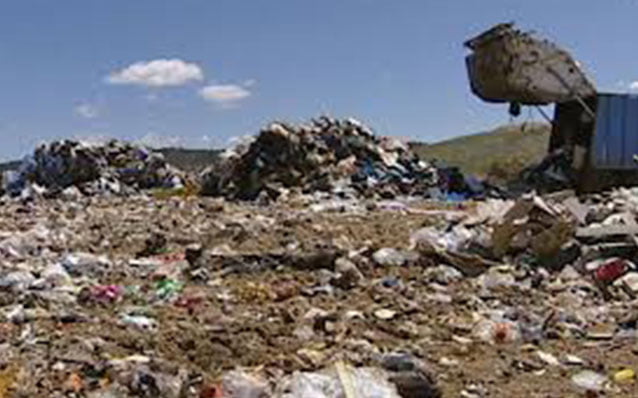
Renovation waste is heavier, often bulkier and more expensive to dispose of than green waste. It also needs to go to a licensed facility that accepts construction materials, which is why you need a removalist who knows the difference.
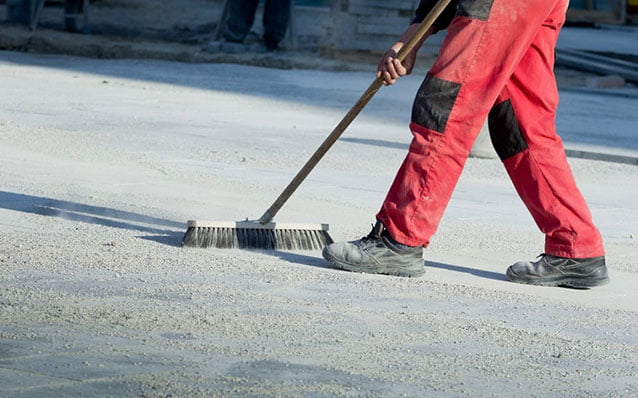
We handle all types of renovation and DIY rubbish, as well as full construction site clean-ups for larger projects.
Why Does the Distinction Matter?
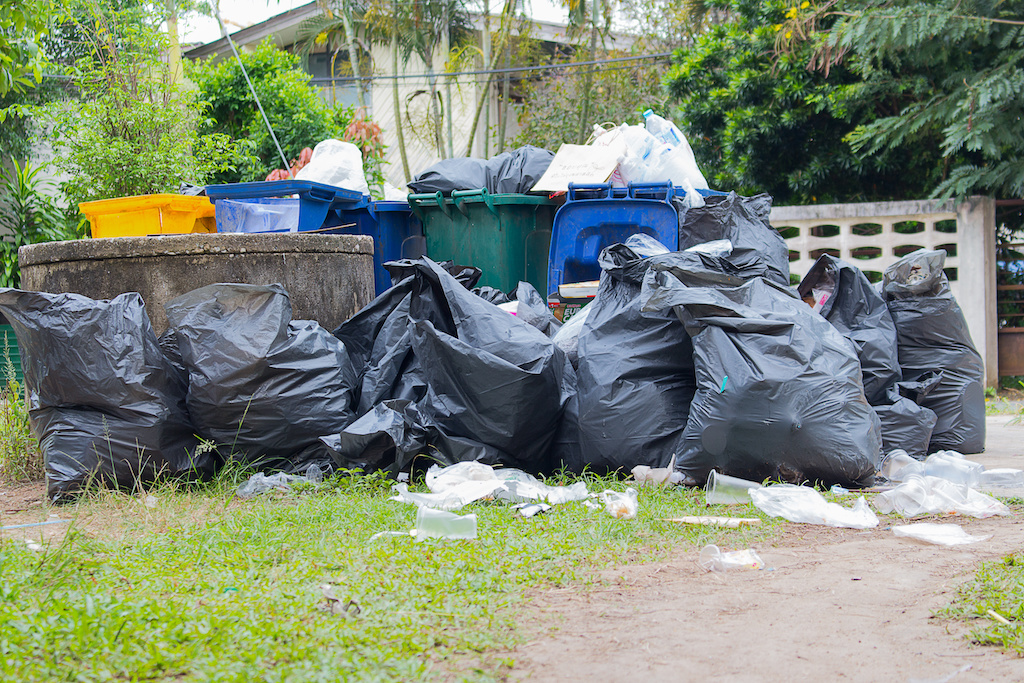
Mixing green waste with renovation rubble creates two problems. First, it drives up your disposal costs because the load can’t be sent to a composting or mulching facility; it all gets treated as mixed waste. Second, heavier materials like concrete significantly increase the weight of your load, which affects pricing.
Keeping them separate, even roughly, is one of the simplest ways to reduce costs. When you call us for a free quote, we can advise the best approach based on what you’ve got.
What About Real Estate Agents and Property Managers?
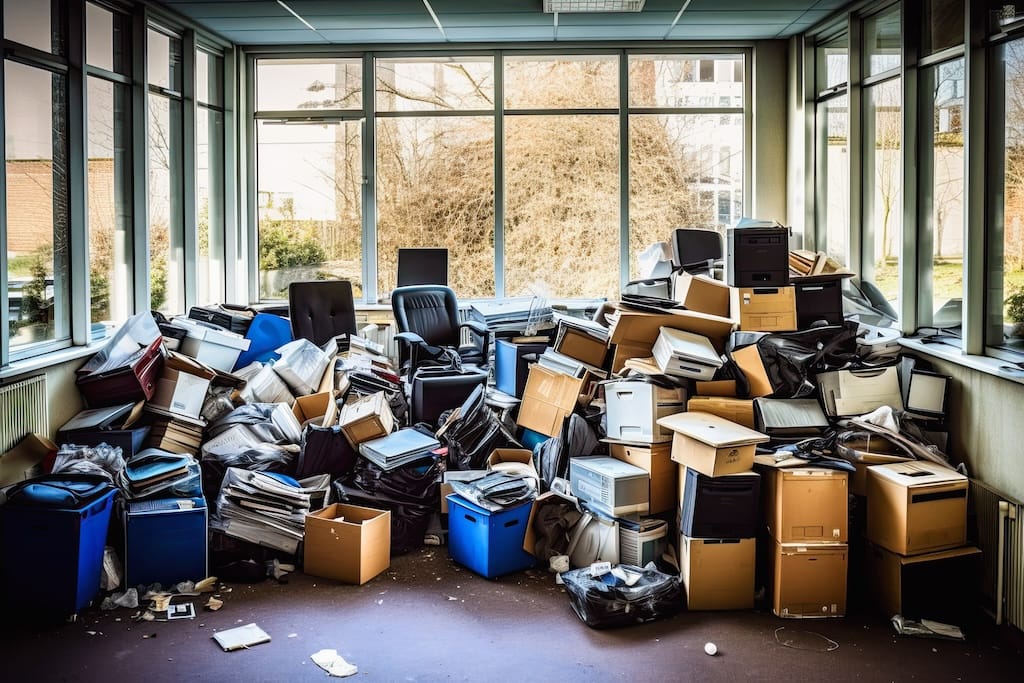
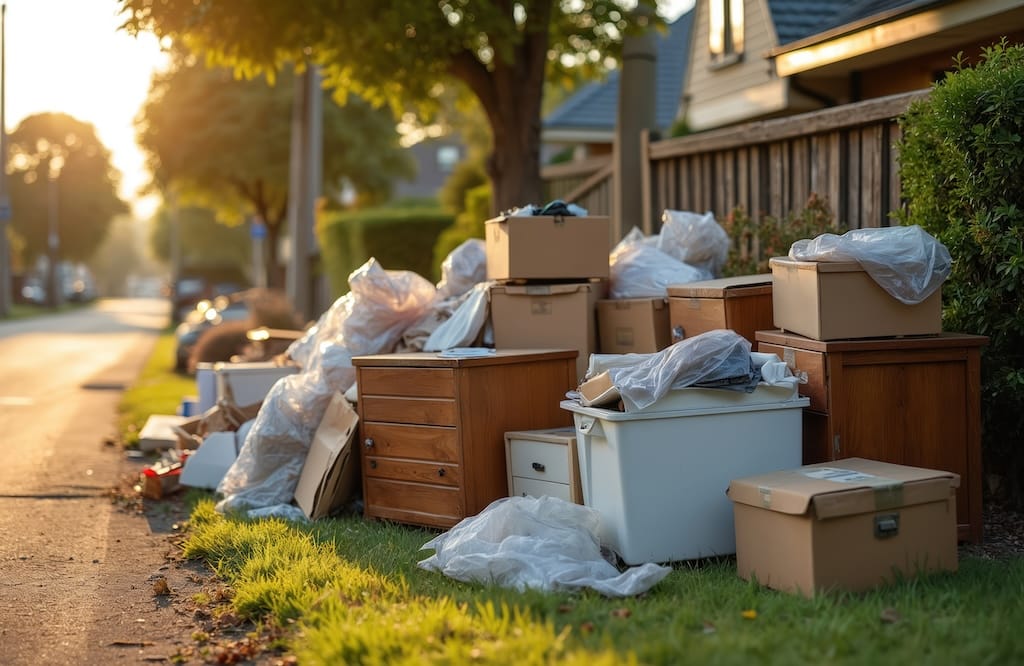
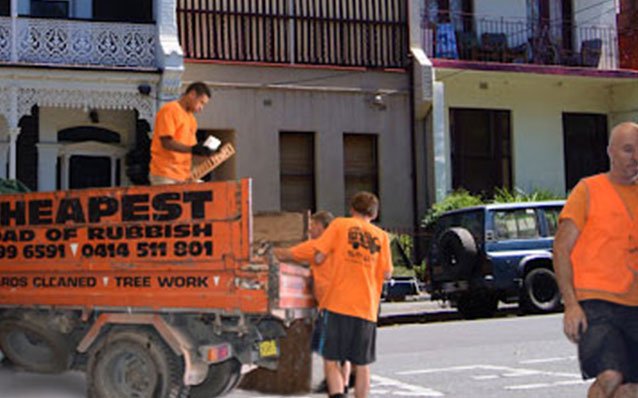
End-of-lease and pre-sale cleanups often involve both categories at once: a garden that hasn’t been maintained alongside leftover building materials from the last tenant’s renovations. We work regularly with agents and property managers across Sydney to clear properties quickly and professionally, with same-day service available.
See also: Commercial rubbish removal | South Sydney | Inner West | Eastern Suburbs
FAQ
Can green waste go in a skip bin? Skip bins can accept green waste, but you’re paying for the bin hire, delivery and pickup regardless of how full it is. For large volumes of mixed green waste, a load-based rubbish removal service is usually more cost-effective.
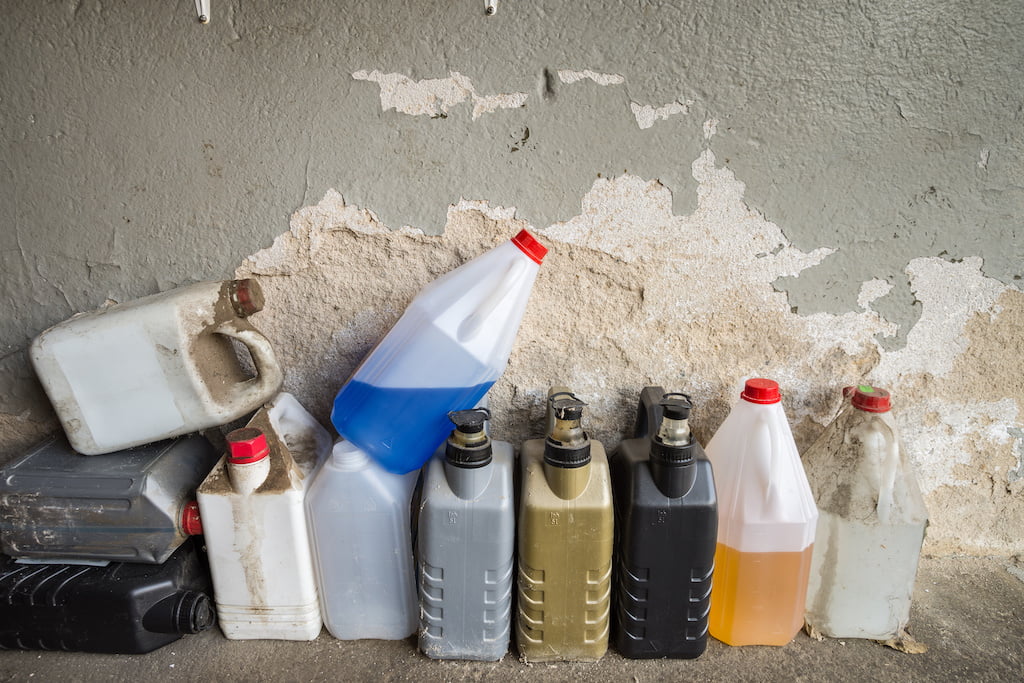
What can’t be mixed with renovation waste? Asbestos, paint and other hazardous materials require specialist disposal. We can advise on the right approach for your specific load.
Do you service outer Sydney areas? Yes, we cover all of Sydney, including the Hills District, Sutherland Shire, Western Sydney and the Northern Beaches.