Renovations generate waste in stages, and each stage looks a little different, from demolition debris and mid-build offcuts to the general mess left behind once the trades pack up. Managing it stage by stage keeps a reno moving instead of getting buried in its own mess, and it stops waste from becoming the thing that slows the whole project down.
Stage 1: Demolition Waste
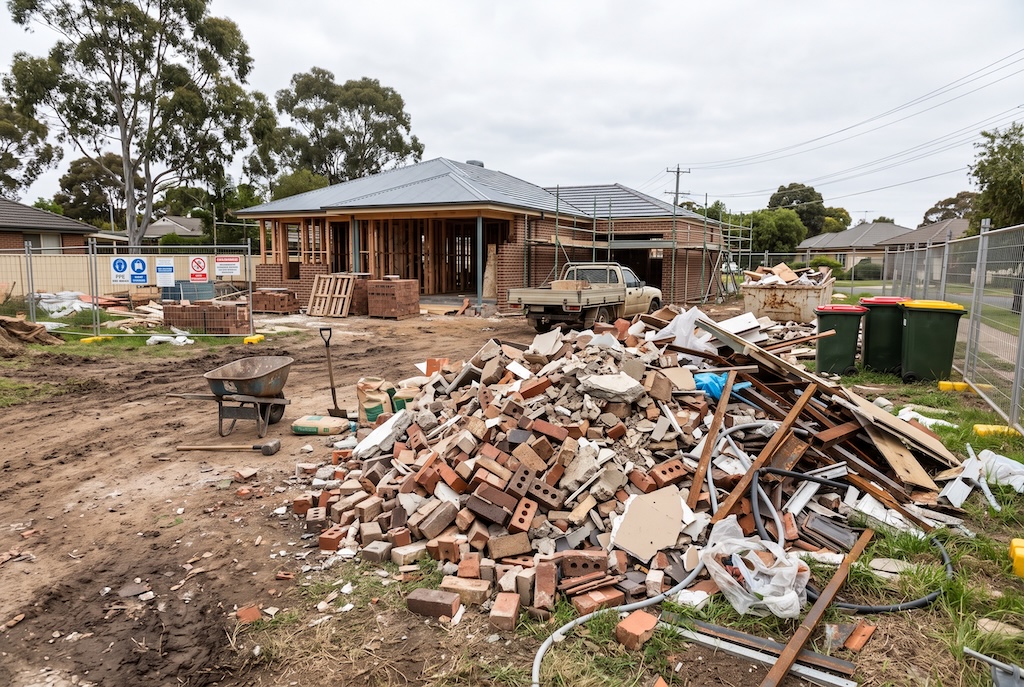
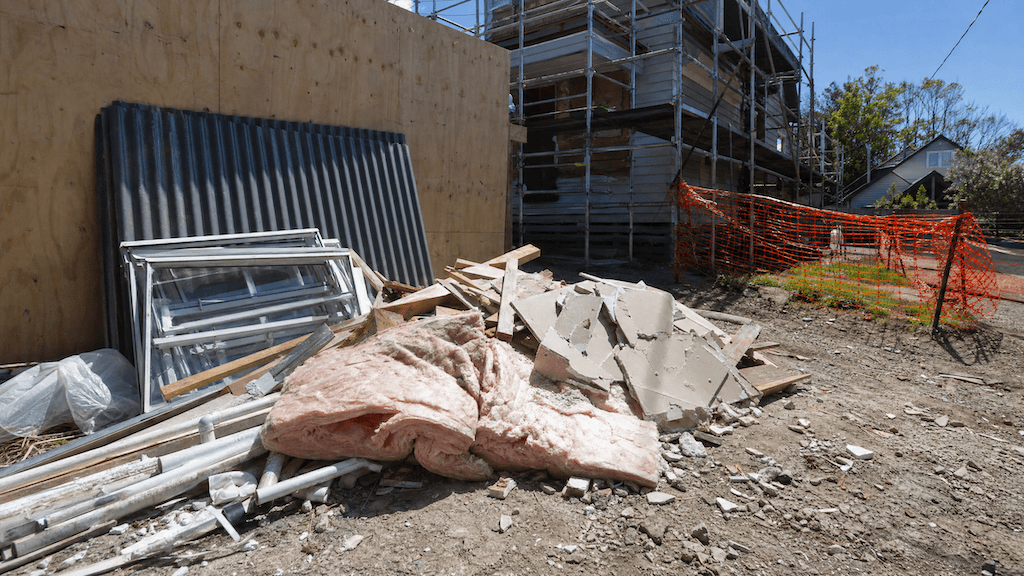
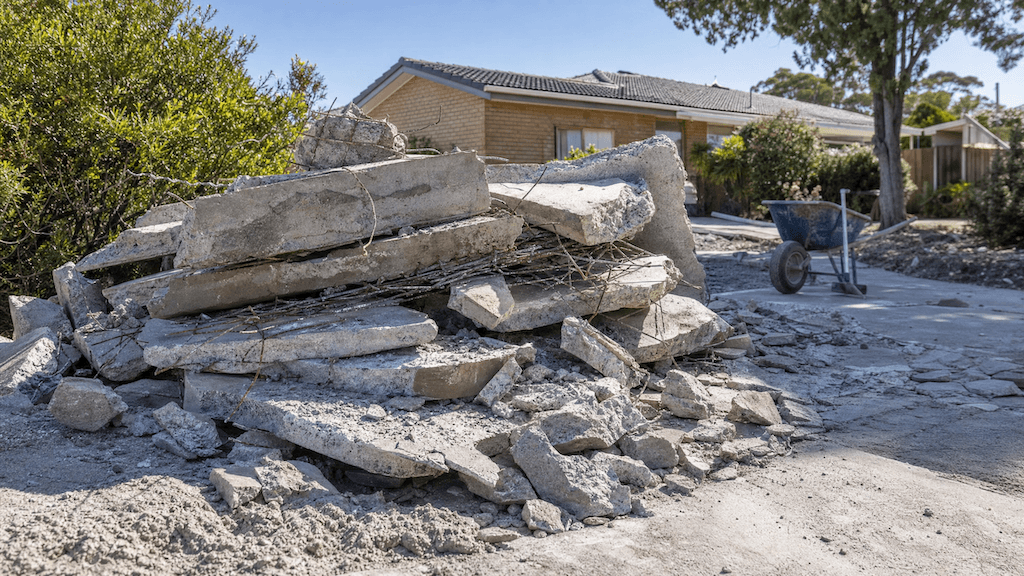
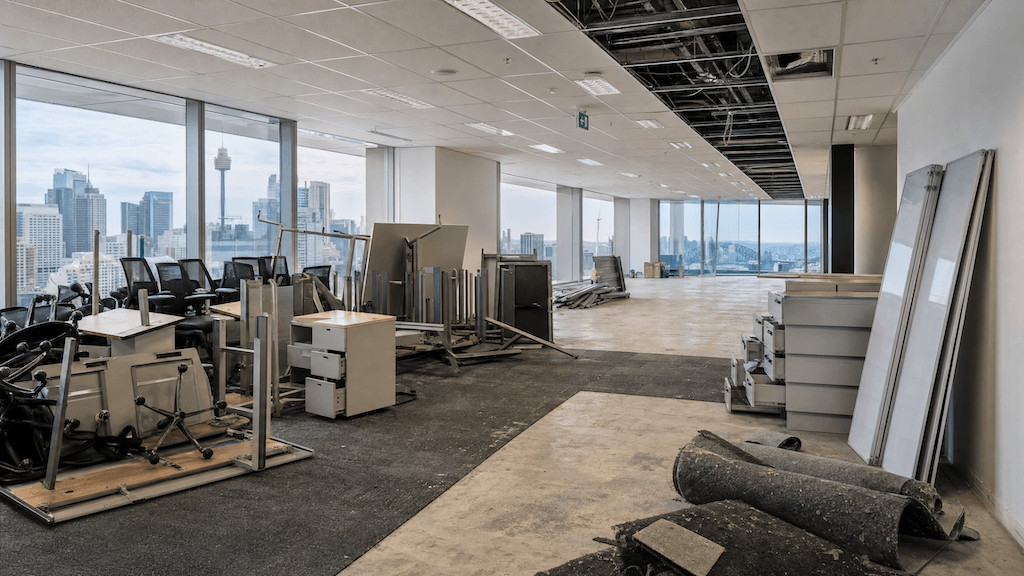
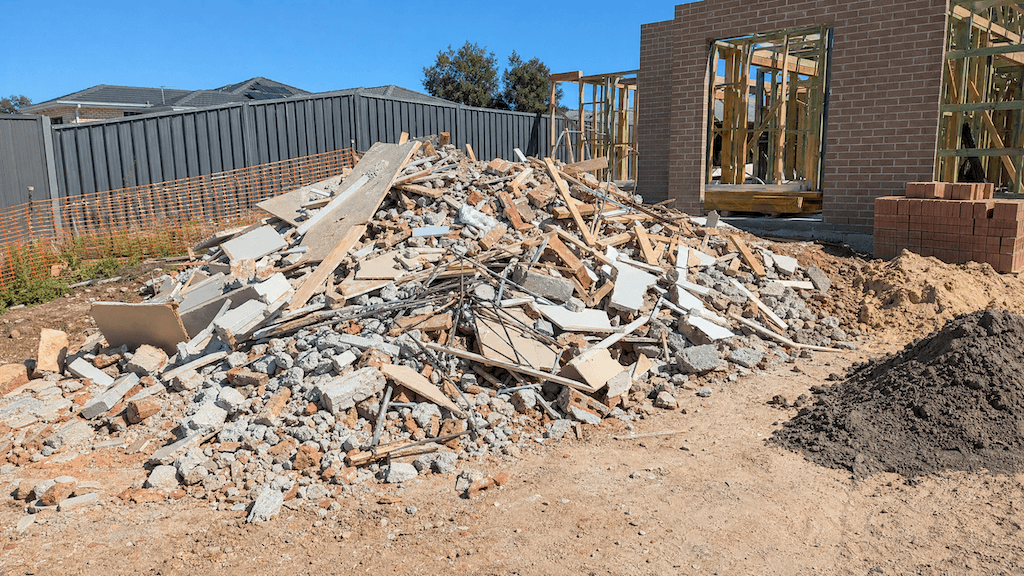
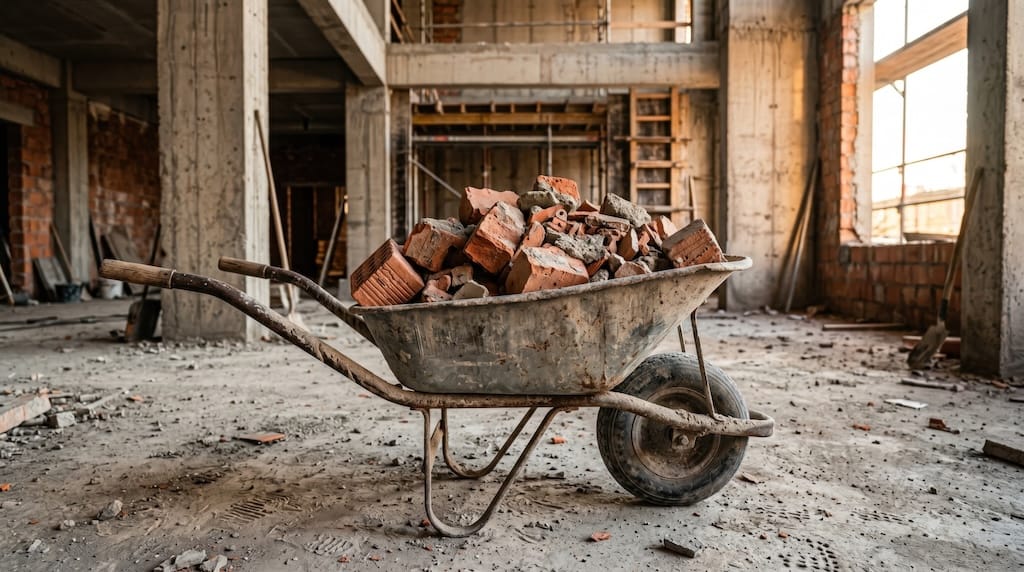
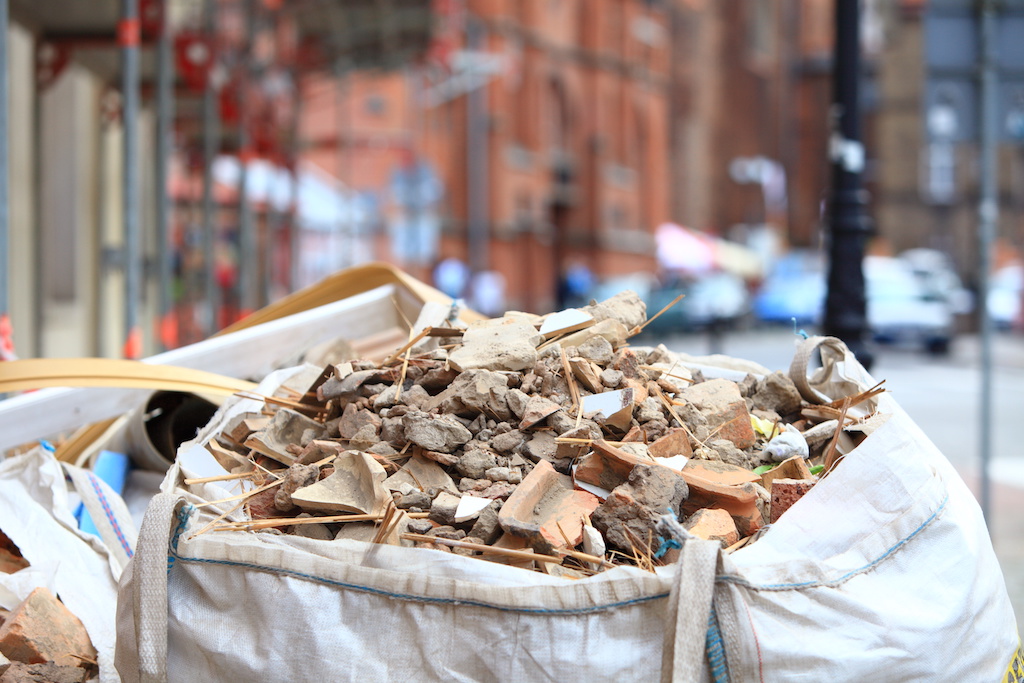
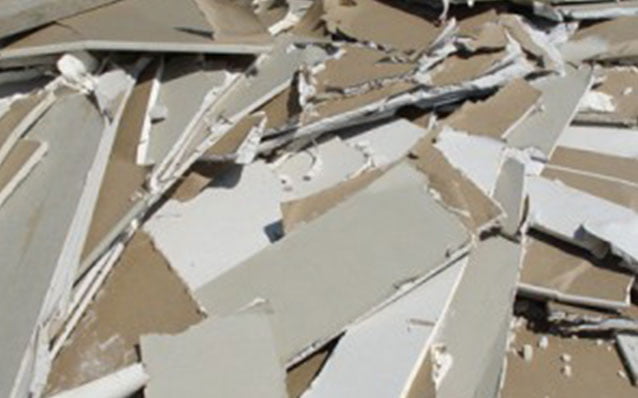
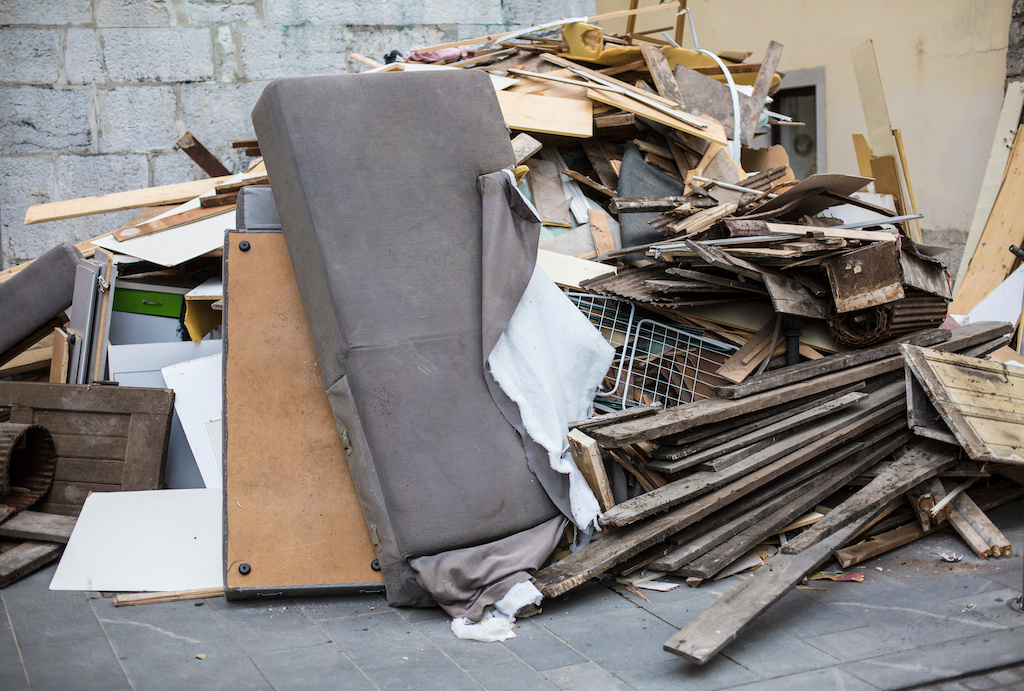
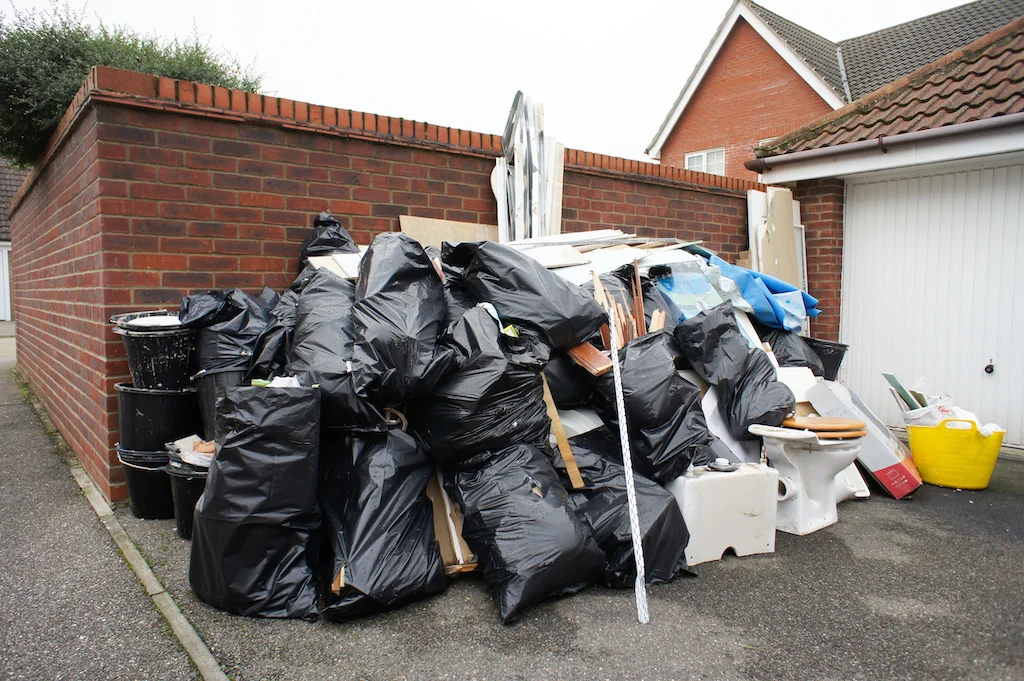
The demolition phase produces the heaviest and bulkiest waste of the whole project, including old plasterboard, timber framing, tiles, bricks and sometimes concrete. This stage benefits most from prompt demolition waste removal, since demolition debris left sitting around slows down every trade that needs to come in after it, from electricians to plasterers waiting for a clear path.
Stage 2: Mid-Build Offcuts
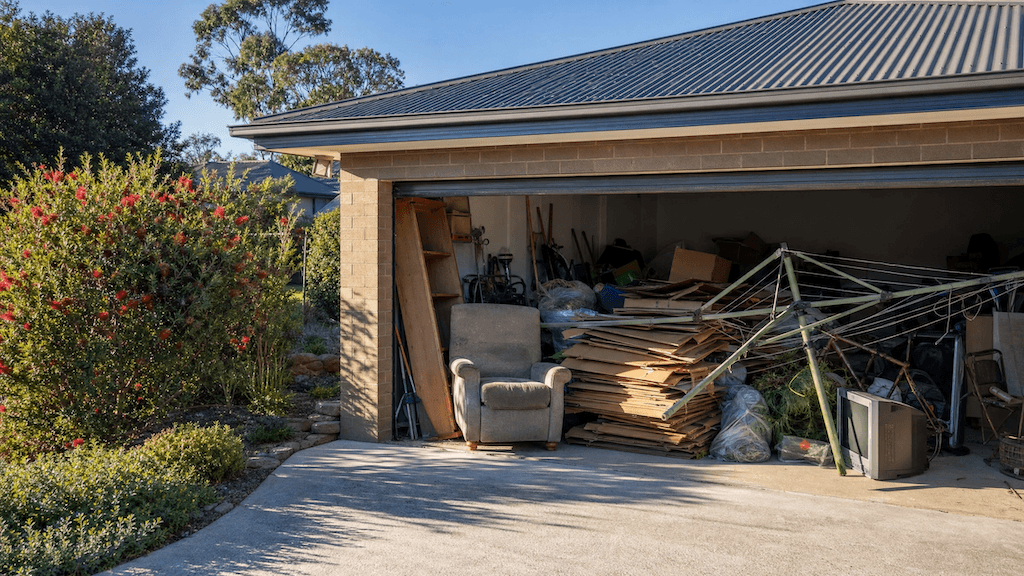
As the build progresses, waste shifts towards offcuts and packaging, including timber trims, plasterboard scraps, packaging from fixtures and fittings. Volume tends to be lower per pickup at this stage, but it accumulates steadily and is easy to underestimate until it has taken over a corner of the site.
Stage 3: Final Clean-Up
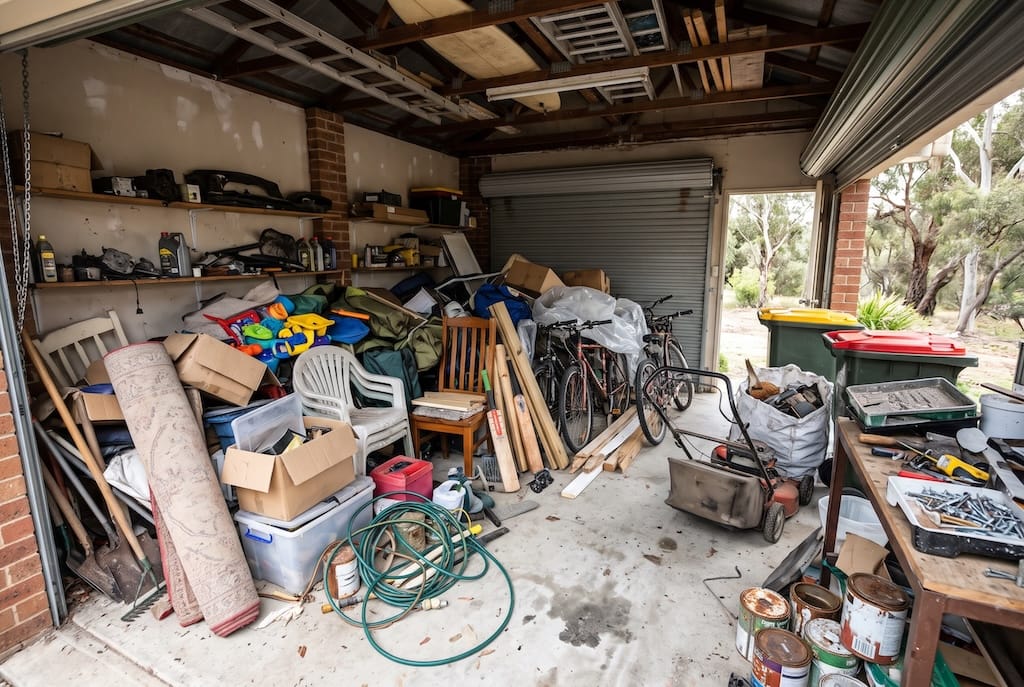
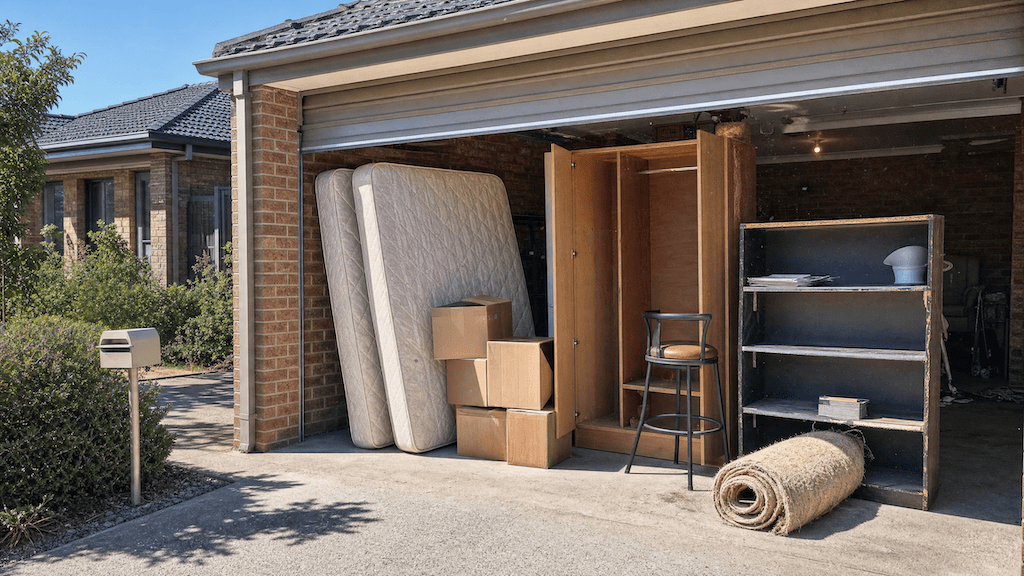
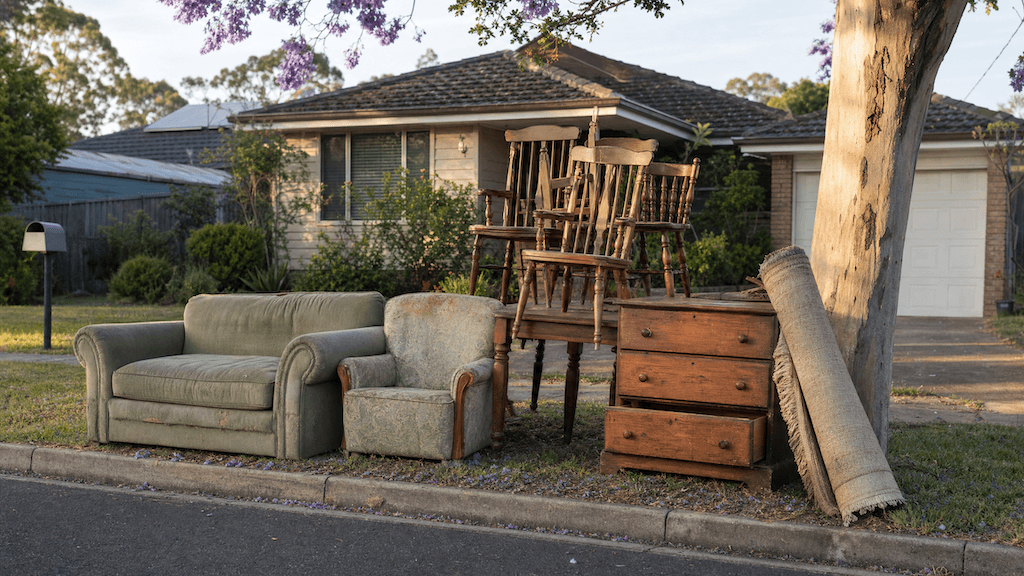
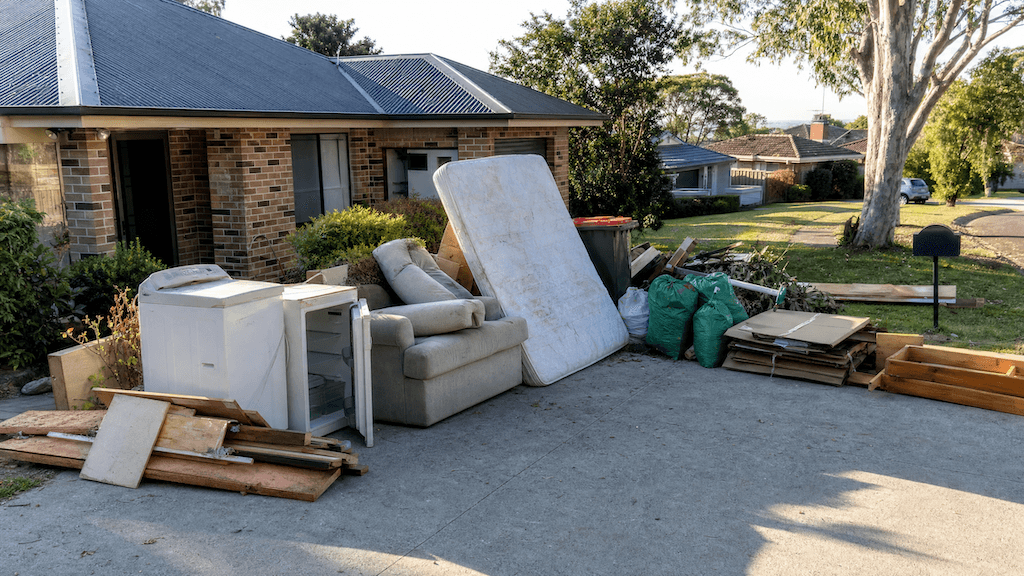
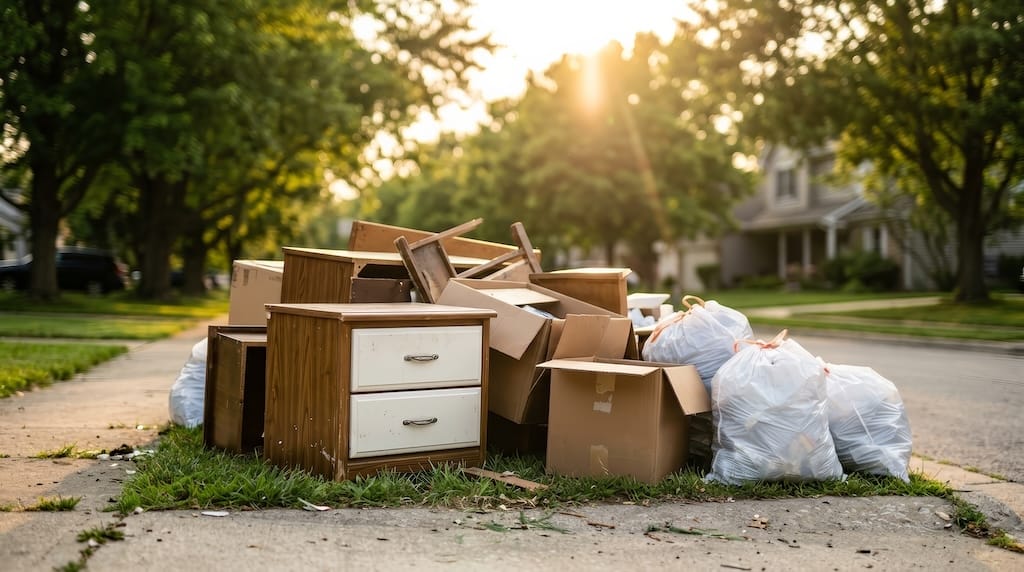
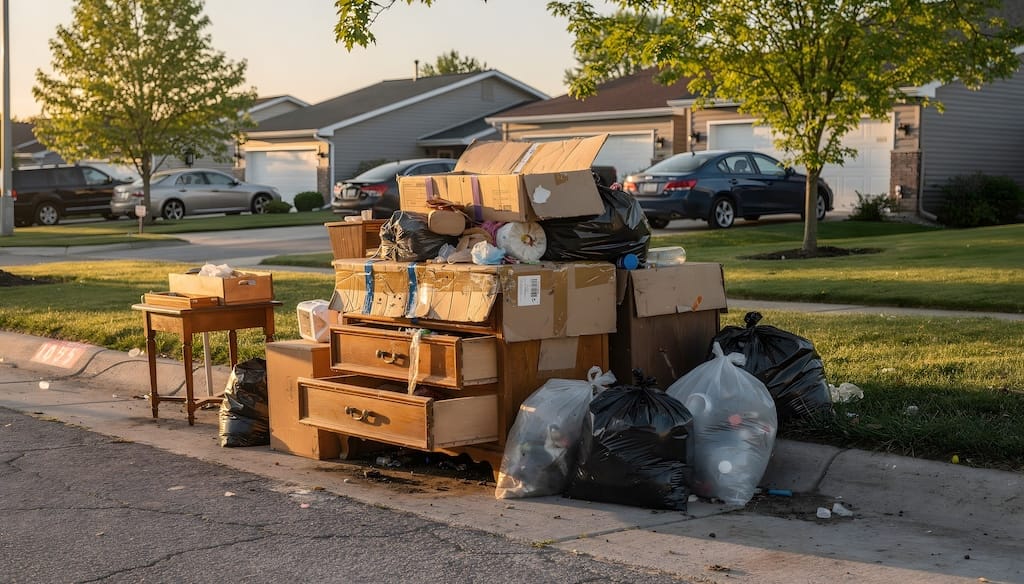
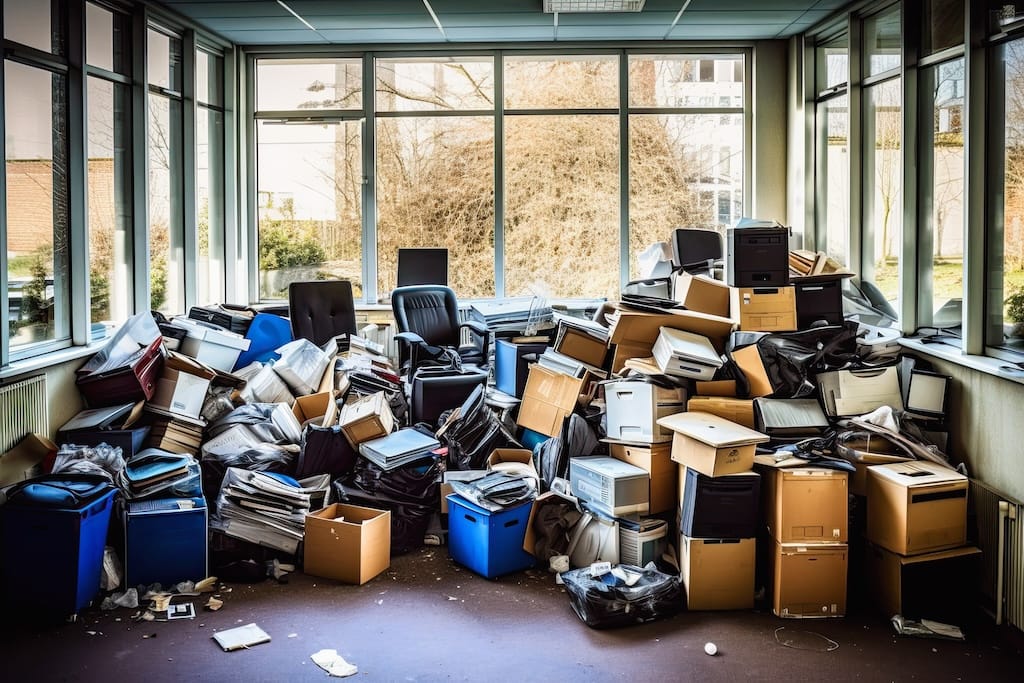
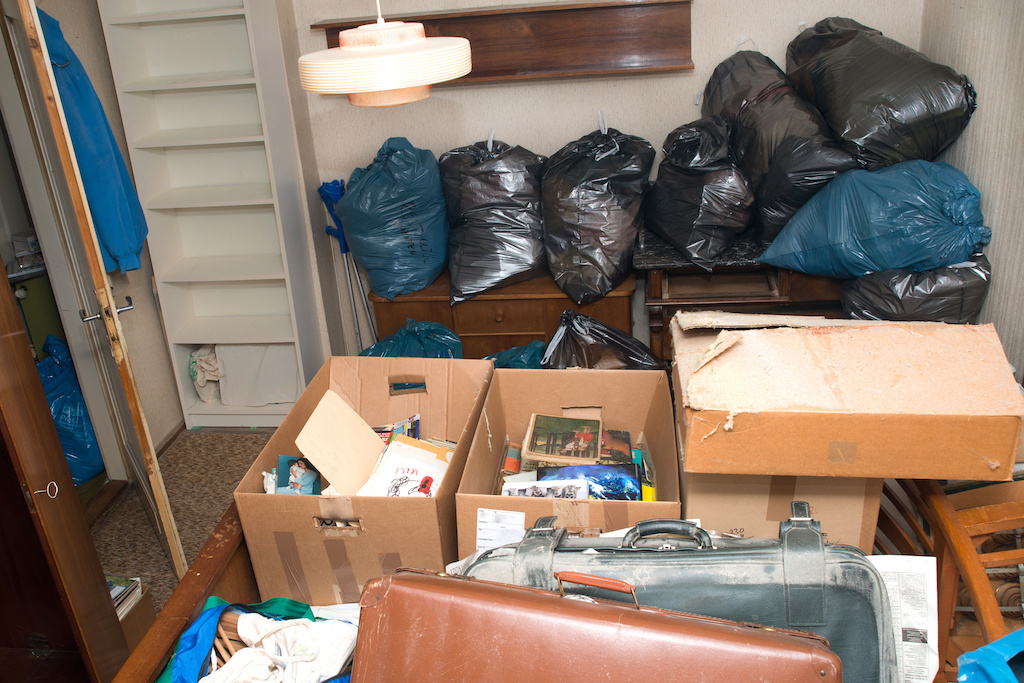
The last stage covers general site rubbish, including packaging, dust sheets, leftover materials and the accumulated small stuff that gathers throughout a build. A thorough site clean-up matters for handover, whether that is to a client, a tenant, or simply your own family moving back in after months of upheaval.
Separating Materials to Save on Costs
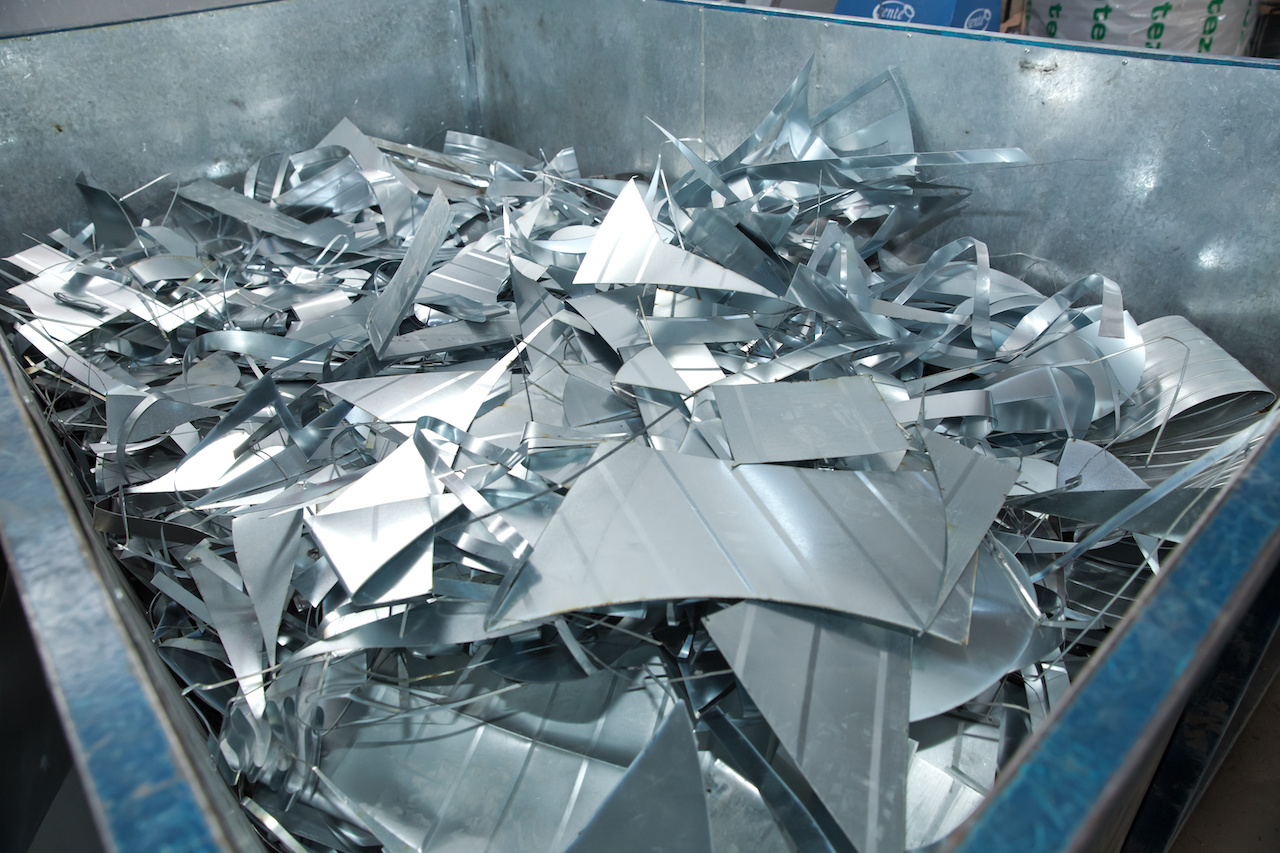
Keeping timber, metal, plasterboard and general waste roughly separated as you go, rather than one big mixed pile at the end, makes disposal faster and helps more of it get recycled. It does not need to be perfect, but even loose separation makes a difference across the life of a project, and most crews find it becomes second nature after the first couple of pickups.
Getting an Accurate Cost Picture
Renovation waste volumes vary hugely depending on the scope of work, so a single flat price rarely reflects reality. Speak to the team at Cheapest Load of Rubbish so we can assess your rubbish and give you an accurate quote at each stage, rather than guessing at a total cost before the project has even started.
Scheduling Removal Around the Build
Booking removal at natural break points, after demolition, partway through, and at final handover, keeps waste from building up and slowing down trades who need clear access to work. It is worth flagging these milestones early with your builder so removal can be pencilled in alongside the rest of the schedule.
Renovation Waste in Apartments and Terraces
Sydney’s mix of apartments and narrow terraces adds another layer to renovation waste. Lift access, strata rules, or a tight side passage can all affect how a job runs. Flagging these details when booking removal means the team can plan for it, rather than discovering the access issue on the day.
For particularly difficult sites, hard access rubbish removal can help with waste that is difficult to reach or remove.
Living On-Site During a Renovation
Many Sydney renovations happen while the family is still living in the house, which changes how waste needs to be managed day to day. Keeping walkways clear, isolating dust and debris from lived-in areas, and scheduling more frequent smaller pickups rather than one giant clear-out at the end all help make an on-site renovation more liveable while the work is underway.
What to Do With Reusable Materials Before Demolition
Before demolition starts, it is worth a quick walkthrough to identify fixtures, fittings or materials that might be worth keeping, selling or donating rather than demolishing along with everything else, such as a kitchen still in good condition, decorative details, or timber flooring that could be salvaged. Once demolition begins, these opportunities are gone, so this is a step worth taking early rather than as an afterthought.
Renovation Waste and Neighbouring Properties
On terraces and semi-detached homes, renovation waste sometimes needs to be staged in a shared driveway or side passage, which can affect neighbours’ access if not planned properly. Communicating with neighbours ahead of a major demolition or clear-out, and confirming access arrangements with your removal provider in advance, tends to avoid unnecessary friction partway through the project.
Coordinating Waste Removal With Your Builder
If you are working with a builder rather than managing the renovation yourself, it is worth clarifying early on who is responsible for booking waste removal, whether it is included in the build contract or something you need to arrange separately. Getting this clear at the start avoids the situation where waste piles up because neither party assumed it was their job to organise.
Renovations With Multiple Trades on Site
Larger renovations often have several trades on-site across the same period, with plumbers, electricians, tilers and carpenters all leaving offcuts and packaging behind. Without a clear system, it becomes easy for waste to be left for “whoever is there next” to deal with, which usually means it does not get dealt with at all until it becomes a real problem. Assigning responsibility, even informally, tends to keep this from happening.
What a Well-Managed Renovation Site Looks Like
A renovation site that manages waste well is not necessarily spotless at every moment, but it never lets waste build up to the point of blocking work or creating a hazard. Materials are roughly sorted, walkways stay clear, and removal happens at sensible intervals rather than only when someone finally complains about the mess. This is a realistic standard to aim for, even on a busy, live renovation.
Wrapping Up the Project
The final clean-up is worth taking seriously even after months of work, since it is often the last impression a renovation leaves, for a homeowner moving back in, a buyer inspecting the finished product, or a tenant taking over the space. A genuinely thorough final removal, rather than a rushed sweep, is a small final step that makes the whole project feel properly finished.
Renovation Waste for Owner-Builders
Owner-builders managing their own renovation take on waste responsibility directly, without a builder’s team to fall back on for organising removal. This makes it even more important to plan waste removal alongside the rest of the project schedule, since there is no one else assuming it is being taken care of. If it is not booked, it simply will not happen on its own, and delays here can hold up every trade waiting to follow.
For household renovation projects, renovation and DIY rubbish removal can take care of the waste generated throughout the project.
Bringing the Project to a Clean Finish
Whatever stage your renovation is at, waste removal is easiest to manage when it is treated as part of the plan rather than a problem to solve later. Whether you need a single demolition pickup or ongoing removal across a multi-month build, getting in touch early means the whole project can run more smoothly from the first swing of the sledgehammer through to the final handover.
The Bottom Line
Renovation waste does not need to be an ongoing headache if it is managed in stages rather than left until the end. With decades of experience across Sydney renovations, Cheapest Load of Rubbish can plan removal around your build’s timeline, from first demolition through to the final clean-up.
Get in touch to talk through your renovation schedule and waste removal plan, whatever stage the project is currently at.
Frequently Asked Questions
Can you schedule removal at multiple points during a renovation?
Yes, staged removal aligned with the build’s progress is common and often more efficient than one large pickup at the end.
Do you separate recyclable materials during a renovation clean-up?
Yes, materials like timber and metal are separated for recycling wherever possible, whether they arrive separated on-site or mixed.
How much does renovation waste removal cost?
This varies significantly by project scope. Speak to the team so we can assess your job and provide an accurate quote at each stage.
Can you handle both demolition waste and general household rubbish from the same reno?
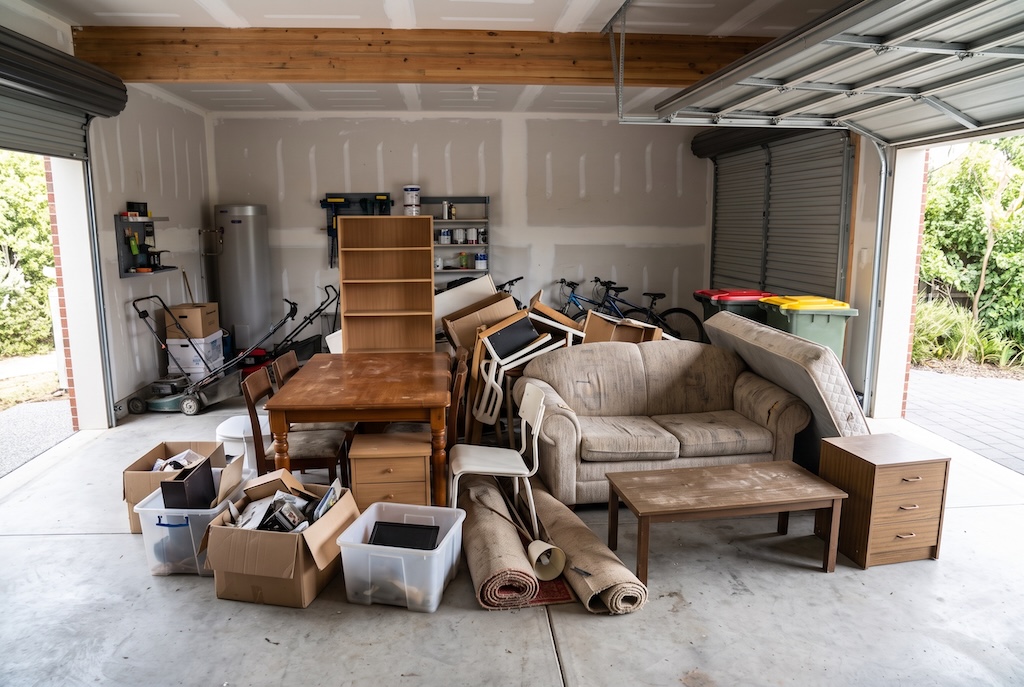
Yes, this is a very common combination and can usually be handled as part of the same removal service.
Do you handle apartment renovations with strata access rules?
Yes, we can work around lift bookings, loading dock access and other strata requirements. Flag these when booking so we can plan accordingly.
Can you work around a family still living in the house during the reno?
Yes, we can plan more frequent, smaller pickups and work around occupied areas to keep the home as liveable as possible during the build.