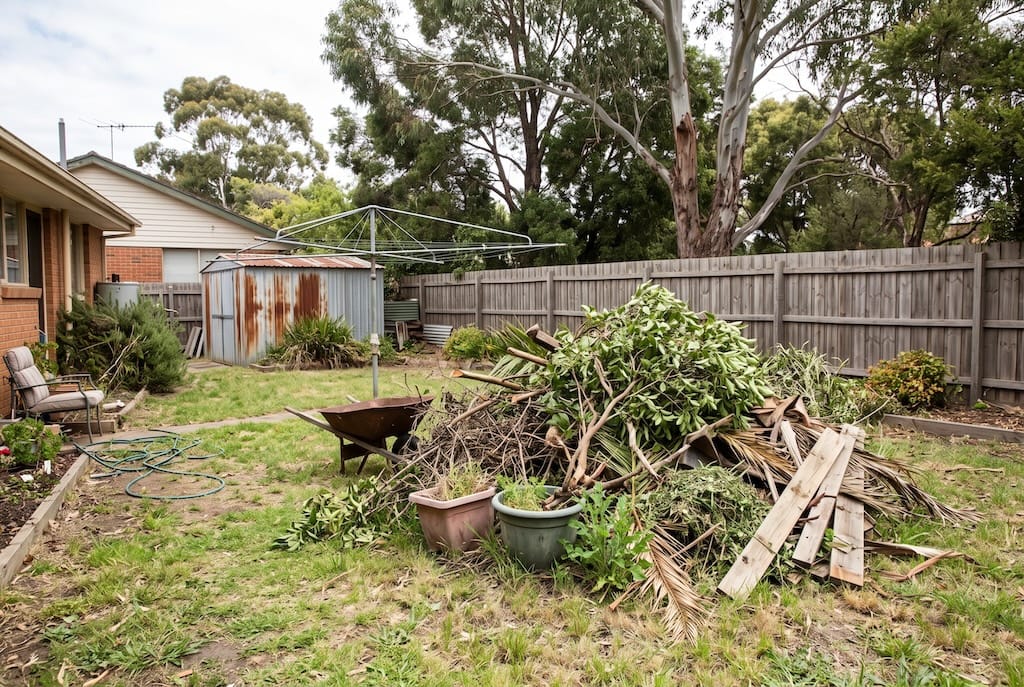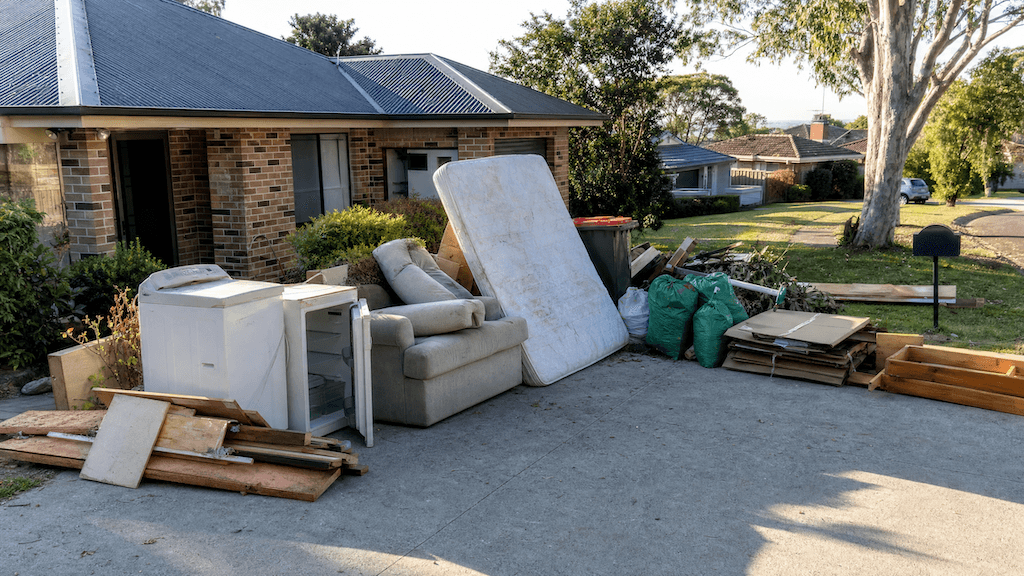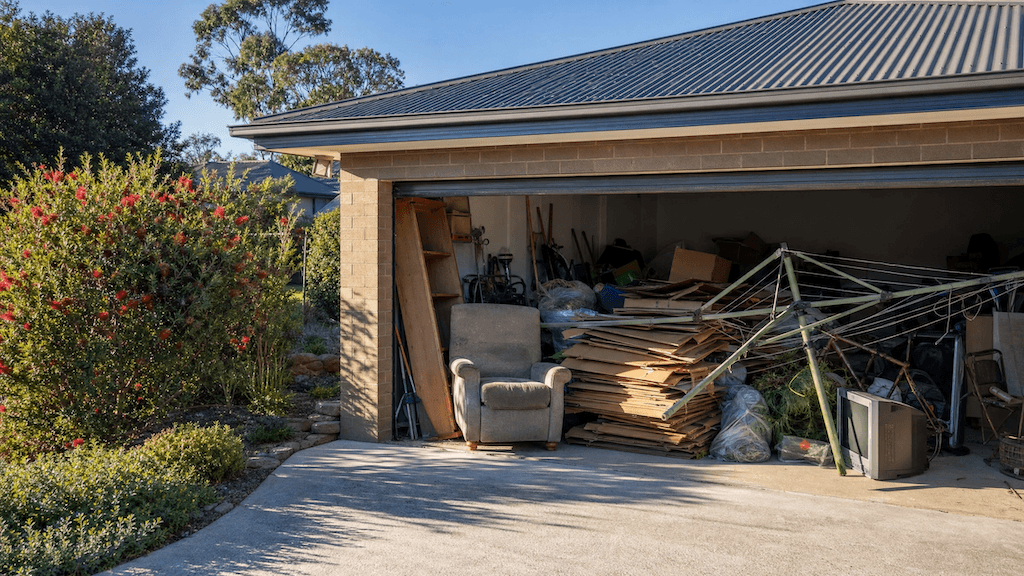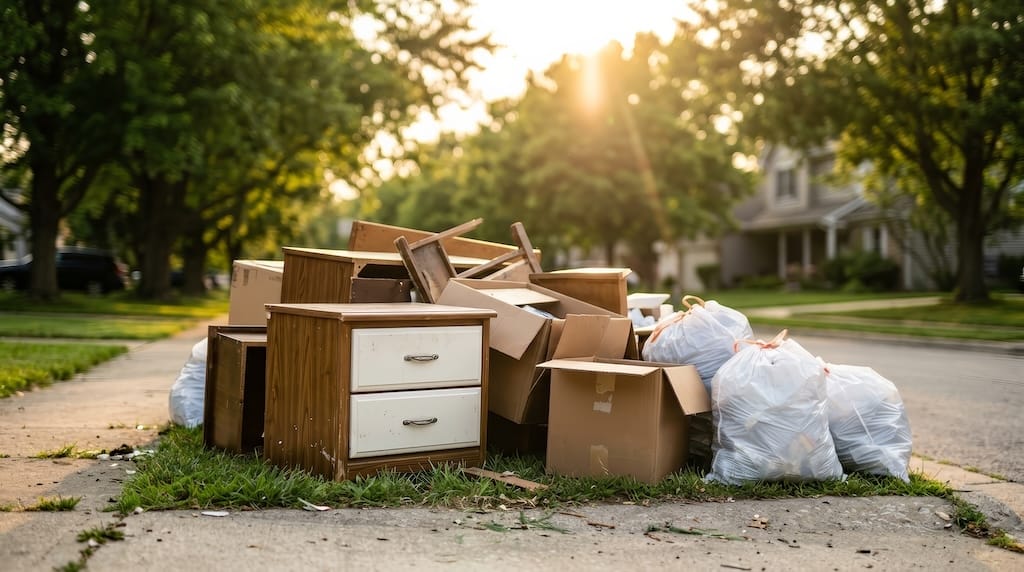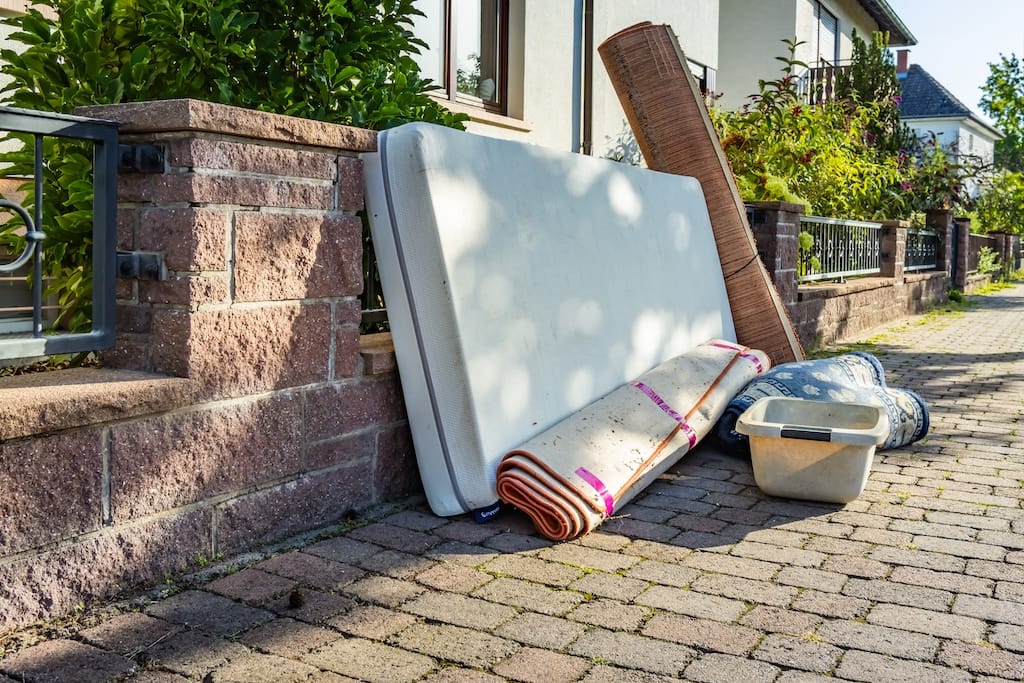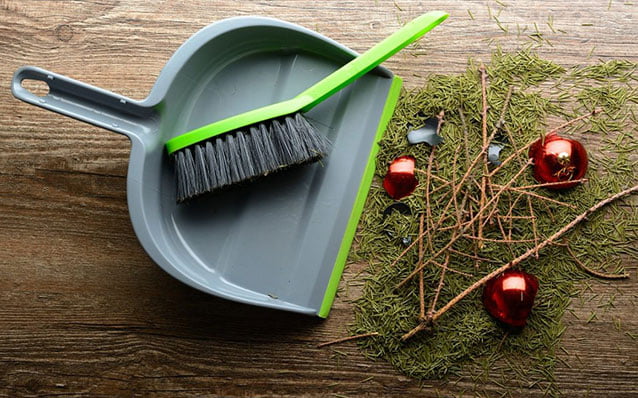
Sydney storm season has a habit of arriving fast and leaving a mess behind, with snapped branches, fallen leaves, and sometimes a lot more damage than expected. Here is what to do once the storm has passed and it is safe to start clearing up, without adding to the stress of an already disruptive day.
Safety First
Before touching anything, check for downed power lines, unstable branches still caught in trees, or structural damage to fences and buildings. If there is any doubt about safety, it is worth waiting for a professional assessment rather than clearing debris yourself, no matter how tempting it is to just get it over with.
Council Emergency Collection
After major storms, some councils run emergency or additional collections to help residents clear debris faster than the usual scheduled pickups. These services can be in high demand immediately after a storm, so availability and timing are not always guaranteed, particularly when a large area has been affected at the same time.
When Same-Day Removal Makes Sense
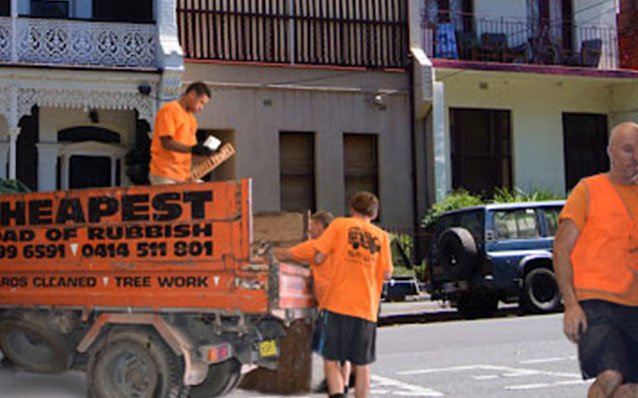
If storm debris is blocking access, posing a hazard, or simply too large a job to wait on a council collection, same-day garden rubbish removal clears it quickly without you needing to handle heavy or awkward branches yourself, or wait behind everyone else in the neighbourhood dealing with the same storm.
What Happens to Storm Debris?
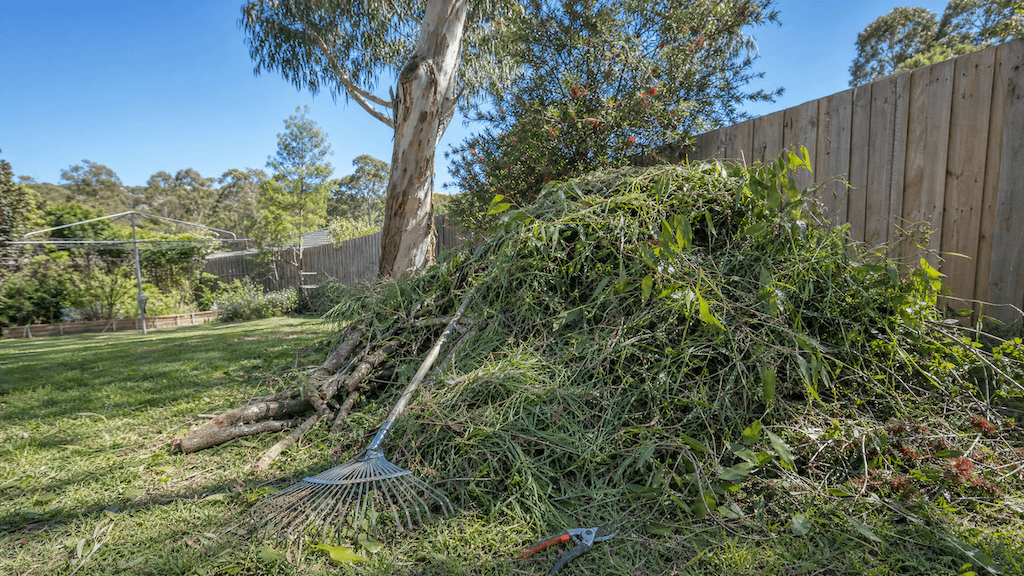
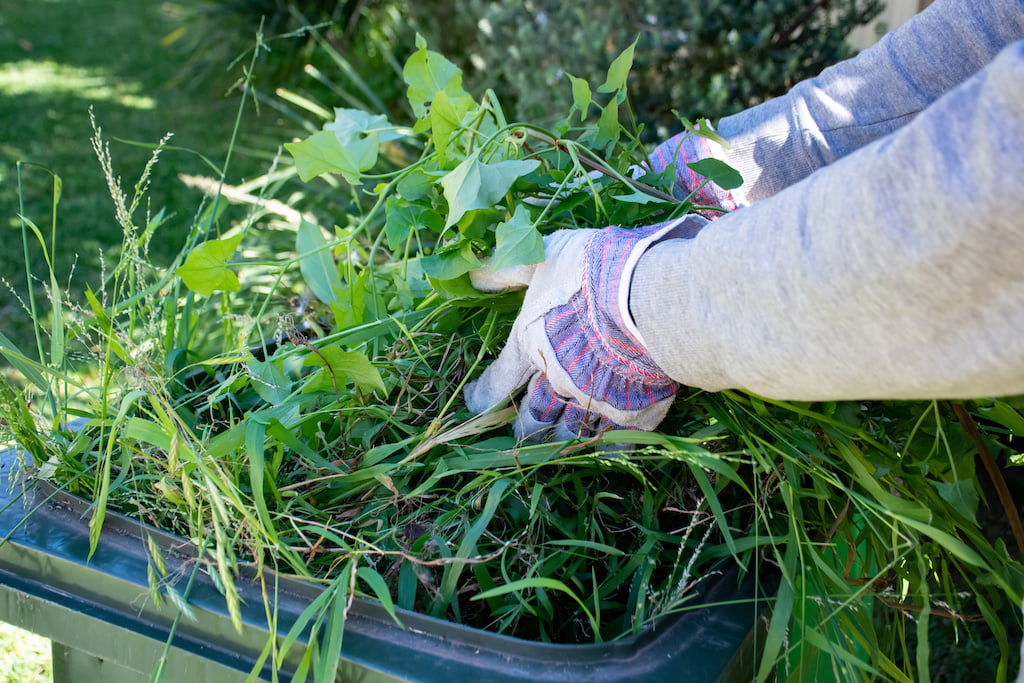
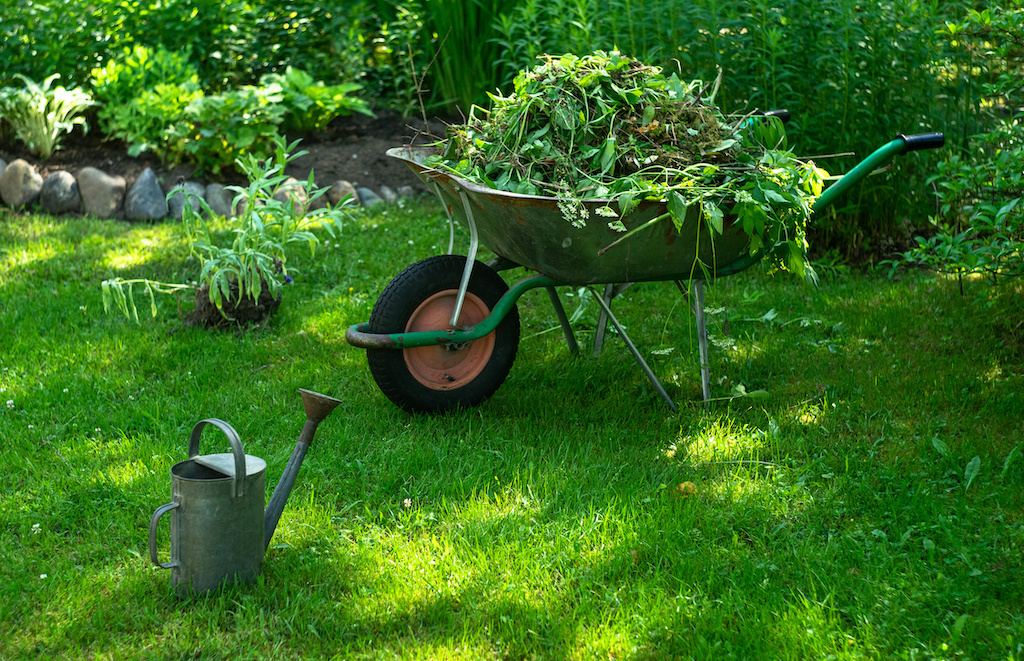
Green waste from storm damage is generally recyclable, often processed into mulch rather than sent to landfill. Larger branches may need to be cut down further before removal, depending on size and access, but this can be discussed with the team when arranging the job.
You can also find out more about where the waste goes after it is collected.
Preparing for the Next Storm Season
Regular tree maintenance and pruning ahead of storm season can reduce the amount of debris a storm causes in the first place. It is a small ongoing effort that can save a much bigger clean-up job later, particularly for larger, older trees that tend to shed the most in high winds.
Dealing With Damage Beyond Debris
Sometimes a storm causes more than just fallen branches, with damaged fencing, guttering, or garden structures often needing attention alongside the general clean-up. While that repair work sits outside rubbish removal, clearing the debris first makes it much easier to see the full extent of what needs fixing.
When Multiple Properties Are Affected
Widespread storms often affect an entire street or suburb at once, which means council and professional removal services can both be in high demand at the same time. Getting in touch as early as possible after a storm, rather than waiting a few days, gives the best chance of securing prompt removal before the queue builds up.
Insurance Considerations After Storm Damage
If a storm has caused damage to a structure alongside the fallen debris, it is worth taking photos of the damage before anything is cleared, in case an insurance claim needs to be lodged. Clearing debris does not need to wait for that process to finish, but a quick record beforehand can save complications later.
Storm Debris on Shared or Strata Properties
For apartment blocks and strata properties, storm debris often affects shared areas rather than a single resident’s yard, which means clean-up sometimes needs to be arranged through the strata manager rather than an individual owner. If you live in a shared property, it is worth checking who is responsible for arranging removal before booking anything yourself for a communal area.
What to Do With Debris That’s Partly Blocking a Driveway or Path
Branches and debris blocking access are usually the highest priority to clear, since they can prevent vehicles getting in or out and create a trip hazard for anyone on foot. If a full clean-up cannot happen immediately, safely moving the debris clear of the direct path, without attempting anything that requires climbing or heavy lifting, is a reasonable interim step while removal is arranged.
For properties where debris is particularly difficult to reach, hard access rubbish removal may also be useful.
Comparing DIY Clean-Up to Professional Removal After a Storm
It can be tempting to tackle storm debris yourself with a handsaw and a trailer, and for a small amount of light debris that is a reasonable approach. Where it gets harder is with larger branches, anything tangled or unstable, or a volume that would take multiple trips to clear. At that point, the time and physical risk involved usually make professional removal the more sensible option.
Staying Ahead of Future Storms
Beyond regular pruning, it is worth doing a periodic check of trees close to the house, fences or power lines, particularly ahead of the more storm-prone months. Identifying a weak or overhanging branch before a storm brings it down is generally far less stressful than dealing with the aftermath once it has already happened.
Getting Help Quickly When It Matters
Storms rarely give much warning, and neither does the mess they leave behind. Knowing there is a same-day rubbish removal service available takes some of the stress out of an already disruptive event, whether that means clearing a blocked driveway or tidying up a yard after the storm has passed.
The Bottom Line
Storm debris is stressful enough without a slow clean-up process on top of it. Same-day removal is available when you need debris cleared fast, with no heavy lifting required on your end.
Get in touch for urgent storm debris removal across Sydney.
Frequently Asked Questions
Can you remove large fallen branches?
Yes, we handle branches of varying sizes as part of storm debris and green waste removal.
Is same-day removal available after a storm?
In many cases, yes. Get in touch as early as possible for the best chance of same-day service during busy periods.
What should I do if a branch is tangled in power lines?
Do not attempt to clear it yourself. This requires a professional assessment for safety reasons before any removal takes place.
Is storm debris recycled?
Yes, green waste from storm damage is generally processed into mulch rather than landfilled.
Can you help if an entire tree has come down?
If a fallen tree has already been safely cut down, get in touch to discuss removal of the resulting branches and green waste.
Should I take photos before debris is removed?
If there is any related property damage you may need for an insurance claim, it is worth photographing it before removal begins.