Warehouse clean-outs are a different scale of job to a household or office clear-out, with more volume, heavier equipment, and usually a business that cannot afford to stop operating while it happens. Here is a practical, step-by-step approach to getting it done without derailing the rest of the business.
Step 1: Audit What’s Actually in the Space
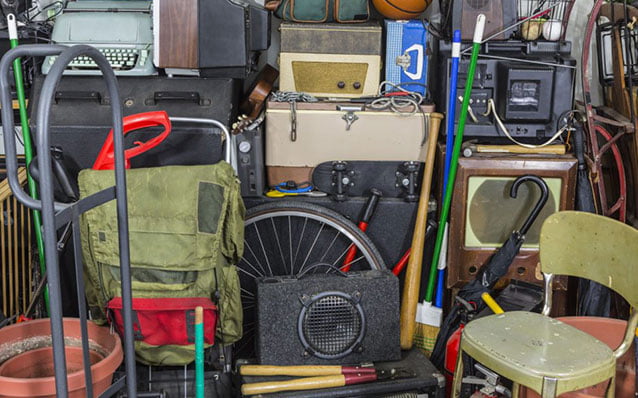
Before booking anything, it helps to walk the space and get a realistic sense of what needs to go. Warehouse clean-outs commonly involve:
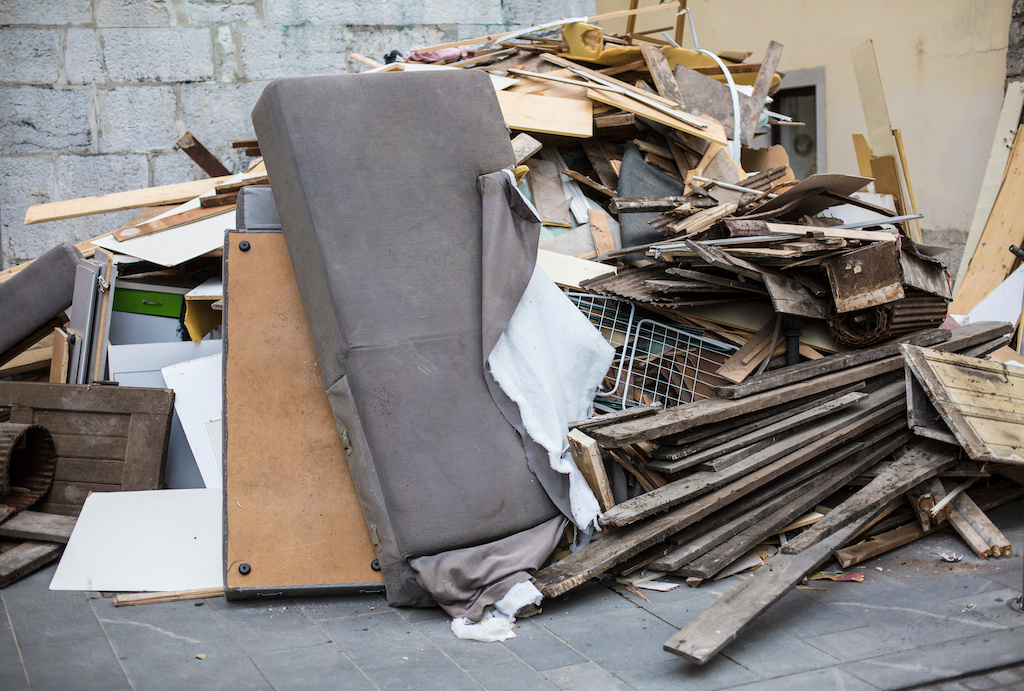
- Old pallets and racking.
- Obsolete or damaged stock.
- Packaging materials and offcuts.
- Old equipment and machinery.
- General accumulated waste from day-to-day operations.
Step 2: Flag Hazardous or Regulated Stock
Some warehouse stock, such as chemicals, certain packaging materials, or damaged goods with specific handling requirements, needs to be identified before general removal begins. Getting this sorted early avoids delays or compliance issues further into the clean-out, and it is far easier to plan around at the audit stage than to discover mid-job.
Step 3: Plan Around Operational Downtime
Most warehouses cannot simply shut down for a day while a clean-out happens. Scheduling removal around quieter periods, after-hours, or in stages that do not interfere with active operations keeps disruption to a minimum. This is worth discussing upfront so the job is planned around your business, not the other way around, particularly for busy sites running multiple shifts.
Step 4: Consider Racking and Pallet Disposal Separately
Old pallets and racking often make up a significant portion of warehouse waste by volume. Depending on condition, pallets in particular can sometimes be reused or recycled rather than sent to landfill, which is worth raising when planning the job, especially where volumes are large enough to make a real difference.
Step 5: Book the Full Clear-Out
Once everything is identified and flagged, a full-service removal team can clear the space in one coordinated job rather than piecemeal over several weeks. This is usually more efficient than staff handling disposal alongside their regular workload, and it frees up floor space faster for whatever comes next.
Cheapest Load of Rubbish provides factory, warehouse and storage facility clean-outs for businesses across Sydney.
Step 6: Final Sweep and Sign-Off
A final walkthrough after the main clear-out catches anything missed and confirms the space is ready for its next use, whether that is new stock, a lease handback, or a change in how the space is used. This step is easy to skip when everyone is keen to call the job done, but it is worth the extra half hour.
Coordinating a Large-Scale Clean-Out
For genuinely large warehouse spaces, breaking the job into zones, clearing one section fully before moving to the next, often works better than trying to tackle the whole floor at once. It keeps part of the warehouse operational throughout, and makes it easier to track progress against a schedule rather than facing one enormous, undefined task.
Warehouse Clean-Outs During Relocation
Businesses moving to a new warehouse face a slightly different version of this job, deciding what makes the move and what does not, often under a tighter timeline than a routine clean-out. Coordinating clean-out and relocation together, rather than treating them as separate projects, usually means less handling overall and a cleaner transition into the new space.
Managing Obsolete Stock Responsibly
Obsolete or damaged stock often makes up a meaningful share of warehouse waste, and it is worth thinking through whether any of it has value through liquidation, donation, or resale before it goes for disposal. Where genuine disposal is the only option, sorting it properly still matters. Paper, cardboard and other recyclable materials, in particular, often have decent recycling potential that is easy to overlook when a large stock write-off is involved.
Staffing Considerations During a Clean-Out
Deciding whether staff will be involved in the clean-out process, or whether it is handled entirely by the removal team, is worth settling early. Some businesses prefer staff to be freed up to focus on regular operations while the clean-out happens around them; others want warehouse staff directly involved in identifying what stays and what goes, given their familiarity with the stock and equipment involved.
Documenting the Space Before and After
For larger commercial clean-outs, particularly those tied to a lease handback or change of use, photographing the space before and after the clear-out provides a useful record. It is a simple step that can help resolve any questions later about the condition the space was left in, especially for warehouses shared with landlords or subject to specific lease conditions.
Planning for Future Waste Management
Once a major clean-out is complete, it is worth thinking about how to avoid the same build-up happening again. Setting a rough schedule for periodic waste reviews, rather than waiting until the warehouse is overflowing again, tends to keep future clean-outs smaller, faster and considerably less disruptive to ongoing operations.
Choosing Between a One-Off Job and an Ongoing Arrangement
Some businesses only need warehouse waste removal occasionally, when things have genuinely built up. Others generate enough regular waste, such as packaging, damaged stock and pallet turnover, to benefit from an ongoing scheduled arrangement rather than booking each time reactively. Working out which category your business falls into is worth doing early, since it changes how the whole relationship with a commercial rubbish removal provider is structured going forward.
What Makes a Warehouse Clean-Out Go Smoothly
The clean-outs that run most smoothly tend to share a few things in common: a clear point of contact on the business side who can make decisions on the day, realistic expectations about how long sorting and removal will take, and enough advance planning that the removal team is not discovering major access issues or unexpected volumes once they arrive. None of this is complicated, but it does need to be thought through before the day itself.
When to Call in a Removal Team vs Handling It Internally
Smaller, routine tidy-ups might be manageable with internal staff and a regular waste collection. Genuine clean-outs, such as clearing an entire section, decommissioning old racking, or dealing with a large stock write-off, are usually a different scale of job entirely, and trying to handle them with staff pulled away from their normal duties often costs more in lost productivity than simply booking a professional team to handle it properly.
A Final Note on Warehouse Safety During a Clean-Out
Large clean-outs involve moving heavy items around a space that is often still partially operational, which makes safety planning worth taking seriously. Clear signage, defined work zones, and coordination with forklift operators or other equipment already on-site all help keep a large-scale clean-out running safely alongside whatever else is happening in the warehouse that day, without adding unnecessary risk to staff or the removal crew.
Getting Started on Your Warehouse Clean-Out
The easiest way to begin is a conversation about the space, the rough volume involved, and your timeline. From there, we can advise on whether an on-site assessment or a staged approach makes the most sense, and put together a plan that fits around your operations rather than disrupting them.
For sites with difficult access, hard access rubbish removal is also available.
The Bottom Line
Warehouse clean-outs take planning, but they do not need to disrupt daily operations. With experience across large-scale commercial jobs, Cheapest Load of Rubbish can schedule around your business hours and handle everything from old racking to general waste in one coordinated visit.
Get in touch to discuss your next warehouse clear-out.
Frequently Asked Questions
Can you work around our operating hours?
Yes, after-hours and staged scheduling is available to minimise disruption to warehouse operations.
Do you remove old pallets and racking?
Yes, this is a common part of warehouse clean-outs, and reuse or recycling is considered where condition allows.
Can you handle a large-volume clean-out in one visit?
Yes, larger jobs can be planned and resourced appropriately. Get in touch to discuss the scale of your clean-out.
Do you handle damaged or obsolete stock?
Yes, though certain stock may need specific handling. Flag this when booking so we can plan accordingly.
Can a warehouse clean-out be staged over several visits?
Yes, staging by zone or section is a common approach for larger warehouses that need to stay partly operational.
Can you coordinate a clean-out around a warehouse relocation?
Yes, we can work alongside your relocation timeline so clean-out and moving happen as one coordinated process rather than two separate jobs, reducing double-handling along the way.