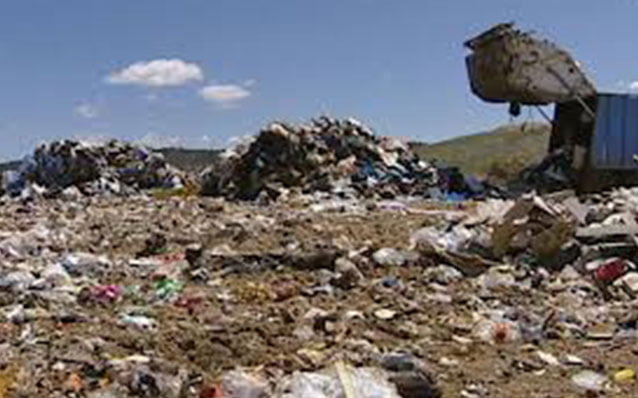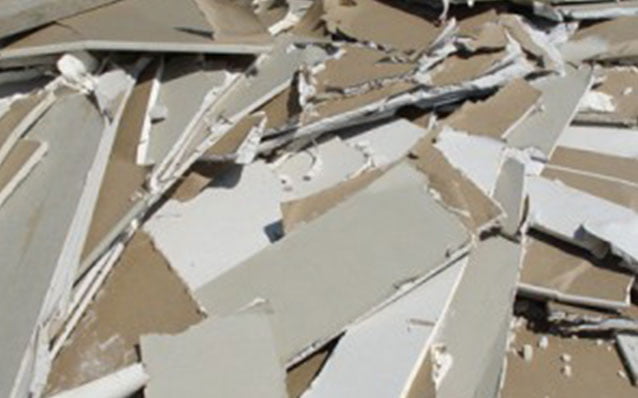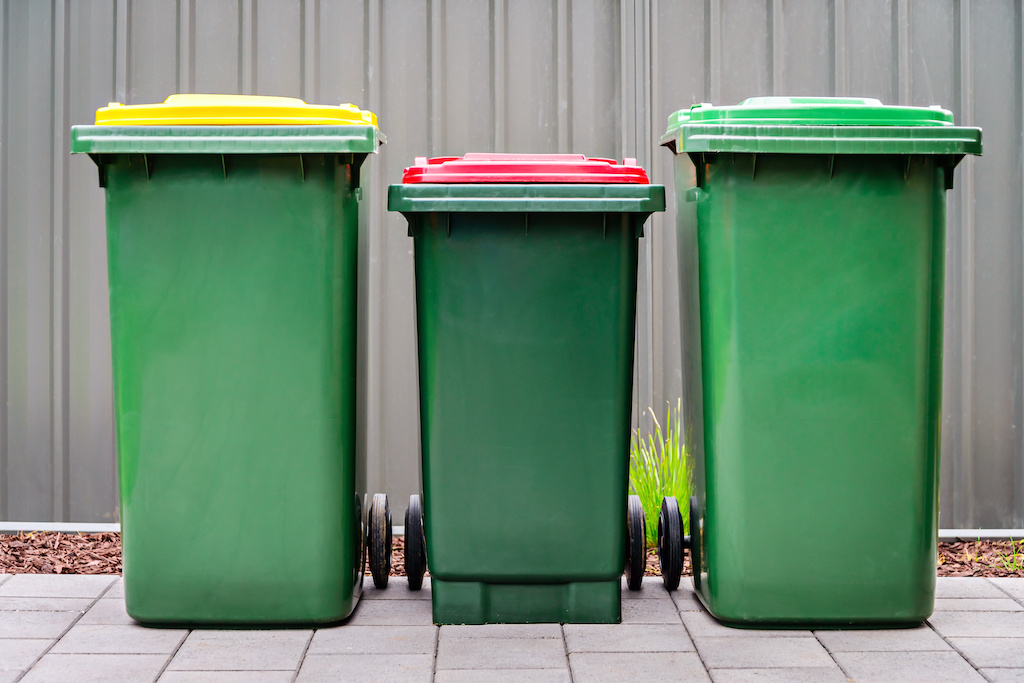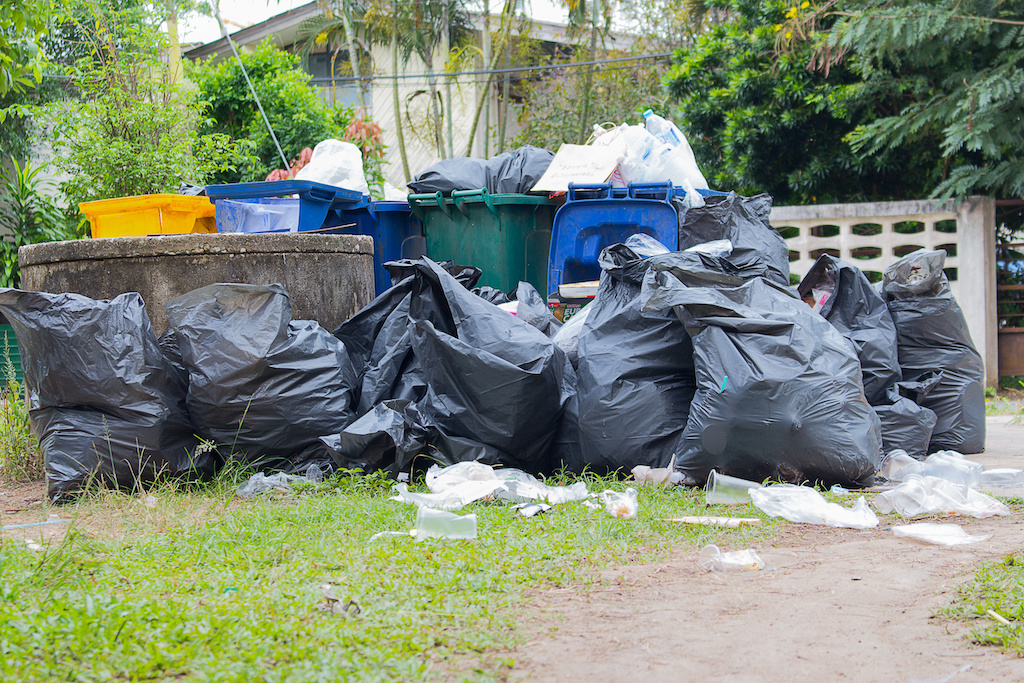
Reducing landfill waste does not require a complete lifestyle overhaul. Most of the impact comes from a handful of everyday habits, applied consistently, and from making better decisions at the point where rubbish is actually being removed.
Separate What You Can Before Collection
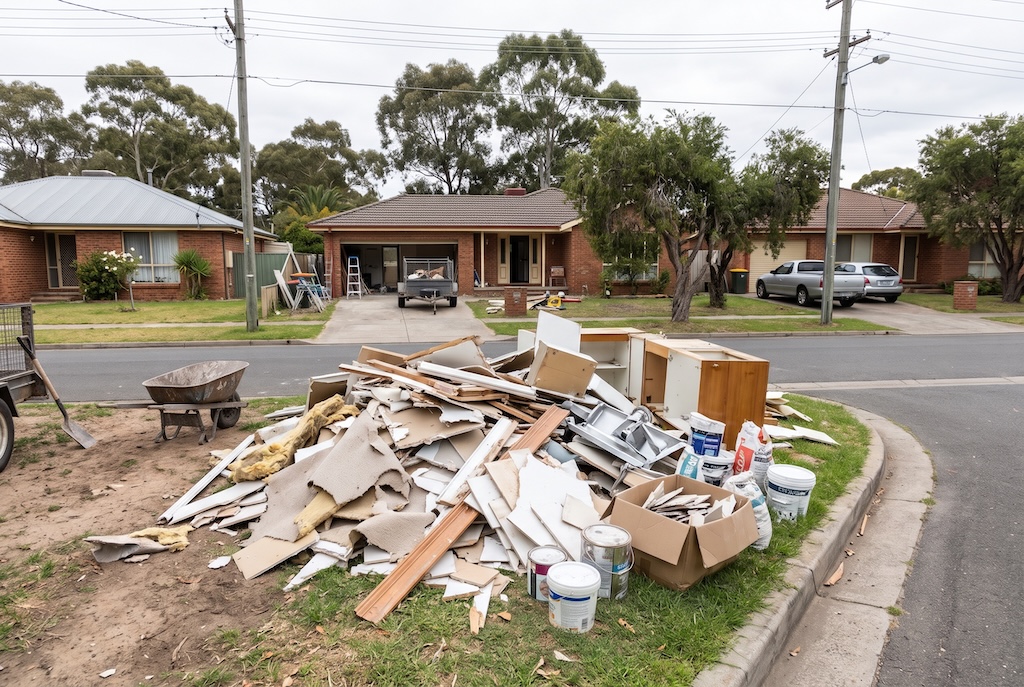
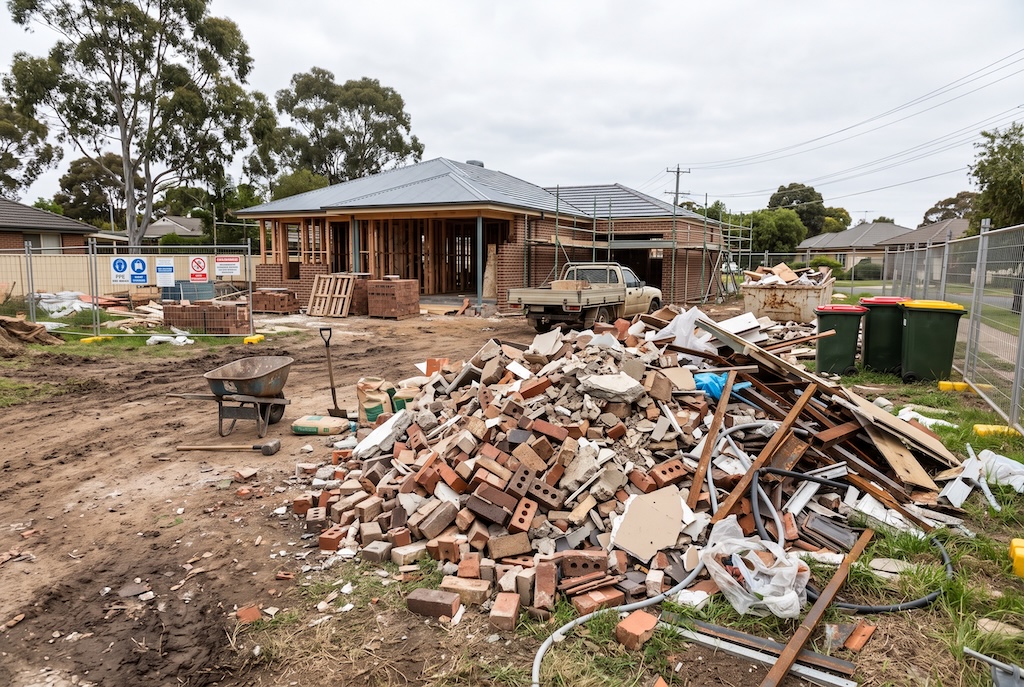
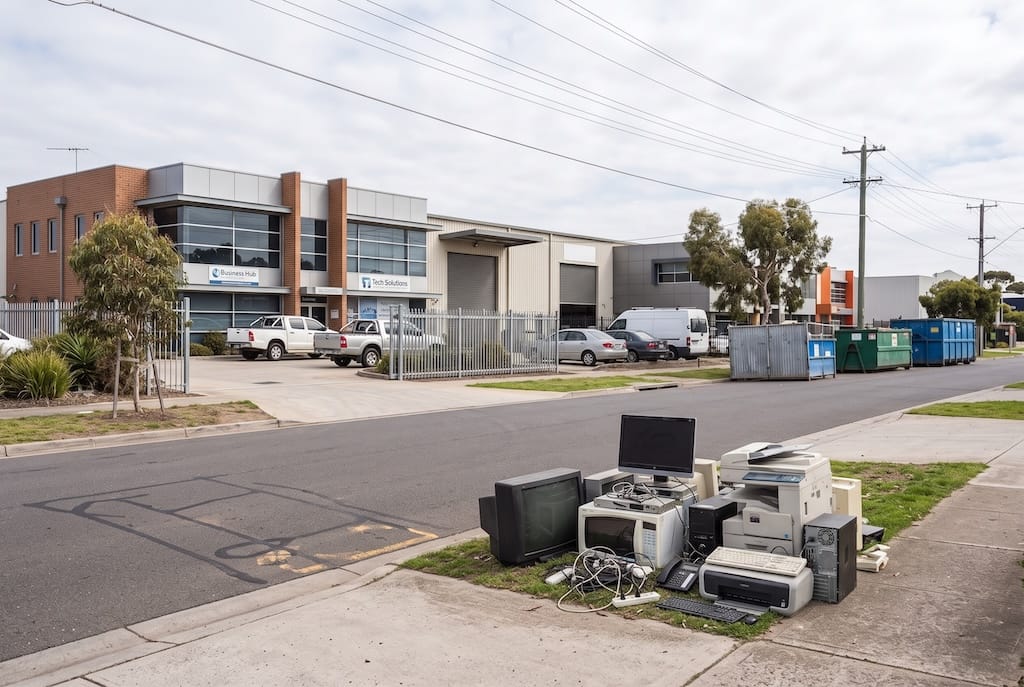
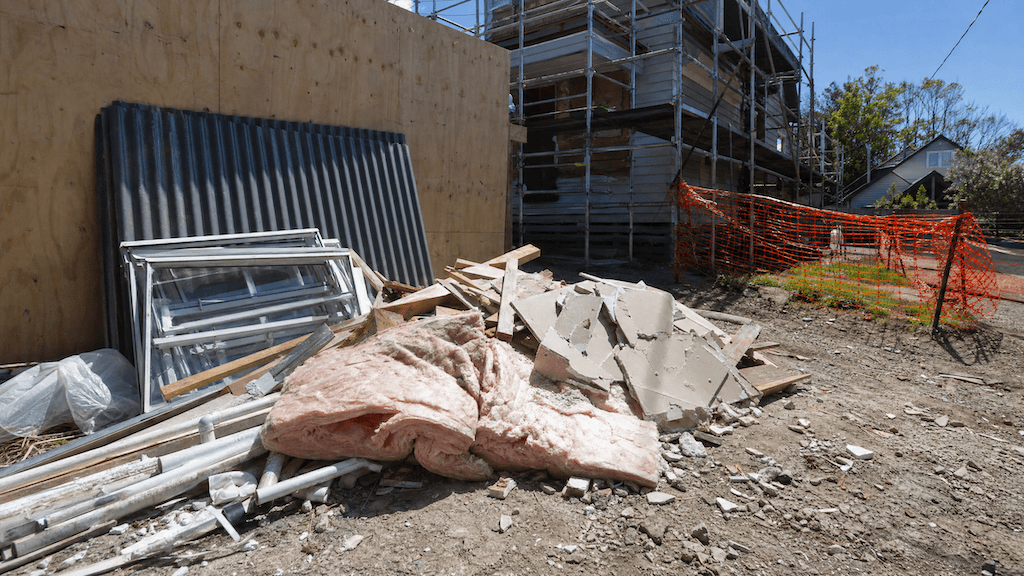
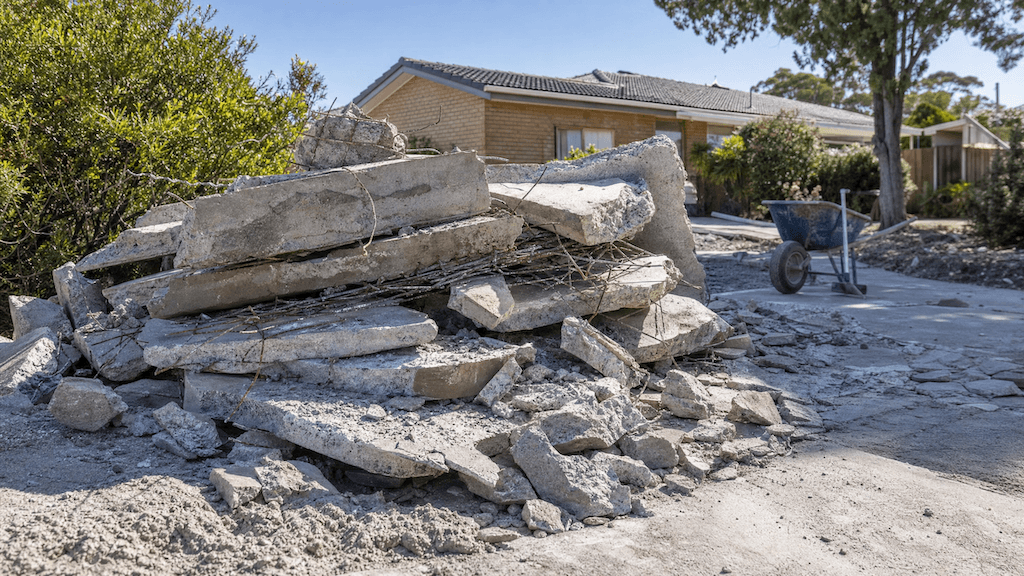
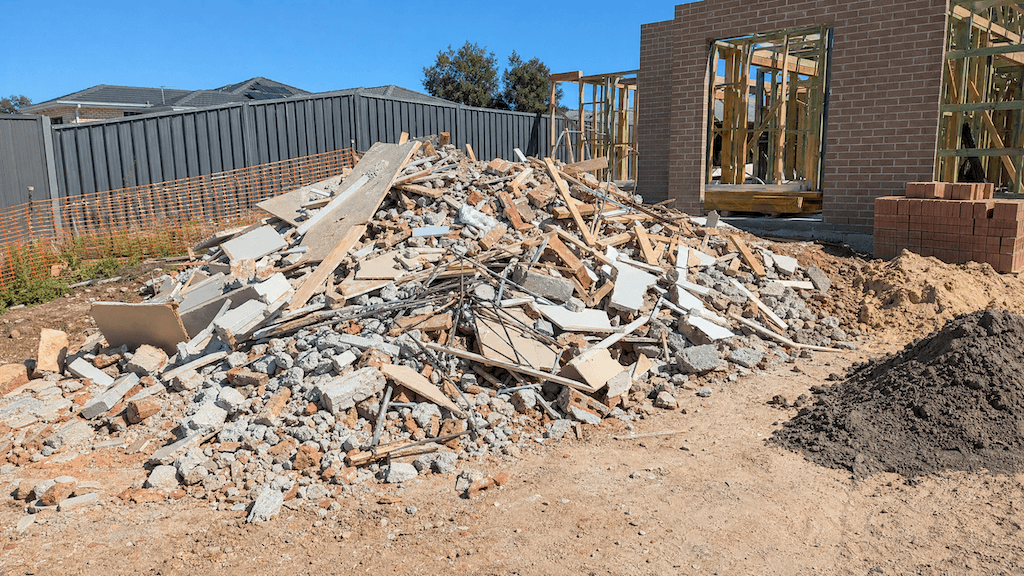
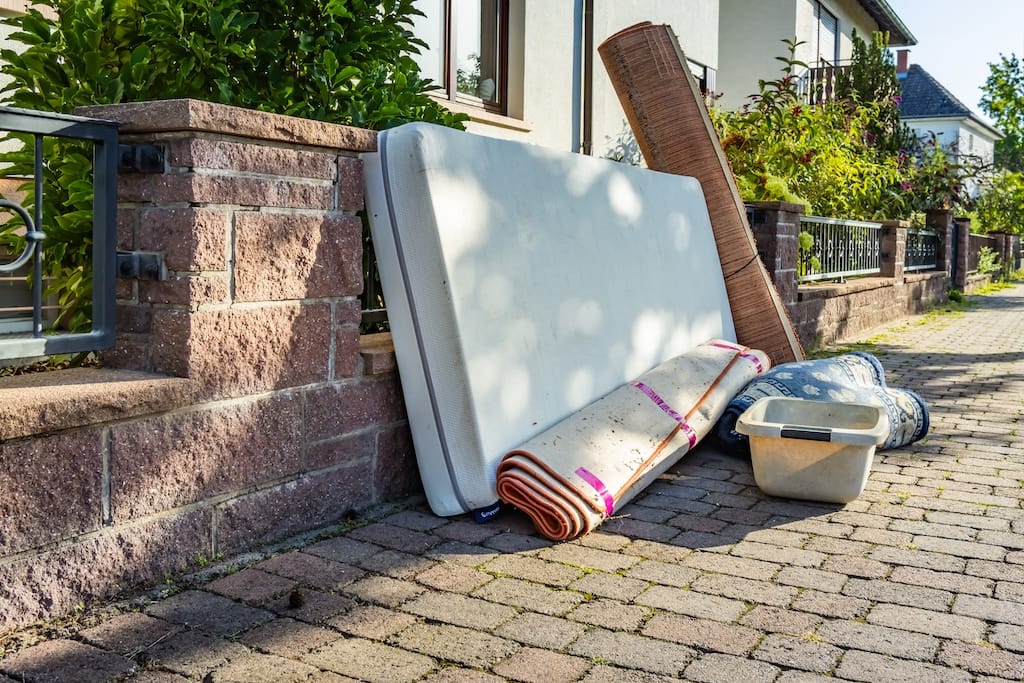
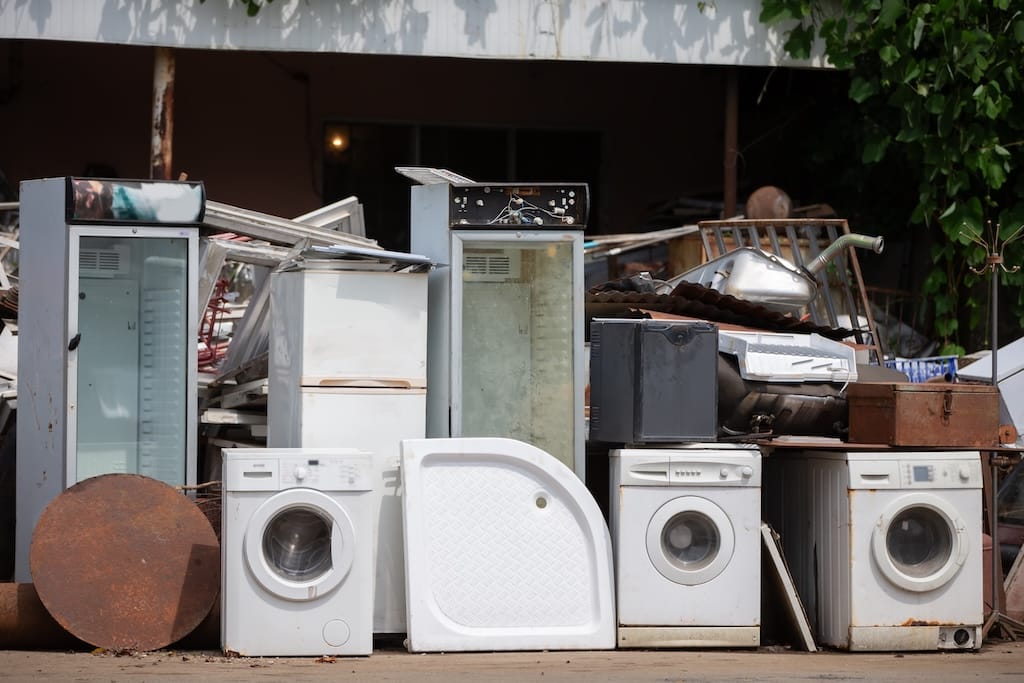
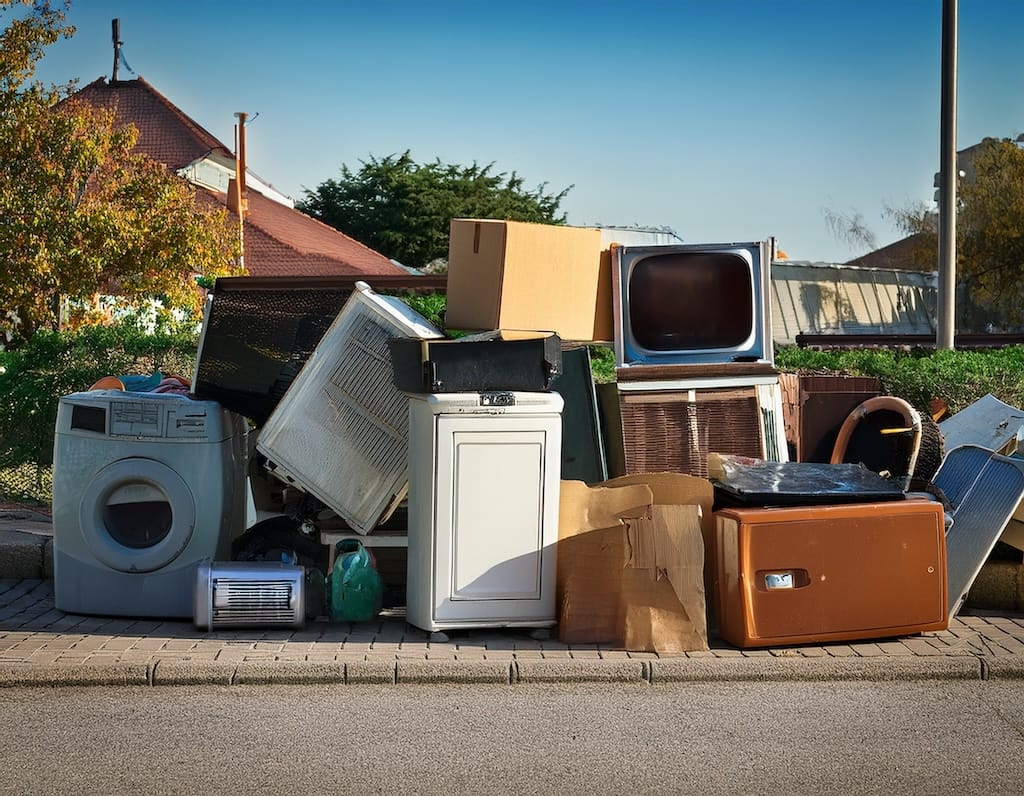
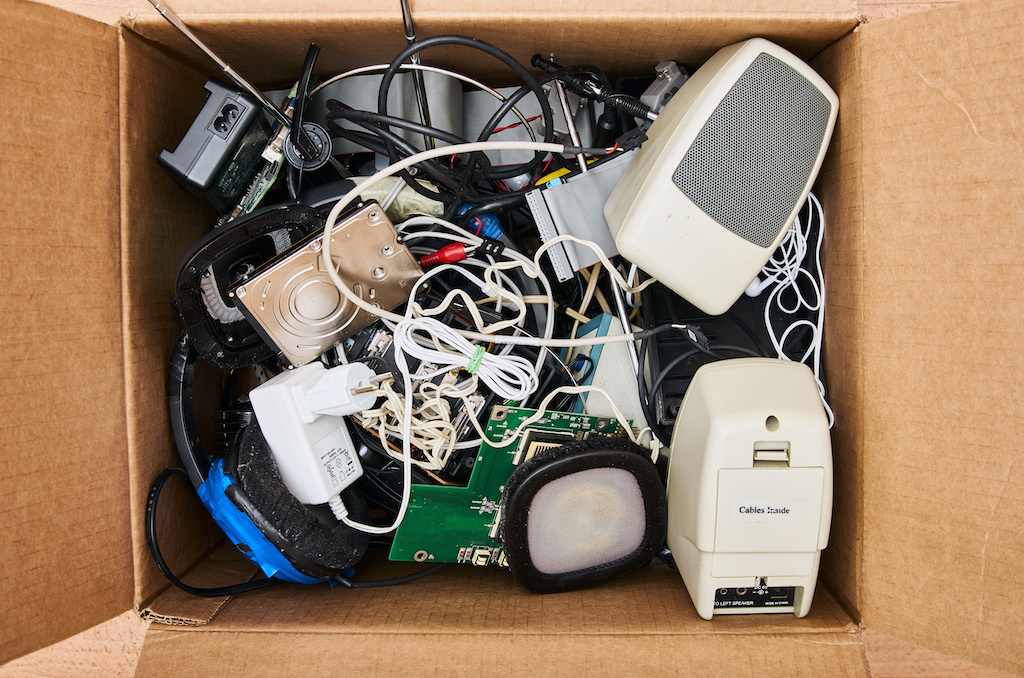
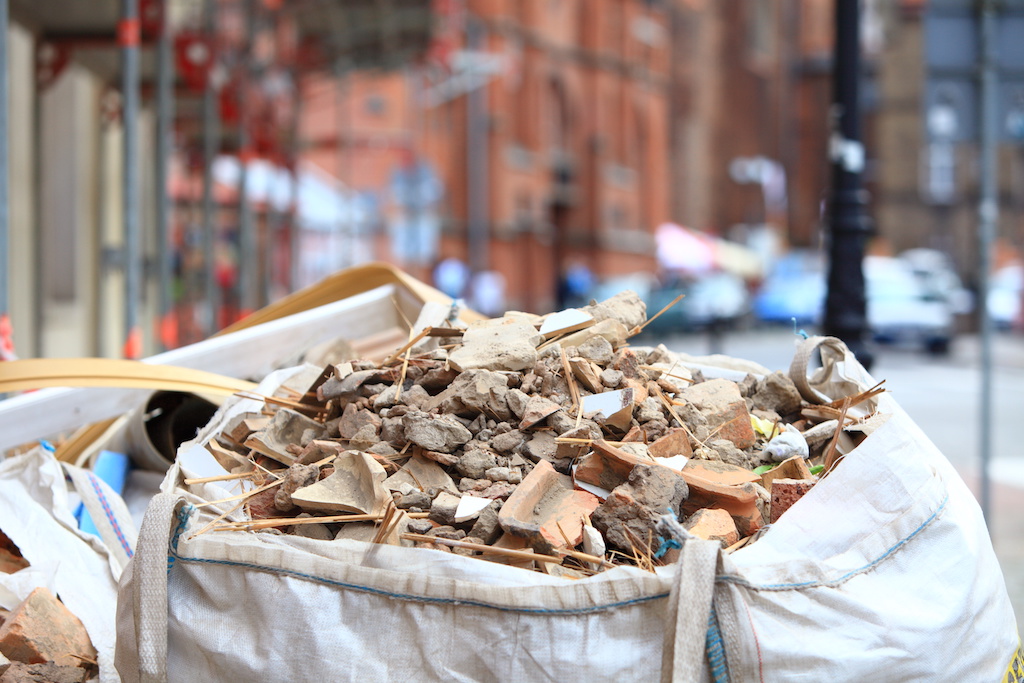
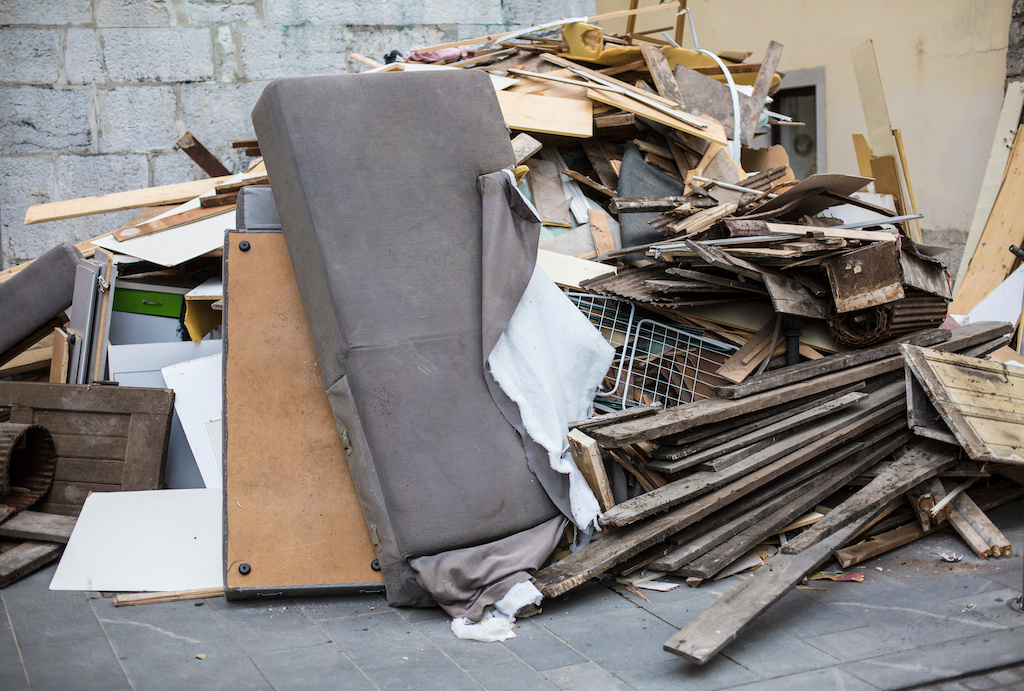
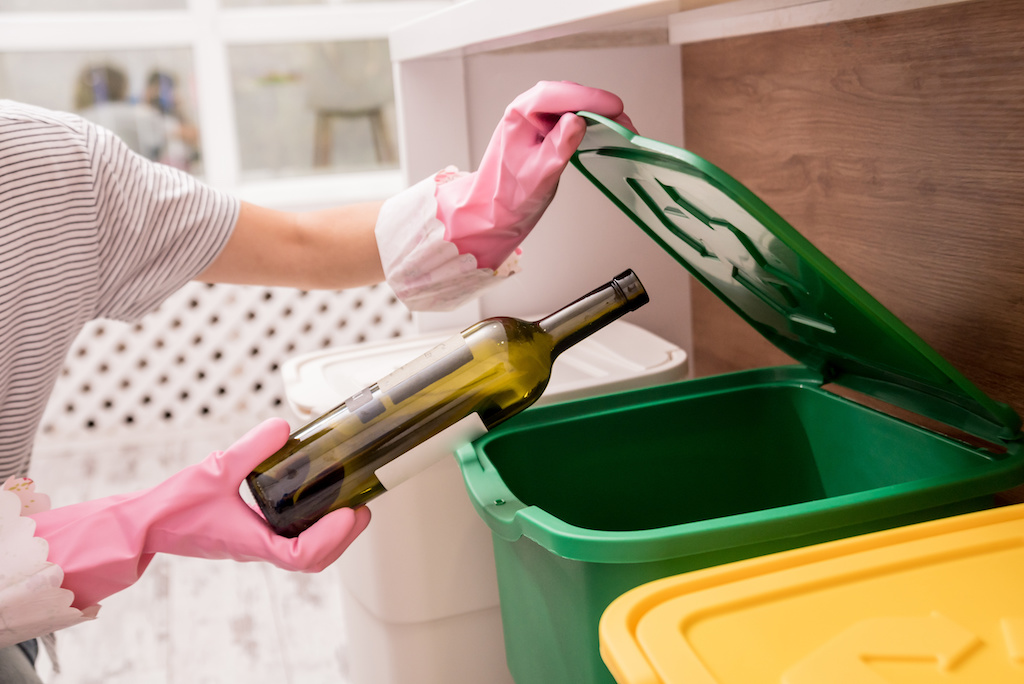
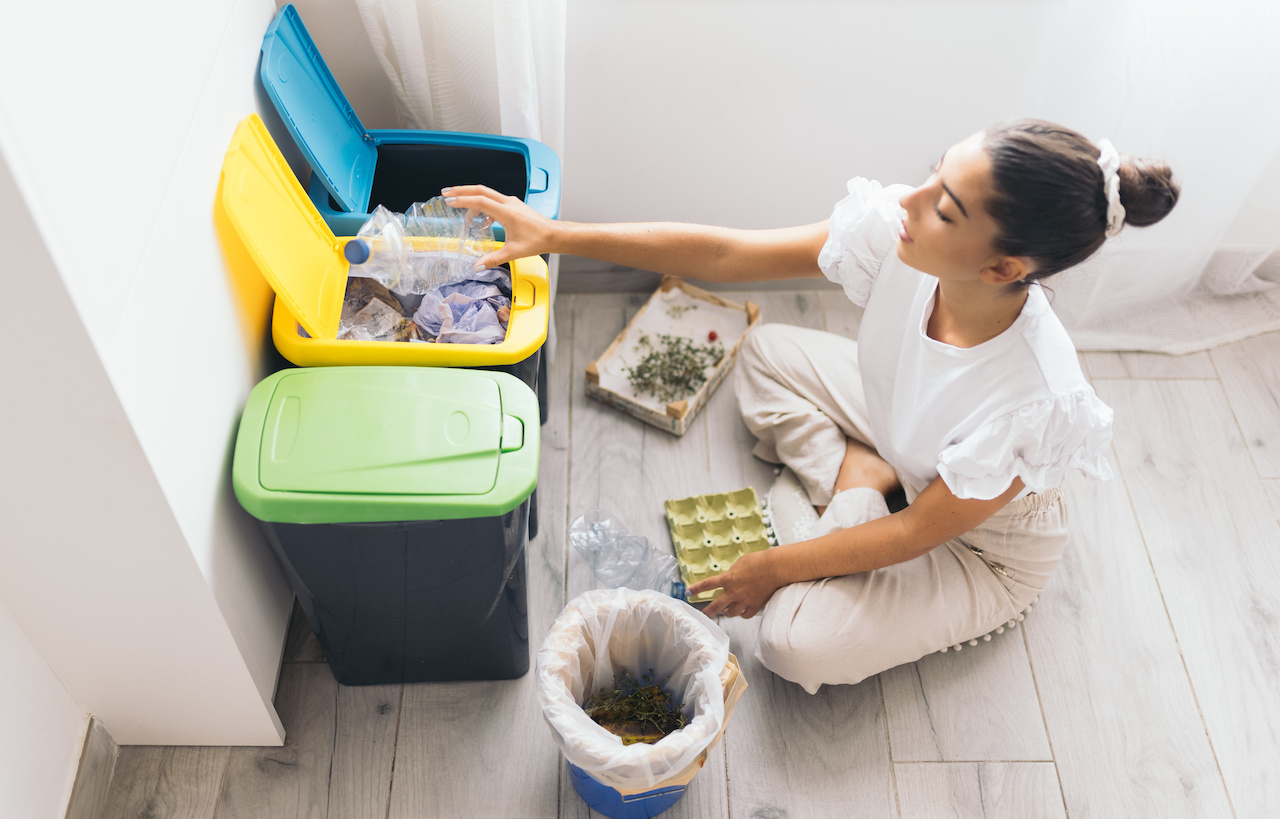
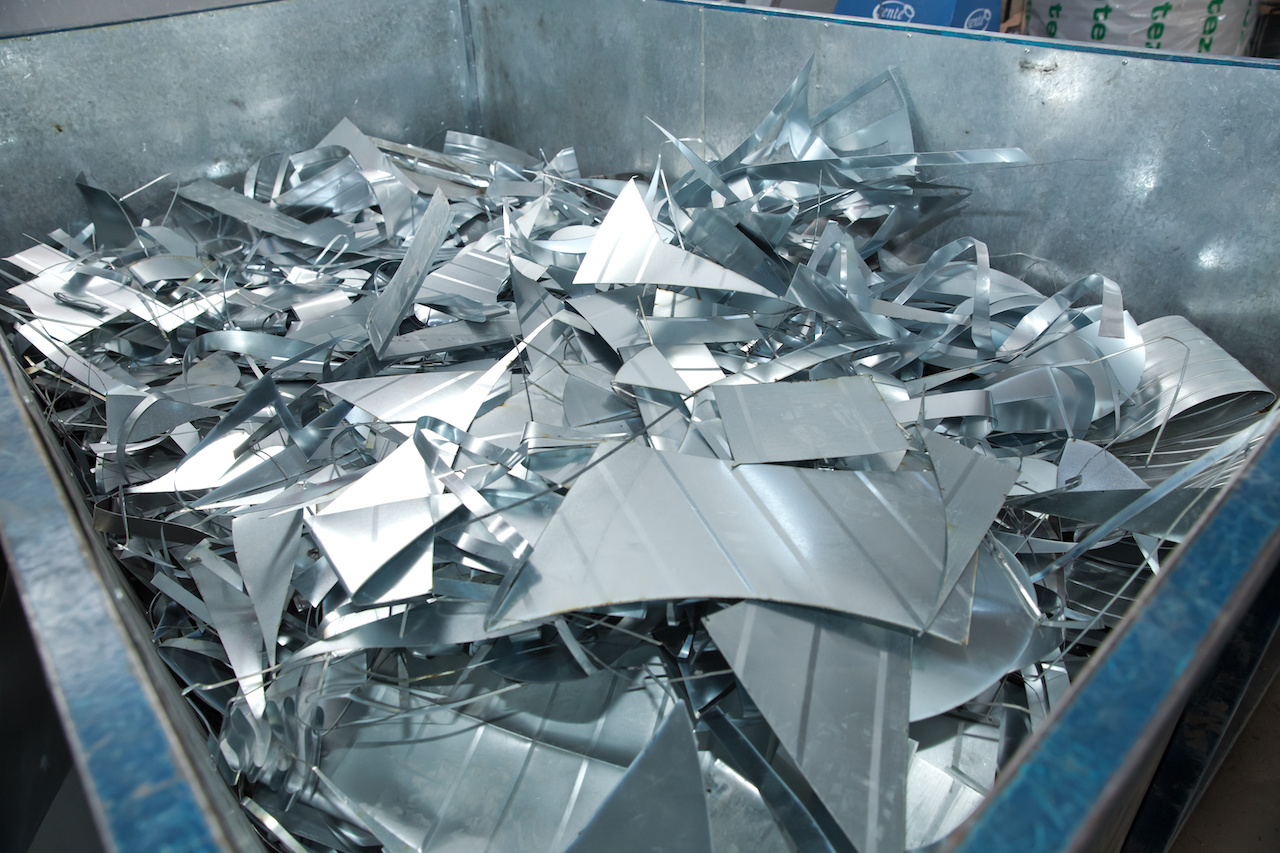
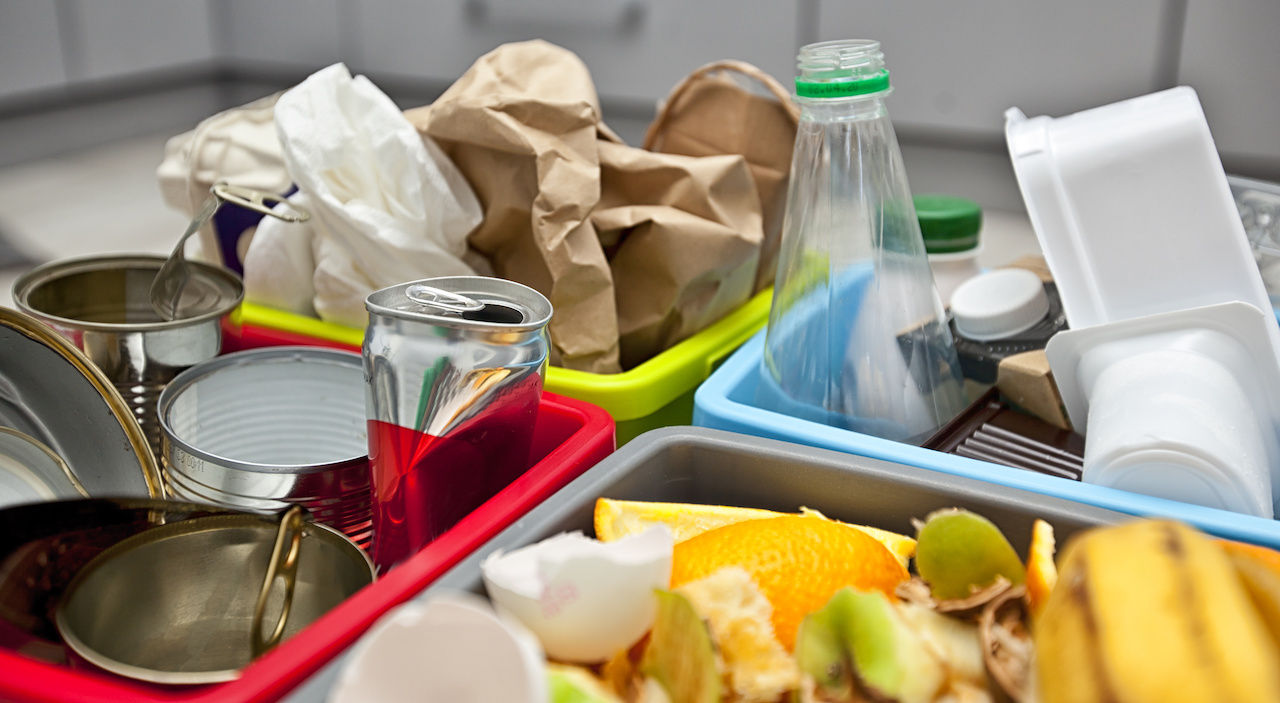
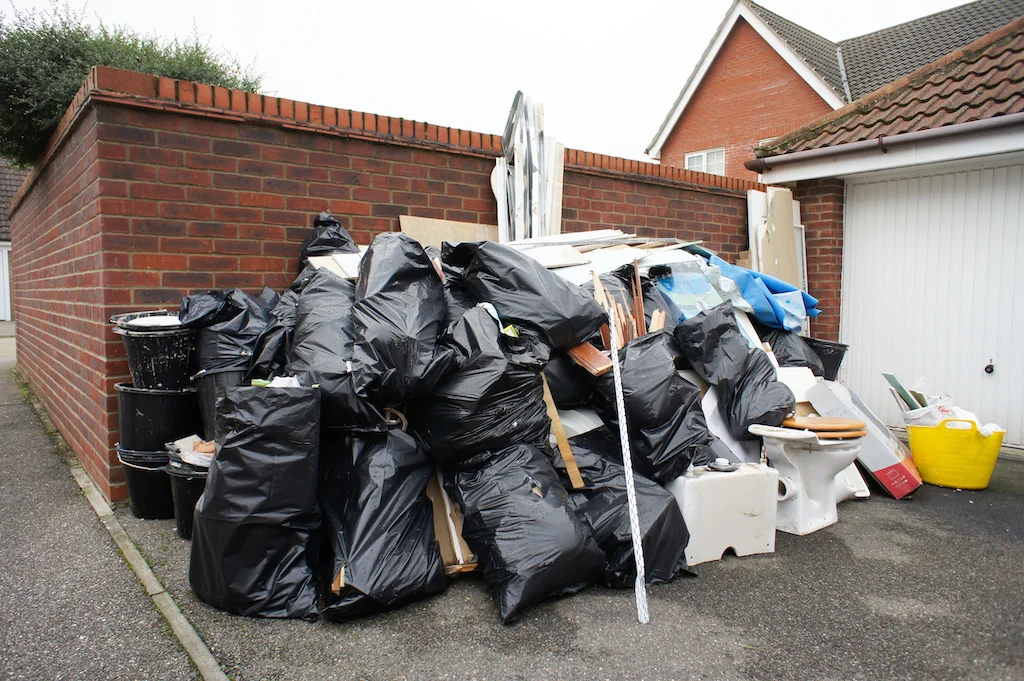
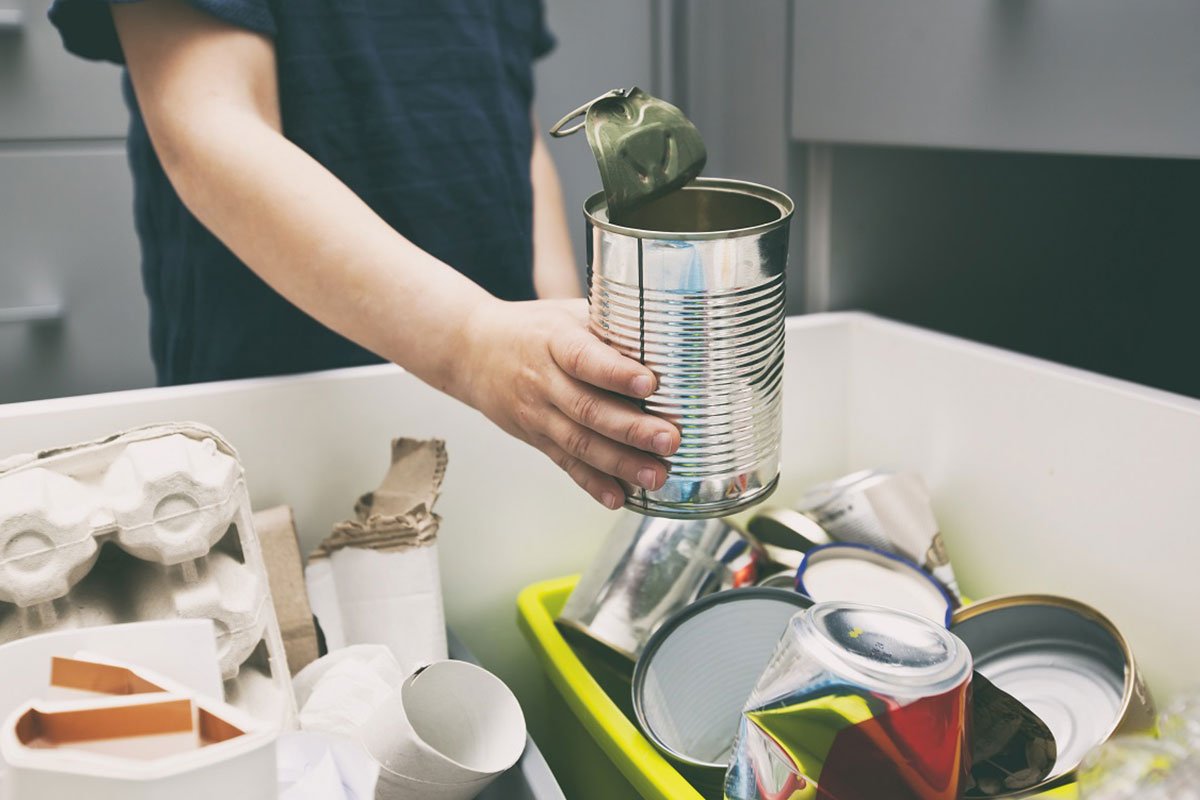
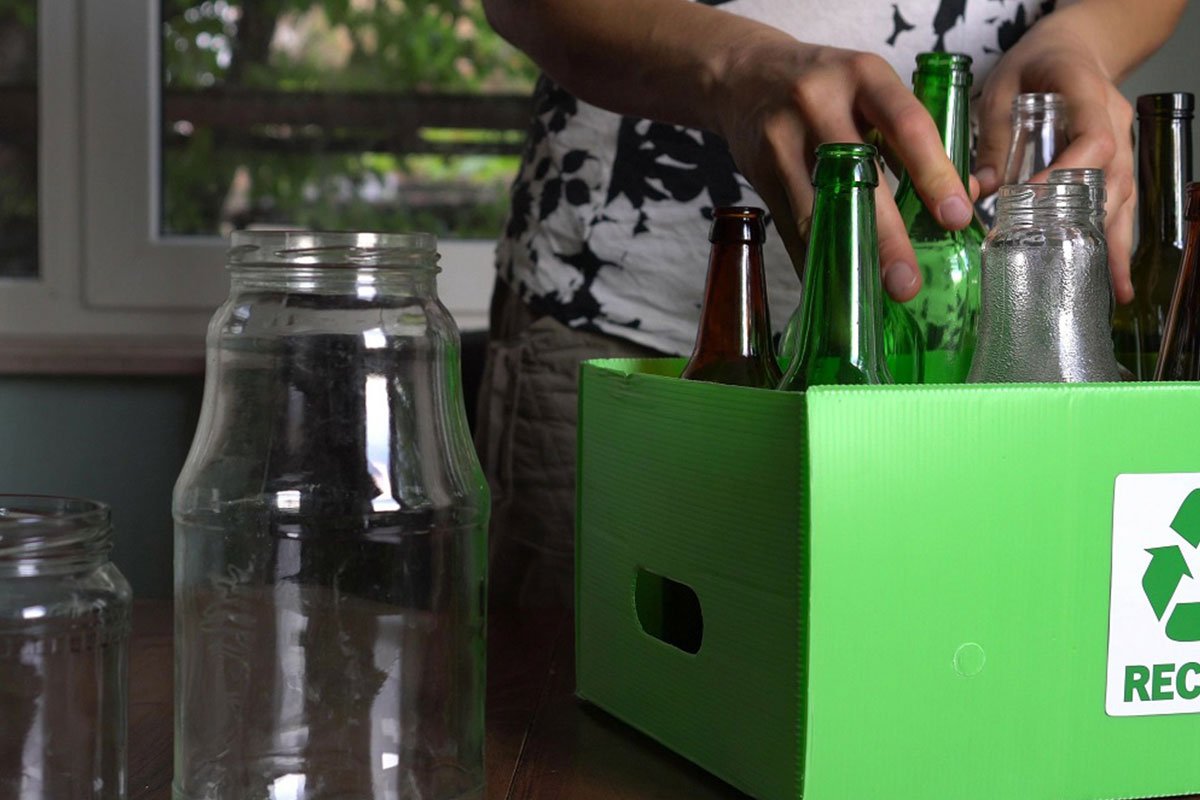
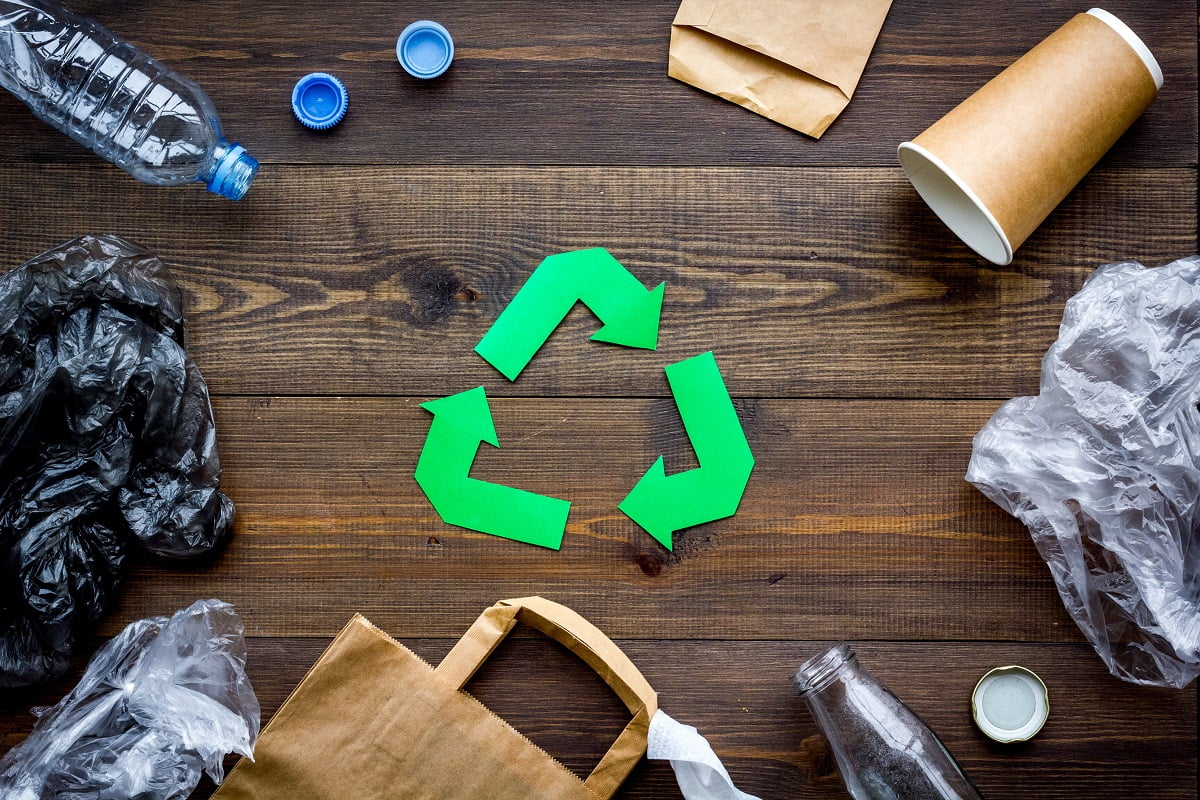
Metal, cardboard, clean timber and many household appliances can often be recycled rather than landfilled. Keeping these roughly separated from general waste, even loosely, makes a real difference to how much of a household’s rubbish is diverted from landfill over the course of a year.
Donate Before You Dispose
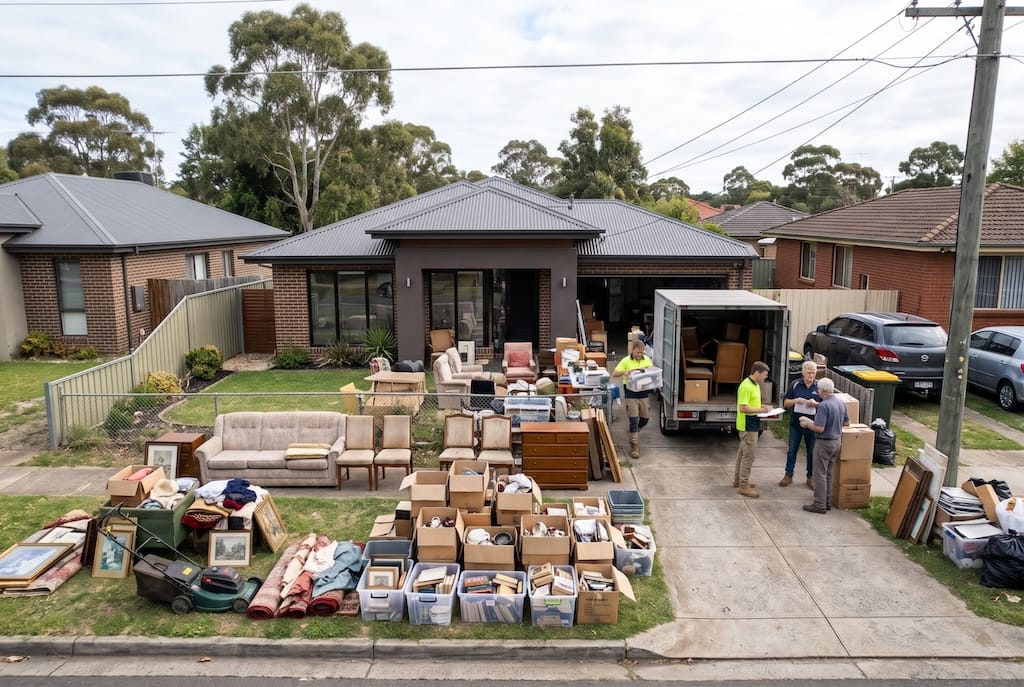
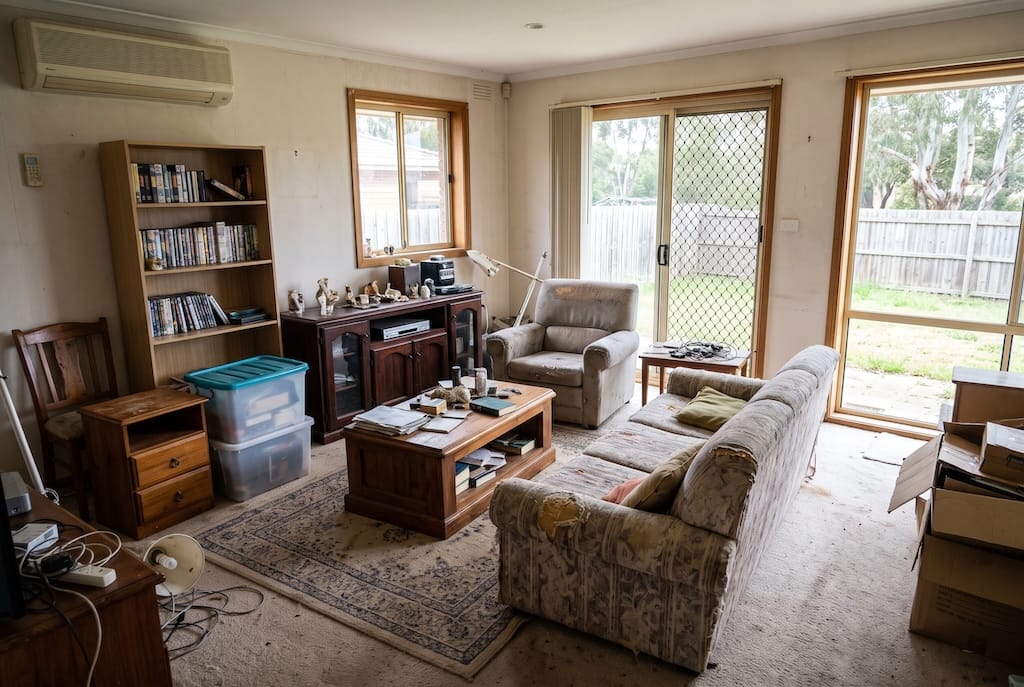
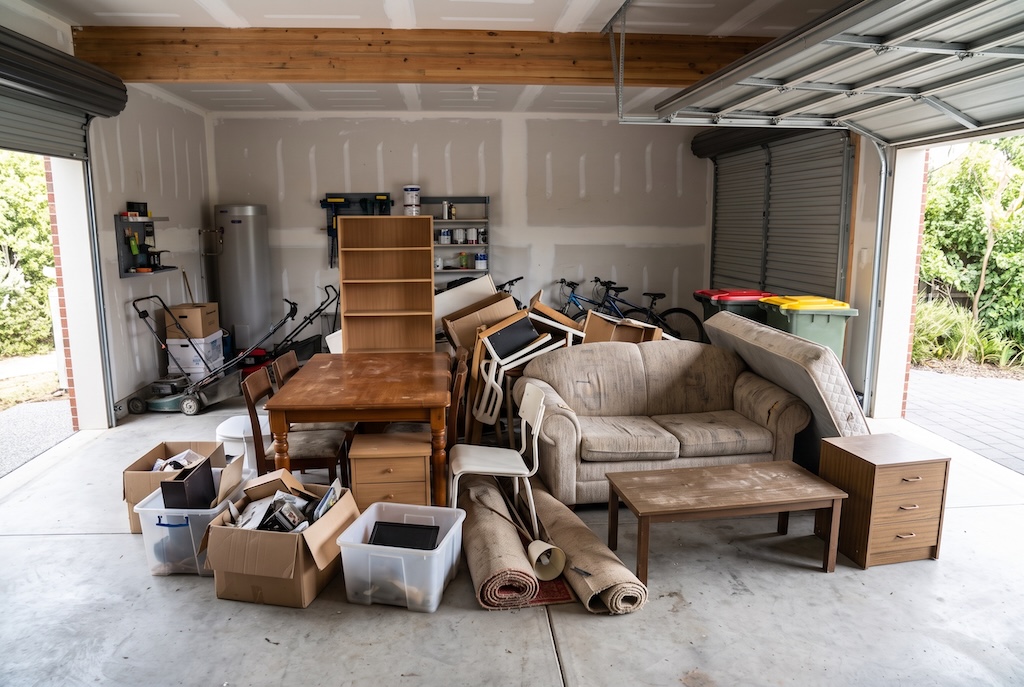
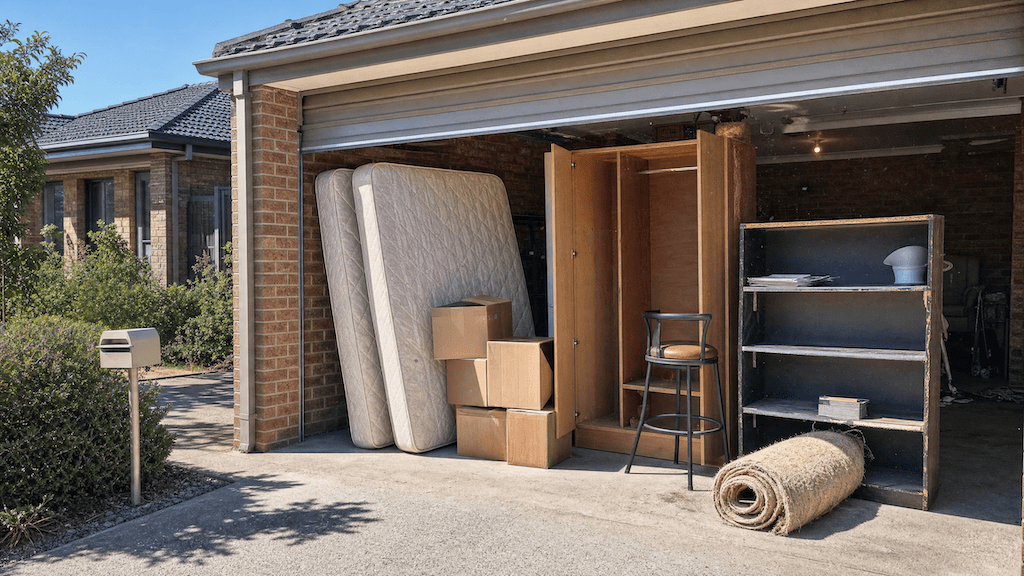
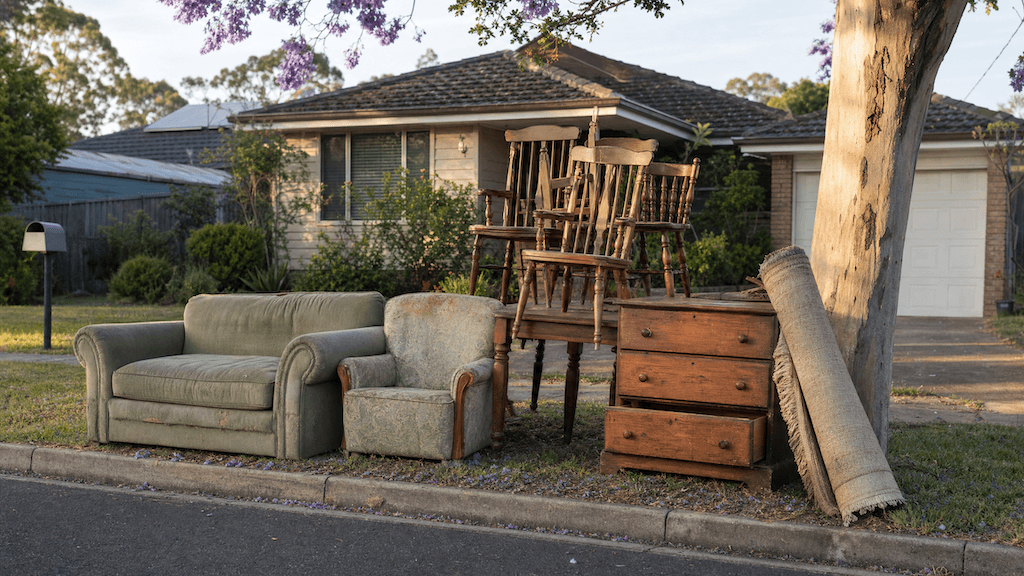
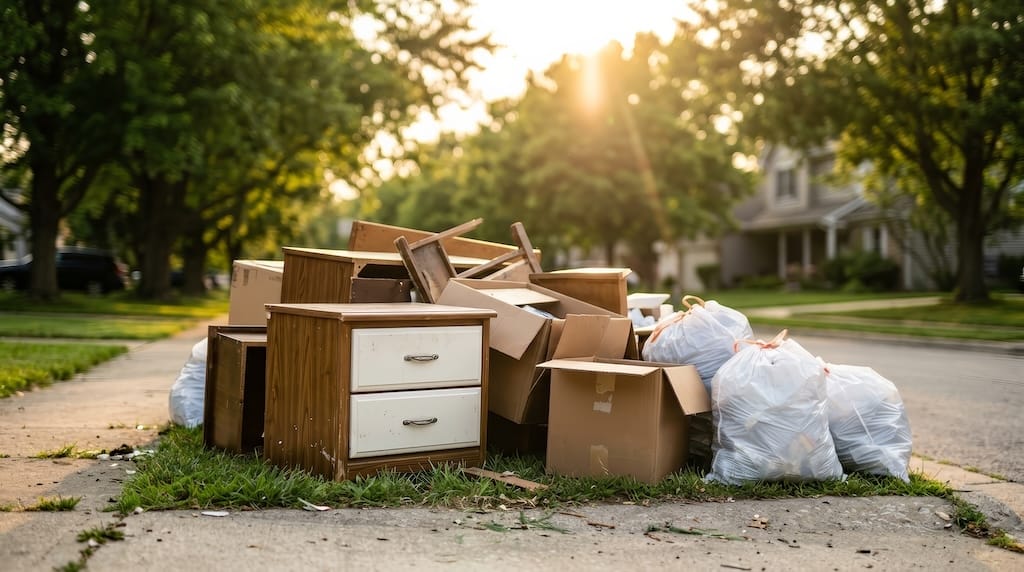
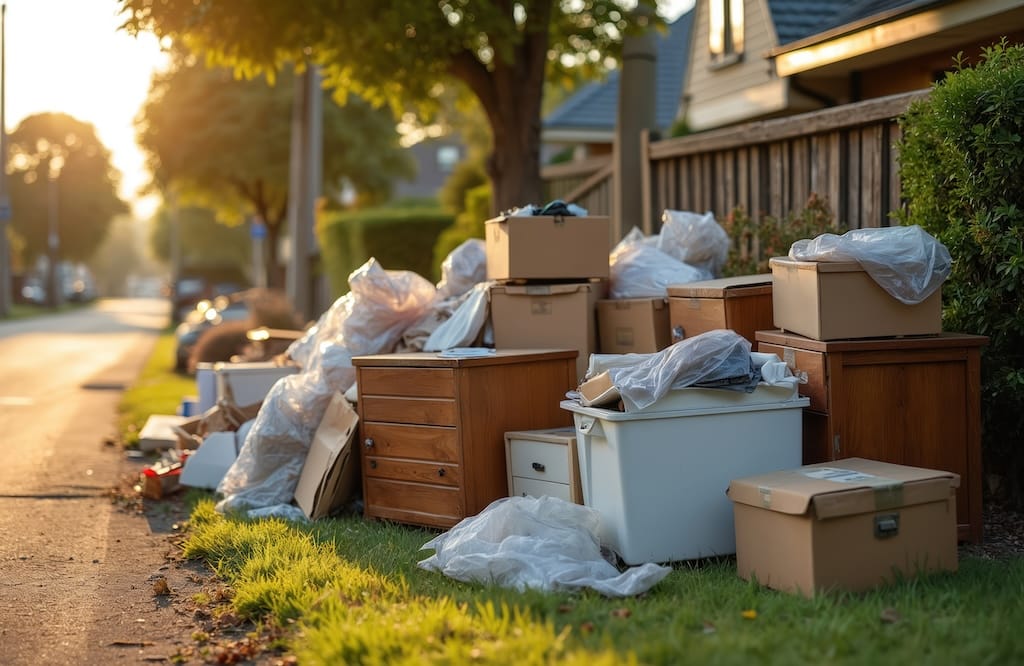
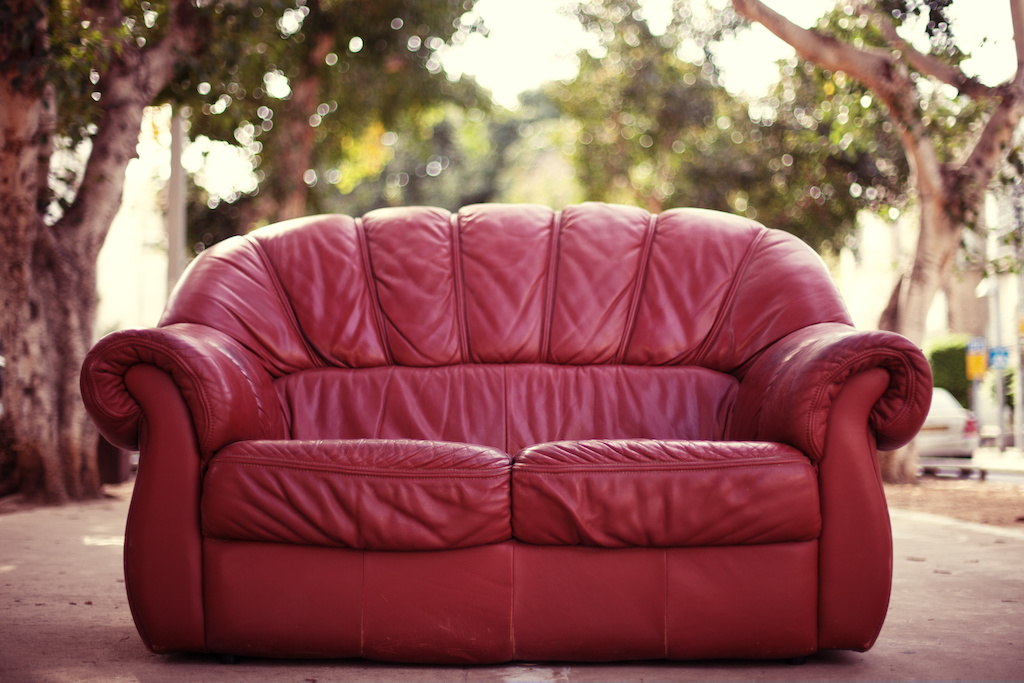
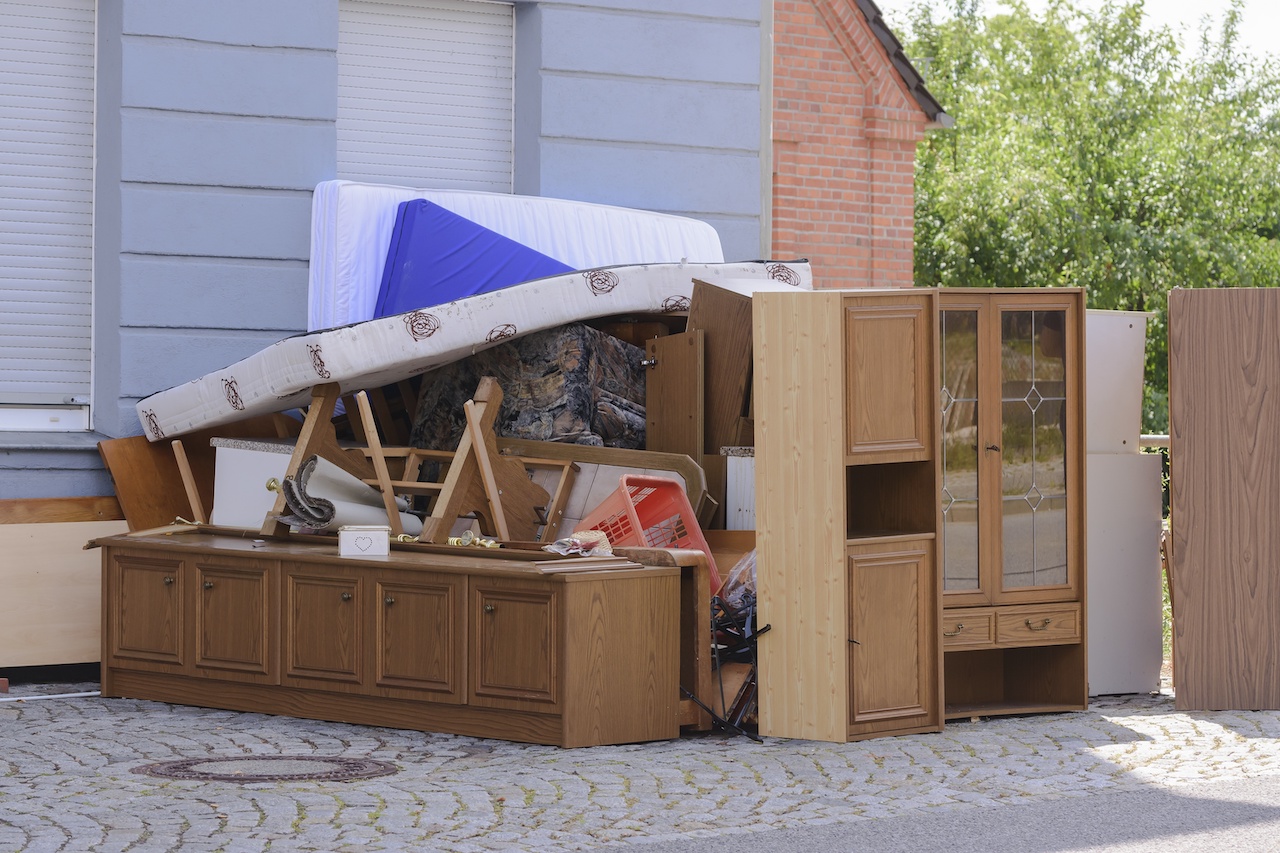
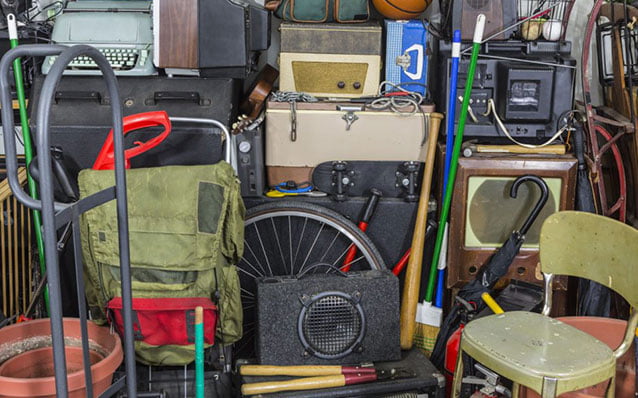
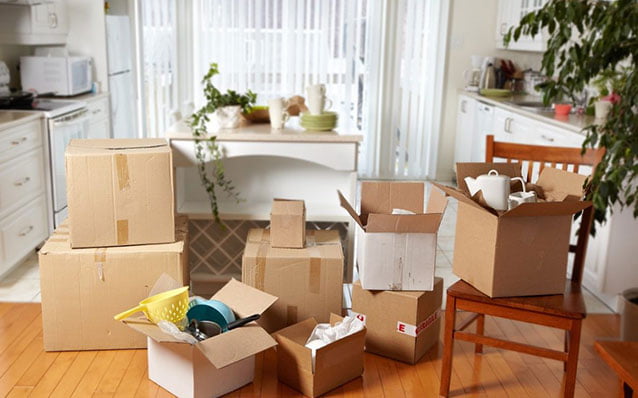
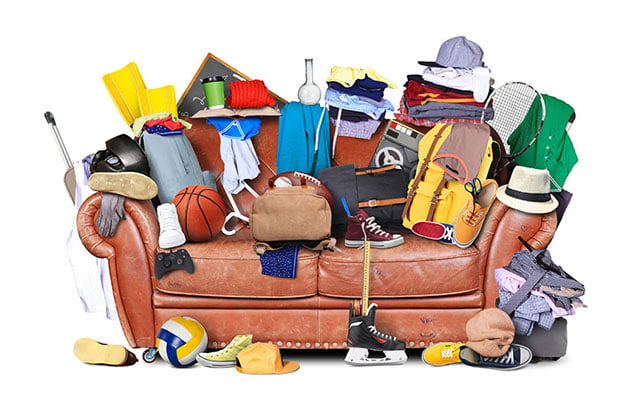
Furniture, appliances and household items in usable condition have somewhere better to go than landfill. Checking whether something can be donated or sold before booking a removal is one of the simplest ways to reduce total waste volume, and it usually takes no more effort than a quick check before the truck arrives.
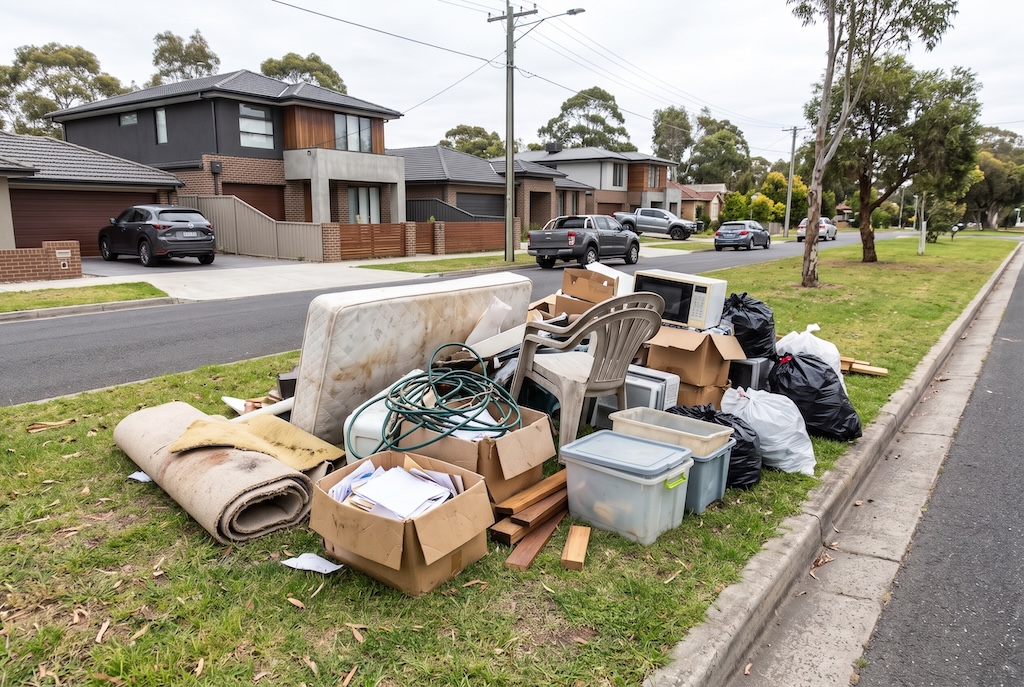
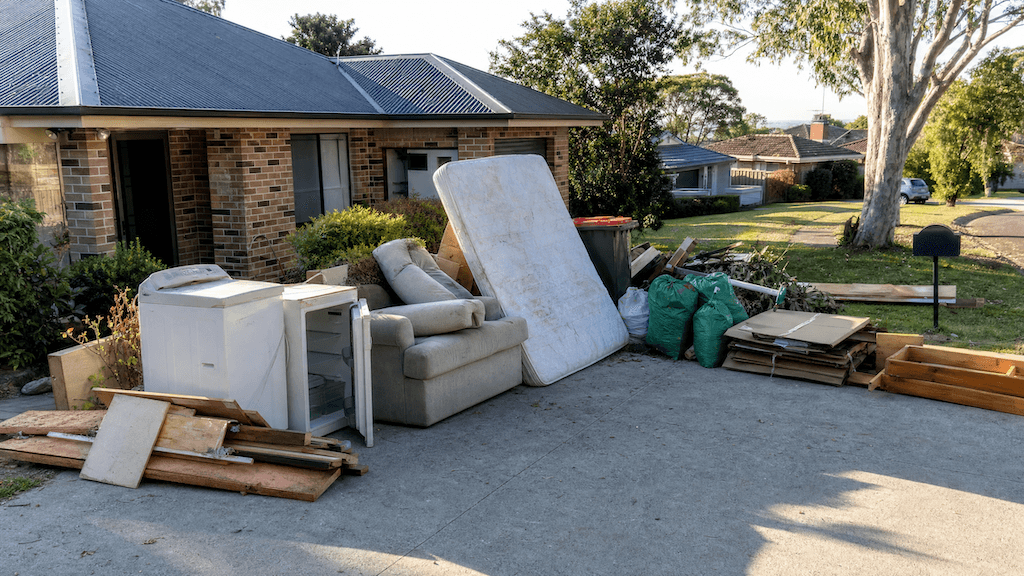
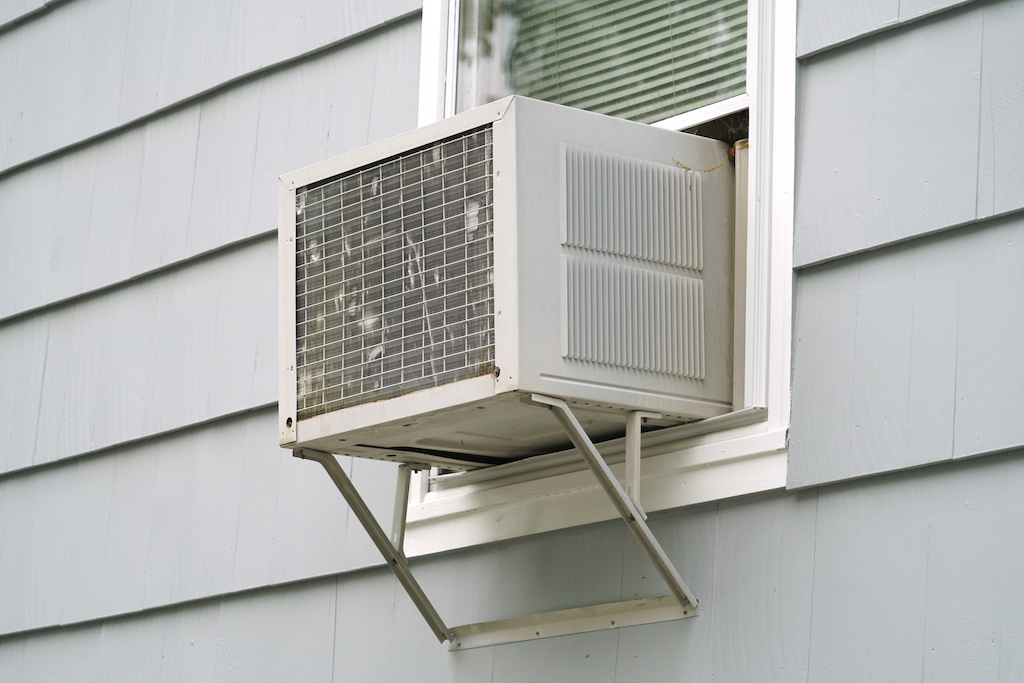
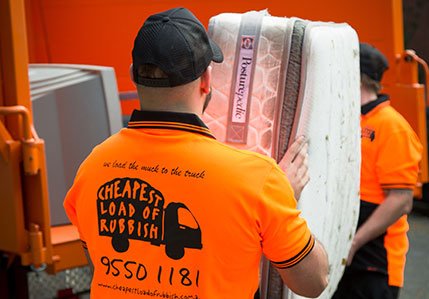
If you do have items that are no longer usable, furniture and white goods removal can help make sure they are handled appropriately.
Compost Green Waste Where Possible
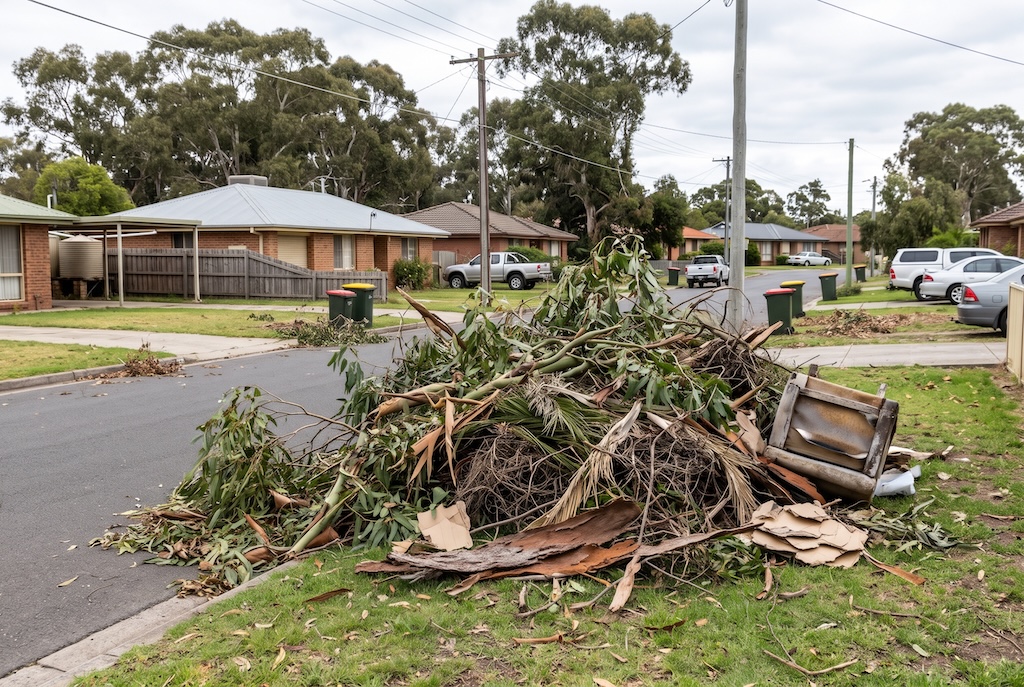
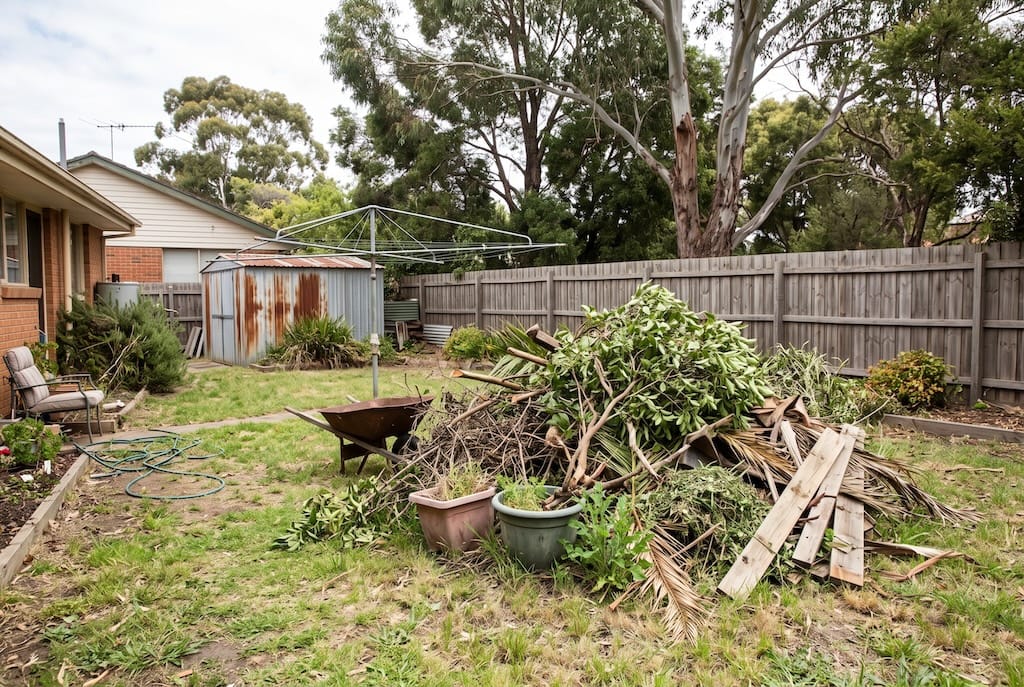
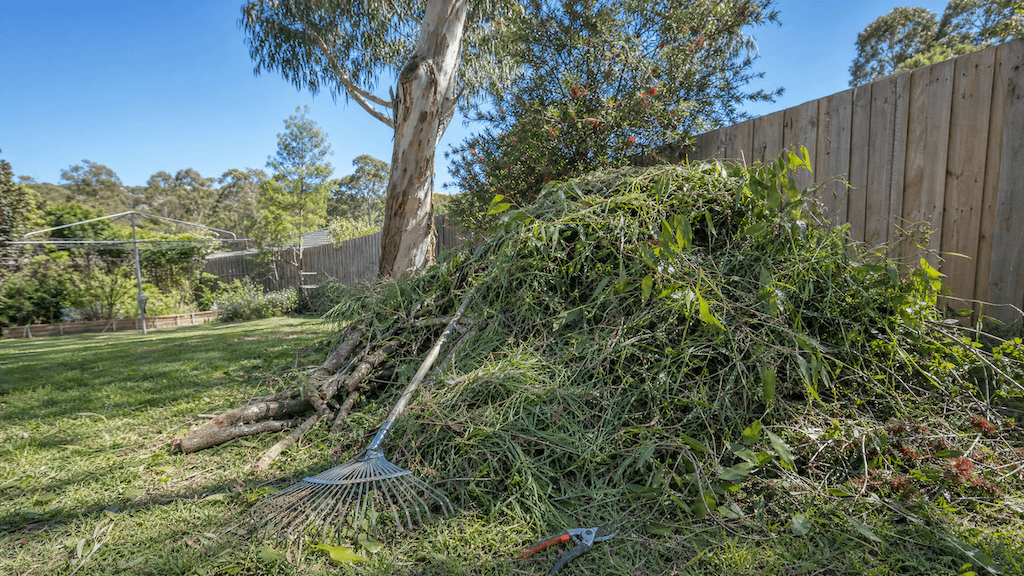
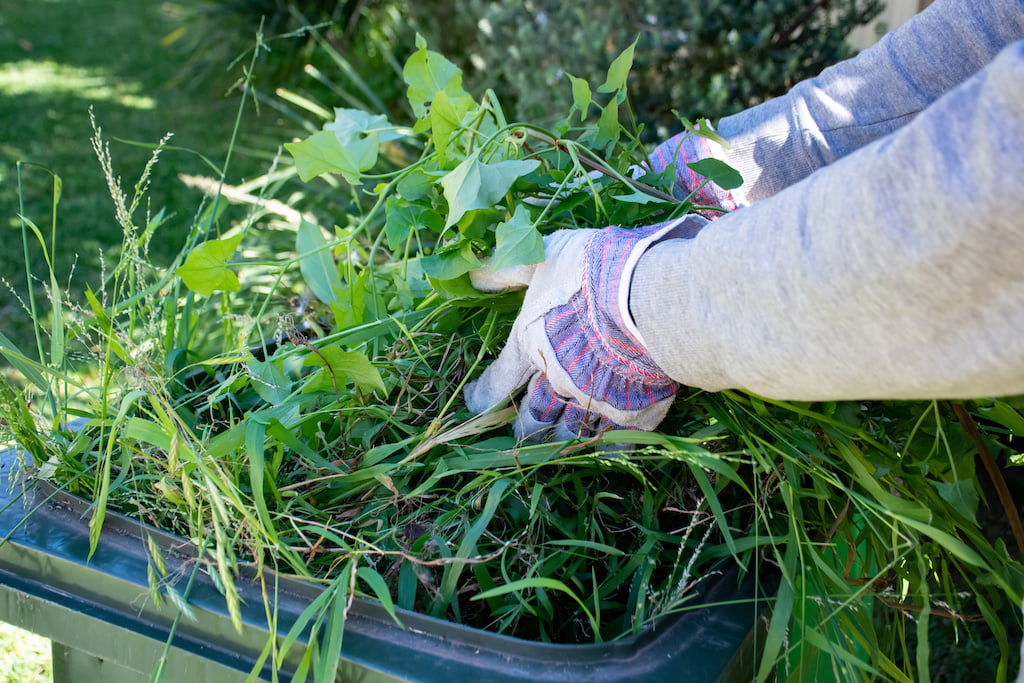
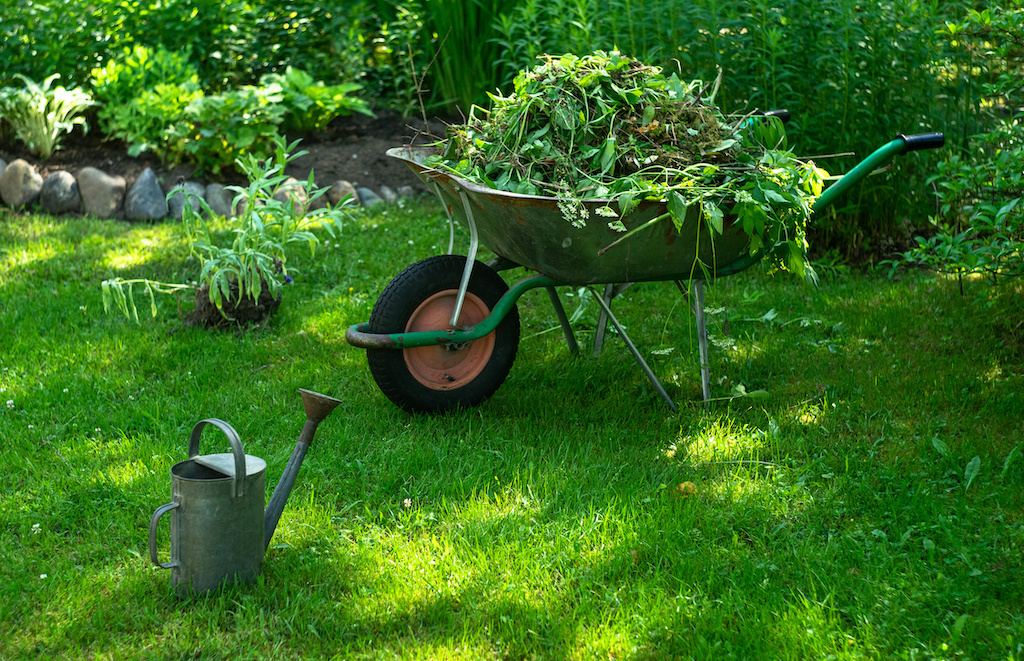
Garden waste, food scraps and other organic material can often be composted at home rather than disposed of, reducing the volume that needs removal in the first place. For larger volumes of garden waste, professional garden rubbish removal can help ensure suitable green waste is directed towards appropriate recycling or processing pathways rather than simply treated as general rubbish.
Choose Removal Providers That Sort Responsibly
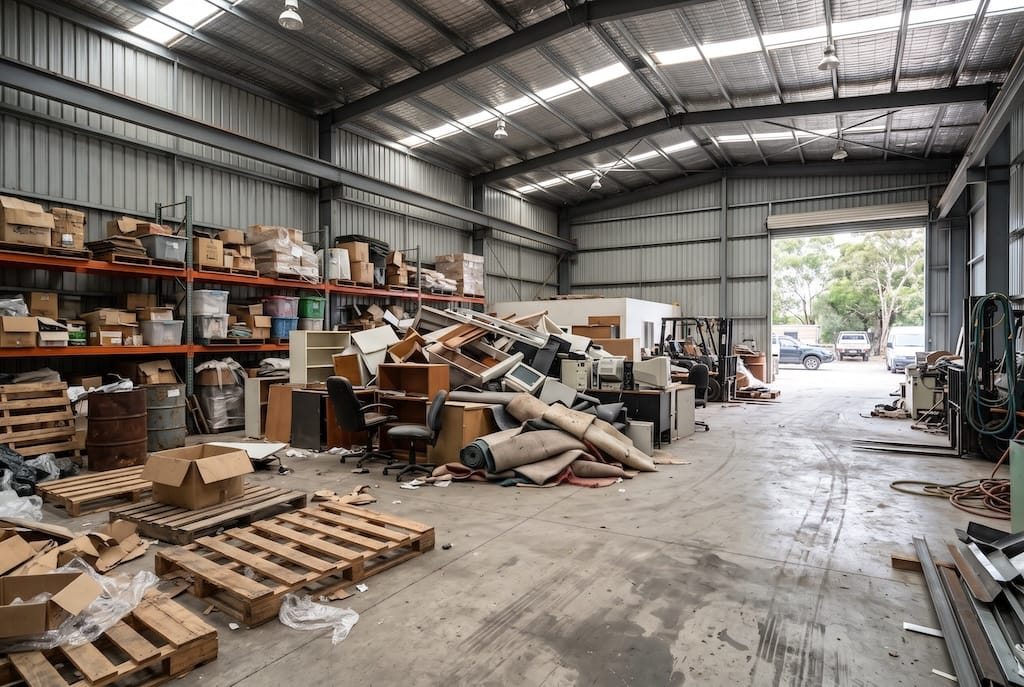
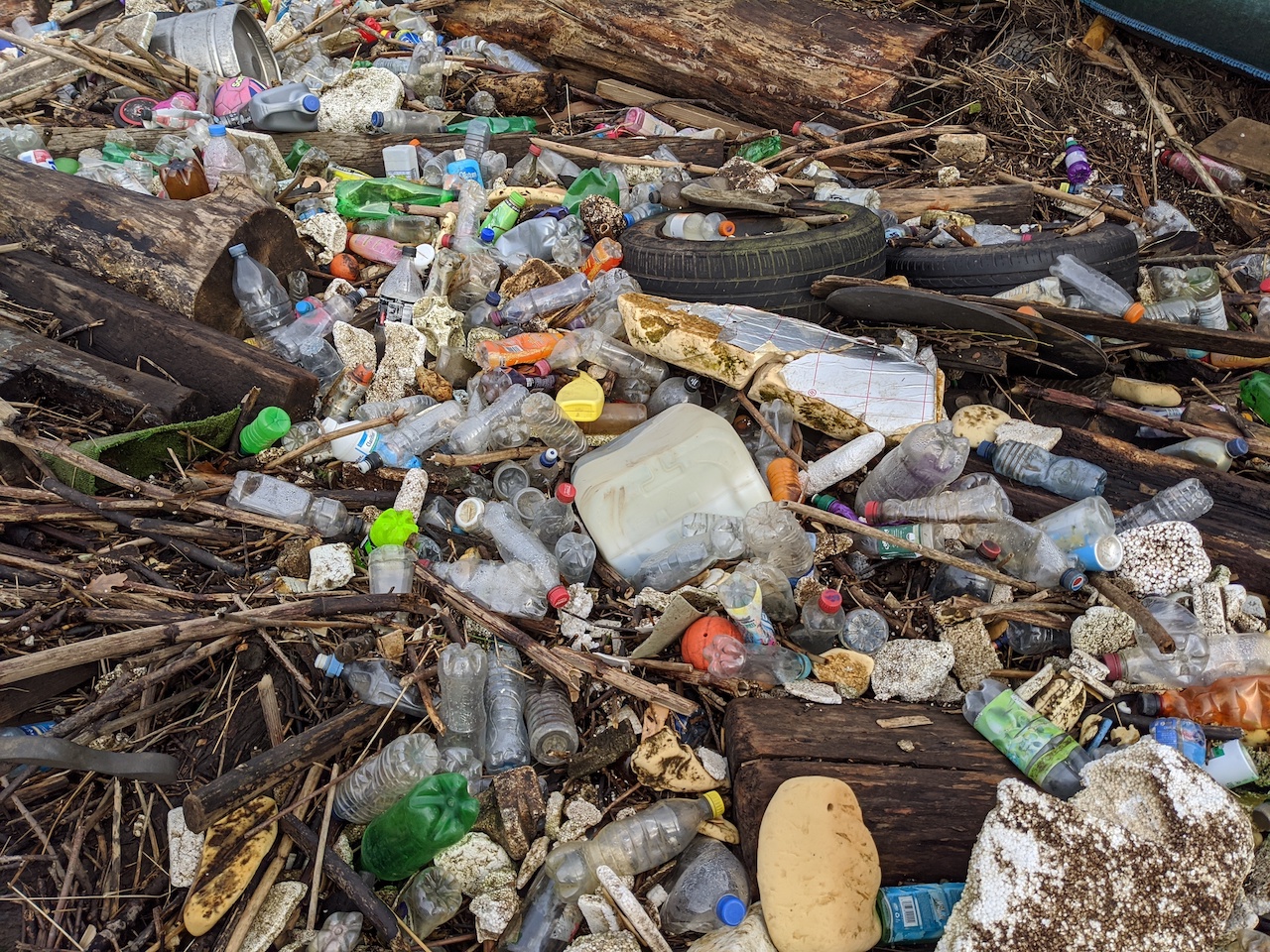
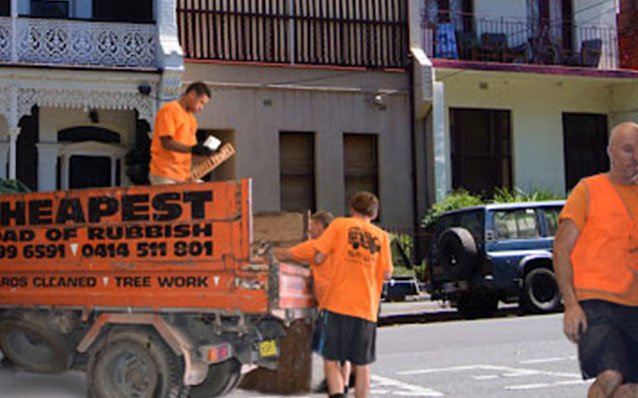
Not all rubbish ends up handled the same way after collection. Choosing a provider that actively sorts materials for recycling, rather than sending mixed loads straight to landfill, has a direct impact on how much waste is actually diverted, even if the load looks identical from the outside.
Flag Hazardous Items Correctly
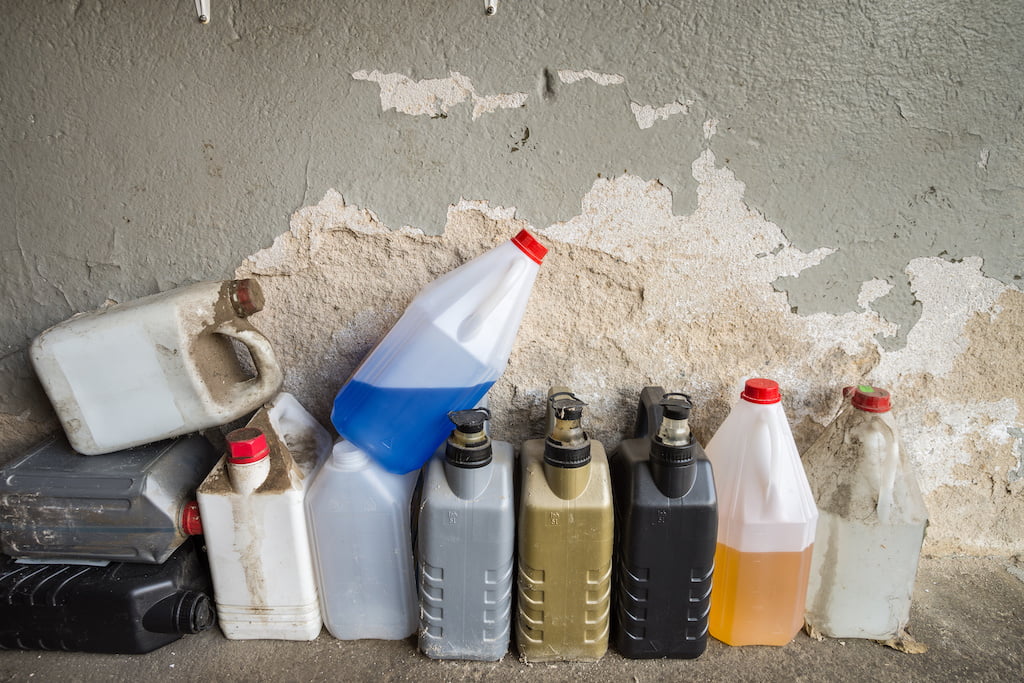
Paint, batteries, chemicals and similar items should never go in with general waste. Flagging these separately helps ensure they are handled through the correct disposal pathway rather than contaminating other materials that may be suitable for recycling.
Think About Waste Before You Buy
A less obvious way to reduce landfill waste is to consider it earlier, choosing durable furniture over disposable pieces, or buying only what you need for a renovation rather than over-ordering materials. It will not eliminate waste entirely, but it shifts the starting point in the right direction.
Reduce, Reuse, Then Dispose
It is worth thinking through this rough order for anything leaving the house: first, can it genuinely be reduced or avoided altogether; second, can it be reused, repaired, donated or sold; and only once those options are exhausted does disposal come into play. Households that apply this order consistently, even loosely, tend to send noticeably less to landfill over time than those who default straight to the bin.
Small Household Changes That Add Up
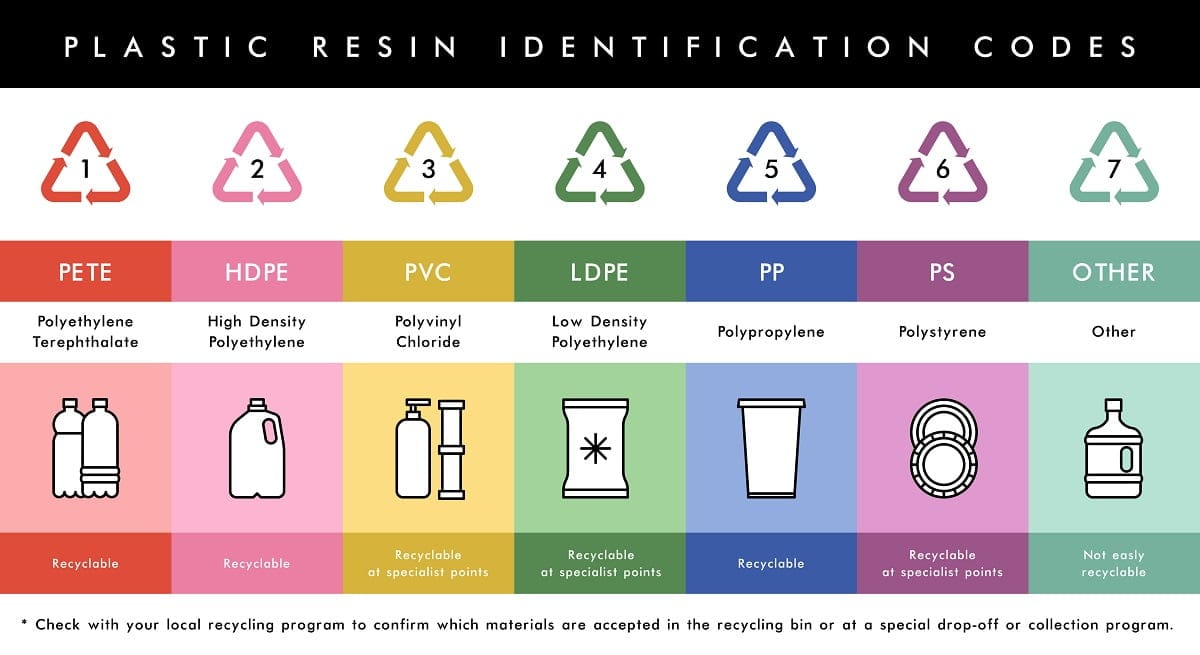
Beyond a single clean-out, small ongoing changes make a difference too, such as keeping a designated spot for items to donate as they come up, rather than letting them accumulate in a cupboard for years, or getting into the habit of checking whether something is recyclable before it goes in general rubbish. None of these changes is dramatic on their own, but together they shift a household’s overall waste pattern meaningfully.
Teaching the Next Generation
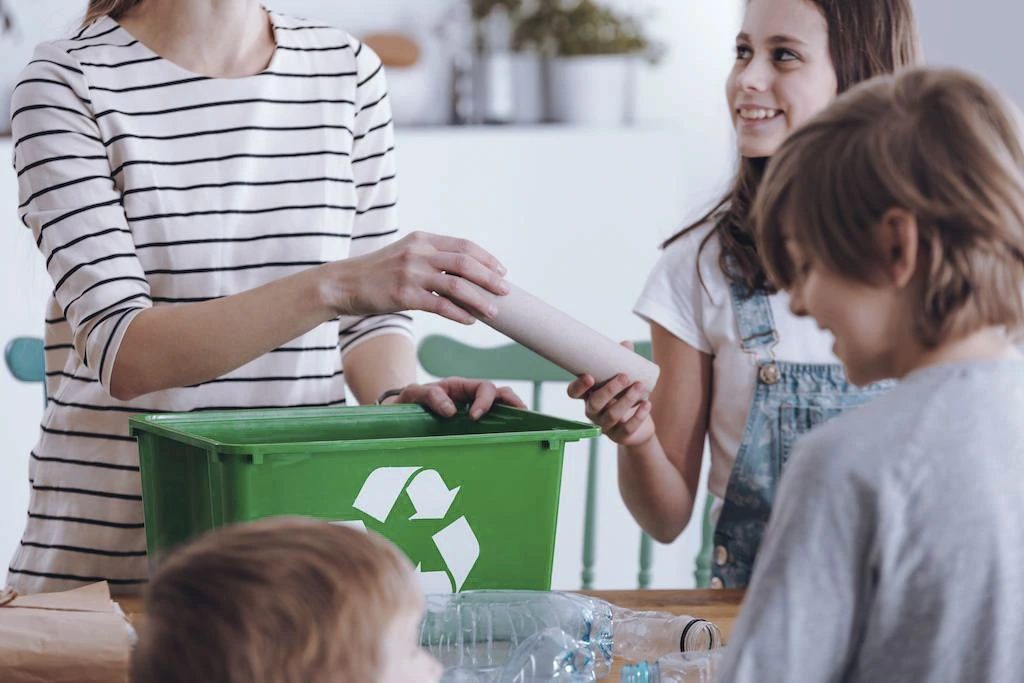
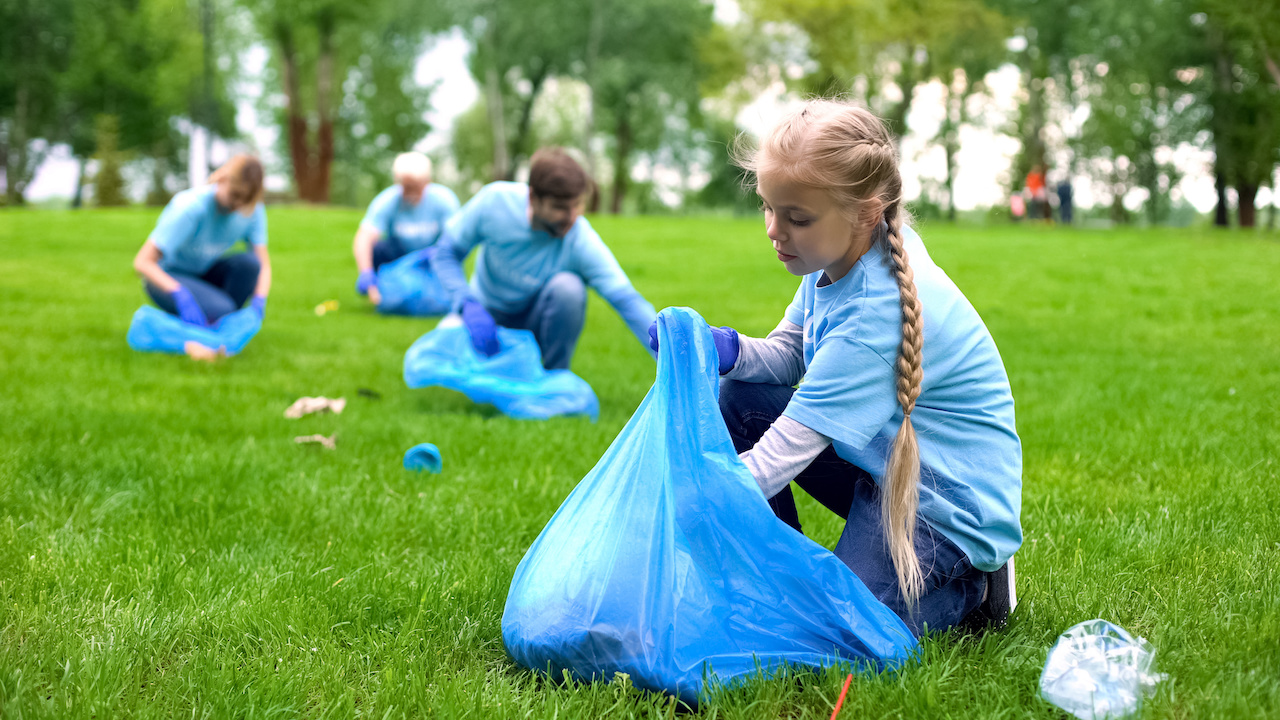
Households with kids have a natural opportunity to build these habits early, involving children in sorting recyclables, explaining why an old toy is being donated rather than binned, or simply talking through the reasoning behind a decision to repair rather than replace something. These small moments tend to shape long-term attitudes toward waste far more than any single big clean-out ever could.
Why Consistency Matters More Than Perfection
It is easy to feel like these efforts do not matter much on an individual household level, but consistency across many households is exactly what shifts broader outcomes at a city-wide scale. No single household needs to get every decision perfectly right. The aim is simply to make better choices more often than not, and to keep at it over time rather than treating it as a one-off effort.
How This Applies Across Different Life Stages
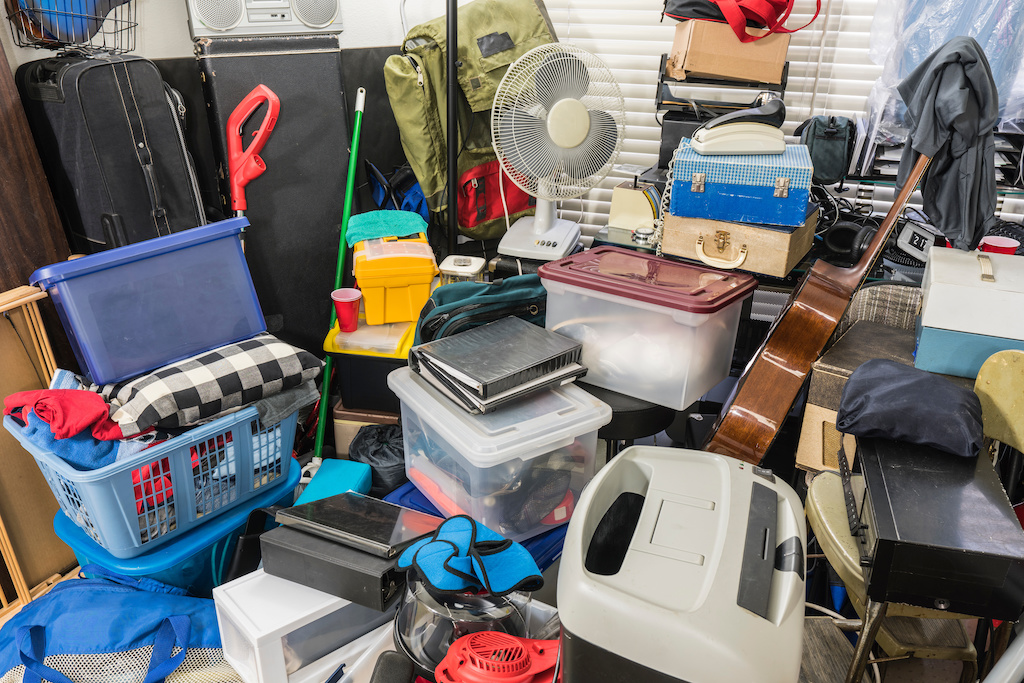
Reducing landfill waste looks a little different depending on the household, from young families accumulating and cycling through kids’ items quickly, to downsizers clearing decades of belongings at once, or share houses with a constant turnover of tenants and their own things. Whatever the situation, the same underlying principle applies: reduce first, reuse where possible, and treat disposal as the last resort rather than the default response.
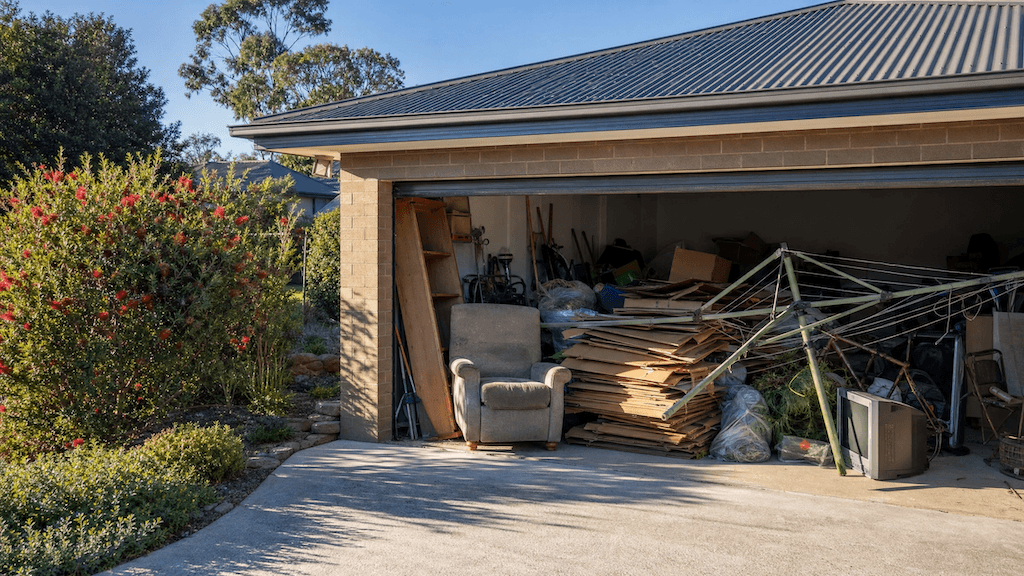
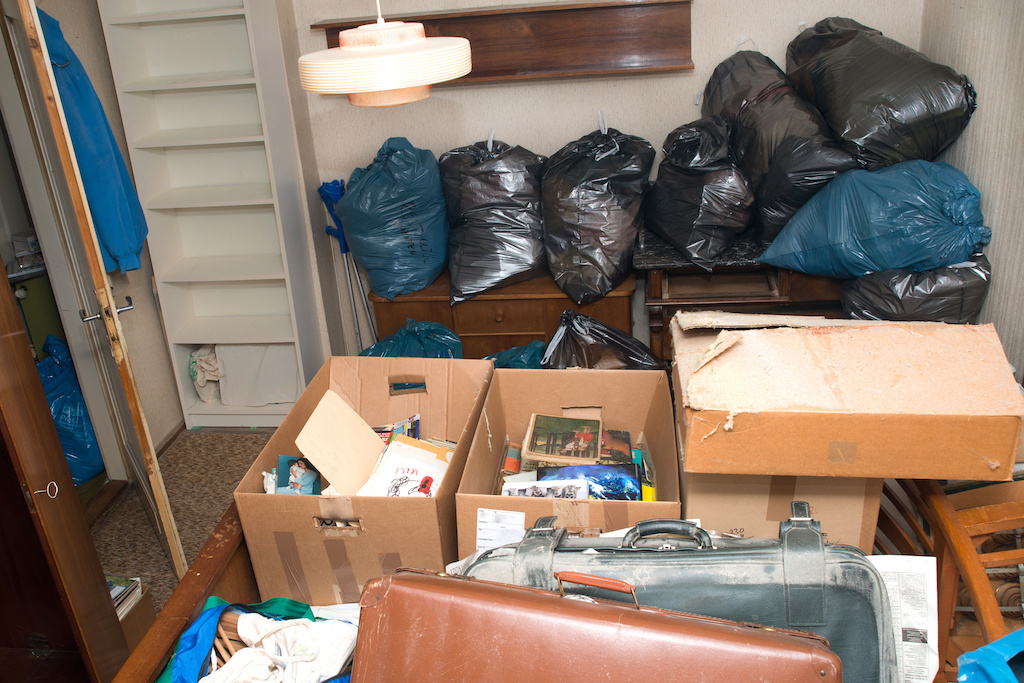
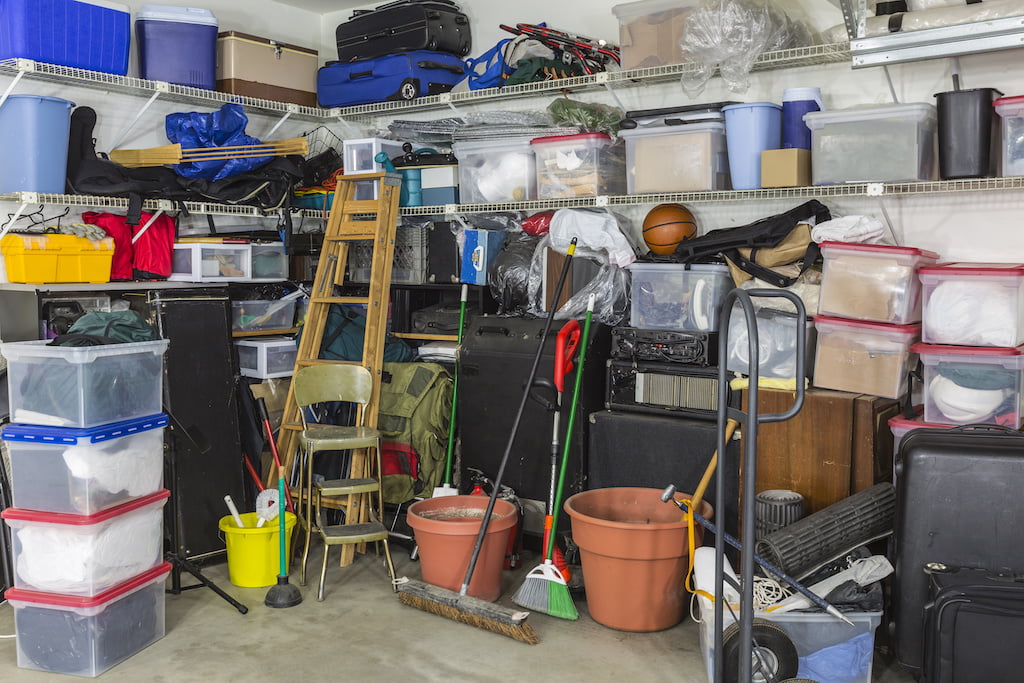
For larger household clear-outs, including deceased estates, taking the time to identify items that can be donated, reused or recycled before disposal can make a significant difference.
Making It a Household Habit, Not a One-Off Project
The households that reduce landfill waste most effectively over time tend to treat it as an ongoing habit rather than a single big effort tied to one clean-out. A quick sort before rubbish goes out, a standing box for donations, and a general awareness of what can be recycled all become second nature after a while, rather than something that needs to be consciously decided each time.
The Role of Your Removal Provider in All of This
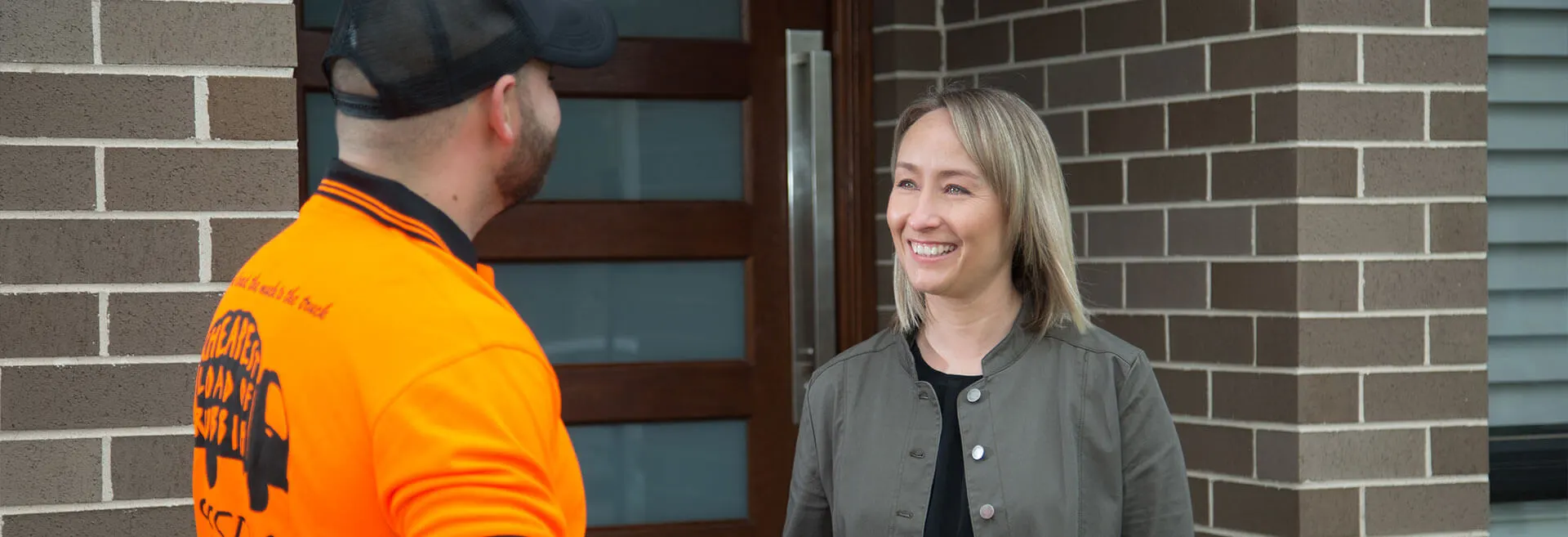
None of these household habits matter much if the rubbish still ends up sorted poorly, or not at all, once it leaves the property. Choosing a removal provider that takes sorting and recycling seriously on every job closes the loop on all the effort a household puts in beforehand, which is exactly why it is worth asking directly about a provider’s process rather than assuming it happens by default.
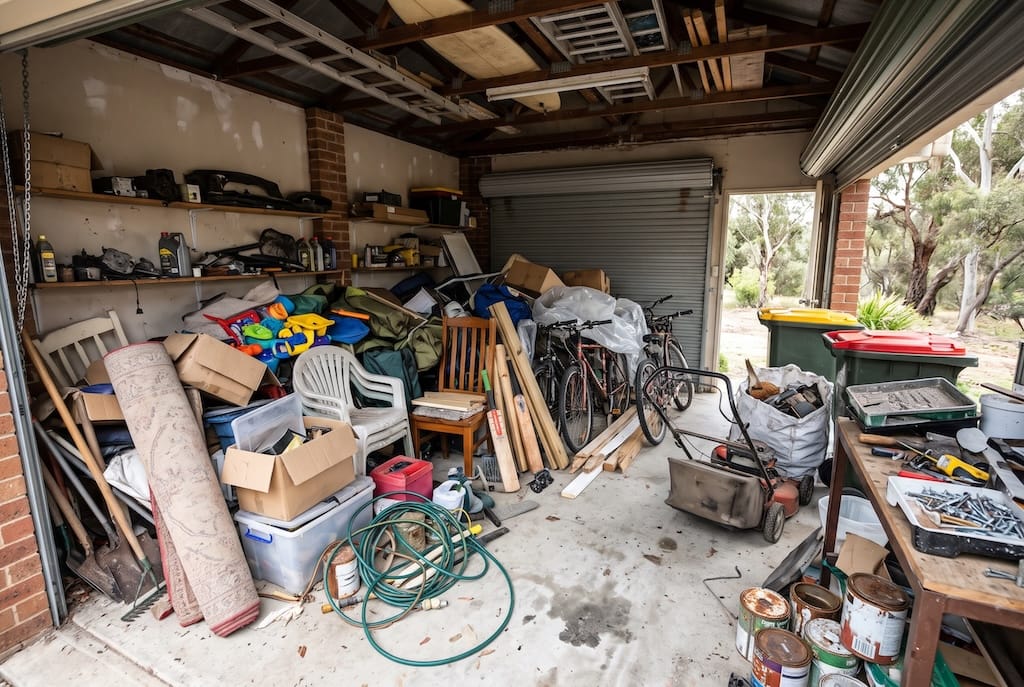
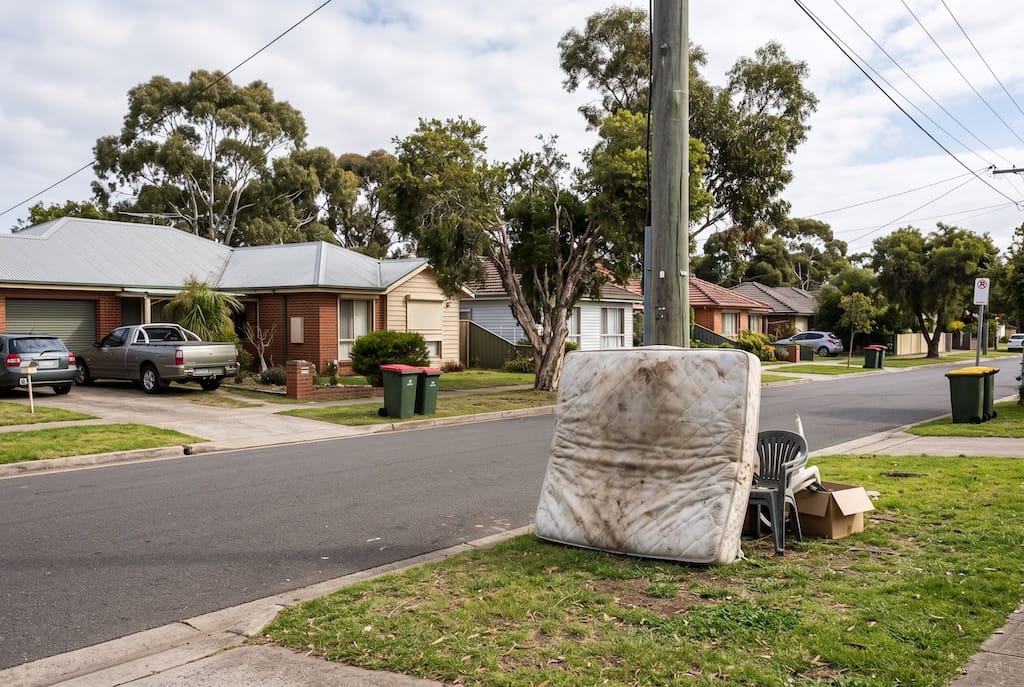
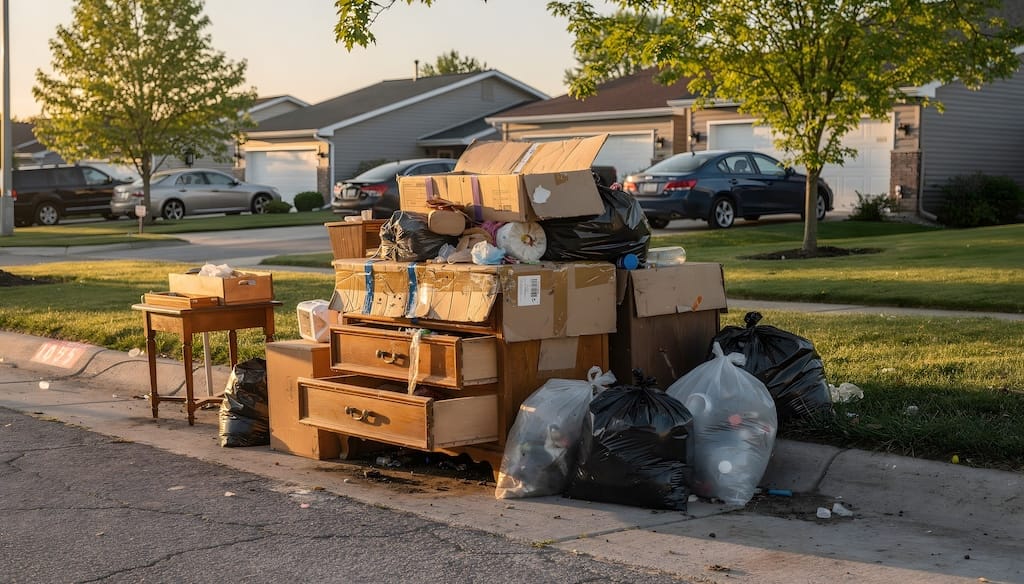
For a larger clean-out, general household rubbish removal can take care of mixed household items while sorting recyclable materials where possible.
The Bottom Line
Small, consistent choices, such as separating materials, donating before disposing, and choosing a provider that takes recycling seriously, add up to a meaningful reduction in landfill waste over time. It is a core part of how Cheapest Load of Rubbish approaches every job, not an occasional extra.
Get in touch if you would like to know more about how your next clean-out will be handled.
Frequently Asked Questions
Does separating my rubbish actually make a difference?
Yes, even loose separation of recyclable materials improves how much of a load can be diverted from landfill.
What should I do with hazardous household items?
Flag them separately when booking removal so they can be handled through the correct disposal pathway.
Is composting practical for a typical Sydney household?
For smaller volumes of food and garden waste, home composting is a practical option many households can manage.
How do you handle recycling on a typical job?
Materials are sorted where possible on every job, with recyclable items diverted from general waste as standard practice.
Can I ask how much of my load was recycled?
Yes, feel free to ask. We are happy to explain how a specific job was sorted and handled.
What is the simplest change a household can make first?
Checking whether furniture and appliances can be donated or sold before booking a removal tends to have the biggest and easiest impact.
Related Reading
(Internal links for the web team to add — anchor text suggested below.)
- Sustainability / About page
- What Actually Happens to Your Rubbish? (blog)
- Green Waste Removal Sydney guide (blog)