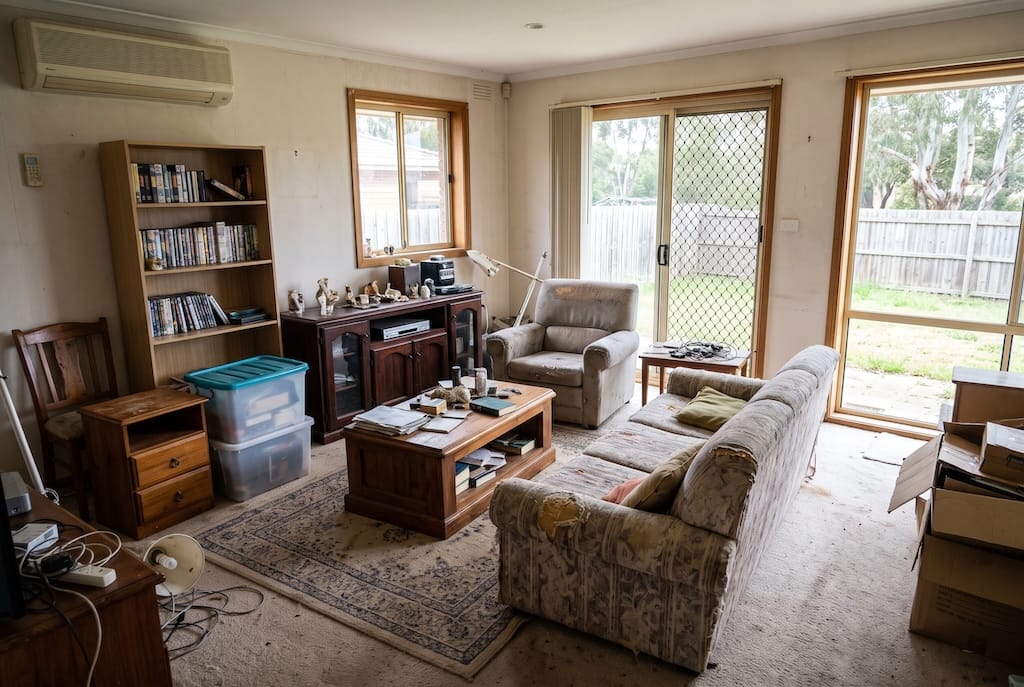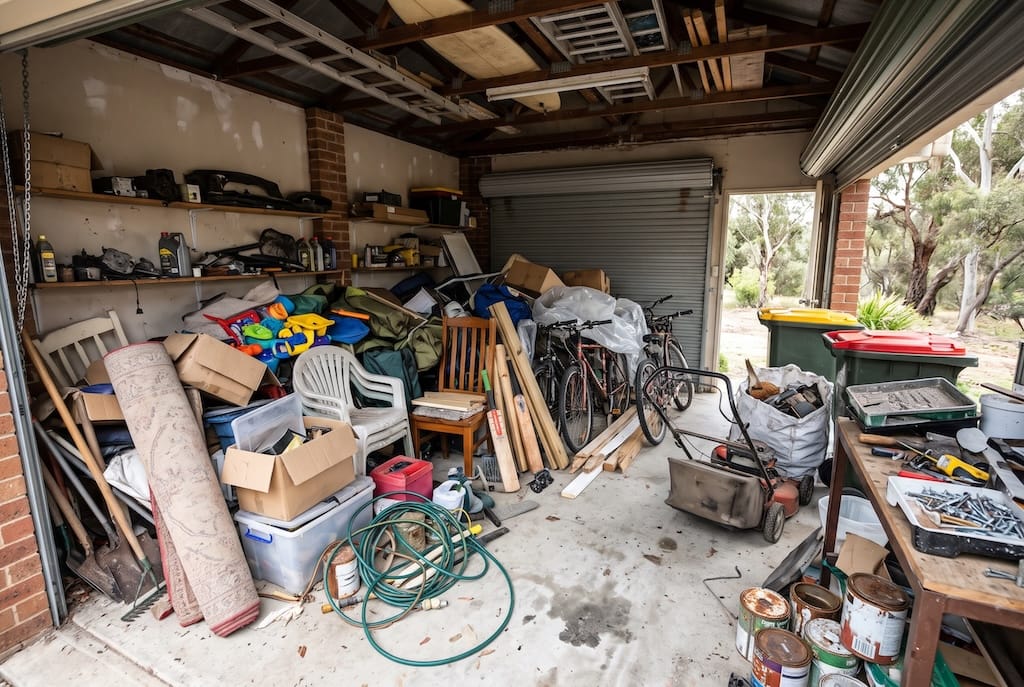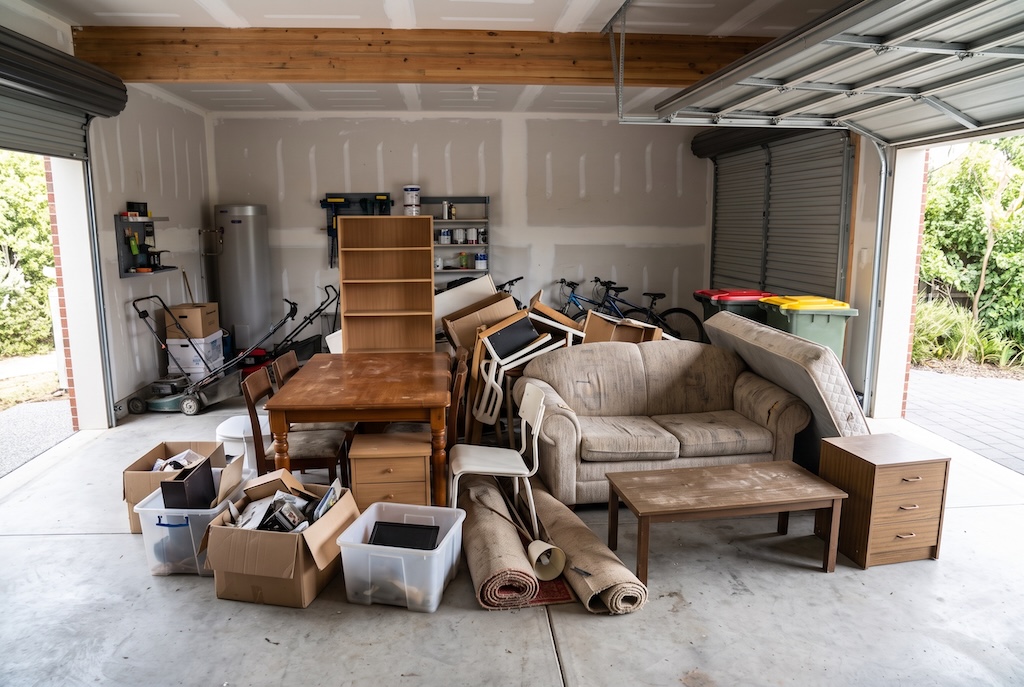
Handing back a leased office comes with its own checklist, and getting the clear-out wrong can mean losing part of your bond over avoidable issues. Here is what landlords and agents typically expect, and how to plan the clear-out to avoid disputes at handback.
What Landlords Typically Expect at Handback
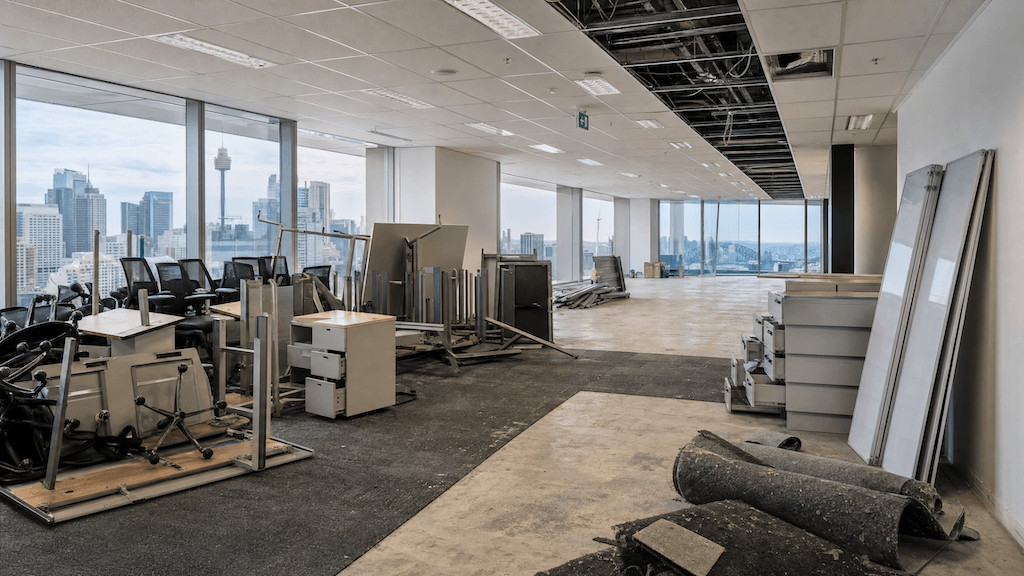
Commercial leases may specify that the space needs to be returned in a similar condition to how it was received, minus fair wear and tear. This can mean all furniture, fixtures and fittings not belonging to the landlord need to be removed, and the space left clean and empty, ready for the next tenant to fit out.
Common Bond Deduction Triggers
A few recurring issues can cause disputes at handback:
- Furniture or equipment left behind that should have been removed.
- Fixtures installed during the tenancy not reinstated to original condition.
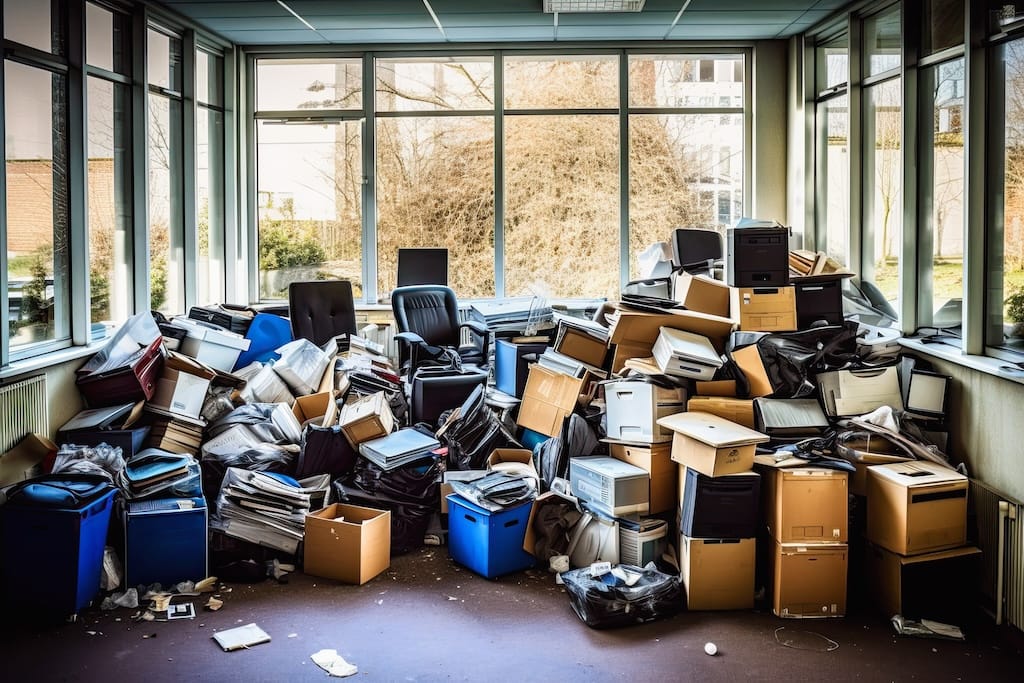
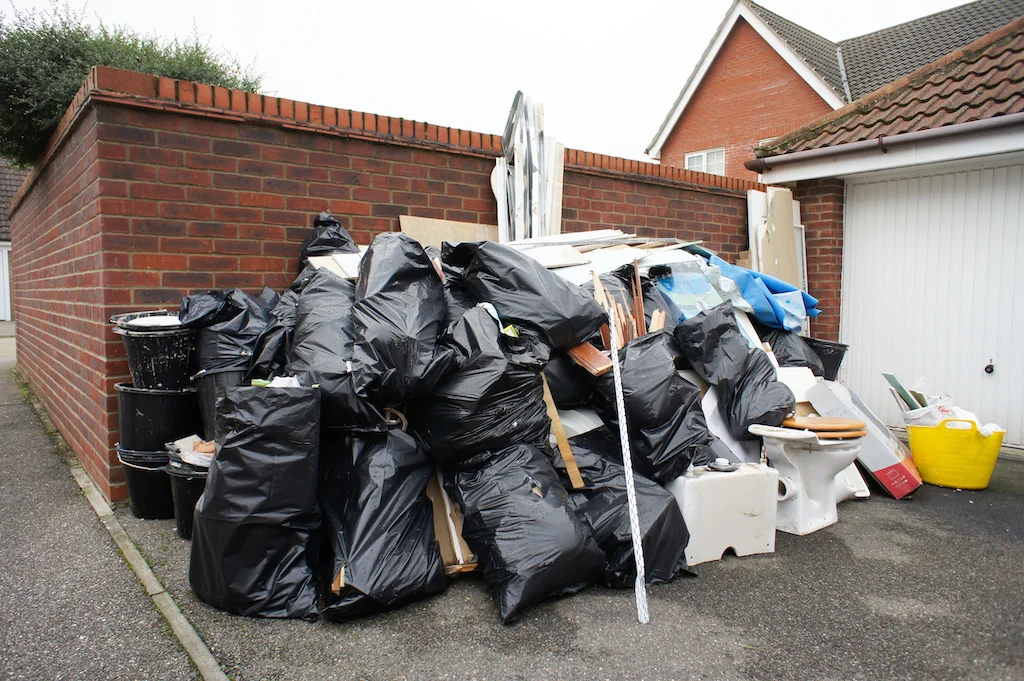
- General rubbish or waste left in the space.
- Damage caused during a rushed, last-minute clear-out.
Building a Timeline Backward From Handback Date
Rather than leaving the clear-out until the final days of the lease, working backward from the handback date gives enough buffer to deal with anything unexpected, such as a lift booking that falls through, equipment that takes longer to sell or donate, or last-minute fixture issues that only become apparent once the space is mostly empty.
What to Do With Furniture and Equipment
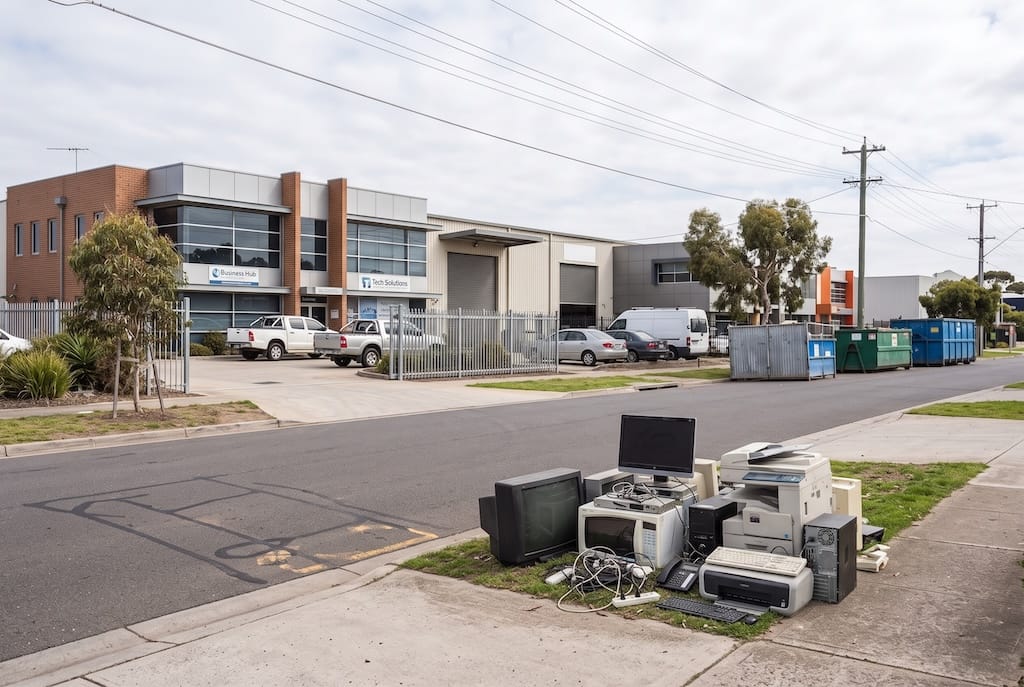
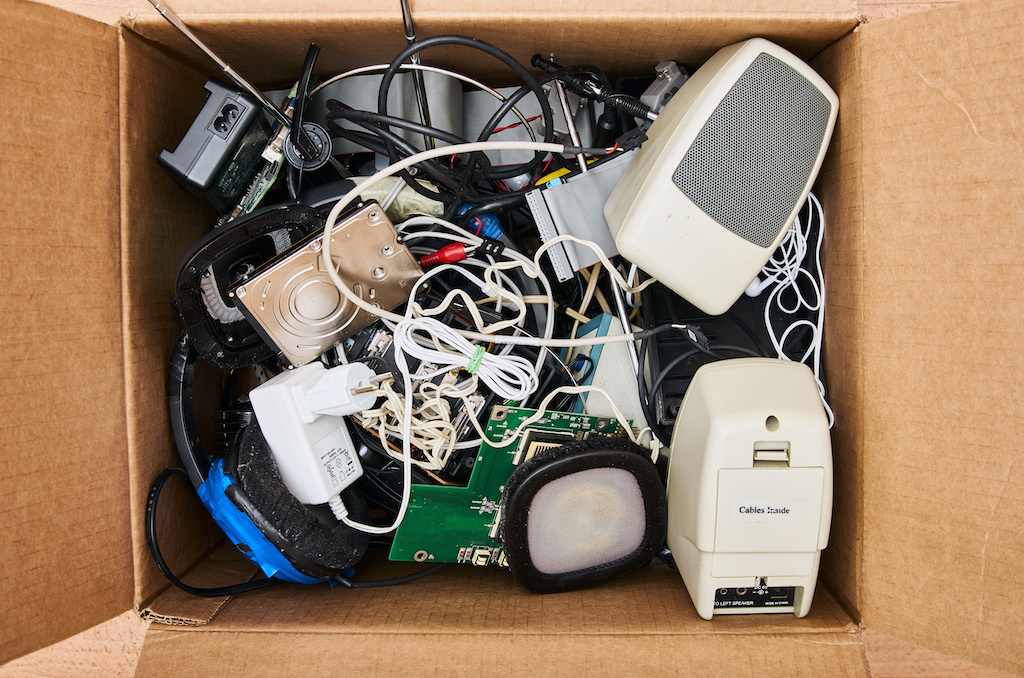
Office furniture, IT equipment and fixtures often still have value even at the end of a lease. Selling, donating or reusing items elsewhere in the business can reduce both the volume of the clear-out and the environmental impact of the move, and it is worth starting this process well before the final week.
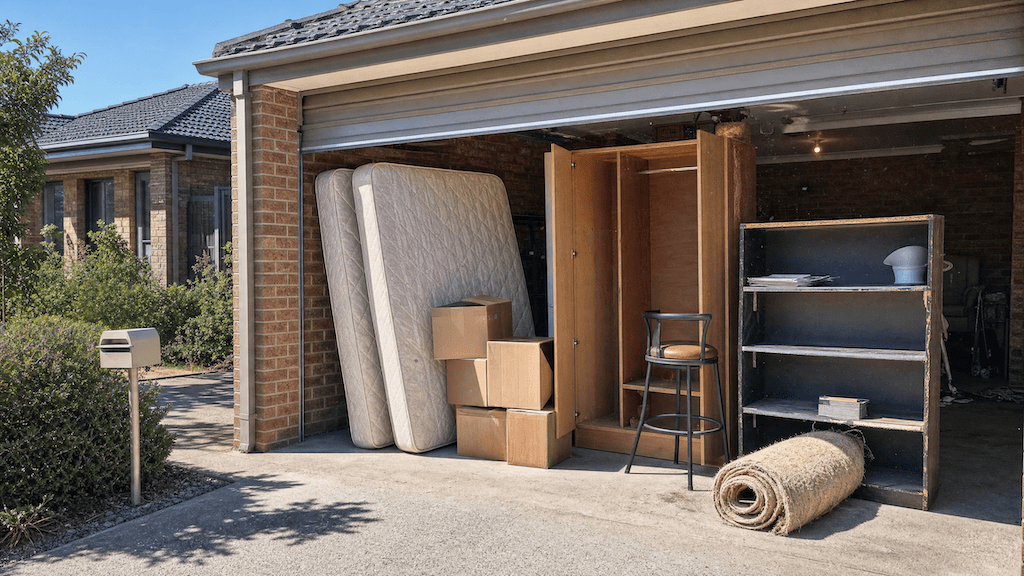
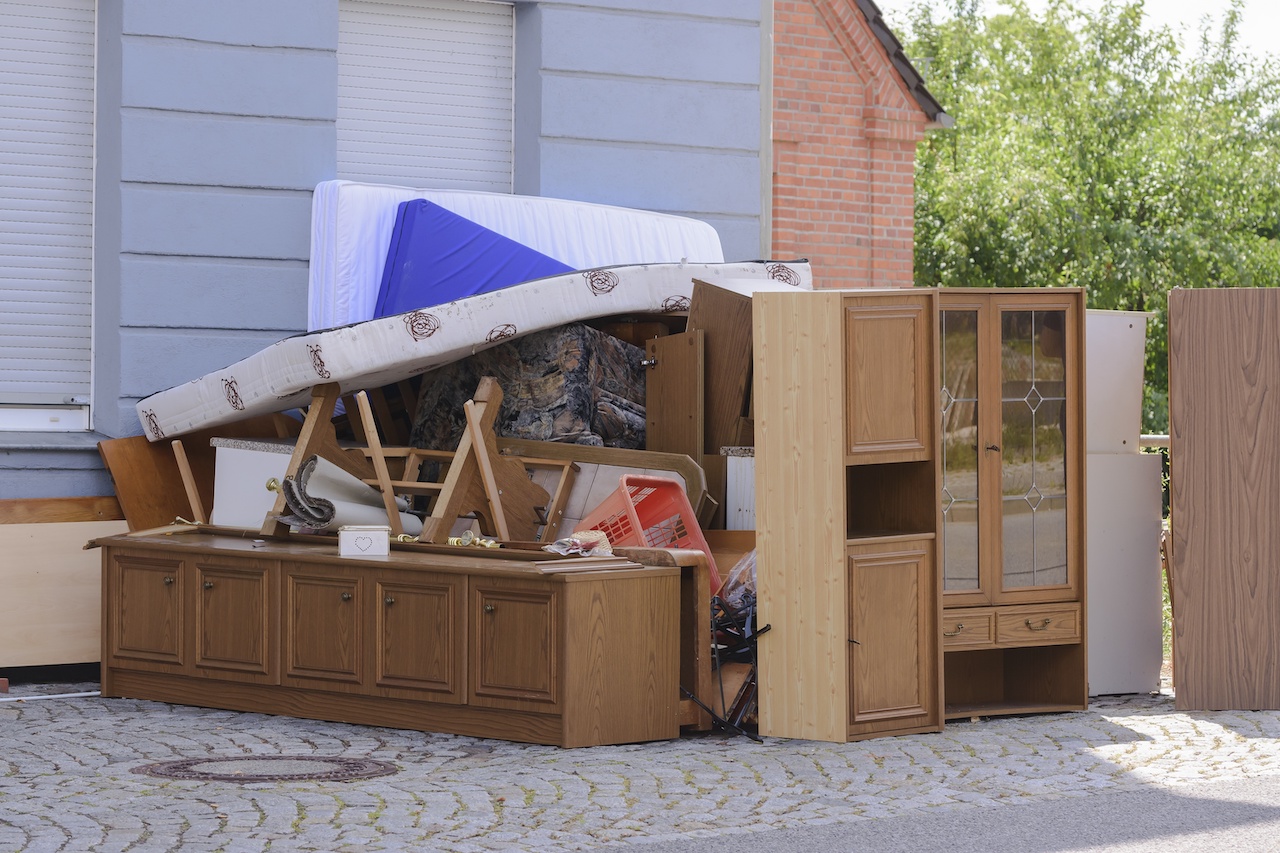
For furniture that is not making the move, office furniture and large item removal can take care of desks, chairs and other unwanted items.
Booking the Final Clear-Out
A full-service office clean-out closer to the handback date deals with whatever is left, including general waste, remaining furniture, and any fixtures being removed. Scheduling this with enough lead time avoids the risk of a rushed job that misses something the landlord flags at inspection.
Documenting the Handback
Taking photos of the empty, cleared space before handing back the keys is a simple step that can save a lot of back-and-forth if a dispute over the bond does come up later. It costs nothing and takes a few minutes, but it gives you something concrete to point to if needed.
Coordinating With Your Landlord or Agent
It is worth confirming directly with the landlord or agent exactly what condition they expect the space to be in, rather than assuming. Some leases include specific make-good clauses covering fixtures or fit-out elements, and clarifying these requirements ahead of the clear-out avoids surprises during the final inspection.
What If the Clear-Out Uncovers Unexpected Issues?
Occasionally a clear-out reveals something unexpected, such as damage that was not previously flagged, or a fixture that turns out to be more complex to remove than assumed. Raising this with the landlord or agent as soon as it is discovered, rather than waiting until the final inspection, generally leads to a smoother resolution than letting it become a surprise on handover day.
Planning for a New Tenancy at the Same Time
Many businesses are managing an end-of-lease clear-out and a move into new premises simultaneously, which makes timing even more important. Deciding early what furniture and equipment is moving to the new space, versus what is being cleared from the old one, avoids double-handling and helps both the clear-out and the move-in run more smoothly side by side.
Working With Smaller Businesses vs Larger Tenancies
A small office clear-out might be a half-day job with minimal furniture involved, while a larger tenancy spanning multiple floors needs a much more coordinated approach across lift bookings, staged removal and building access. Whatever the scale, the same underlying principle applies: plan backward from the handback date and avoid leaving it until the final week.
What to Do With Leftover Consumables and Supplies
Office kitchens and stationery cupboards often accumulate a surprising amount at the end of a tenancy, including part-used supplies, kitchen items and cleaning products. These are usually straightforward to dispose of, donate, or take to the new premises, but it is easy to forget about them until the final walkthrough, so it is worth including this on the pre-clear-out checklist rather than treating it as an afterthought.
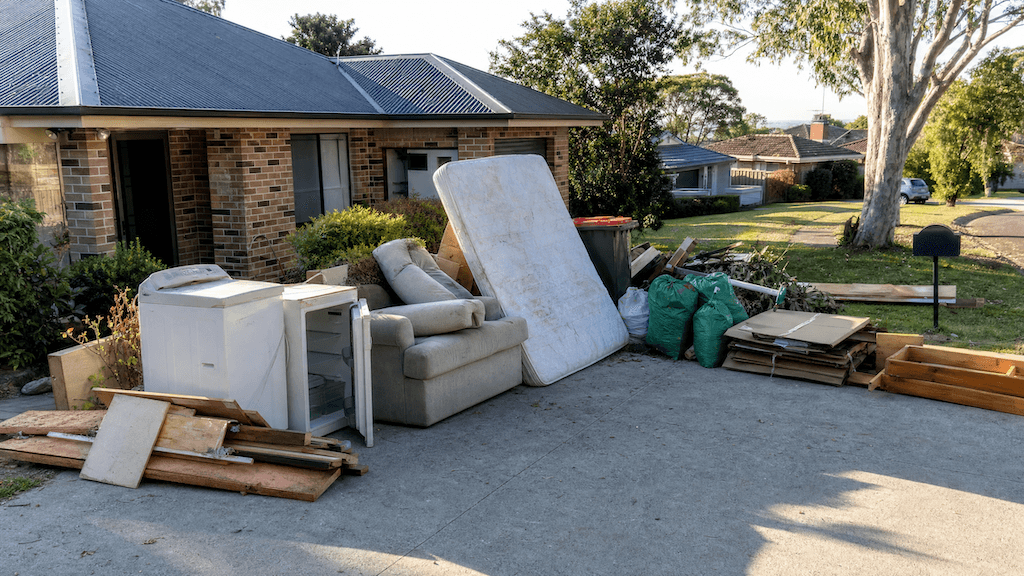
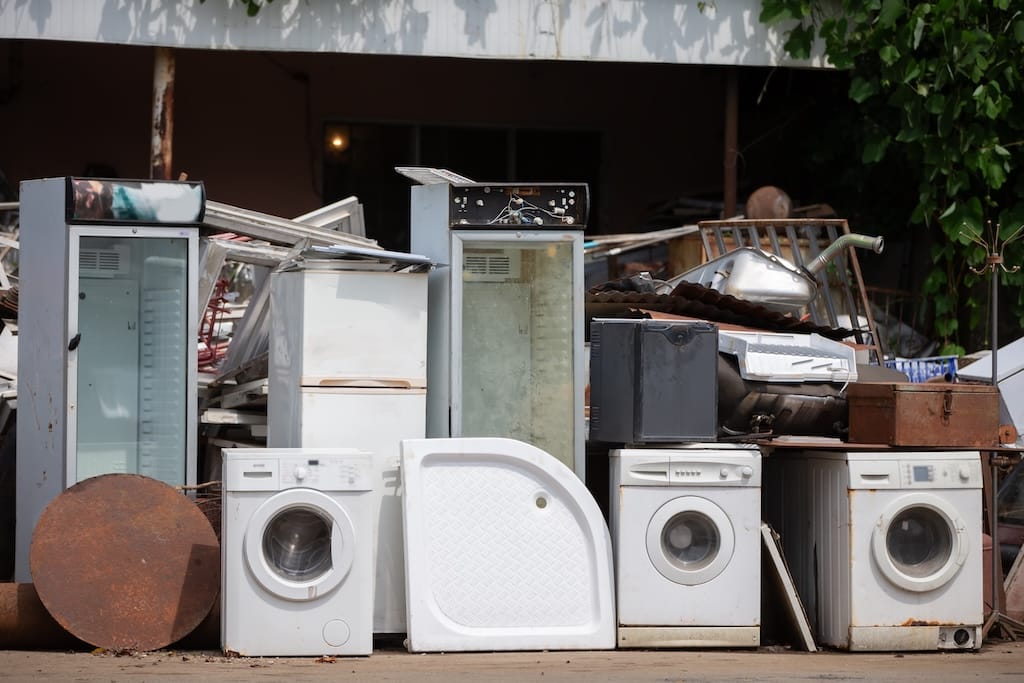
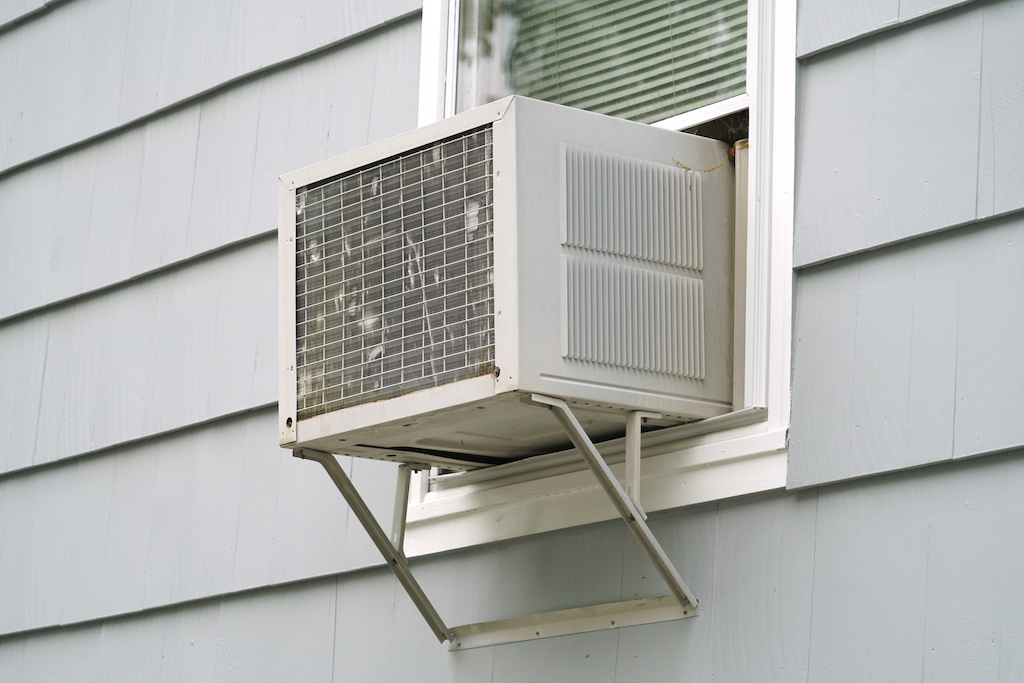
Unwanted kitchen appliances and white goods can also be included as part of a commercial clear-out.
A Final Word on Protecting the Bond
Ultimately, protecting a commercial bond comes down to the same few principles regardless of the size of the tenancy: plan early, clarify expectations with the landlord, remove everything that is not staying, and document the final condition of the space. Following this approach can help reduce the risk of disputes at handback, even when the clear-out itself involves a genuinely large volume of furniture and equipment.
Getting Started With Your Clear-Out
The best first step is simply getting in touch with your lease end date and a rough sense of what needs to be cleared. From there, we can help map out a timeline that works backward from handback day, giving enough buffer for anything unexpected without leaving the job until the final rushed week.
For larger jobs, Cheapest Load of Rubbish provides commercial rubbish removal across Sydney.
Why Professional Removal Helps at This Stage
By the time an end-of-lease clear-out happens, most businesses are already stretched thin managing the move itself. Bringing in a professional removal team to handle the physical clear-out frees up time and energy for everything else involved in relocating, including new premises setup, staff logistics, and the dozens of smaller tasks a move always seems to generate.
The Bottom Line
A well-planned end-of-lease clear-out can help protect your bond and avoid unnecessary disputes with landlords or agents. With experience across commercial office clear-outs in Sydney, Cheapest Load of Rubbish can help make sure nothing is left behind at handback.
Get in touch to plan your clear-out around your lease end date.
Frequently Asked Questions
How far in advance should we book an end-of-lease clear-out?
As early as possible. Working backward from your handback date gives the best buffer for unexpected delays.
Can you handle both furniture and general waste removal in one visit?
Yes, this is the most common scenario for end-of-lease clear-outs.
Do you remove fixtures like partitions and shelving?
Yes, fixtures and fittings not belonging to the landlord can be a standard part of a strip-out or clear-out.
Can you work around a strict handback deadline?
Yes, we can plan scheduling around your specific lease end date and any building access restrictions.
Is it worth photographing the space after the clear-out?
Yes, it is a simple way to have evidence of the condition the space was left in, in case any dispute over the bond comes up.
What if we discover a make-good issue partway through the clear-out?
Raise it with your landlord or agent as soon as it is identified. Addressing it early tends to lead to a smoother handback than leaving it until the final inspection.
Related Reading
(Internal links for the web team to add — anchor text suggested below.)
- Commercial Waste Removal services page
- Office Strip-Out Checklist for Sydney Businesses (blog)
- Contact page