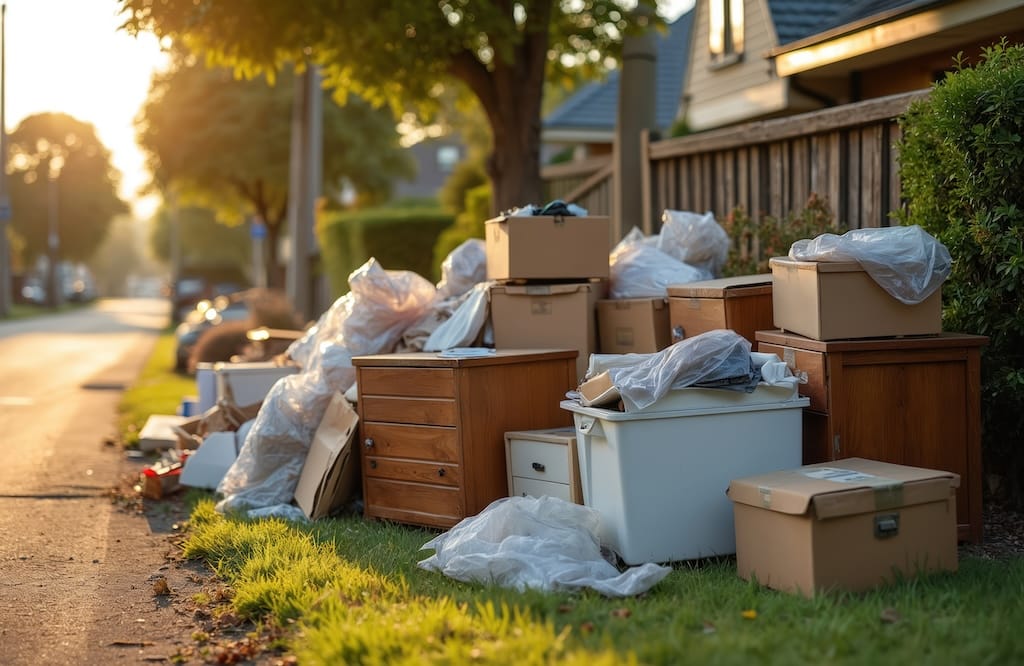
Once a truck pulls away from your property, most people do not think much about where everything goes next. It is a fair question, though, especially for anyone trying to make more sustainable choices at home or on-site, or who simply wants to know their old couch is not just being dumped somewhere out of sight.
Here is a straightforward look at where your waste goes after it leaves your property, from the moment it is loaded through to recycling, reuse or final disposal.
Step One: Sorting
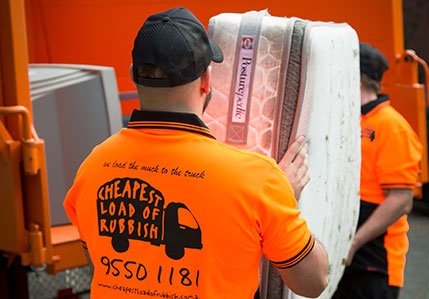
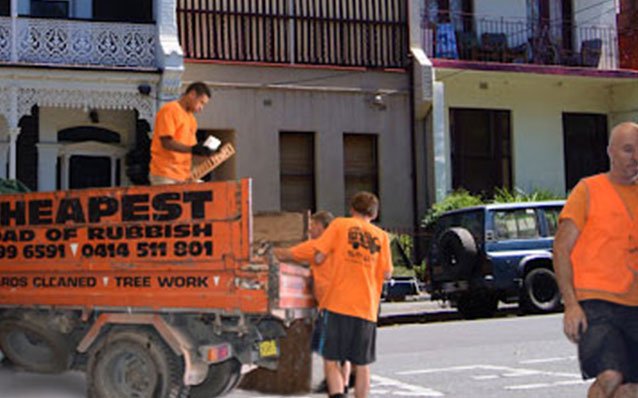
At Cheapest Load of Rubbish, sorting starts with the way rubbish is collected. Everything is hand-loaded onto the trucks, which means the team knows what has been collected and can determine how different types of waste need to be handled.
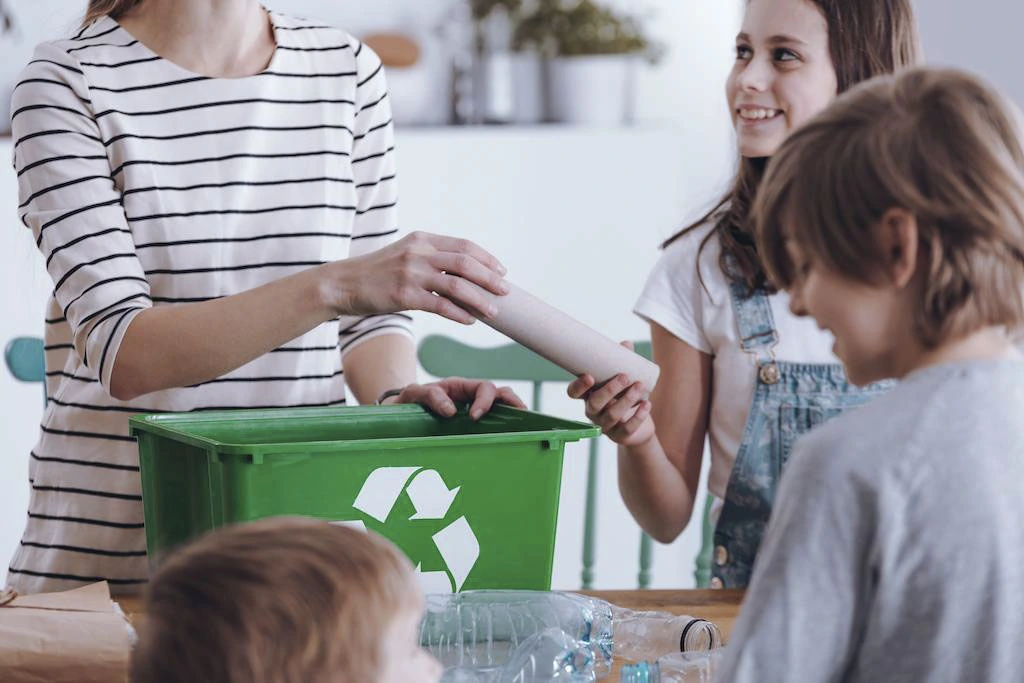
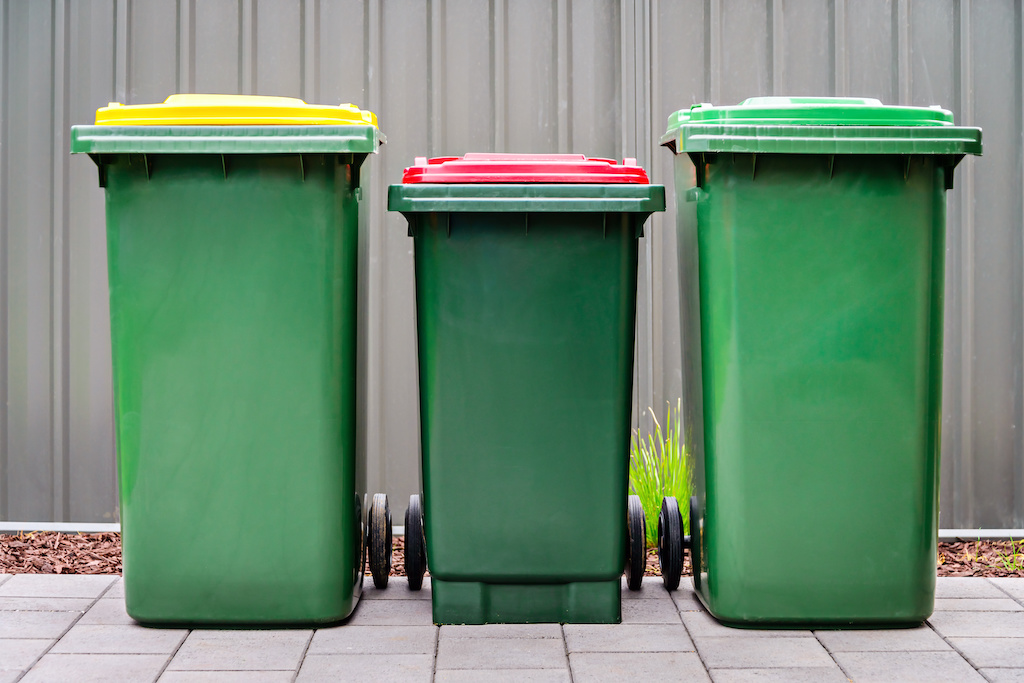
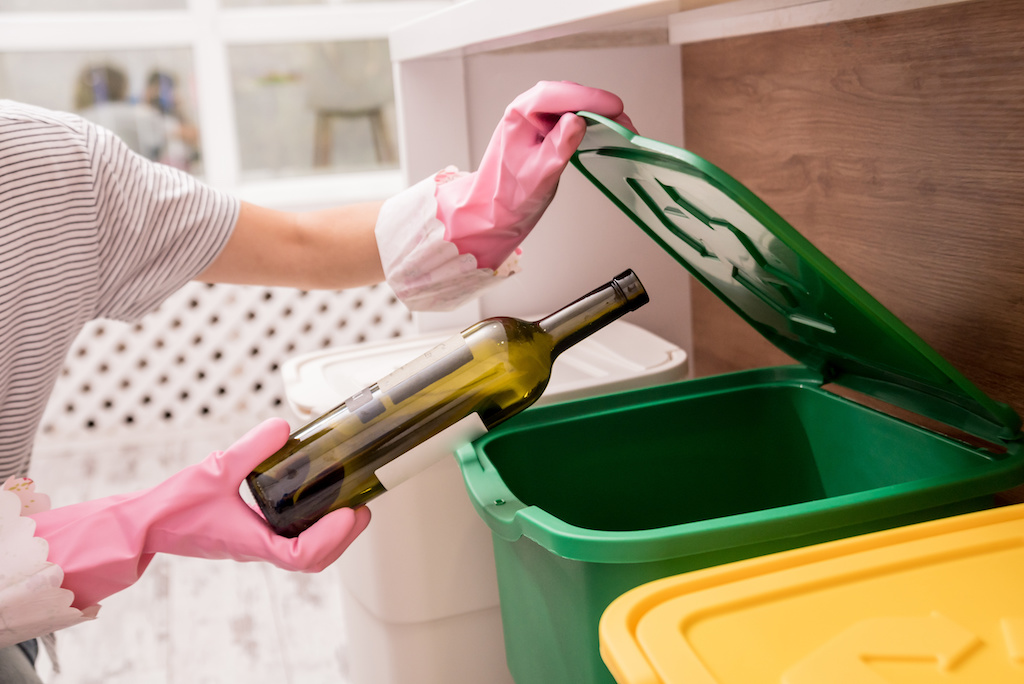
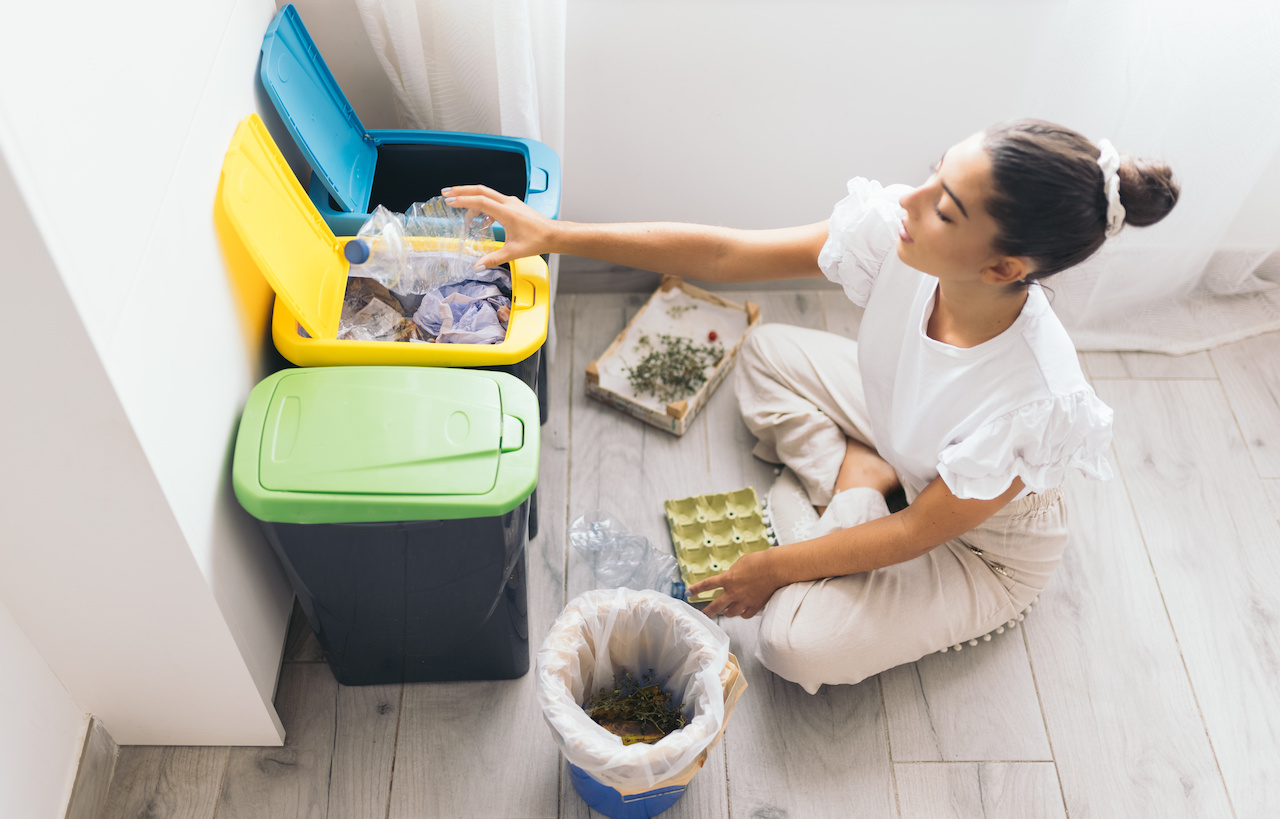
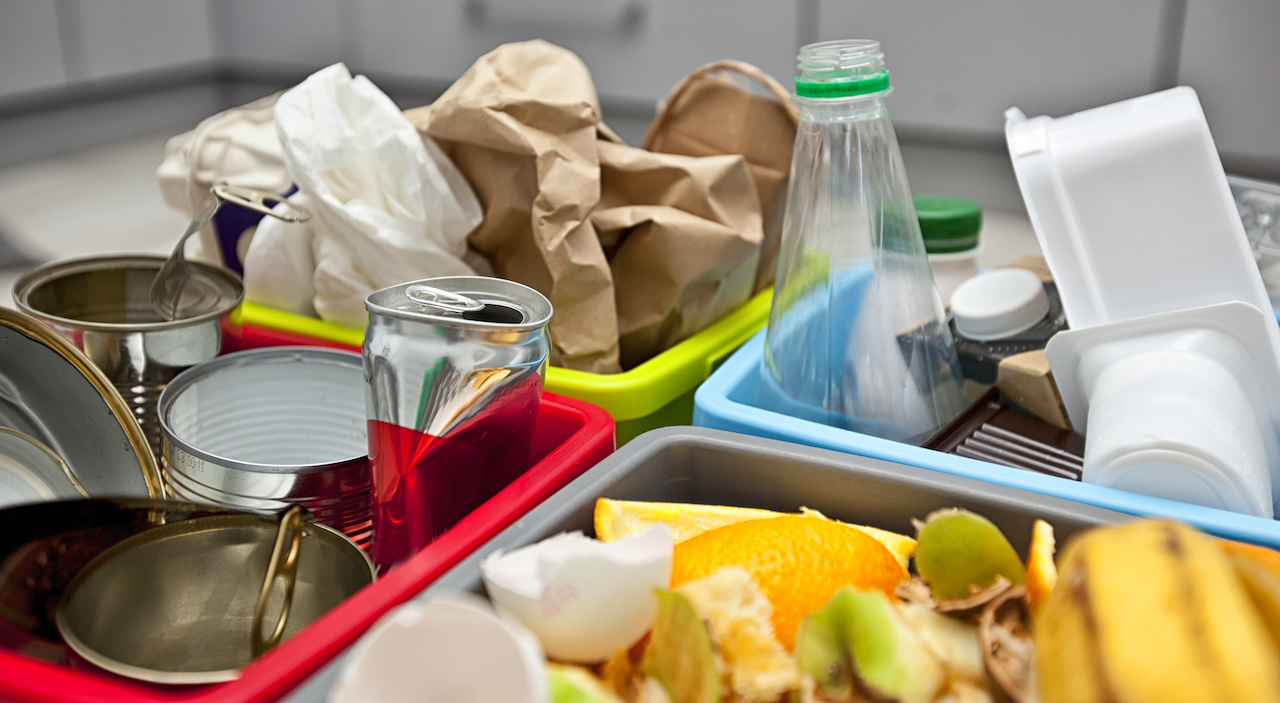
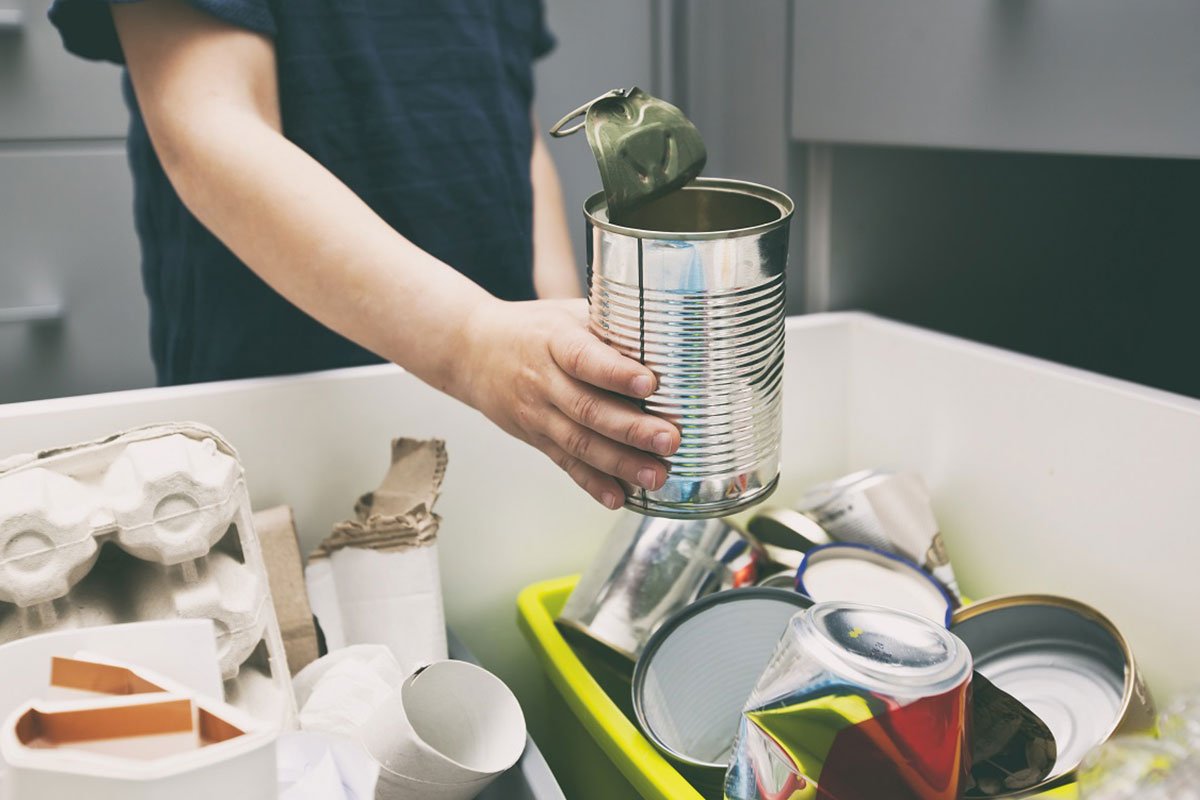
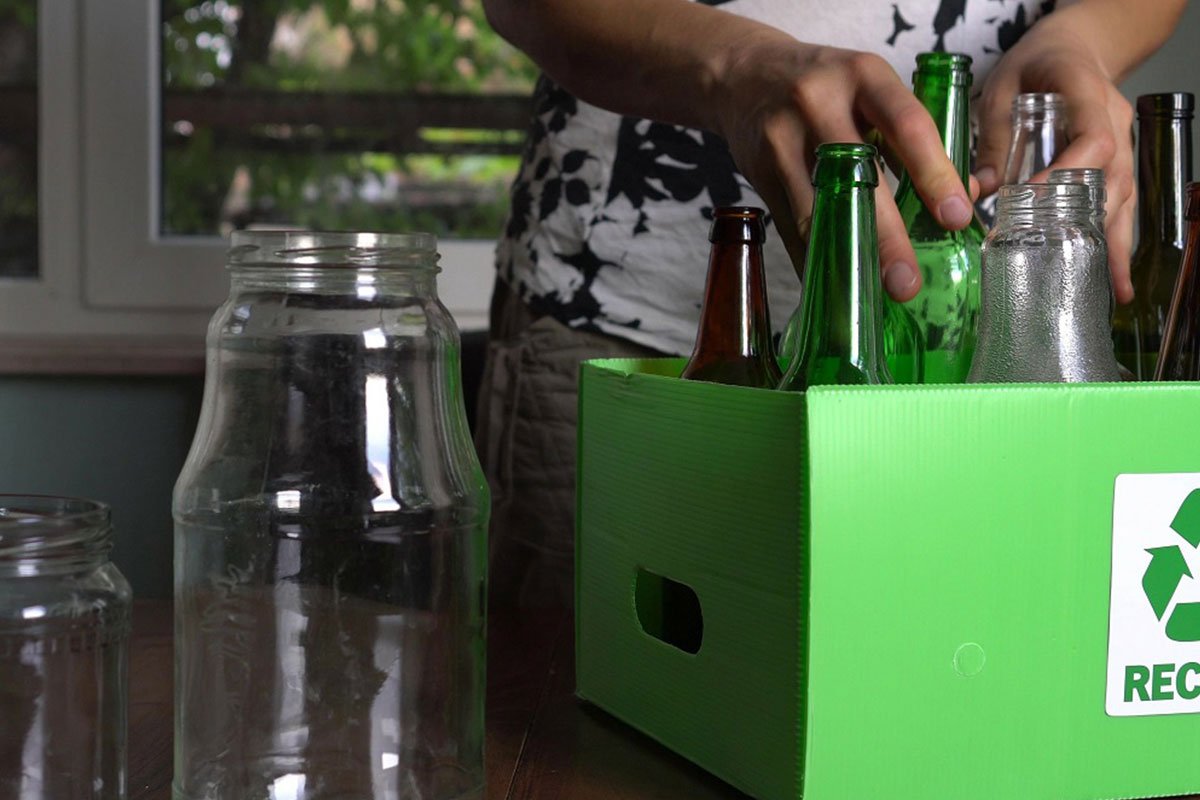
Once collected, the rubbish is taken back to the company’s headquarters and properly sorted. Items are separated into three main categories: materials that can be recycled, items suitable for donation, and waste that needs to go to the tip.
This process helps ensure recyclable and reusable materials are identified rather than automatically sending an entire mixed load to landfill.
Step Two: Recycling and Repurposing
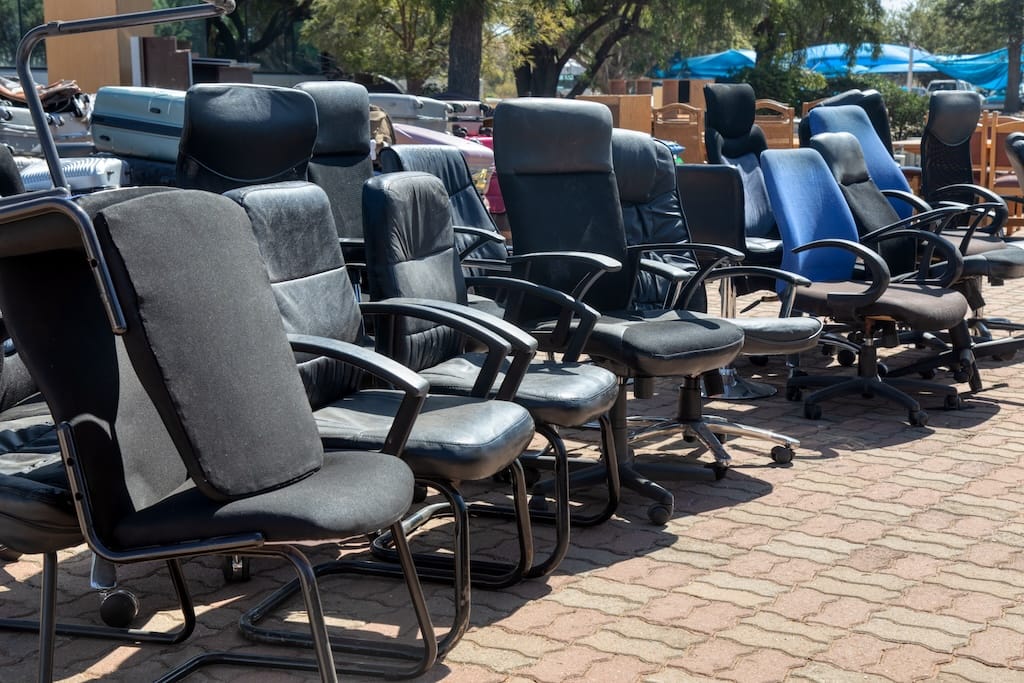
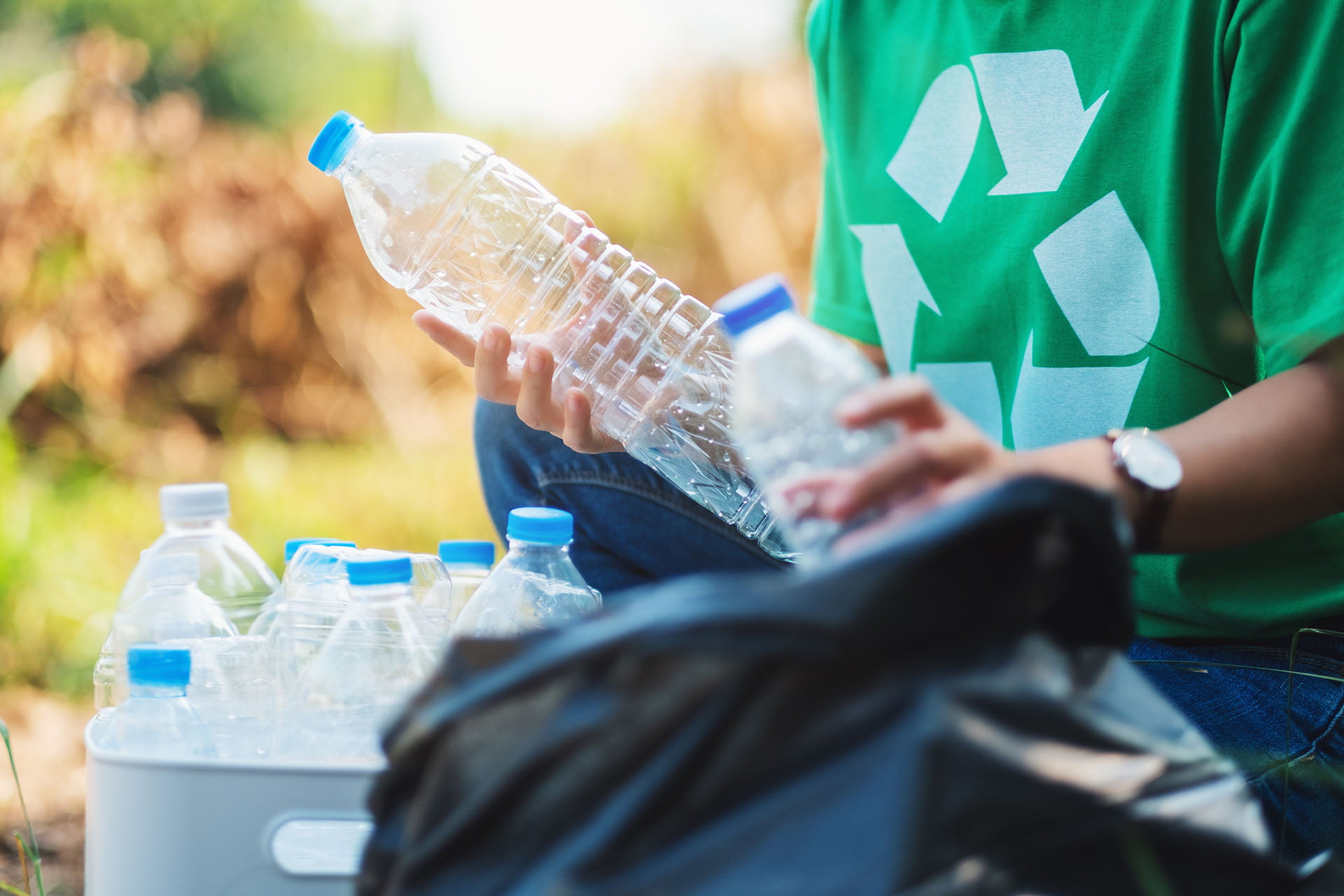
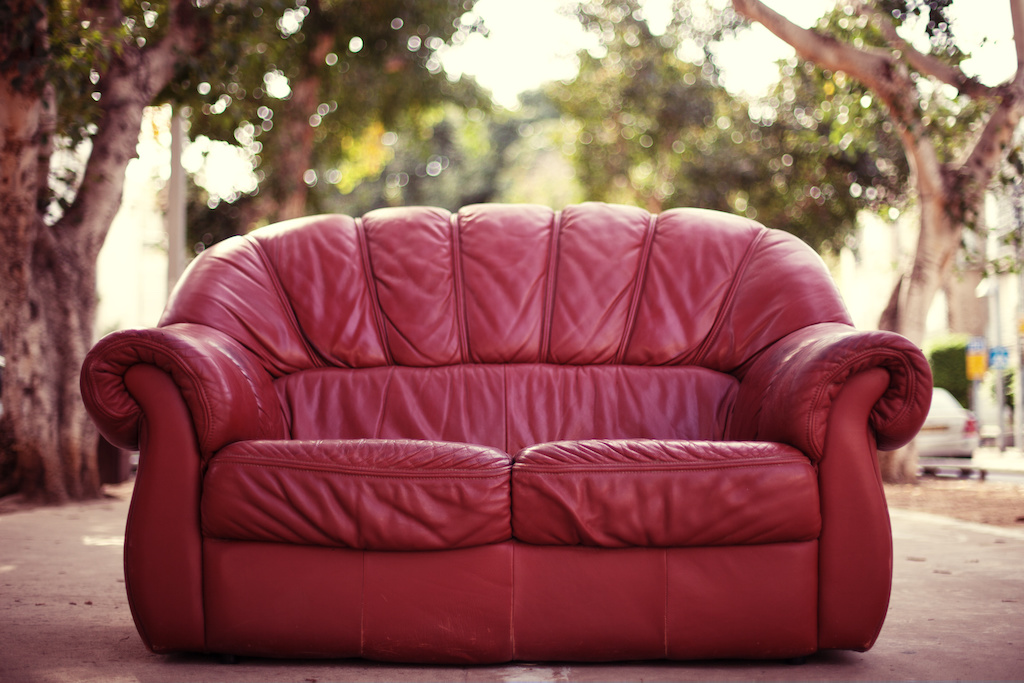
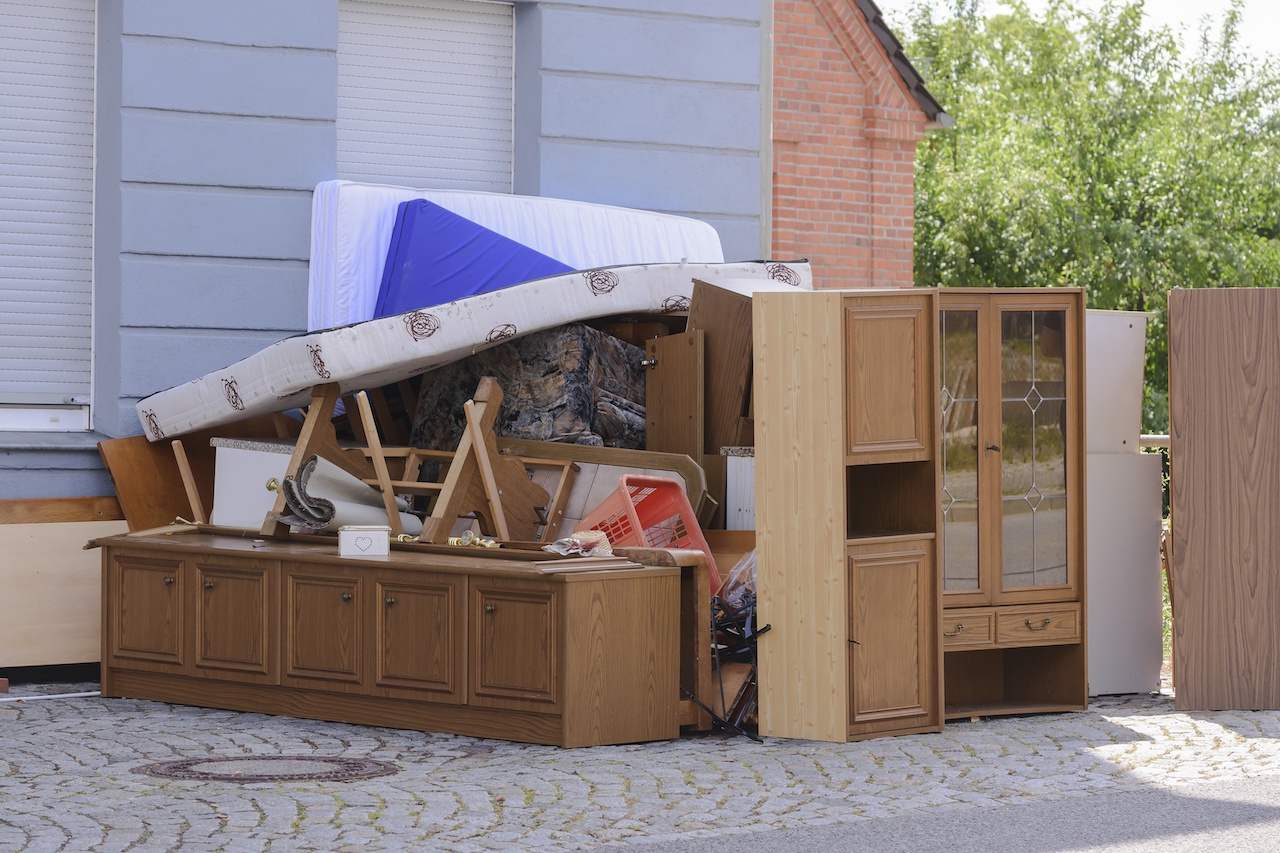
A surprising amount of what people throw out can still have life left in it. Furniture in good condition may be donated or reused rather than discarded, while recyclable materials are separated and taken to certified recycling facilities.
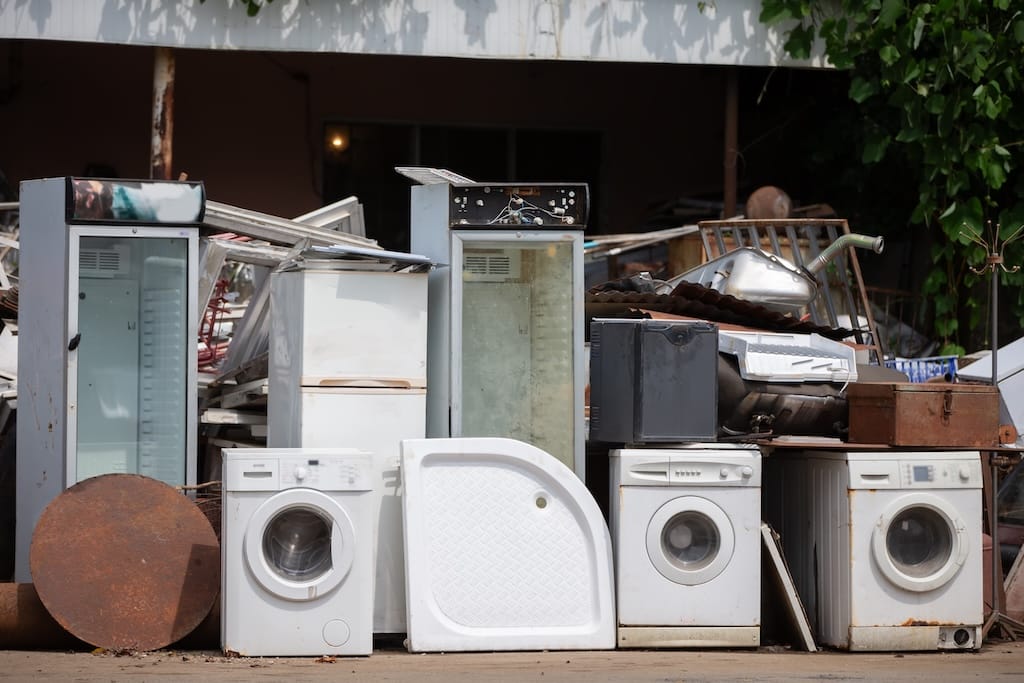
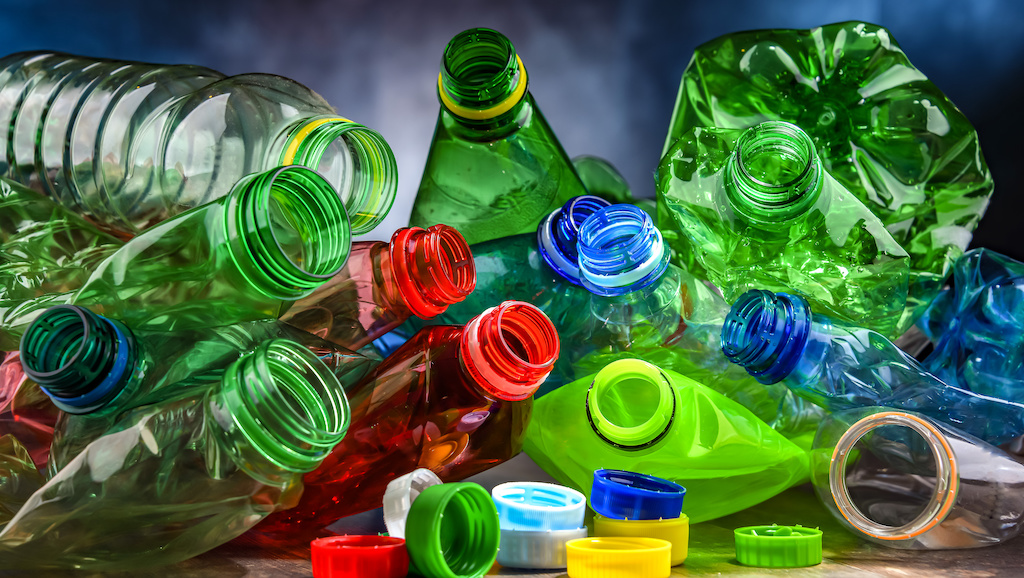
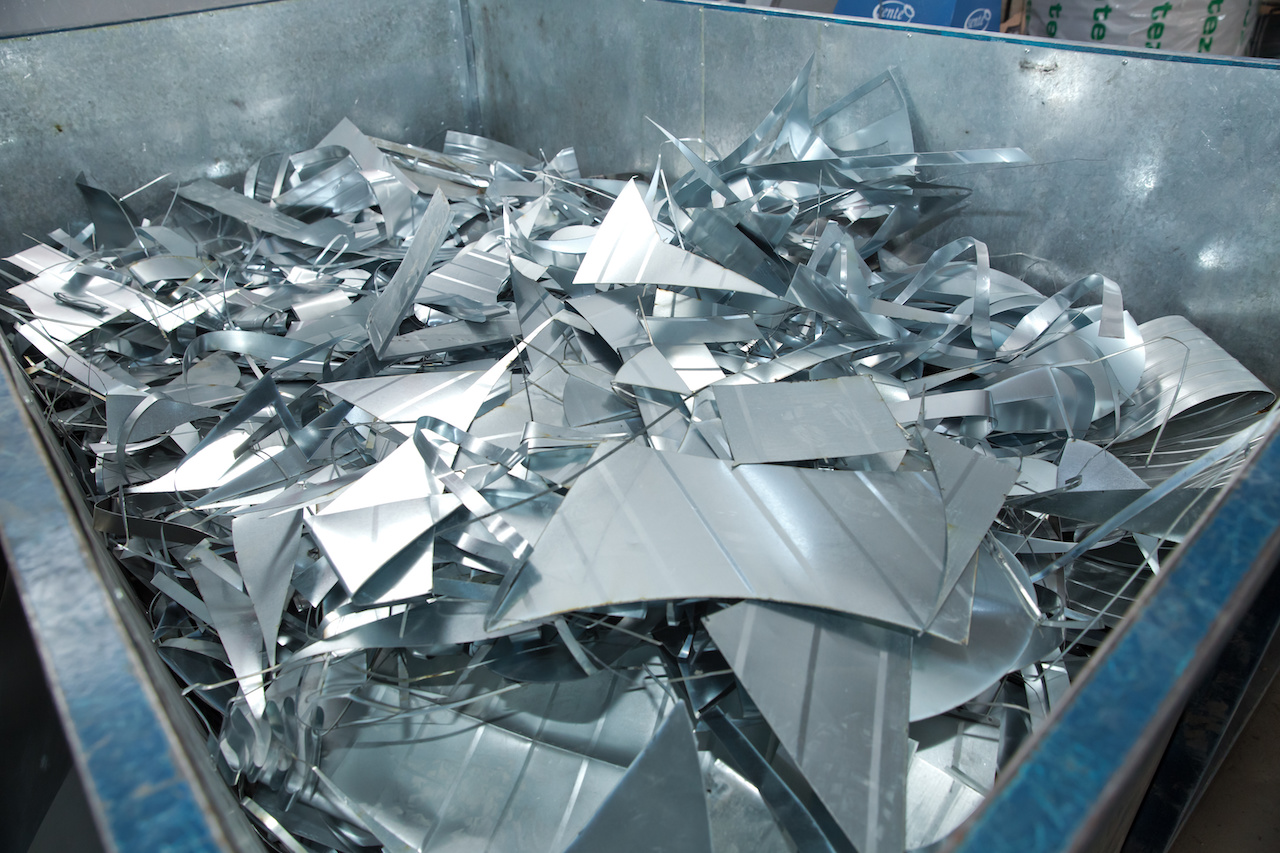
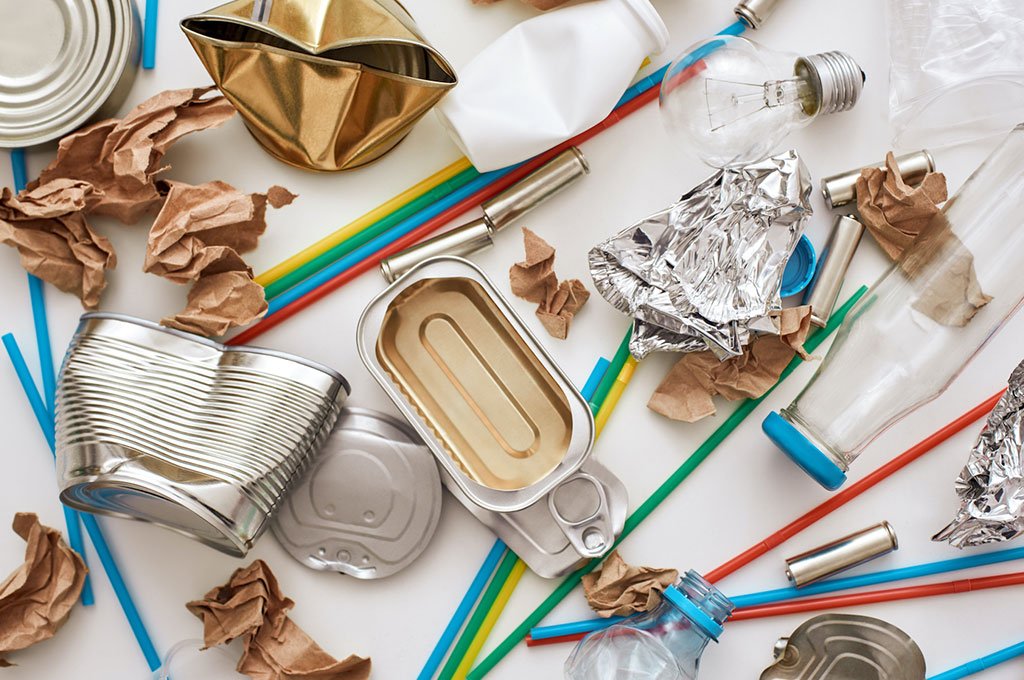
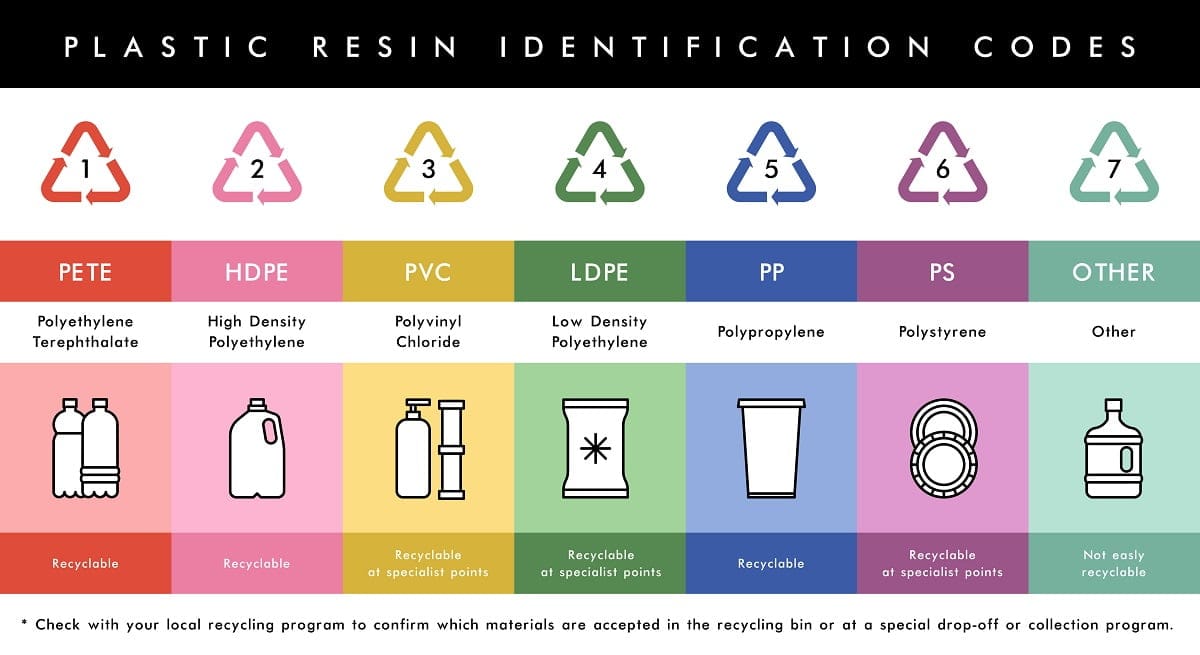
Different types of waste have different recycling and recovery options. Materials such as metal, timber, cardboard and some construction materials may be suitable for recycling or resource recovery, depending on their condition and the facilities available.
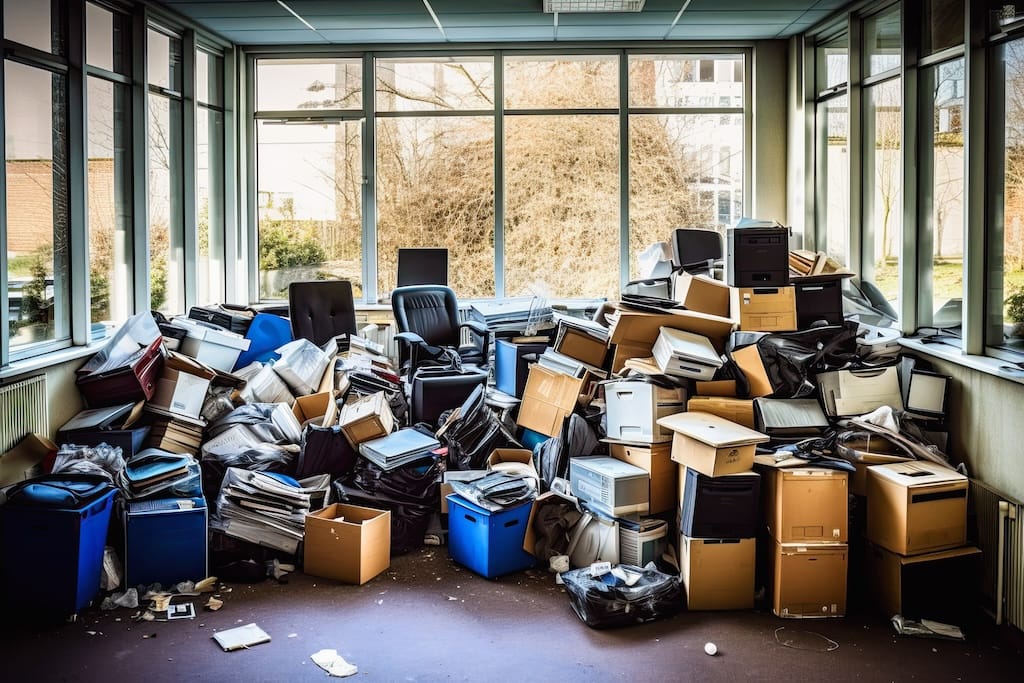
For example, paper, cardboard and other recyclable materials can be separated from general commercial waste rather than being unnecessarily sent to landfill.
Step Three: Responsible Disposal
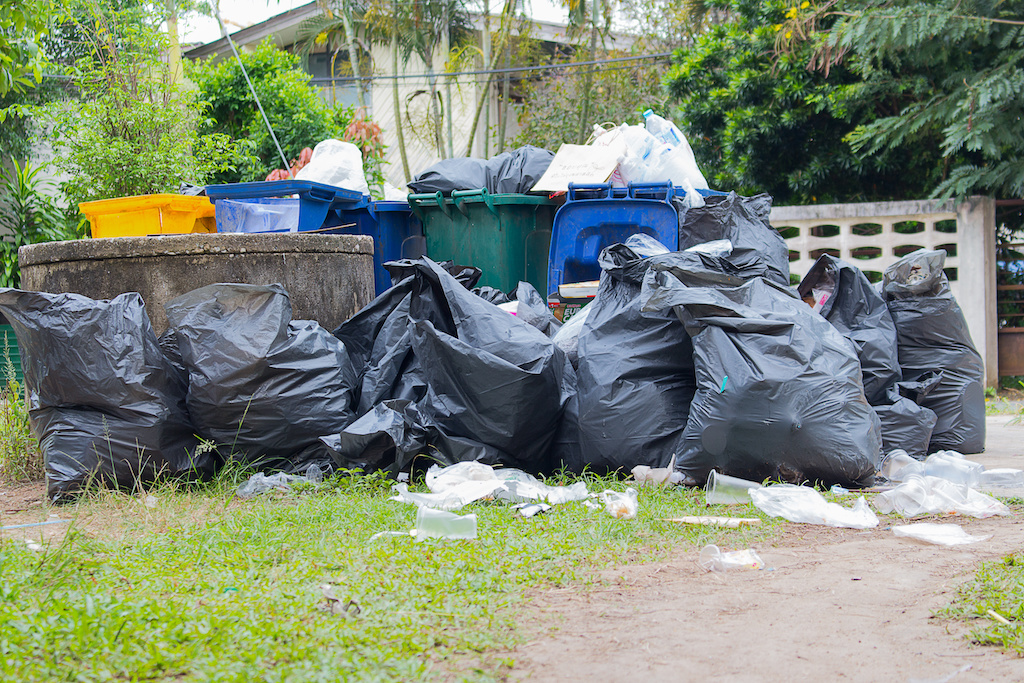
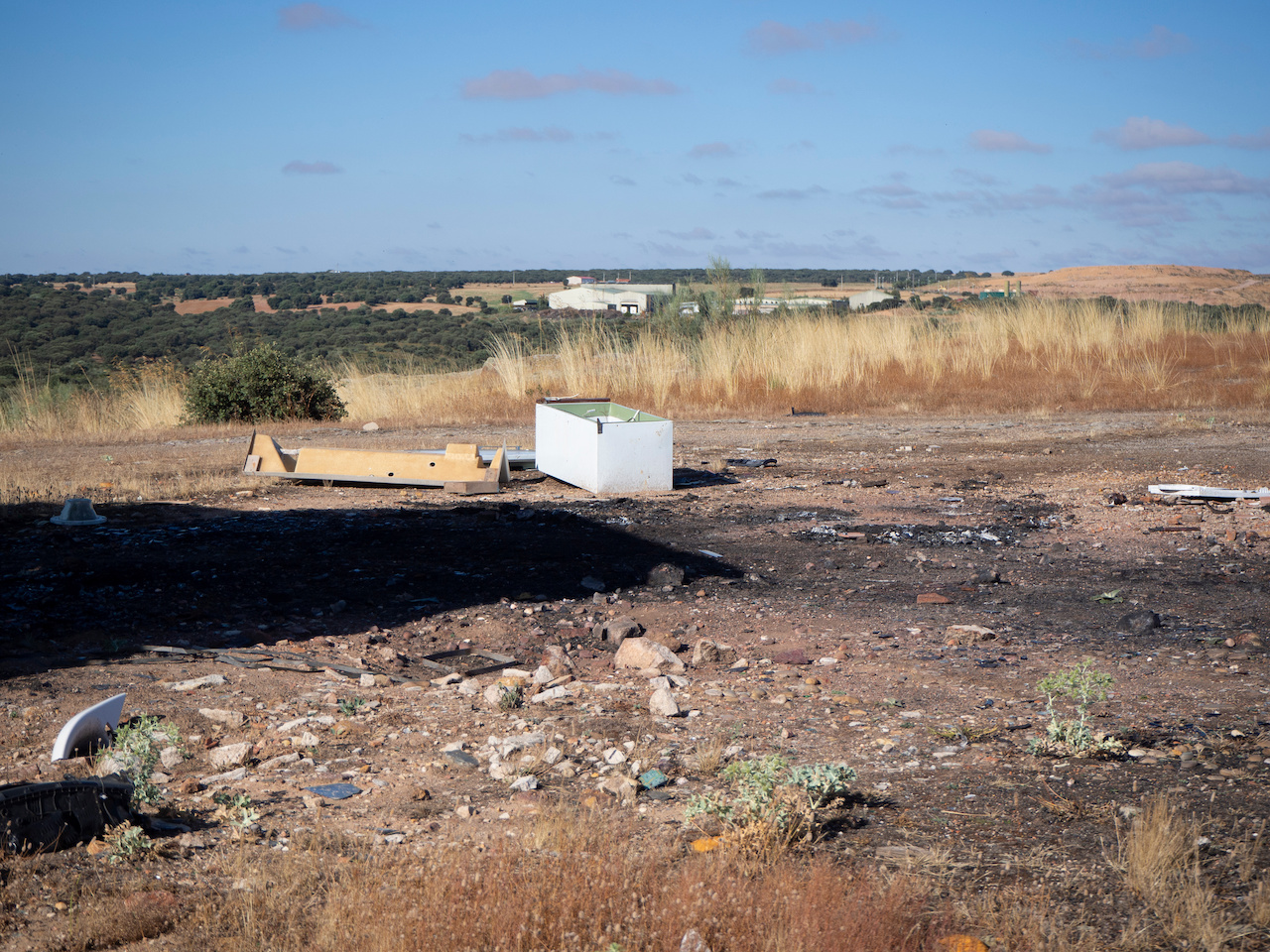
Not everything can be recycled or reused. Once recyclable and reusable items have been separated, the remaining rubbish is taken to an appropriate waste facility for disposal.
The aim is to recover as much as reasonably possible before rubbish reaches this stage. Cheapest Load of Rubbish works with authorised waste and recycling facilities to support responsible disposal and reduce the amount of recoverable material unnecessarily going to landfill.
Why This Matters
Sydney’s waste system relies on households, tradies and businesses making sensible choices about how rubbish is handled. Every load that is properly sorted creates opportunities to recycle or reuse materials that might otherwise end up in landfill.
It also matters because landfill space is finite. As Sydney continues to grow, making better use of recycling, reuse and resource recovery helps reduce unnecessary pressure on landfill facilities.
What You Can Do to Help
A few small habits can make a difference before rubbish is even collected:
- Keep recyclable materials separate from general waste where practical
- Donate furniture and appliances that are still in usable condition
- Tell your rubbish removal provider about any potentially hazardous or unusual materials before collection
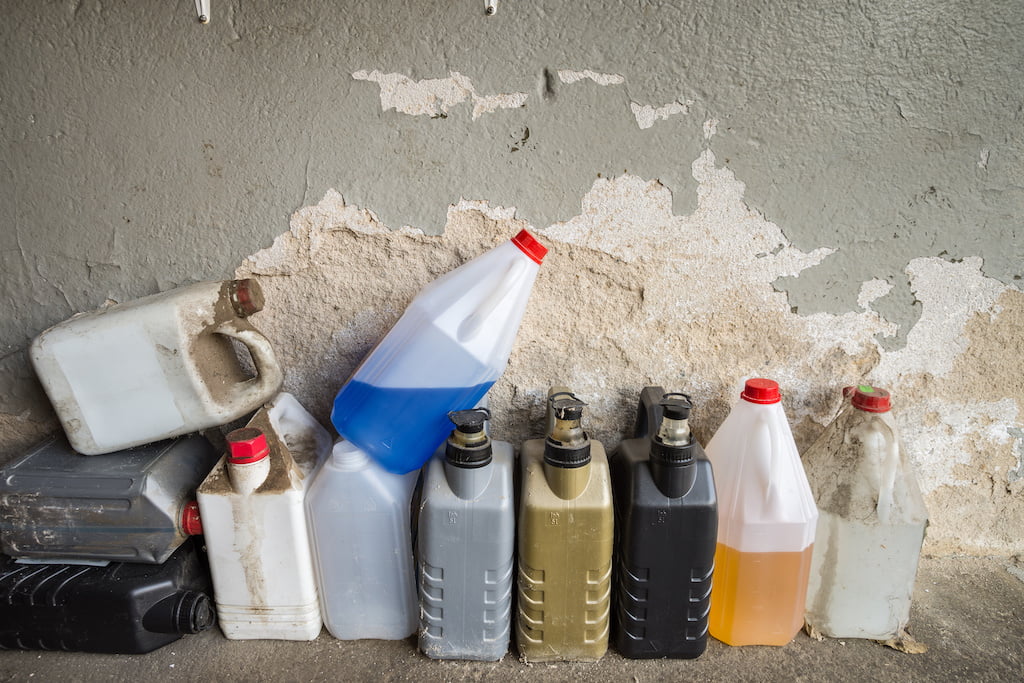
- Avoid mixing liquids, chemicals or other restricted materials into general rubbish
- Ask your removalist how collected materials are sorted and disposed of
It is also worth checking what Cheapest Load of Rubbish can take before booking if you have unusual items or a mixed load.
The Difference Between Claims and Practice
Plenty of businesses talk about sustainability. The real test is what actually happens to rubbish once it has been collected.
Cheapest Load of Rubbish hand-loads collected rubbish before taking it back to headquarters for further sorting. Recyclables are separated for appropriate recycling facilities, reusable goods can be directed towards donation, and the remaining waste is disposed of appropriately.
It is a practical process designed to recover as much as possible from each load.
Sustainability Across Different Job Types
The opportunities for recycling and reuse vary depending on the job.
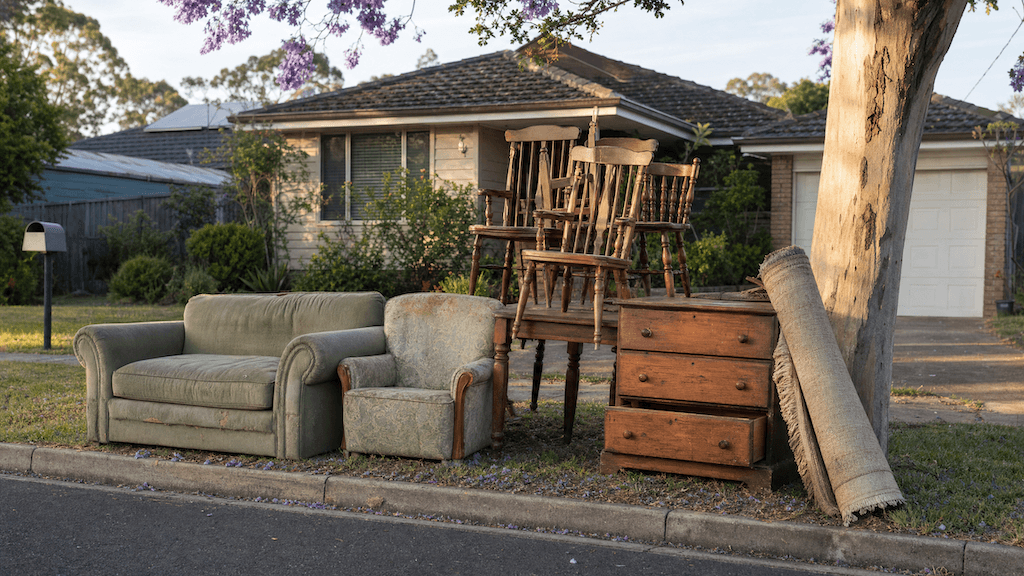
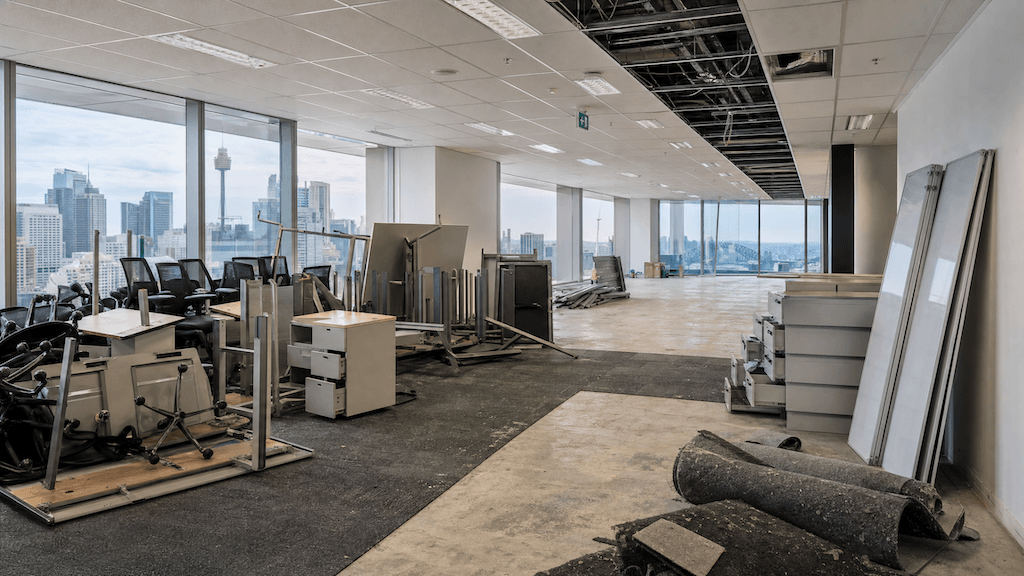
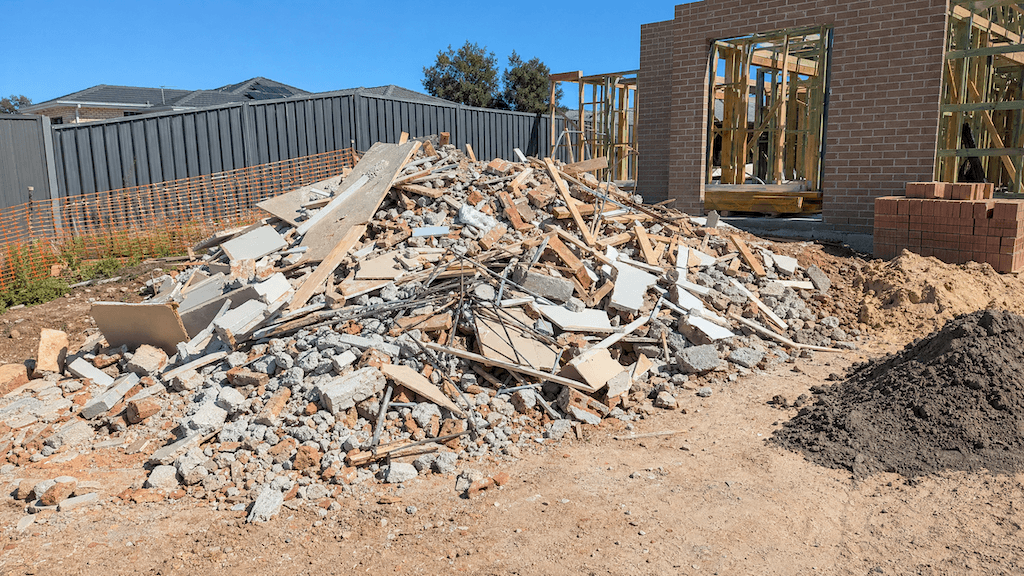
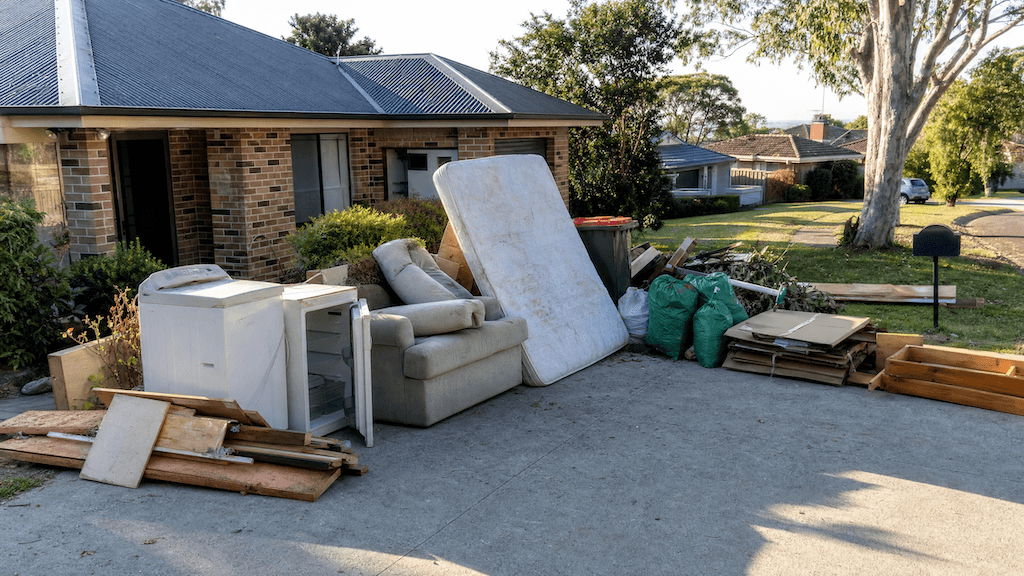
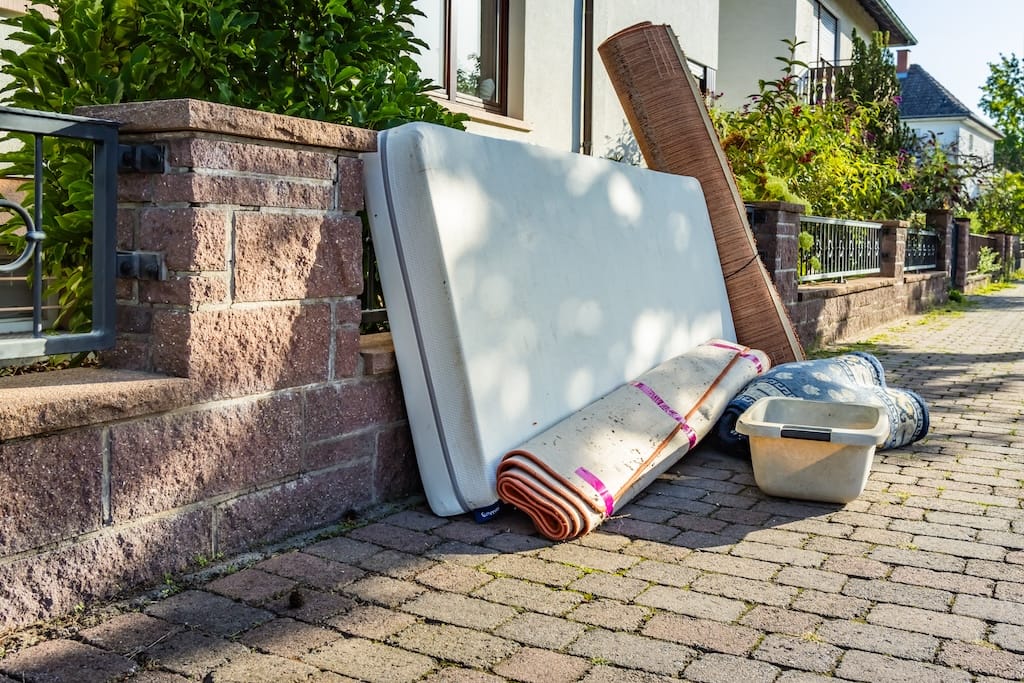
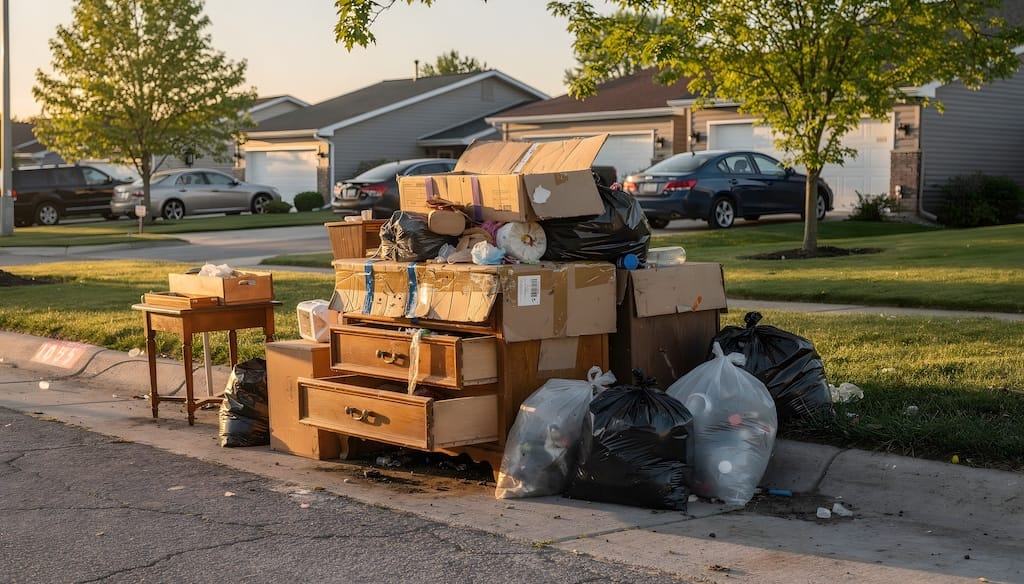
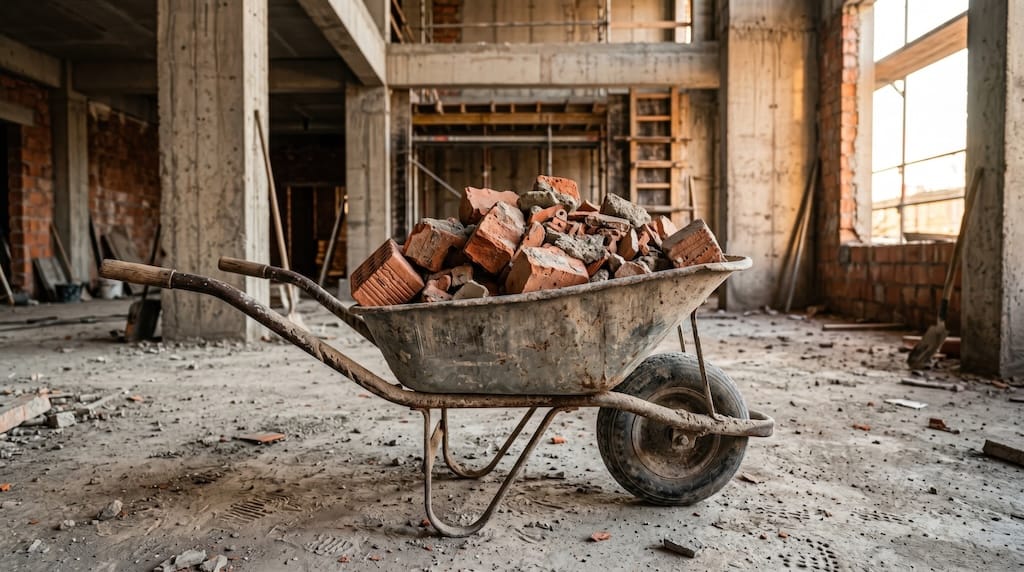
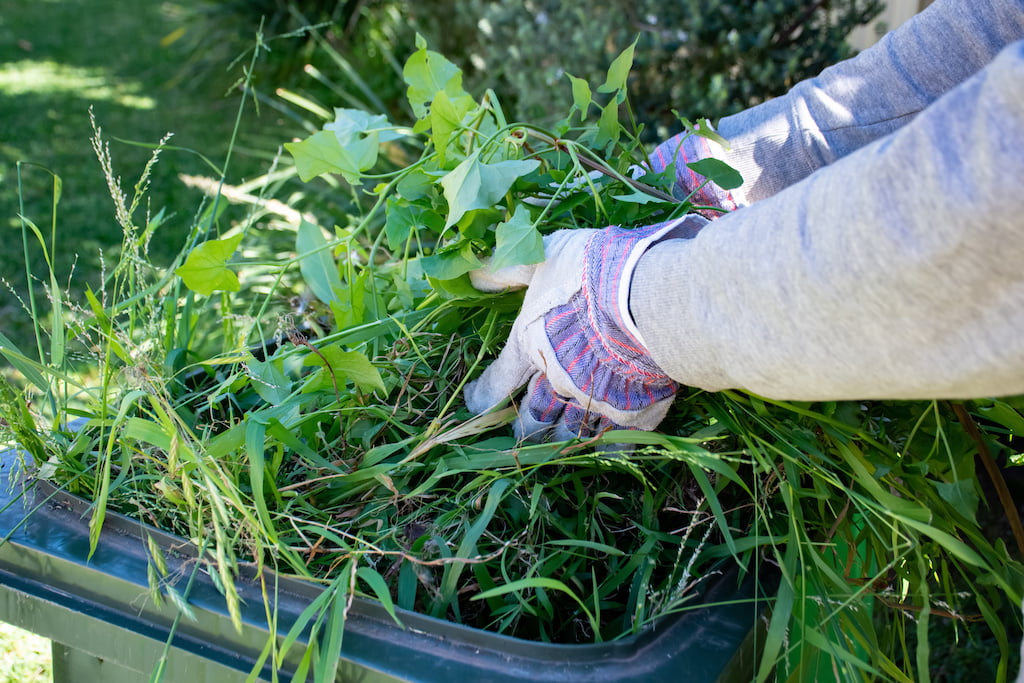
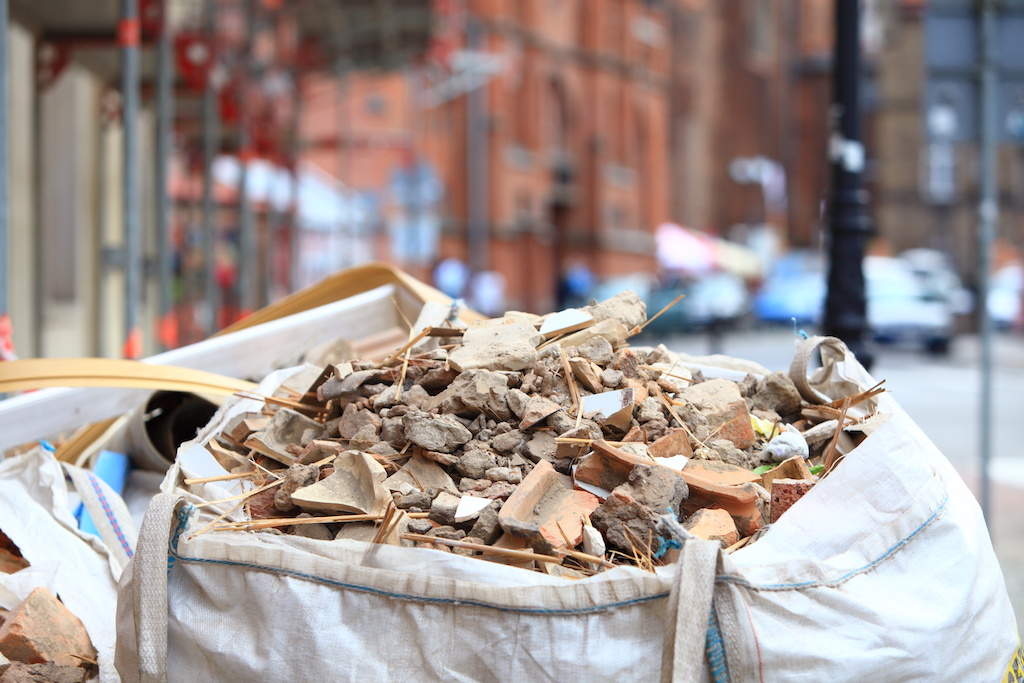
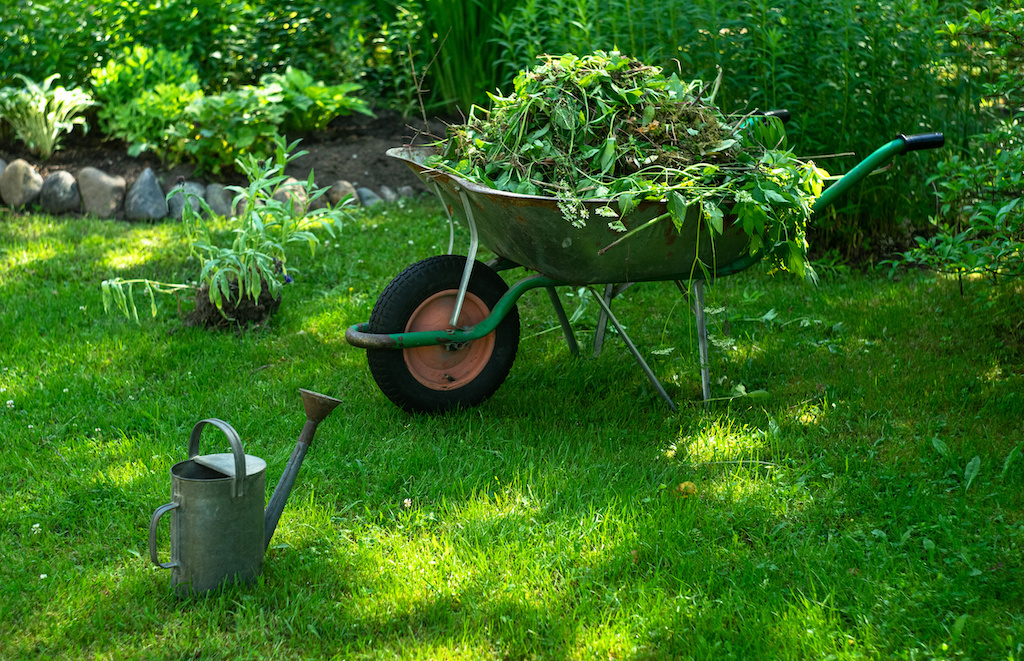
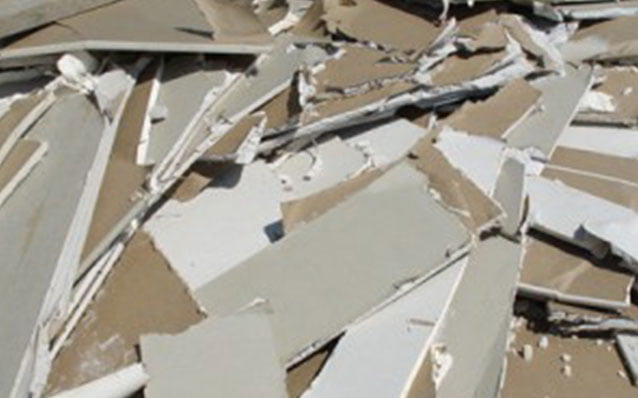
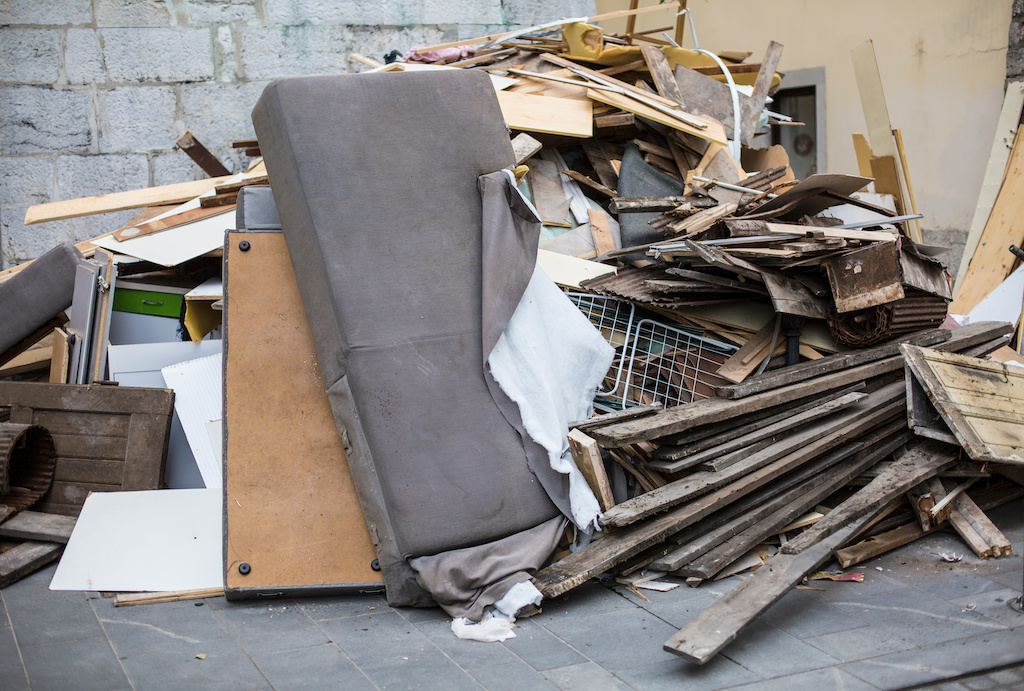
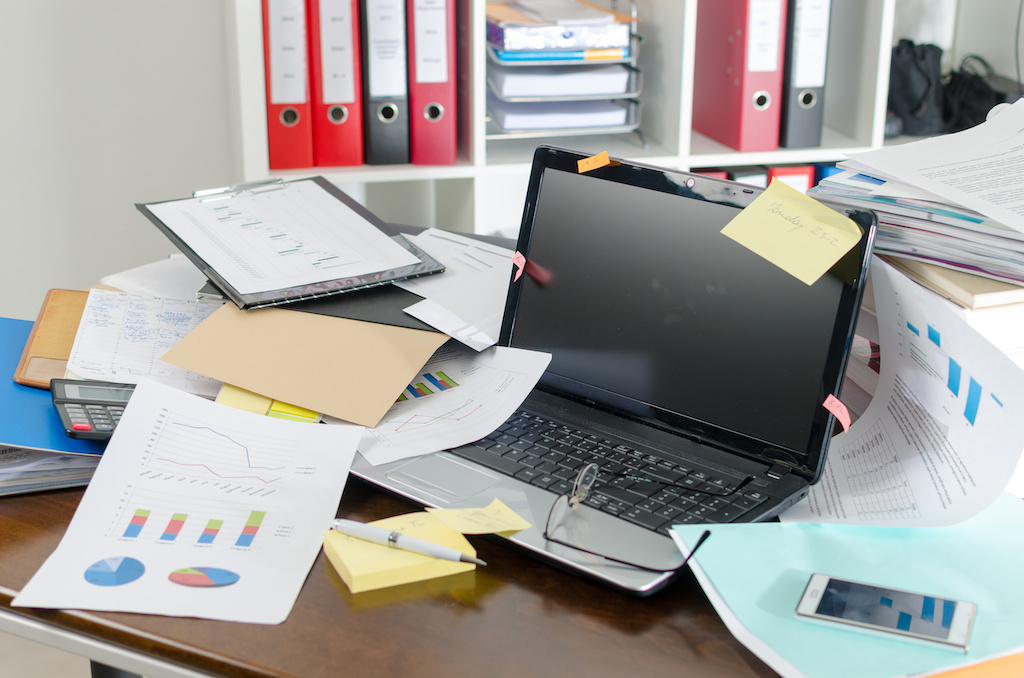
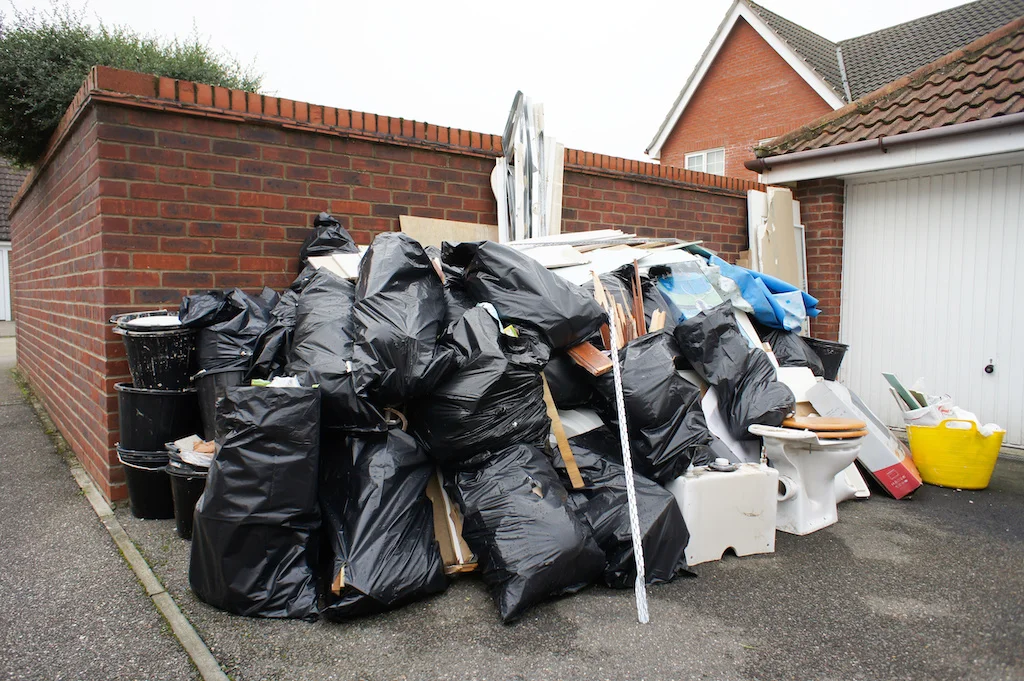
A household clean-out might include furniture, appliances, cardboard and other household goods that can be separated for recycling or reuse. A construction site is more likely to produce materials such as timber, bricks, tiles, concrete, metal and plasterboard. Garden clean-ups produce branches, clippings and other green waste that require a different disposal pathway again.
For building and renovation projects, professional building and demolition waste removal can help ensure different materials are collected and directed to suitable facilities.
Understanding the type of waste involved makes it easier to determine the most appropriate disposal or recycling pathway.
Why Reducing Landfill Matters
Sending every load directly to landfill might be simpler, but it overlooks the value still contained in many unwanted materials.
Furniture may still be usable. Metal, cardboard and other materials may be recyclable. Some building materials can be recovered rather than discarded. Separating these items means landfill can be reserved for waste that cannot reasonably be reused or recycled.
That is why sorting is such an important part of responsible rubbish removal services.
How This Shows Up on an Everyday Job
Responsible rubbish removal does not only apply to large commercial or construction projects.
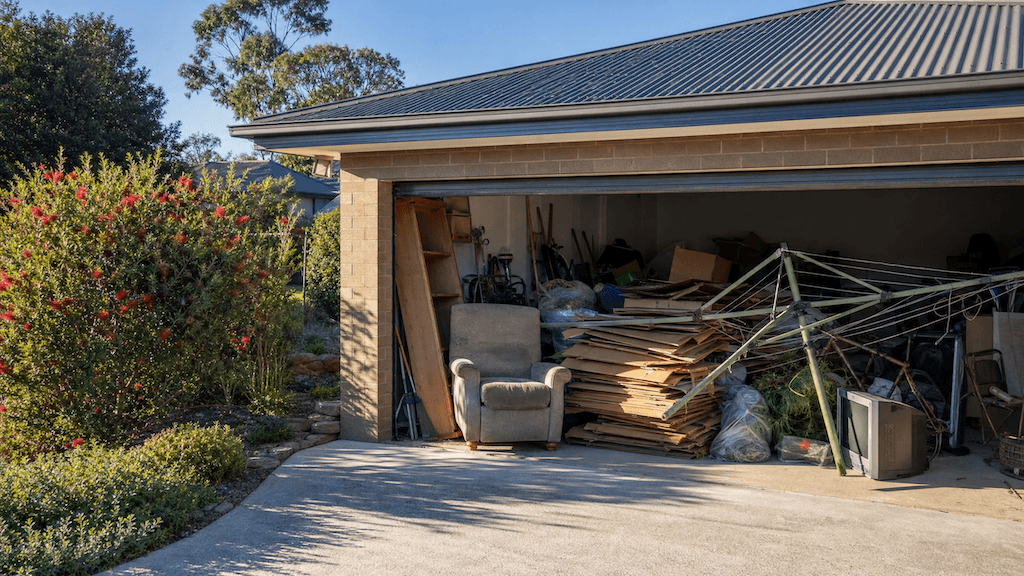
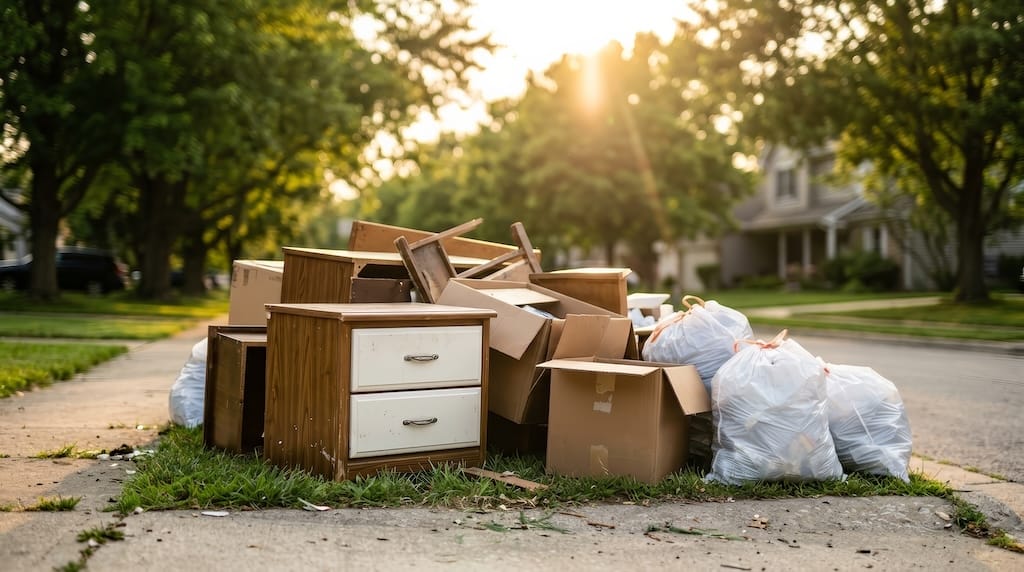
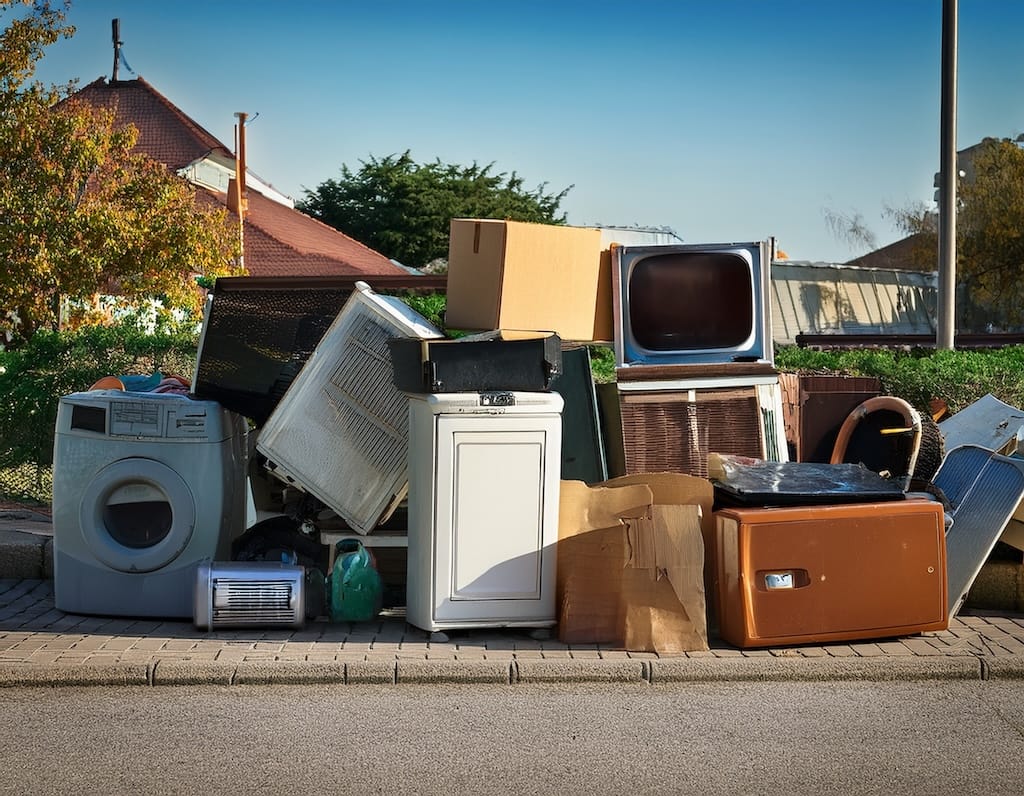
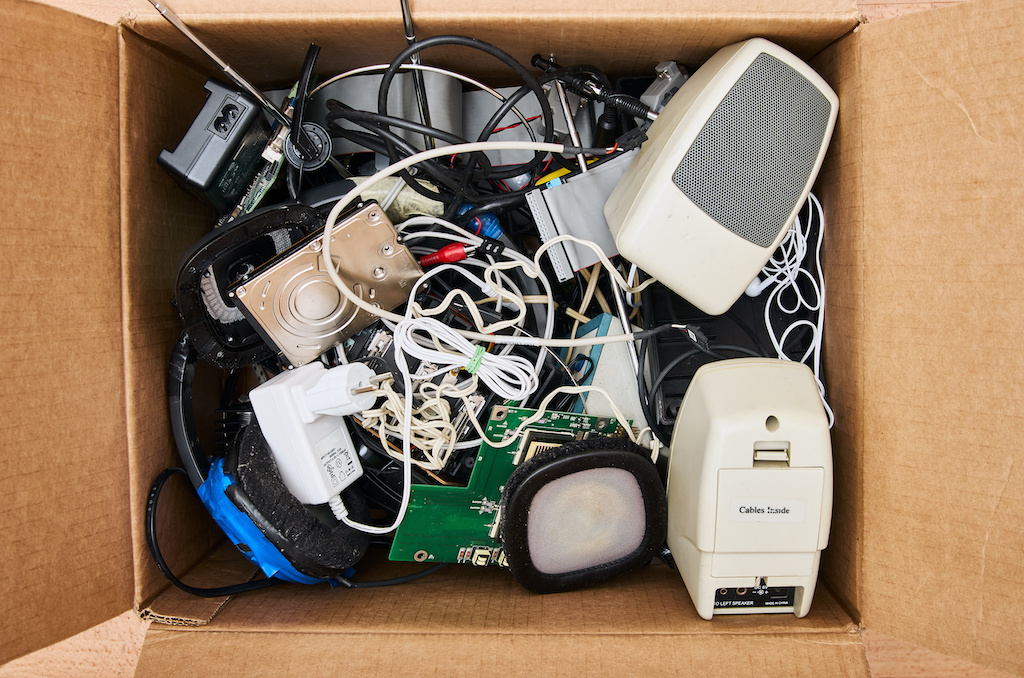
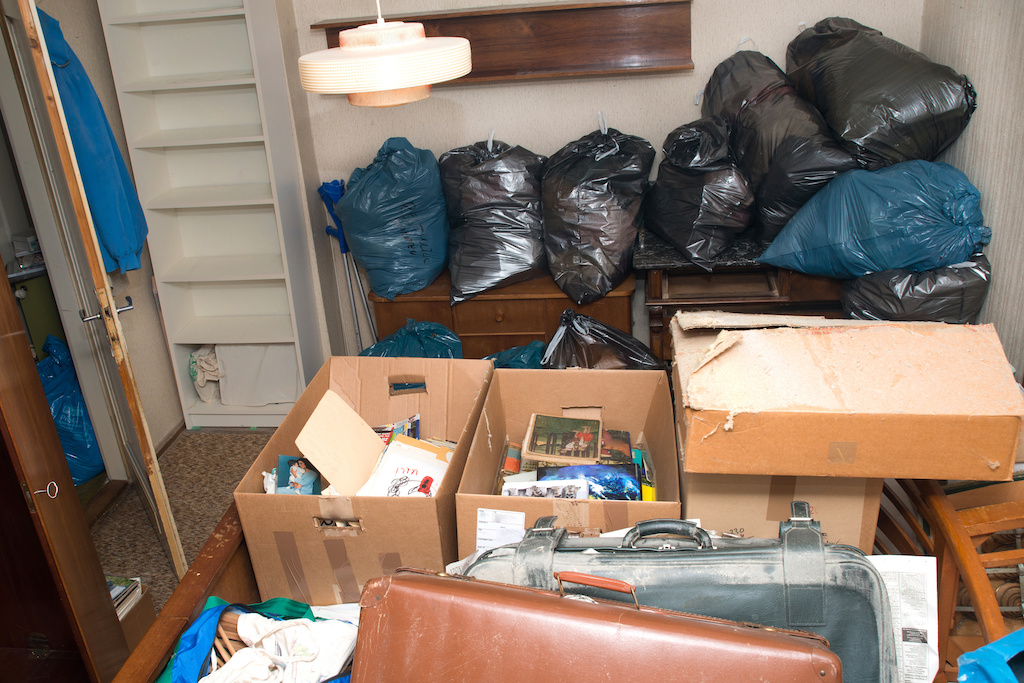
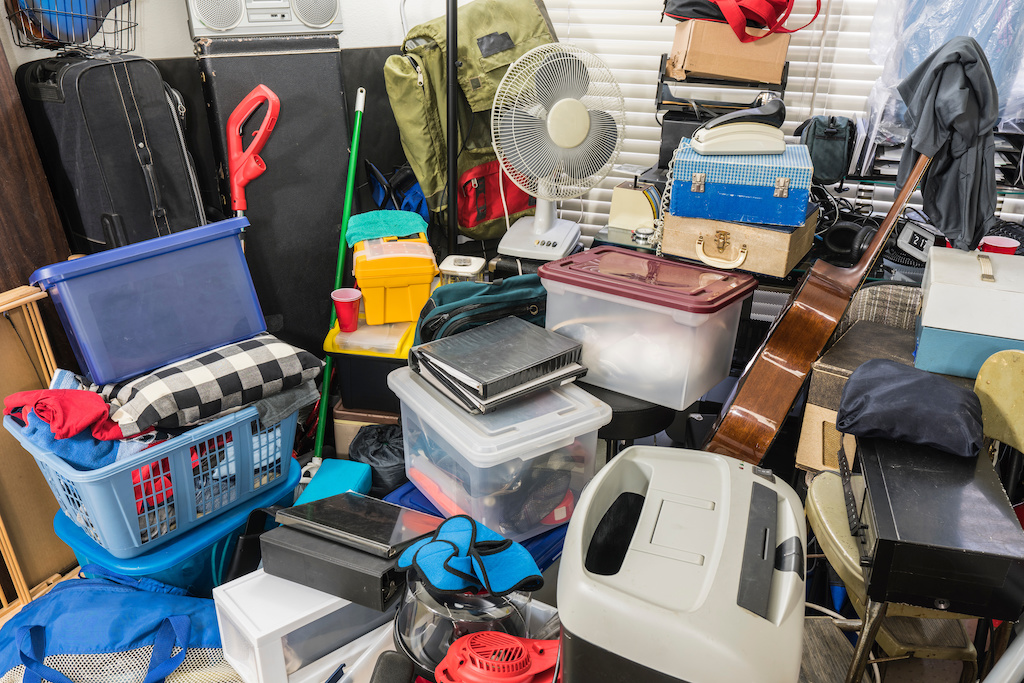
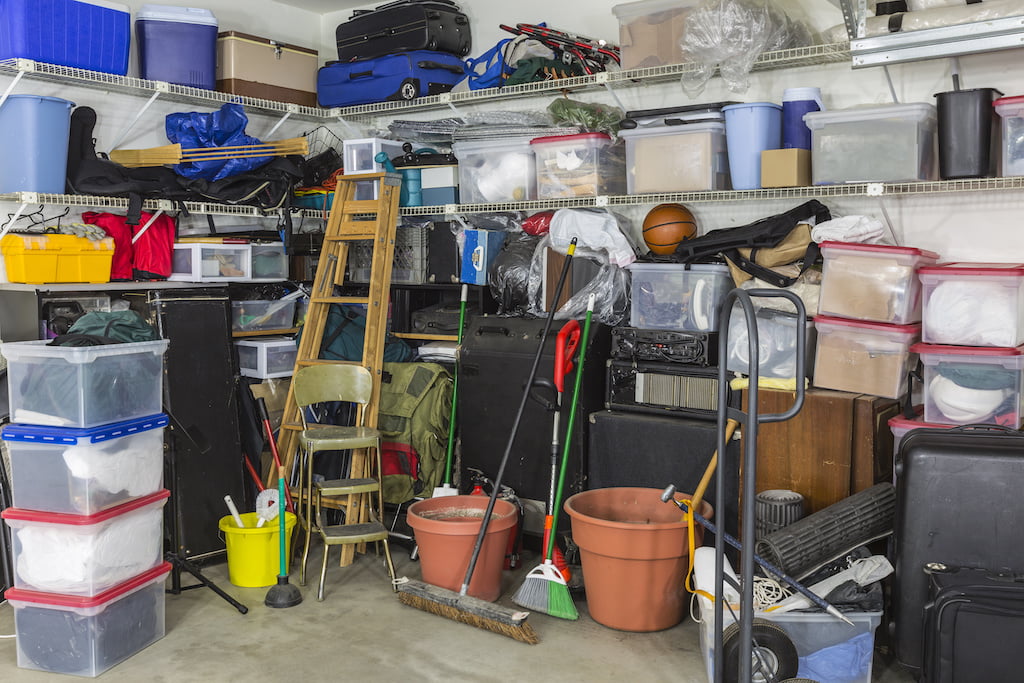
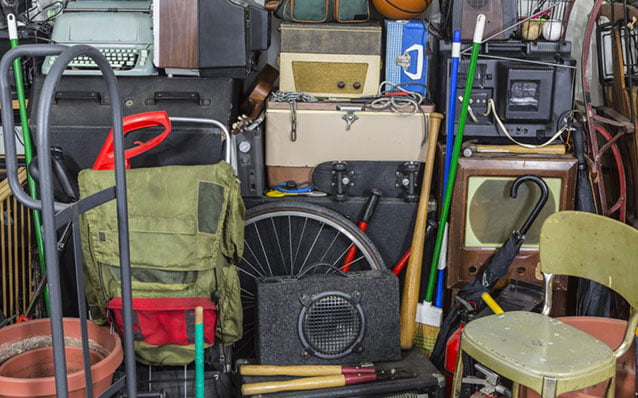
A straightforward household or garage clean-out can contain furniture, appliances, metal, cardboard, garden waste and general rubbish, all of which may require different handling once collected.
Rather than treating everything as one load destined for the same place, sorting helps identify what can be recycled, reused or donated before the remainder is disposed of.
A Question Worth Asking Any Removal Provider
If sustainability matters to you when choosing a rubbish removal service, a simple but telling question is to ask what happens to your rubbish after it is collected.
A provider should be able to explain how rubbish is sorted, what happens to recyclable materials and where items that cannot be recovered ultimately go.
For Cheapest Load of Rubbish, the process is clear: rubbish is hand-loaded, sorted, recyclable materials are directed to recycling facilities, suitable goods can be donated, and remaining waste is taken for appropriate disposal.
The Bottom Line
Rubbish removal is not just about clearing space. What happens to your rubbish afterwards matters too.
With more than 30 years of experience, Cheapest Load of Rubbish takes a practical approach to recycling, reuse and responsible disposal. Collected rubbish is sorted so recyclable materials can be recovered and usable items can be donated where appropriate, helping reduce the amount unnecessarily sent to landfill.
If you have rubbish that needs to go, contact Cheapest Load of Rubbish for a free, no-obligation quote and ask the team how your particular load will be handled.
Frequently Asked Questions
Do you recycle everything you collect?
Not everything can be recycled. Cheapest Load of Rubbish sorts collected rubbish so recyclable materials can be separated and taken to appropriate recycling facilities, while suitable reusable items may be donated.
What happens to furniture that is still in good condition?
Furniture and other goods that are still in usable condition may be donated to charities supported by Cheapest Load of Rubbish rather than being sent for disposal.
Where does rubbish go after you collect it?
Collected rubbish is taken back to Cheapest Load of Rubbish headquarters for sorting. Recyclable materials are separated for recycling, suitable goods may be donated, and waste that cannot be recycled or reused is taken to the tip.
Can I ask about how my rubbish will be handled?
Yes. If you have particular items or materials you are concerned about, let the team know when arranging your rubbish removal.
Does sorting rubbish cost extra?
Sorting is part of the Cheapest Load of Rubbish waste handling process. Collected rubbish is sorted to identify recyclable, reusable and general waste materials.
Does the type of job affect how much can be recycled?
Yes. Different jobs produce different types of waste, and recycling or recovery options depend on the materials collected and their condition. Construction, household, commercial and garden waste can all require different recycling or disposal pathways.